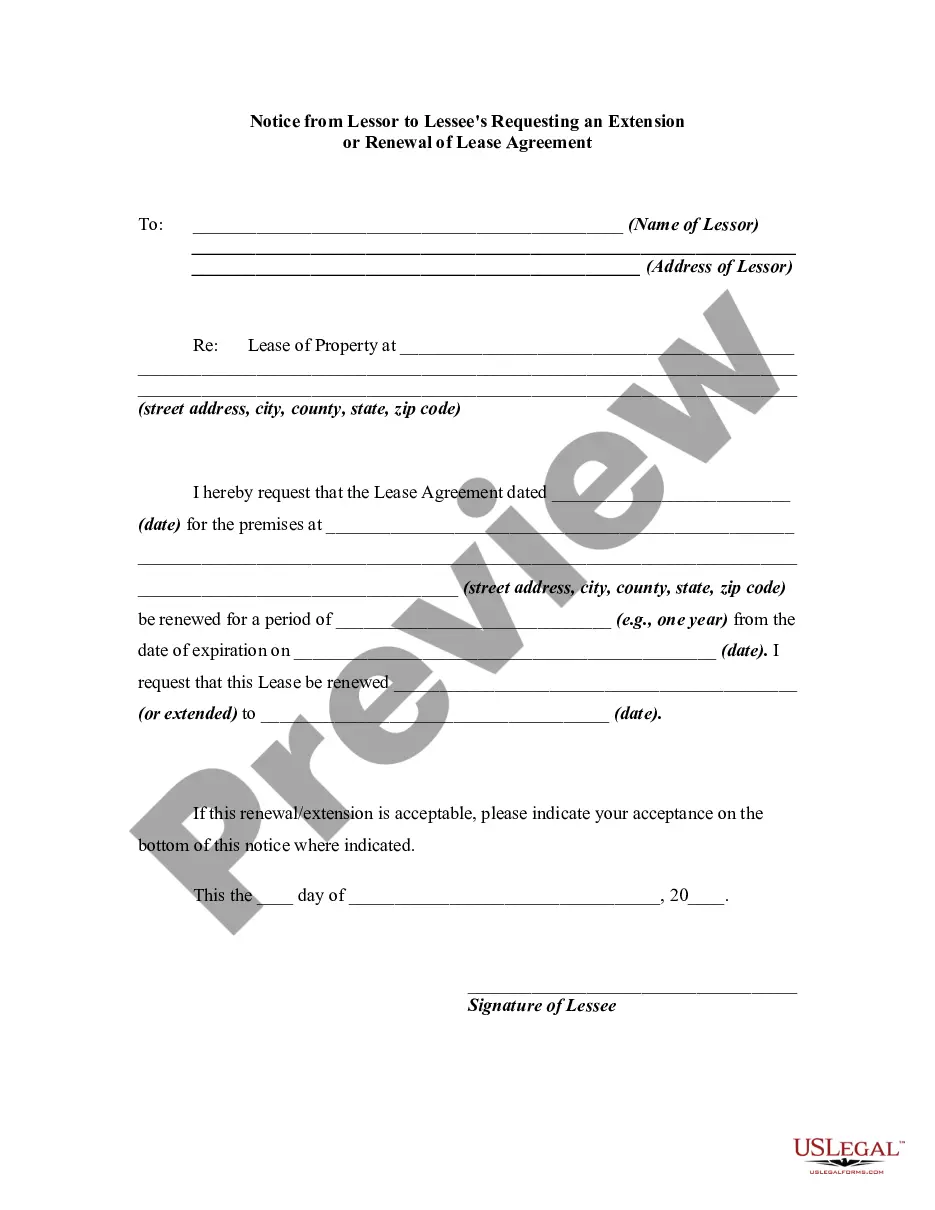
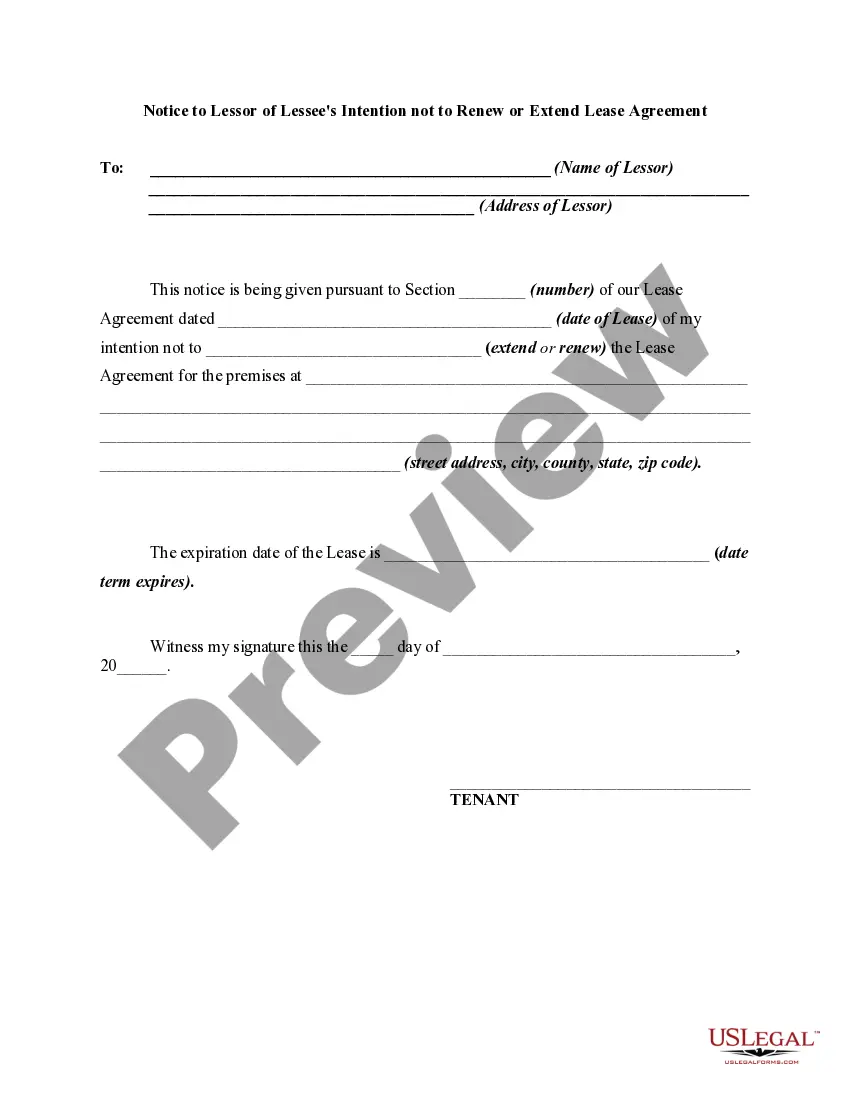
Lessor Lease
Description
Get your form ready online
Our built-in tools help you complete, sign, share, and store your documents in one place.
Make edits, fill in missing information, and update formatting in US Legal Forms—just like you would in MS Word.
Download a copy, print it, send it by email, or mail it via USPS—whatever works best for your next step.
Sign and collect signatures with our SignNow integration. Send to multiple recipients, set reminders, and more. Go Premium to unlock E-Sign.
If this form requires notarization, complete it online through a secure video call—no need to meet a notary in person or wait for an appointment.
We protect your documents and personal data by following strict security and privacy standards.

Make edits, fill in missing information, and update formatting in US Legal Forms—just like you would in MS Word.

Download a copy, print it, send it by email, or mail it via USPS—whatever works best for your next step.

Sign and collect signatures with our SignNow integration. Send to multiple recipients, set reminders, and more. Go Premium to unlock E-Sign.

If this form requires notarization, complete it online through a secure video call—no need to meet a notary in person or wait for an appointment.

We protect your documents and personal data by following strict security and privacy standards.
Looking for another form?
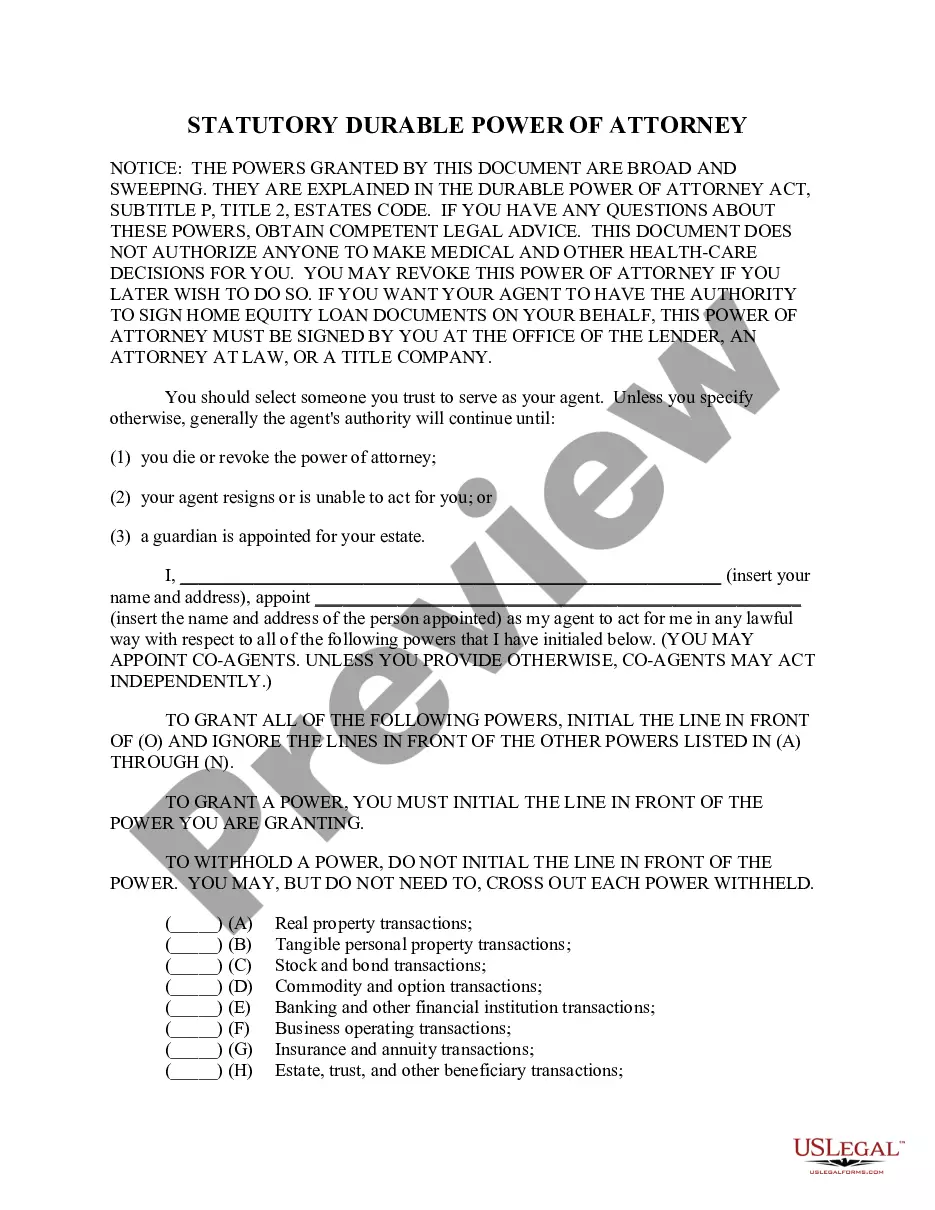



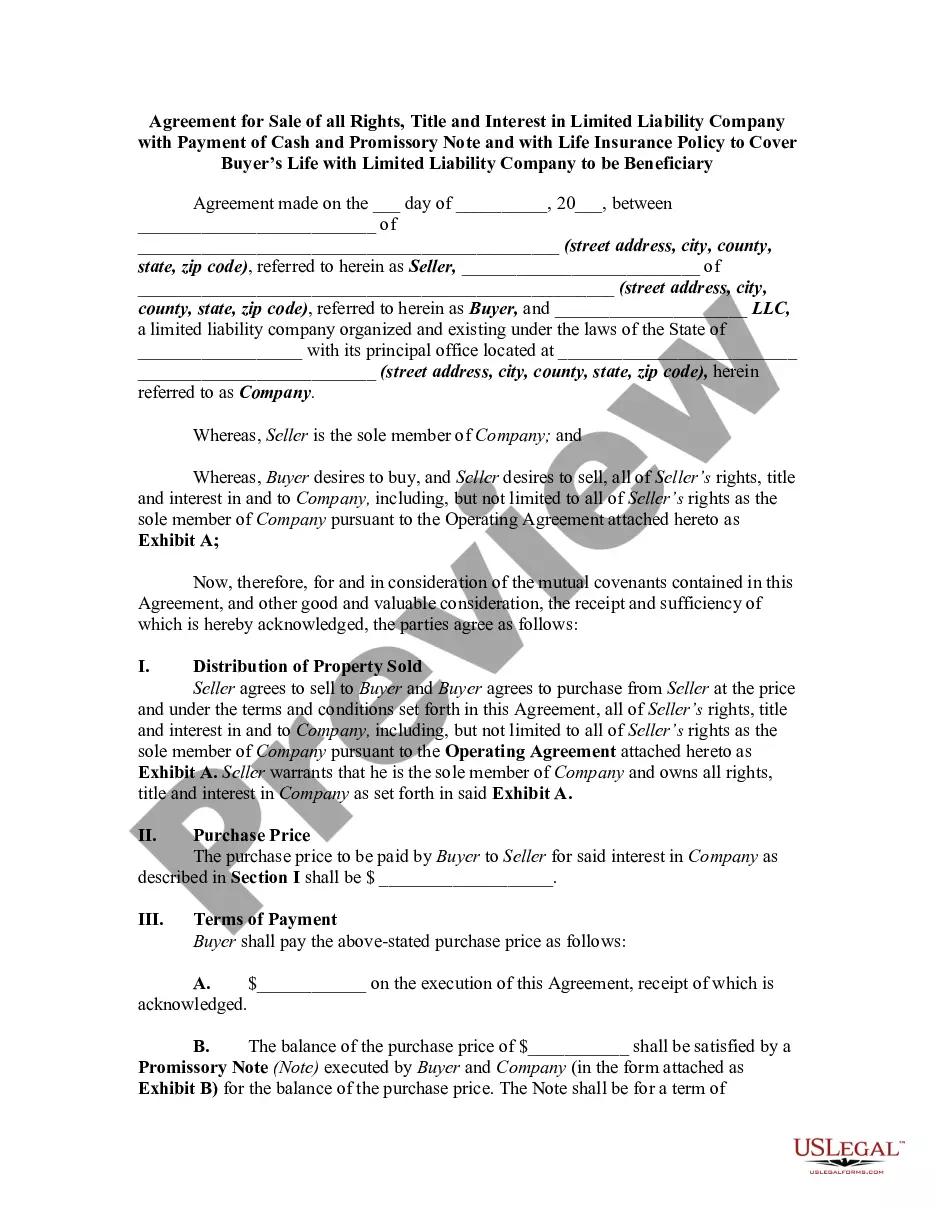




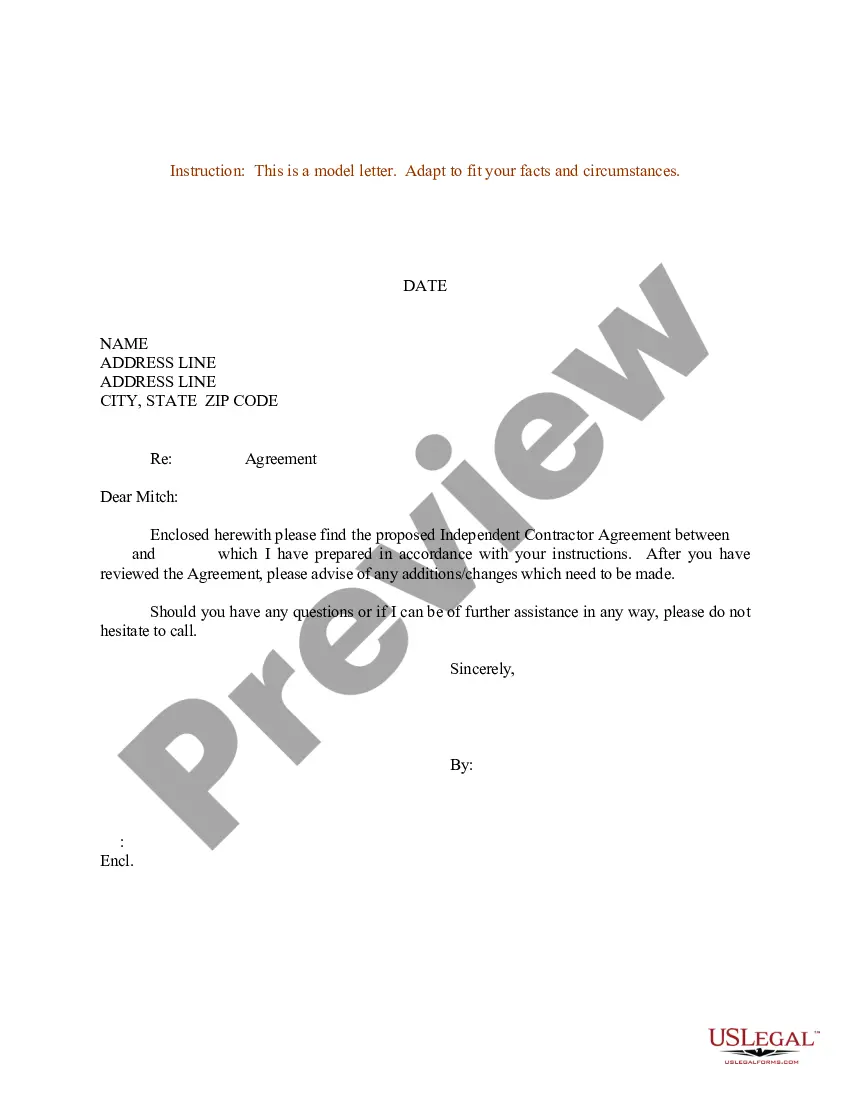
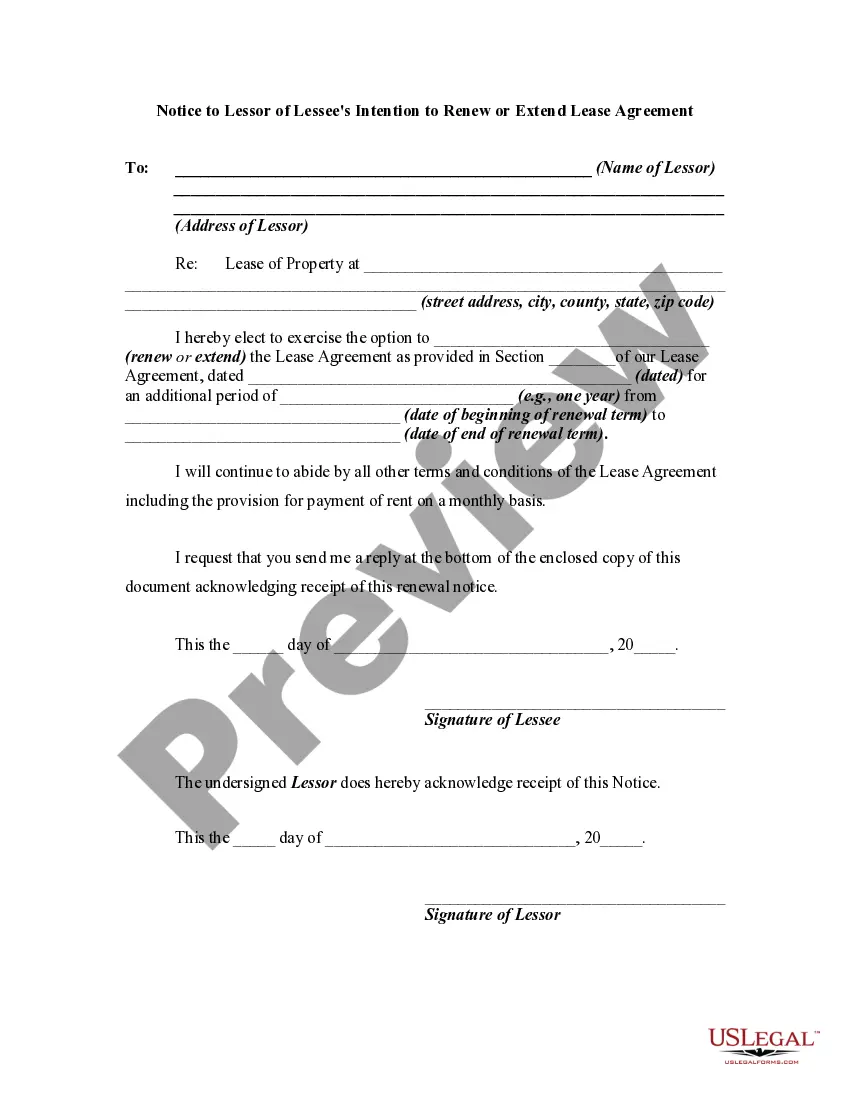
How to fill out Notice To Lessor Of Lessee's Intention To Renew Or Extend Lease Agreement?
Steering through the red tape of official documents and templates can be daunting, particularly if one is not engaged in that professionally.
Even selecting the appropriate template for a Lessor Lease will be labor-intensive, as it must be valid and accurate to the last digit.
However, you will need to invest significantly less time picking a suitable template from a resource you can rely on.
Obtain the correct form in a few straightforward steps.
- US Legal Forms is a platform that streamlines the process of finding the correct forms online.
- US Legal Forms is a single location you need to locate the most current examples of documents, verify their usage, and download these examples to fill them out.
- It is a collection of over 85K forms that apply in various fields.
- When searching for a Lessor Lease, there will be no need to question its authenticity as all the forms are validated.
- An account at US Legal Forms will guarantee you have all the necessary samples at your fingertips.
- Store them in your history or add them to the My documents collection.
- You can retrieve your saved forms from any device by clicking Log In on the library website.
- If you still lack an account, you can always search again for the template you seek.
Form popularity
FAQ
Here are some of the most important items to cover in your lease or rental agreement.Names of all tenants.Limits on occupancy.Term of the tenancy.Rent.Deposits and fees.Repairs and maintenance.Entry to rental property.Restrictions on tenant illegal activity.More items...?
Lessor Accounting Under an operating lease, the lessor records rent revenue (credit) and a corresponding debit to either cash/rent receivable. The asset remains on the lessor's books as an owned asset, and the lessor records depreciation expense over the life of the asset.
The accounting for the lessor is largely unchanged from ASC 840 to ASC 842. Lessors continue to recognize lease income for their leases, and balance sheet recognition requirements stay predominantly the same. The lease agreement's underlying asset will continue to be classified as the lessor's fixed asset.
In general, a lease is classified as a finance lease if it transfers substantially all the risks and rewards from ownership of an asset. Conversely, an operating lease is a lease that does not transfer substantially all the risks and rewards from ownership of an asset (IFRS 16.62).