Appealable
Description
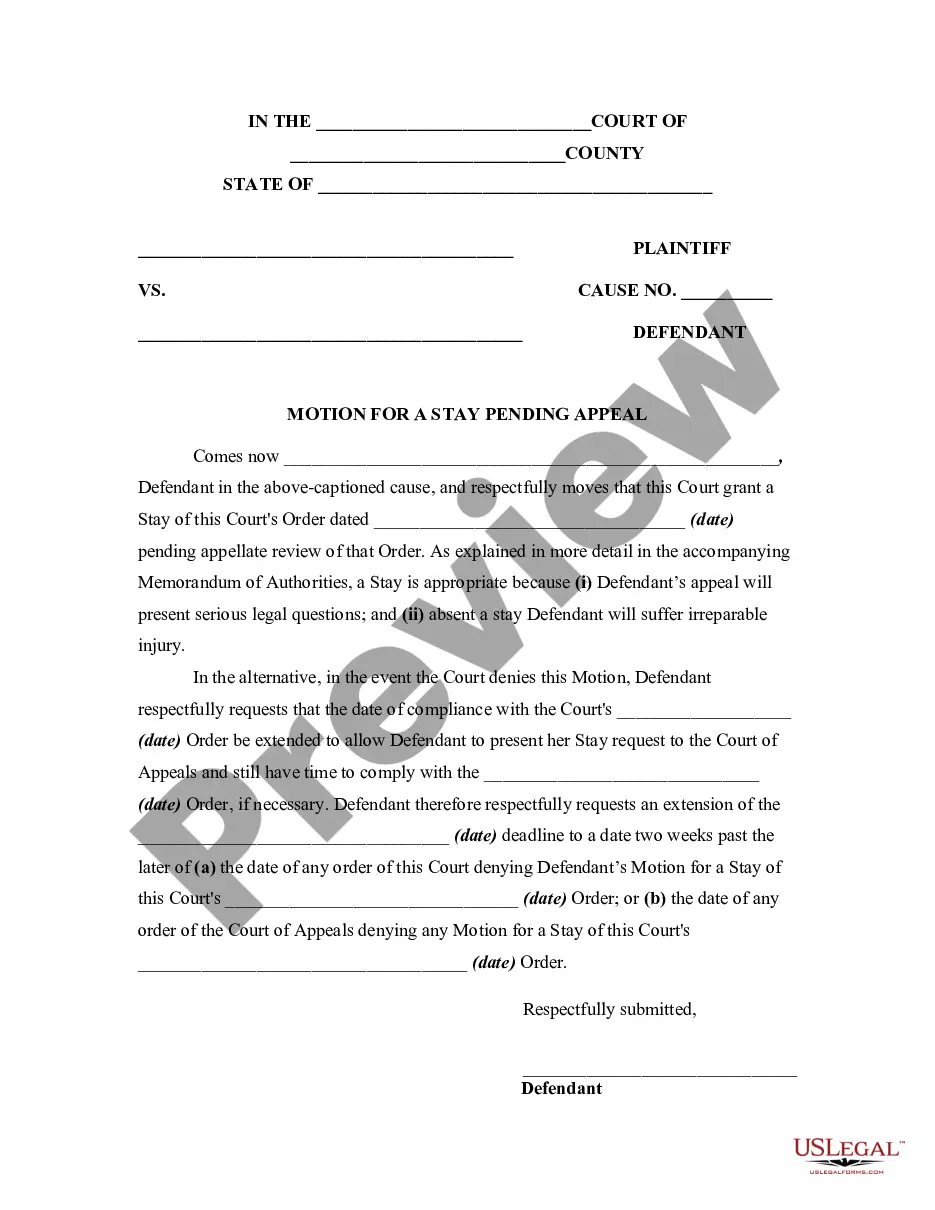
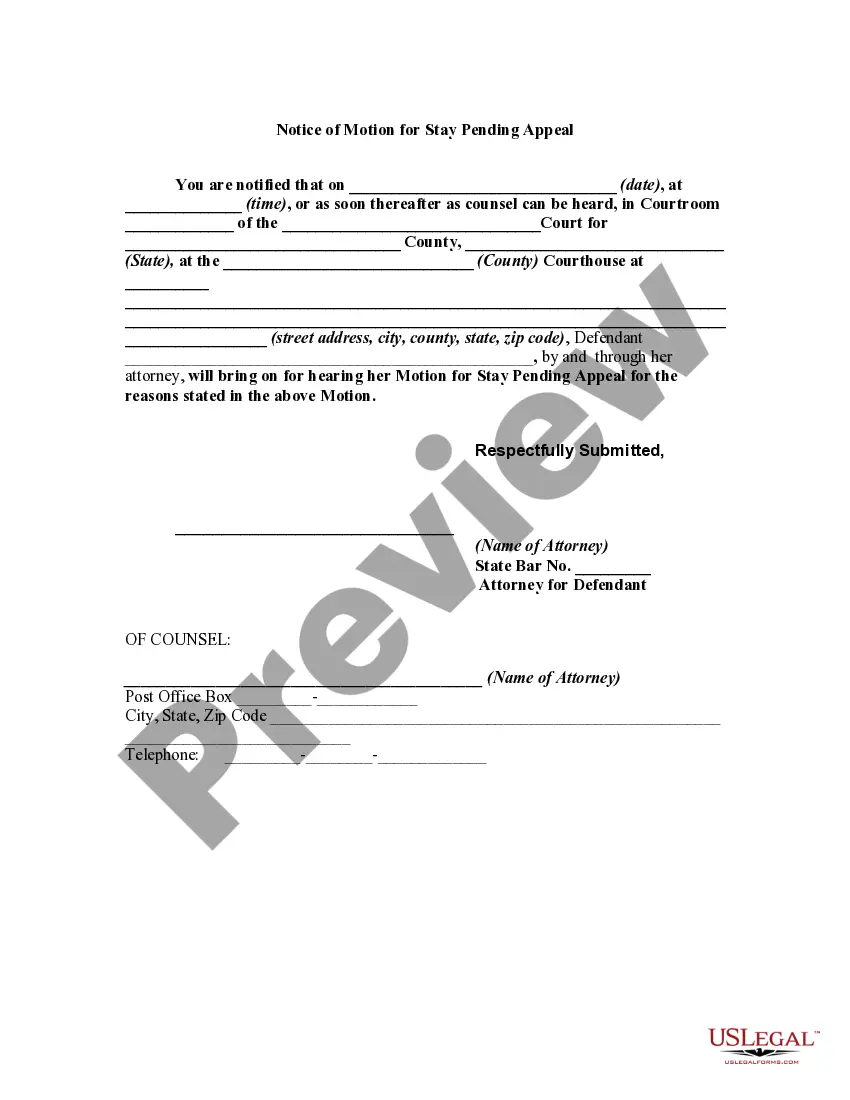
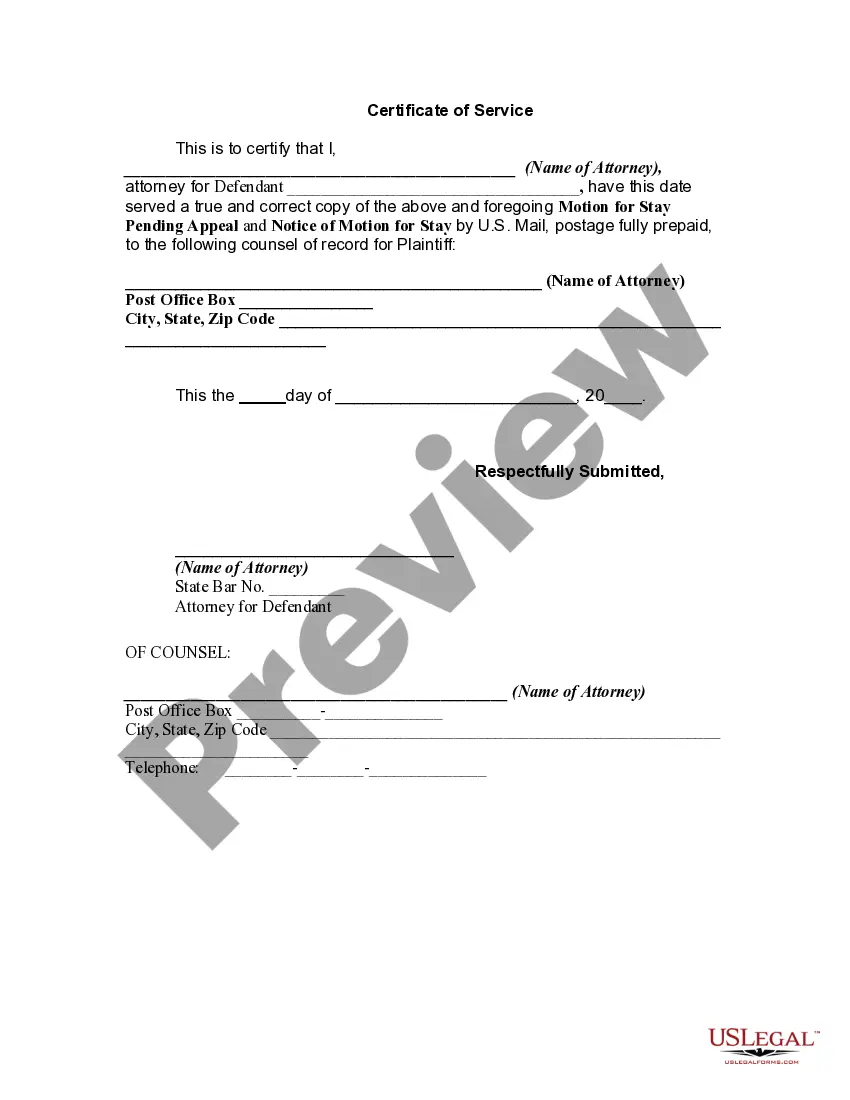
Get your form ready online
Our built-in tools help you complete, sign, share, and store your documents in one place.
Make edits, fill in missing information, and update formatting in US Legal Forms—just like you would in MS Word.
Download a copy, print it, send it by email, or mail it via USPS—whatever works best for your next step.
Sign and collect signatures with our SignNow integration. Send to multiple recipients, set reminders, and more. Go Premium to unlock E-Sign.
If this form requires notarization, complete it online through a secure video call—no need to meet a notary in person or wait for an appointment.
We protect your documents and personal data by following strict security and privacy standards.

Make edits, fill in missing information, and update formatting in US Legal Forms—just like you would in MS Word.

Download a copy, print it, send it by email, or mail it via USPS—whatever works best for your next step.

Sign and collect signatures with our SignNow integration. Send to multiple recipients, set reminders, and more. Go Premium to unlock E-Sign.

If this form requires notarization, complete it online through a secure video call—no need to meet a notary in person or wait for an appointment.

We protect your documents and personal data by following strict security and privacy standards.
Looking for another form?

How to fill out Motion For Stay Pending Appeal And Notice Of Motion?
- Log in to your existing US Legal Forms account to access your saved documents. Ensure your subscription is active; renew if necessary.
- For new users, start by reviewing the form descriptions in Preview mode to identify appealable forms that align with your requirements.
- If the desired template isn't found, utilize the search functionality at the top to locate an appropriate form.
- Proceed to purchase the form by clicking the 'Buy Now' button and selecting a subscription plan tailored for your needs. You'll need to create an account for full access.
- Complete your purchase using your credit card or PayPal for a seamless transaction.
- Finally, download the chosen form to your device. You can revisit it anytime from the 'My Forms' section in your profile.
By following these steps, you can easily obtain the legal forms you need. US Legal Forms not only provides a robust collection of templates but also connects you with premium experts for additional assistance.
Take control of your legal documentation process today — explore US Legal Forms and discover the right solutions for your needs.
Form popularity
FAQ
Good reasons to appeal include the discovery of new evidence, legal errors made by the judge, or unfair trial practices. Each of these reasons must demonstrate that they could lead to a different outcome if reconsidered. For a successful appealable case, clearly presenting these reasons is essential. Engaging legal support can further strengthen your position.
When writing a reason for appeal, outline the specific errors you believe occurred during your case. Clearly articulate how these errors affected the trial's verdict or judgment. Ensure your reasoning is concise, logical, and supported by evidence from the trial. The US Legal Forms resources can assist you in crafting a compelling and structured reason for appeal.
Good grounds for an appealable case include constitutional violations, insufficient evidence, or procedural mistakes. These grounds must clearly show that the error impacted the trial's outcome. For example, if a jury received misleading information, it can serve as strong grounds for appeal. Making a strong case can influence the higher court's decision.
A good appeal reason is often an alleged legal error made during the trial. This can include incorrect jury instructions or the improper admission of evidence. Establishing a clear connection between the error and the trial's outcome strengthens the appealable claim. Ultimately, a compelling appeal reason can significantly affect the case's results.
A good example of an appeal is when a defendant challenges a guilty verdict in a criminal case. In this scenario, the defendant may argue that errors occurred during the trial that affected the case's outcome. For instance, if a judge allowed improper evidence, this could be a basis for an appealable issue. This demonstrates how appeals can lead to reevaluation of significant decisions.
The procedure for appeal typically begins with filing a notice of appeal in the appropriate court. This involves preparing the necessary documents, which may include an appellate brief that outlines your arguments. After submitting these documents to the court, you should serve copies to the involved parties. You can utilize the US Legal Forms platform to find the right templates and information to guide you through the appealable process.
The key to a successful appeal lies in understanding the legal standards and arguing convincingly for your position. Clear communication, logical reasoning, and adherence to procedural rules are essential. With the assistance of the US Legal platform, you can obtain the necessary information to navigate the appeals process confidently.
To increase your chances of winning an appeal, gather supporting documents, witness testimonies, and expert opinions. A clear, logical presentation of your appealable issues is crucial. Leveraging the support services from US Legal can provide valuable guidance in assembling these elements effectively.
You can appeal based on several grounds, including procedural errors, misapplication of law, or insufficiency of evidence. It’s vital to pinpoint specific issues that contributed to an unjust result in your case. Consultative resources from US Legal can help identify which grounds are most relevant and appealable for your situation.
Winning an appeal involves thoroughly preparing your case and presenting a solid argument based on legal standards. Focus on highlighting errors made during the original trial that affect the outcome. Utilizing the resources available on the US Legal platform can equip you with the right tools to construct a successful, appealable argument.