Appeal Notice Vacate Withdraw
Description
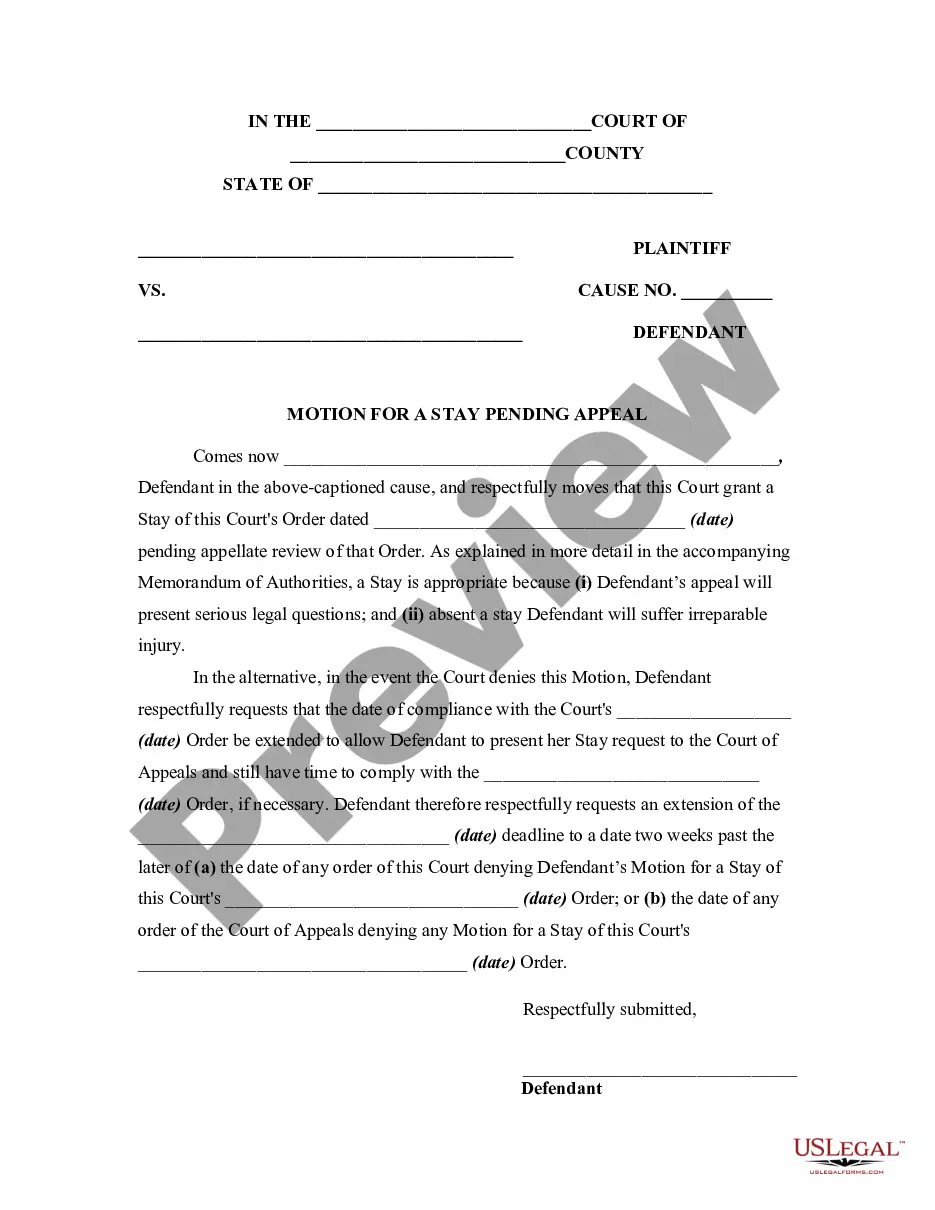
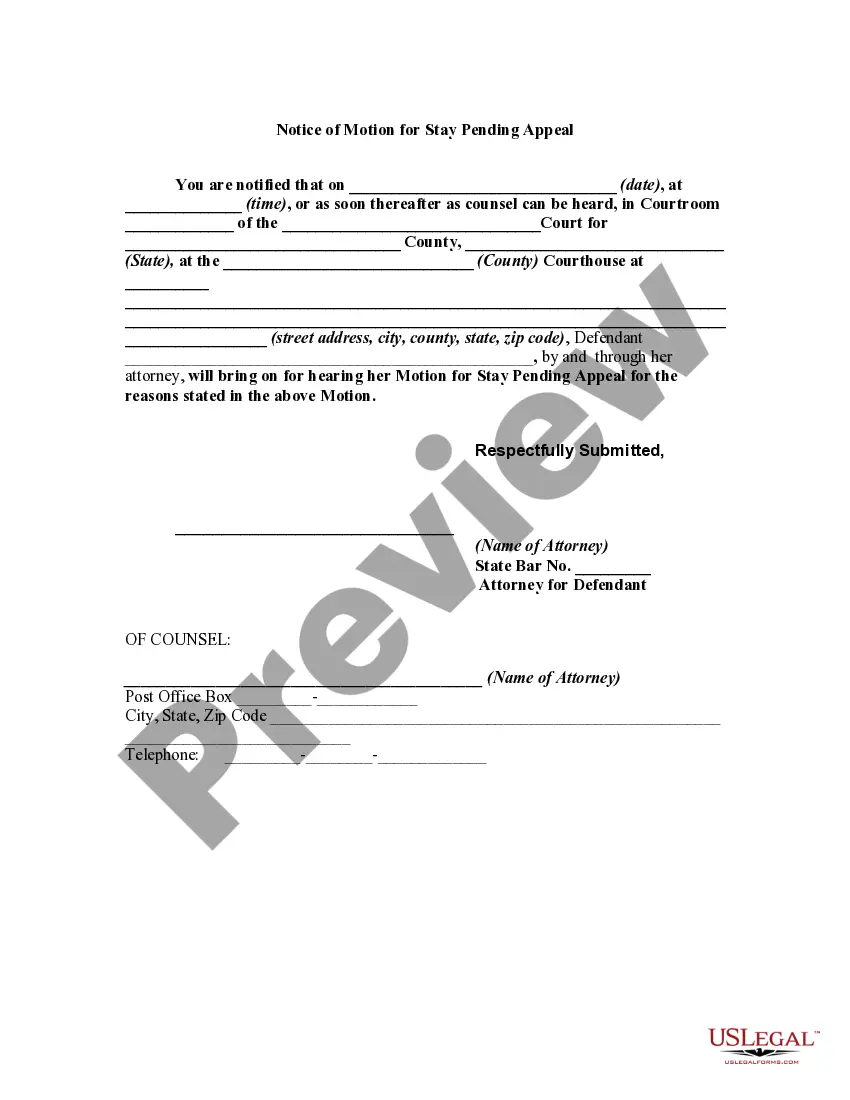
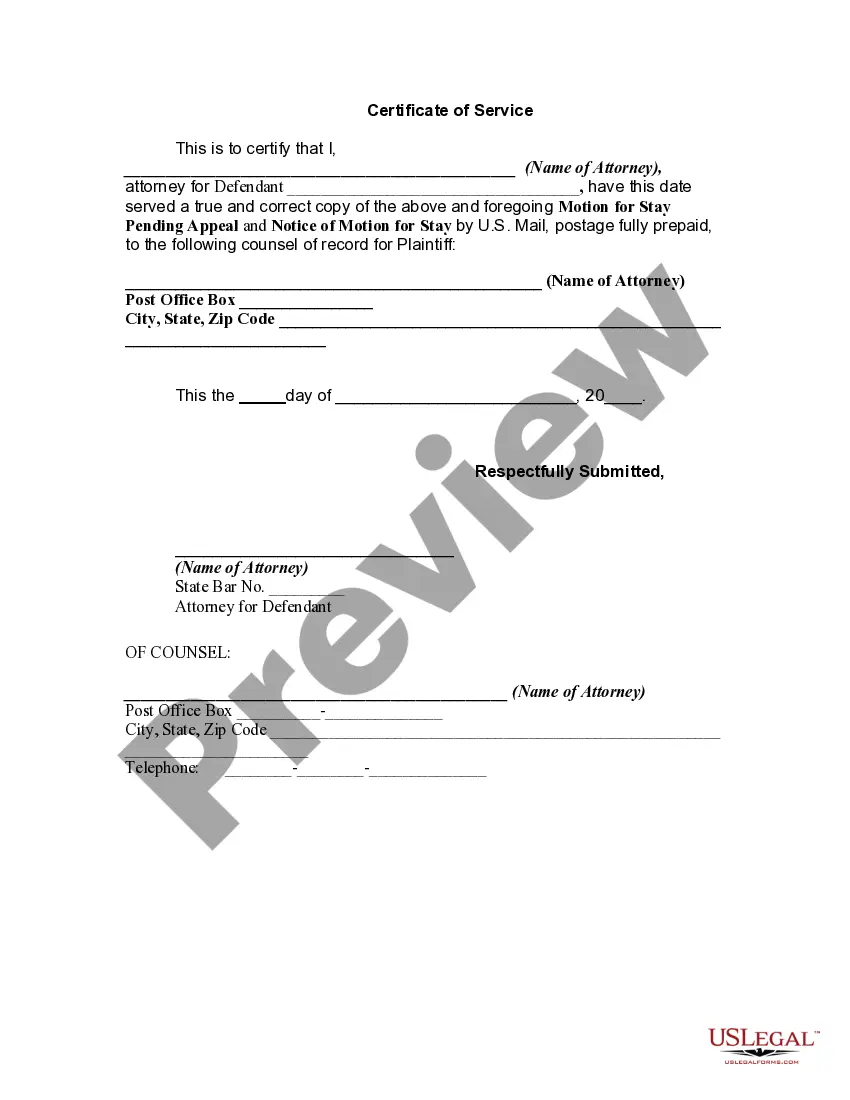
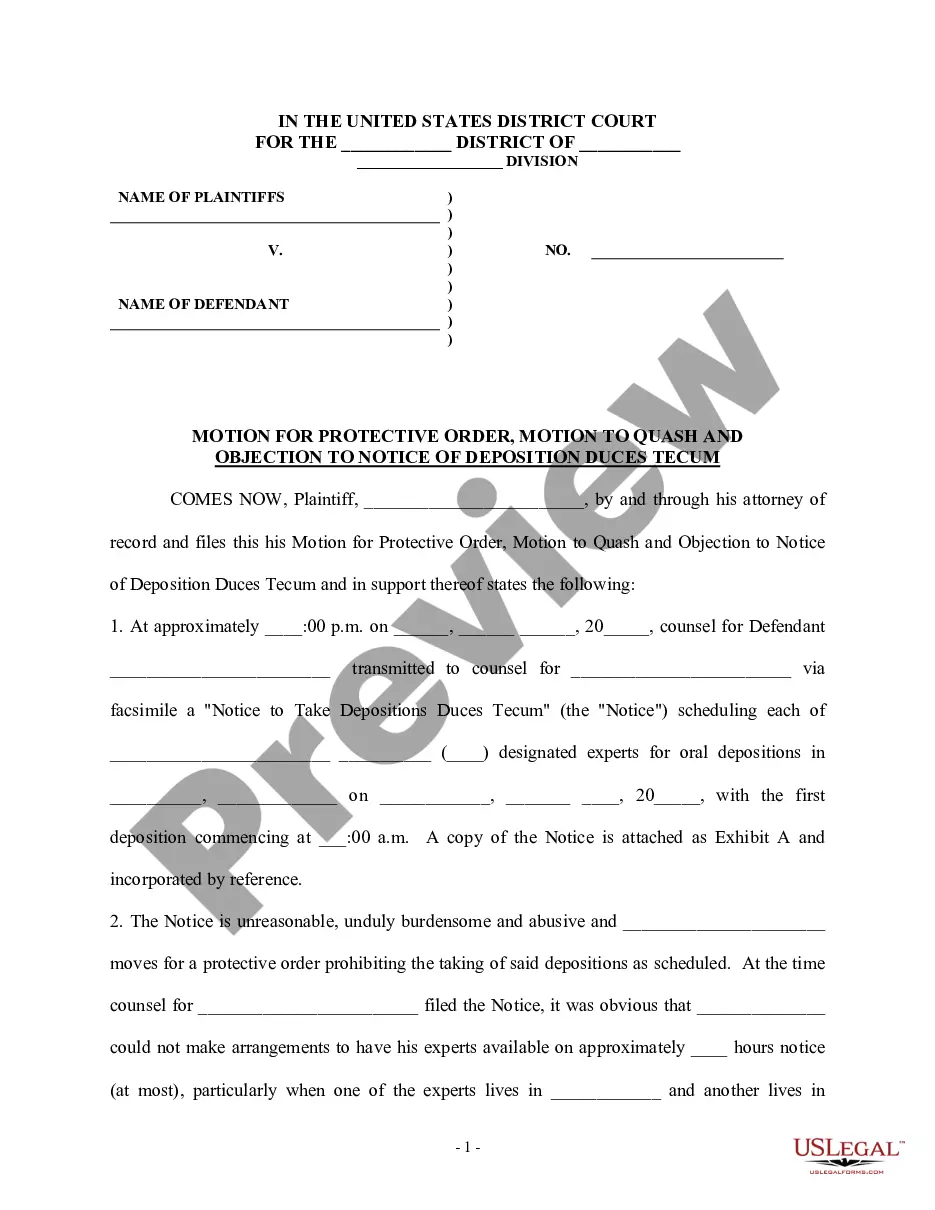
Get your form ready online
Our built-in tools help you complete, sign, share, and store your documents in one place.
Make edits, fill in missing information, and update formatting in US Legal Forms—just like you would in MS Word.
Download a copy, print it, send it by email, or mail it via USPS—whatever works best for your next step.
Sign and collect signatures with our SignNow integration. Send to multiple recipients, set reminders, and more. Go Premium to unlock E-Sign.
If this form requires notarization, complete it online through a secure video call—no need to meet a notary in person or wait for an appointment.
We protect your documents and personal data by following strict security and privacy standards.

Make edits, fill in missing information, and update formatting in US Legal Forms—just like you would in MS Word.

Download a copy, print it, send it by email, or mail it via USPS—whatever works best for your next step.

Sign and collect signatures with our SignNow integration. Send to multiple recipients, set reminders, and more. Go Premium to unlock E-Sign.

If this form requires notarization, complete it online through a secure video call—no need to meet a notary in person or wait for an appointment.

We protect your documents and personal data by following strict security and privacy standards.
Looking for another form?








How to fill out Motion For Stay Pending Appeal And Notice Of Motion?
Legal administration can be daunting, even for experienced professionals.
When seeking an Appeal Notice Vacate Withdraw and unable to dedicate time to find the correct and current version, the processes can become overwhelming.
Leverage sophisticated tools to fill out and manage your Appeal Notice Vacate Withdraw.
Access a comprehensive resource of articles, guides, handbooks, and tools pertinent to your situation and requirements.
- Save time and effort in locating the forms you need, and use US Legal Forms’ advanced search and Preview tool to identify the Appeal Notice Vacate Withdraw and obtain it.
- For existing members, Log In to your US Legal Forms account, find the form, and download it.
- Check your My documents tab to access the documents you've previously saved and manage your folders as desired.
- If you are new to US Legal Forms, register and gain unlimited access to all the platform's benefits.
- Here are the steps to follow after acquiring the form you require.
- A robust online form repository could revolutionize the way individuals handle these matters efficiently.
- US Legal Forms stands out as a leader in the online legal form sector, boasting over 85,000 state-specific legal documents available for your convenience.
- Utilize state- or county-specific legal and business documents. US Legal Forms caters to any needs you might have, from personal to corporate paperwork, all in one convenient location.
Form popularity
FAQ
Several types of decisions can be issued after such reviews, including affirmations, reversals, remands, dismissals, and modifications; all having different implications on any given case depending on what was decided and requested during trial proceedings beforehand.
The party appealing (the Appellant) may withdraw an appeal only with the consent of the Board. If an Appellant does not want to proceed with an appeal, the Appellant must make a request to the Board, in writing, to withdraw the appeal. The Appellant or their agent or lawyer must sign the withdrawal request.
In almost all cases, the appellate court only looks at two things: Whether a legal mistake was made in the trial court. Whether this mistake changed the final decision (called the "judgment") in the case.
The appellate court will do one of the following: Affirm the decision of the trial court, in which case the verdict at trial stands. Reverse the decision to the trial court, in which case a new trial may be ordered. Remand the case to the trial court.
(c) Effect of Withdrawal ? When an appeal is withdrawn, the decision of the immigration judge becomes immediately final and binding as if no appeal had ever been filed, and the respondent is then subject to the immigration judge's original decision.