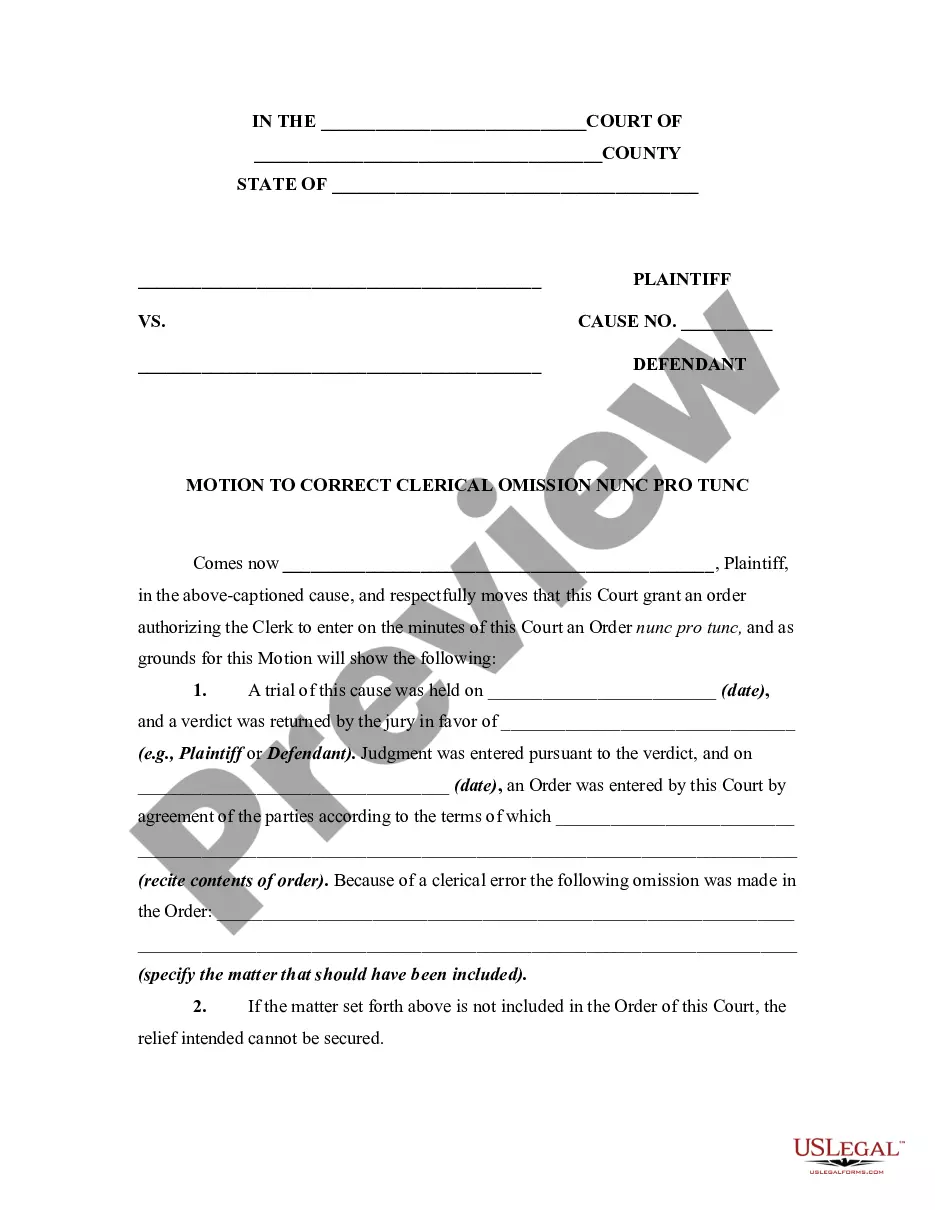
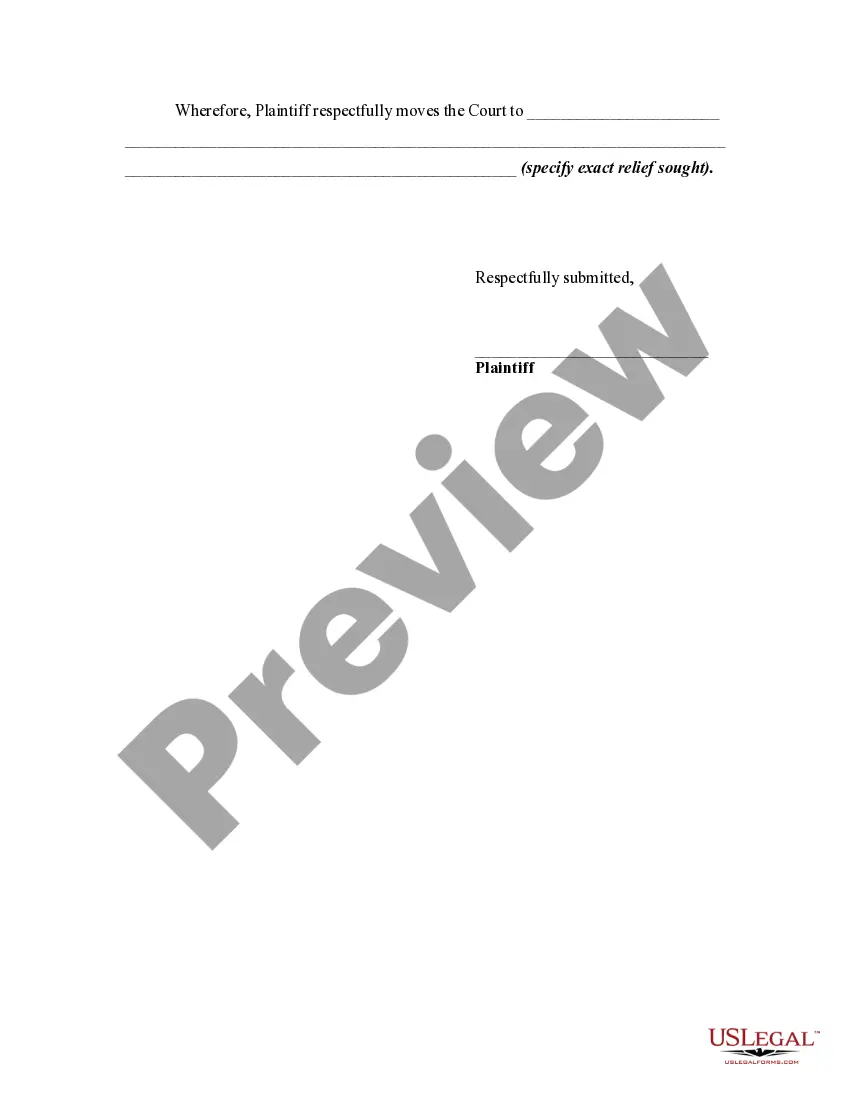
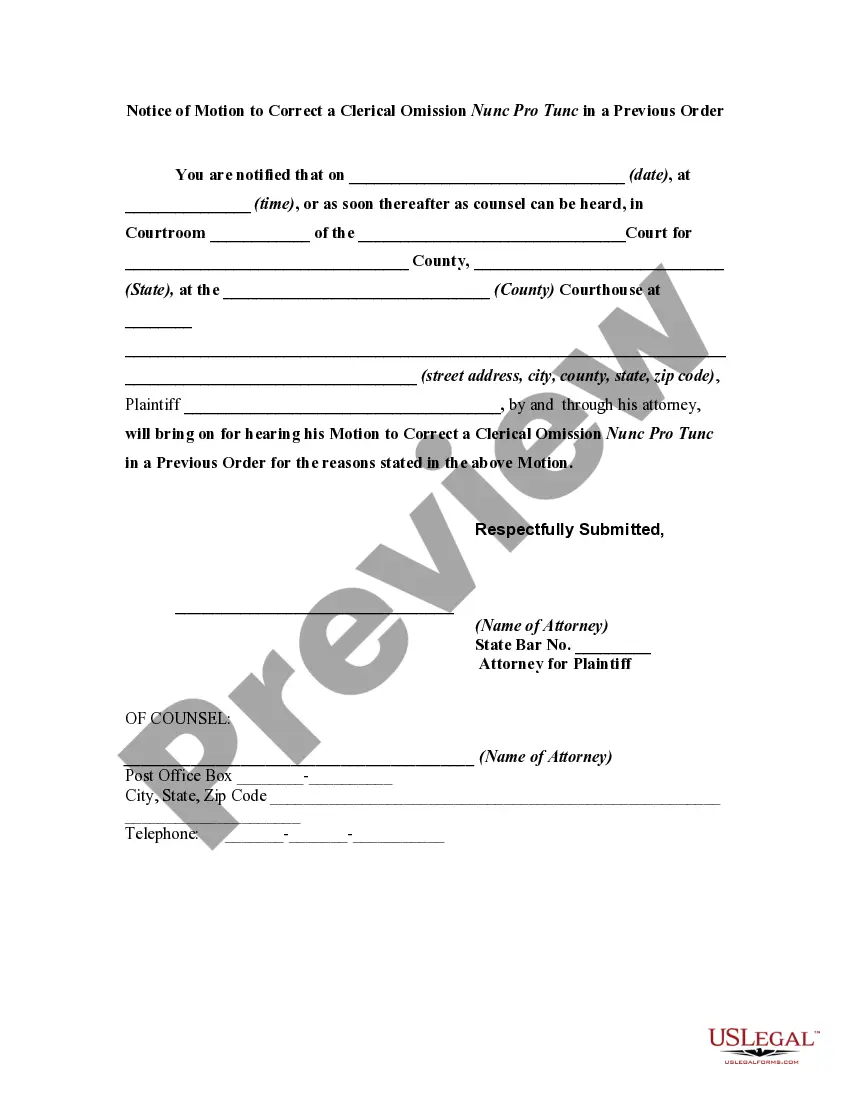
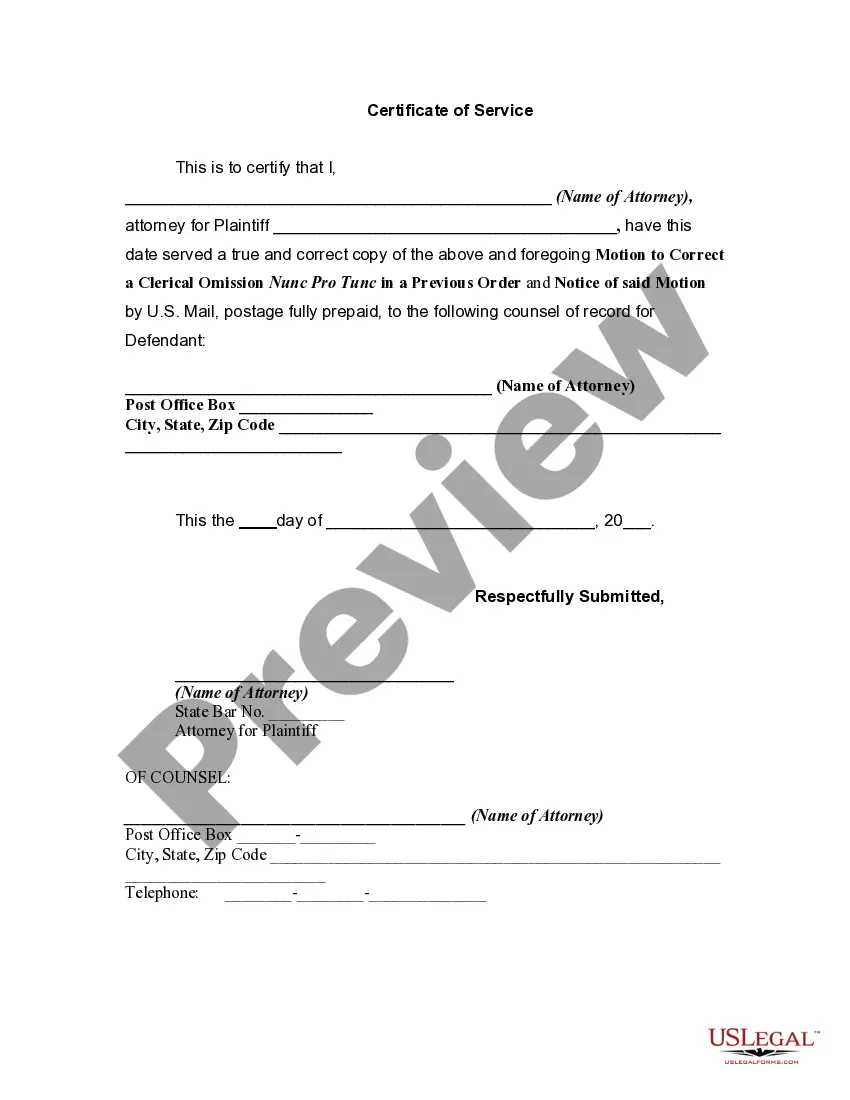
Sample Nunc Pro Tunc Motion With Motion
Description
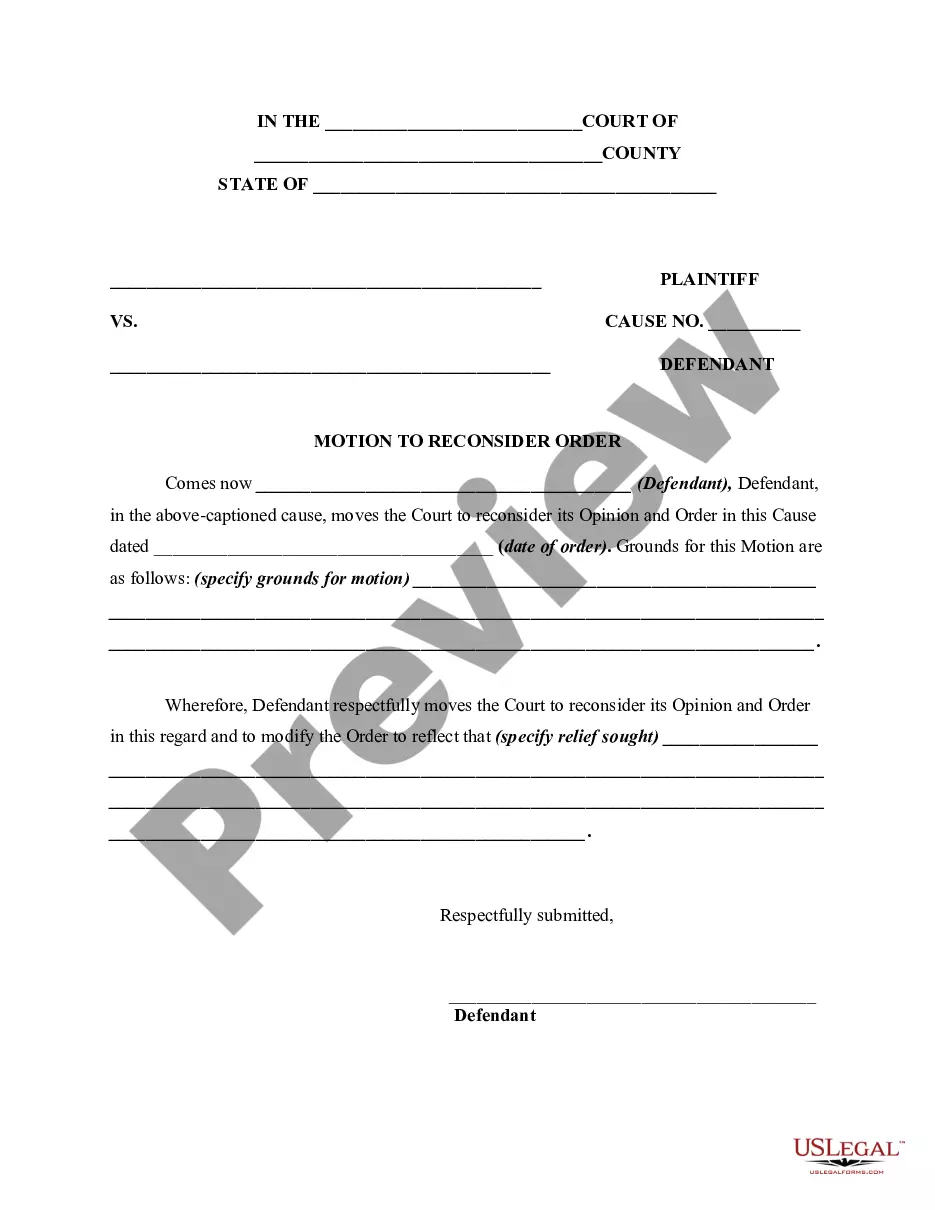
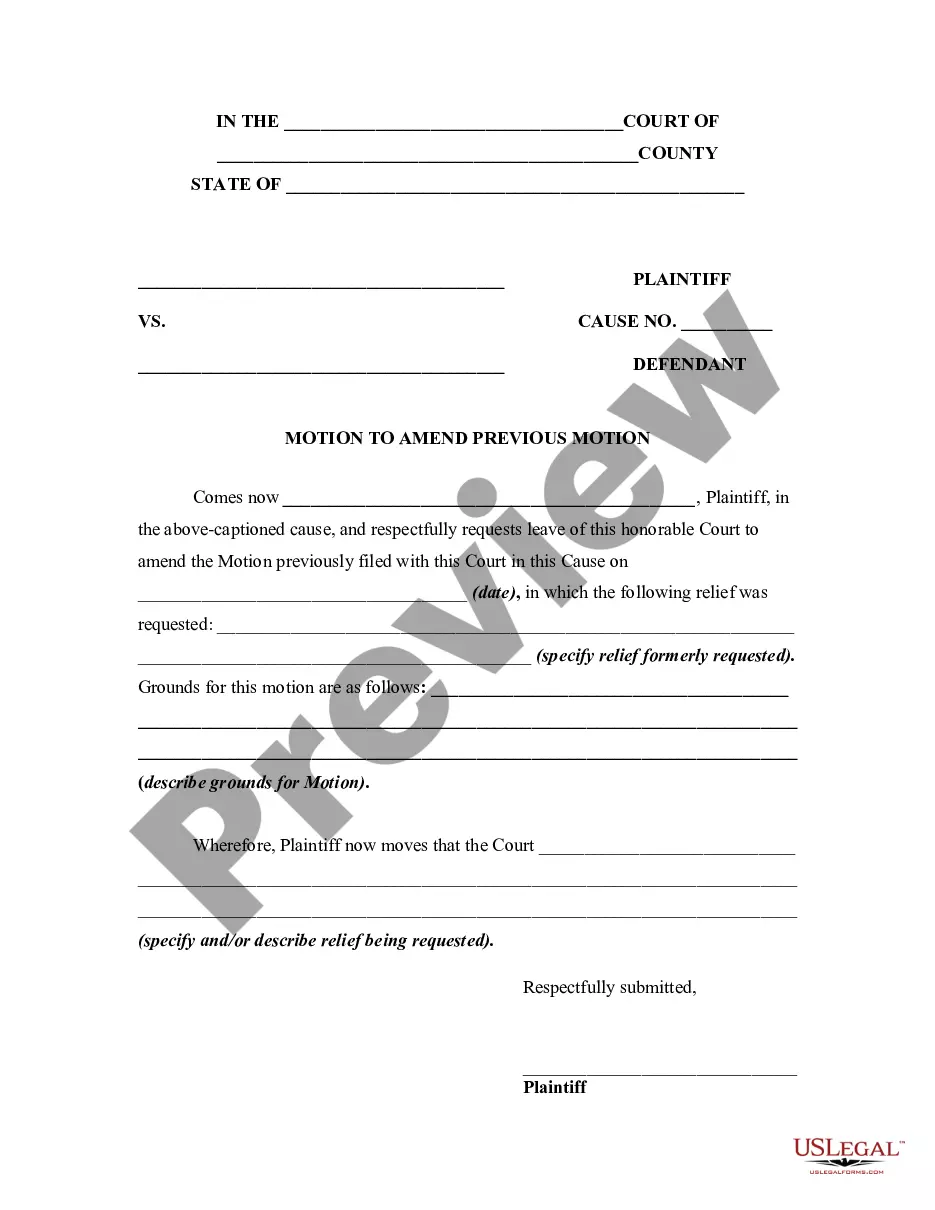
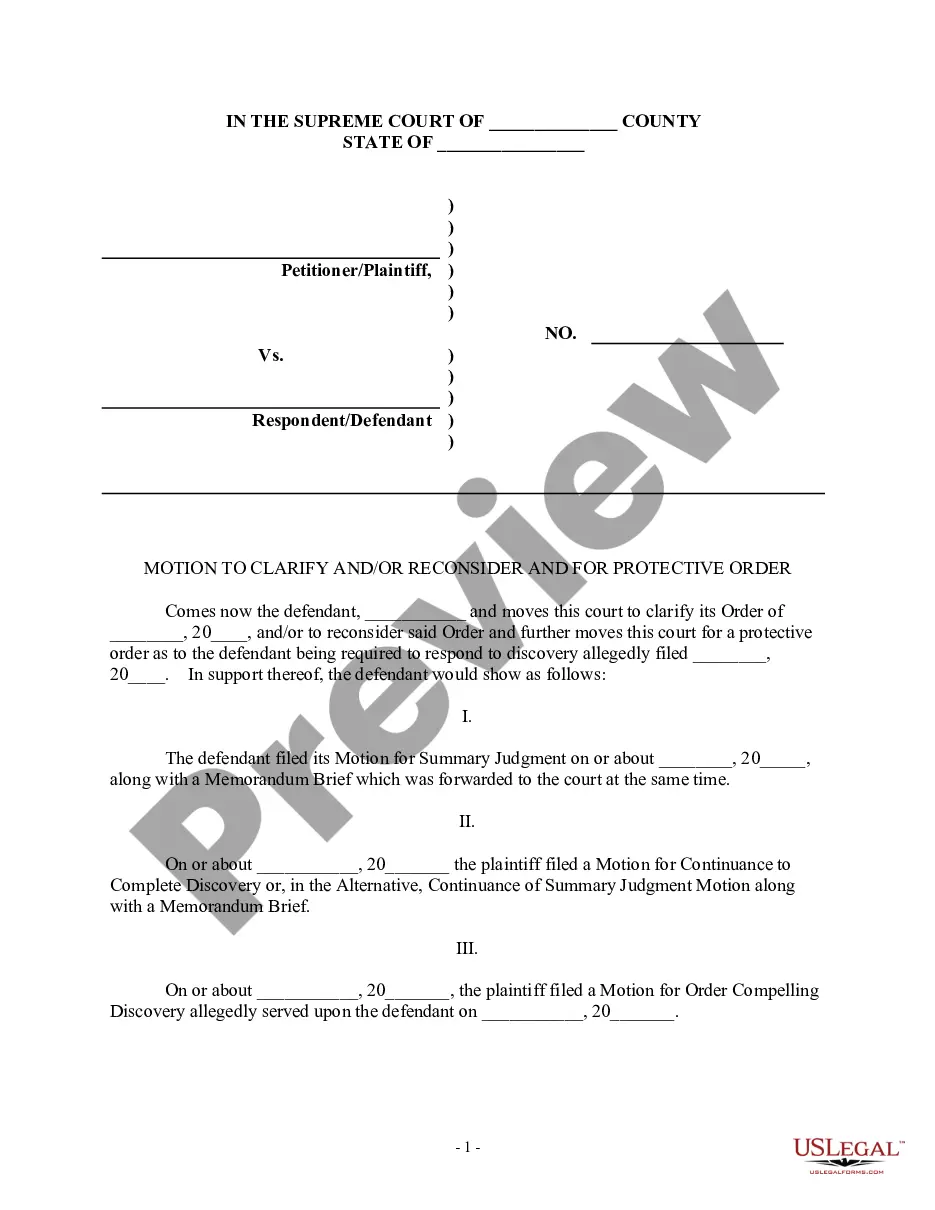

Get your form ready online
Our built-in tools help you complete, sign, share, and store your documents in one place.
Make edits, fill in missing information, and update formatting in US Legal Forms—just like you would in MS Word.
Download a copy, print it, send it by email, or mail it via USPS—whatever works best for your next step.
Sign and collect signatures with our SignNow integration. Send to multiple recipients, set reminders, and more. Go Premium to unlock E-Sign.
If this form requires notarization, complete it online through a secure video call—no need to meet a notary in person or wait for an appointment.
We protect your documents and personal data by following strict security and privacy standards.

Make edits, fill in missing information, and update formatting in US Legal Forms—just like you would in MS Word.

Download a copy, print it, send it by email, or mail it via USPS—whatever works best for your next step.

Sign and collect signatures with our SignNow integration. Send to multiple recipients, set reminders, and more. Go Premium to unlock E-Sign.

If this form requires notarization, complete it online through a secure video call—no need to meet a notary in person or wait for an appointment.

We protect your documents and personal data by following strict security and privacy standards.
Looking for another form?
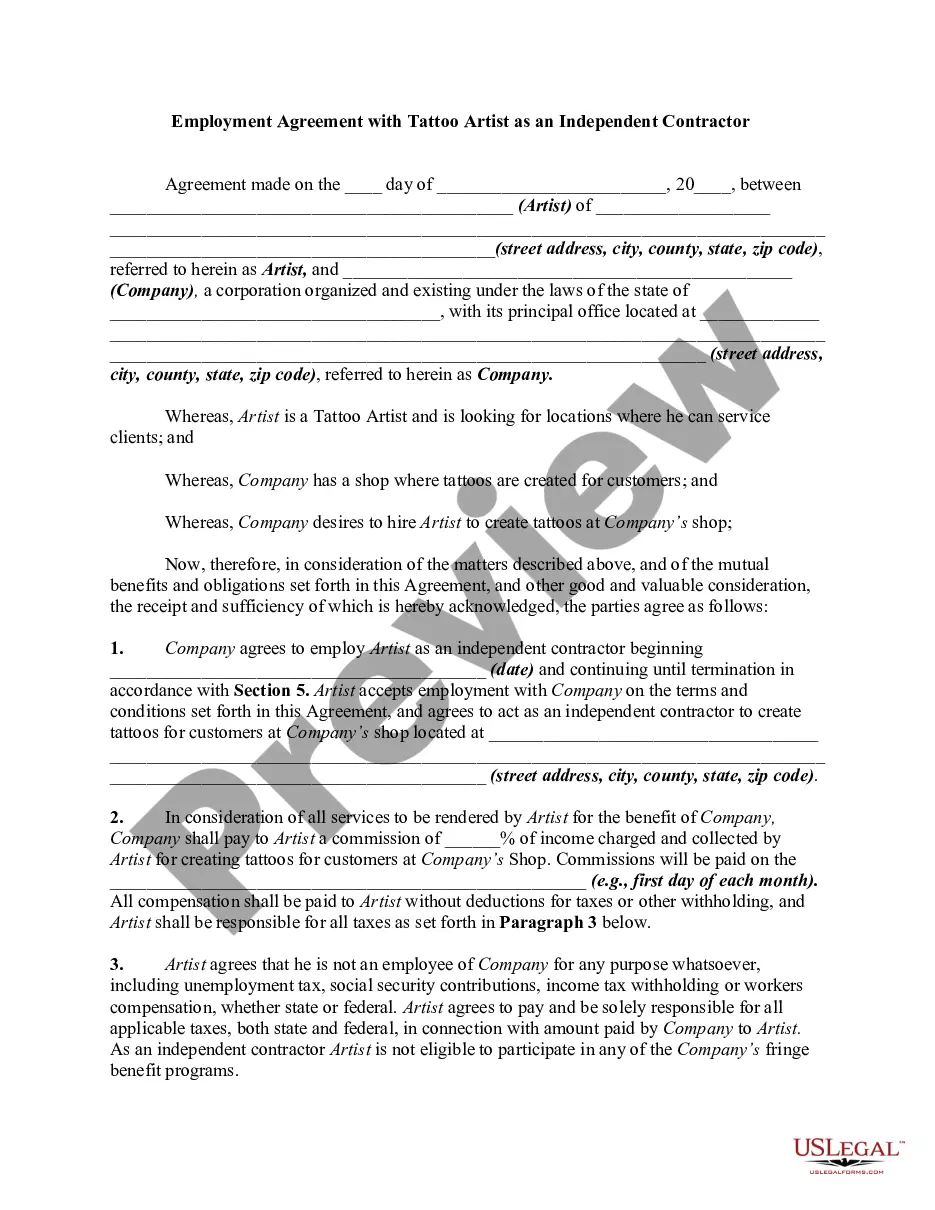
How to fill out Motion To Correct A Clerical Omission Nunc Pro Tunc In A Previous Order?
Creating legal documents from the ground up can occasionally be overwhelming.
Certain situations may require extensive research and significant financial investment.
If you're seeking a simpler and more affordable method of generating Sample Nunc Pro Tunc Motion With Motion or any additional paperwork without unnecessary complications, US Legal Forms is always accessible.
Our online repository of over 85,000 current legal forms covers nearly every facet of your financial, legal, and personal matters.
Review the document previews and descriptions to ensure you are selecting the correct form. Verify that the template aligns with your state and county requirements. Select the appropriate subscription plan to acquire the Sample Nunc Pro Tunc Motion With Motion. Download the form, then complete, sign, and print it. US Legal Forms boasts an impeccable reputation and over 25 years of experience. Join us today and make document preparation an effortless and efficient process!
- With just a few clicks, you can promptly obtain templates that comply with state and county regulations, meticulously crafted by our legal specialists.
- Utilize our platform whenever you require dependable and trustworthy services to easily locate and download the Sample Nunc Pro Tunc Motion With Motion.
- If you're familiar with our site and have previously registered, simply sign in to your account, choose the form, and download it or re-download it anytime in the My documents section.
- Don't have an account? No worries. Registering takes only a few minutes, allowing you to browse the catalog.
- Before proceeding to download the Sample Nunc Pro Tunc Motion With Motion, consider these recommendations.
Form popularity
FAQ
Latin for "now for then." A doctrine that permits a court to change records so that they show what actually happened. For example, if a party filed his motion on January 5, but the clerk's office had erroneously treated it as filed on January 6, the judge could correct the records to show the right date.
It is generally understood that orders take effect on the date they are granted. 1 However, the doctrine of nunc pro tunc, a Latin expression that means ?now for then? 2 allows the courts to give an action retroactive legal effect as though it had been performed at a precise earlier date.
Examples: a court clerk fails to file an answer when he/she received it, and a nunc pro tunc date of filing is needed to meet the legal deadline (statute of limitations); a final divorce judgment is misdirected and, therefore, not signed and dated until the day after the re-marriage of one of the parties-the nunc pro ...
Nunc pro tunc is a Latin term meaning "now for then." Generally, this refers to an action taken by a court that applies retroactively to correct an earlier ruling.
Latin for "now for then." A doctrine that permits a court to change records so that they show what actually happened. For example, if a party filed his motion on January 5, but the clerk's office had erroneously treated it as filed on January 6, the judge could correct the records to show the right date.