Attorney Court Order Withholding
Description
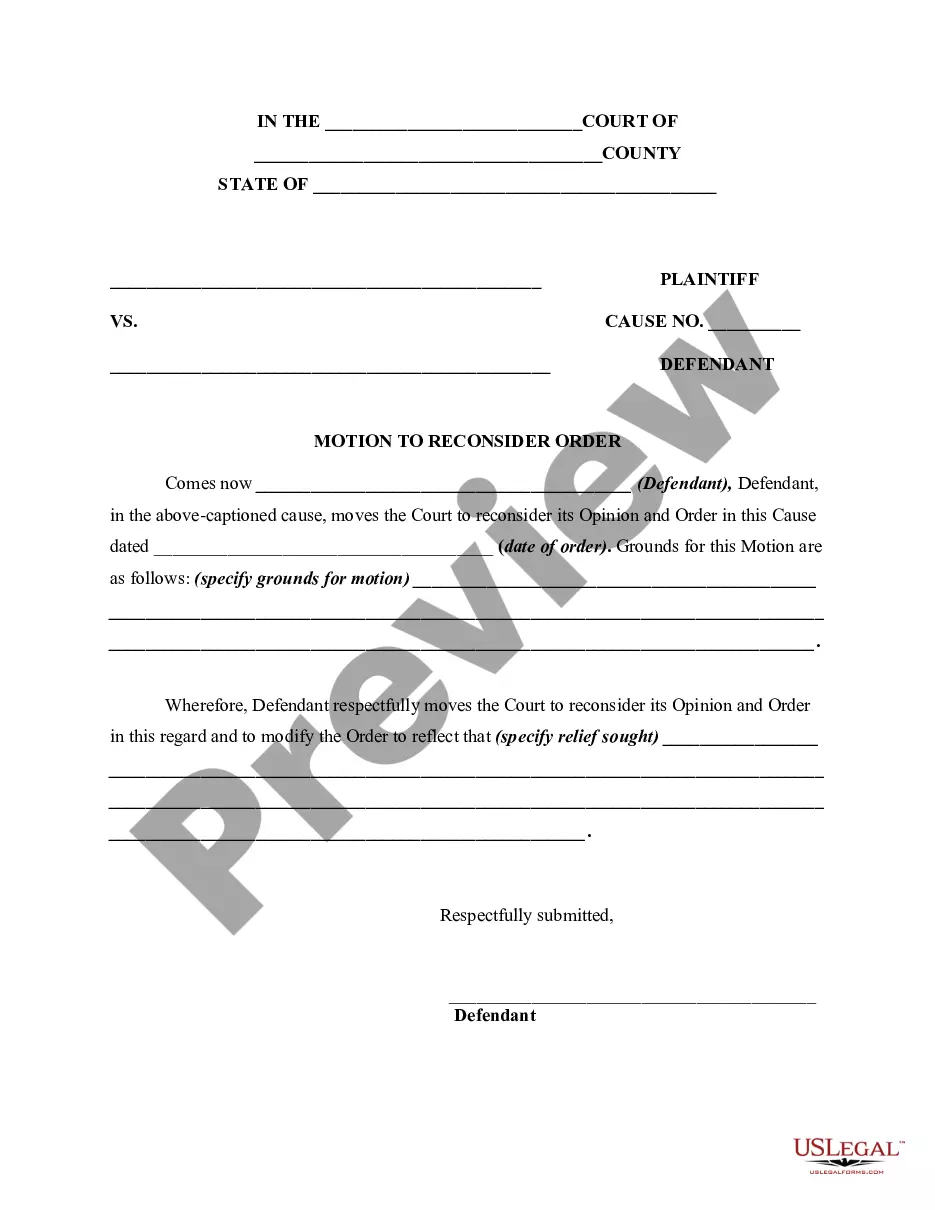
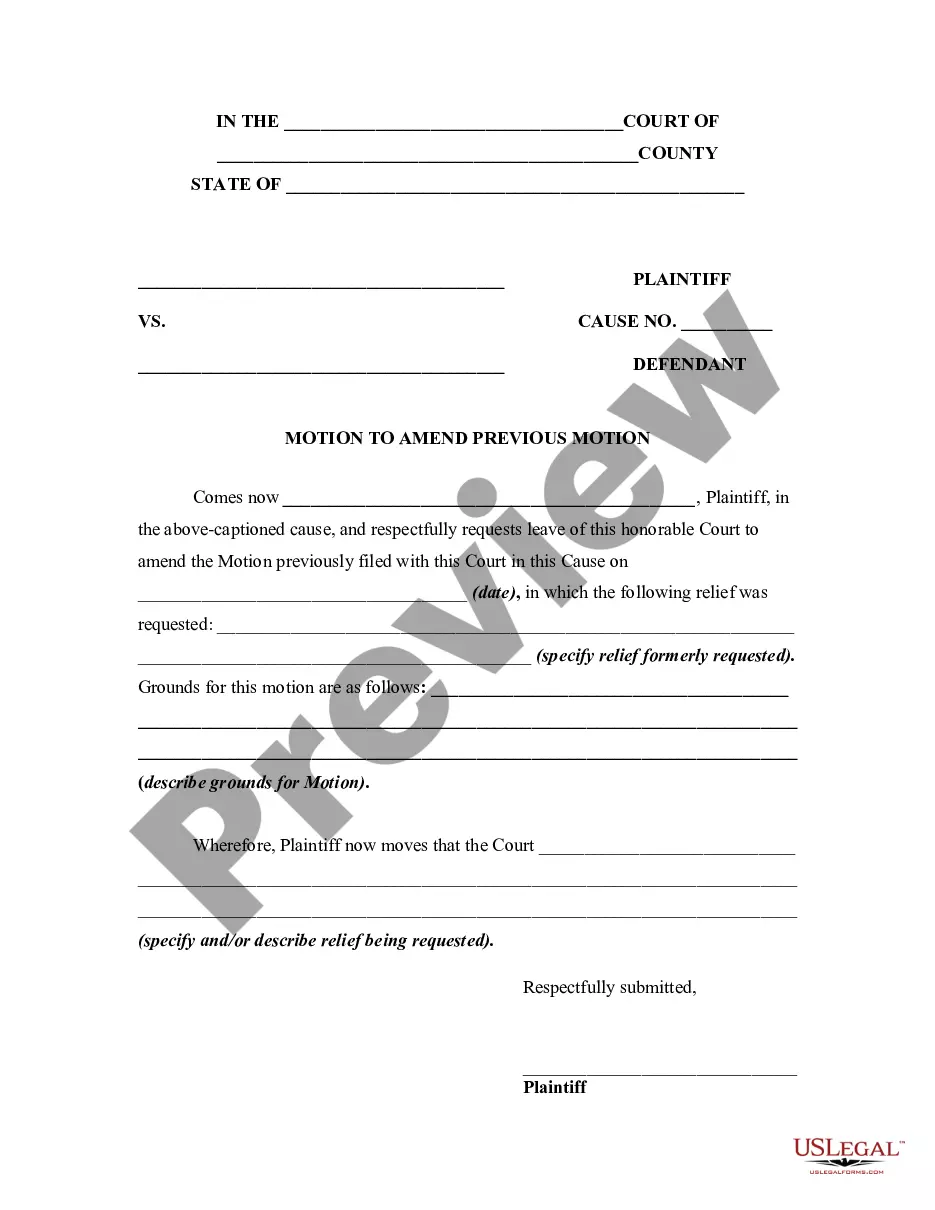
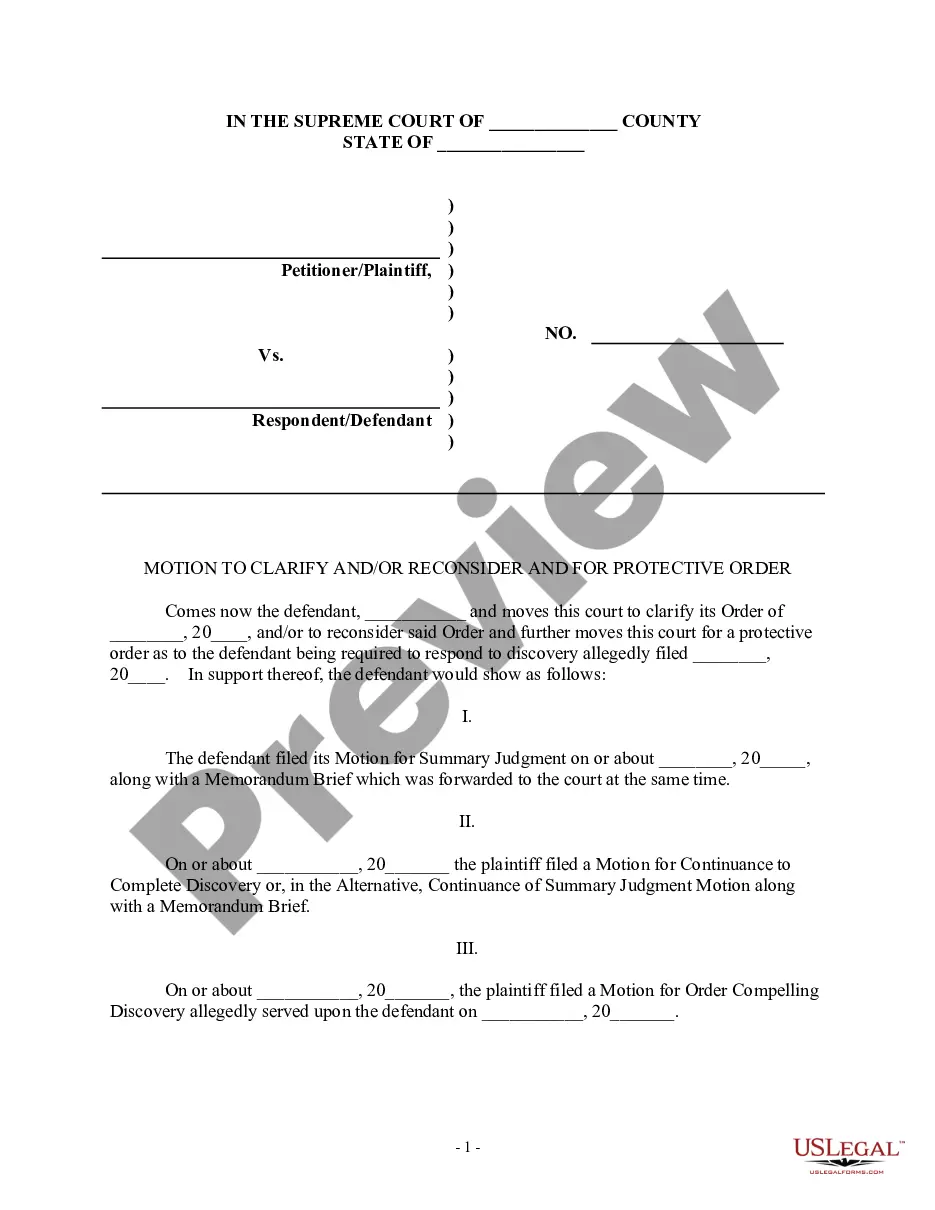

Get your form ready online
Our built-in tools help you complete, sign, share, and store your documents in one place.
Make edits, fill in missing information, and update formatting in US Legal Forms—just like you would in MS Word.
Download a copy, print it, send it by email, or mail it via USPS—whatever works best for your next step.
Sign and collect signatures with our SignNow integration. Send to multiple recipients, set reminders, and more. Go Premium to unlock E-Sign.
If this form requires notarization, complete it online through a secure video call—no need to meet a notary in person or wait for an appointment.
We protect your documents and personal data by following strict security and privacy standards.

Make edits, fill in missing information, and update formatting in US Legal Forms—just like you would in MS Word.

Download a copy, print it, send it by email, or mail it via USPS—whatever works best for your next step.

Sign and collect signatures with our SignNow integration. Send to multiple recipients, set reminders, and more. Go Premium to unlock E-Sign.

If this form requires notarization, complete it online through a secure video call—no need to meet a notary in person or wait for an appointment.

We protect your documents and personal data by following strict security and privacy standards.
Looking for another form?
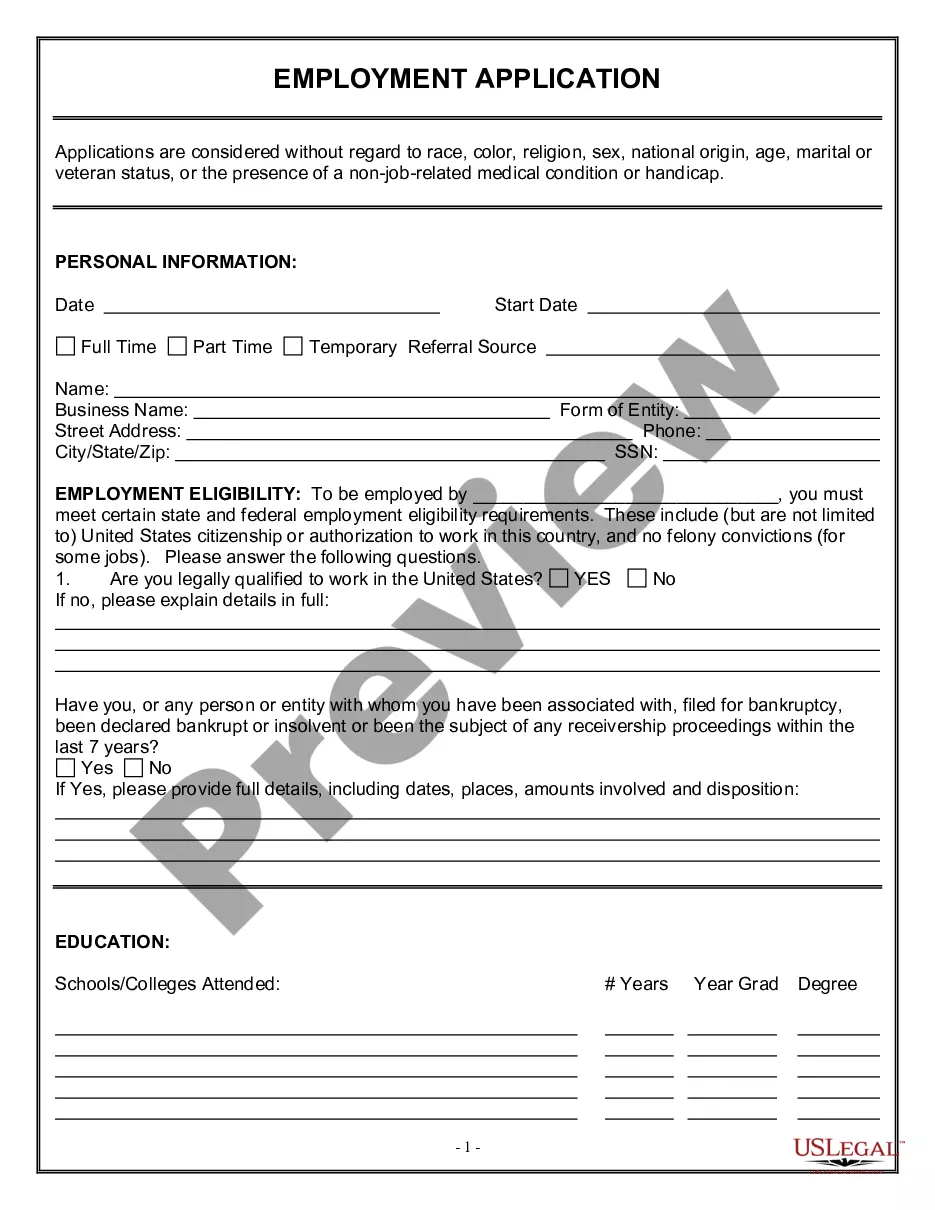





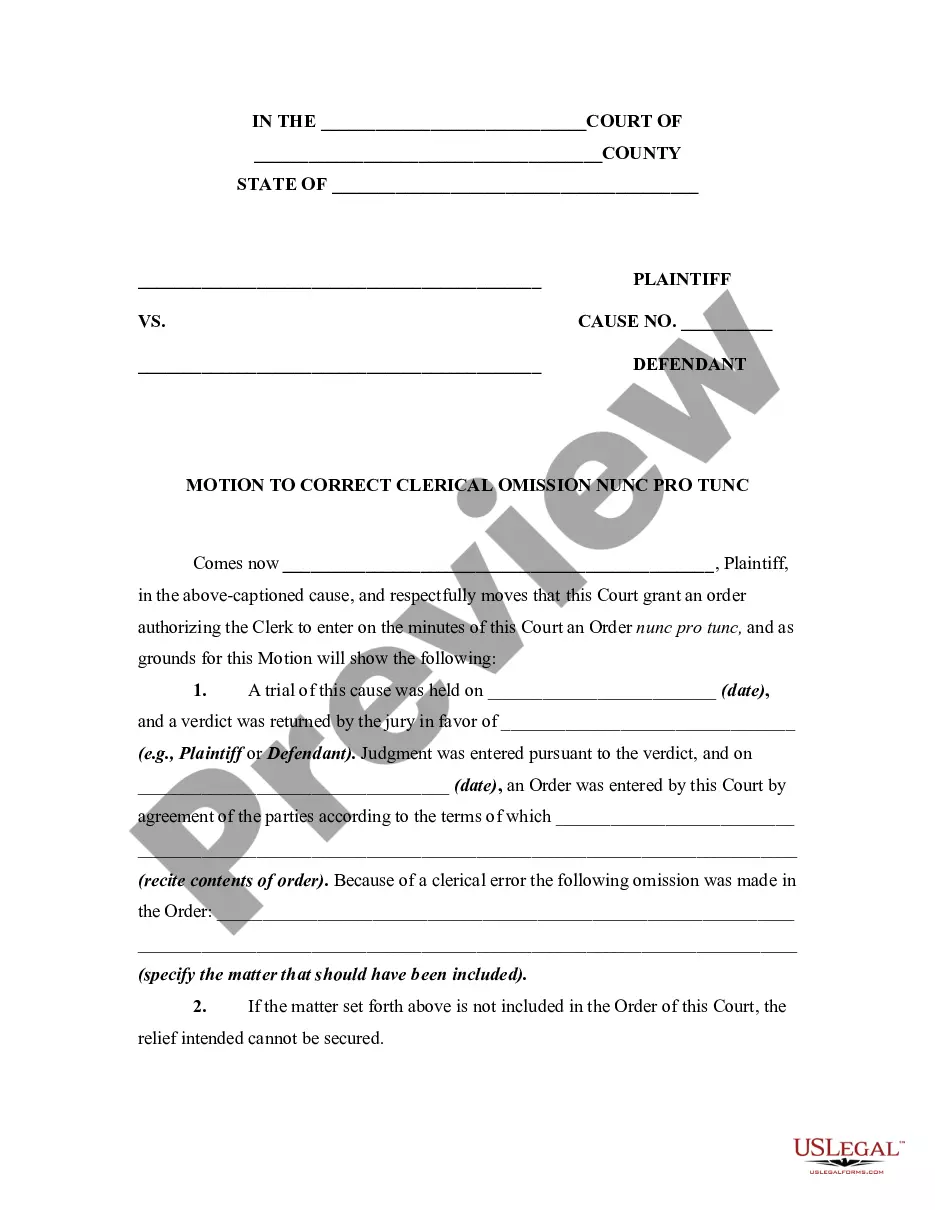
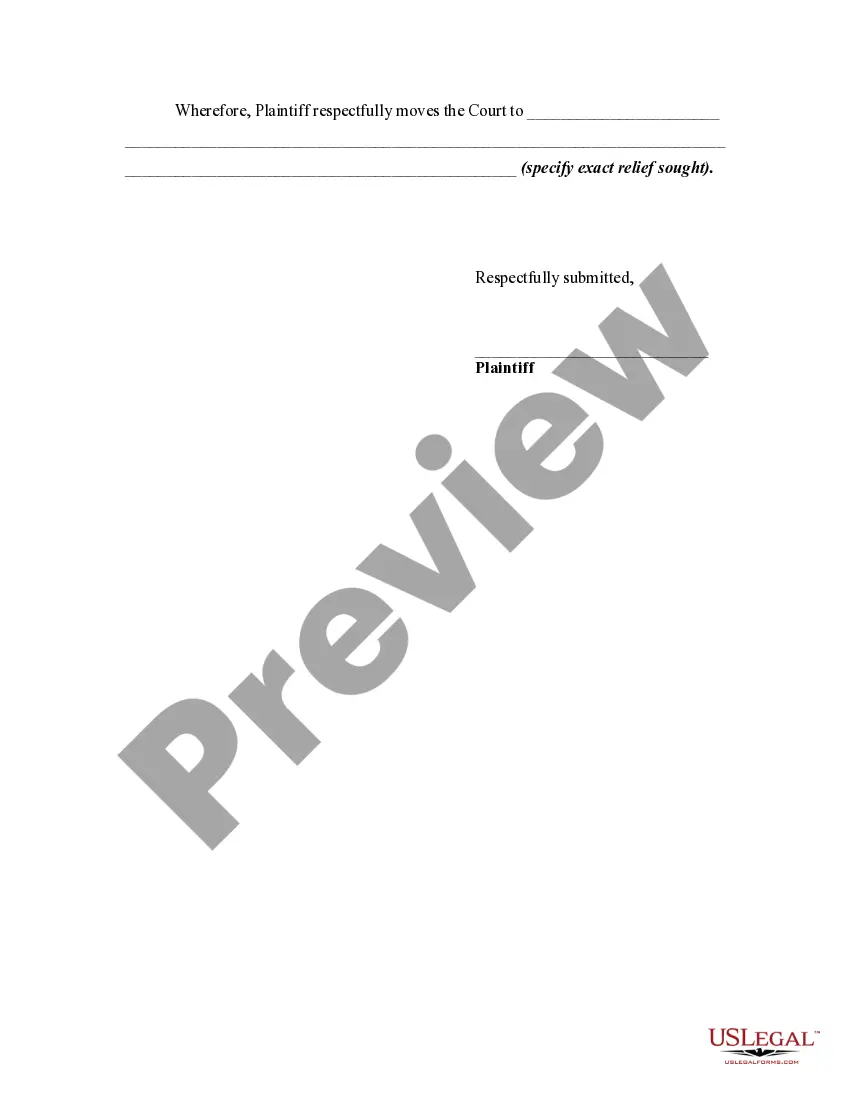
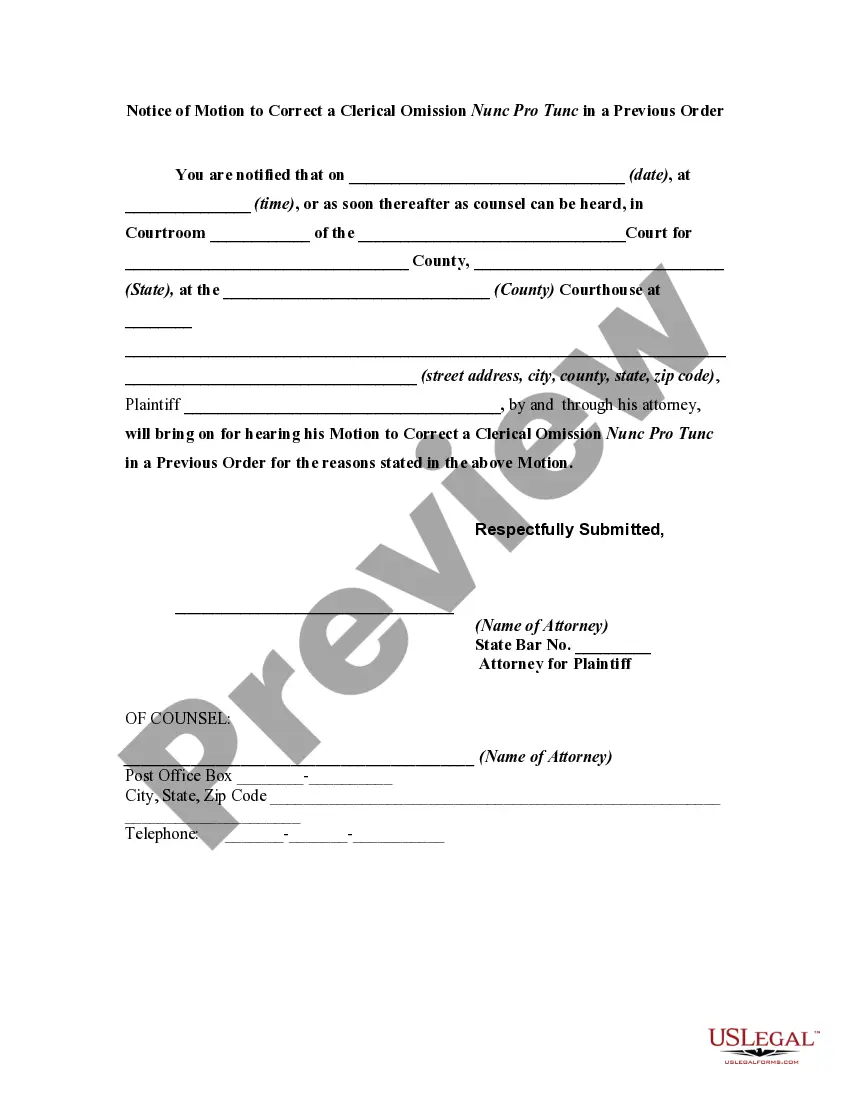
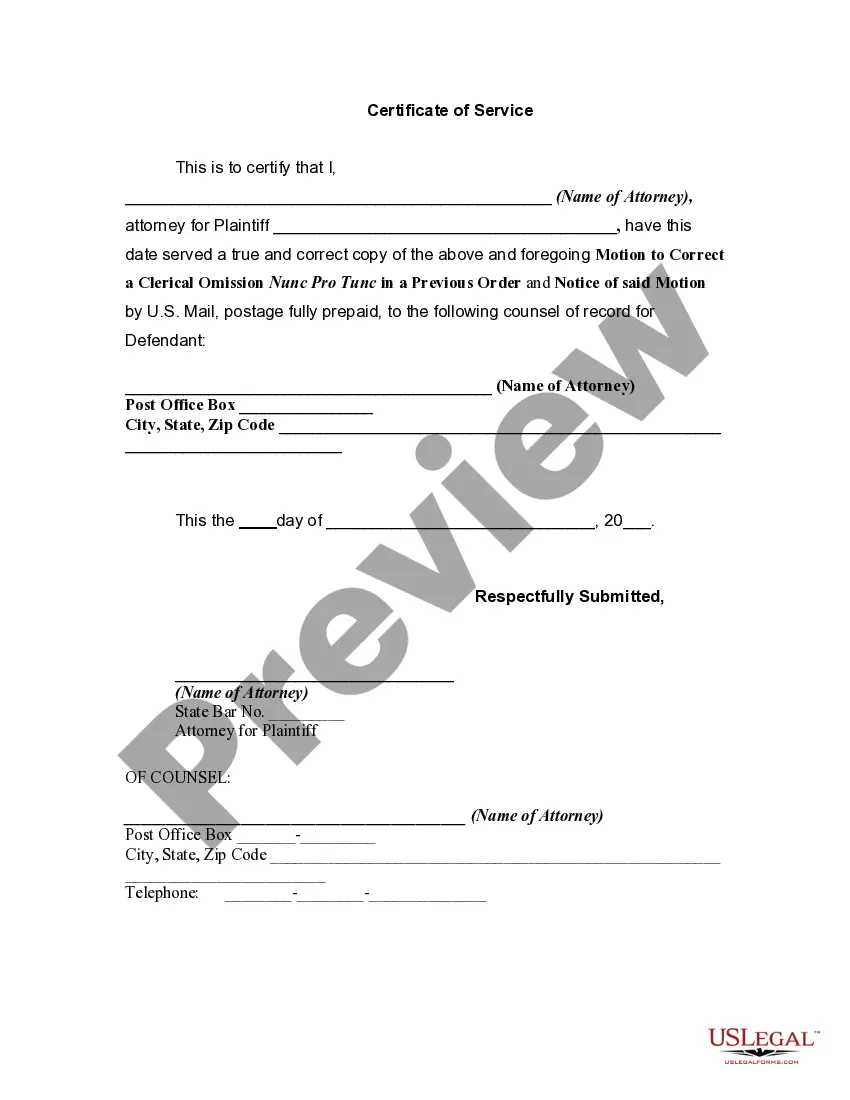
How to fill out Motion To Correct A Clerical Omission Nunc Pro Tunc In A Previous Order?
Managing legal matters can be exasperating, even for the most seasoned professionals.
When you're seeking an Attorney Court Order Withholding and lack the time to dedicate to finding the correct and current version, the processes may become daunting.
Access a valuable resource center filled with articles, guides, and materials relevant to your situation and needs.
Save time and energy searching for the documents you require, and leverage US Legal Forms' advanced search and Review tool to obtain Attorney Court Order Withholding.
Select Buy Now when you’re ready, choose a subscription plan, find the format you need, and Download, fill out, eSign, print, and distribute your documents. Enjoy the US Legal Forms online library, backed by 25 years of experience and reliability. Transform your routine document management into a seamless and user-friendly experience today.
- If you have a monthly subscription, Log In for your US Legal Forms account, search for the document, and retrieve it.
- Check the My documents tab to view the documents you've previously saved and organize your folders as you see fit.
- If it’s your first time using US Legal Forms, create an account to gain unlimited access to all the features of the library.
- Once you download the required form, confirm it’s the right one by previewing it and reading its details.
- Ensure that the template is approved in your state or county.
- Access state- or county-specific legal and business documents.
- US Legal Forms meets all of your needs, from personal to corporate paperwork, all in one location.
- Utilize advanced tools to complete and manage your Attorney Court Order Withholding.
Form popularity
FAQ
If an employer fails to respond to a child support order, they may face legal repercussions, including fines or other penalties. The court may take action to enforce compliance, which can affect both the employer and the employee. It's crucial for employers to understand their obligations to avoid complications. If you need more information on attorney court order withholding, US Legal Forms has resources to help you navigate these challenges.
Child support is typically withheld from an employee's wages after taxes have been deducted. This means that the amount taken out for child support is based on the net income after tax obligations are met. Knowing this can help you budget effectively and understand your financial situation better. If you have questions regarding attorney court order withholding, resources like US Legal Forms can provide clarity.
If you are withholding, it means you are legally required to deduct a certain amount from payments, usually wages, to meet a financial obligation. This could relate to child support, taxes, or other debts. Understanding your responsibilities in such situations can prevent misunderstandings with your employer or the court. For assistance with attorney court order withholding, consider utilizing US Legal Forms for guidance.
A withholding order is a legal directive that requires an employer to deduct a specified amount from an employee's paycheck. This deduction often applies to obligations like child support or tax debts. It is essential to comprehend this process to ensure compliance and avoid legal complications. If you need help navigating attorney court order withholding, platforms like US Legal Forms provide valuable resources.
Yes, a withholding order is a type of garnishment. Specifically, it directs an employer to withhold a portion of an employee's wages to satisfy a debt, such as child support. Understanding the difference between various garnishments and how they work can be crucial. If you're facing issues related to attorney court order withholding, seeking professional advice can clarify your options.
Maryland garnishment laws provide a structured approach for eligible creditors seeking to collect debts. An attorney court order withholding can help garnish wages, but the law limits the amount to the lesser of 25% of disposable earnings or the amount exceeding 30 times the federal minimum wage. The process involves notifying the debtor and providing them an opportunity to dispute the garnishment. Understanding these rules can aid both creditors and debtors in navigating the garnishment process effectively.
In Minnesota, wage garnishment follows specific rules determined by court orders. An attorney court order withholding must specify the amount being garnished from a debtor's paycheck, typically up to 25% of disposable earnings. Additionally, the debtor must receive proper notice before garnishment occurs, allowing them a chance to respond. It’s essential for creditors to adhere to these regulations to ensure compliance and avoid potential legal issues.
California law allows creditors to garnish a portion of your wages to satisfy debts, but it has specific limits. Typically, the law permits garnishing 25% of your disposable income or the amount exceeding 40 times the state minimum wage. To navigate these legal waters effectively, consider seeking advice from an attorney who specializes in court order withholding to understand your rights and options.
The amount that can be garnished from your paycheck depends on several factors, including the type of debt and your disposable income. Generally, federal law limits garnishment to 25% of your disposable earnings or the amount by which your weekly earnings exceed 30 times the federal minimum wage, whichever is less. Consulting an attorney knowledgeable about court order withholding can provide clarity on your specific situation.
Income withholding involves deducting a specified amount from an employee's paycheck, often to satisfy debt obligations such as child support or taxes. It requires legal authorization, often stemming from a court order. When dealing with income withholding, an experienced attorney can guide you through the process to ensure compliance and minimize any disruptions to your finances.