Generation Skipping Trust Form Withdrawal
Description


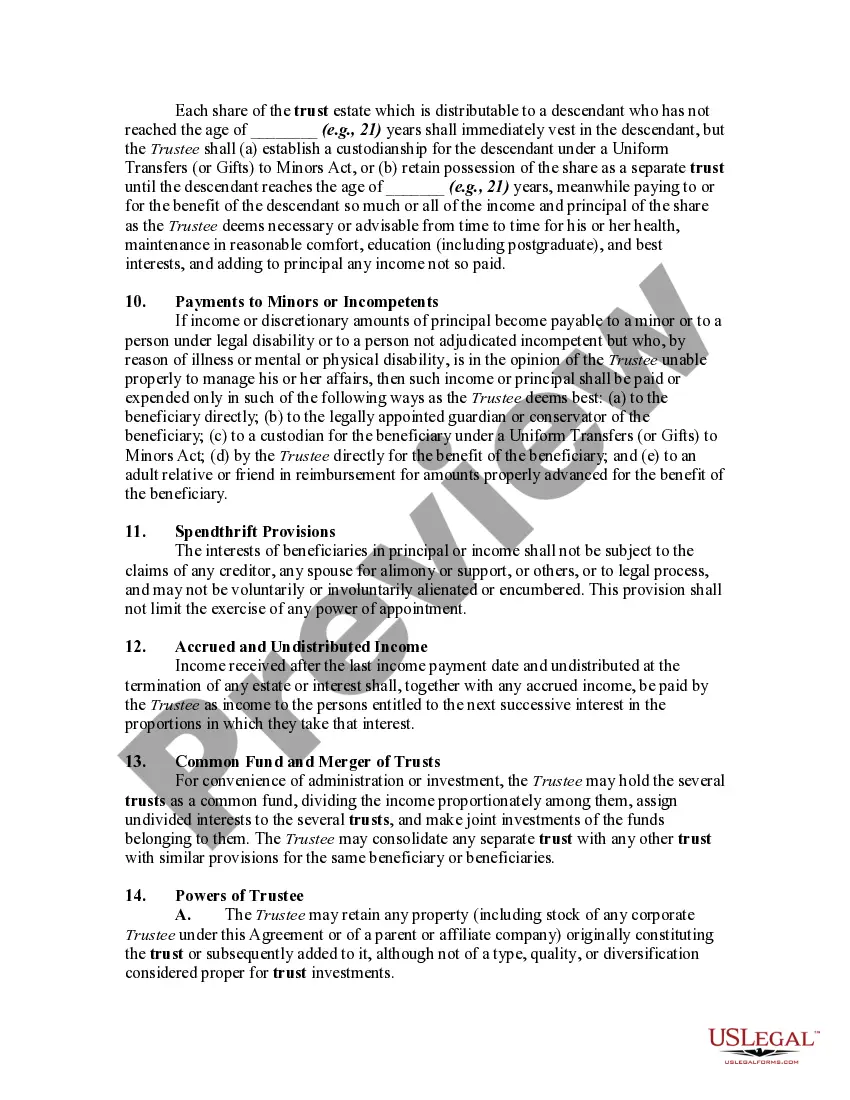




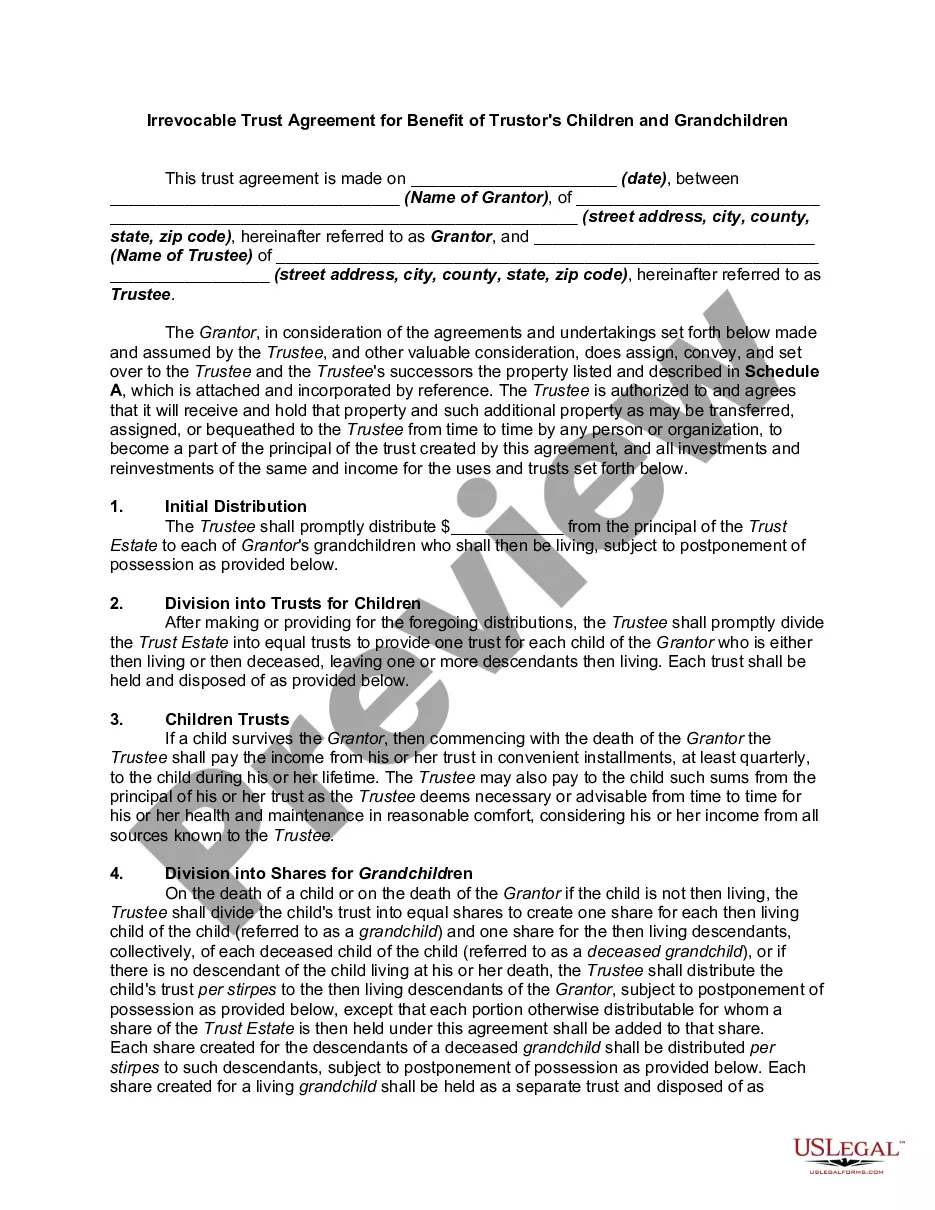
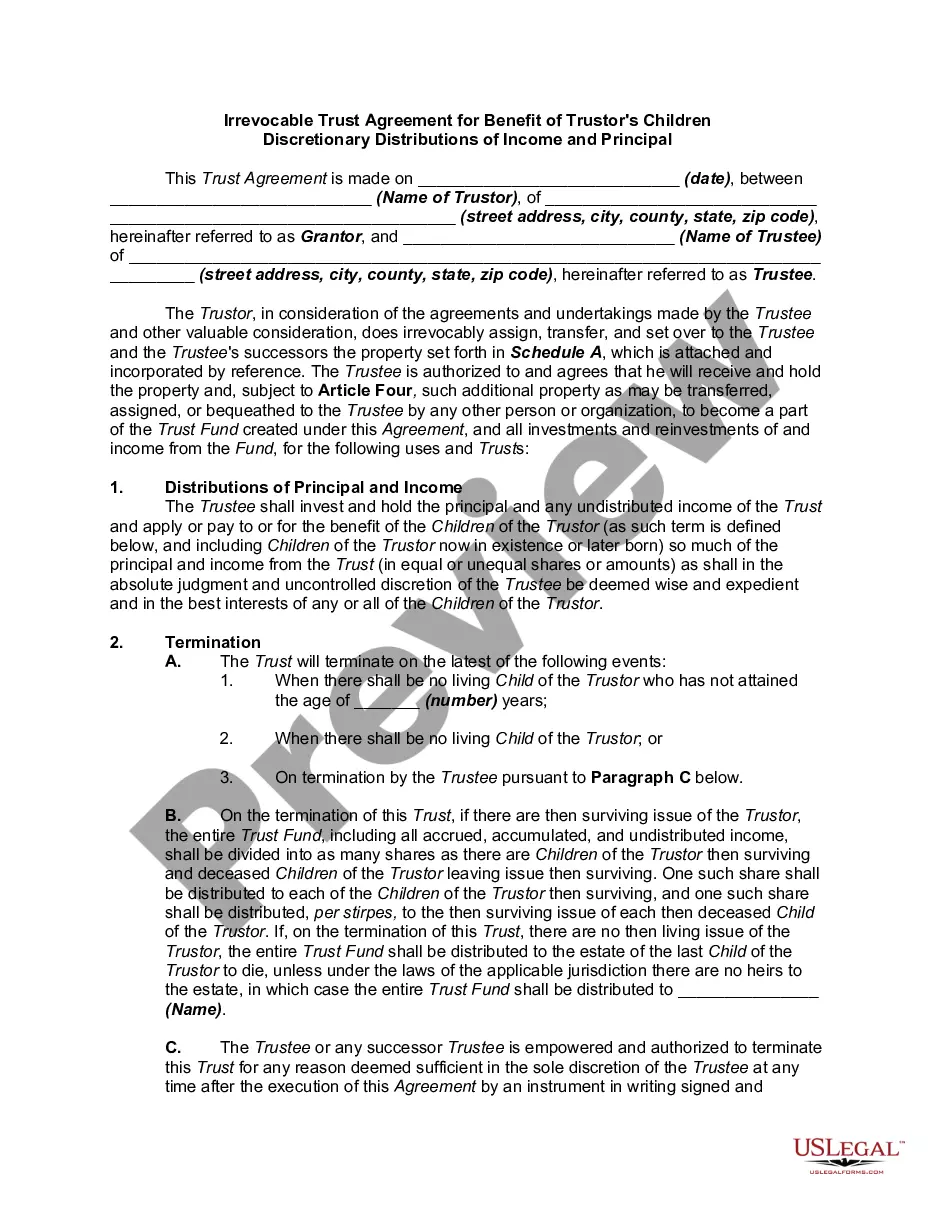
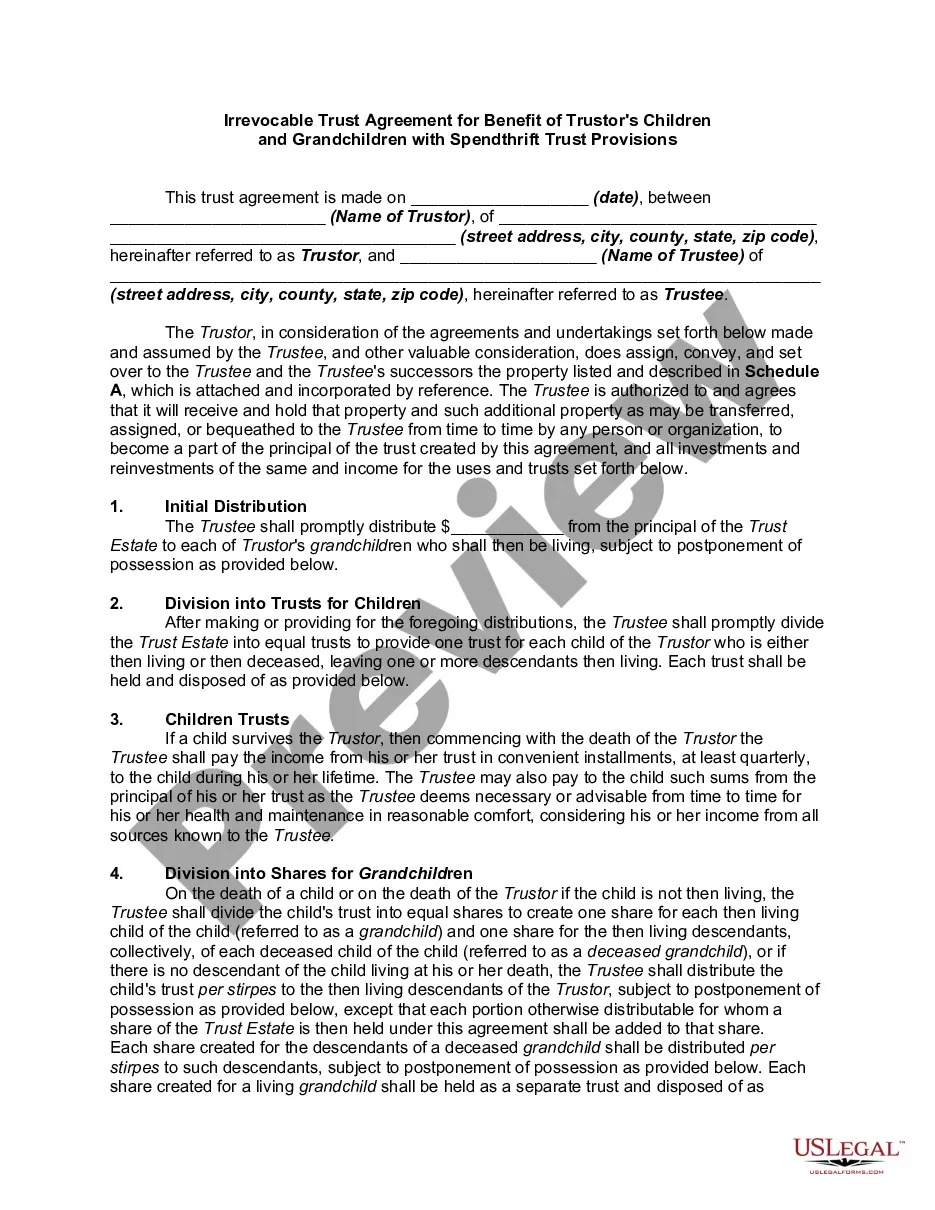

Get your form ready online
Our built-in tools help you complete, sign, share, and store your documents in one place.
Make edits, fill in missing information, and update formatting in US Legal Forms—just like you would in MS Word.
Download a copy, print it, send it by email, or mail it via USPS—whatever works best for your next step.
Sign and collect signatures with our SignNow integration. Send to multiple recipients, set reminders, and more. Go Premium to unlock E-Sign.
If this form requires notarization, complete it online through a secure video call—no need to meet a notary in person or wait for an appointment.
We protect your documents and personal data by following strict security and privacy standards.

Make edits, fill in missing information, and update formatting in US Legal Forms—just like you would in MS Word.

Download a copy, print it, send it by email, or mail it via USPS—whatever works best for your next step.

Sign and collect signatures with our SignNow integration. Send to multiple recipients, set reminders, and more. Go Premium to unlock E-Sign.

If this form requires notarization, complete it online through a secure video call—no need to meet a notary in person or wait for an appointment.

We protect your documents and personal data by following strict security and privacy standards.
Looking for another form?





How to fill out Irrevocable Generation Skipping Or Dynasty Trust Agreement For Benefit Of Trustor's Children And Grandchildren?
Finding a reliable source for the most up-to-date and suitable legal templates is a significant part of navigating bureaucracy.
Identifying the appropriate legal documents requires accuracy and meticulousness, which is why it is crucial to obtain samples of the Generation Skipping Trust Form Withdrawal exclusively from trustworthy providers like US Legal Forms.
Eliminate the hassle associated with your legal paperwork. Explore the extensive US Legal Forms collection where you can locate legal templates, assess their applicability to your case, and download them immediately.
- Utilize the library navigation or search feature to find your template.
- Review the form’s details to ensure it meets the criteria for your state and locality.
- Check the form preview, if available, to confirm it is the document you need.
- If the Generation Skipping Trust Form Withdrawal does not meet your requirements, continue searching for the correct document.
- If you are confident in the form’s suitability, download it.
- As a registered user, click Log in to verify your identity and access your selected templates in My documents.
- If you do not yet have an account, click Buy now to acquire the template.
- Select the pricing plan that fits your needs.
- Proceed with registration to complete your purchase.
- Finalize your transaction by selecting a payment method (credit card or PayPal).
- Choose the document format for downloading the Generation Skipping Trust Form Withdrawal.
- Once you have the form on your device, you can modify it using the editor or print it out and fill it manually.
Form popularity
FAQ
Yes, distributions from a generation-skipping trust can be taxable. Typically, beneficiaries must report income received from these distributions on their tax returns. However, the specifics depend on various factors, such as the source of the distribution and any applicable exemptions. If you are uncertain about your situation, using our Generation skipping trust form withdrawal can help clarify your tax responsibilities.
For those with large estates, there aren't many disadvantages to a generation-skipping trust, but one is that the trust is irrevocable, which means it cannot be changed or canceled.
One of the biggest disadvantages of a Generation-Skipping Trust is the fact that they are considered Irrevocable Trusts. This means you do not have the power to amend or cancel them. The assets contained within the Trust will also no longer be under your control, and will instead be administered by a Trustee.
In addition, as long as the original assets remain in the trust for the skip person, no rule prohibits the next generation from accessing earnings on those assets.
The trust principal would be distributed later to his grandchildren and future generations. This allowed the trust assets to grow estate tax-free and appreciate in value. It also avoided the heavy taxation that would have occurred if each generation had been taxed on the full inheritance.
The generation-skipping tax kicks in when someone gifts assets to a "skip person," either during their lifetime or after death. A skip person is someone two or more generations younger than the transferor. Grandchildren and great-grandchildren are the most common skip persons.