Generation Skipping Trust File Format
Description

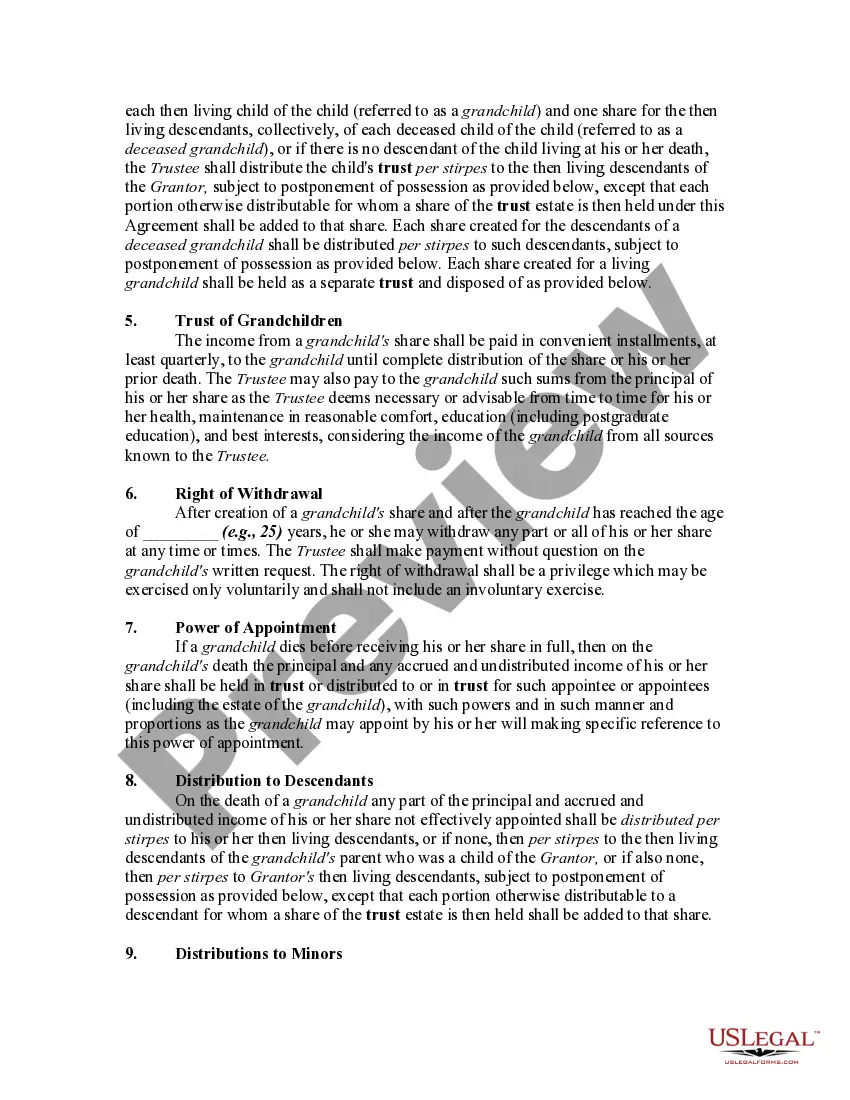
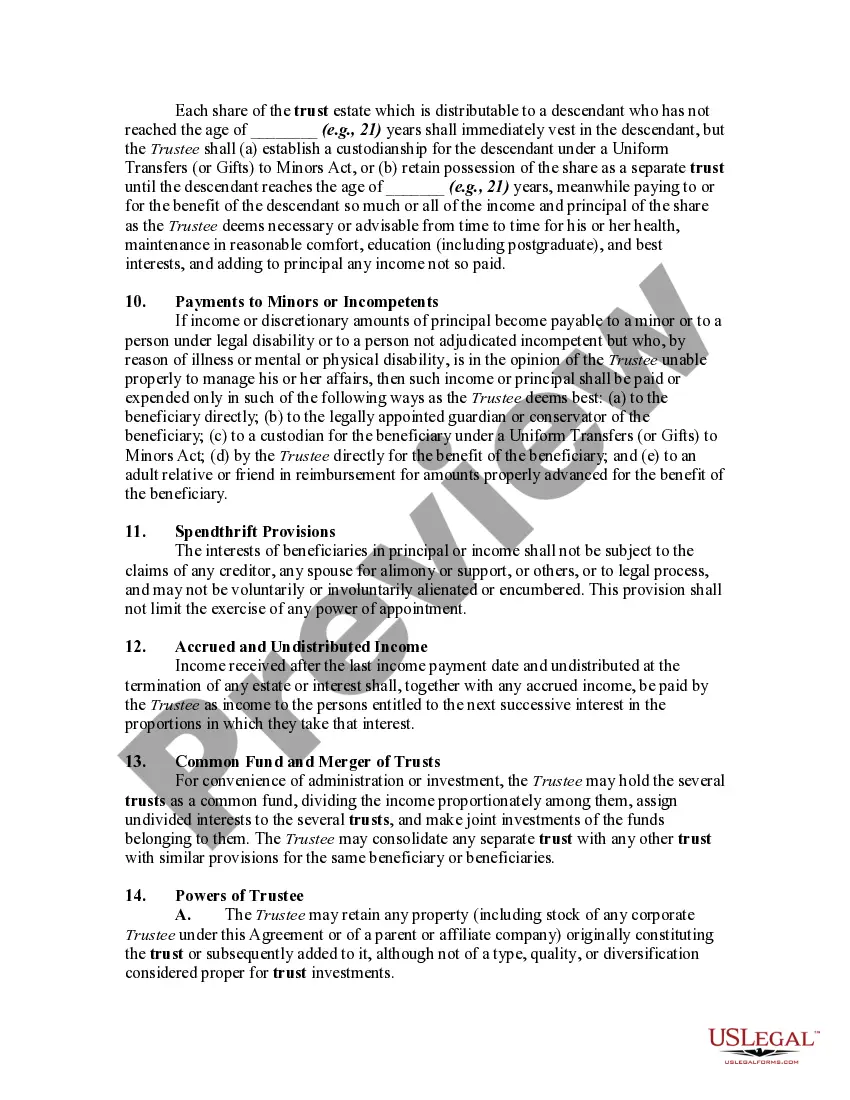





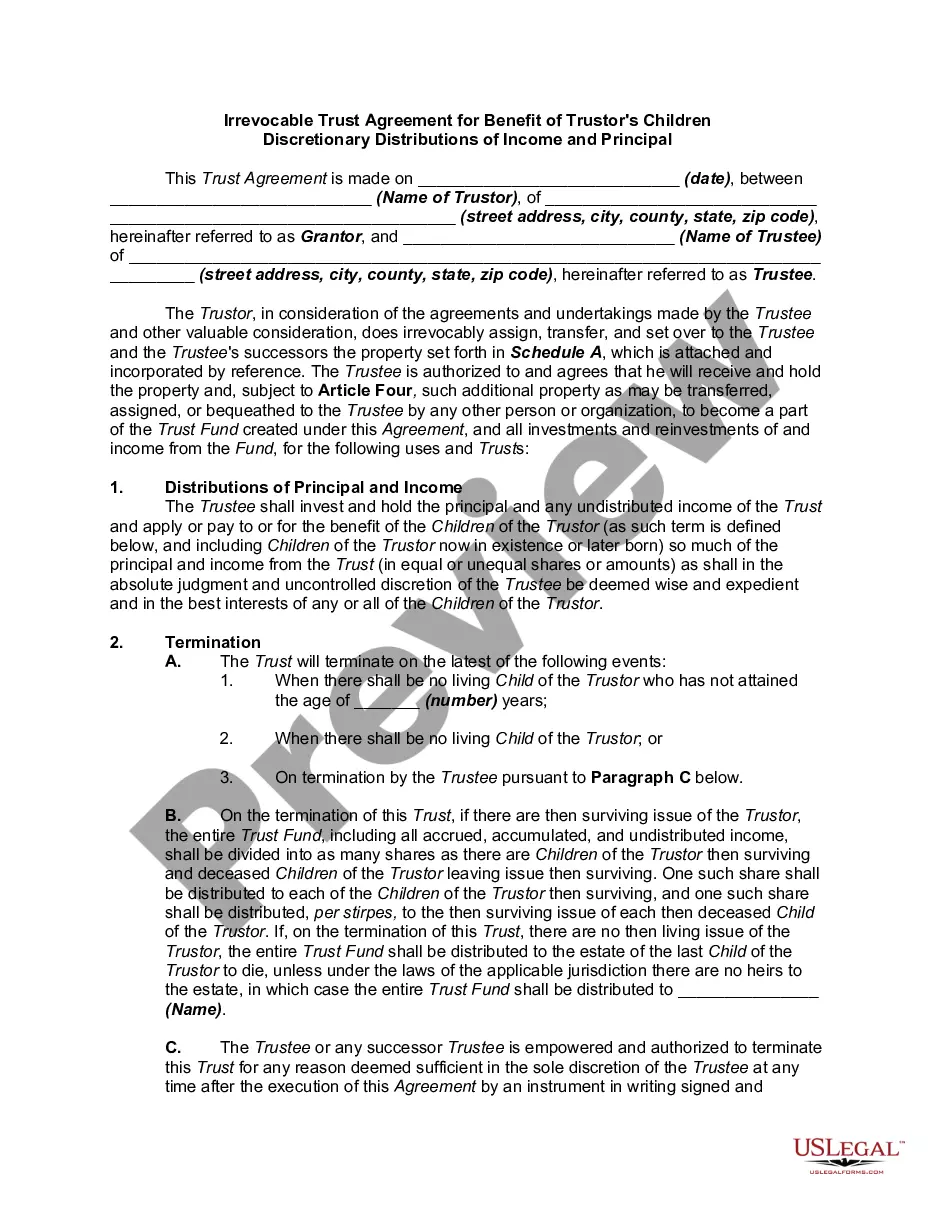
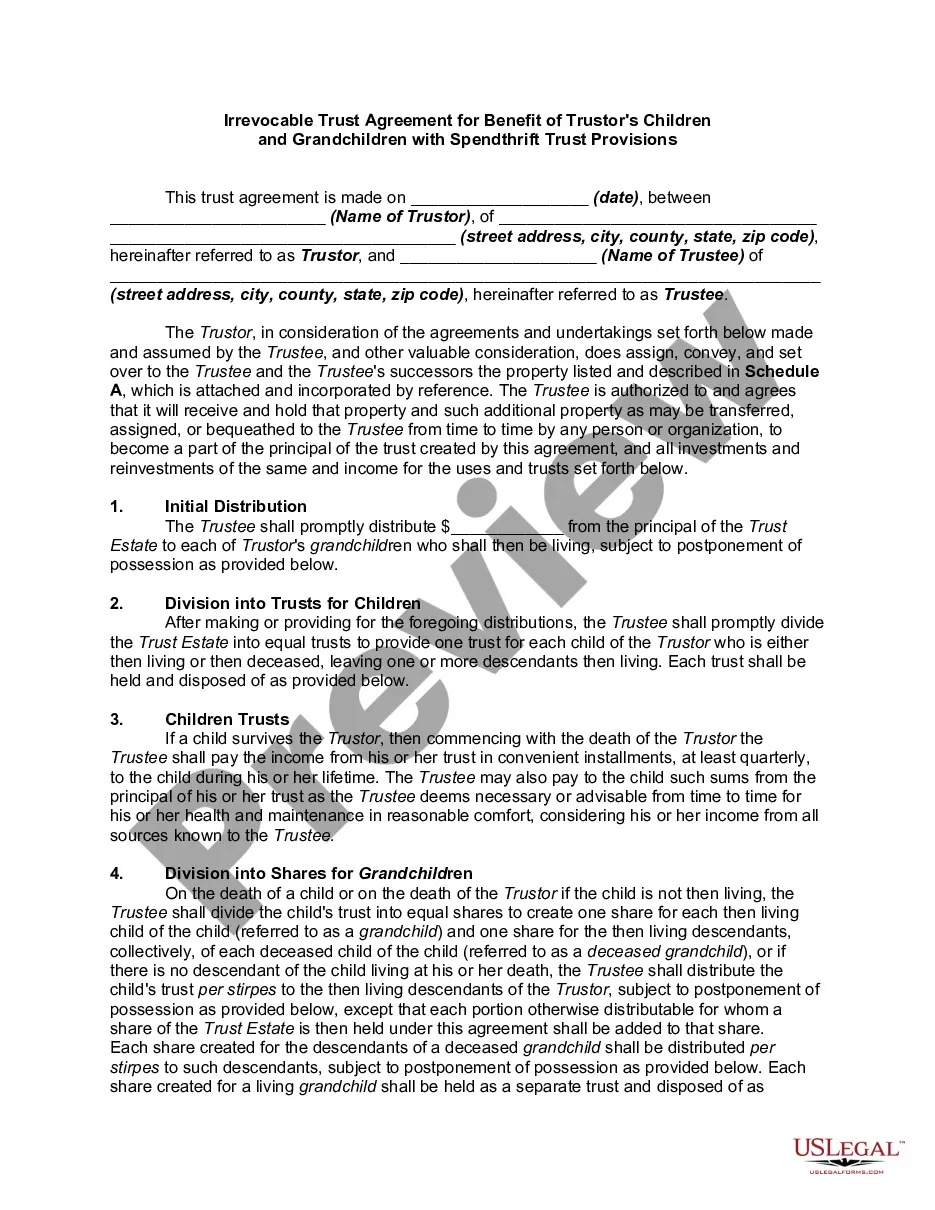
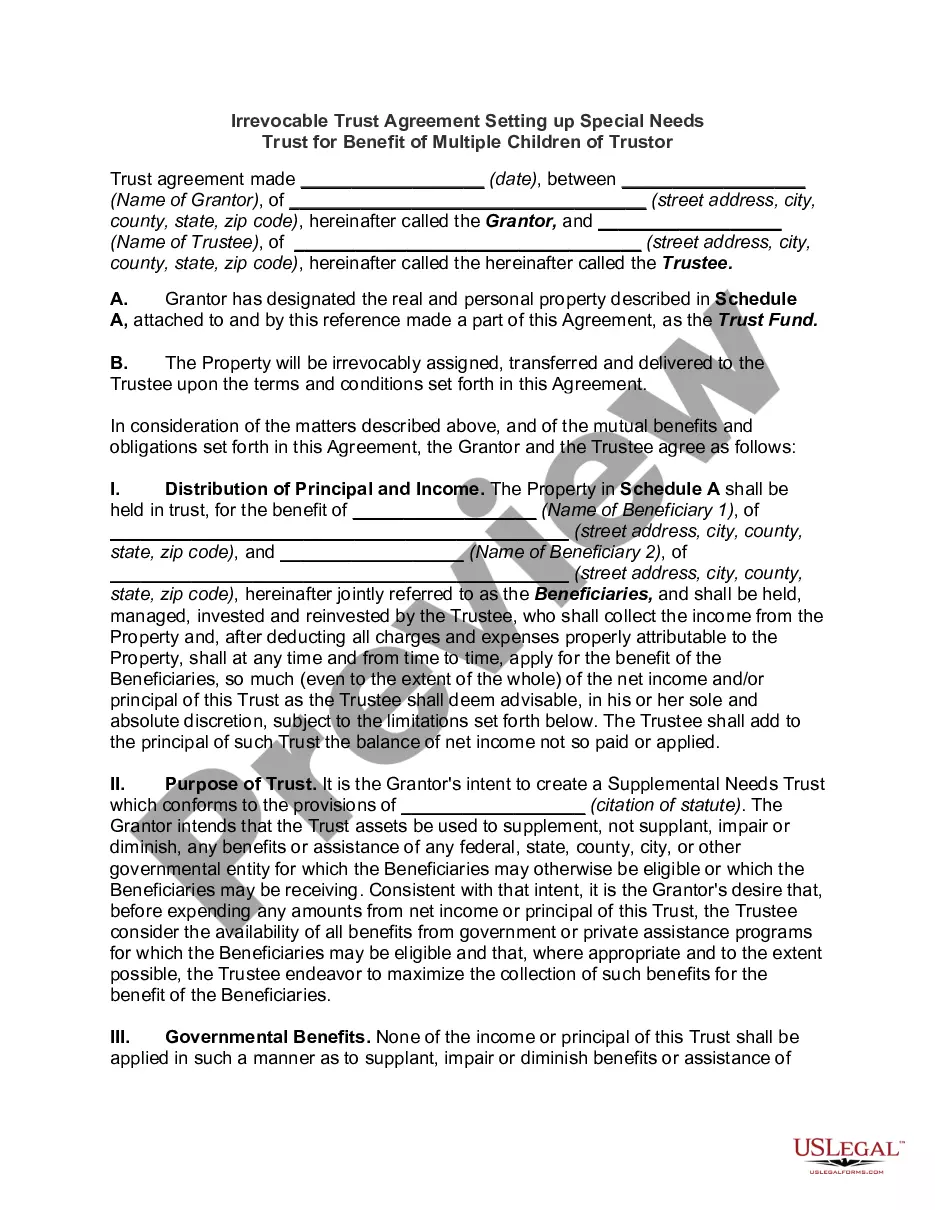
Get your form ready online
Our built-in tools help you complete, sign, share, and store your documents in one place.
Make edits, fill in missing information, and update formatting in US Legal Forms—just like you would in MS Word.
Download a copy, print it, send it by email, or mail it via USPS—whatever works best for your next step.
Sign and collect signatures with our SignNow integration. Send to multiple recipients, set reminders, and more. Go Premium to unlock E-Sign.
If this form requires notarization, complete it online through a secure video call—no need to meet a notary in person or wait for an appointment.
We protect your documents and personal data by following strict security and privacy standards.

Make edits, fill in missing information, and update formatting in US Legal Forms—just like you would in MS Word.

Download a copy, print it, send it by email, or mail it via USPS—whatever works best for your next step.

Sign and collect signatures with our SignNow integration. Send to multiple recipients, set reminders, and more. Go Premium to unlock E-Sign.

If this form requires notarization, complete it online through a secure video call—no need to meet a notary in person or wait for an appointment.

We protect your documents and personal data by following strict security and privacy standards.
Looking for another form?

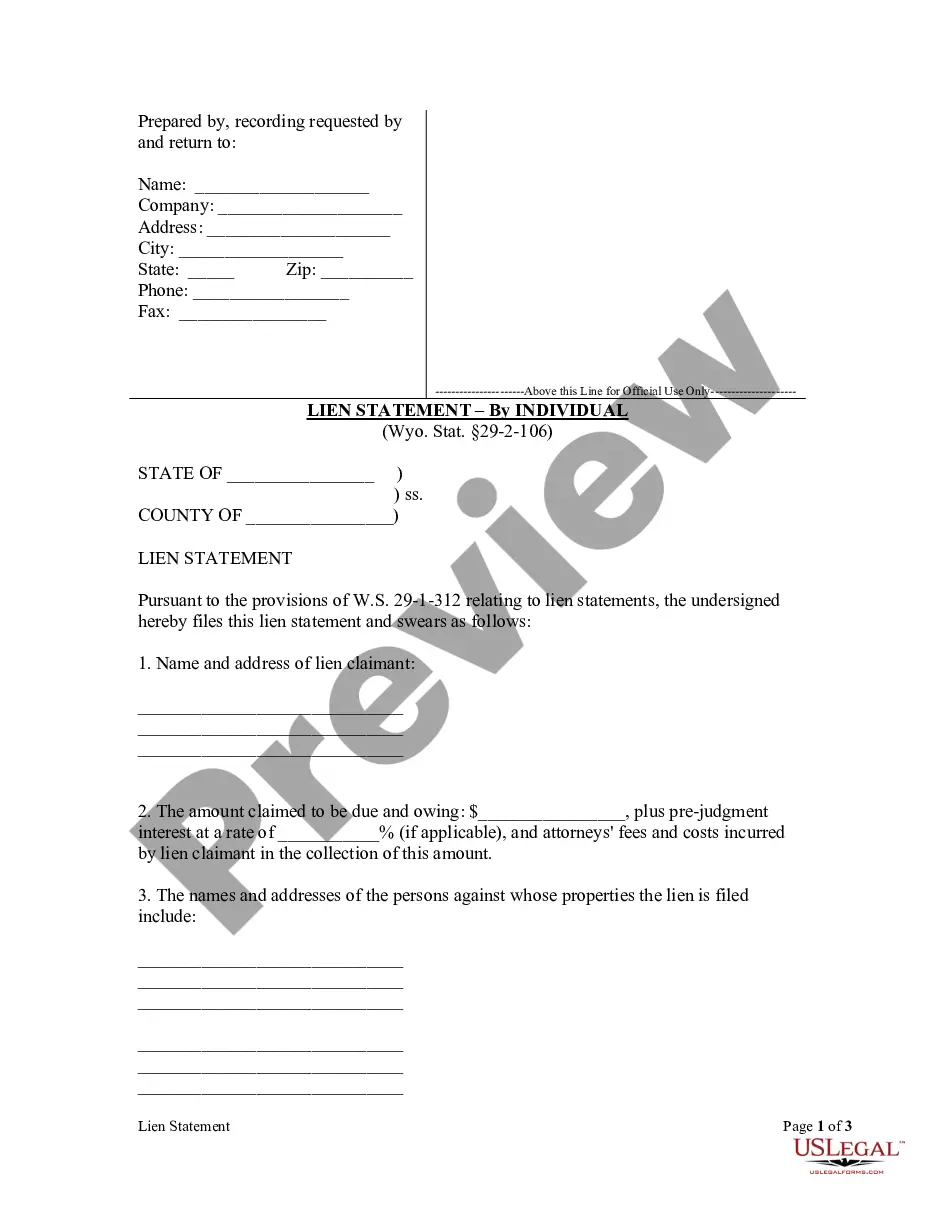




How to fill out Irrevocable Generation Skipping Or Dynasty Trust Agreement For Benefit Of Trustor's Children And Grandchildren?
Locating a reliable venue to obtain the latest and suitable legal templates is half the challenge of navigating bureaucracy.
Securing the correct legal documents requires precision and meticulousness, which is why it is essential to source Generation Skipping Trust File Format samples solely from trustworthy providers, such as US Legal Forms. An incorrect template will squander your time and hinder the situation you are facing. With US Legal Forms, you have minimal concerns. You can access and review all the specifics related to the document’s applicability and relevance for your particular circumstances and in your state or county.
Eliminate the complications associated with your legal documentation. Explore the extensive US Legal Forms collection to discover legal templates, assess their relevance to your situation, and download them instantly.
- Use the catalog navigation or search bar to find your template.
- Access the form’s details to verify if it meets the criteria for your state and area.
- View the form preview, if available, to confirm that the template is indeed the one you need.
- Return to the search to locate the correct document if the Generation Skipping Trust File Format fails to meet your criteria.
- Once you are certain about the form’s applicability, download it.
- If you are a registered user, click Log in to verify your identity and access your chosen forms in My documents.
- If you do not have an account yet, click Buy now to acquire the template.
- Select the pricing option that best fits your requirements.
- Continue to the registration to finalize your purchase.
- Complete your transaction by choosing a payment method (credit card or PayPal).
- Select the file format for downloading the Generation Skipping Trust File Format.
- Once you have the form on your device, you can edit it with the editor or print it and fill it out manually.
Form popularity
FAQ
Generation-skipping transfers: You place assets in a trust using your GST tax exemption. The trust pays your child income for life with the remainder passing outside of your child's taxable estate to your grandchildren or future generations after your child is deceased.
As an example of a taxable termination, consider a transferor who establishes an income-producing trust for his son. Upon the son's death, the remaining property would be passed on to the transferor's grandchild, at which time those assets would be subject to the GST tax.
This type of trust, through which assets skip a generation, is also called a GST trust or dynasty trust, because it is often used by affluent families to pass down wealth at a great estate tax savings.
A generation skipping trust is a fiduciary arrangement that is used to pass down assets and property to a later generation. The trustor, also called the settlor or grantor, skips over their own children to pass the inheritance to their grandchildren. The trust skips a generation, thus earning its name.
For example, if you skip the living parent (your child) and leave an inheritance directly to your grandchild. It can happen unintentionally, as when an inheritance is in a trust for your child, and your child dies after you, but before receiving the full amount in the trust.