Dynasty Trusts With The Eu
Description
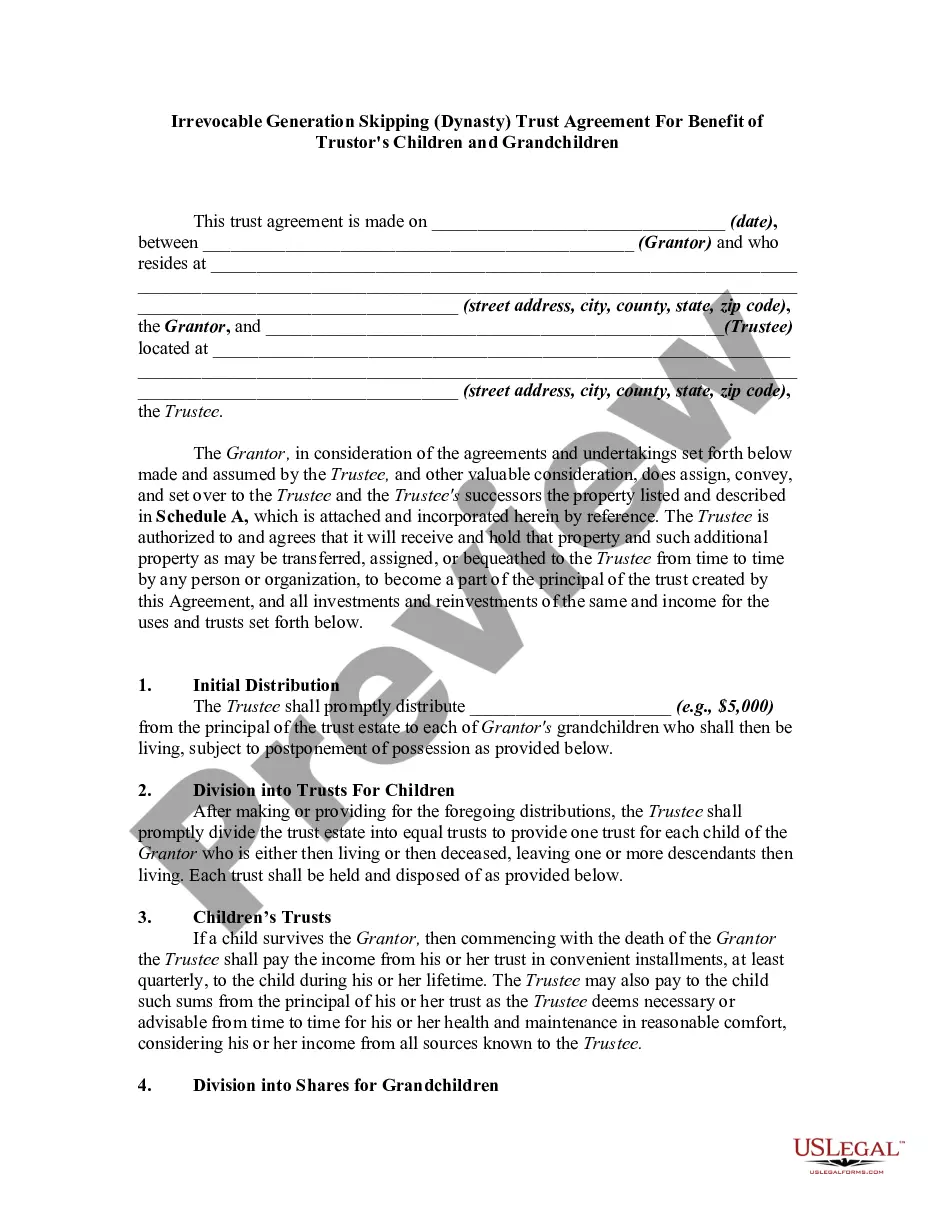
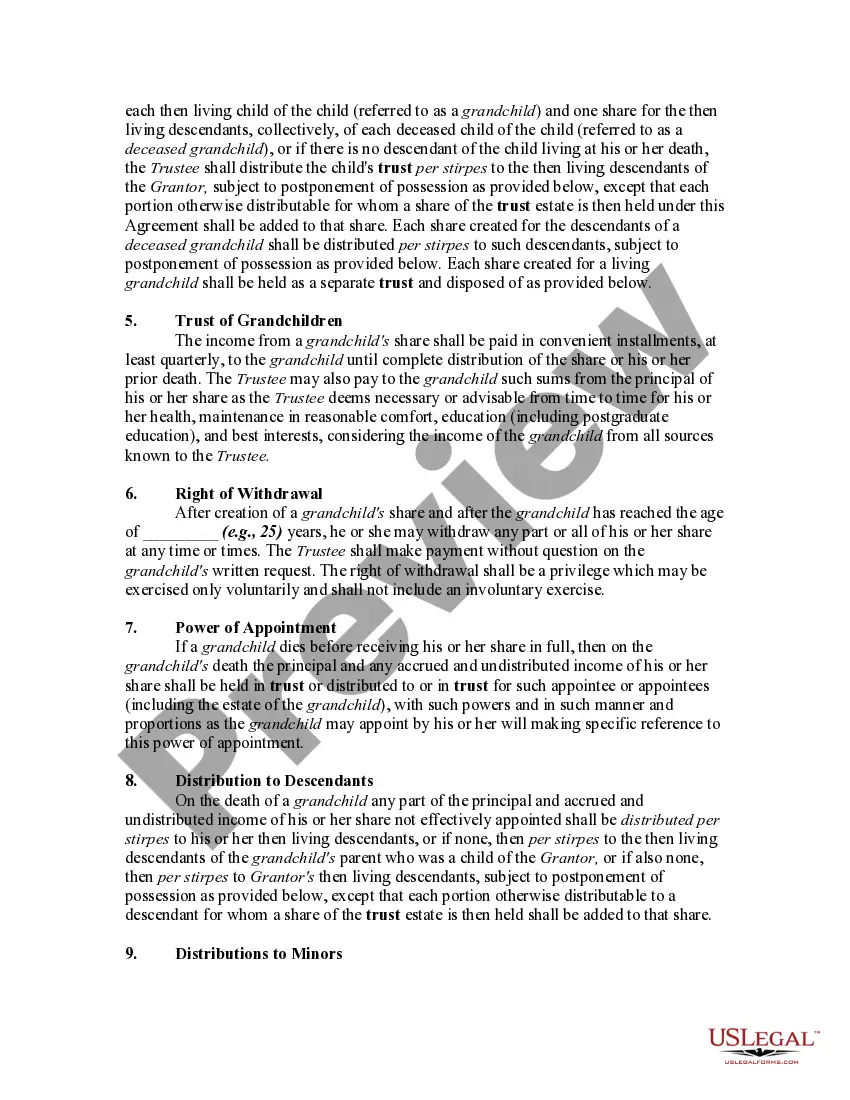
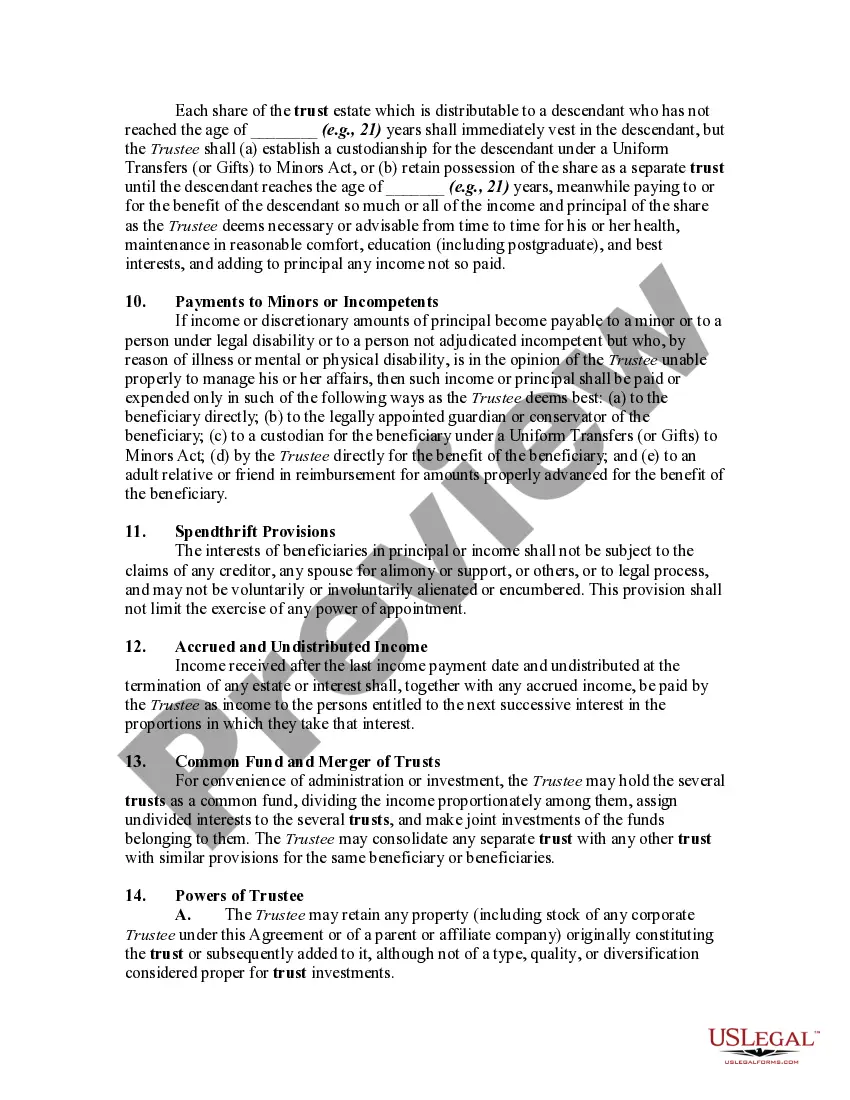
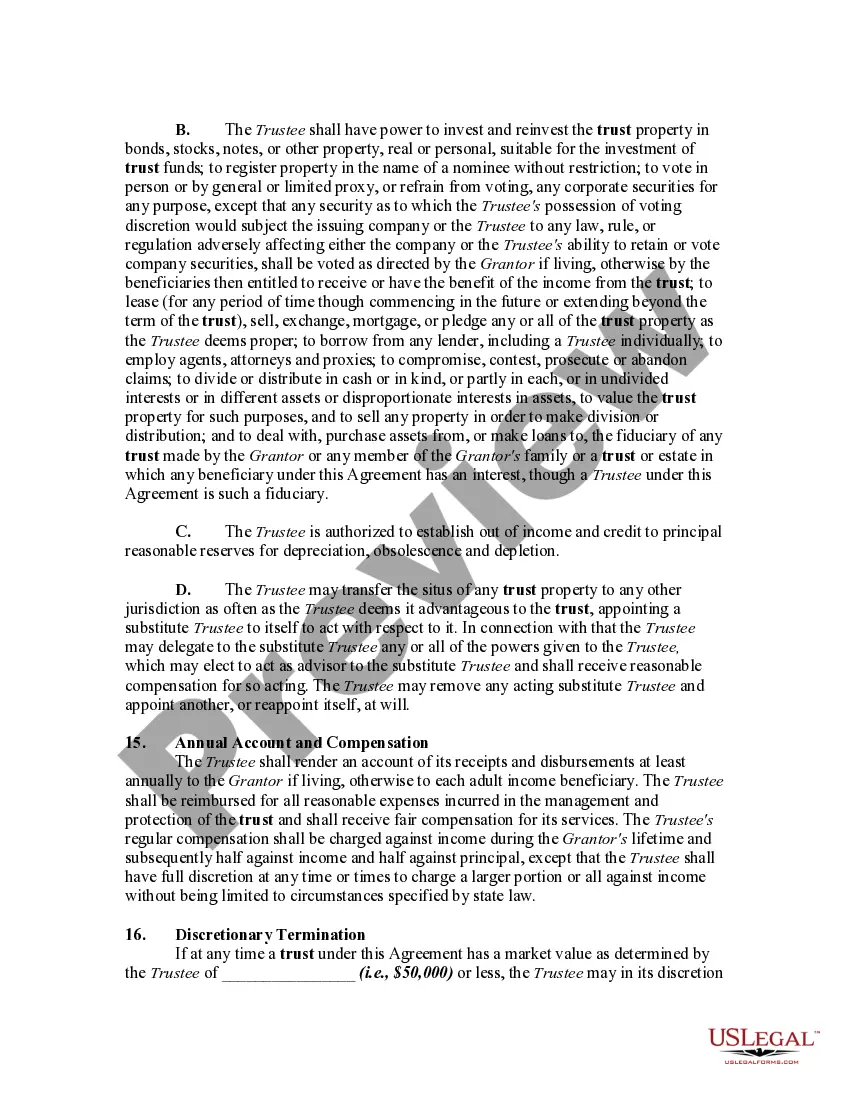



Get your form ready online
Our built-in tools help you complete, sign, share, and store your documents in one place.
Make edits, fill in missing information, and update formatting in US Legal Forms—just like you would in MS Word.
Download a copy, print it, send it by email, or mail it via USPS—whatever works best for your next step.
Sign and collect signatures with our SignNow integration. Send to multiple recipients, set reminders, and more. Go Premium to unlock E-Sign.
If this form requires notarization, complete it online through a secure video call—no need to meet a notary in person or wait for an appointment.
We protect your documents and personal data by following strict security and privacy standards.

Make edits, fill in missing information, and update formatting in US Legal Forms—just like you would in MS Word.

Download a copy, print it, send it by email, or mail it via USPS—whatever works best for your next step.

Sign and collect signatures with our SignNow integration. Send to multiple recipients, set reminders, and more. Go Premium to unlock E-Sign.

If this form requires notarization, complete it online through a secure video call—no need to meet a notary in person or wait for an appointment.

We protect your documents and personal data by following strict security and privacy standards.
Looking for another form?



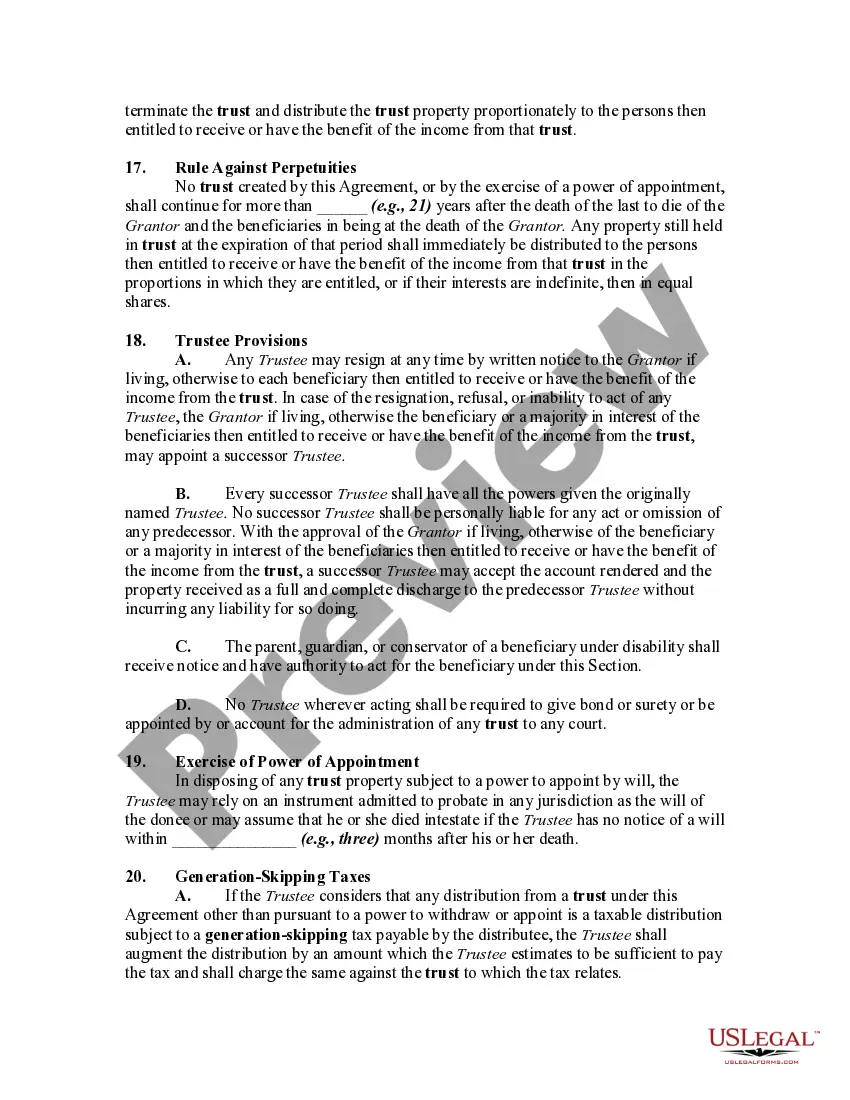
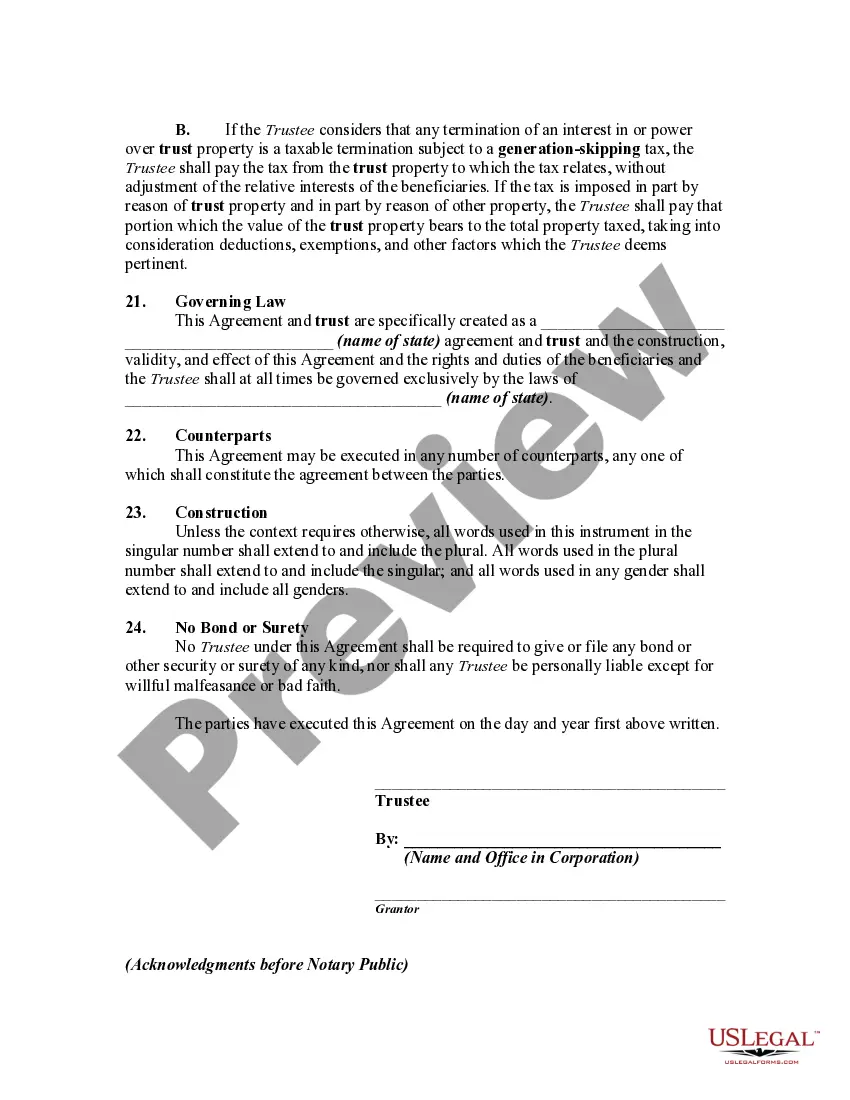
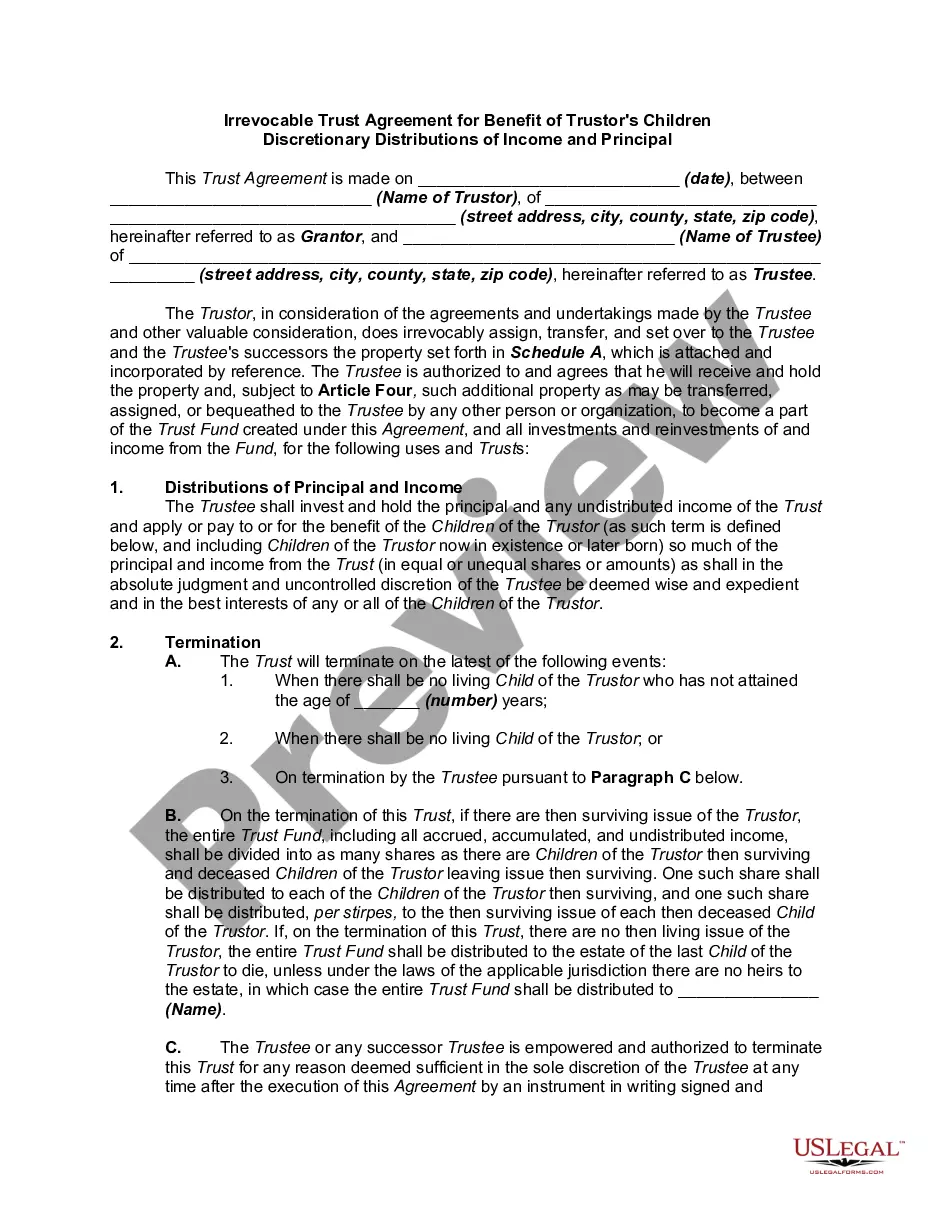
How to fill out Irrevocable Generation Skipping Or Dynasty Trust Agreement For Benefit Of Trustor's Children And Grandchildren?
- Log in to your US Legal Forms account if you're a returning user and click the Download button for the required template. Ensure your subscription remains active, and renew if necessary.
- For first-time users, start by checking out the Preview mode and description of the form to confirm it meets your local requirements.
- If the selected template doesn't fit your needs, utilize the Search feature to locate the correct document that suits your situation.
- Select the desired document by clicking on the Buy Now button and choose the appropriate subscription plan. It’s important to create an account to access the library's resources.
- Proceed to complete your purchase by entering your credit card details or using your PayPal account for the subscription.
- After purchasing, download your form to save it on your device, and you can access it later from the My Forms section of your profile.
US Legal Forms boasts a diverse library of over 85,000 editable legal forms, ensuring you have the tools necessary to create accurate documents.
By following these steps, you can efficiently access dynasty trusts with the EU documents you need. Start your legal journey with US Legal Forms today and secure your financial future!
Form popularity
FAQ
The best state for establishing a dynasty trust often depends on your specific needs and goals. States like South Dakota, Nevada, and Alaska offer favorable laws, including no state income tax and long durations. If you are considering dynasty trusts with the EU, consulting with a legal expert can help tailor your trust according to both US and international regulations.
A dynasty trust can last for many generations, often designed to endure for 100 years or more, depending on state laws. Some jurisdictions allow trusts to exist perpetually, while others impose specific time limits. When setting up dynasty trusts with the EU in mind, it's crucial to understand how foreign laws may affect their duration.
While dynasty trusts provide significant benefits, they can also present challenges. For instance, the rules governing these trusts can be complex and vary widely by state. Additionally, individuals may face issues related to taxes and the distribution of assets across different jurisdictions, such as with dynasty trusts with the EU.
Yes, dynasty trusts are legal in the United States and can be established in several states. They offer a powerful way to manage wealth across generations while minimizing estate taxes. However, it is essential to consider how dynasty trusts interact with laws in the EU, particularly for individuals with international connections.
Setting up a dynasty trust with the EU can be a strategic decision if you seek to preserve wealth for future generations. It offers various benefits, such as protection from estate taxes and creditor claims. Moreover, it can provide your heirs with a steady source of income over time. Consider evaluating your financial situation with a qualified legal advisor to determine if a dynasty trust aligns with your long-term goals.
Dynasty trusts with the EU can last for many generations, depending on the governing laws of the particular jurisdiction. Some states allow these trusts to exist indefinitely, while others impose a limit on their duration. This capacity for longevity allows families to maintain control over their wealth across generations. Engaging with platforms like USLegalForms can simplify the creation and management of such trusts.
Yes, dynasty trusts with the EU remain legal and are a popular choice for wealth preservation. Many jurisdictions allow these trusts to last for many years, sometimes even indefinitely. This feature provides families the opportunity to protect their assets from taxes and creditors. Consulting with a legal expert can help clarify specific laws and regulations that may apply to your situation.
Dynasty trusts with the EU can effectively minimize estate taxes by keeping the assets within the trust across multiple generations. This arrangement means that the assets are not considered part of the beneficiaries' estates, significantly reducing tax liability. By separating ownership from the beneficiaries, it also enables the family to preserve wealth without the usual tax consequences. Utilizing legal services like USLegalForms can streamline the setup of such trusts.
To structure a dynasty trust with the EU, start by determining the trust's purpose and the assets to include. Clearly designate trustees who will manage the trust and outline their responsibilities. Draft the trust document with specific instructions on how income and principal will be distributed over time. Ensuring a well-structured trust can maximize its benefits, so consider using resources like uslegalforms for guidance.
An example of dynasty trusts with the EU would be a trust created by a wealthy family intending to pass down their estate for generations. For instance, a family might place their vacation home and investment portfolio into the trust, ensuring that these assets remain protected and benefit their descendants. Such a structure not only preserves wealth but also fosters family unity across generations.