Dynasty Trust Problems With Trust
Description
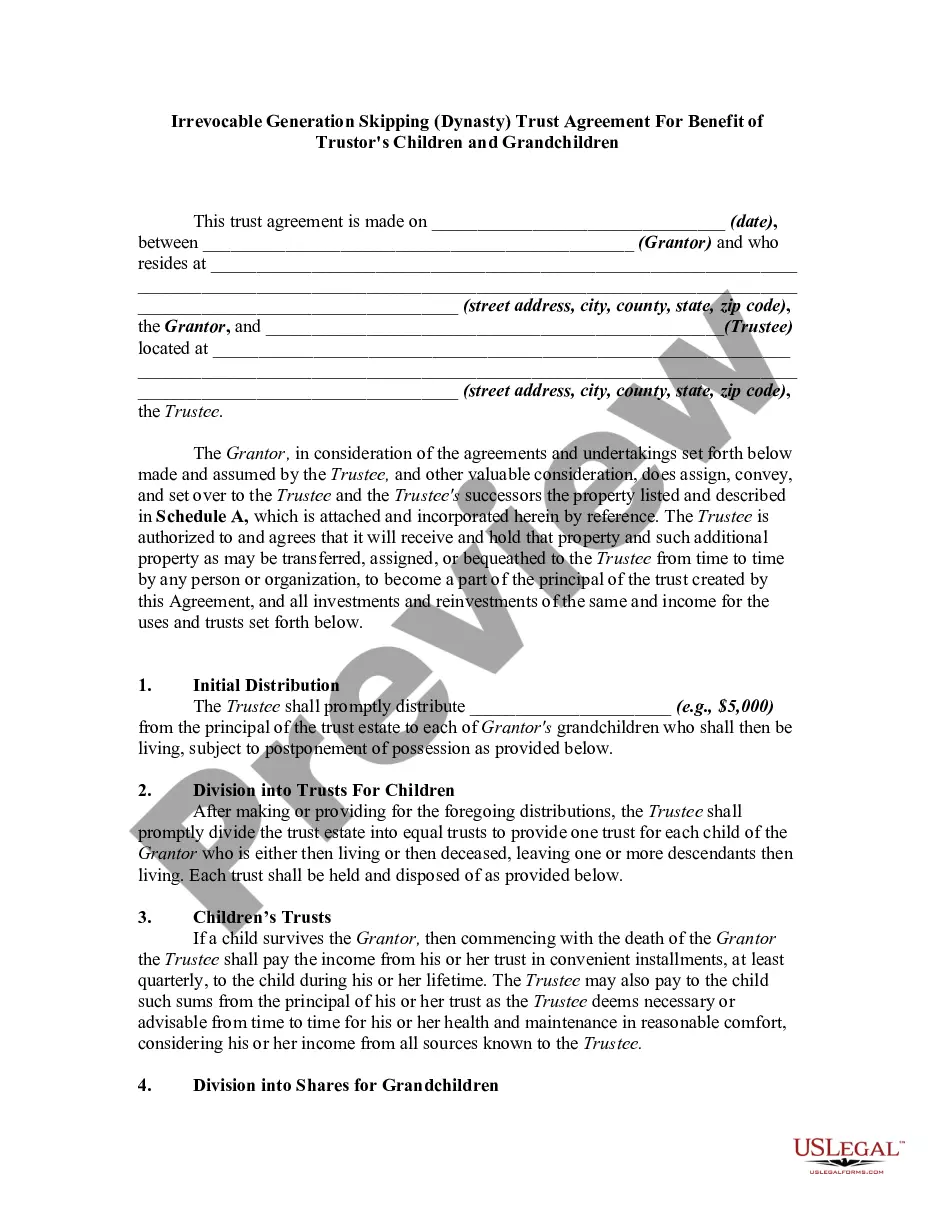
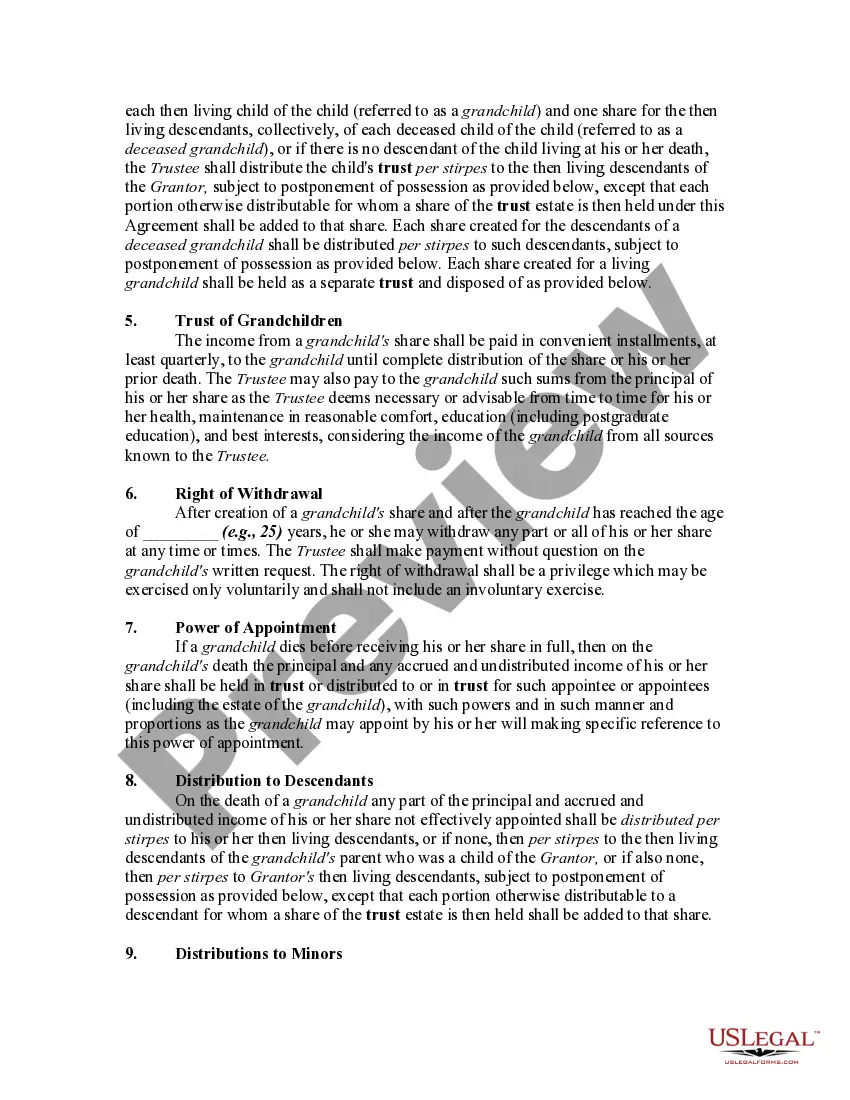
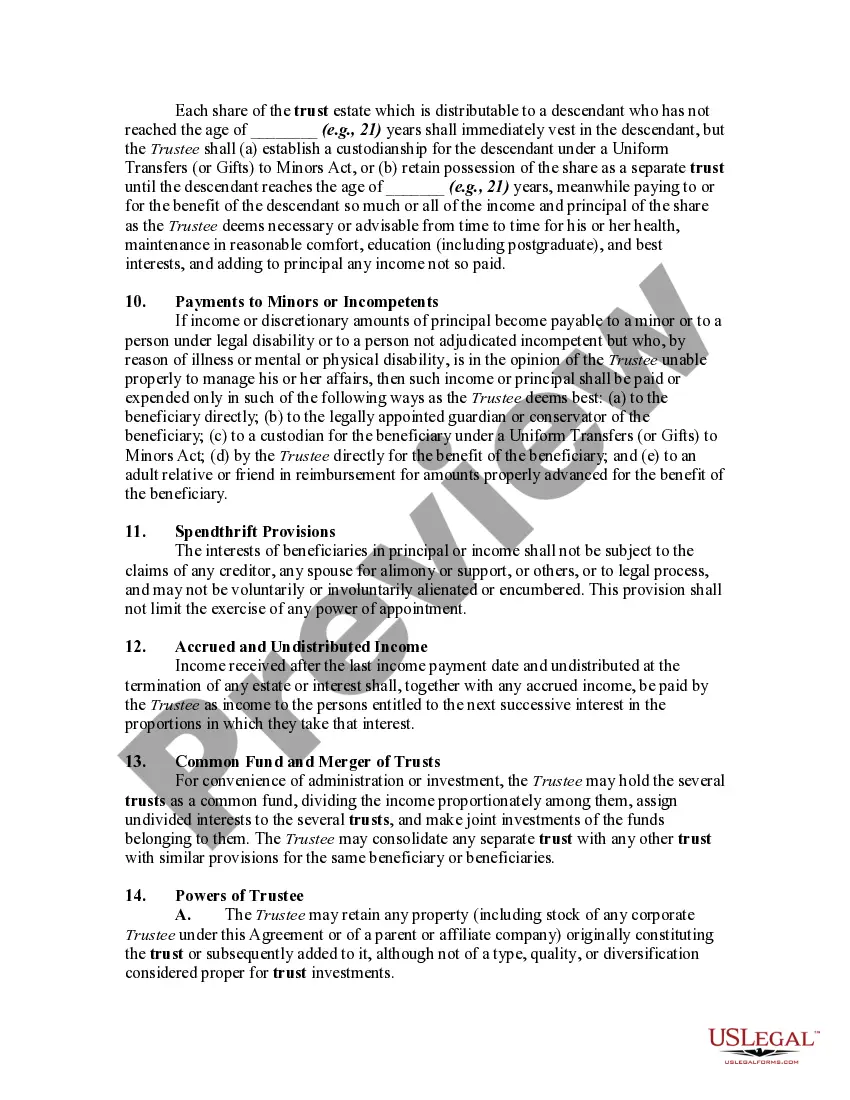
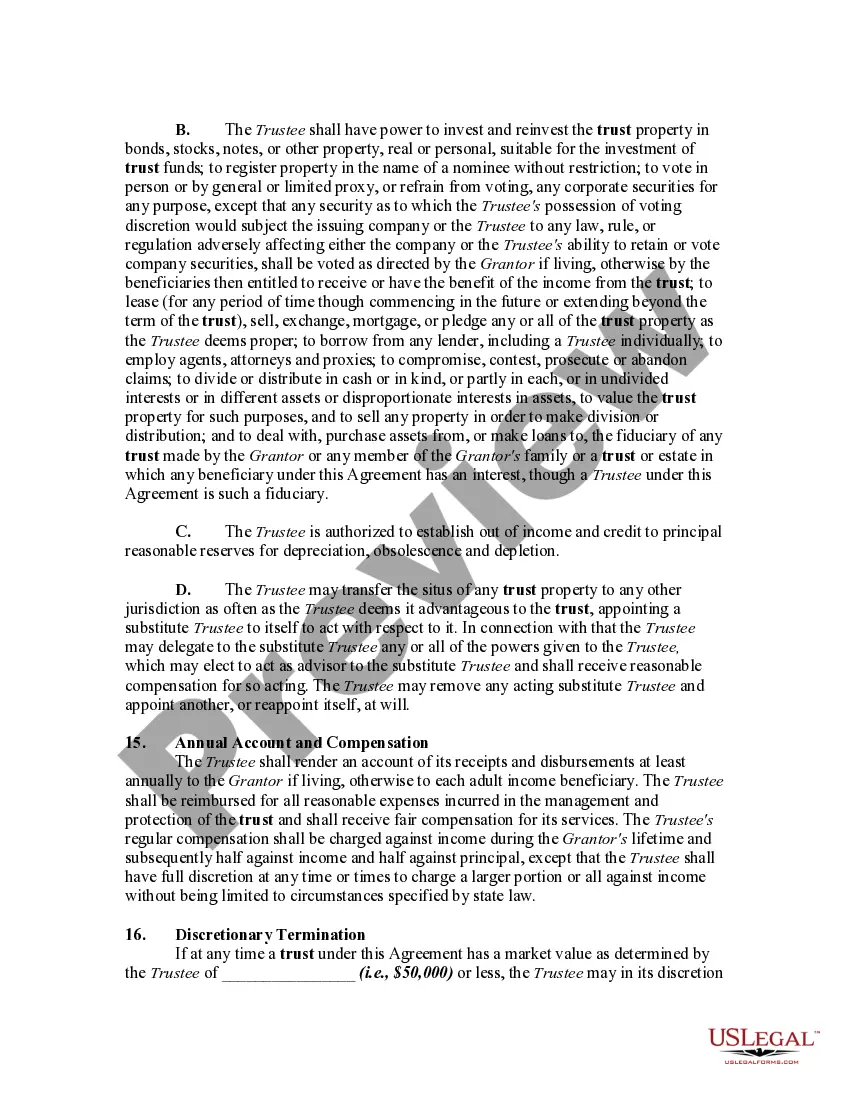



Get your form ready online
Our built-in tools help you complete, sign, share, and store your documents in one place.
Make edits, fill in missing information, and update formatting in US Legal Forms—just like you would in MS Word.
Download a copy, print it, send it by email, or mail it via USPS—whatever works best for your next step.
Sign and collect signatures with our SignNow integration. Send to multiple recipients, set reminders, and more. Go Premium to unlock E-Sign.
If this form requires notarization, complete it online through a secure video call—no need to meet a notary in person or wait for an appointment.
We protect your documents and personal data by following strict security and privacy standards.

Make edits, fill in missing information, and update formatting in US Legal Forms—just like you would in MS Word.

Download a copy, print it, send it by email, or mail it via USPS—whatever works best for your next step.

Sign and collect signatures with our SignNow integration. Send to multiple recipients, set reminders, and more. Go Premium to unlock E-Sign.

If this form requires notarization, complete it online through a secure video call—no need to meet a notary in person or wait for an appointment.

We protect your documents and personal data by following strict security and privacy standards.
Looking for another form?






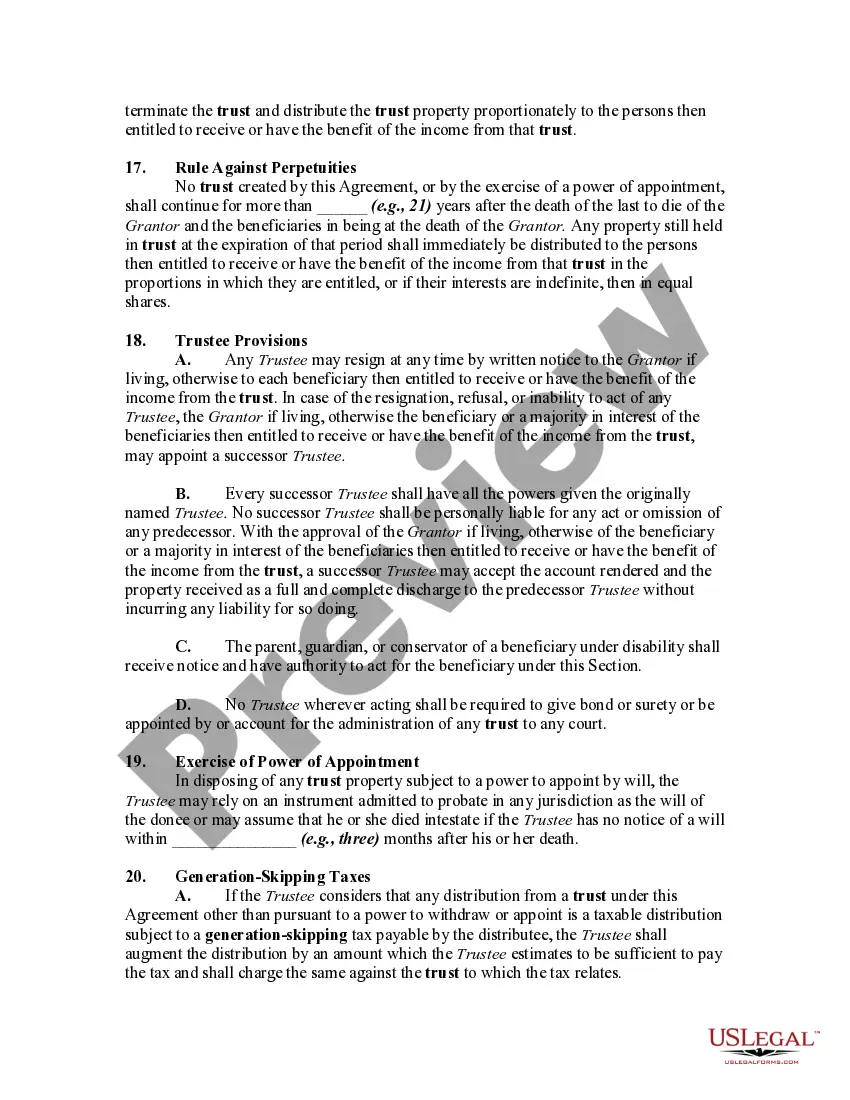
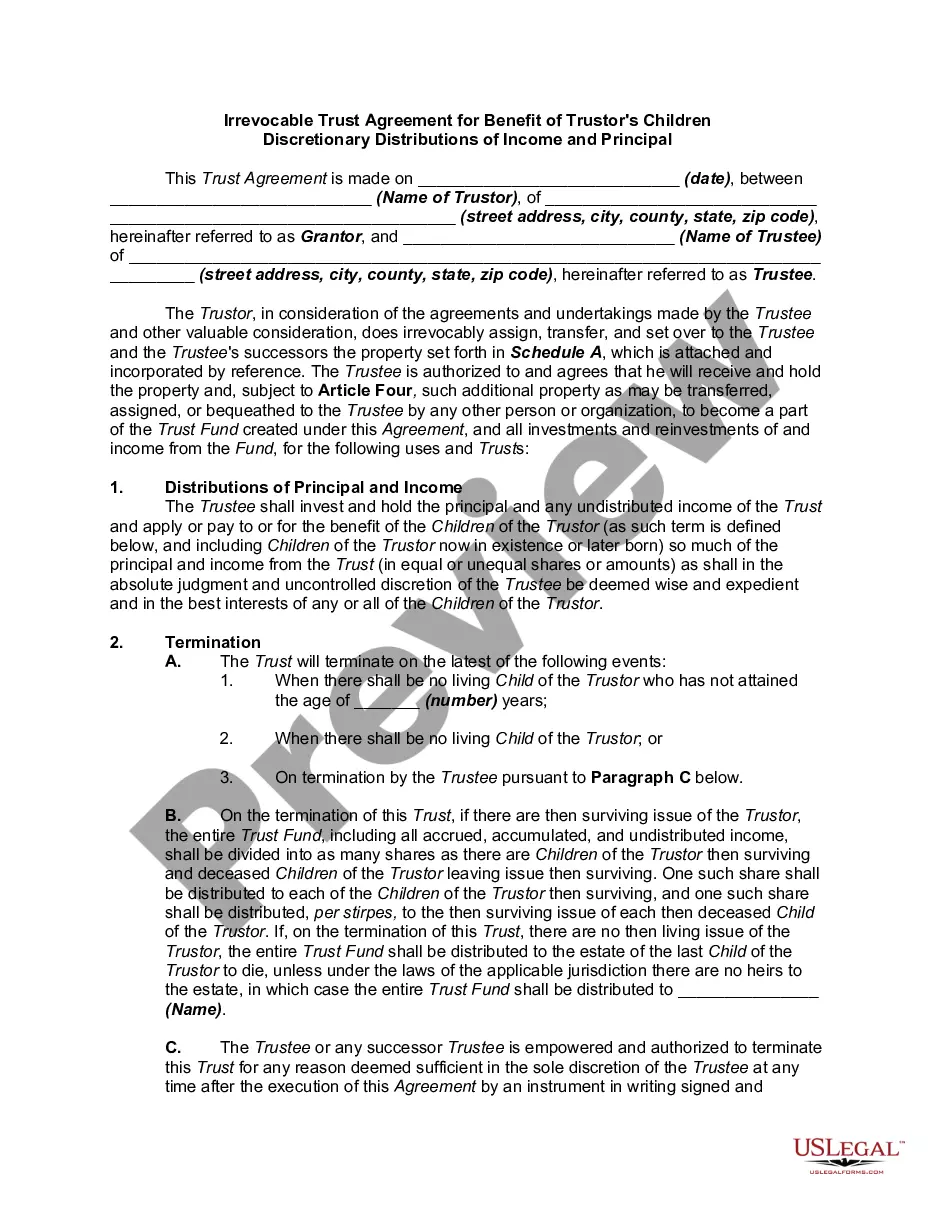
How to fill out Irrevocable Generation Skipping Or Dynasty Trust Agreement For Benefit Of Trustor's Children And Grandchildren?
Regardless of whether it is for professional reasons or personal matters, everyone must manage legal issues at some stage in their lives.
Completing legal documents demands meticulous care, beginning with selecting the appropriate form template.
With a vast US Legal Forms library available, you need not waste time searching for the correct template online. Utilize the library’s user-friendly navigation to find the right form for any situation.
- Locate the template you require through the search feature or catalog browsing.
- Review the document’s details to ensure it suits your case, jurisdiction, and area.
- Click on the document’s preview to inspect it.
- If it is the wrong form, return to the search option to find the Dynasty Trust Issues With Trust template you need.
- Download the template if it aligns with your requirements.
- If you already possess a US Legal Forms account, simply click Log in to retrieve your previously saved documents in My documents.
- If you do not have an account yet, you may download the document by clicking Buy now.
- Choose the appropriate pricing option.
- Complete the profile registration form.
- Select your payment method: either use a credit card or PayPal account.
- Pick the desired file format and download the Dynasty Trust Issues With Trust.
- Once it is saved, you can fill out the document using editing software or print it out and complete it by hand.
Form popularity
FAQ
While dynasty trusts have clear benefits, they also come with notable cons. Some of these include limited flexibility, as once established, it can be challenging to make changes. There are also potential ongoing administrative costs and complexities in management. Understanding these dynasty trust problems with trust beforehand can prevent unexpected challenges down the line.
Yes, a dynasty trust is a legitimate estate planning tool recognized by law in many states. It can effectively help families preserve wealth across generations while minimizing tax liabilities. However, it is crucial to set it up correctly to avoid any dynasty trust problems with trust that could undermine its purpose. Consulting with professionals can ensure that your dynasty trust is established and maintained effectively.
When considering what assets to place in a dynasty trust, focus on appreciating assets like real estate, investments, or family businesses. These assets are advantageous, as they can grow in value over time, thus benefiting future generations. Additionally, consider assets that generate income, which can provide financial stability for your heirs. Always weigh the dynasty trust problems with trust to ensure your chosen assets align with your long-term goals.
Yes, a dynasty trust can be dissolved under certain circumstances. However, doing so often requires explicit provisions outlined in the trust document and may involve legal processes. It’s important to navigate this carefully, as improper actions can lead to legal complications. If you face challenges with a dynasty trust or need assistance, US Legal Forms can guide you through the process.
Individuals with substantial assets, wanting to provide for multiple generations, should consider a dynasty trust. This type of trust is particularly beneficial for families looking to preserve wealth while avoiding the drain of taxes over time. If you seek to maintain control over how your assets are distributed, a dynasty trust may be an excellent choice for your estate planning needs. Understanding dynasty trust problems with trust can help you make an informed decision.
While dynasty trusts offer long-term benefits, they also come with certain downsides. One major issue is potential tax complications, especially when it comes to generation-skipping transfer taxes. Additionally, beneficiaries may face restrictions that limit their access to funds, which can lead to feelings of frustration or entitlement. Overall, these dynasty trust problems with trust should be carefully considered before establishing one.
A breach of trust occurs when a trustee fails to act in accordance with the trust's terms or violates their fiduciary duty to the beneficiaries. Common examples include misappropriating trust assets or failing to provide accurate information about the trust. Understanding what qualifies as a breach is crucial, as it can lead to significant dynasty trust problems with trust enforcement and beneficiary rights. Using a robust service like US Legal Forms can help you draft clear trust documents to potentially avoid such issues.
The 7 year rule on trusts refers to a specific tax regulation related to estate planning. Generally, if you transfer assets into a trust and survive for seven years after the transfer, those assets are typically excluded from your estate for tax purposes. This means they may not be subject to estate taxes upon your death. However, individuals must be cautious, as failing to understand the implications can lead to dynasty trust problems with trust management and tax obligations.
The 2 year rule for trusts typically refers to the requirement that certain transfers to a trust must occur within two years of the grantor's death to avoid estate taxes. This rule helps determine how assets are taxed when distributed after the grantor's passing. It's crucial to understand this rule as it may trigger potential dynasty trust problems with trust if not adhered to properly. For expert guidance on navigating these complexities, look to uslegalforms for resources and support.
You can identify a dynasty trust by its long-term benefits, which allow it to remain in place for multiple generations without being subject to estate taxes. Typically, a dynasty trust will specify that its assets are meant to provide financial support for descendants over a prolonged period. When evaluating your trust, consider its terms, which should detail the duration and purposes clearly. If you're uncertain, consulting a legal professional about dynasty trust problems with trust can provide clarity.