Dynasty Trust Disadvantages For Employees
Description
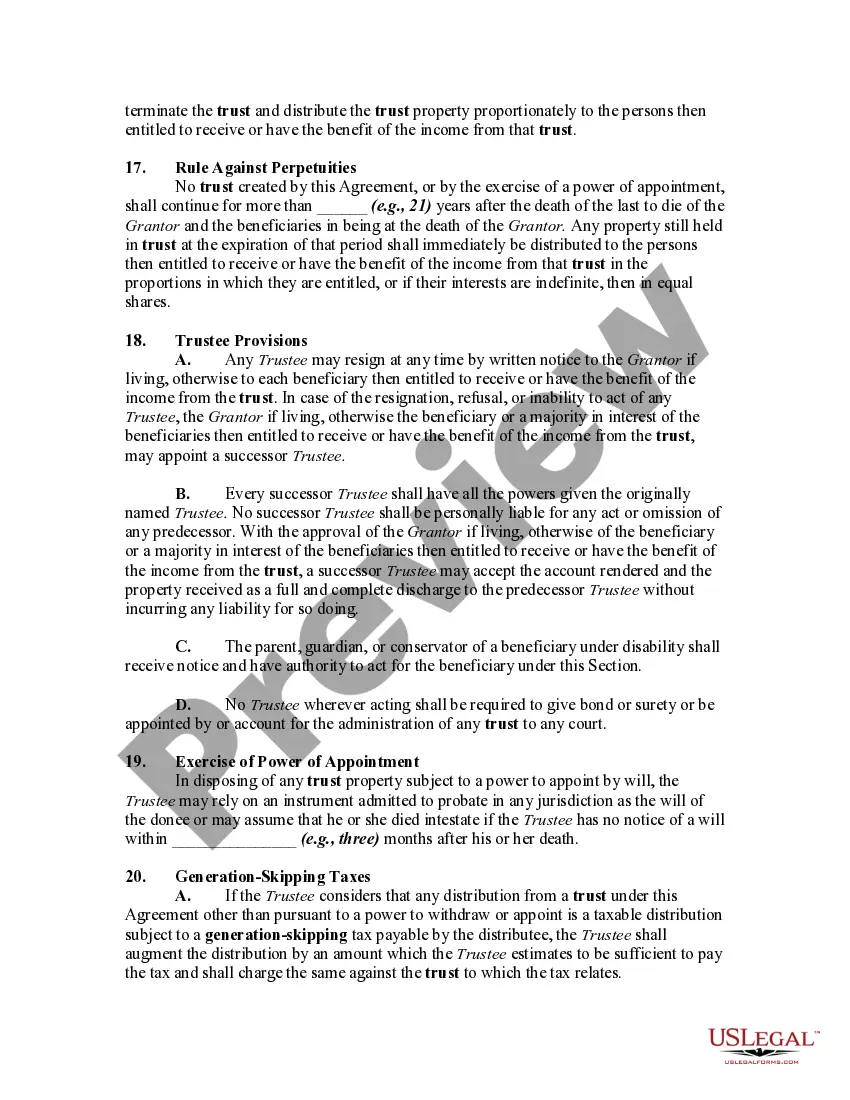
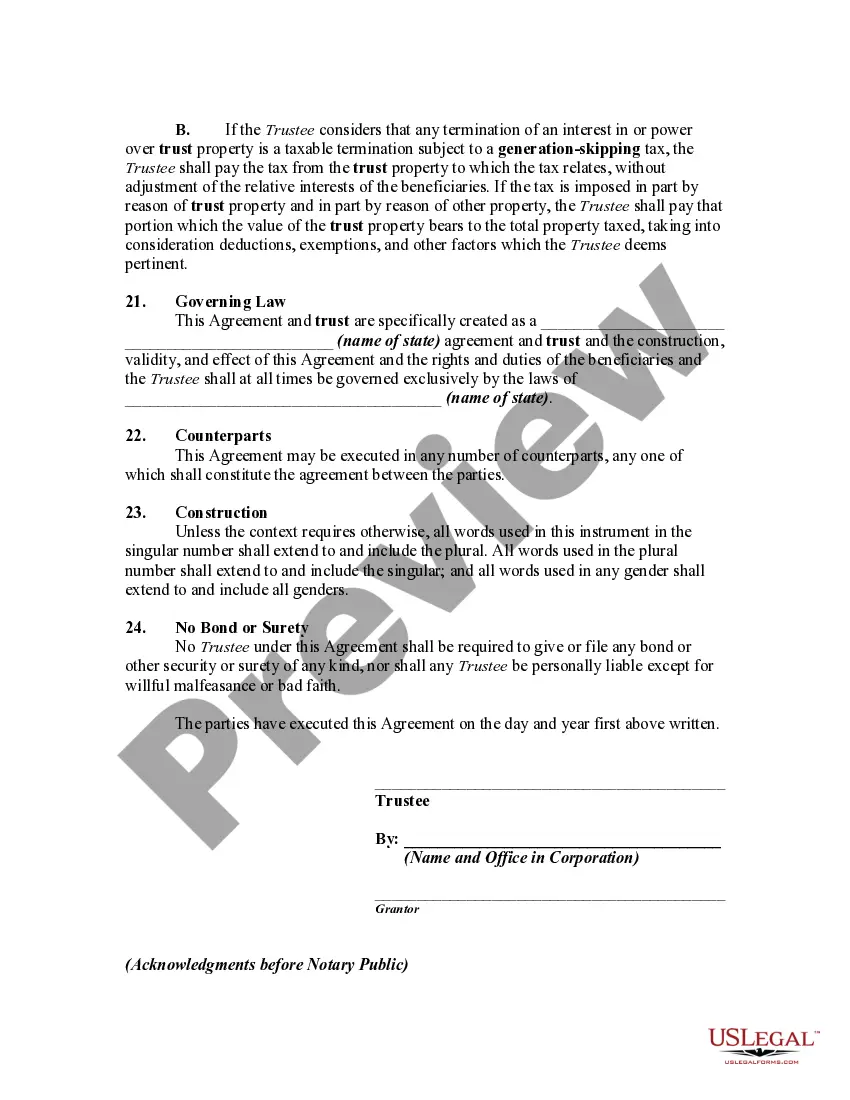


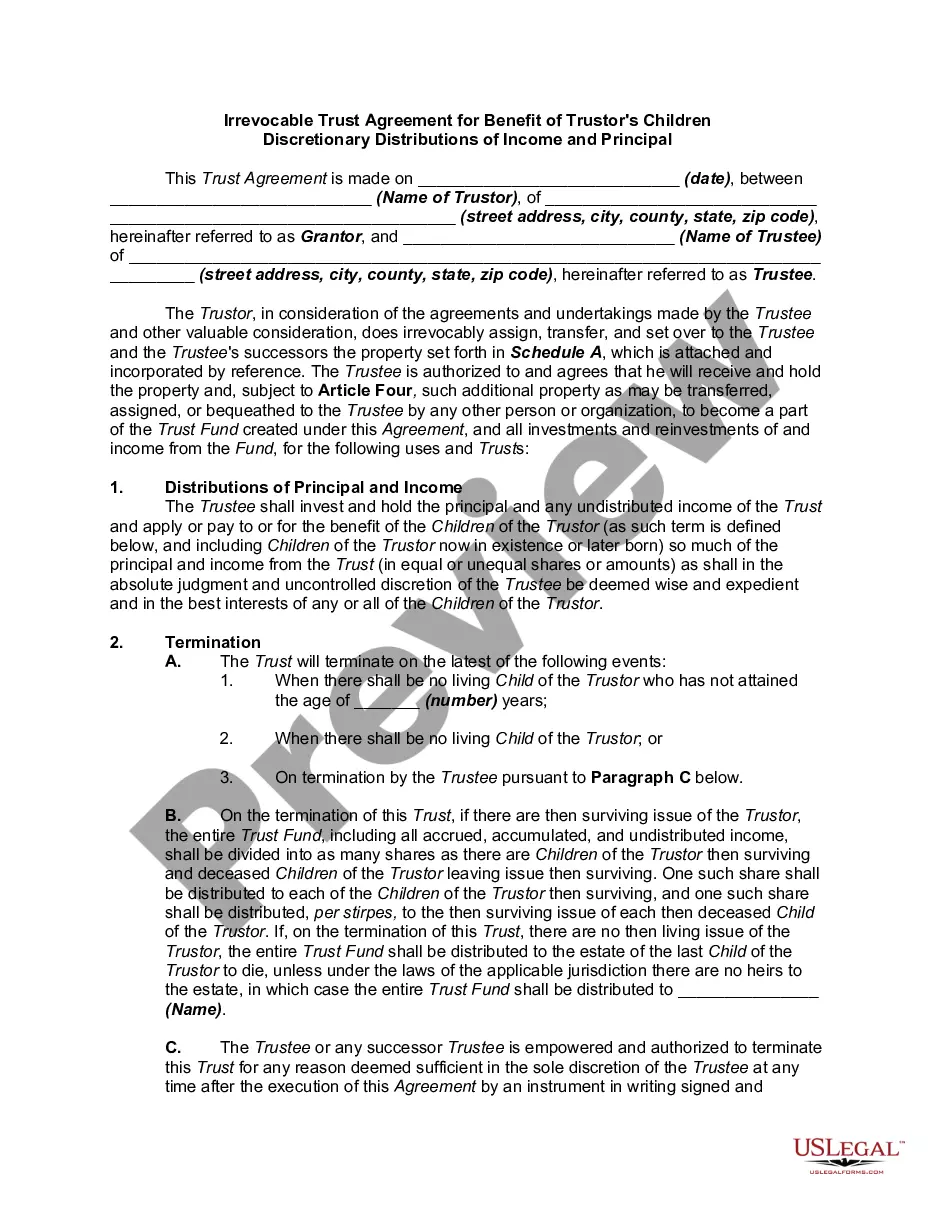
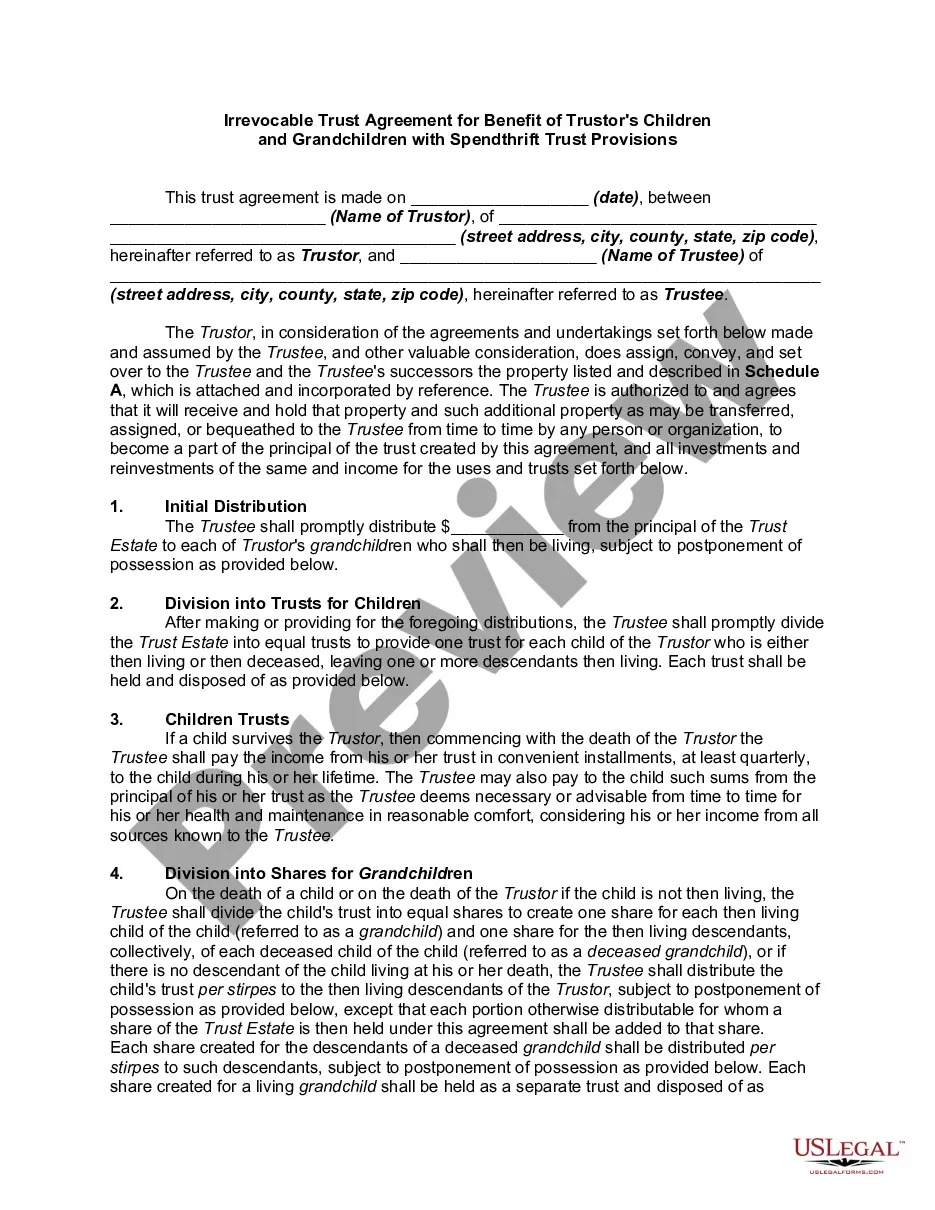
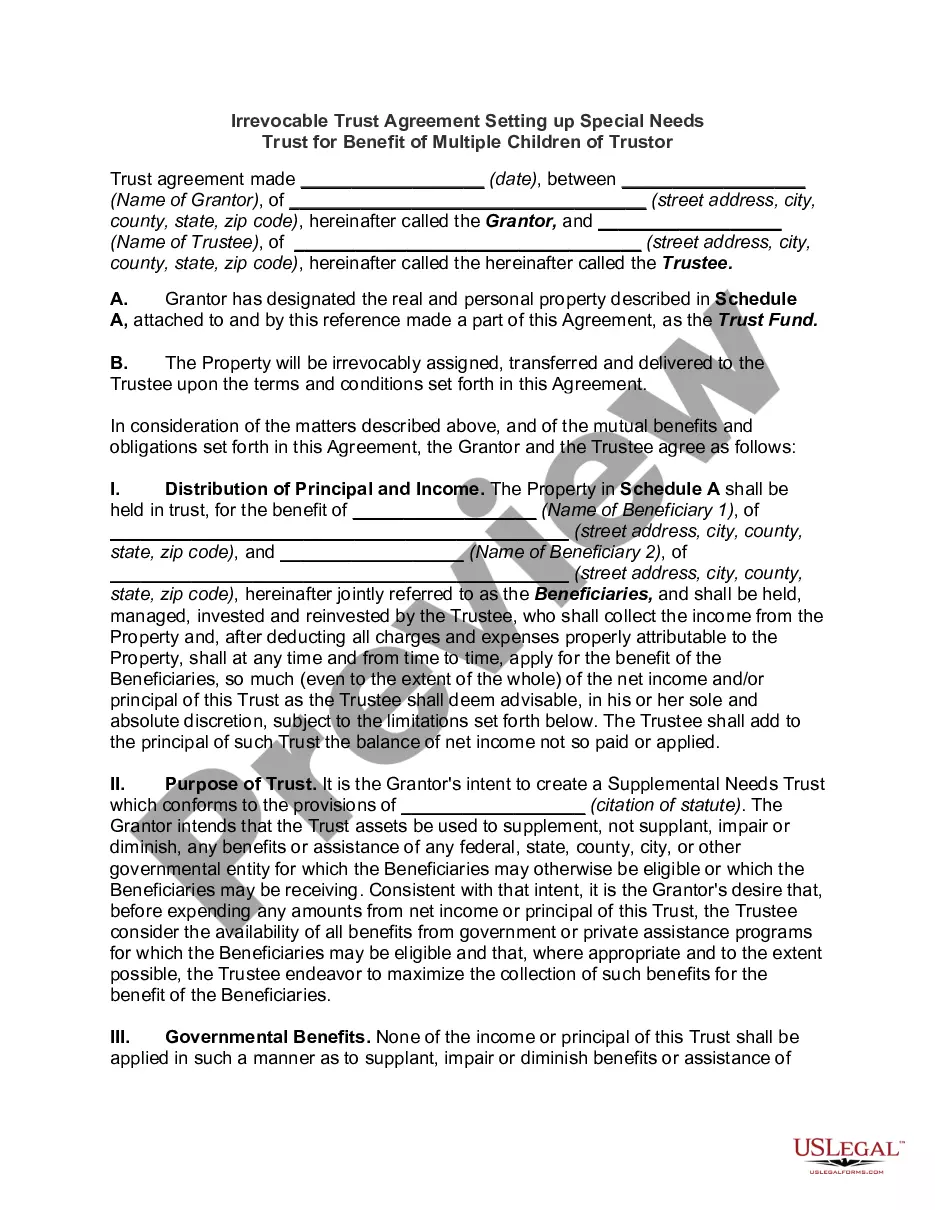
Get your form ready online
Our built-in tools help you complete, sign, share, and store your documents in one place.
Make edits, fill in missing information, and update formatting in US Legal Forms—just like you would in MS Word.
Download a copy, print it, send it by email, or mail it via USPS—whatever works best for your next step.
Sign and collect signatures with our SignNow integration. Send to multiple recipients, set reminders, and more. Go Premium to unlock E-Sign.
If this form requires notarization, complete it online through a secure video call—no need to meet a notary in person or wait for an appointment.
We protect your documents and personal data by following strict security and privacy standards.

Make edits, fill in missing information, and update formatting in US Legal Forms—just like you would in MS Word.

Download a copy, print it, send it by email, or mail it via USPS—whatever works best for your next step.

Sign and collect signatures with our SignNow integration. Send to multiple recipients, set reminders, and more. Go Premium to unlock E-Sign.

If this form requires notarization, complete it online through a secure video call—no need to meet a notary in person or wait for an appointment.

We protect your documents and personal data by following strict security and privacy standards.
Looking for another form?







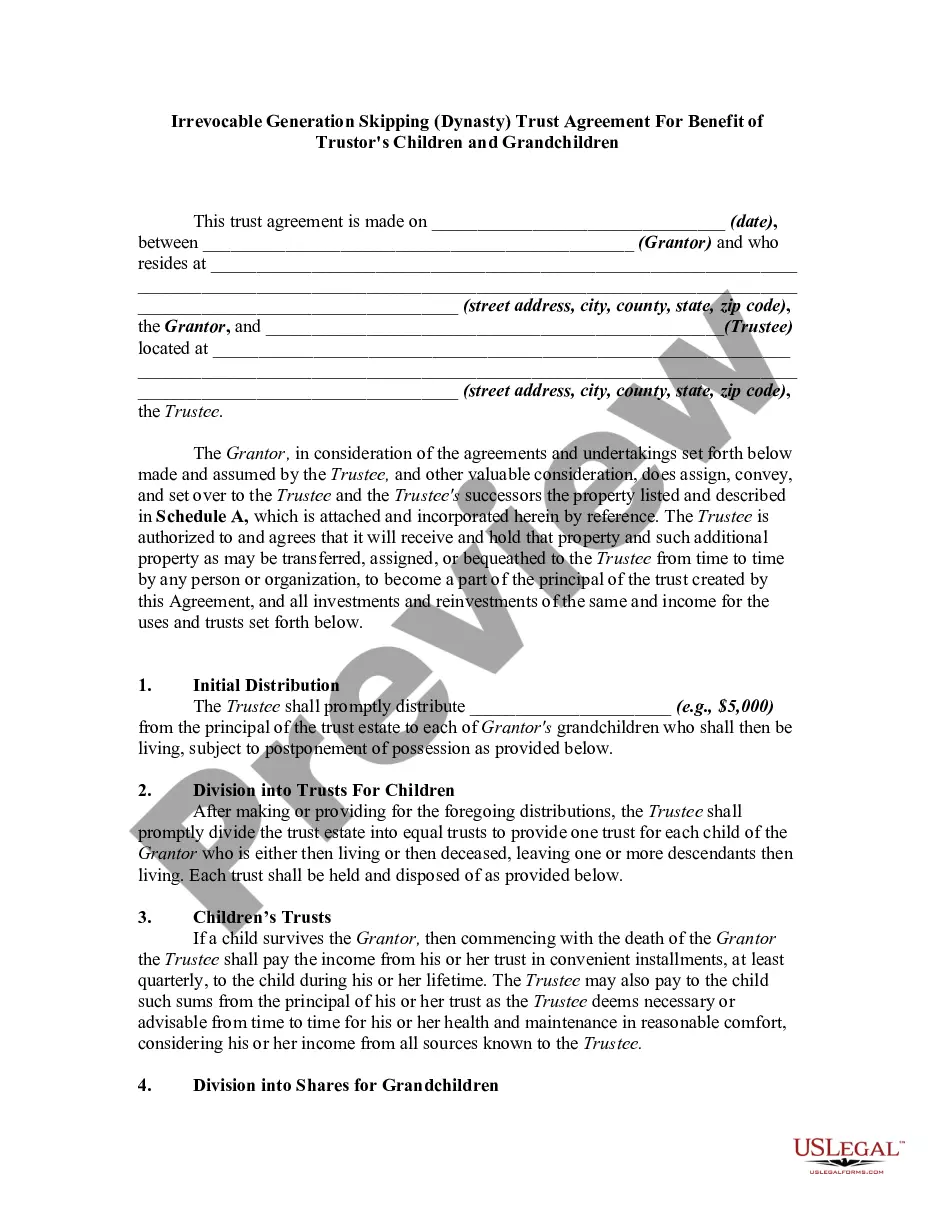
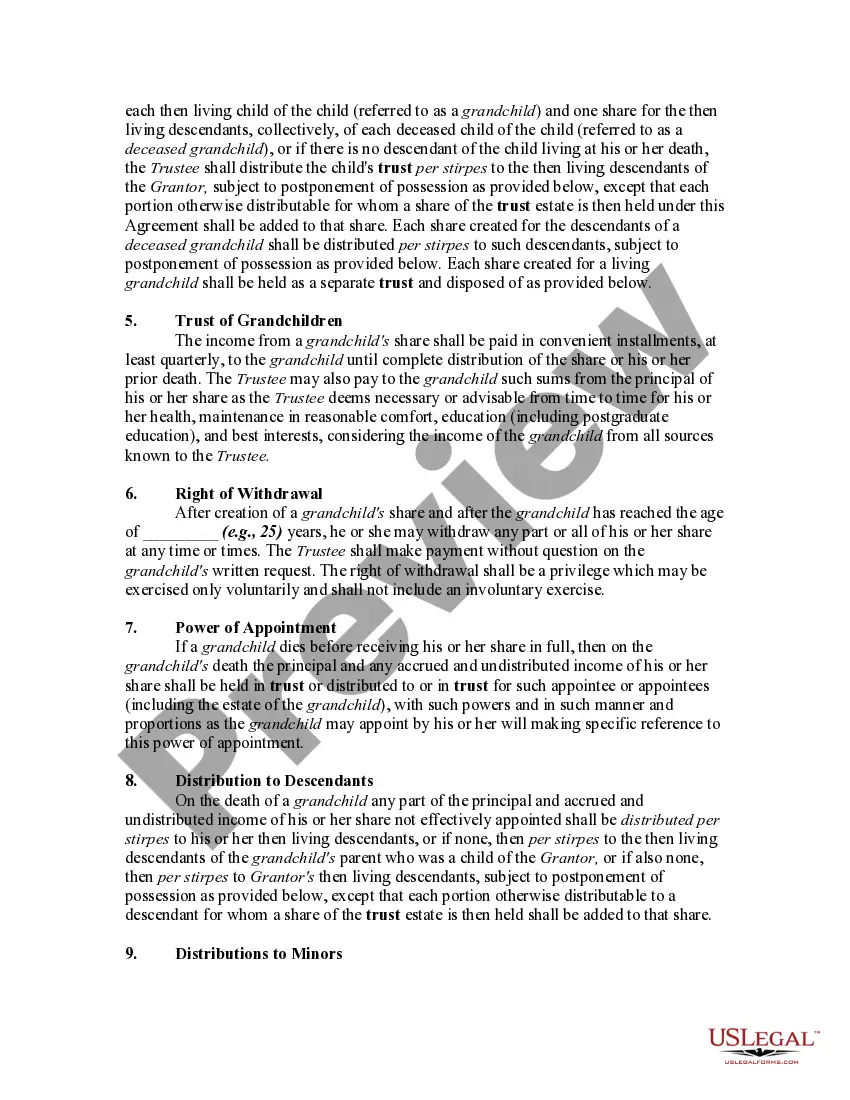
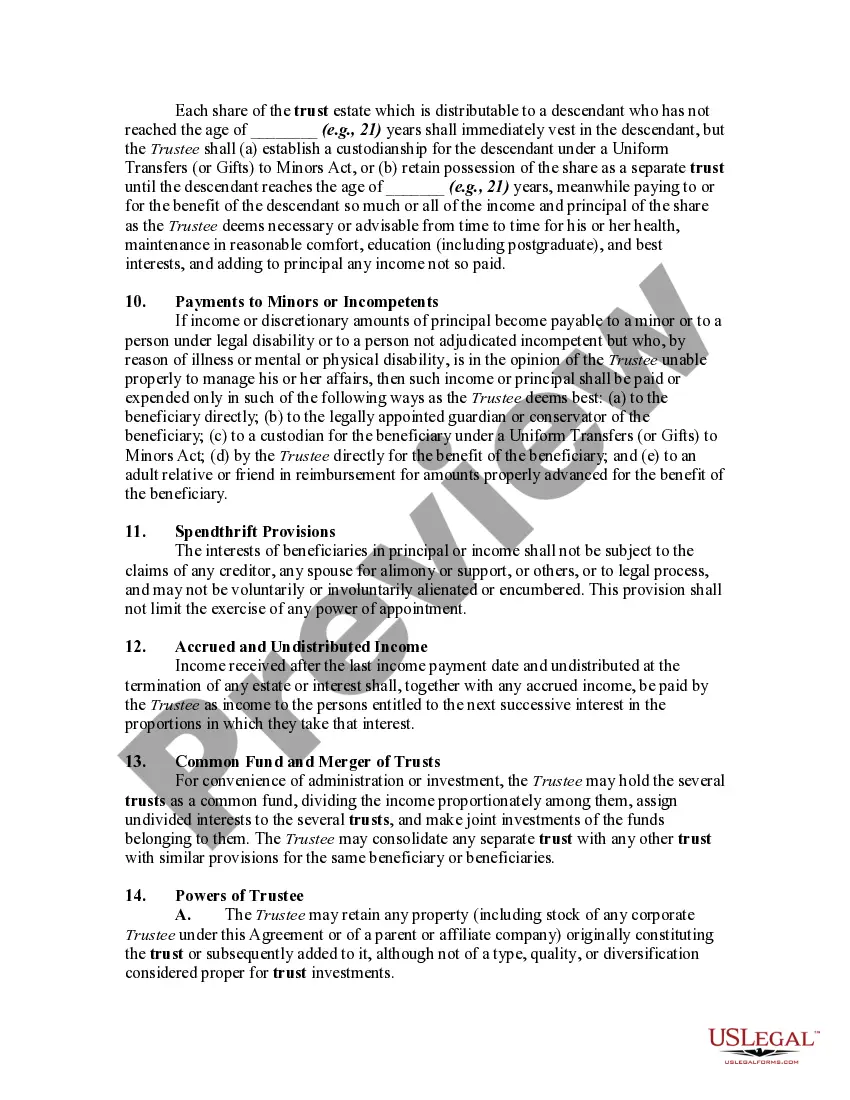
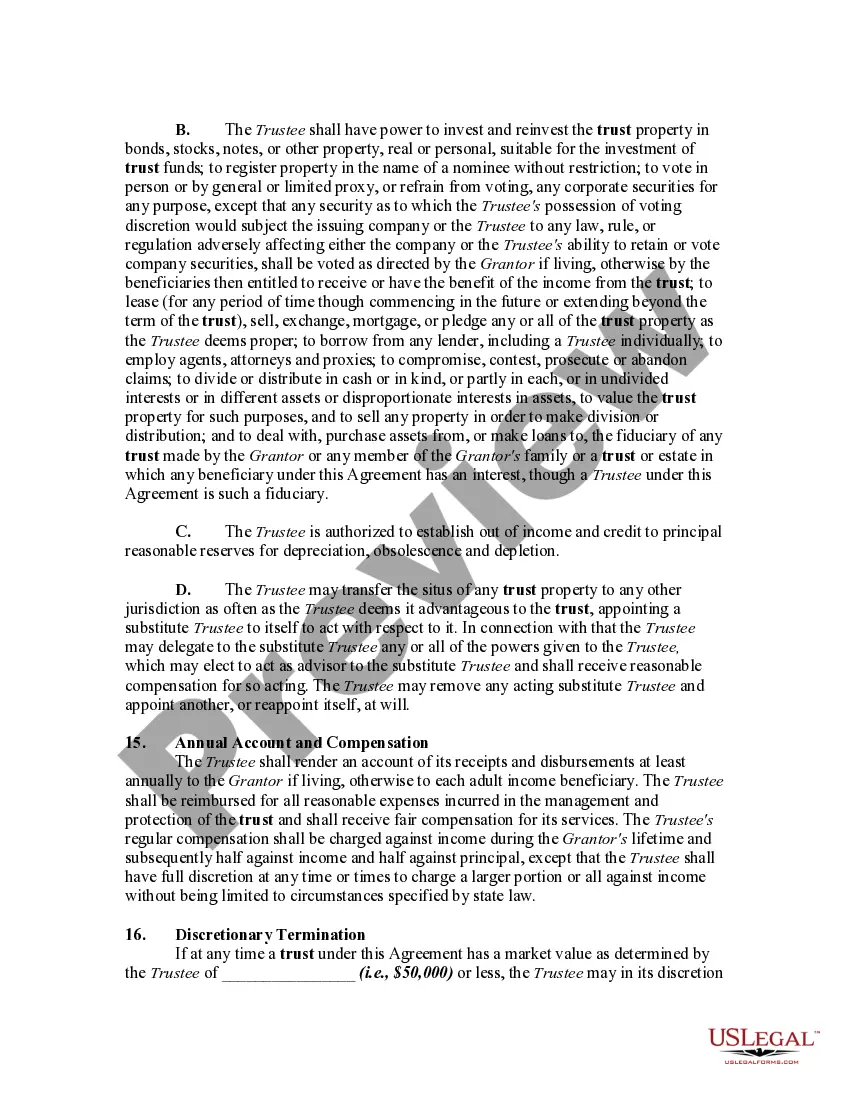
How to fill out Irrevocable Generation Skipping Or Dynasty Trust Agreement For Benefit Of Trustor's Children And Grandchildren?
Finding a go-to place to access the most recent and appropriate legal samples is half the struggle of working with bureaucracy. Choosing the right legal papers demands precision and attention to detail, which explains why it is very important to take samples of Dynasty Trust Disadvantages For Employees only from reliable sources, like US Legal Forms. A wrong template will waste your time and hold off the situation you are in. With US Legal Forms, you have very little to worry about. You can access and check all the details concerning the document’s use and relevance for the situation and in your state or county.
Take the following steps to complete your Dynasty Trust Disadvantages For Employees:
- Make use of the library navigation or search field to find your sample.
- View the form’s description to ascertain if it fits the requirements of your state and area.
- View the form preview, if available, to make sure the template is definitely the one you are searching for.
- Go back to the search and look for the appropriate document if the Dynasty Trust Disadvantages For Employees does not match your needs.
- If you are positive about the form’s relevance, download it.
- When you are a registered user, click Log in to authenticate and gain access to your selected forms in My Forms.
- If you do not have an account yet, click Buy now to get the form.
- Select the pricing plan that suits your preferences.
- Proceed to the registration to finalize your purchase.
- Complete your purchase by choosing a transaction method (bank card or PayPal).
- Select the file format for downloading Dynasty Trust Disadvantages For Employees.
- Once you have the form on your gadget, you may modify it with the editor or print it and complete it manually.
Get rid of the hassle that comes with your legal paperwork. Discover the extensive US Legal Forms catalog where you can find legal samples, check their relevance to your situation, and download them on the spot.
Form popularity
FAQ
Dynasty Trust Taxes Assets that are transferred to a dynasty trust can be subject to gift, estate, and GSTT taxes only when the transfer is made and only if the assets exceed federal tax exemptions. 1 However, income taxes still apply to a dynasty trust if assets produce income.
Since the trust is designed to continue and retain most assets for an indefinite period after its creators die, a dynasty trust often pays mainly income only to the beneficiaries. This income to your family can be eaten up by high legal and trustee fees, legal disputes, and misbehaving trustees.
Who Pays Taxes on a Dynasty Trust? The grantor is responsible for paying taxes on a dynasty trust. The beneficiaries pay income taxes if they receive income from the trust, and generation-skipping taxes are deferred until the trust terminates and the final beneficiaries receive the remaining assets.
But because dynasty trusts are irrevocable, you can't change your mind later, and your descendants can't alter the terms of the trust when family or financial circumstances change.
However, as these trusts become more common, more and more states recognize their legal status. Domestic trusts' biggest downside is that your assets still reside within the U.S. legal system, which puts them at risk of court orders, like liens or judgments; federal bankruptcy laws, and various state laws.