Restraining Order For Emotional Abuse
Description


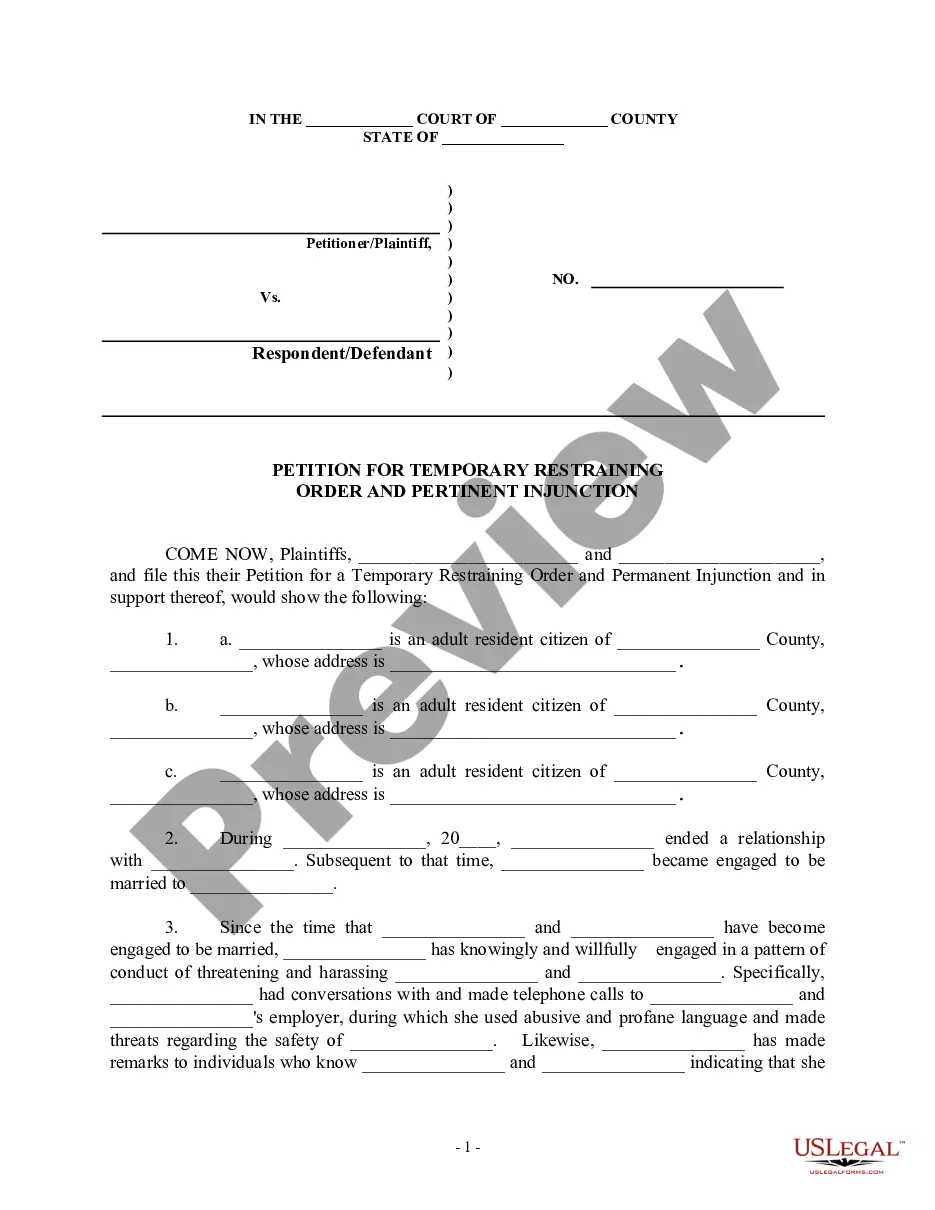

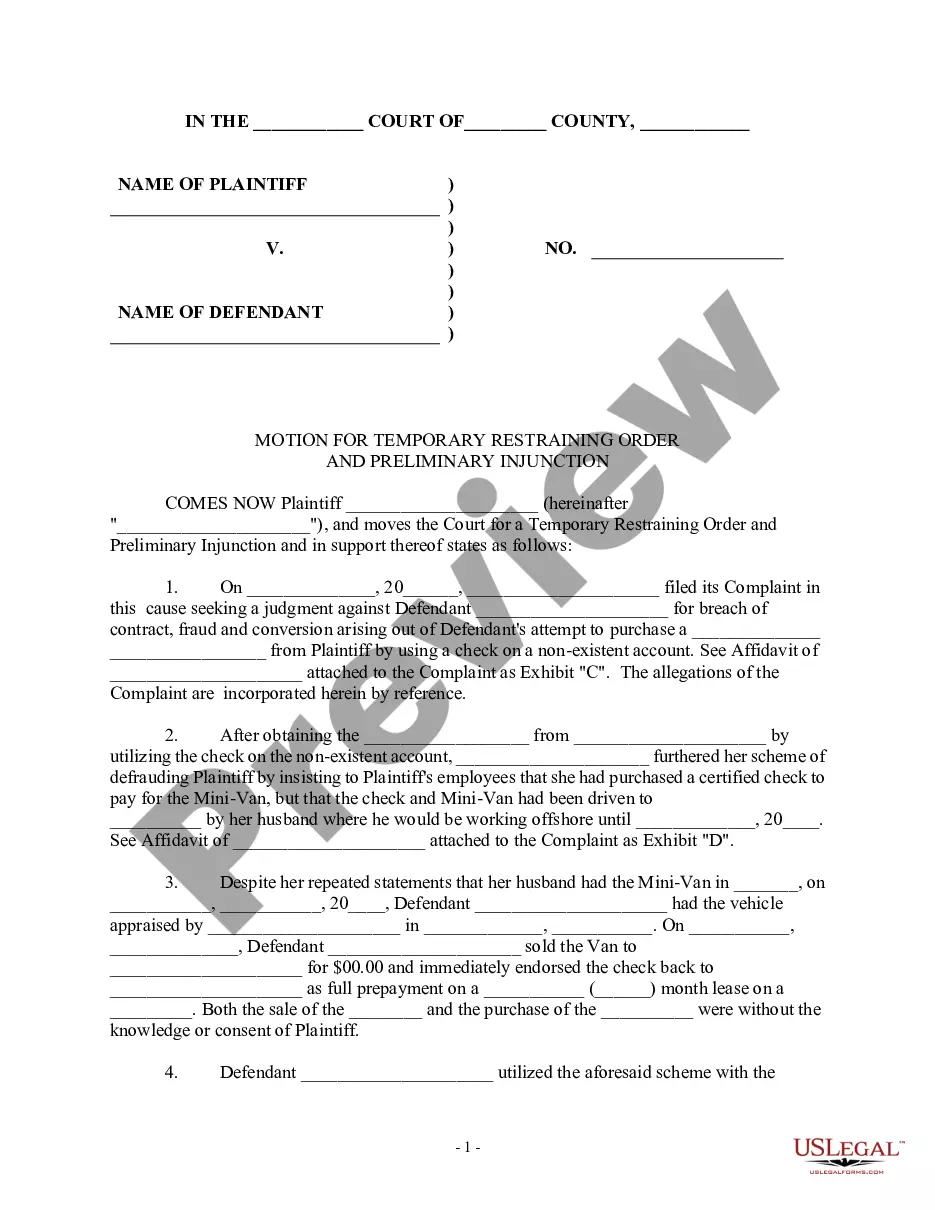
Get your form ready online
Our built-in tools help you complete, sign, share, and store your documents in one place.
Make edits, fill in missing information, and update formatting in US Legal Forms—just like you would in MS Word.
Download a copy, print it, send it by email, or mail it via USPS—whatever works best for your next step.
Sign and collect signatures with our SignNow integration. Send to multiple recipients, set reminders, and more. Go Premium to unlock E-Sign.
If this form requires notarization, complete it online through a secure video call—no need to meet a notary in person or wait for an appointment.
We protect your documents and personal data by following strict security and privacy standards.

Make edits, fill in missing information, and update formatting in US Legal Forms—just like you would in MS Word.

Download a copy, print it, send it by email, or mail it via USPS—whatever works best for your next step.

Sign and collect signatures with our SignNow integration. Send to multiple recipients, set reminders, and more. Go Premium to unlock E-Sign.

If this form requires notarization, complete it online through a secure video call—no need to meet a notary in person or wait for an appointment.

We protect your documents and personal data by following strict security and privacy standards.
Looking for another form?




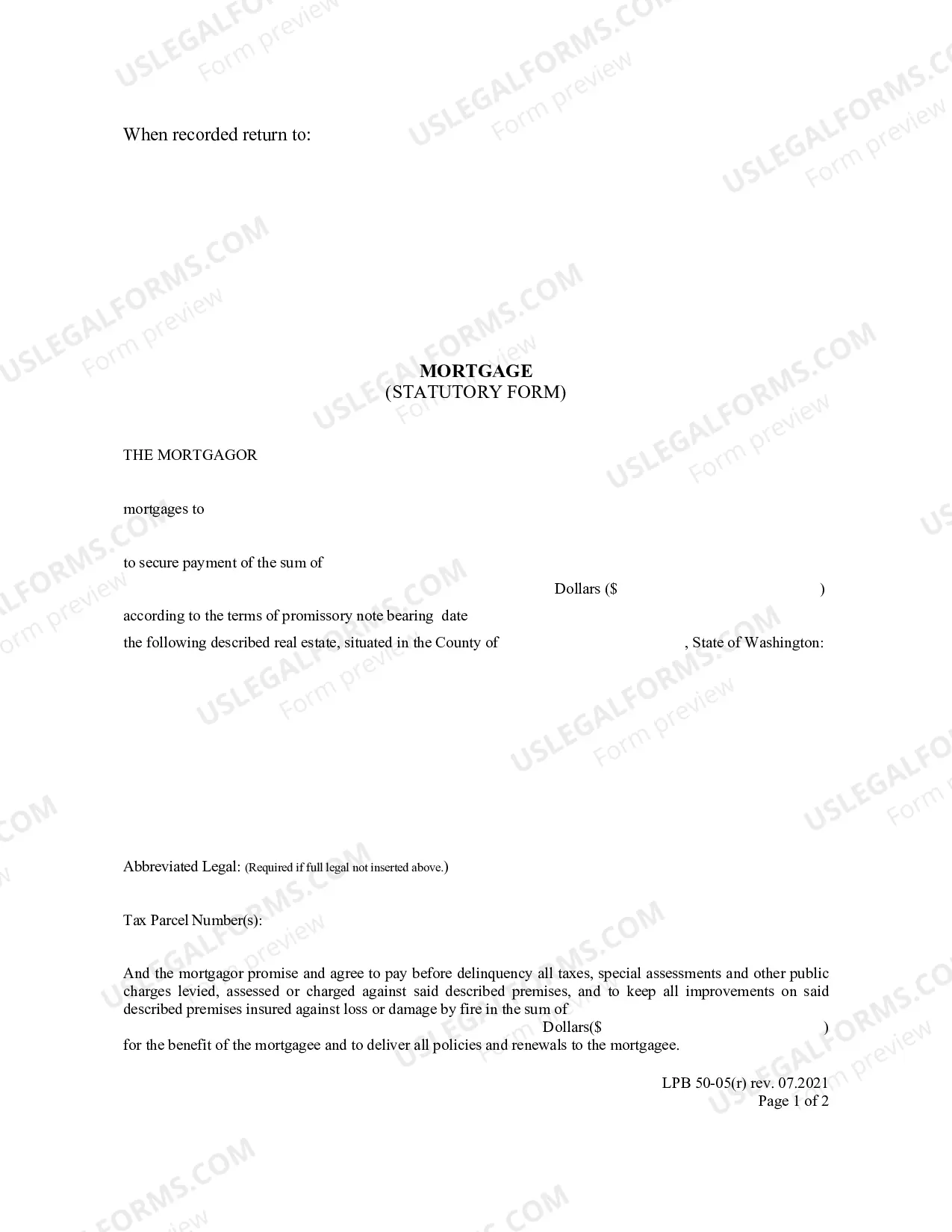

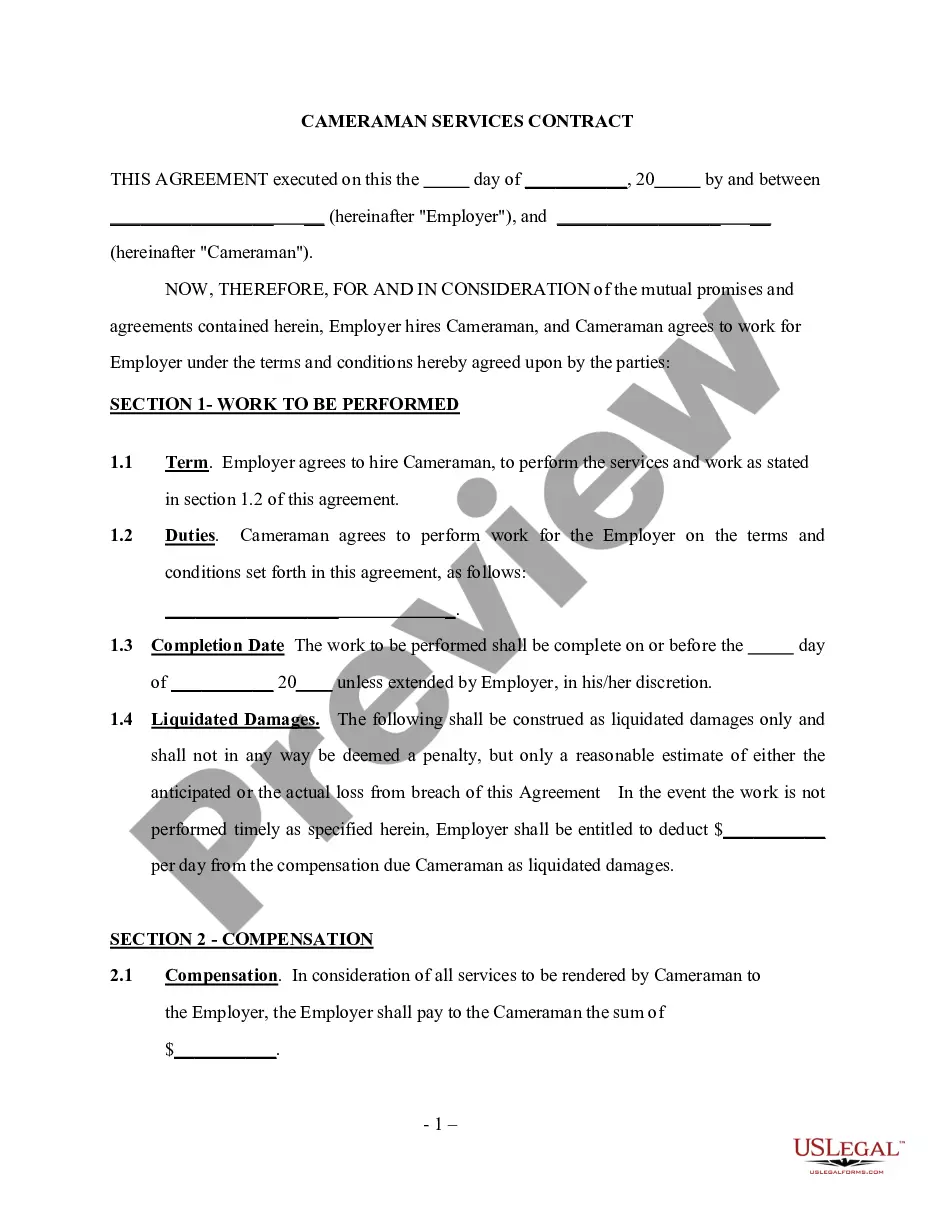


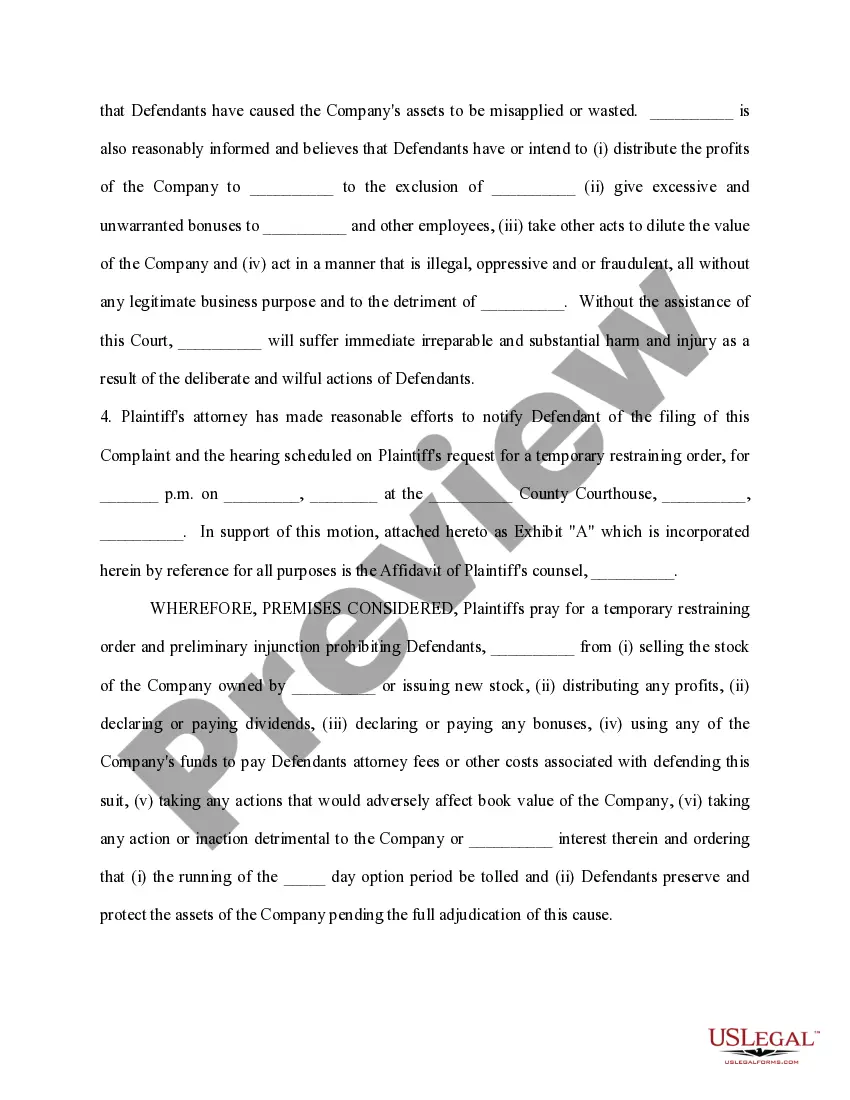
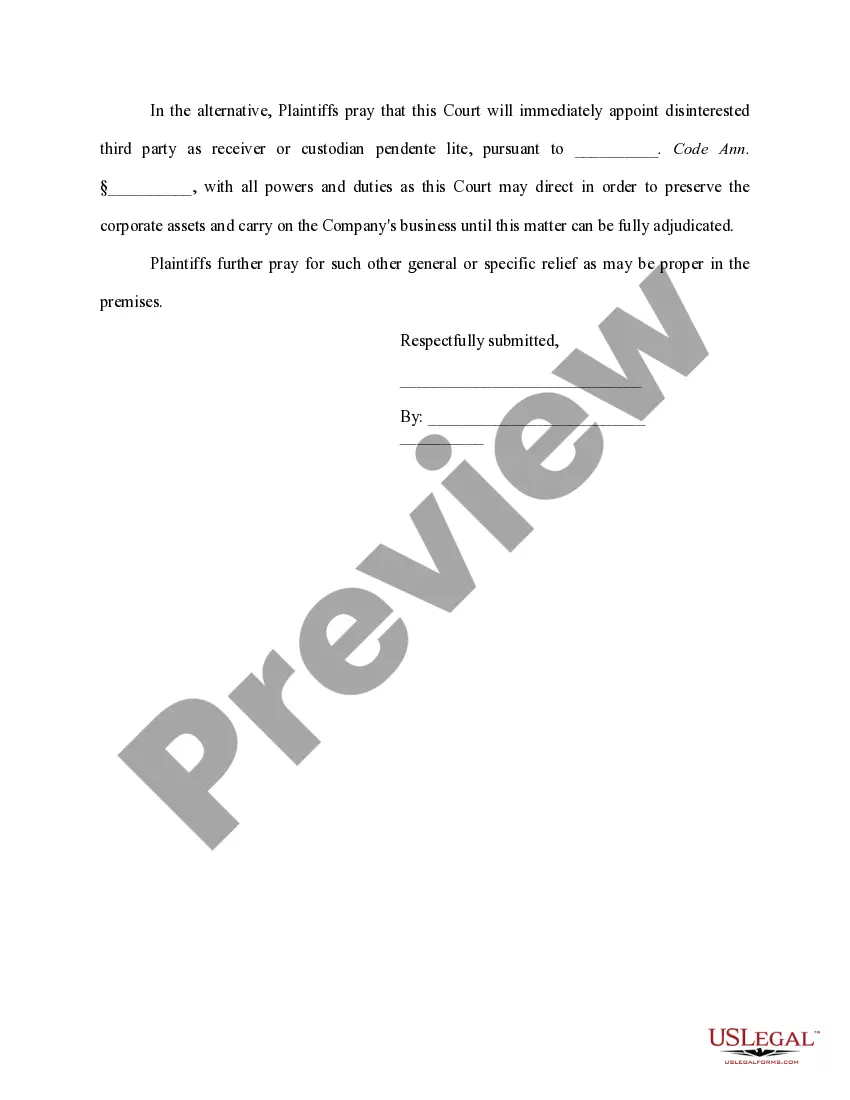
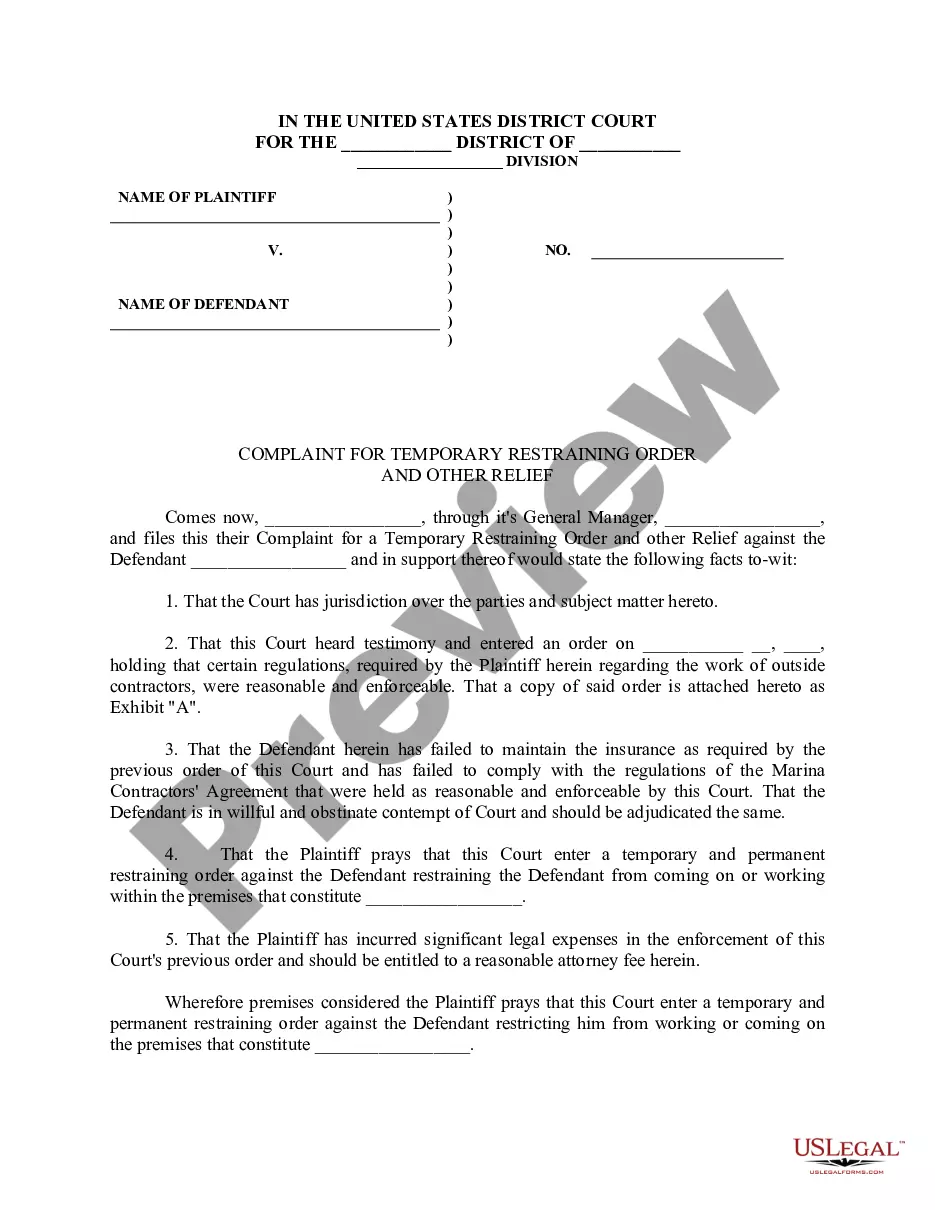
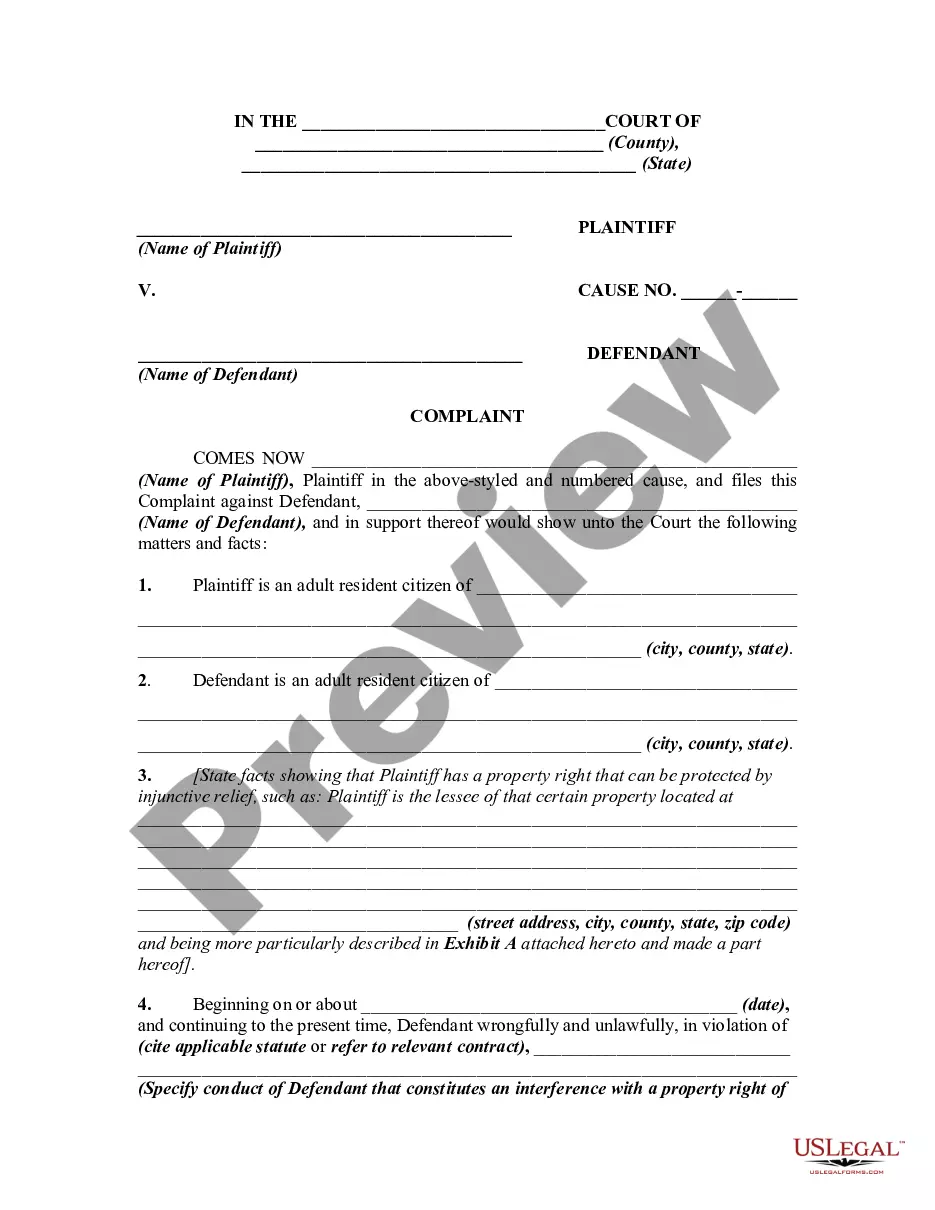
How to fill out Complaint For Temporary Restraining Order, Preliminary Injunction And Permanent Injunction?
- If you're a returning user, simply log in to your account and download the appropriate form by clicking the Download button. Ensure your subscription is active; otherwise, renew it according to your payment plan.
- If you're new to the service, start by checking the Preview mode and description of the form to confirm it suits your needs and complies with your local laws.
- Search for alternative templates if necessary. If you notice any discrepancies, utilize the Search tab at the top to find the correct document.
- Once you have found the right form, click on the Buy Now button, select your preferred subscription plan, and create an account to access a wealth of legal documents.
- Complete your purchase by entering your credit card information or using your PayPal account for your subscription fees.
- Finally, download the form to complete it. You can access your document anytime through the My Forms section in your profile.
In conclusion, US Legal Forms simplifies the process of acquiring legal documentation for a restraining order related to emotional abuse. With a robust library of forms and expert assistance available, you can be assured of a smooth experience.
Take control of your situation today by visiting US Legal Forms and start your journey towards securing your rights.
Form popularity
FAQ
Research indicates that approximately 70% to 80% of restraining orders for emotional abuse are granted, depending on jurisdiction and circumstances. Factors like the strength of evidence and specific case details play a crucial role in this percentage. It is beneficial to work with professionals who understand local laws when navigating this process. With the right preparation, you can increase the likelihood of your restraining order being approved.
Restraining orders for emotional abuse can be challenging to obtain due to the need for clear evidence of harm and an established pattern of behavior. Courts want to ensure that the request is legitimate and based on significant facts. Seeking guidance from legal experts can help you prepare a compelling case. The nature of emotional abuse makes it even more essential to document incidents meticulously to secure your order.
Yes, you can file a restraining order for emotional abuse without the other person knowing initially. This secret filing helps protect you from potential harm. However, the accused will be informed of the restraining order once it is issued, giving them the chance to respond. It is crucial to consult with a legal expert to understand the process and implications accurately.
In Minnesota, an order of protection can be granted for various forms of abuse, including emotional abuse. You must demonstrate that you have experienced harassment or threats that compromise your safety or mental health. Document incidents and gather evidence to present in court. Utilizing platforms like US Legal Forms can streamline the application process, ensuring you comply with all requirements.
In Massachusetts, to file for a restraining order related to emotional abuse, you must provide relevant details and evidence supporting your claim. You need to file a petition at your local court, including specifics about the incidents of abuse. It is helpful to have documentation ready that illustrates the emotional distress you have faced. Legal support from services like US Legal Forms can aid you in this process.
Yes, you can obtain a restraining order for emotional abuse if it affects your mental health. The court recognizes the significance of mental well-being in abuse cases. In your application, clearly express how the abusive behavior has harmed your mental state. When you show a direct link between the abuse and your mental health, the court may grant the restraining order.
You will need to present proof that demonstrates the pattern of emotional abuse when seeking a restraining order. This may include recorded conversations, messages, and documentation of any incidents. It is beneficial to include professional assessments from therapists or counselors, as they can further validate your experiences. Building a strong evidential case significantly influences the judge’s decision.
Emotional abuse encompasses various behaviors aimed at controlling or diminishing a person's self-esteem. Actions such as manipulation, intimidation, and constant criticism may qualify in court. When seeking a restraining order for emotional abuse, provide examples of these behaviors to illustrate their impact on you. The court reviews these factors carefully when determining eligibility.
When you appear in court for a restraining order for emotional abuse, clearly and calmly state your experiences. Describe the specific incidents of abuse, their impact on your mental well-being, and any threats made against you. Use straightforward language and remain focused on the facts. The court needs to understand the severity of your situation to grant the order.
To support a restraining order for emotional abuse, gather various forms of evidence. This may include text messages, emails, photos of injuries, and witness statements. Keep records of incidents that highlight the abusive behavior, as they can be crucial in court. Comprehensive documentation strengthens your case and clarifies your experience.