File For Restraining Order
Description


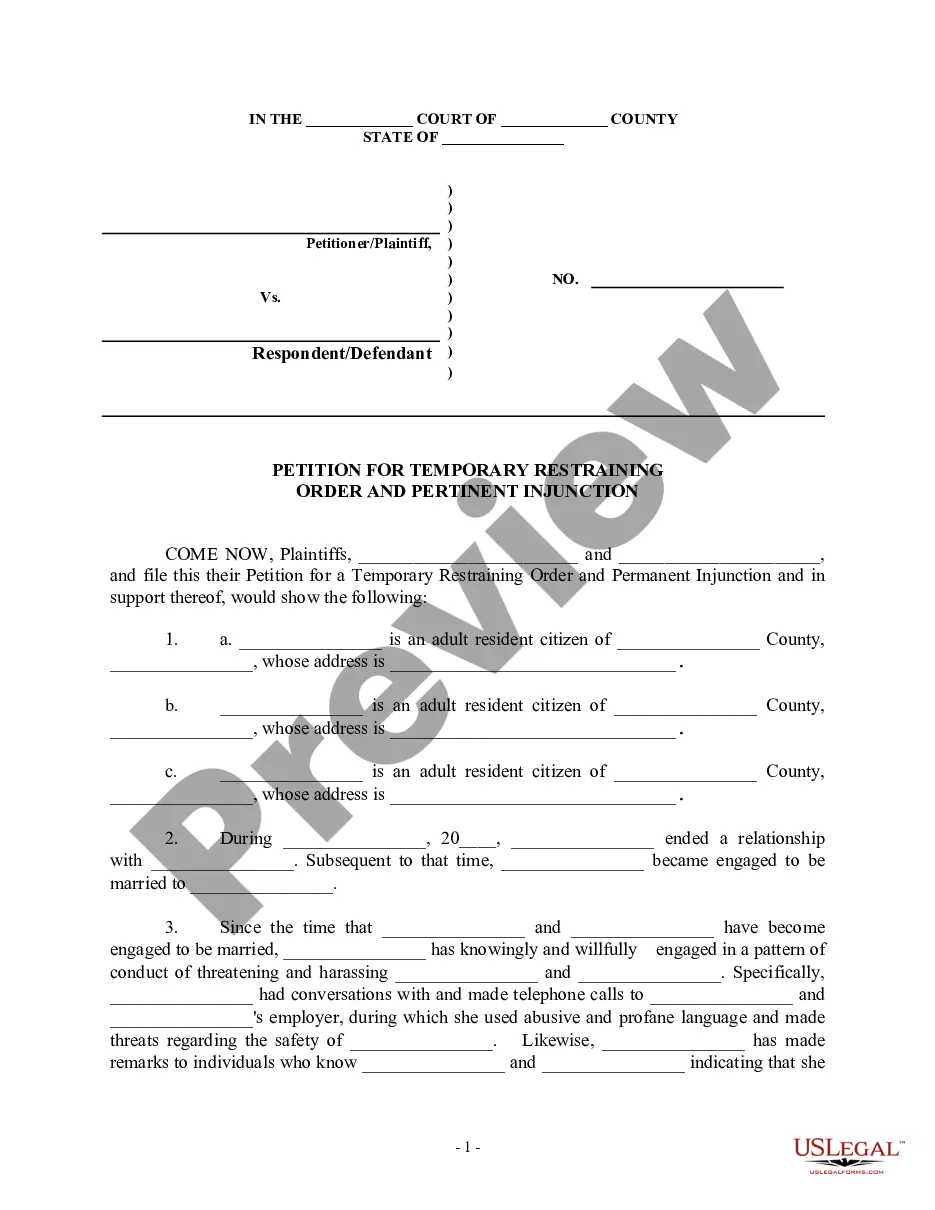

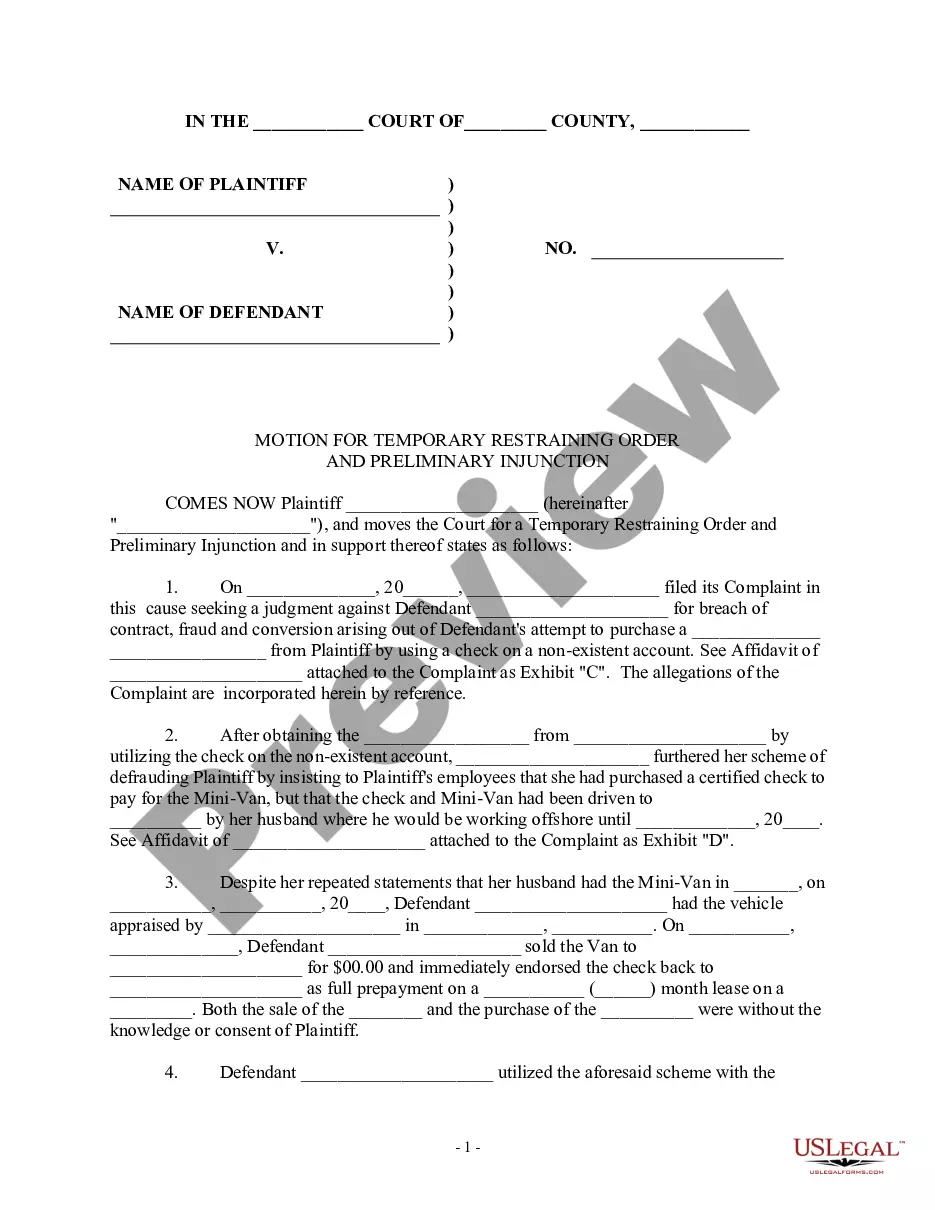
Get your form ready online
Our built-in tools help you complete, sign, share, and store your documents in one place.
Make edits, fill in missing information, and update formatting in US Legal Forms—just like you would in MS Word.
Download a copy, print it, send it by email, or mail it via USPS—whatever works best for your next step.
Sign and collect signatures with our SignNow integration. Send to multiple recipients, set reminders, and more. Go Premium to unlock E-Sign.
If this form requires notarization, complete it online through a secure video call—no need to meet a notary in person or wait for an appointment.
We protect your documents and personal data by following strict security and privacy standards.

Make edits, fill in missing information, and update formatting in US Legal Forms—just like you would in MS Word.

Download a copy, print it, send it by email, or mail it via USPS—whatever works best for your next step.

Sign and collect signatures with our SignNow integration. Send to multiple recipients, set reminders, and more. Go Premium to unlock E-Sign.

If this form requires notarization, complete it online through a secure video call—no need to meet a notary in person or wait for an appointment.

We protect your documents and personal data by following strict security and privacy standards.
Looking for another form?
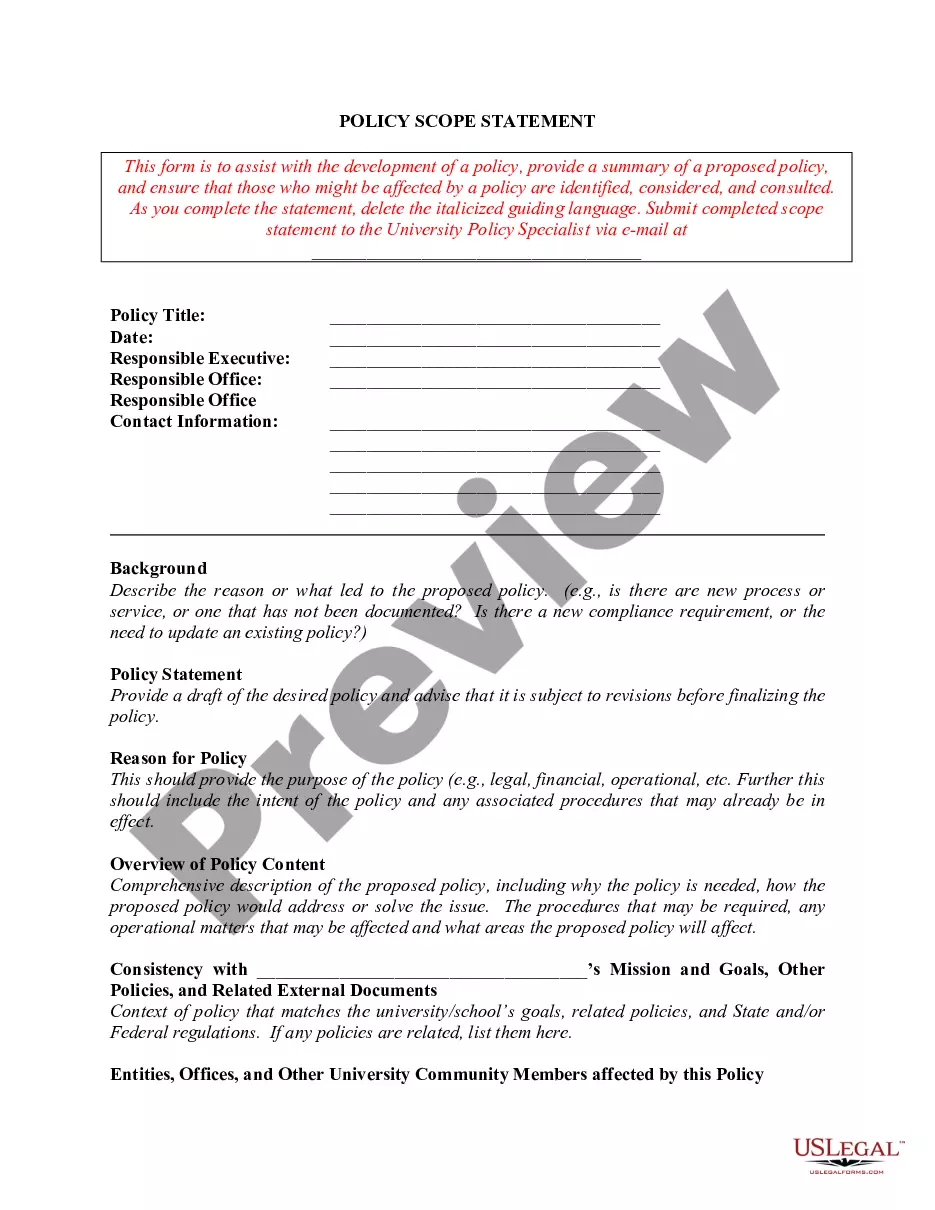


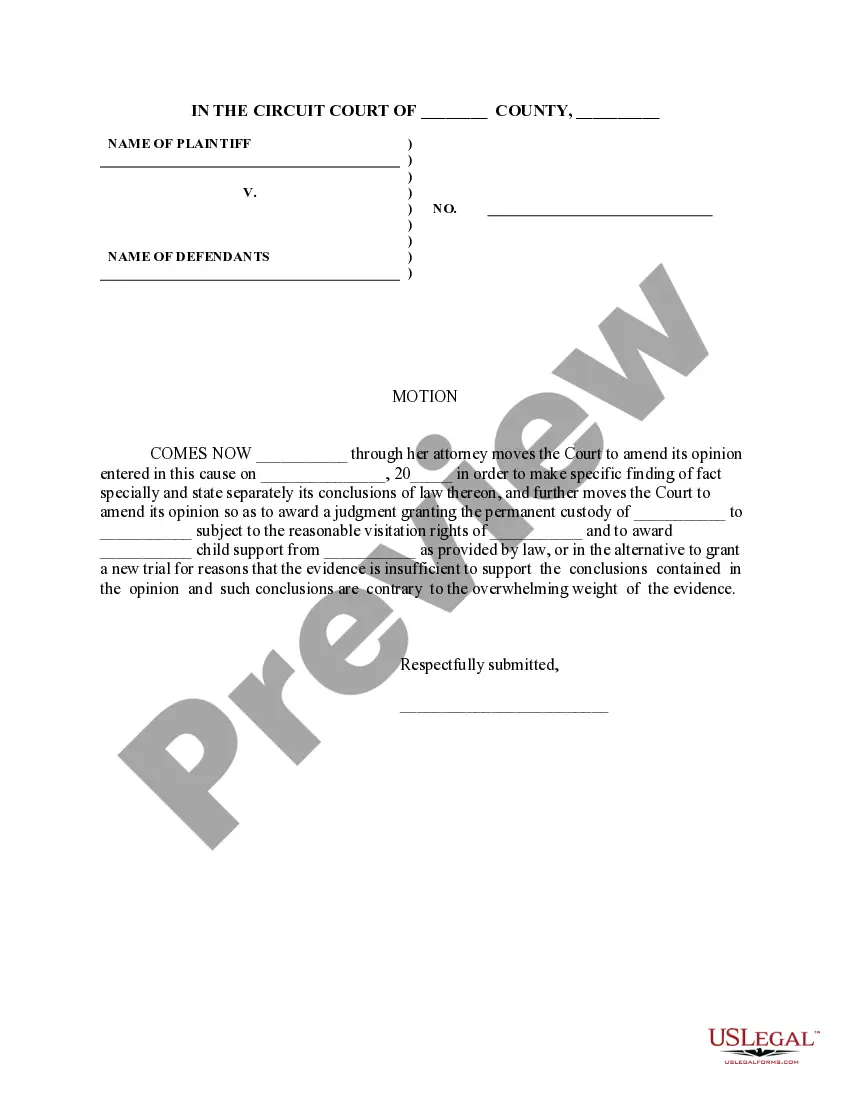

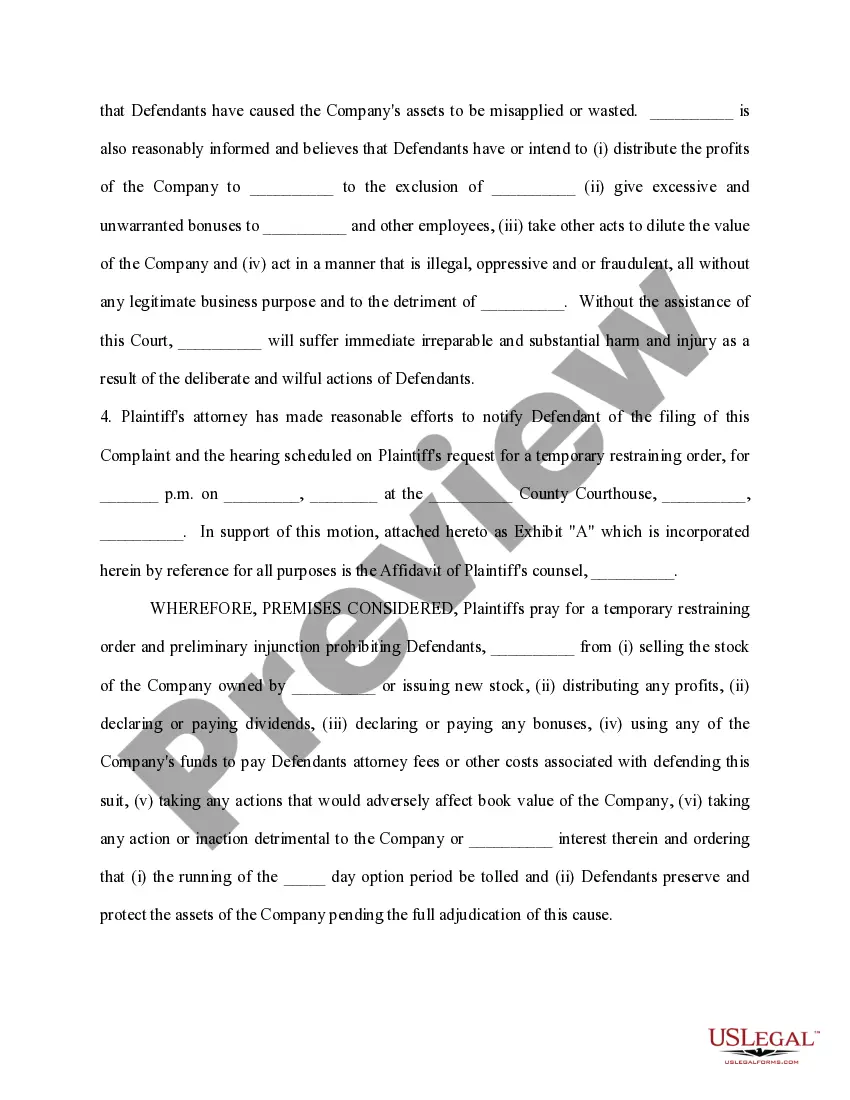
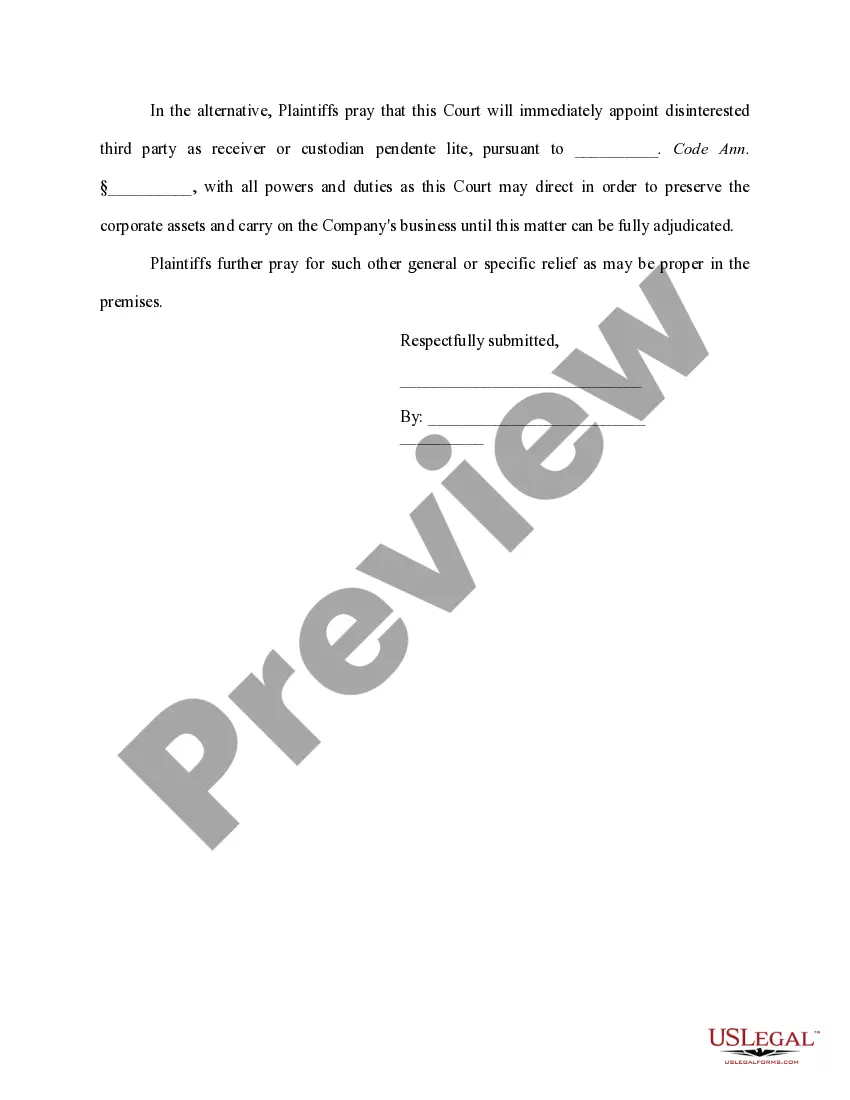
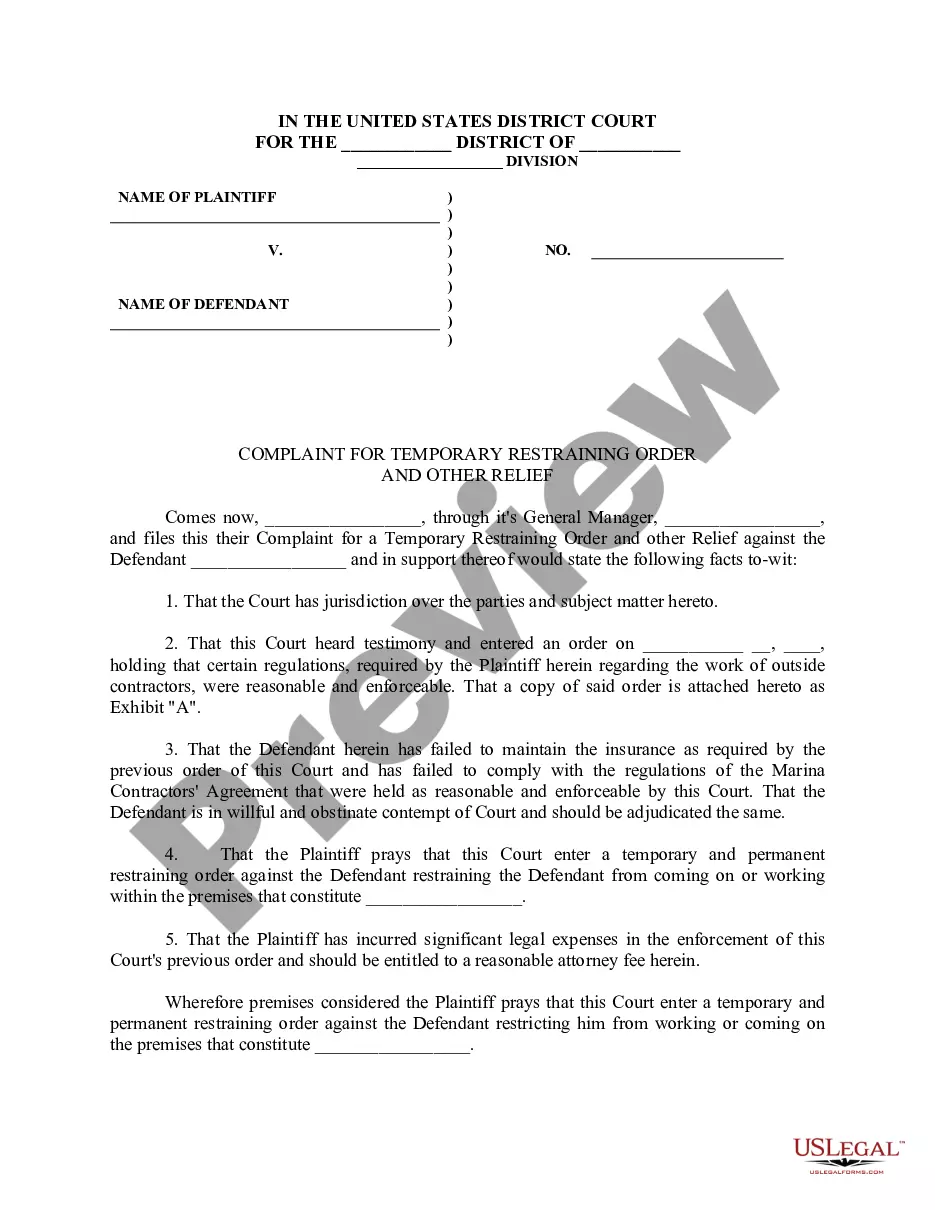
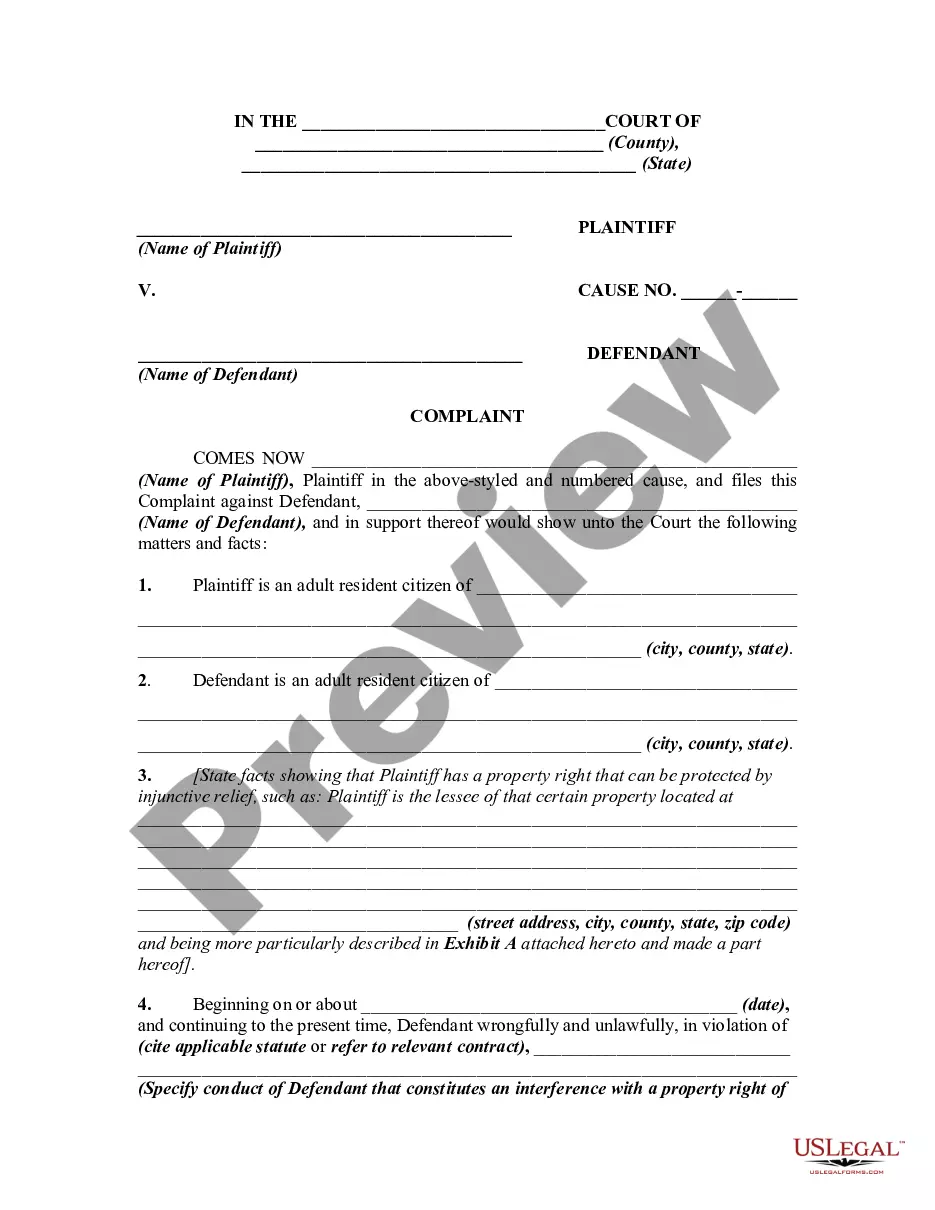
How to fill out Complaint For Temporary Restraining Order, Preliminary Injunction And Permanent Injunction?
The Document For Restraining Order you observe on this webpage is a reusable official template created by expert attorneys in accordance with federal and local statutes and regulations.
For over 25 years, US Legal Forms has supplied individuals, entities, and legal experts with more than 85,000 validated, state-specific documents for any commercial and personal event. It’s the fastest, easiest, and most trustworthy method to acquire the files you require, as the service assures bank-level data protection and anti-malware safeguards.
Register for US Legal Forms to have authenticated legal templates for all of life’s situations at your fingertips.
- Examine the document you require and evaluate it.
- Search through the example you looked for and preview it or review the form description to ascertain it meets your requirements. If it does not, use the search bar to locate the appropriate one. Click Buy Now once you have identified the template you need.
- Register and Log In.
- Select the pricing plan that suits you and create an account. Use PayPal or a credit card for a swift payment. If you already possess an account, Log In and verify your subscription to proceed.
- Obtain the editable template.
- Select the format you prefer for your Document For Restraining Order (PDF, DOCX, RTF) and download the example to your device.
- Complete and sign the documents.
- Print the template to finish it manually. Alternatively, use an online multifunctional PDF editor to swiftly and accurately fill out and sign your form with an electronic signature.
- Re-download your documents.
- Utilize the same file again whenever necessary. Access the My documents tab in your profile to retrieve any previously saved documents.
Form popularity
FAQ
Filing for a restraining order typically involves several steps. First, you gather evidence of the incidents that prompted your request. Next, you complete the required forms and submit them to your local court. After that, a hearing is scheduled where you can present your case. Using the USLegalForms platform can simplify this process, ensuring you have the right forms and guidance every step of the way.
To file for a restraining order in North Carolina, you must show that you are a victim of domestic violence or harassment. This includes proving a history of threats or physical harm. Additionally, you need to provide evidence that you fear for your safety. The USLegalForms platform can help you understand these requirements and prepare the necessary documents.
In New Jersey, you can file for a restraining order if you experience domestic violence, which includes physical hurt, threats, or harassment. The law covers various relationships, such as spouses, partners, or family members. You must demonstrate that you feel threatened and that the situation justifies legal protection. If you need assistance, consider using the USLegalForms platform to navigate the process smoothly.
The restraining order process for civil harassment cases Ask for a restraining order. You will complete and turn in court papers. ... Serve the other side. The other side (person you want protection from) must be served with (given) the court papers filed with the court. Go to court. ... Finish the case.
The restrained person must also be served with these two documents using the process stated above. A hearing date will be set whether the judge gives a temporary restraining order or not. You have to show up for the hearing, otherwise the judge will dismiss your case.
A: Generally, there is no difference between a restraining order and a protective order. California law uses them to refer to the same action. These words are used interchangeably for the same court order, which protects a person from abuse, stalking, violence, or threats of violence from another person.
It is important to note that while there are no filing fees to file for a restraining order in California, there may be other costs associated with obtaining a restraining order, such as transportation to and from the courthouse, the cost of hiring an attorney, or the cost of obtaining a copy of the restraining order.
The 7 forms that you will need to complete in the Civil Harassment Restraining Order Form Packet are: Civil Case Cover Sheet (CM-010); Declaration Re: Notice Temporary Restraining Order (L-0889); Notice of Court Hearing (CH-109); Temporary Restraining Order (CH-110);