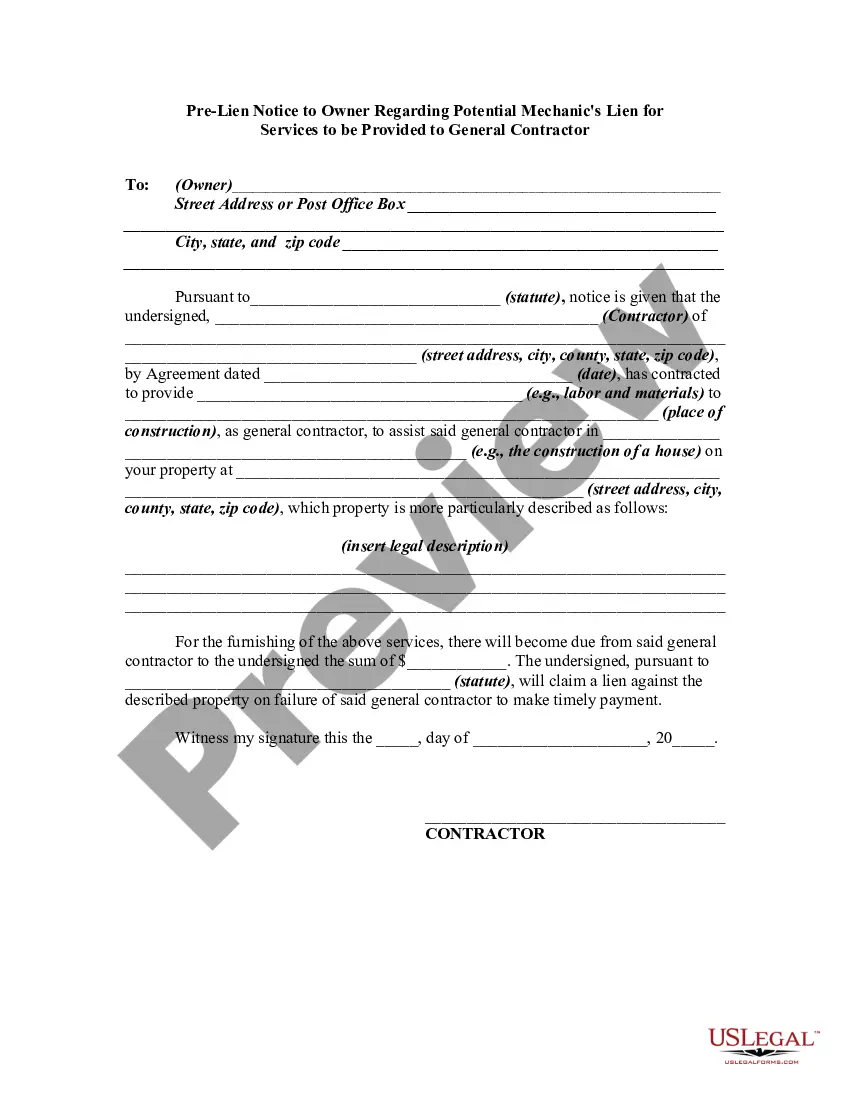
Notice Lien Contractor With No Experience
Description
Get your form ready online
Our built-in tools help you complete, sign, share, and store your documents in one place.
Make edits, fill in missing information, and update formatting in US Legal Forms—just like you would in MS Word.
Download a copy, print it, send it by email, or mail it via USPS—whatever works best for your next step.
Sign and collect signatures with our SignNow integration. Send to multiple recipients, set reminders, and more. Go Premium to unlock E-Sign.
If this form requires notarization, complete it online through a secure video call—no need to meet a notary in person or wait for an appointment.
We protect your documents and personal data by following strict security and privacy standards.

Make edits, fill in missing information, and update formatting in US Legal Forms—just like you would in MS Word.

Download a copy, print it, send it by email, or mail it via USPS—whatever works best for your next step.

Sign and collect signatures with our SignNow integration. Send to multiple recipients, set reminders, and more. Go Premium to unlock E-Sign.

If this form requires notarization, complete it online through a secure video call—no need to meet a notary in person or wait for an appointment.

We protect your documents and personal data by following strict security and privacy standards.
Looking for another form?


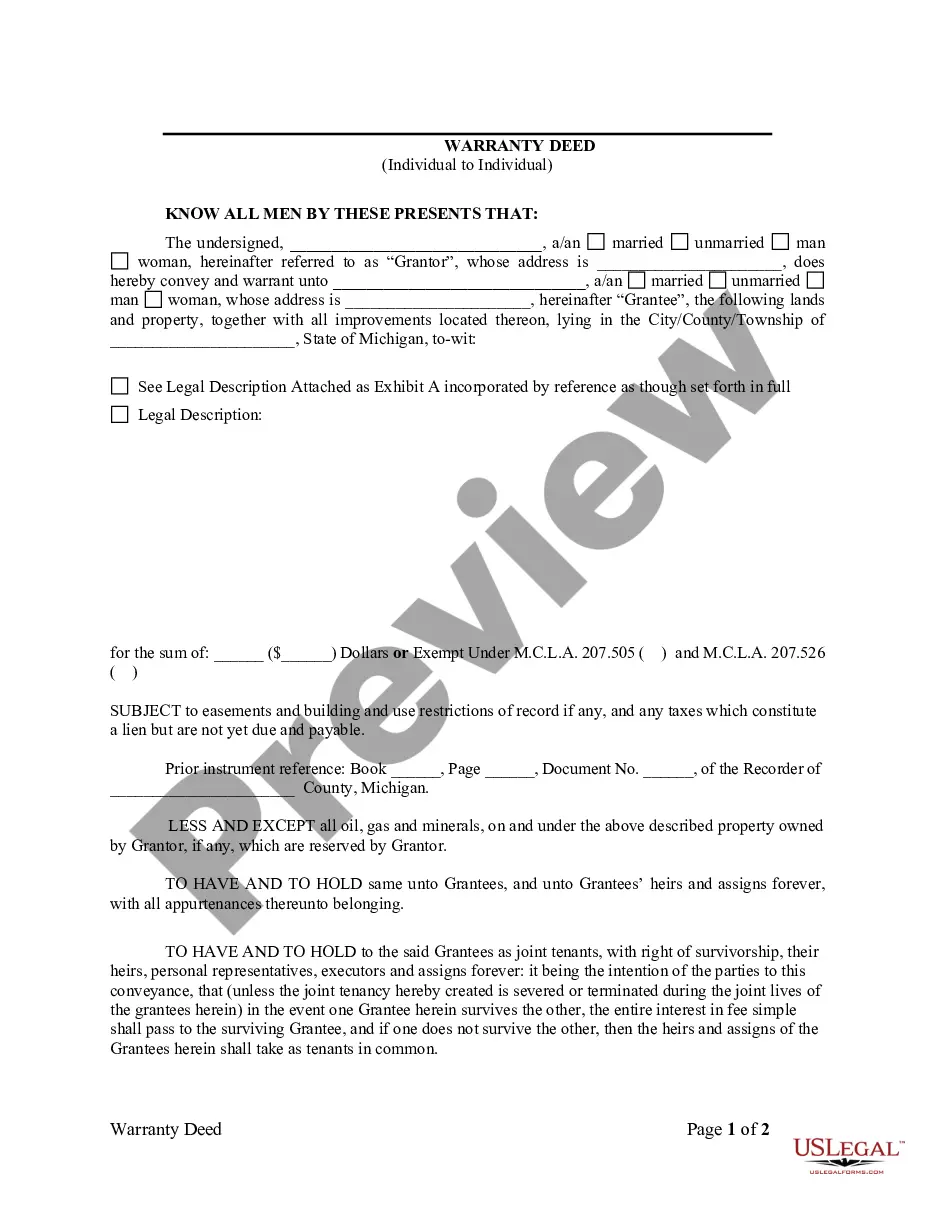


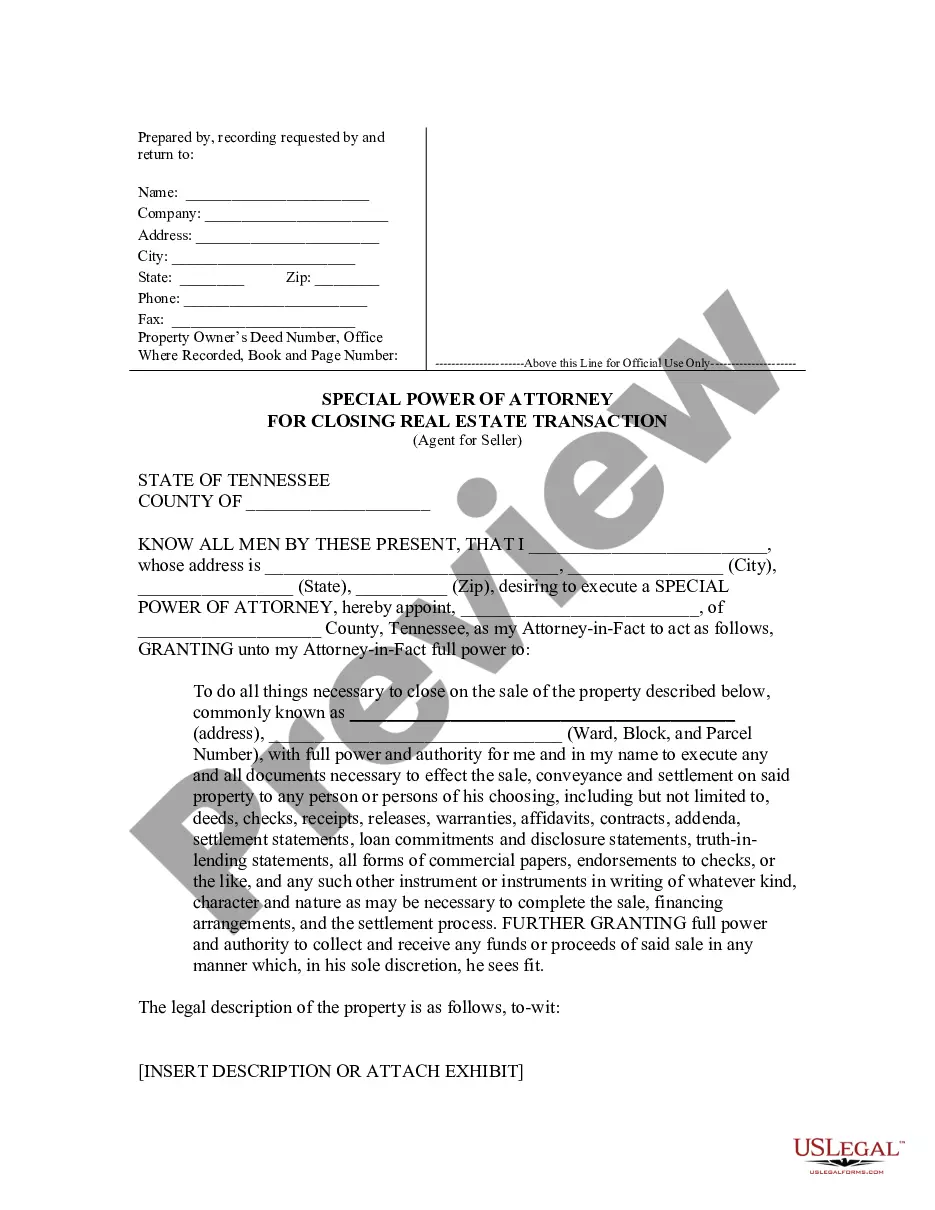

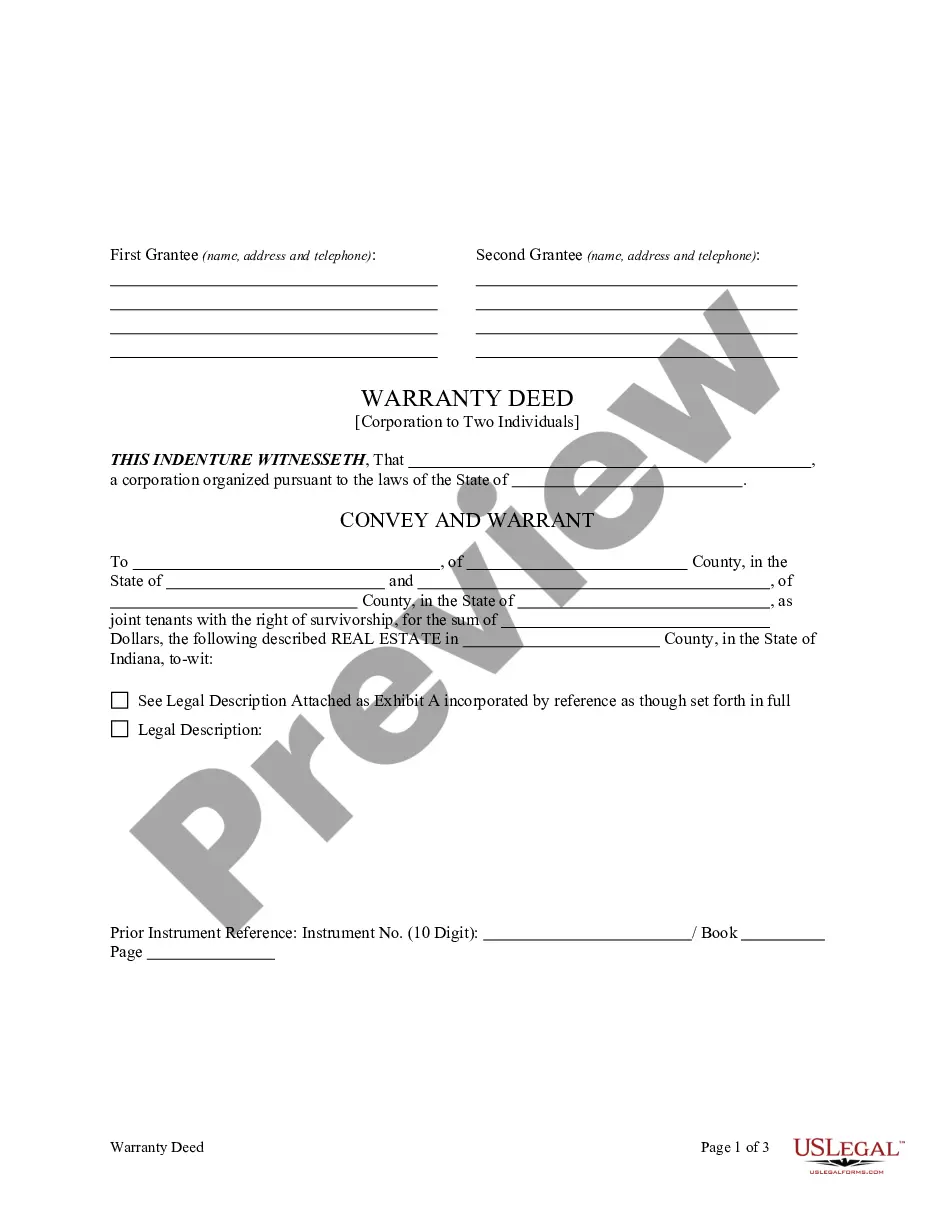
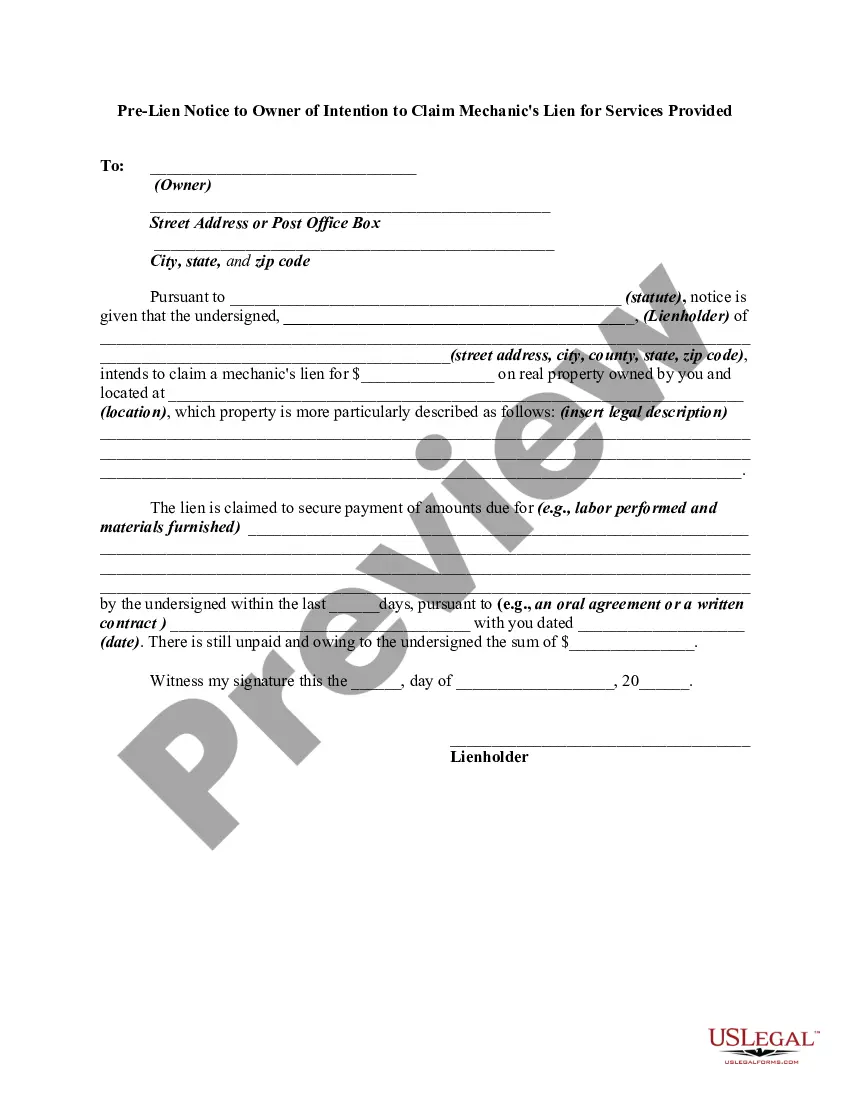
How to fill out Pre-Lien Notice To Owner Regarding Potential Mechanic's Lien For Services To Be Provided To General Contractor?
- Start by checking the Preview mode and form description on US Legal Forms. Ensure you select the lien notice template that fits your requirements and adheres to local jurisdiction regulations.
- If the first template doesn't meet your criteria, utilize the Search tab to explore additional options until you find the perfect fit.
- Proceed to purchase the document by clicking the Buy Now button. Choose your desired subscription plan to get access to the vast library of legal forms.
- Complete your purchase by entering your payment information. You can use a credit card or PayPal for secure transactions.
- Finally, download your form to your device and access it anytime via the My Forms menu in your profile for future reference.
In conclusion, using US Legal Forms not only streamlines your document preparation but also connects you with premium experts who can assist you in creating legally sound documents. Take the fear out of legal processes by leveraging this powerful resource.
Start your journey today by visiting US Legal Forms to discover how easy it is to handle legal documentation.
Form popularity
FAQ
Yes, a contractor can file a lien on your property in Indiana, even without a formal contract, under certain circumstances. However, it's important to note that there must still be documented evidence of work performed or materials supplied. If you find yourself in this situation, using platforms like US Legal Forms can clarify your rights and help you navigate any potential disputes.
You have one year from the date of the last work performed to file a lien in Indiana. This deadline applies to all contractors, including those with no prior experience. To secure payment effectively, staying attentive to this timeline is vital, and utilizing resources like US Legal Forms can help guide you through the process.
In Indiana, contractors have a one-year period from the last date of their work to file a lien. Failing to file within this timeframe can result in losing the right to claim unpaid dues. Therefore, it is necessary for contractors, regardless of their experience, to understand this timeline to protect their interests.
To file a mechanic's lien in Indiana, you need specific details such as the property owner's name, the property's legal description, and a clear statement of the amount owed. Even if you are a notice lien contractor with no experience, you should include dates and descriptions of the work performed. Having this information readily available streamlines the filing process and increases your chances of successful recovery.
Yes, Indiana imposes a statute of limitations on property liens, typically set at one year. This means contractors, even those with no experience, must file their lien claim within this timeframe to ensure the claim remains valid. Missing this deadline could hinder a contractor's ability to secure payment, making it essential for all parties involved to be aware of the timeline.
In Indiana, the lien statute allows contractors to file a lien against a property for unpaid work or materials. This process ensures that contractors can secure payment for their services, even if they have no previous experience. Understanding the lien statute is crucial for contractors, as it outlines their rights and responsibilities while providing property owners with the necessary information to manage such claims.
A lien generally requires several conditions to be valid: there must be an agreement for work, completion of the work, and proper notice given to the property owner. As a contractor with no experience, knowing these conditions is crucial for ensuring your lien is enforceable. It's advisable to use tools like US Legal Forms to help you with the documentation and filing process effectively.
In Arkansas, contractors have 120 days from the last day they provided labor or materials to file a lien. This means that as a contractor with no experience, you should act promptly to ensure you protect your interests. Filing a lien correctly can effectively secure your payment. Connecting with US Legal Forms can guide you through the necessary steps.
In Texas, a lien can be deemed invalid if it is not filed within the required timeframe or lacks necessary documentation. Additionally, if the work was not performed as per the contract, or if the homeowner did not receive proper notice, the lien may not hold up legally. As a contractor with no experience, you might benefit from understanding these rules and using services like US Legal Forms to navigate your legal rights.
In California, lien laws require contractors, suppliers, and laborers to file a Notice of Mechanic's Lien in a timely manner. This notice must be filed within 90 days after completion of work, and it protects your rights as a contractor, even if you have no prior experience. California also mandates that homeowners be notified of the lien in writing. Utilizing a platform like US Legal Forms can help simplify this process.