How Does A Criminal Bond Work
Description
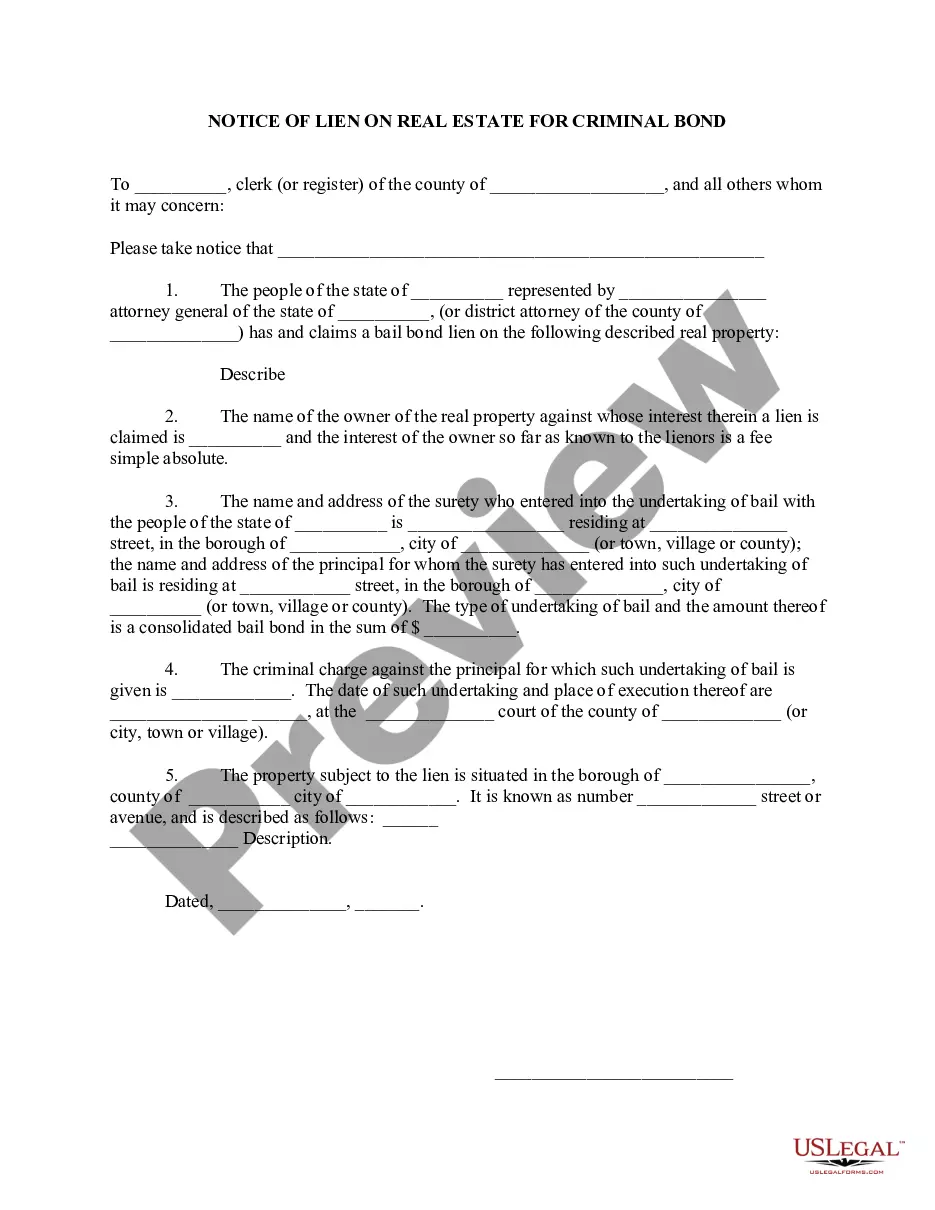
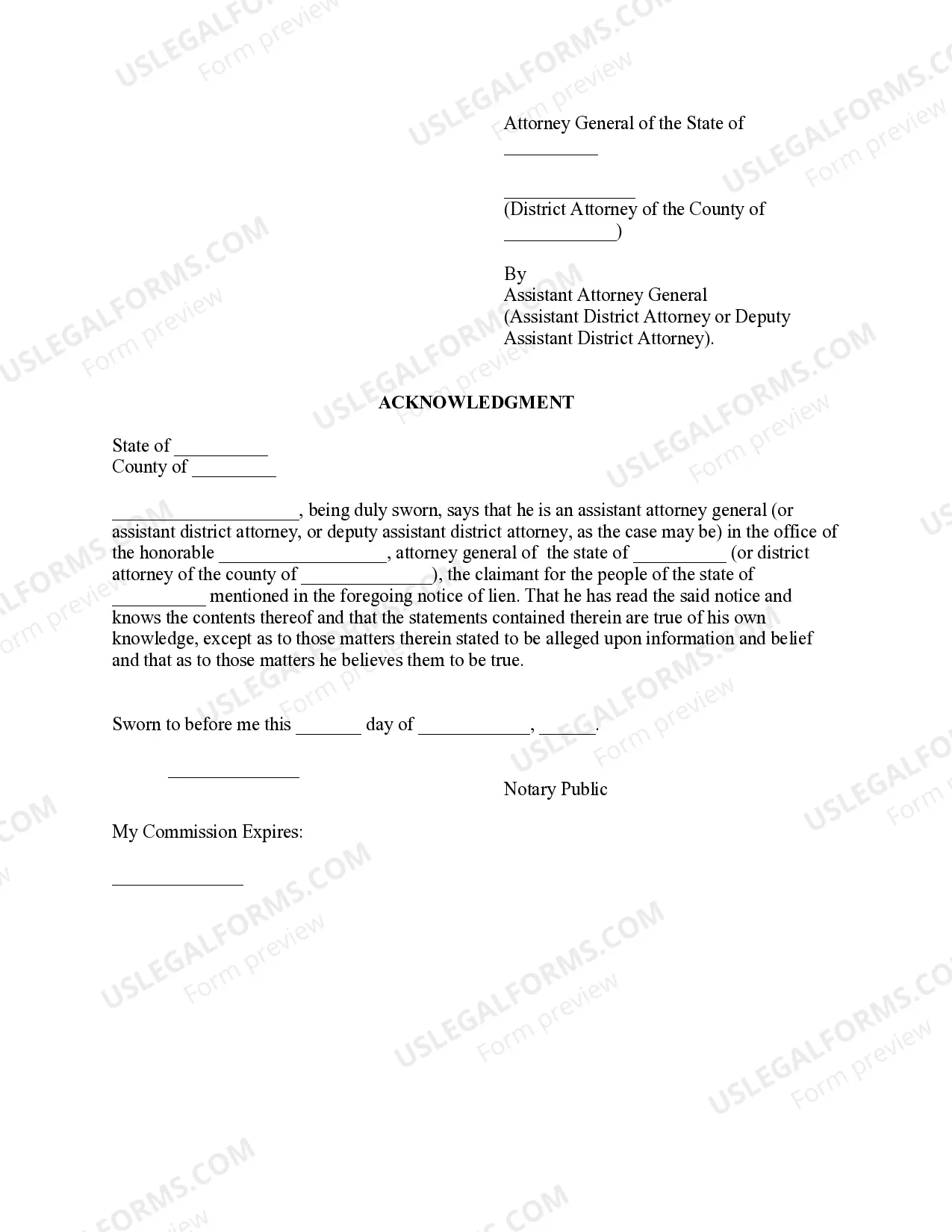
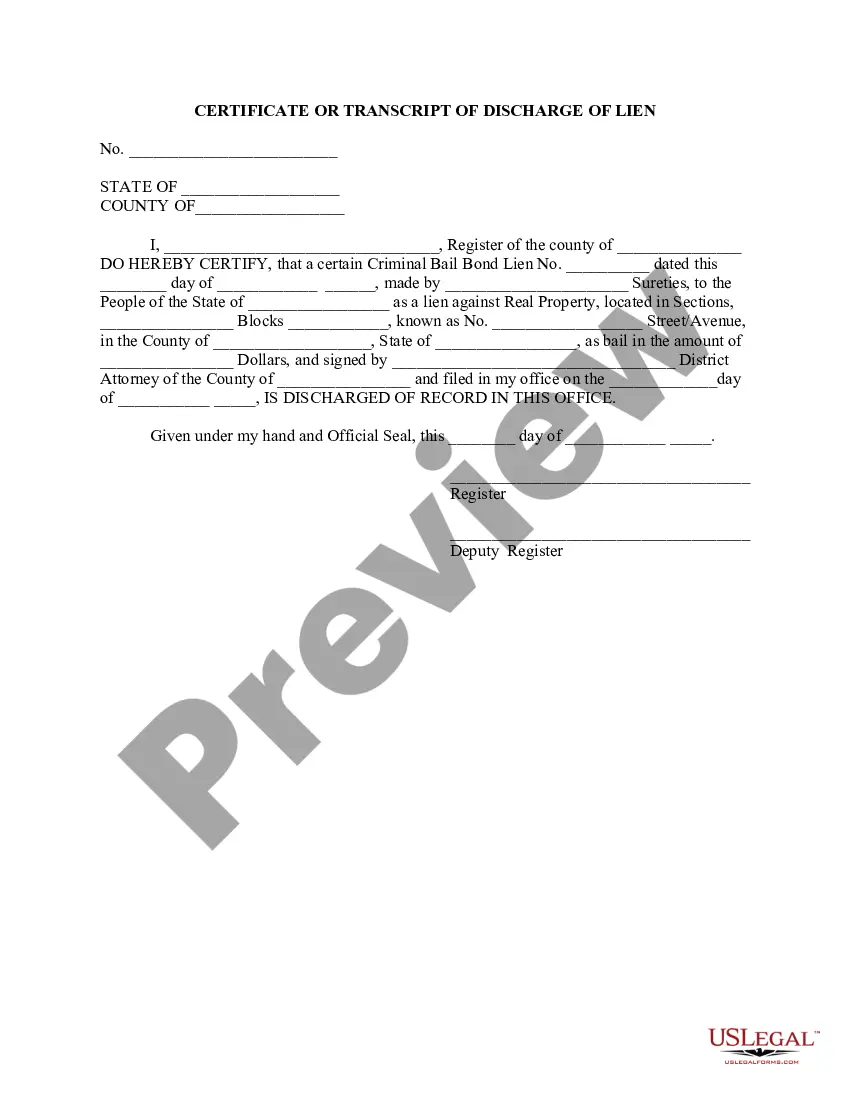


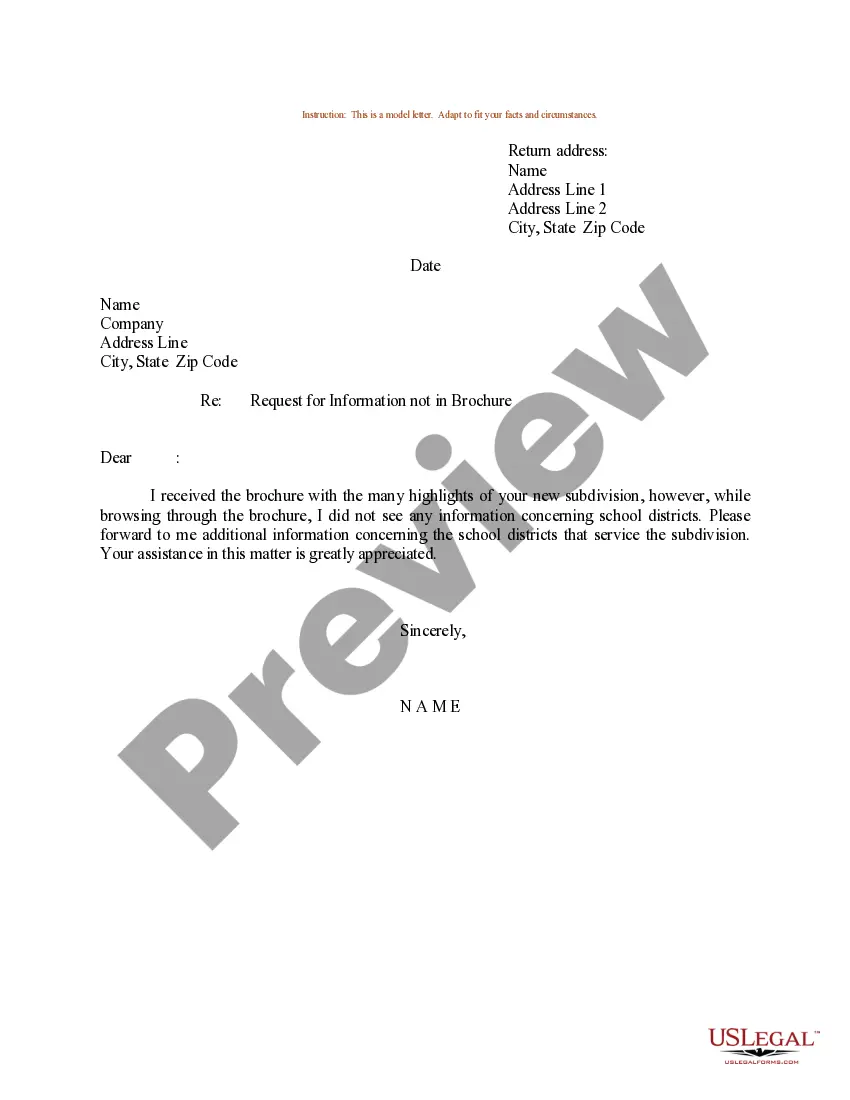
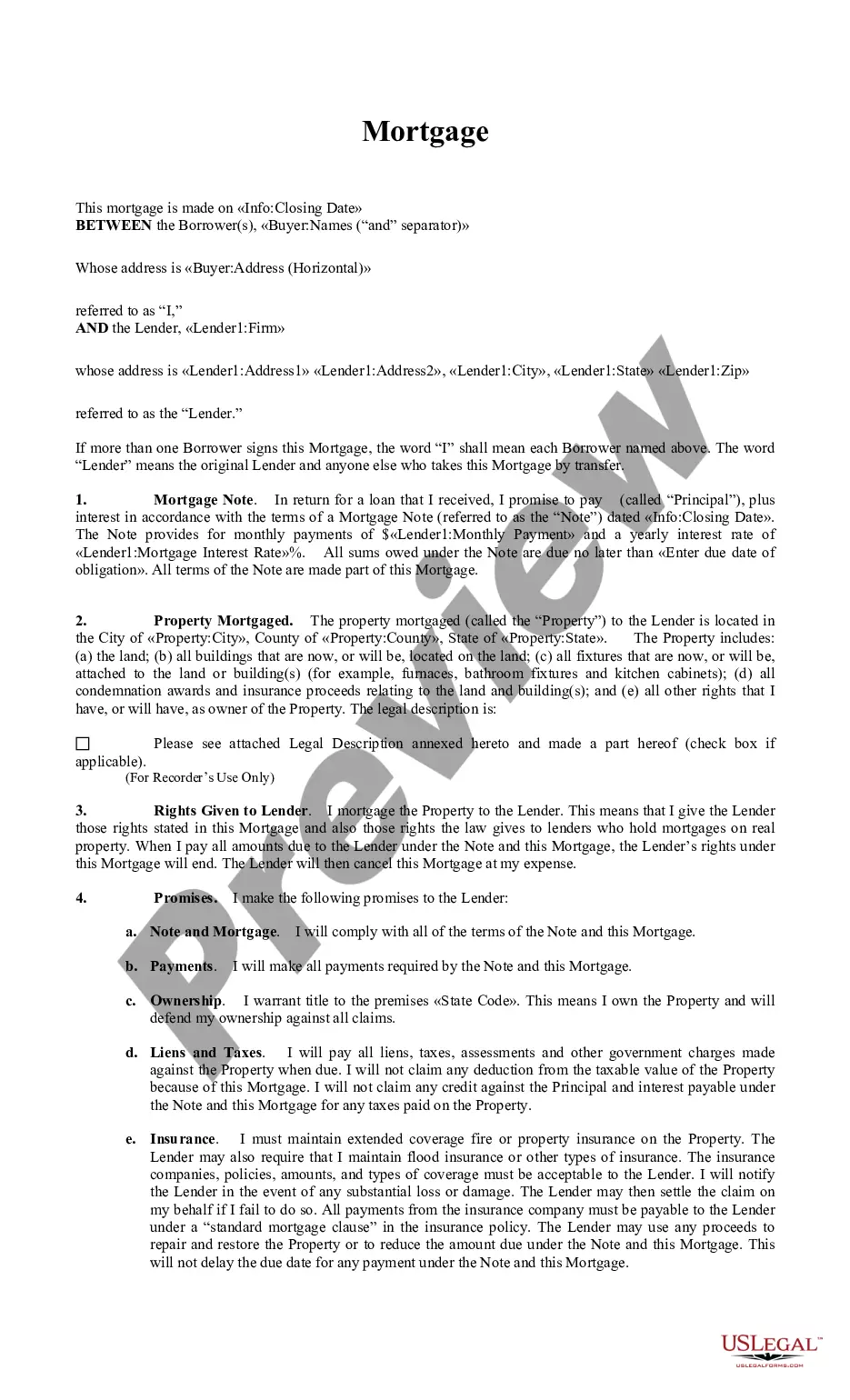

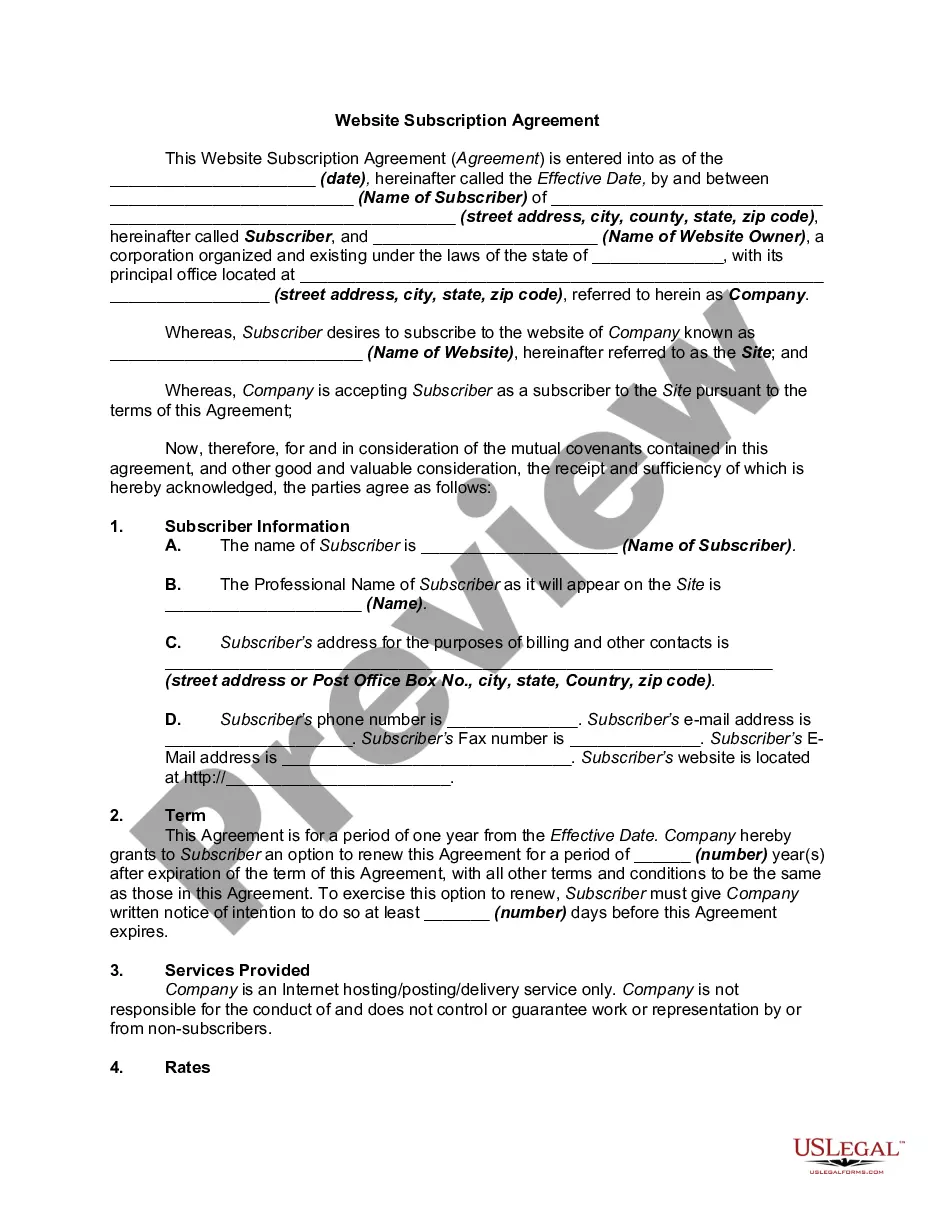
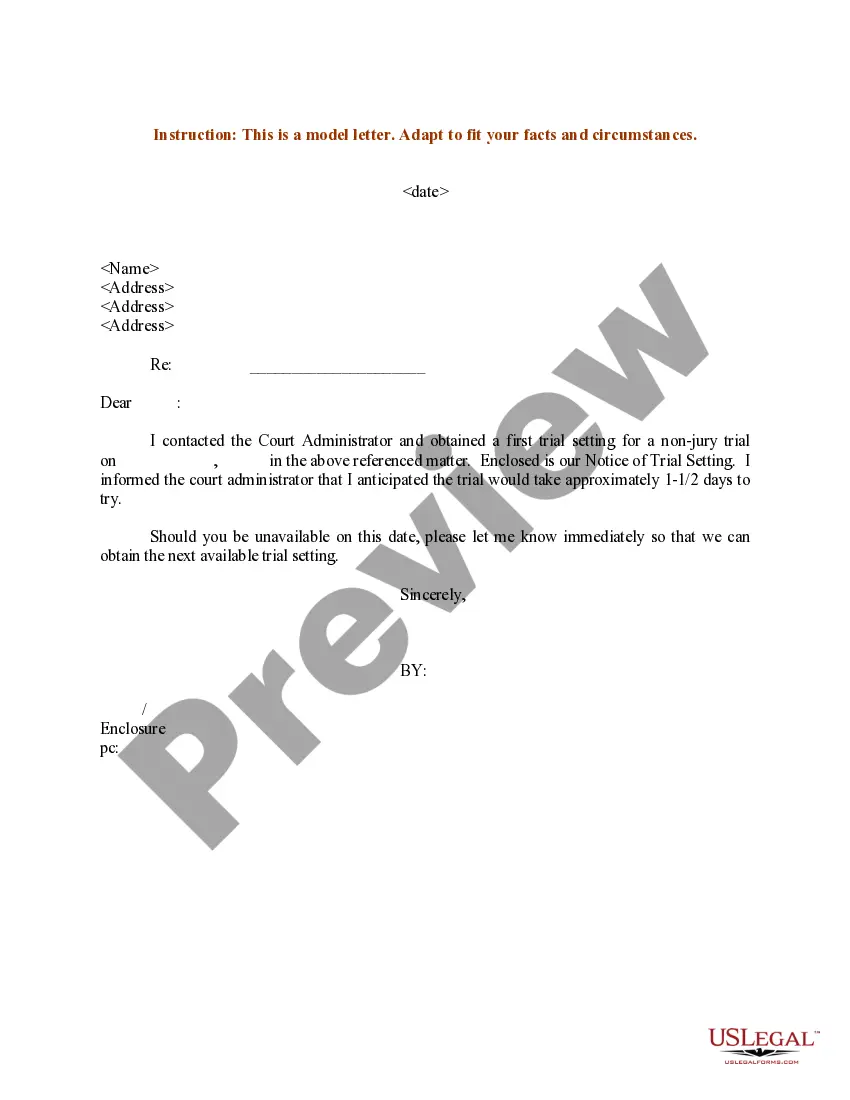


How to fill out Notice Of Lien On Real Estate For Criminal Bond?
- If you are a returning user, log in to your account and proceed to download the desired form template by clicking the Download button. Ensure your subscription is active; if not, renew it based on your payment plan.
- If you are a new user, start by checking the Preview mode and the description of the forms. Confirm that the selected document matches your requirements and adheres to your local regulations.
- If the current template does not fit your needs, use the Search bar above to find an alternative. Once you locate a suitable option, move to the next step.
- Purchase the necessary document by clicking the Buy Now button and select your preferred subscription plan. You will need to register an account to access the library's extensive resources.
- Complete the payment by entering your credit card details or using your PayPal account to finalize the subscription.
- Once your purchase is successful, download the form and save it to your device. You can also access it anytime through the My Forms section of your account.
In conclusion, US Legal Forms simplifies the process of obtaining essential legal documents like criminal bonds. With its vast library and expert support, users can ensure peace of mind when navigating legal matters.
Start your journey today and explore the resources available at US Legal Forms for a smoother legal experience.
Form popularity
FAQ
To fill out a bond order, you need to supply the essential information regarding the bond’s terms and conditions. Make sure to include details like the bond amount, the reason for the bond, and any necessary signatures. Familiarizing yourself with how does a criminal bond work can ensure that you fill the order correctly. If you're looking for assistance, consider using US Legal Forms, which offers resources to help you navigate this process effectively.
Filling out a bond form requires you to provide specific information accurately. Start by entering your personal details, such as your name, address, and identification number. It’s crucial to understand how does a criminal bond work, as this will guide you through the necessary legal terminology and requirements. If you feel unsure, platforms like US Legal Forms can provide templates and clear instructions to make the process simpler.
The value of a $1000 savings bond after 30 years usually depends on the interest rate environment. Many savings bonds accrue interest over time, and typically, they reach their maturity value. Understanding how does a criminal bond work can help you make informed financial decisions about bonds. If you want to know the exact worth, it's beneficial to consult a financial advisor or use an online savings bond calculator.
Though this question seems repetitive, many still seek clarity on the distinction between bail and a bond. Bail refers to the monetary amount set by the court for release, while a bond is a guarantee to the court from a bonding company that the bail will be covered if the individual misses a court appearance. Hence, knowing how does a criminal bond work can help individuals choose the right strategy for their release. Be sure to assess your options carefully and choose the one that aligns with your needs.
When considering how does a criminal bond work, many people wonder if it's better to post bail or use a bond. Posting bail often requires full payment upfront, which can be a significant financial burden. In contrast, using a bond typically involves paying a percentage to a bonding company, making it a more manageable option. Ultimately, it's about what suits your financial situation and the specific circumstances of the case.
While both surety bonds and crime bonds involve agreements between three parties, they serve different purposes. A surety bond typically guarantees contractual obligations to fulfill commitments, whereas a crime bond specifically protects against losses due to criminal acts. Knowing how a criminal bond works can clarify that it specifically caters to risks associated with dishonest behaviors. In essence, both are valuable, but they address different financial risks.
A crime policy typically covers losses related to criminal acts, including theft, forgery, and embezzlement. This policy often includes various endorsements tailored to your specific needs, ensuring comprehensive protection for your assets. It's important to understand how a criminal bond works within the context of this policy, as it offers financial support when crimes affect your business or personal finances. By opting for a crime policy, you secure your financial future against unforeseen criminal threats.
A crime bond primarily covers financial losses that arise from theft, fraud, or other criminal activities committed by an employee or individual. When you understand how a criminal bond works, you realize it helps organizations recover costs associated with criminal acts. This coverage often applies to losses from employee dishonesty or forgery, providing essential protection to businesses and individuals. By securing a crime bond, you gain peace of mind, knowing you are safeguarded against potential criminal activities.