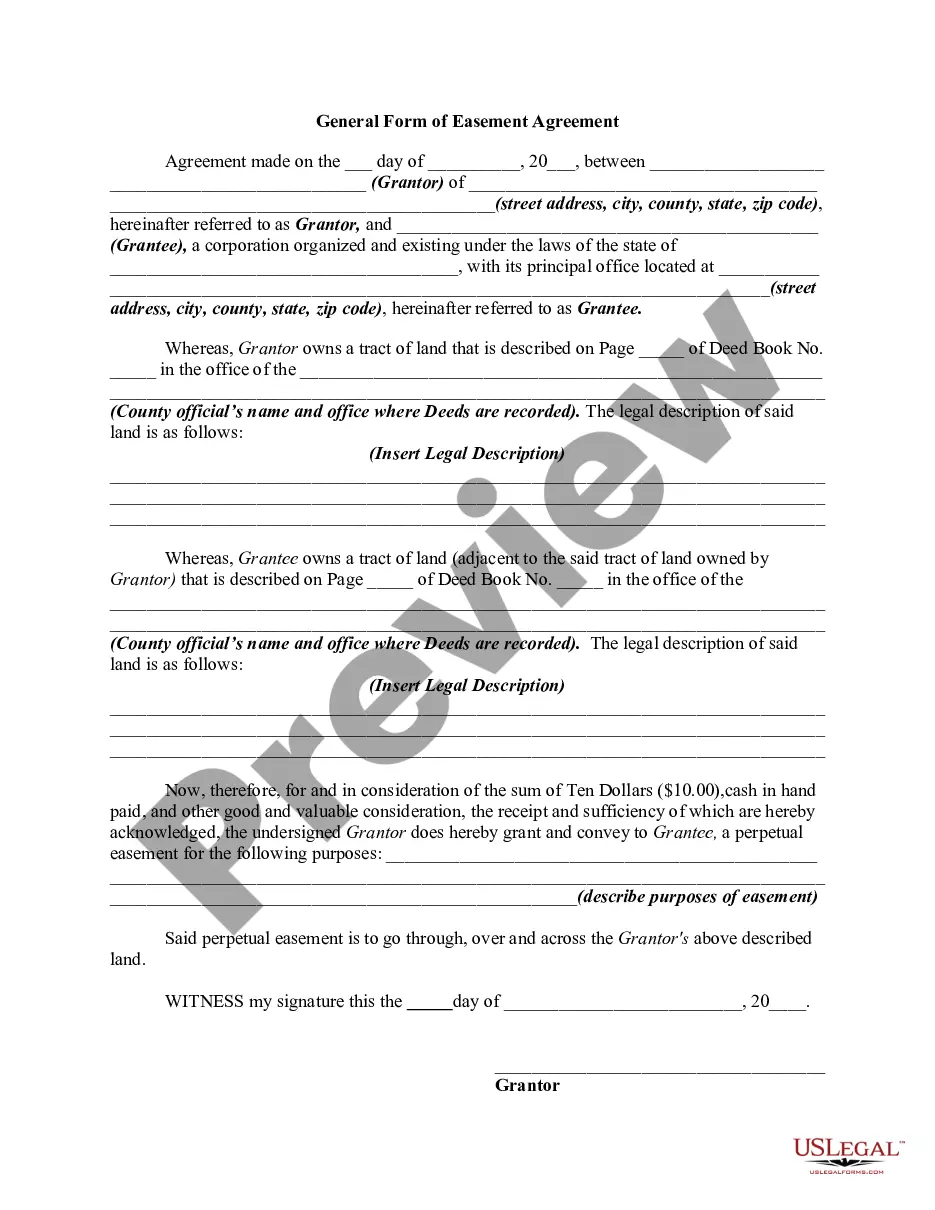
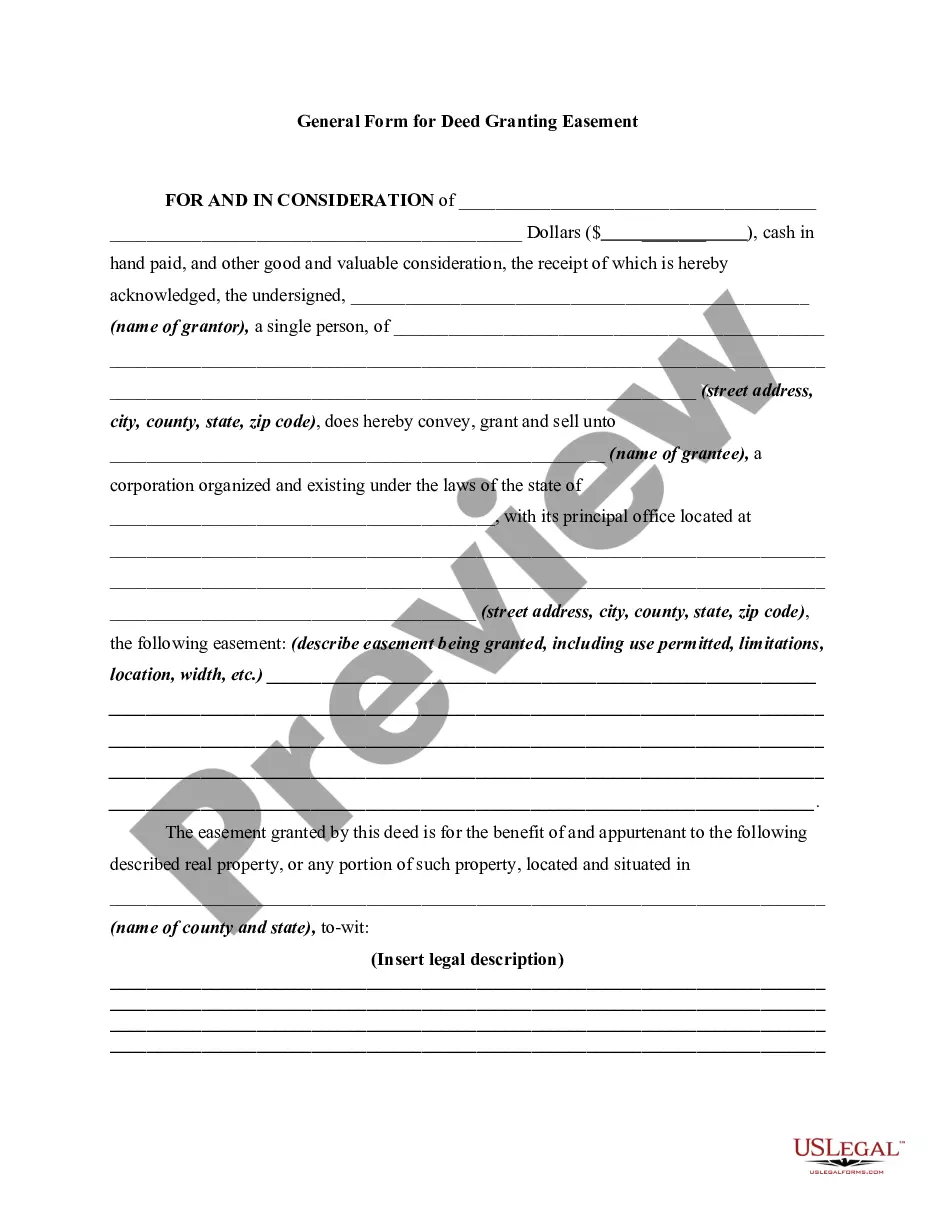
Simple Easement Agreement For Driveway
Description
Get your form ready online
Our built-in tools help you complete, sign, share, and store your documents in one place.
Make edits, fill in missing information, and update formatting in US Legal Forms—just like you would in MS Word.
Download a copy, print it, send it by email, or mail it via USPS—whatever works best for your next step.
Sign and collect signatures with our SignNow integration. Send to multiple recipients, set reminders, and more. Go Premium to unlock E-Sign.
If this form requires notarization, complete it online through a secure video call—no need to meet a notary in person or wait for an appointment.
We protect your documents and personal data by following strict security and privacy standards.

Make edits, fill in missing information, and update formatting in US Legal Forms—just like you would in MS Word.

Download a copy, print it, send it by email, or mail it via USPS—whatever works best for your next step.

Sign and collect signatures with our SignNow integration. Send to multiple recipients, set reminders, and more. Go Premium to unlock E-Sign.

If this form requires notarization, complete it online through a secure video call—no need to meet a notary in person or wait for an appointment.

We protect your documents and personal data by following strict security and privacy standards.
Looking for another form?








How to fill out General Form Of Easement Agreement?
Whether for commercial purposes or personal matters, everyone must handle legal matters at some point in their life.
Filling out legal documents requires meticulous attention, starting with choosing the appropriate form template.
With a vast catalog of US Legal Forms available, you never need to waste time hunting for the correct template online. Take advantage of the library’s user-friendly navigation to find the right sample for any situation.
- Acquire the sample you require by using the search bar or browsing the catalog.
- Review the form’s details to confirm it fits your situation, jurisdiction, and area.
- Select the form’s preview to inspect it.
- If it is the wrong document, return to the search tool to locate the Simple Easement Agreement For Driveway template you need.
- Download the file if it satisfies your requirements.
- If you possess a US Legal Forms account, simply click Log in to access previously stored documents in My documents.
- If you do not have an account yet, you may obtain the form by clicking Buy now.
- Select the appropriate pricing option.
- Fill out the profile creation form.
- Choose your payment method: you can use a credit card or a PayPal account.
- Select the file format you need and download the Simple Easement Agreement For Driveway.
- Once it is saved, you can complete the form using editing software or print it and fill it out by hand.
Form popularity
FAQ
To establish a prescriptive easement in California, the adverse use of the land must be open, notorious, and continuous for at least five years. The open element requires the easement user to engage with the land in an open way, which can usually be ascertained by whether it appears the user is doing so in secret.
The easement does not technically need to be recorded, but an unrecorded agreement may not be ultimately enforceable in a court of law, so ensure that any written agreement is properly and legally recorded to avoid contentions in the future.
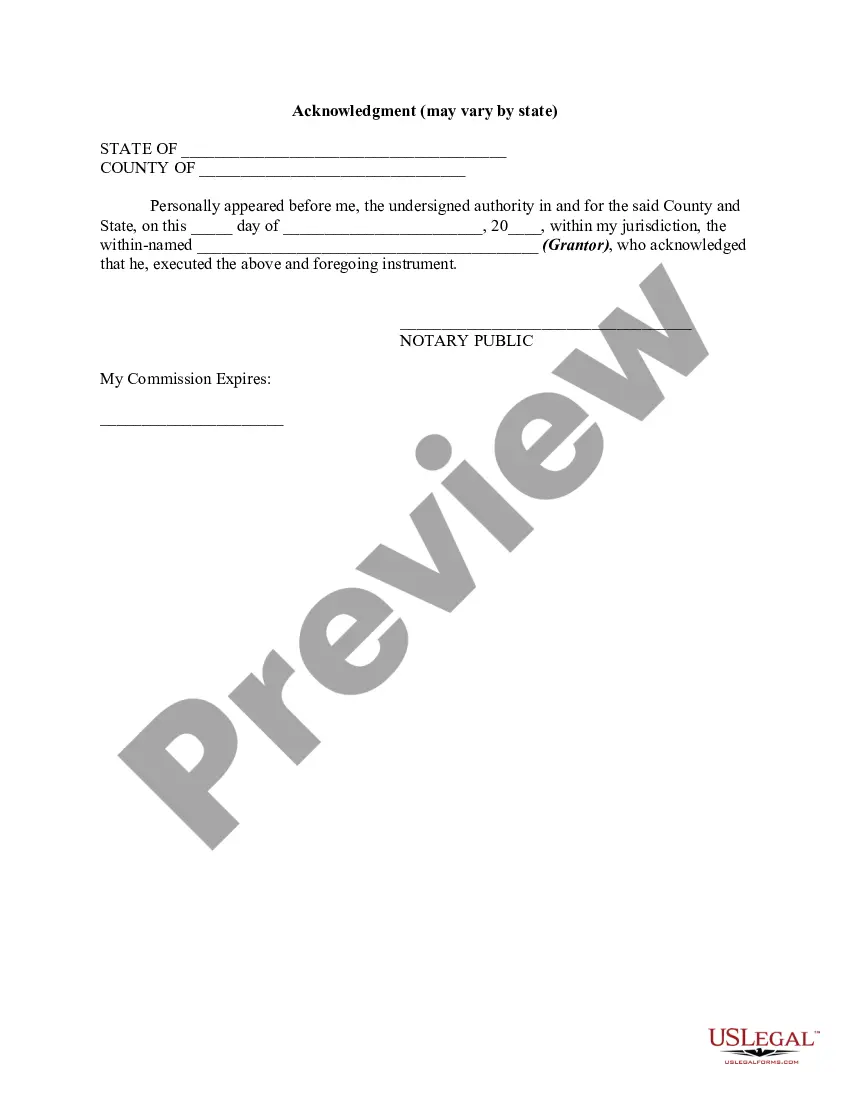
Execution: The Easement must be executed on behalf of both the Grantor and the Grantee, and all signatures must be acknowledged by a Notary Public. Recording: The Easement must be recorded in the Office of the County Recorder of the county in which the Land is located.
An easement may be recorded in the public real estate records or other regulatory agency records; however, an easement may exist without recordation.
In California, a user of land may establish a prescriptive easement by proving that his or her use of another's land was: (1) continuous and uninterrupted for five years; (2) open and notorious; and (3) hostile. The first two requirements are relatively straightforward.