Cattle Grazing Requirements
Description
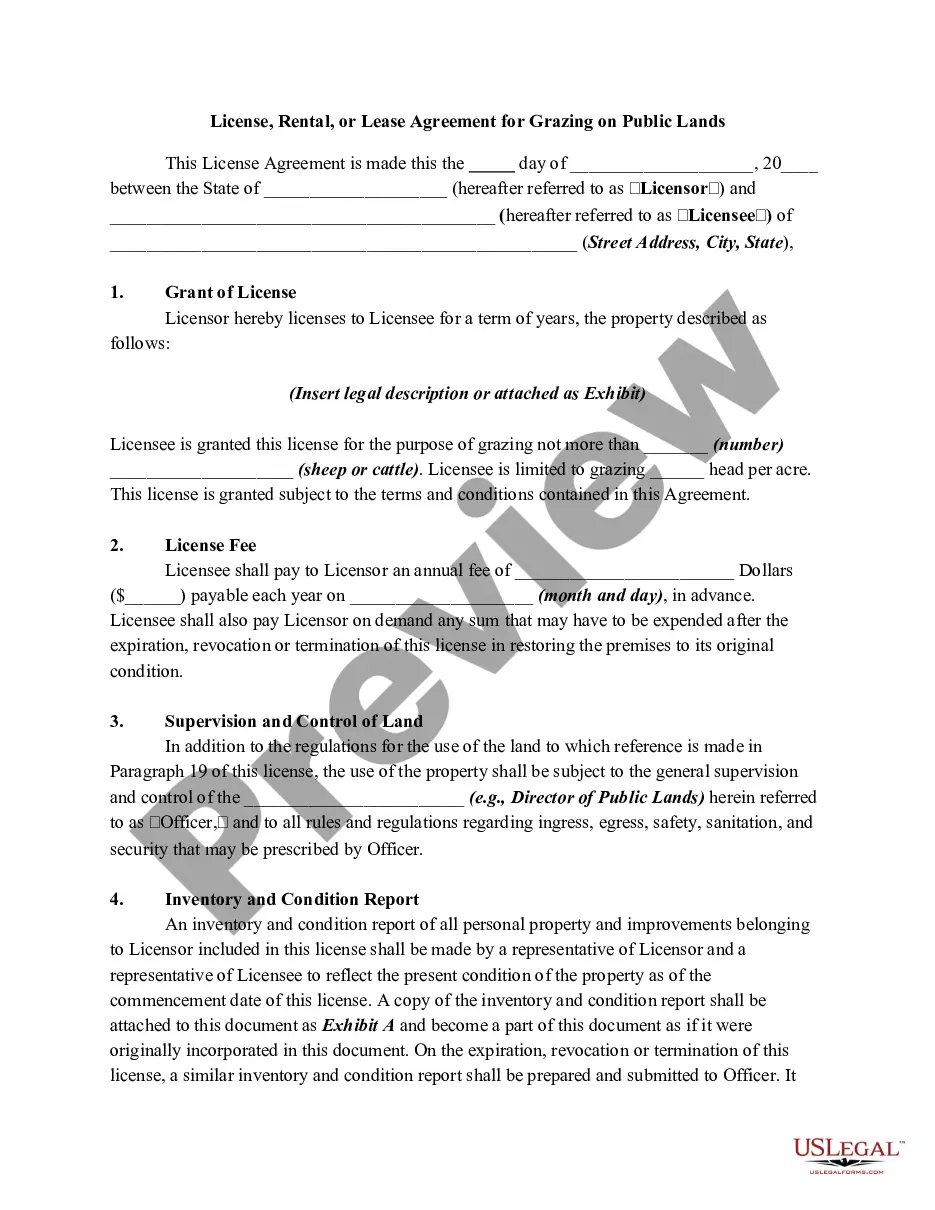
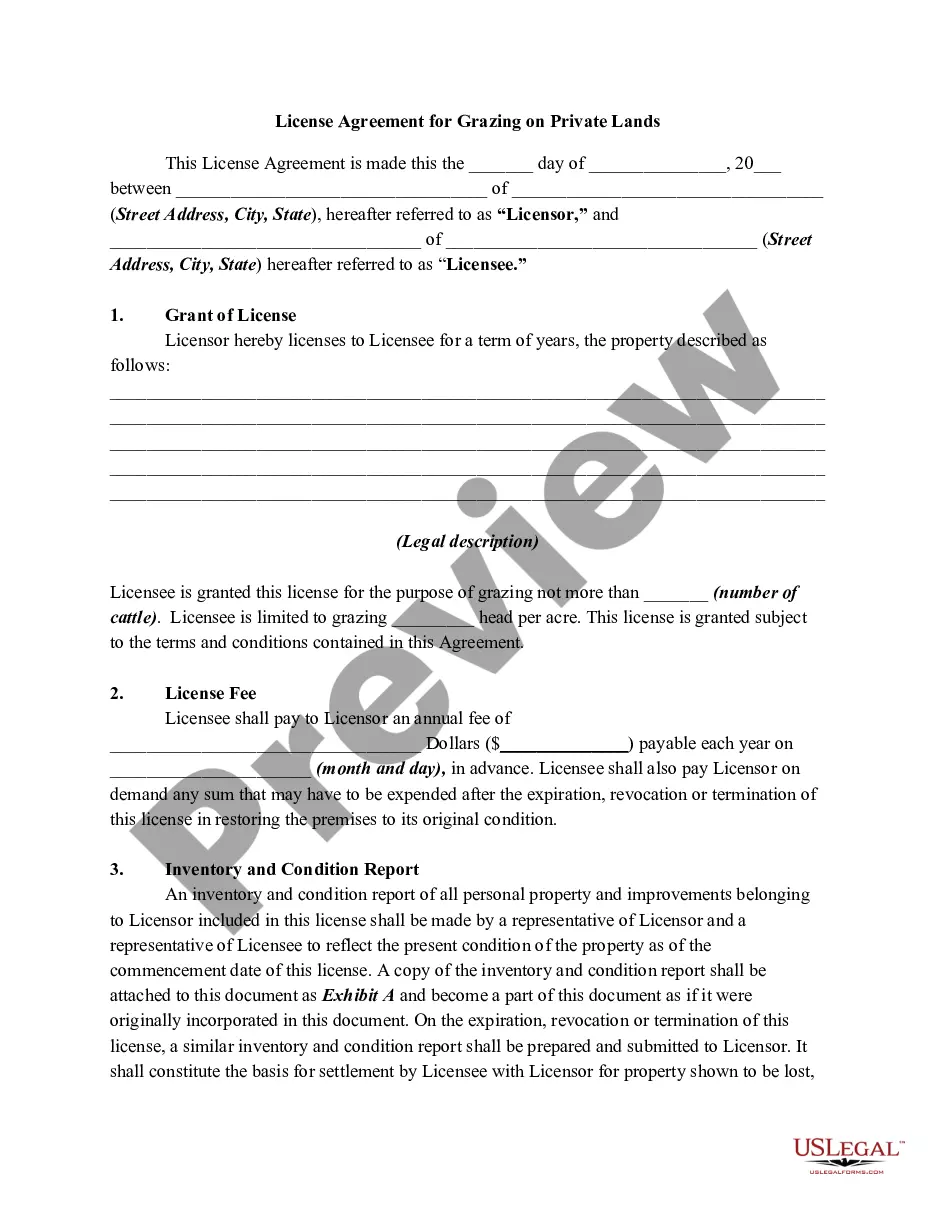
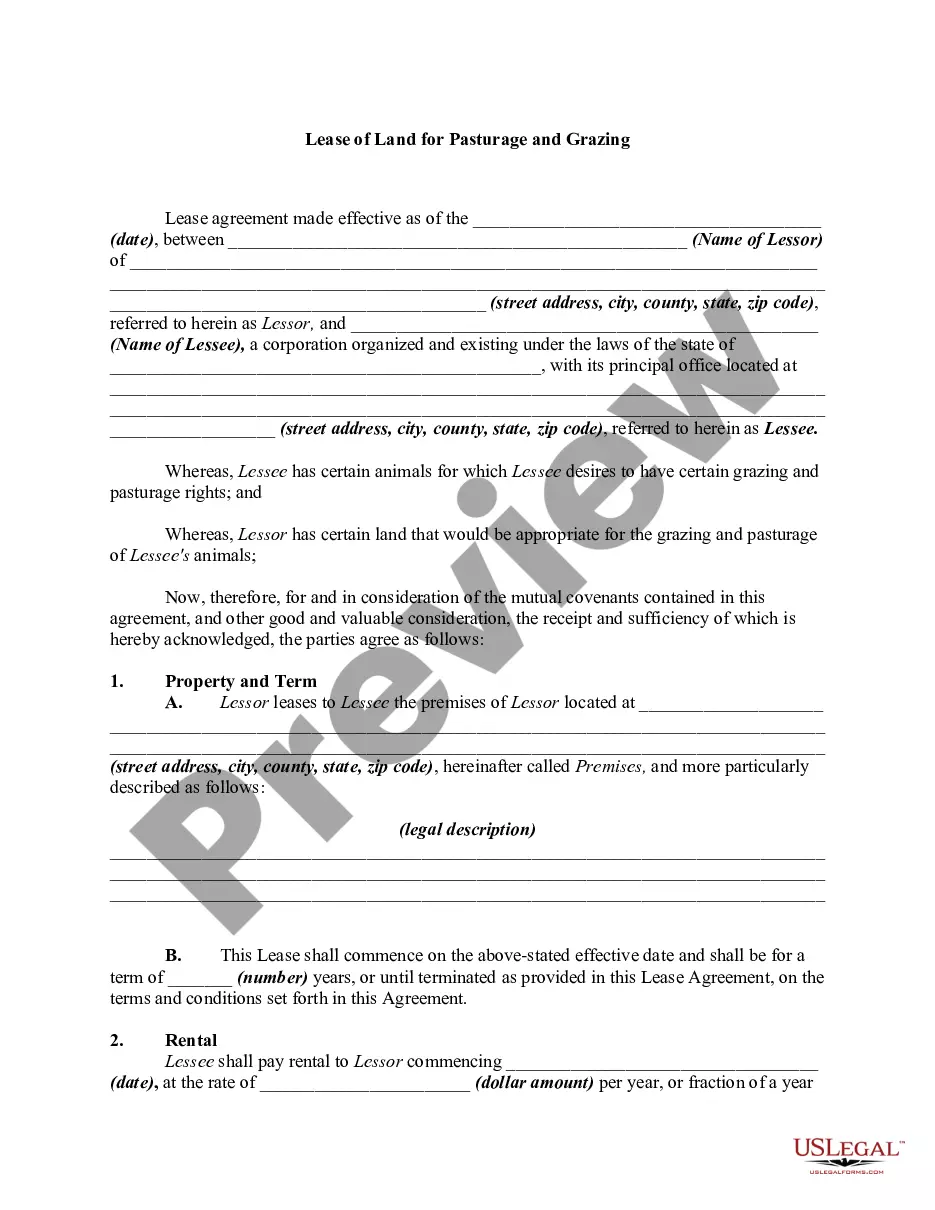
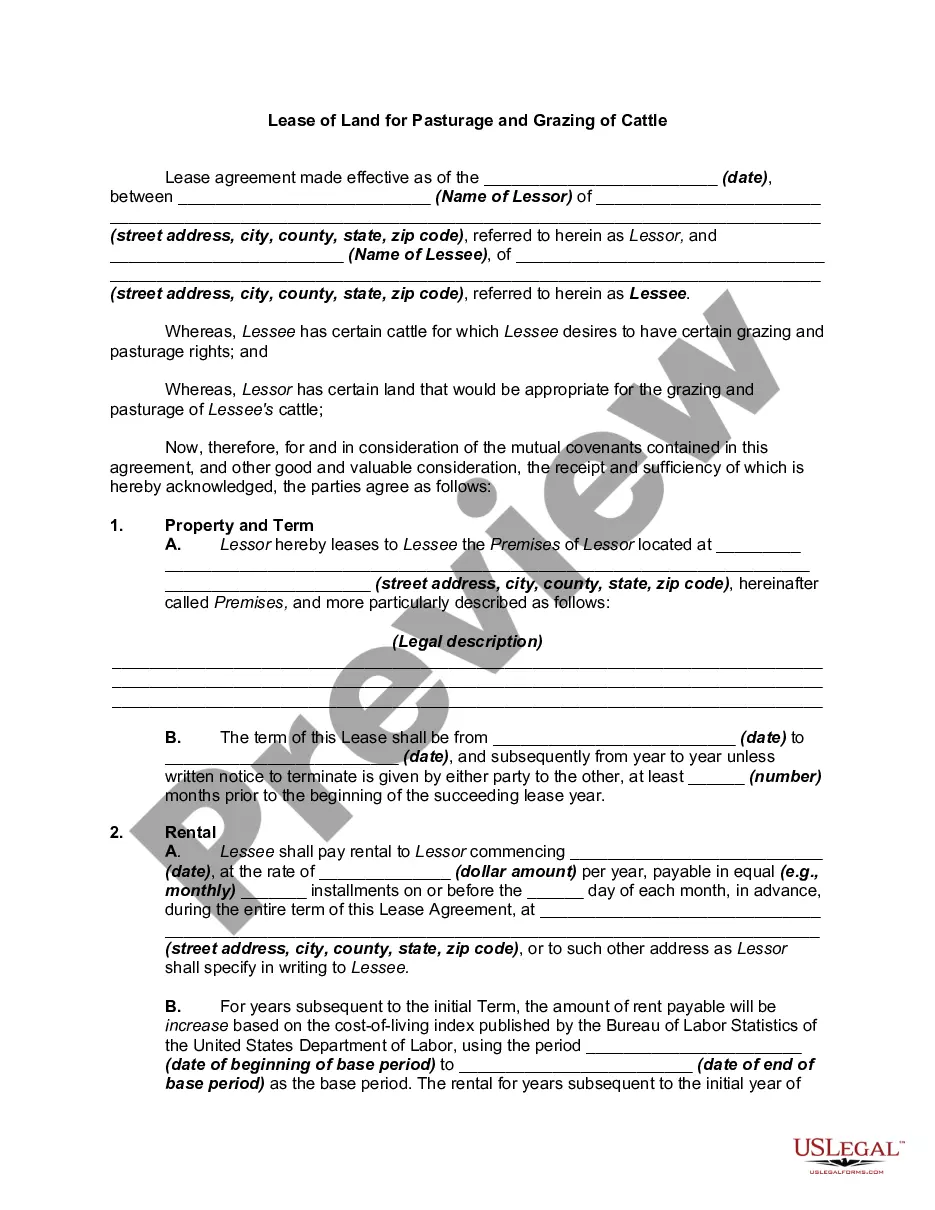
Get your form ready online
Our built-in tools help you complete, sign, share, and store your documents in one place.
Make edits, fill in missing information, and update formatting in US Legal Forms—just like you would in MS Word.
Download a copy, print it, send it by email, or mail it via USPS—whatever works best for your next step.
Sign and collect signatures with our SignNow integration. Send to multiple recipients, set reminders, and more. Go Premium to unlock E-Sign.
If this form requires notarization, complete it online through a secure video call—no need to meet a notary in person or wait for an appointment.
We protect your documents and personal data by following strict security and privacy standards.

Make edits, fill in missing information, and update formatting in US Legal Forms—just like you would in MS Word.

Download a copy, print it, send it by email, or mail it via USPS—whatever works best for your next step.

Sign and collect signatures with our SignNow integration. Send to multiple recipients, set reminders, and more. Go Premium to unlock E-Sign.

If this form requires notarization, complete it online through a secure video call—no need to meet a notary in person or wait for an appointment.

We protect your documents and personal data by following strict security and privacy standards.
Looking for another form?









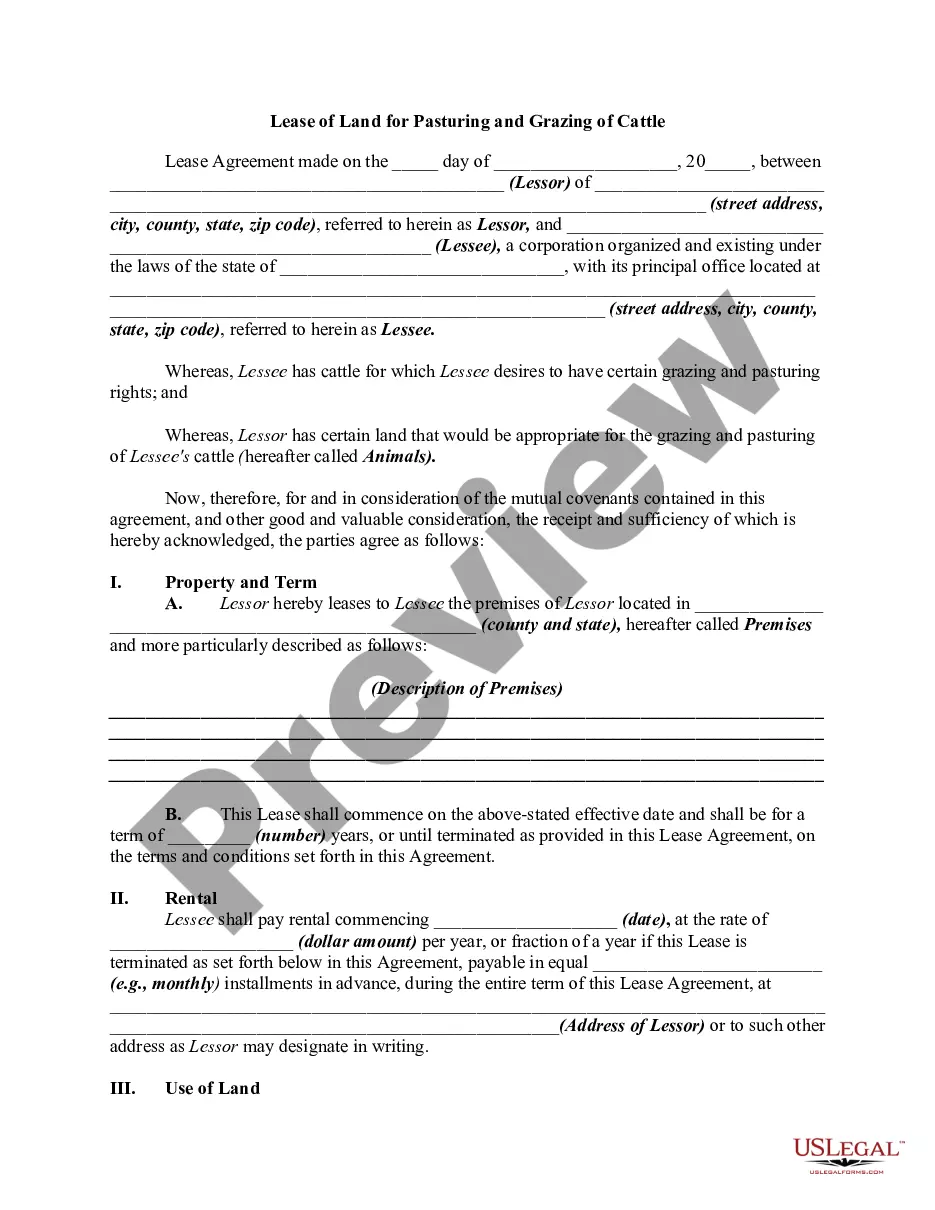
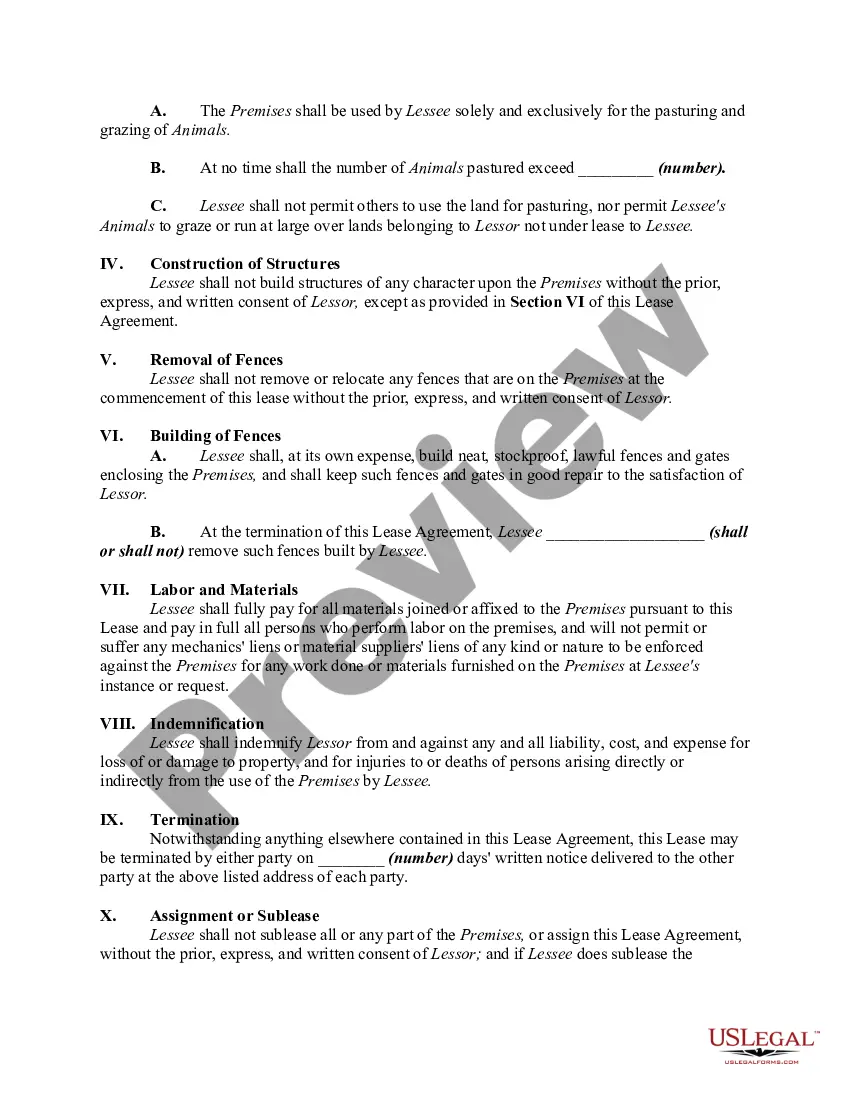
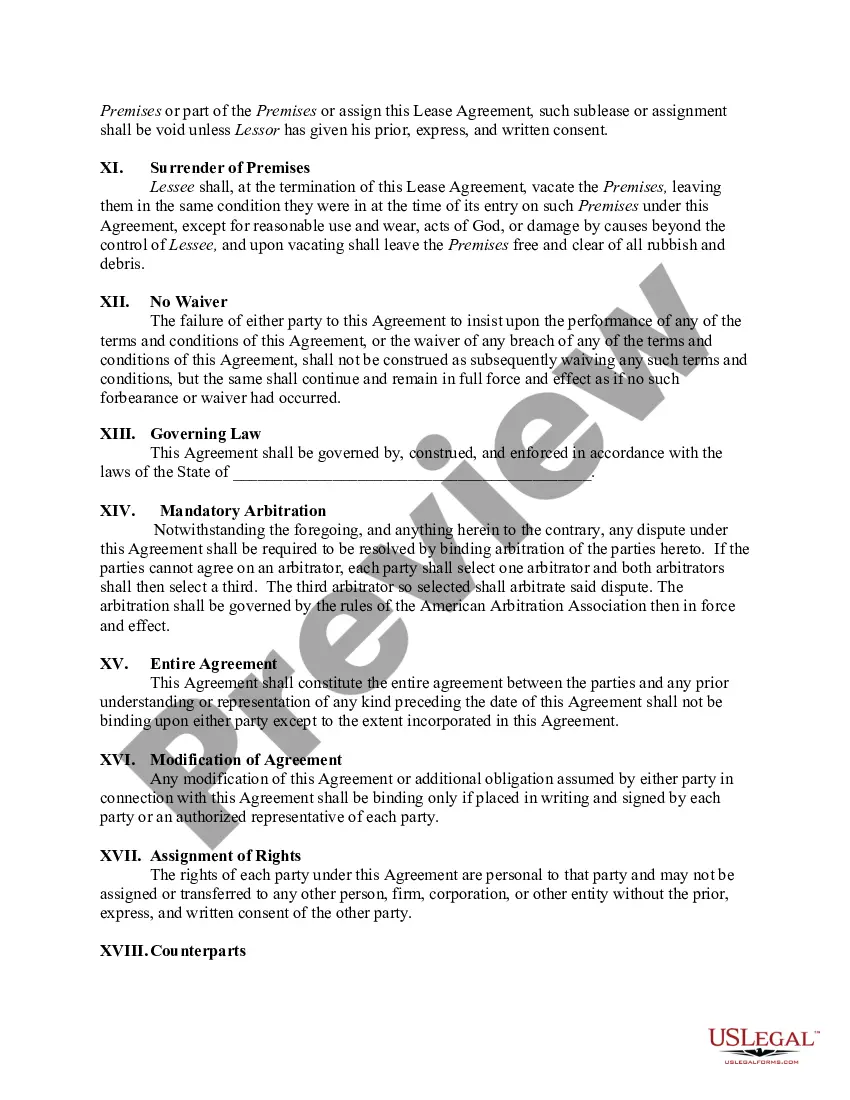
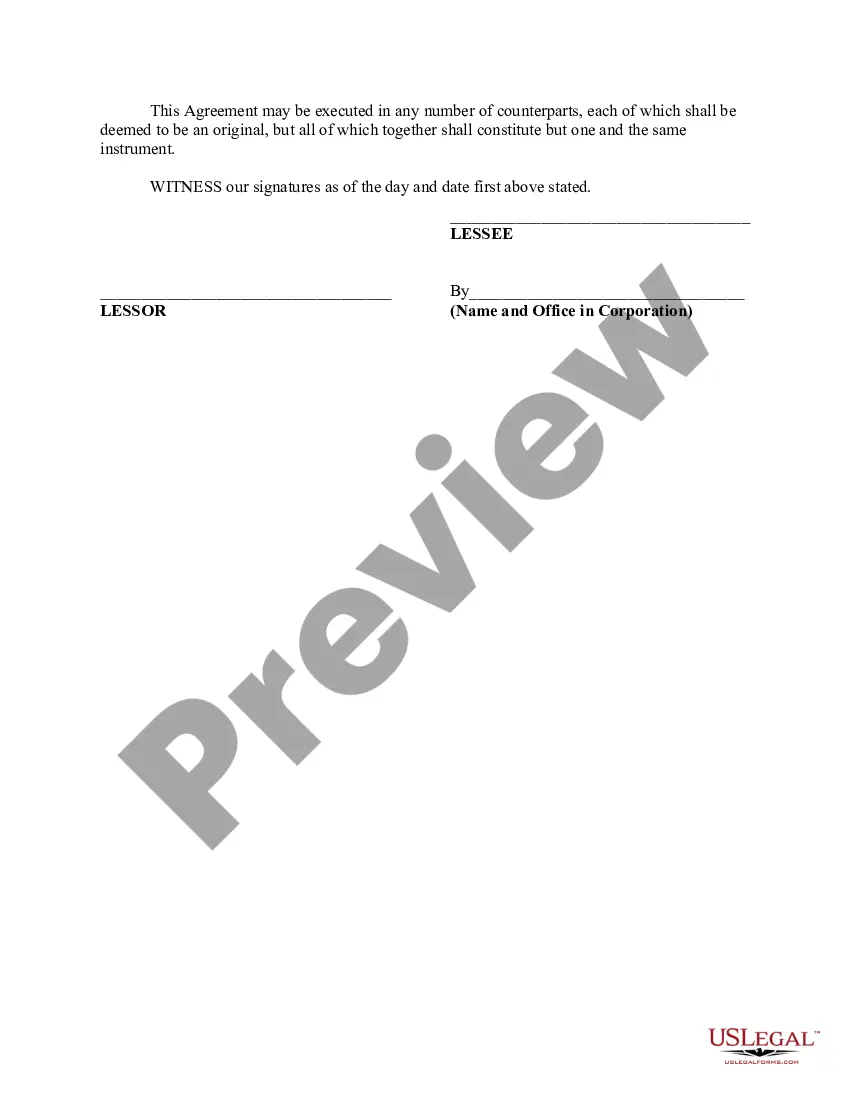
How to fill out Lease Of Land For Pasturing And Grazing Of Cattle?
Legal paperwork management can be perplexing, even for experienced professionals.
When you seek Cattle Grazing Requirements and lack the time to search for the accurate and current version, the processes can be stressful.
Obtain legal and organizational forms tailored to your state or county.
US Legal Forms meets all your needs, covering personal and business paperwork, all in one location.
If this is your first experience with US Legal Forms, register an account to gain unlimited access to the platform's benefits. Here are the steps to follow after acquiring the form you desire.
- Utilize advanced tools to complete and manage your Cattle Grazing Requirements.
- Access a valuable repository of articles, guides, and resources linked to your situation and needs.
- Conserve time and effort searching for the required documents, using US Legal Forms’ sophisticated search and Review feature to find Cattle Grazing Requirements.
- If you possess a membership, Log Into your US Legal Forms account, look for the form, and retrieve it.
- Explore the My documents tab to view the documents you have previously downloaded and to organize your folders according to your preferences.
- A comprehensive online form repository can significantly benefit those who wish to navigate these situations effectively.
- US Legal Forms is a leading provider of online legal documents, offering more than 85,000 state-specific legal templates available whenever you need them.
- With US Legal Forms, you can.
Form popularity
FAQ
In agriculture, grazing is a method of animal husbandry whereby domestic livestock are allowed outdoors to roam around and consume wild vegetations in order to convert the otherwise indigestible (by human gut) cellulose within grass and other forages into meat, milk, wool and other animal products, often on land ...
Hear this out loud PauseTo determine carrying capacity using estimated relative production values methods, 1) multiply acres of vegetation type by the recommended relative production values from Table 4 to determine total production, 2) then multiple total production by appropriate harvest efficiency (Table 2) to achieve available forage for ...
To determine the amount of forage available for grazing, multiply the total amount of forage by 0.35. As a rule of thumb, a horse will eat, trample or damage approximately 3% of its body weight per day in pasture forage. Thus, the average 1000-lb horse would use 30 lbs of forage per day (1000 x 0.03= 30).
The grazing requirement in animals is to supply adequate quantity of forage, with matching quality for the animal type ?whether a lactating animal with a very high demand for nutrients or a non-lactating one with lower needs.
Except for small additions of protein for heavy-milking cows and young cows still growing, the key nutrient is energy. Most beef cows will be able to meet lactation needs with reasonable intake of grass, hay, and stored forages of good quality that will usually supply 1-1.2 Mcal/lb of metabolizable energy.