Civil Lawsuit By With A Will
Description
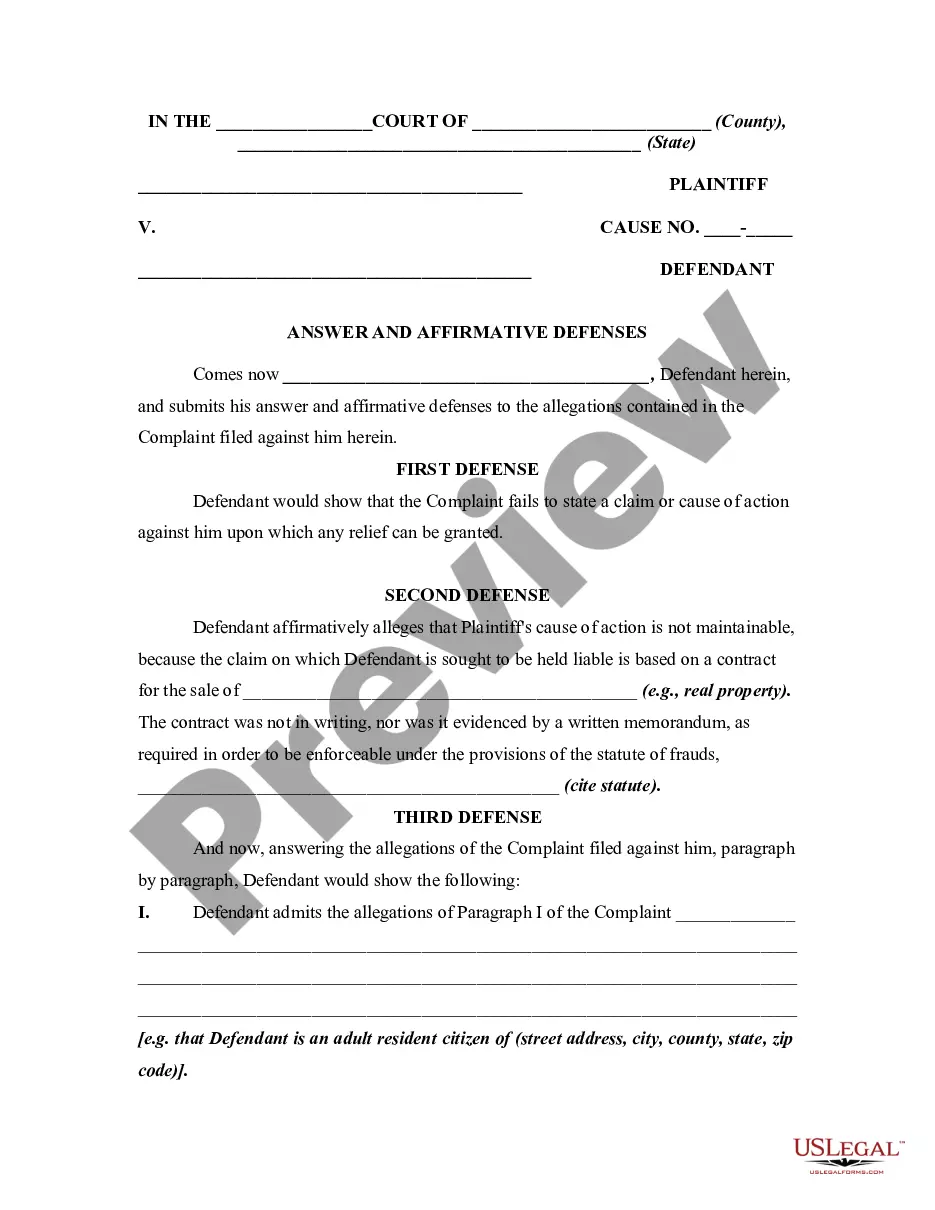
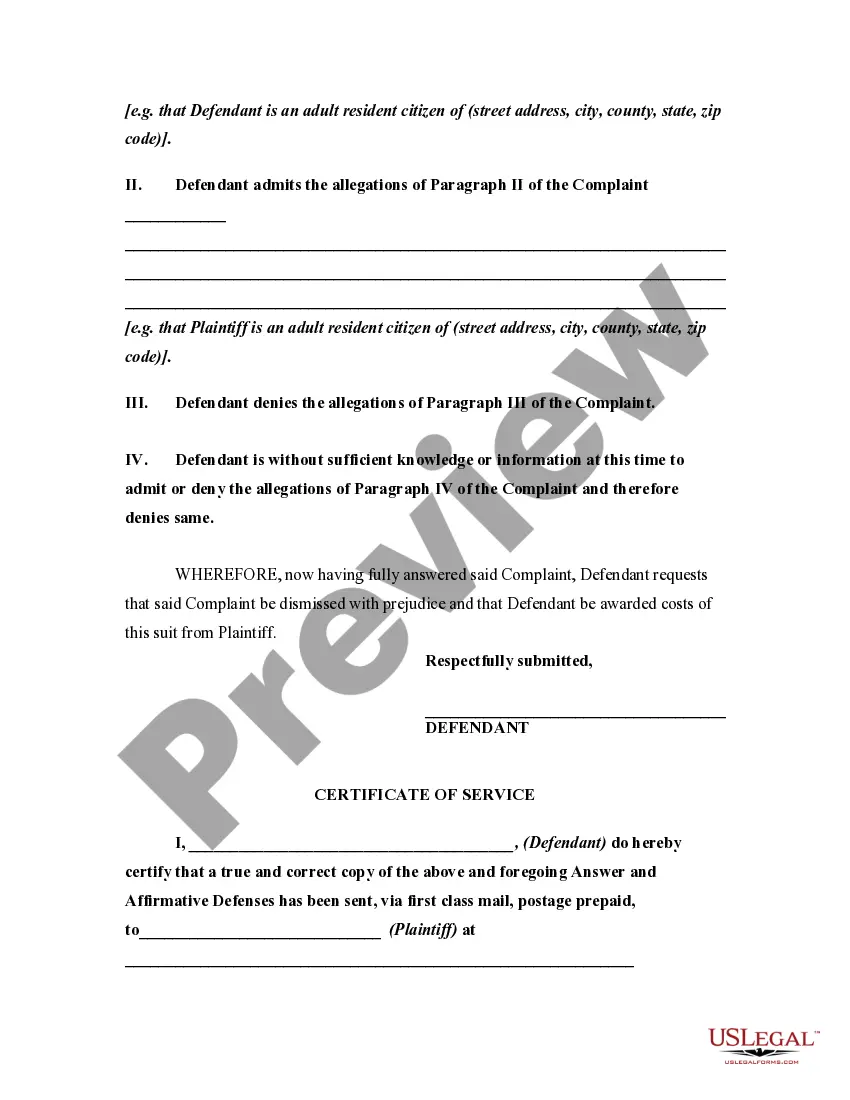
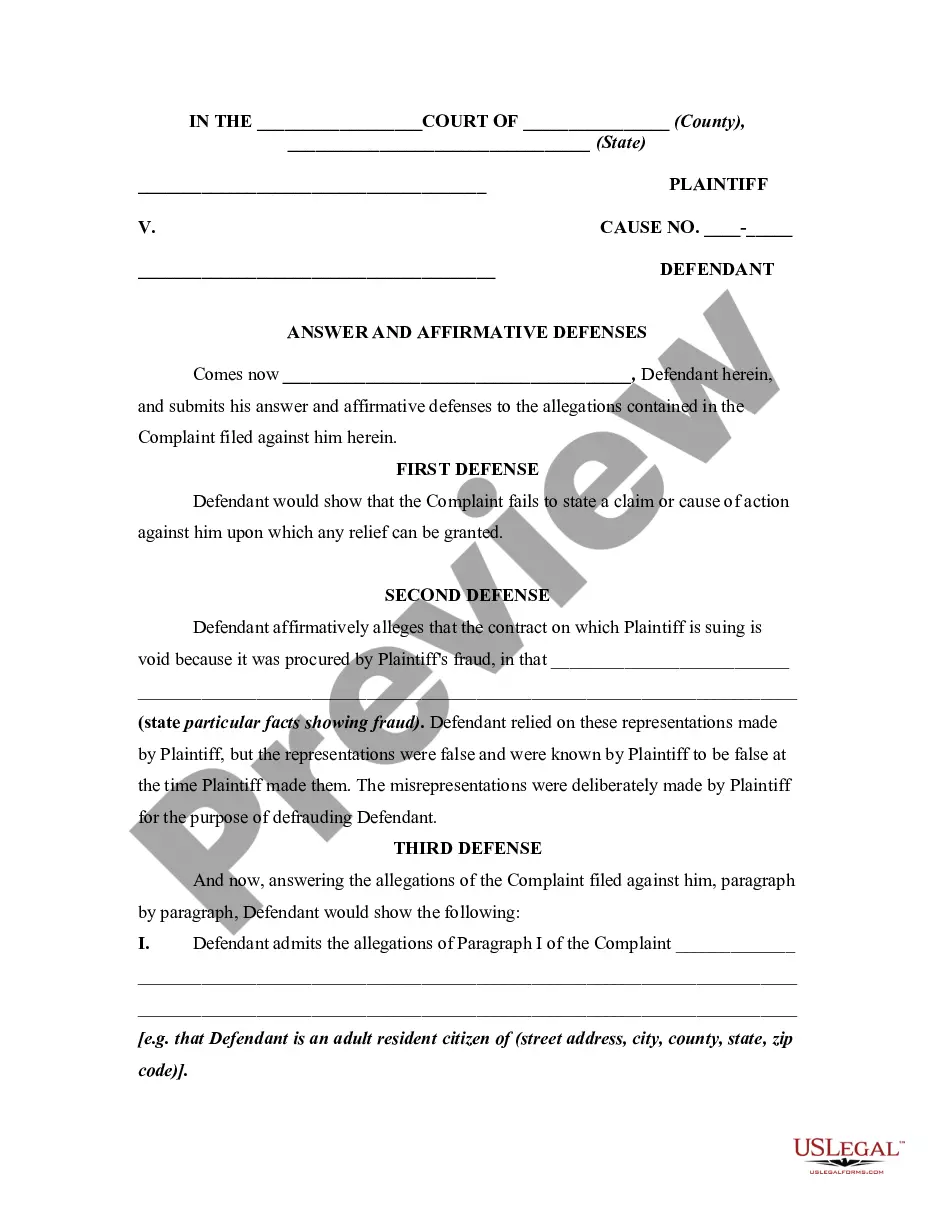
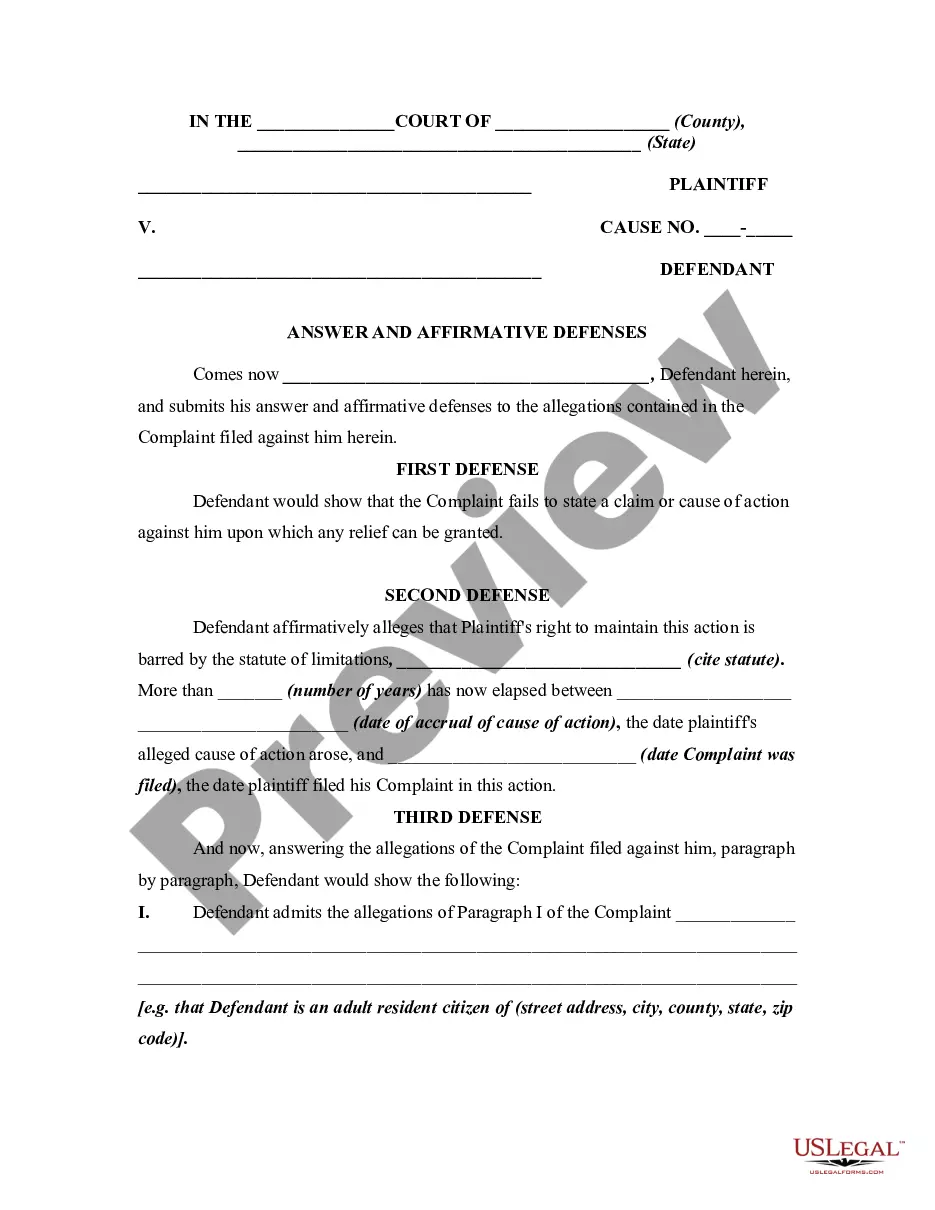
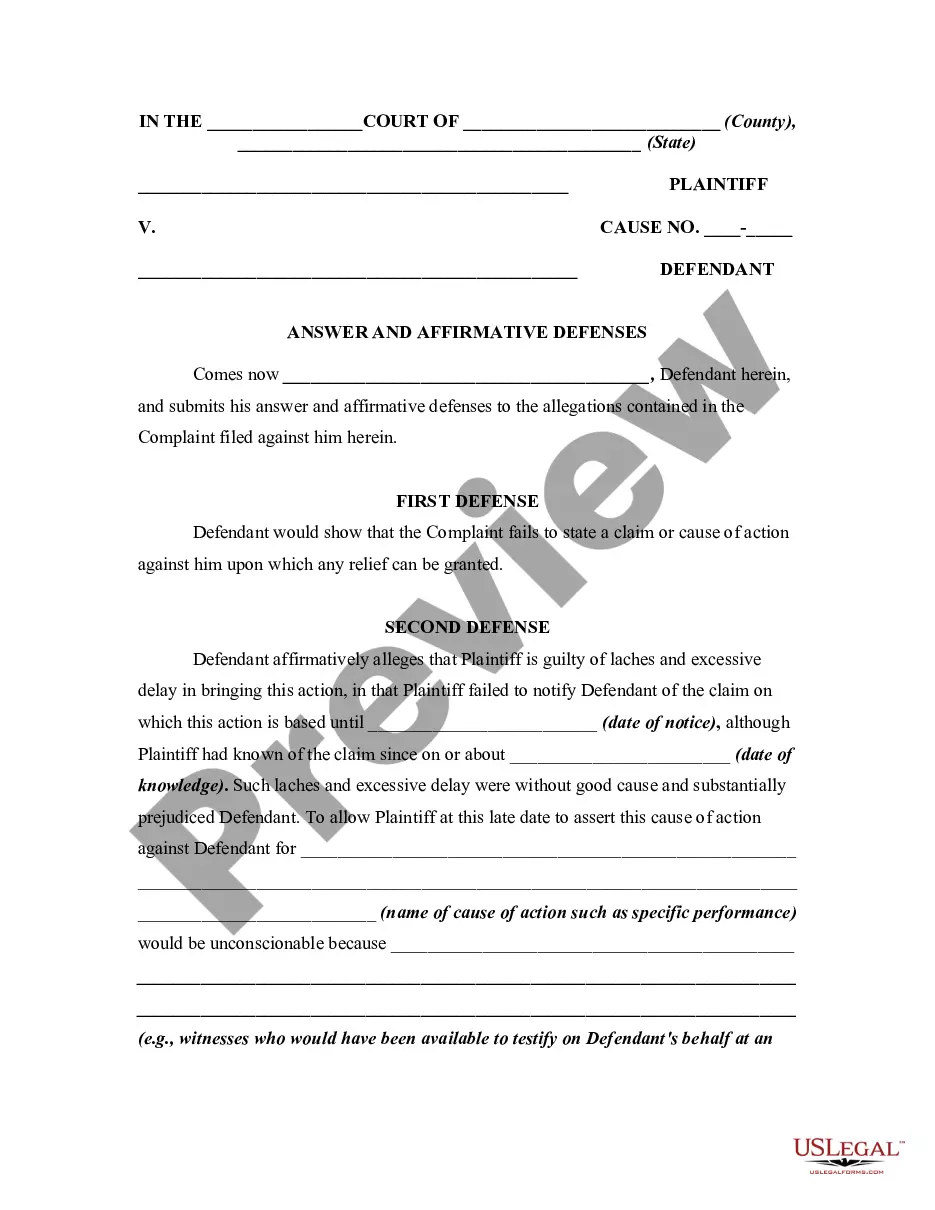
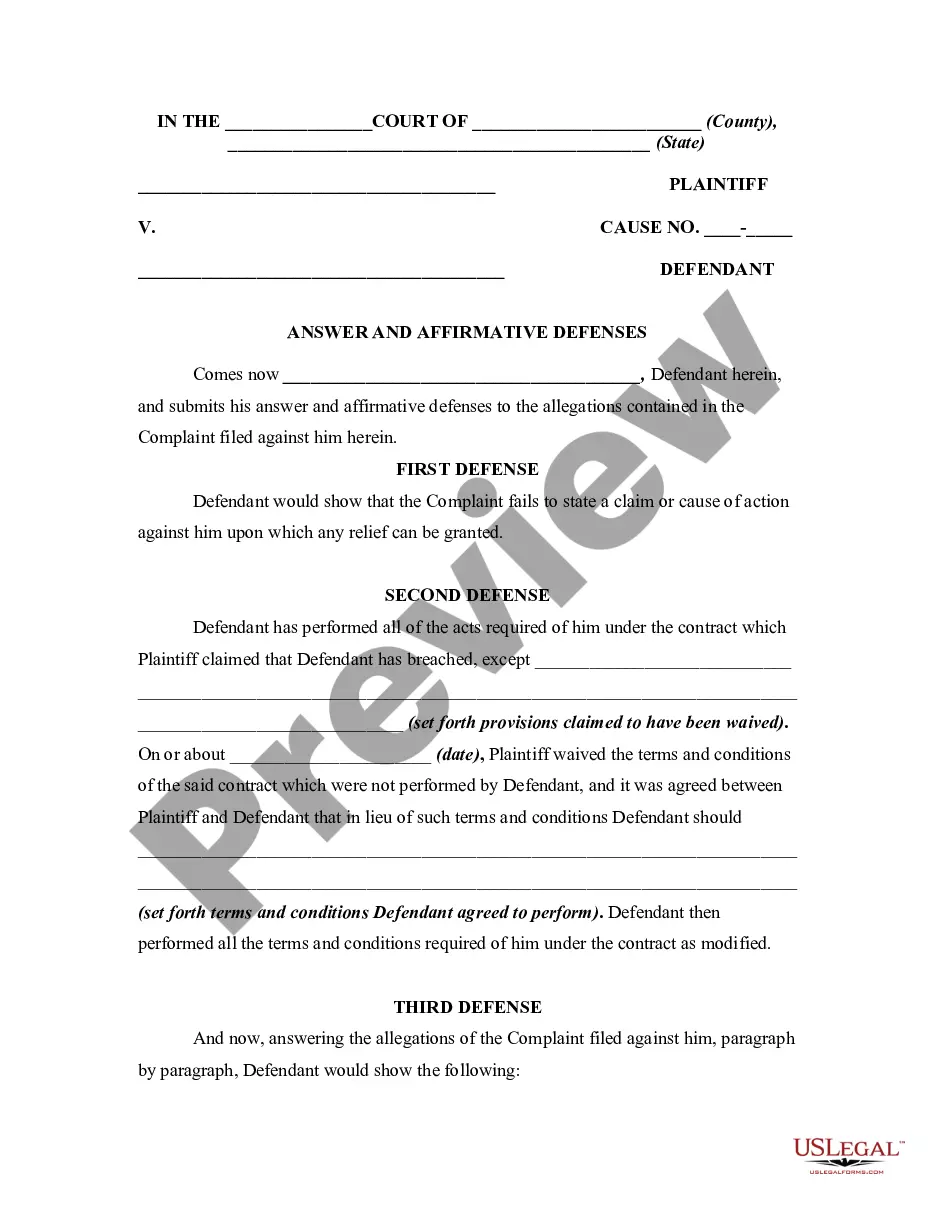
Get your form ready online
Our built-in tools help you complete, sign, share, and store your documents in one place.
Make edits, fill in missing information, and update formatting in US Legal Forms—just like you would in MS Word.
Download a copy, print it, send it by email, or mail it via USPS—whatever works best for your next step.
Sign and collect signatures with our SignNow integration. Send to multiple recipients, set reminders, and more. Go Premium to unlock E-Sign.
If this form requires notarization, complete it online through a secure video call—no need to meet a notary in person or wait for an appointment.
We protect your documents and personal data by following strict security and privacy standards.

Make edits, fill in missing information, and update formatting in US Legal Forms—just like you would in MS Word.

Download a copy, print it, send it by email, or mail it via USPS—whatever works best for your next step.

Sign and collect signatures with our SignNow integration. Send to multiple recipients, set reminders, and more. Go Premium to unlock E-Sign.

If this form requires notarization, complete it online through a secure video call—no need to meet a notary in person or wait for an appointment.

We protect your documents and personal data by following strict security and privacy standards.
Looking for another form?


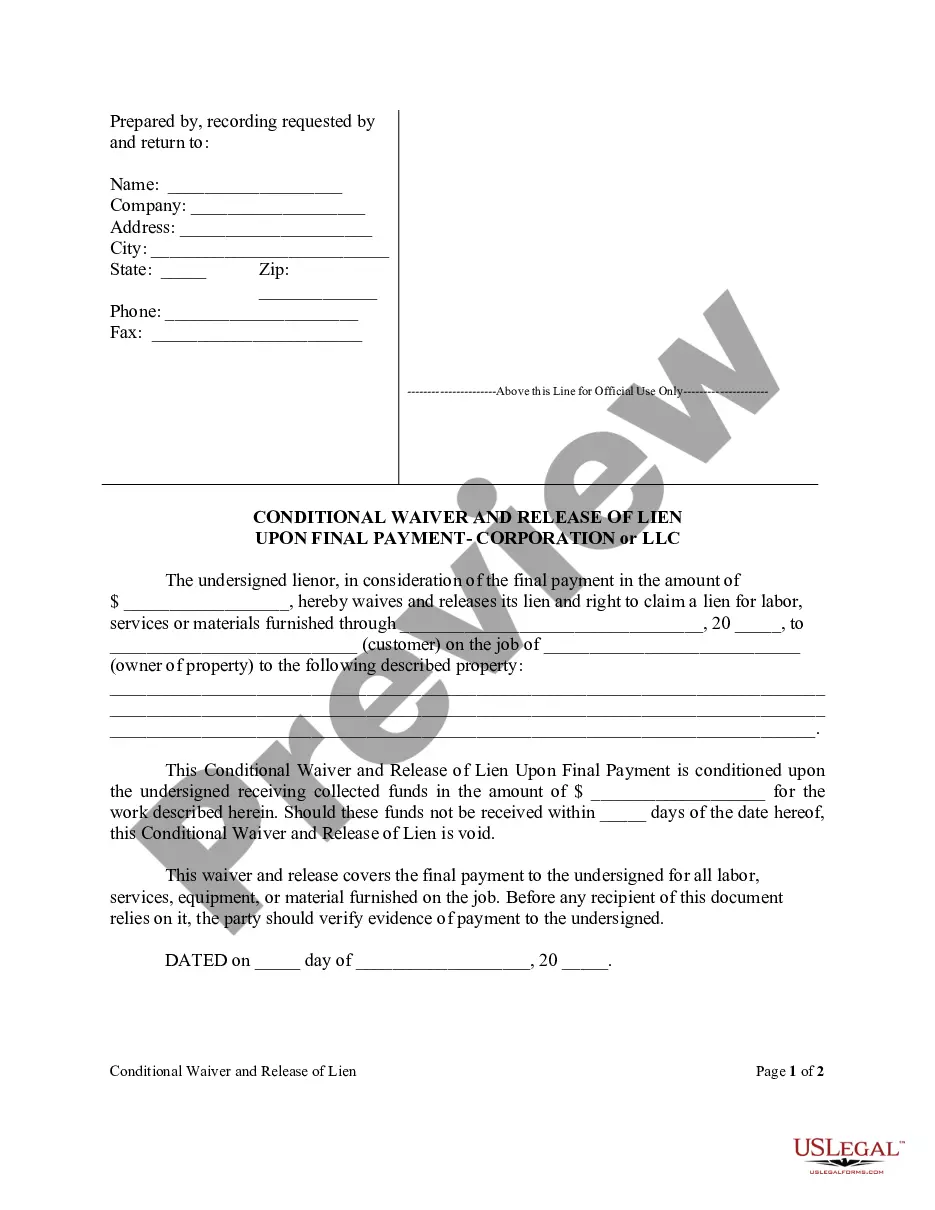





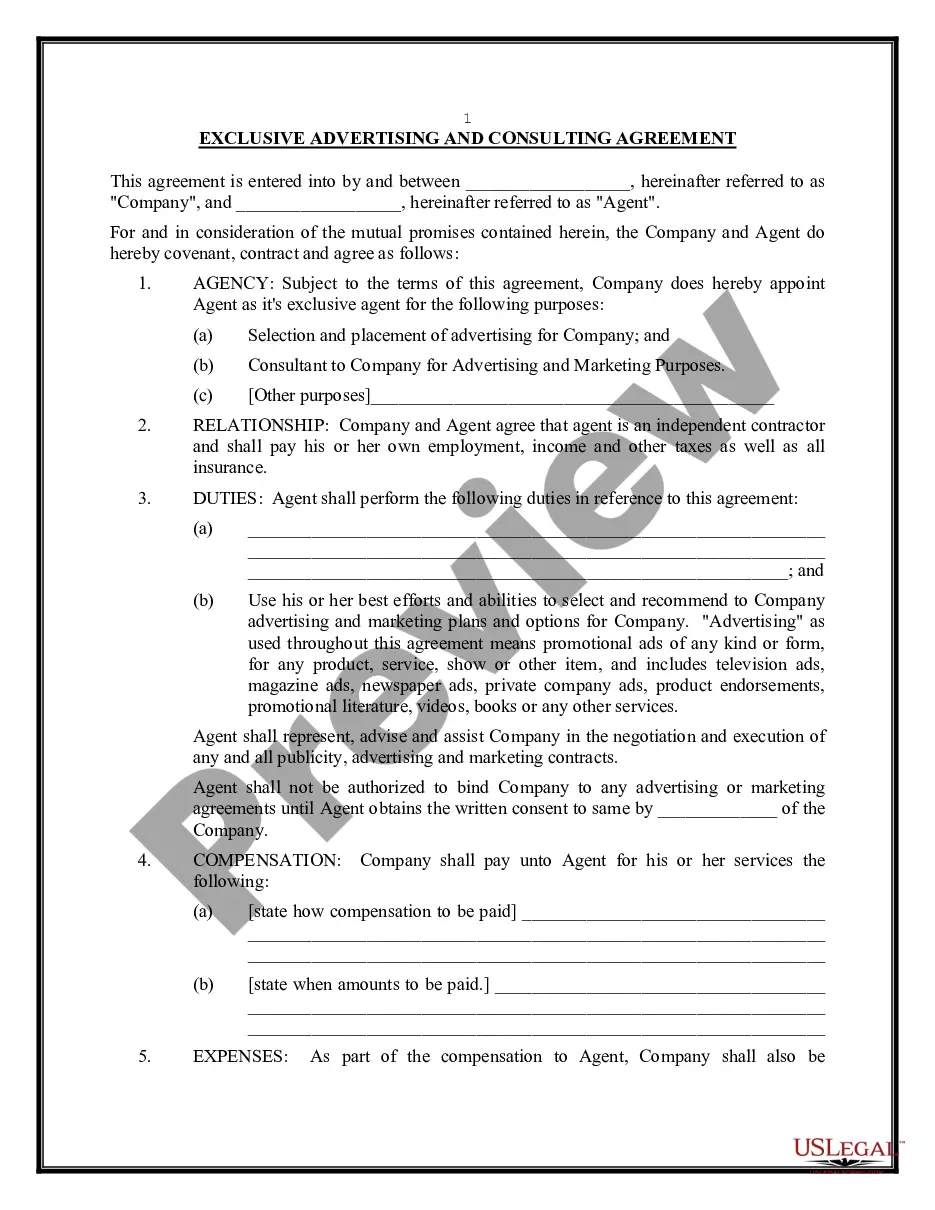
How to fill out Answer By Defendant In A Civil Lawsuit Alleging The Affirmative Defense Of The Cause Of Action Being Barred By The Appropriate Statute Of Frauds?
- If you are an existing user, log in to your account and select the appropriate form template. Ensure your subscription is active before downloading.
- For newcomers, start by checking the Preview mode of the requested form. Confirm that it meets your legal requirements.
- Should you need a different template, utilize the Search tab to identify alternatives that suit your particular case.
- Proceed to purchase the document by clicking the Buy Now button and selecting your preferred subscription plan. Create an account for full access to the library.
- Complete your purchase using either your credit card details or PayPal account.
- Finally, download the necessary form and save it on your device. You can easily access it again via the My Forms section of your profile.
By following these steps, you can ensure that you have the correct legal documents at your fingertips. US Legal Forms not only offers a robust selection of forms but also provides users with access to expert assistance to ensure accuracy in legal matters.
Don’t hesitate—visit US Legal Forms today and simplify your legal journey!
Form popularity
FAQ
Certain types of wills are harder to contest, such as a will made with proper legal formalities and signed in the presence of witnesses. Additionally, a will created under the guidance of an attorney may carry more weight. Understanding these distinctions can help you navigate any potential civil lawsuit by a will more effectively.
Filing a civil suit against a deceased person is generally not possible, as they cannot respond or defend themselves in court. However, you can file a claim against the deceased's estate during probate. This is an essential step if you believe a civil lawsuit by a will may affect your interests in the estate.
Yes, you can be sued over a will, especially if a party believes the will is unfair or invalid. This often leads to disputes among heirs and interested parties. Knowing the legal framework surrounding estate management can equip you to handle any civil lawsuit by a will effectively.
The executor of a will holds substantial power in the probate process. They are responsible for managing the estate, paying debts, and distributing assets. Understanding the role of the executor can prevent misunderstandings and disputes, especially in cases involving a civil lawsuit by a will.
The maximum amount you can sue for in civil court varies by state and the nature of the claim. However, small claims courts typically have lower limits, often ranging from $5,000 to $25,000. It’s essential to consult with legal professionals to determine the appropriate amounts for a civil lawsuit by a will.
Absolutely, individuals can sue you over a will if they contest its validity. This might occur in cases involving issues like lack of capacity or undue influence. Engaging with resources, such as UsLegalForms, can help you understand your rights and prepare for any potential civil lawsuit by a will.
Yes, someone can sue you for your inheritance under certain conditions. If they believe they have a rightful claim or if they think the will is invalid, a civil lawsuit by a will can be filed against you. It's crucial to be aware of the legal grounds on which they may pursue this, as it can affect the distribution of your inheritance.
Evidence in civil suits can range from documents, photographs, and witness testimony to expert opinions. This evidence serves to support your claims or defenses during the legal process. Collecting and organizing this information can significantly influence the outcome of your case. If you're pursuing a civil lawsuit by with a will, being well-prepared with your evidence can bolster your chances of success.
Filing a lawsuit without an attorney involves several straightforward steps. First, you need to gather all relevant information and documents related to your claim. Next, you must complete the necessary court forms and file them with the appropriate court. For those considering a civil lawsuit by with a will, resources from platforms like uslegalforms can provide helpful templates and guidance throughout the process.
A civil action refers to a legal process initiated to resolve disputes between parties, often through compensation or specific performance. A common example is a landlord taking a tenant to court over unpaid rent. Such actions can vary widely, including family law disputes or commercial issues. Individuals can find guidance on filing these civil actions, especially in matters like a civil lawsuit by with a will.