Civil Affirmative Defenses
Description
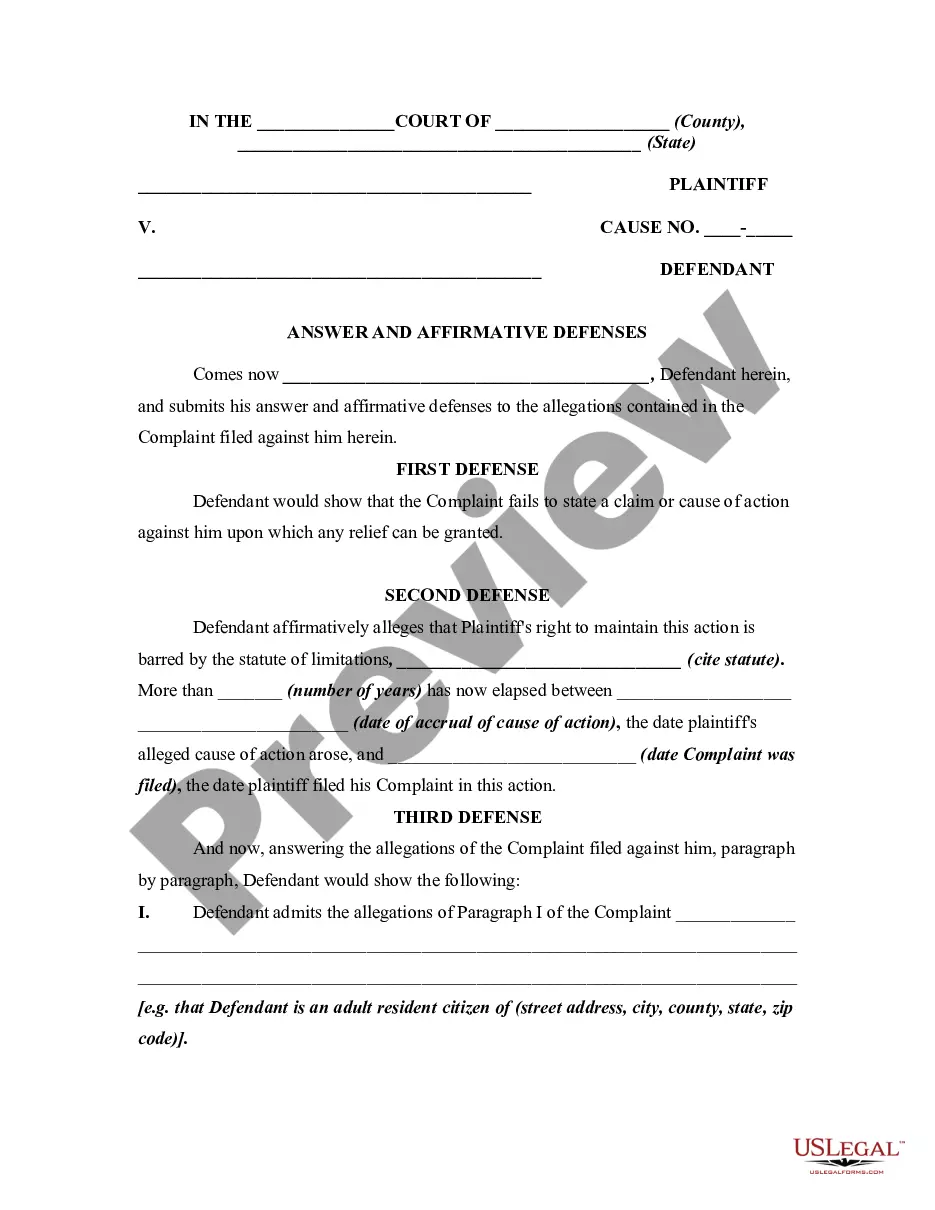
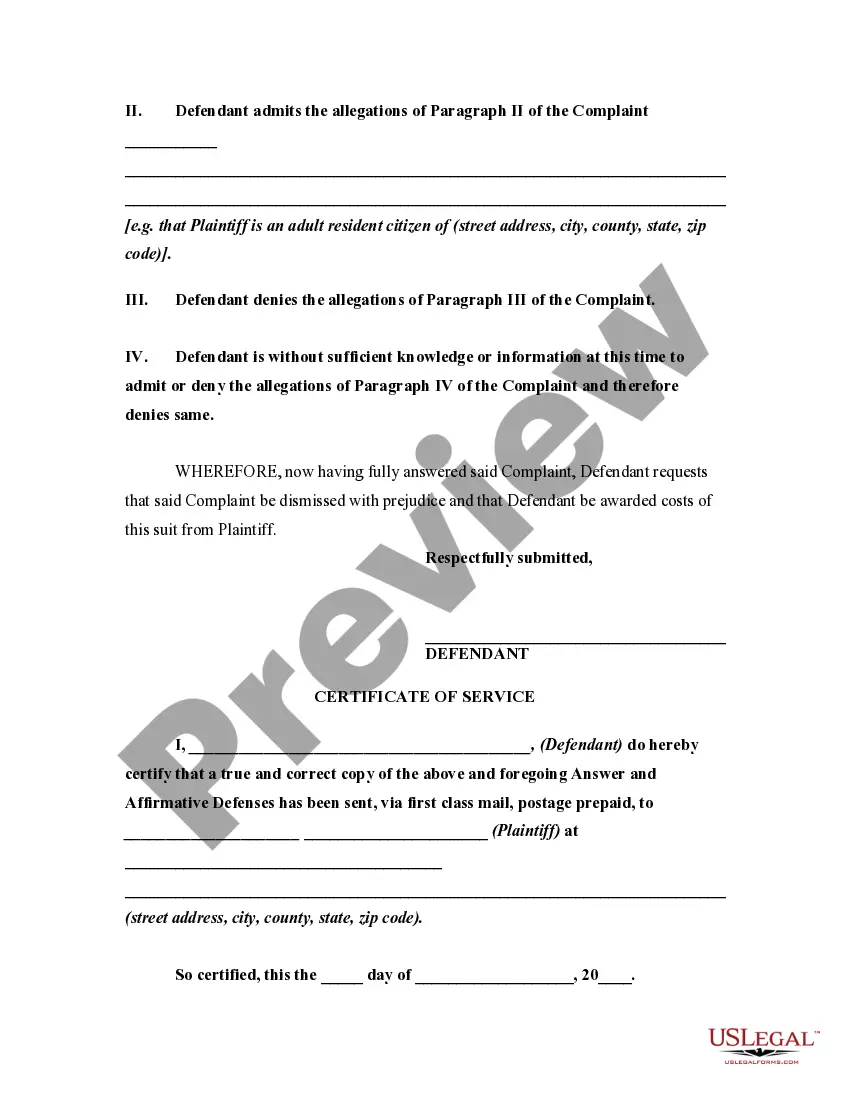

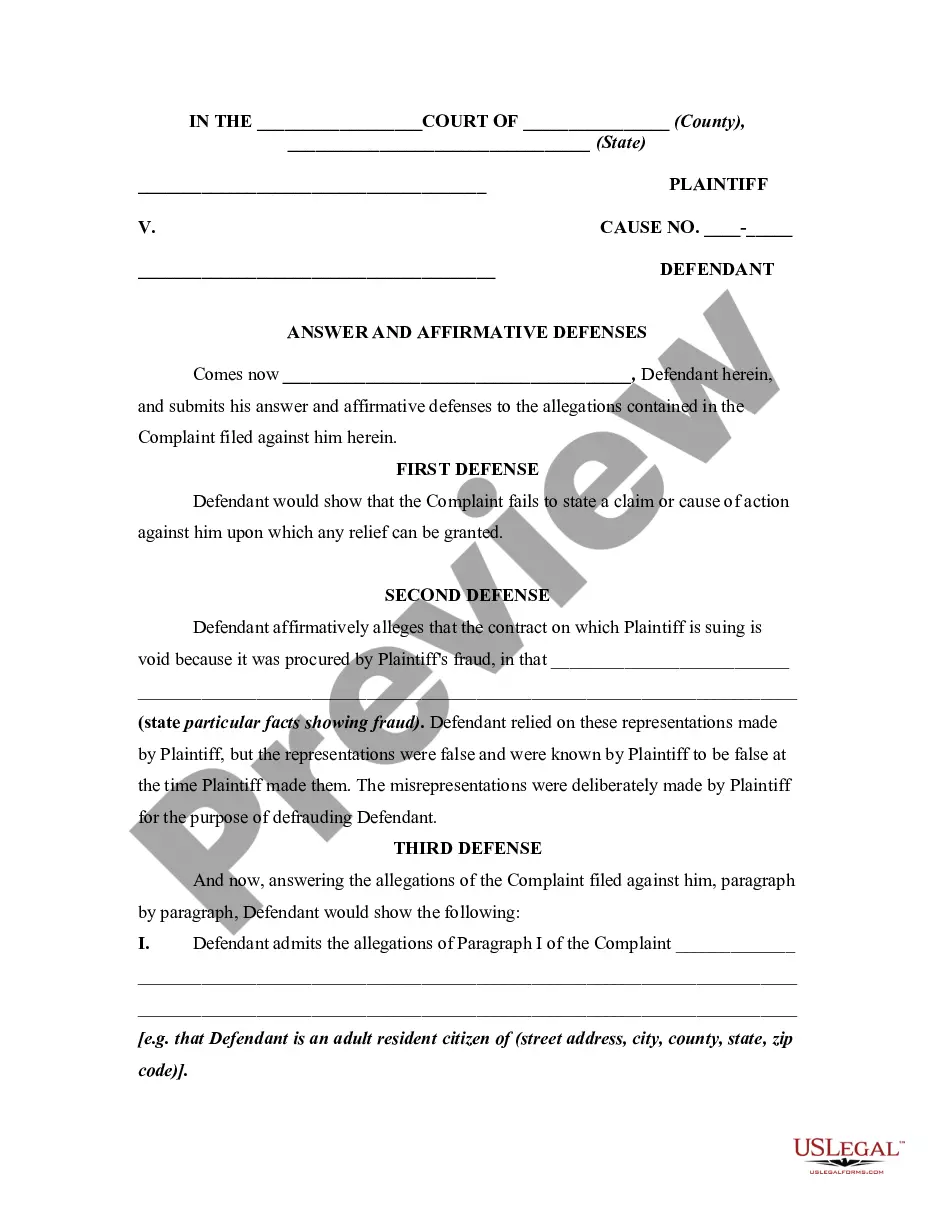
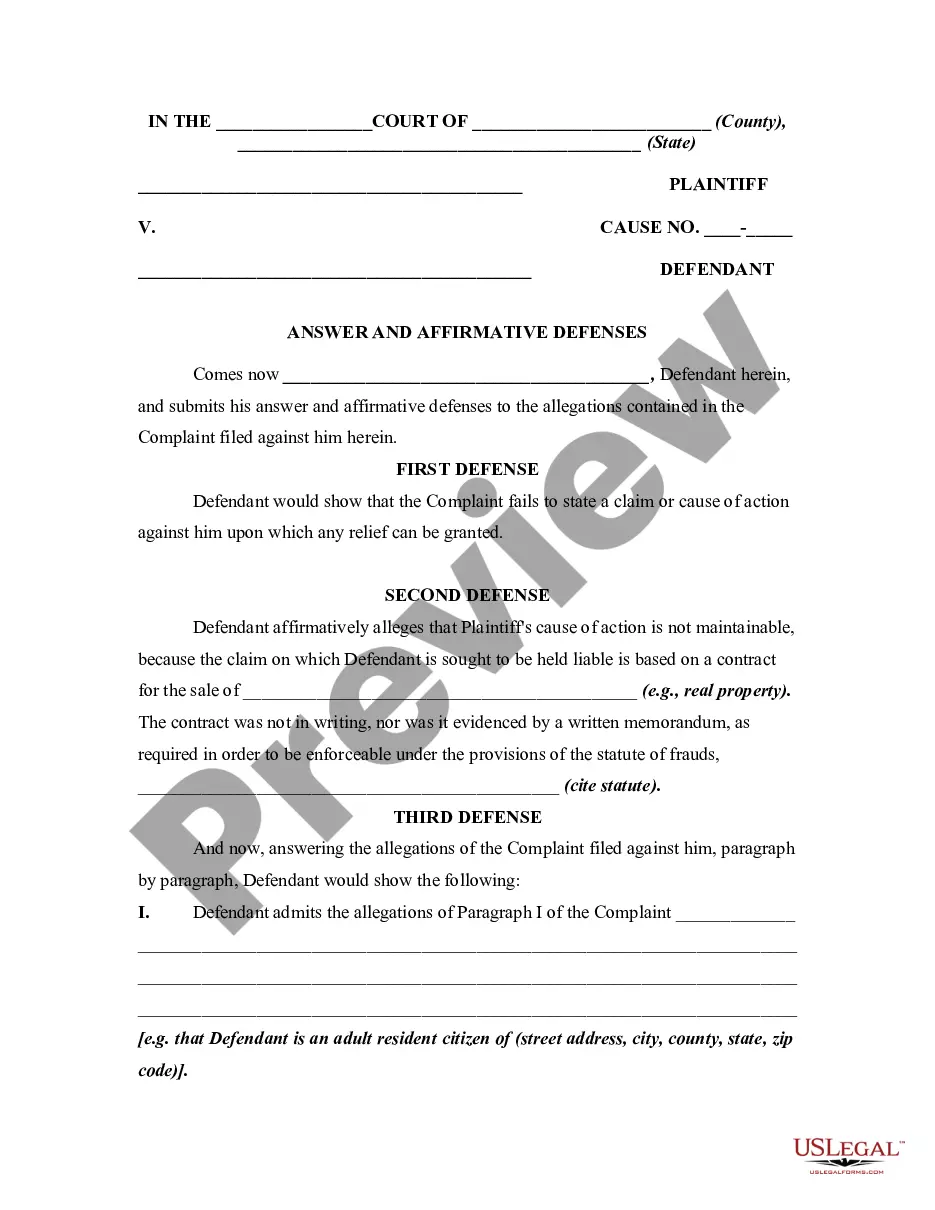
Get your form ready online
Our built-in tools help you complete, sign, share, and store your documents in one place.
Make edits, fill in missing information, and update formatting in US Legal Forms—just like you would in MS Word.
Download a copy, print it, send it by email, or mail it via USPS—whatever works best for your next step.
Sign and collect signatures with our SignNow integration. Send to multiple recipients, set reminders, and more. Go Premium to unlock E-Sign.
If this form requires notarization, complete it online through a secure video call—no need to meet a notary in person or wait for an appointment.
We protect your documents and personal data by following strict security and privacy standards.

Make edits, fill in missing information, and update formatting in US Legal Forms—just like you would in MS Word.

Download a copy, print it, send it by email, or mail it via USPS—whatever works best for your next step.

Sign and collect signatures with our SignNow integration. Send to multiple recipients, set reminders, and more. Go Premium to unlock E-Sign.

If this form requires notarization, complete it online through a secure video call—no need to meet a notary in person or wait for an appointment.

We protect your documents and personal data by following strict security and privacy standards.
Looking for another form?








How to fill out Answer By Defendant In A Civil Lawsuit Alleging The Affirmative Defense Of The Cause Of Action Being Barred By The Appropriate Statute Of Limitations?
Utilizing legal templates that comply with federal and regional regulations is essential, and the internet provides numerous choices to select from.
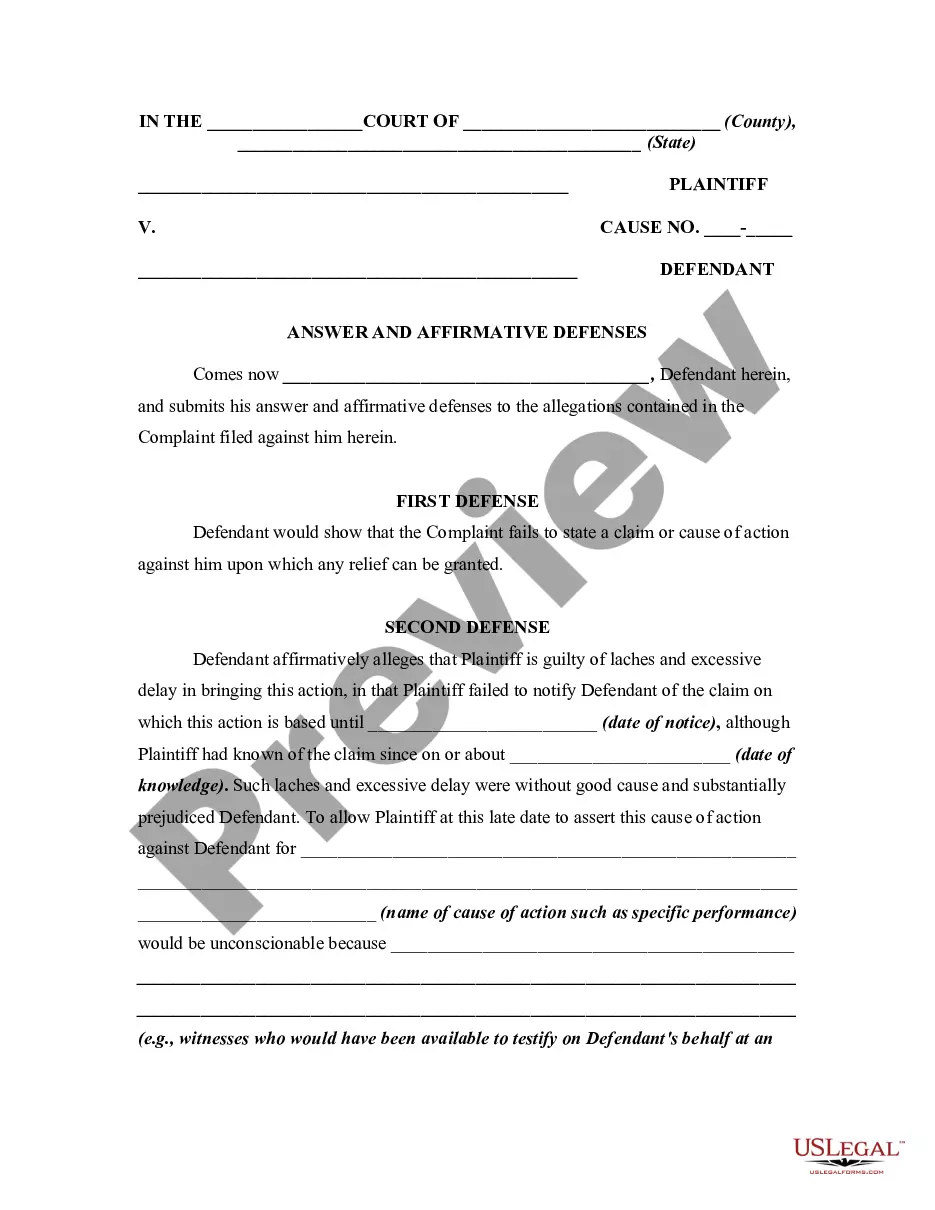
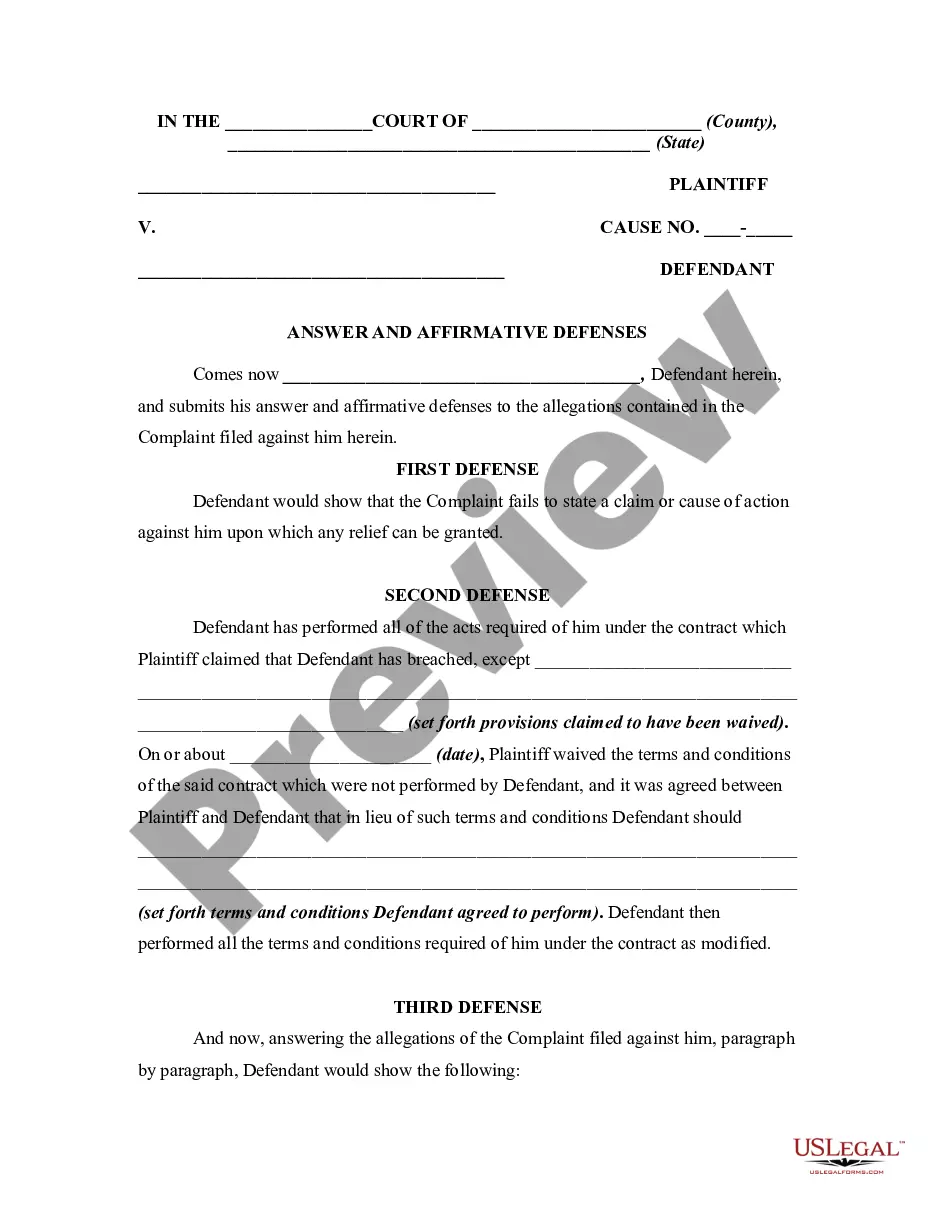
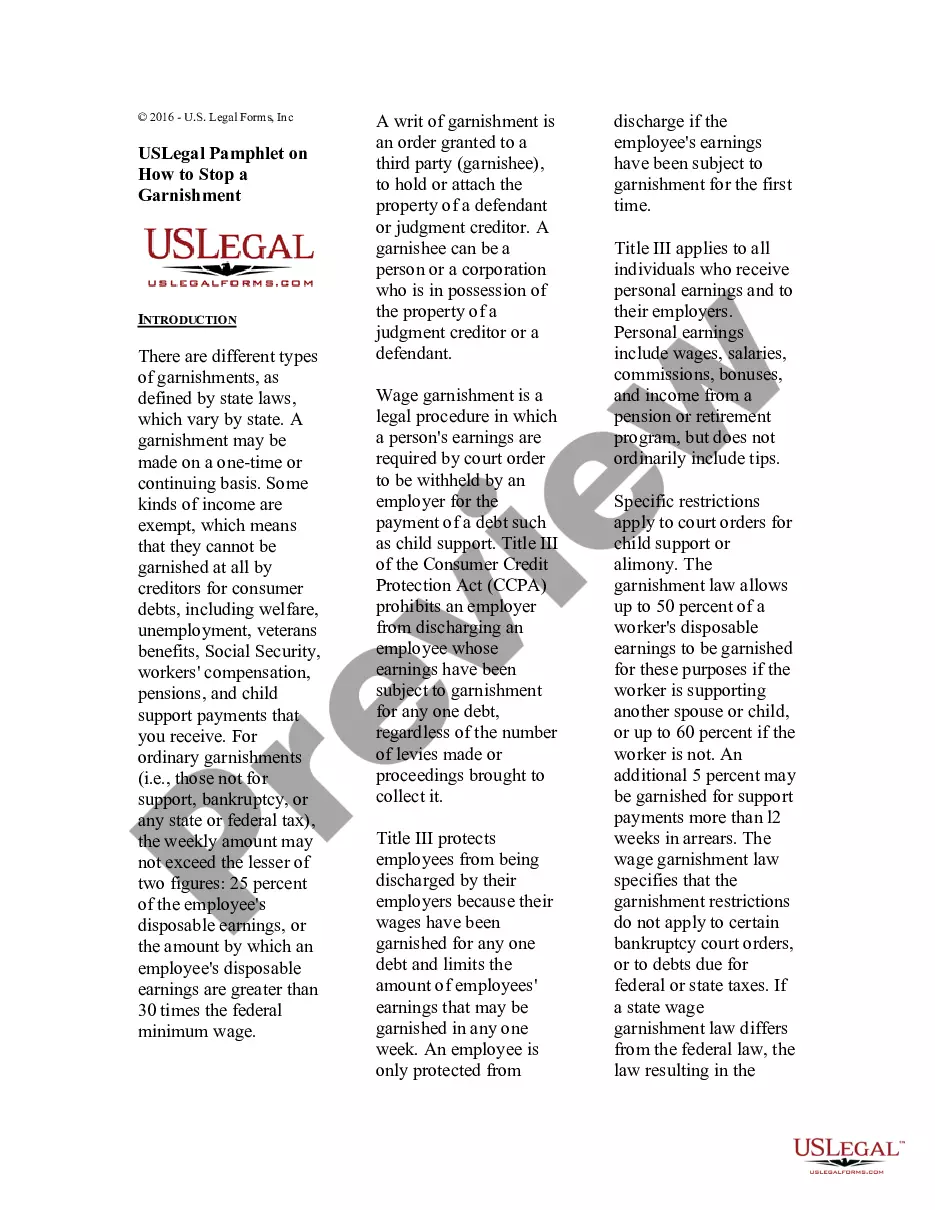
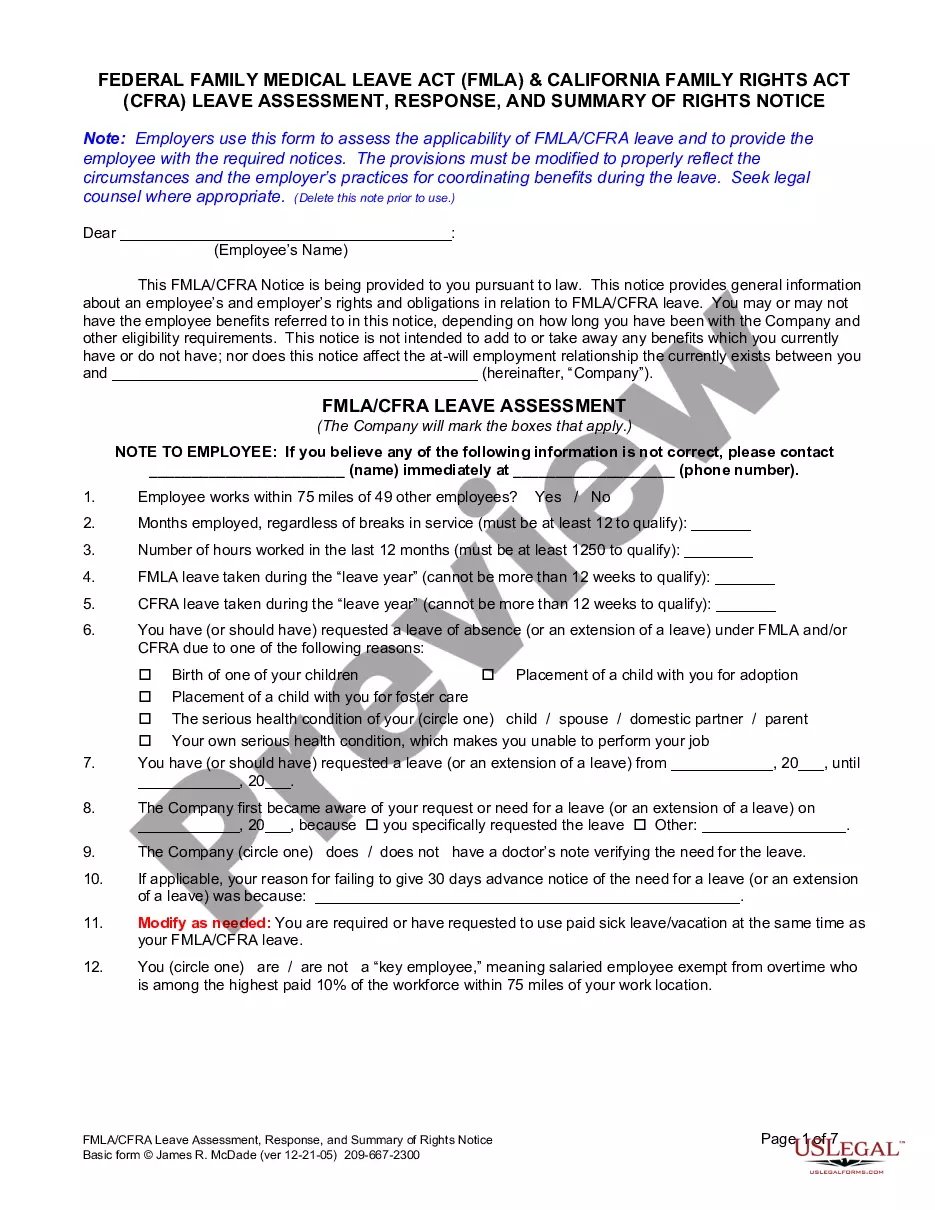
However, why squander time hunting for the appropriate Civil Affirmative Defenses example online when the US Legal Forms digital library has compiled such templates in one convenient location.
US Legal Forms is the largest online legal repository with over 85,000 editable templates created by lawyers for various professional and personal circumstances.
Make the most of the most comprehensive and user-friendly legal document service!
- They are easy to navigate with all documents categorically organized by state and intended use.
- Our specialists stay informed about legislative updates, ensuring that you can always trust that your form is current and compliant when obtaining a Civil Affirmative Defenses from our site.
- Acquiring a Civil Affirmative Defenses is simple and swift for both existing and new users.
- If you already possess an account with an active subscription, Log In and retrieve the document sample you require in the desired format.
- If you are a newcomer to our site, follow these steps.
Form popularity
FAQ
An affirmative defense is a defense which will counteract one element of a criminal or civil charge, but not the charge itself, while the standard defense or a negating defense will deign the evidence in support of the charge.
In criminal law, an affirmative defense is sometimes called a justification or excuse defense.
With the exception of alibi, most affirmative defenses are based on either justification or excuse. Typically, justification and excuse defenses admit that the defendant committed the criminal act with the requisite intent, but insist that the conduct should not be criminal.
When arguing an affirmative defense, a defendant must meet the ?preponderance of the evidence? burden of proof ? a much lower standard. Subsequently, the burden of proof shifts back to the prosecution who must disprove the affirmative defense raised beyond a reasonable doubt.
Affirmative defense?Examples On [Date], after making the contract and the alleged breach, and before this action was commenced, defendant paid to the plaintiff the sum of [specify amount], which was accepted by the plaintiff in full satisfaction and discharge of the damages claimed in the petition.