Civ Pro Affirmative Defenses
Description
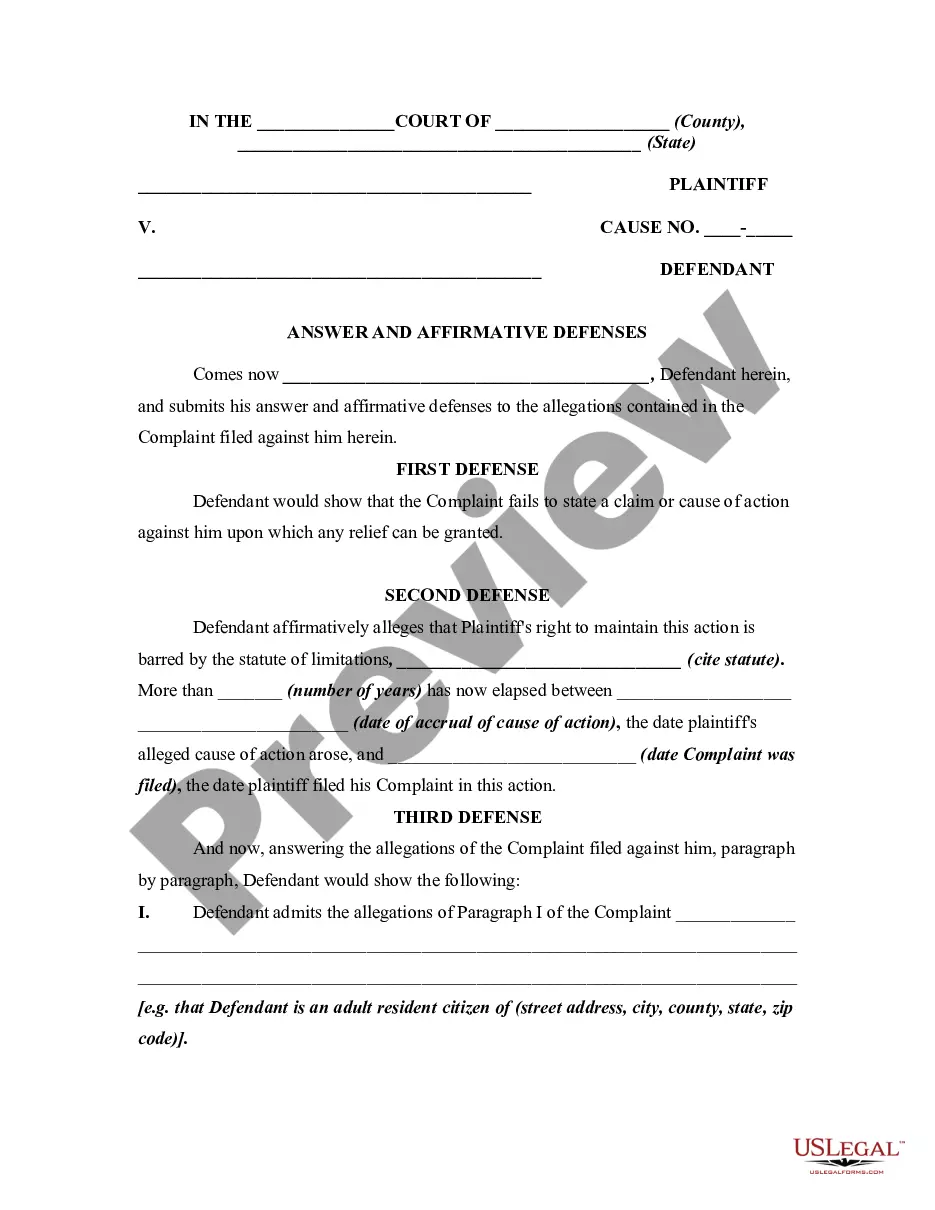
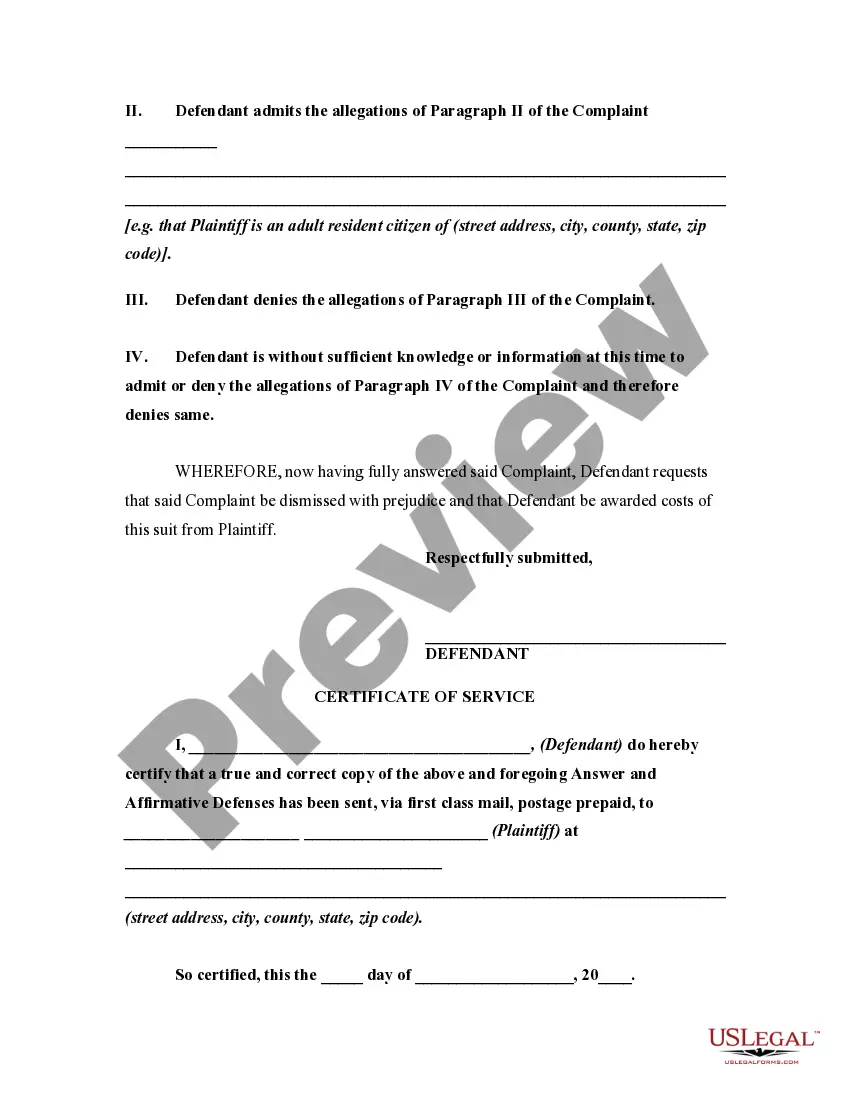

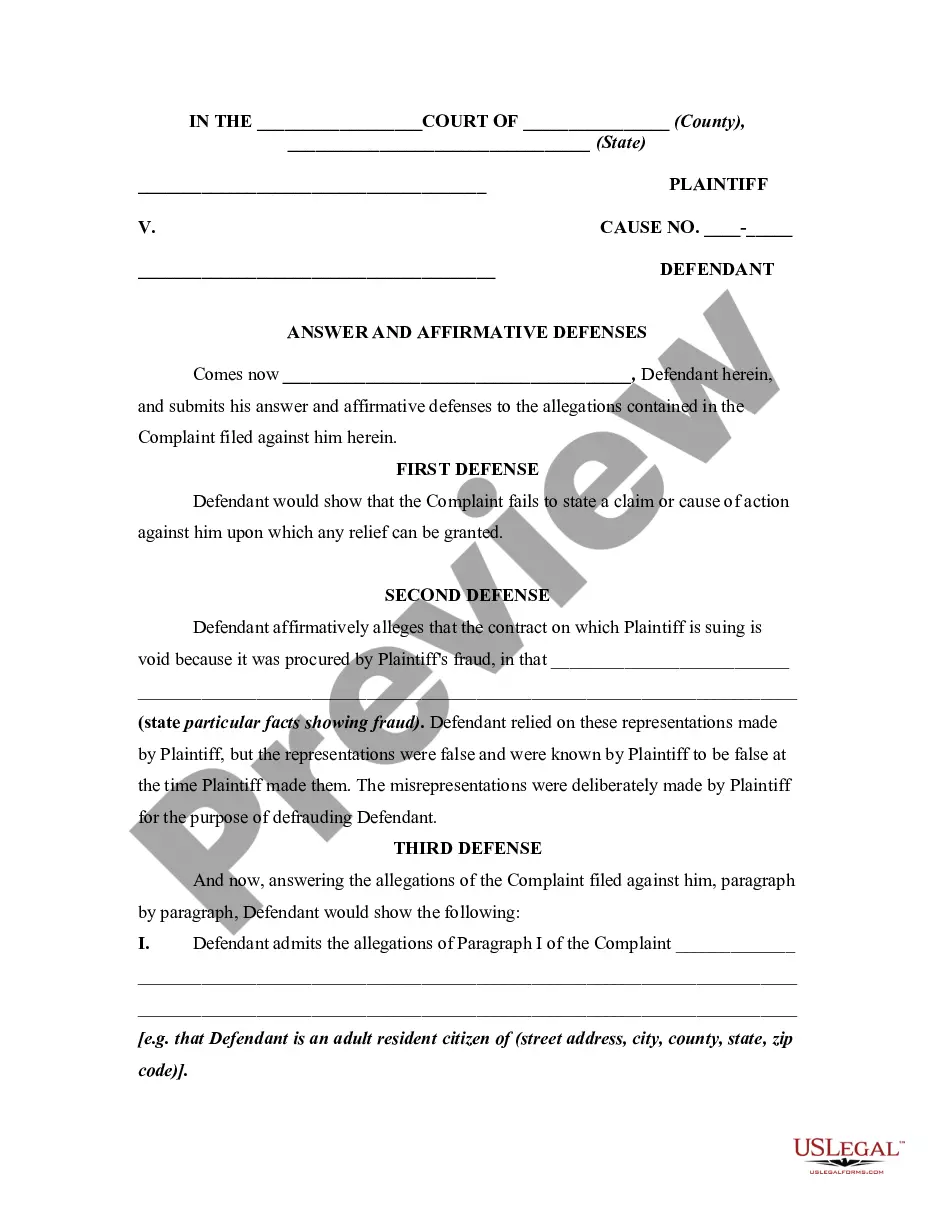
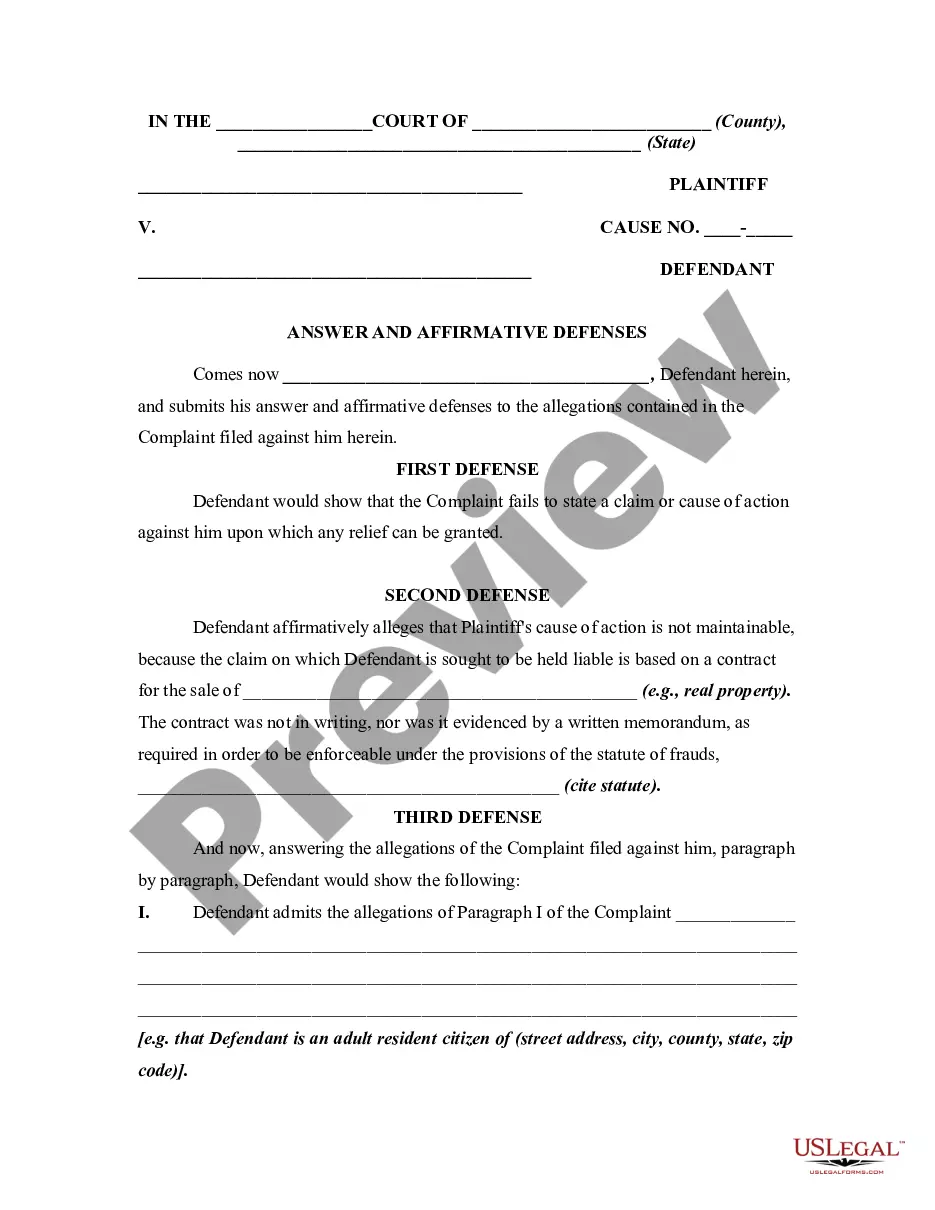
Get your form ready online
Our built-in tools help you complete, sign, share, and store your documents in one place.
Make edits, fill in missing information, and update formatting in US Legal Forms—just like you would in MS Word.
Download a copy, print it, send it by email, or mail it via USPS—whatever works best for your next step.
Sign and collect signatures with our SignNow integration. Send to multiple recipients, set reminders, and more. Go Premium to unlock E-Sign.
If this form requires notarization, complete it online through a secure video call—no need to meet a notary in person or wait for an appointment.
We protect your documents and personal data by following strict security and privacy standards.

Make edits, fill in missing information, and update formatting in US Legal Forms—just like you would in MS Word.

Download a copy, print it, send it by email, or mail it via USPS—whatever works best for your next step.

Sign and collect signatures with our SignNow integration. Send to multiple recipients, set reminders, and more. Go Premium to unlock E-Sign.

If this form requires notarization, complete it online through a secure video call—no need to meet a notary in person or wait for an appointment.

We protect your documents and personal data by following strict security and privacy standards.
Looking for another form?






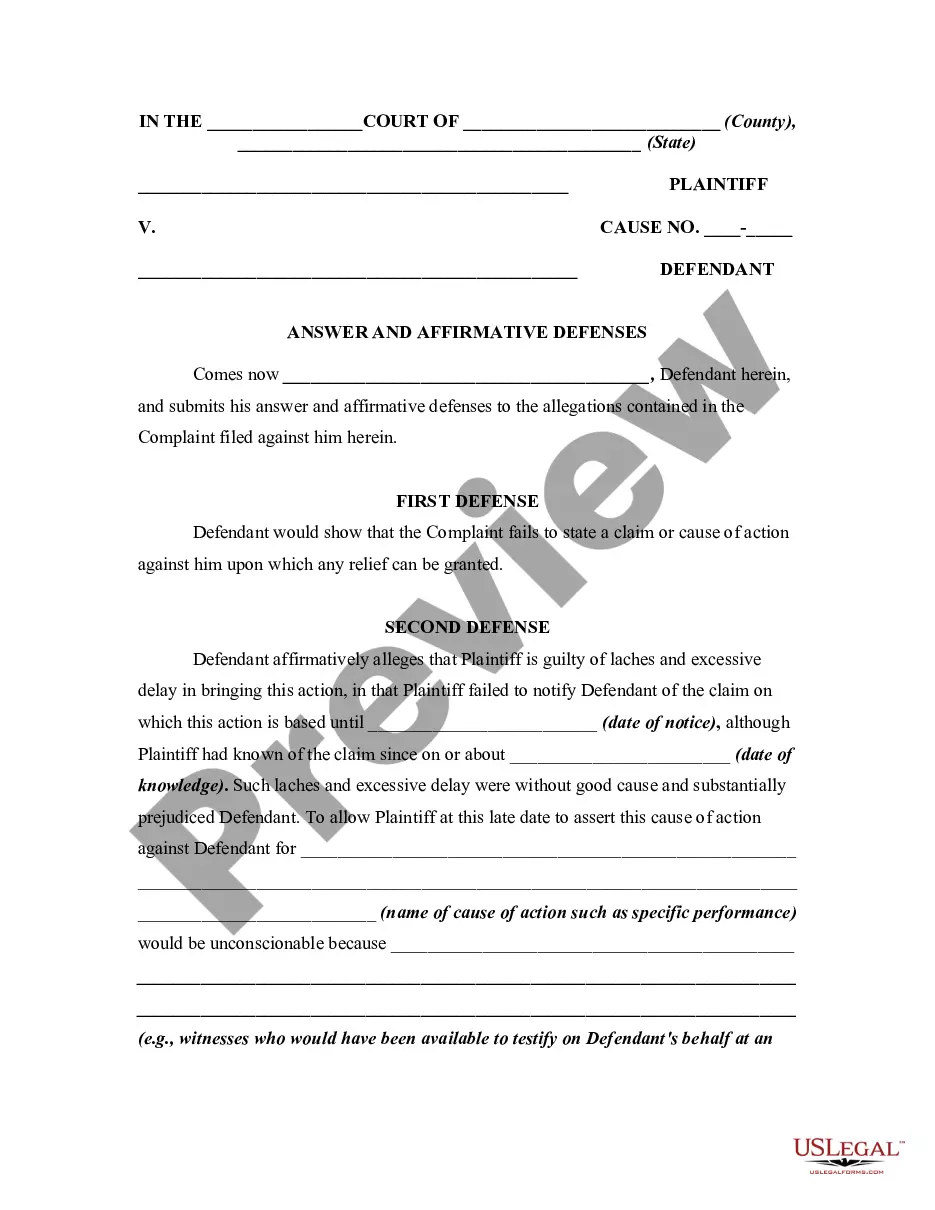
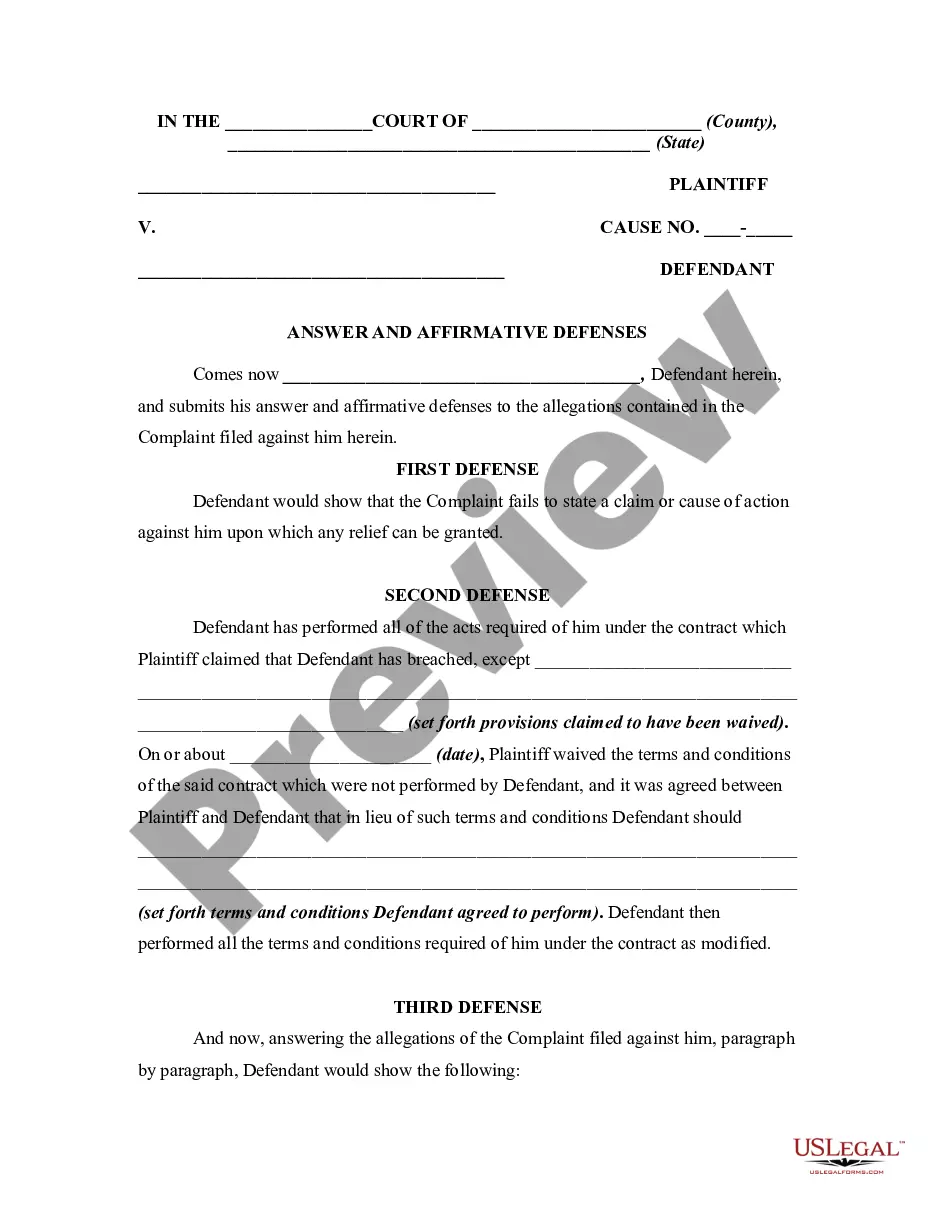
How to fill out Answer By Defendant In A Civil Lawsuit Alleging The Affirmative Defense Of The Cause Of Action Being Barred By The Appropriate Statute Of Limitations?
It’s well known that you cannot instantly become a law authority, nor can you swiftly learn to adequately prepare Civ Pro Affirmative Defenses without possessing a specialized education.
Drafting legal documents is a time-consuming endeavor that necessitates particular training and expertise.
So why not entrust the development of the Civ Pro Affirmative Defenses to the specialists.
Choose Buy now. After the payment is completed, you can download the Civ Pro Affirmative Defenses, complete it, print it, and send or deliver it to the appropriate individuals or entities.
You can access your documents again from the My documents tab anytime. If you are a current customer, just Log In, and find and download the template from that same section. Regardless of the intent behind your documentation—whether it’s for financial, legal, or personal reasons—our website has solutions for you. Experience US Legal Forms today!
- Begin by visiting our website to obtain the document you require in just a few moments.
- Use the search bar at the top of the page to discover the form you need.
- If available, preview it and review the accompanying description to determine whether Civ Pro Affirmative Defenses is the form you are looking for.
- If you seek a different form, restart your search.
- Sign up for a free account and select a subscription plan to purchase the form.
Form popularity
FAQ
Self-defense, entrapment, insanity, necessity, and respondeat superior are some examples of affirmative defenses. Under the Federal Rules of Civil Procedure Rule 56, any party may make a motion for summary judgment on an affirmative defense.
If you want the judge to consider your legal defenses, you must include them in the form you file to respond to the lawsuit (your Answer). Include any possible defense you want the judge to consider in your Answer. You can focus on one, once you've collected more evidence while preparing for your trial.
Affirmative defense?Examples On [Date], after making the contract and the alleged breach, and before this action was commenced, defendant paid to the plaintiff the sum of [specify amount], which was accepted by the plaintiff in full satisfaction and discharge of the damages claimed in the petition.
In particular, when answering a complaint, you must raise all possible affirmative defenses based upon known facts that you can raise at that time. If you fail to do so, the other side can oppose a tardy raising of the affirmative defense on the grounds that you waived it.
A common example is a breach of contract action, where a prospective plaintiff was damaged by another party's failure to fulfill its contractual obligation(s). In such a circumstance, a prospective plaintiff has six years from the breach of contract to timely bring his or her action.