Afirmative Defense
Description

Get your form ready online
Our built-in tools help you complete, sign, share, and store your documents in one place.
Make edits, fill in missing information, and update formatting in US Legal Forms—just like you would in MS Word.
Download a copy, print it, send it by email, or mail it via USPS—whatever works best for your next step.
Sign and collect signatures with our SignNow integration. Send to multiple recipients, set reminders, and more. Go Premium to unlock E-Sign.
If this form requires notarization, complete it online through a secure video call—no need to meet a notary in person or wait for an appointment.
We protect your documents and personal data by following strict security and privacy standards.

Make edits, fill in missing information, and update formatting in US Legal Forms—just like you would in MS Word.

Download a copy, print it, send it by email, or mail it via USPS—whatever works best for your next step.

Sign and collect signatures with our SignNow integration. Send to multiple recipients, set reminders, and more. Go Premium to unlock E-Sign.

If this form requires notarization, complete it online through a secure video call—no need to meet a notary in person or wait for an appointment.

We protect your documents and personal data by following strict security and privacy standards.
Looking for another form?


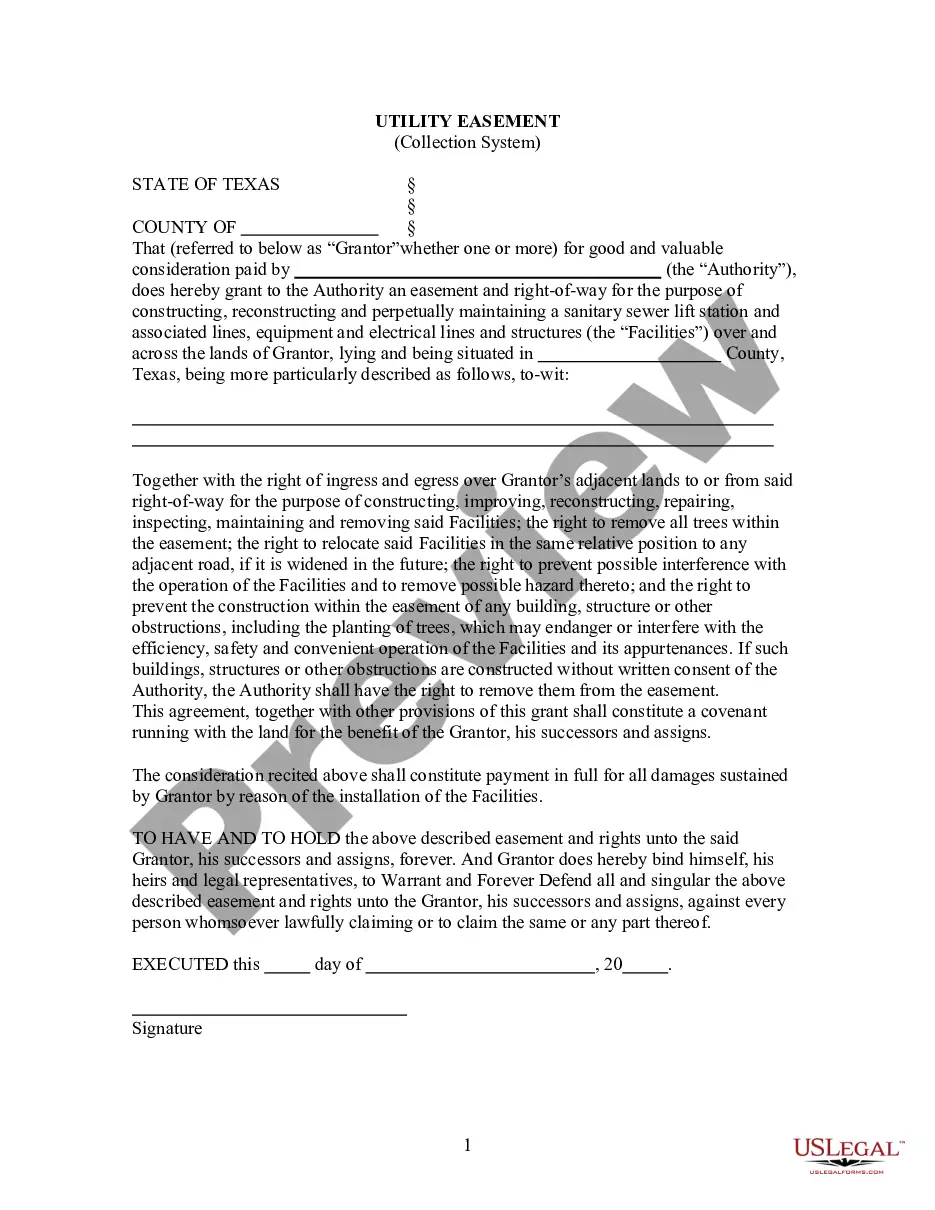
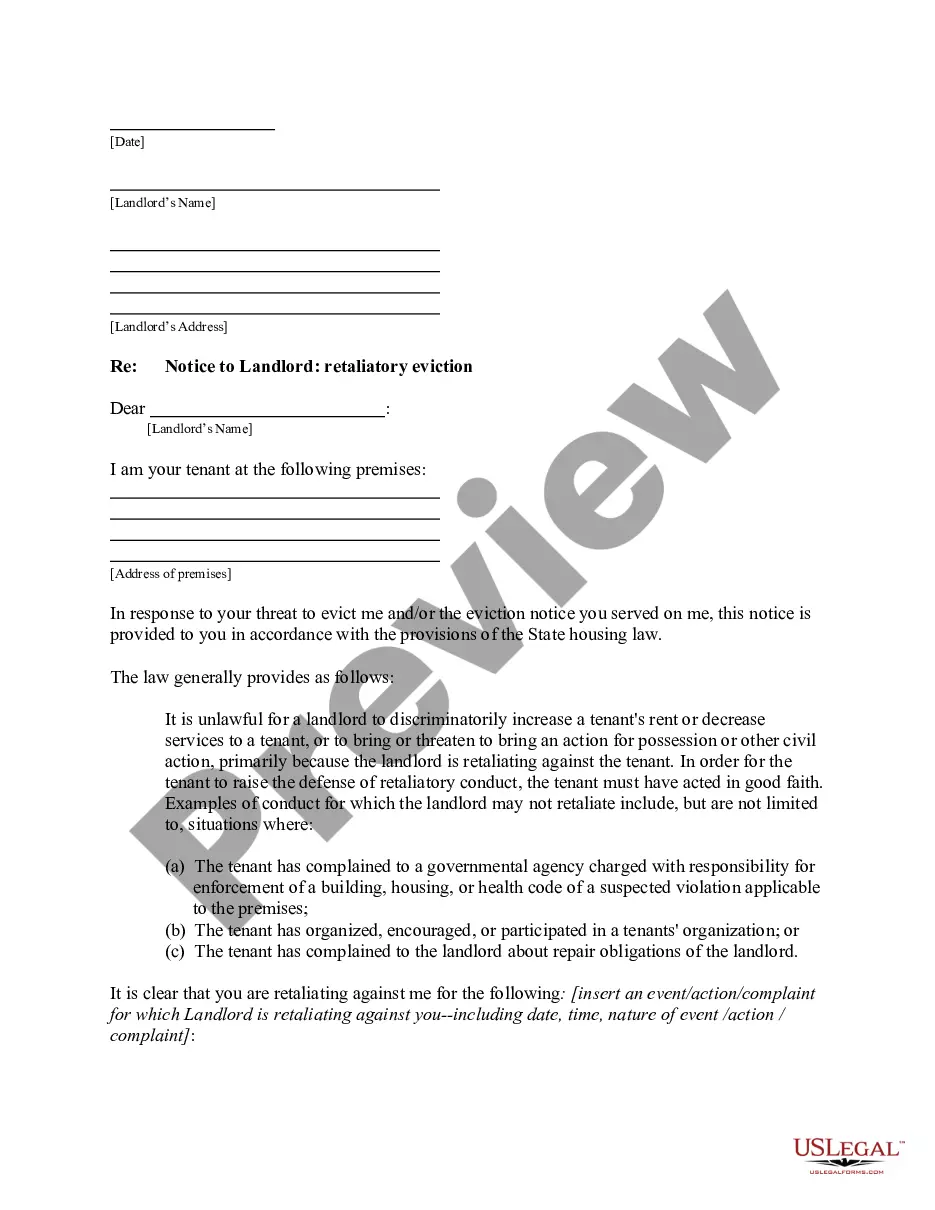

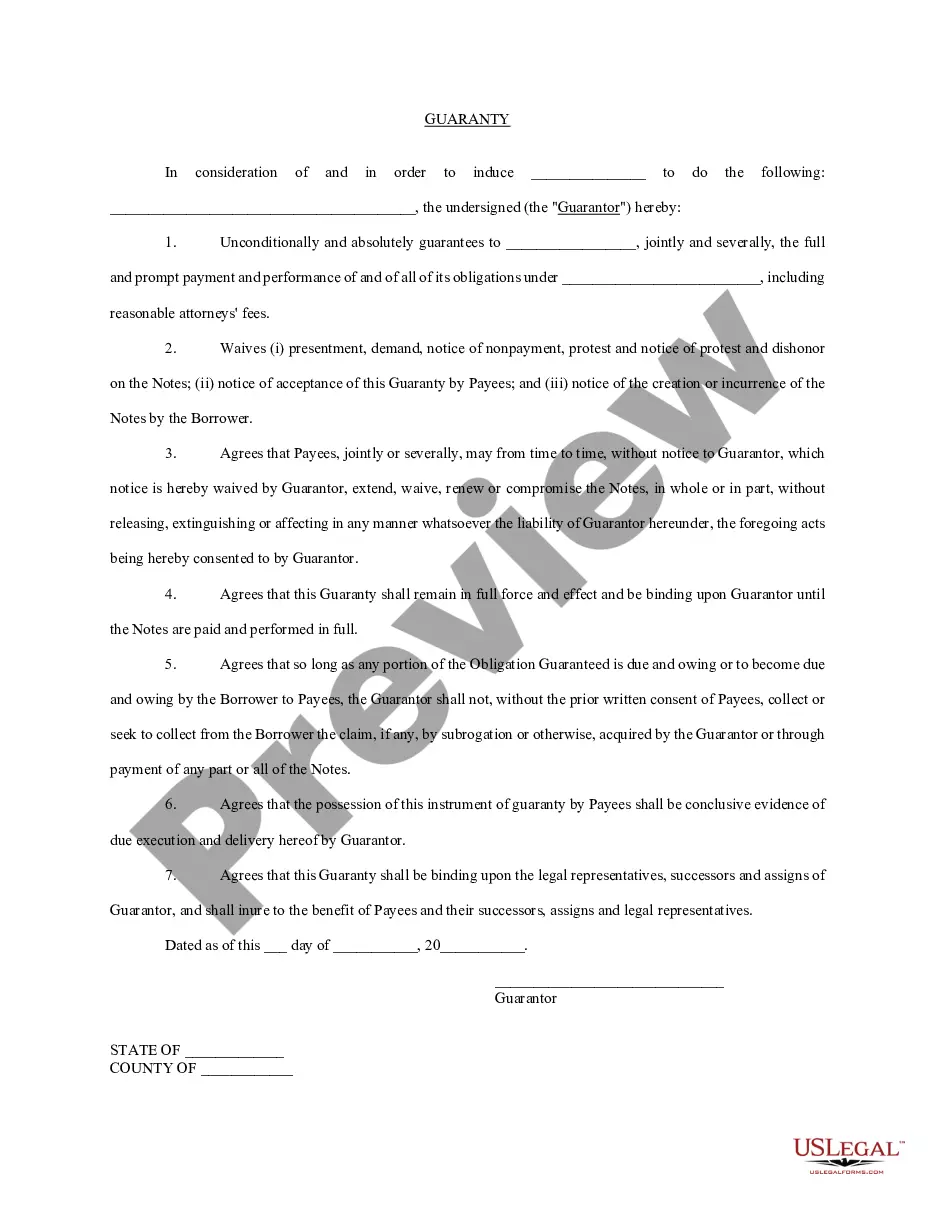
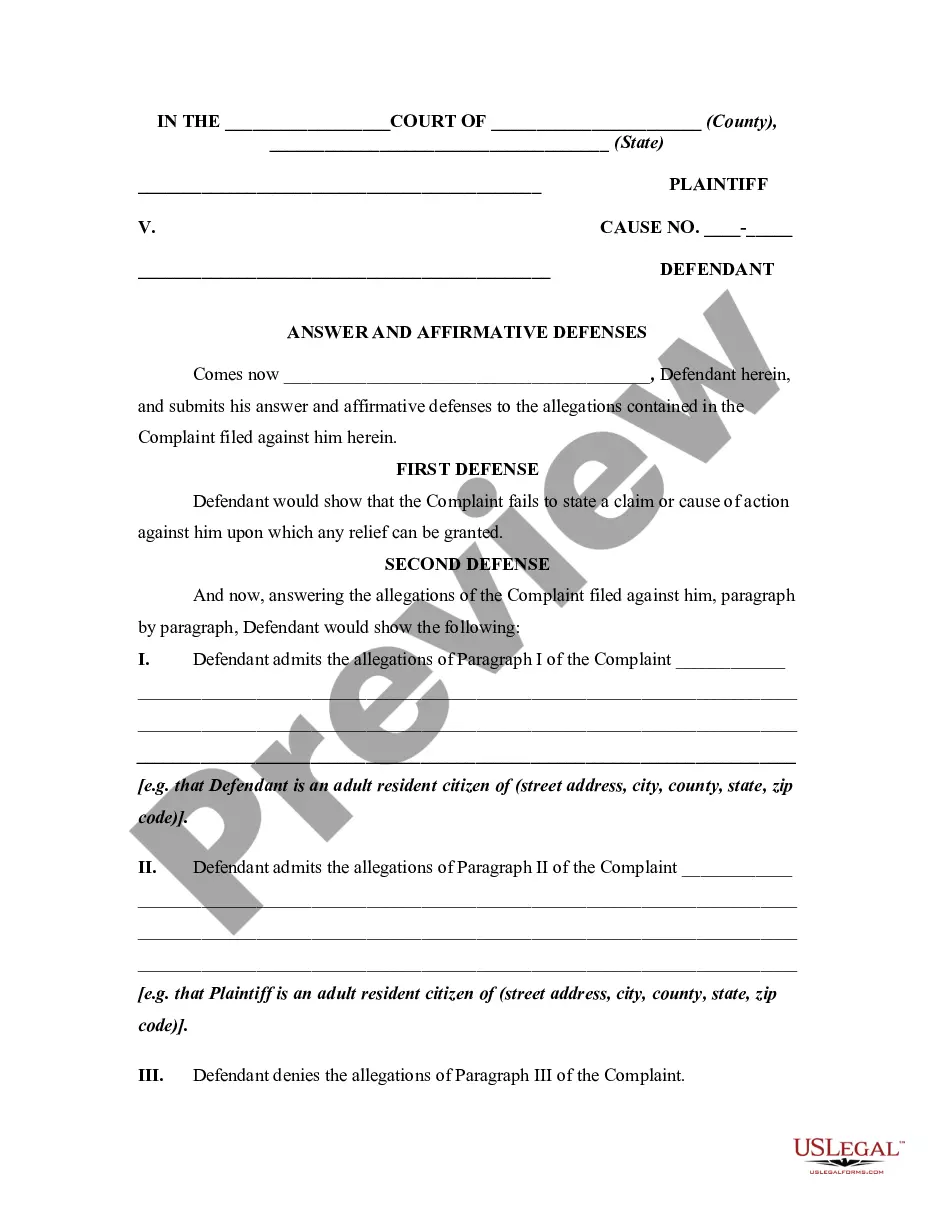
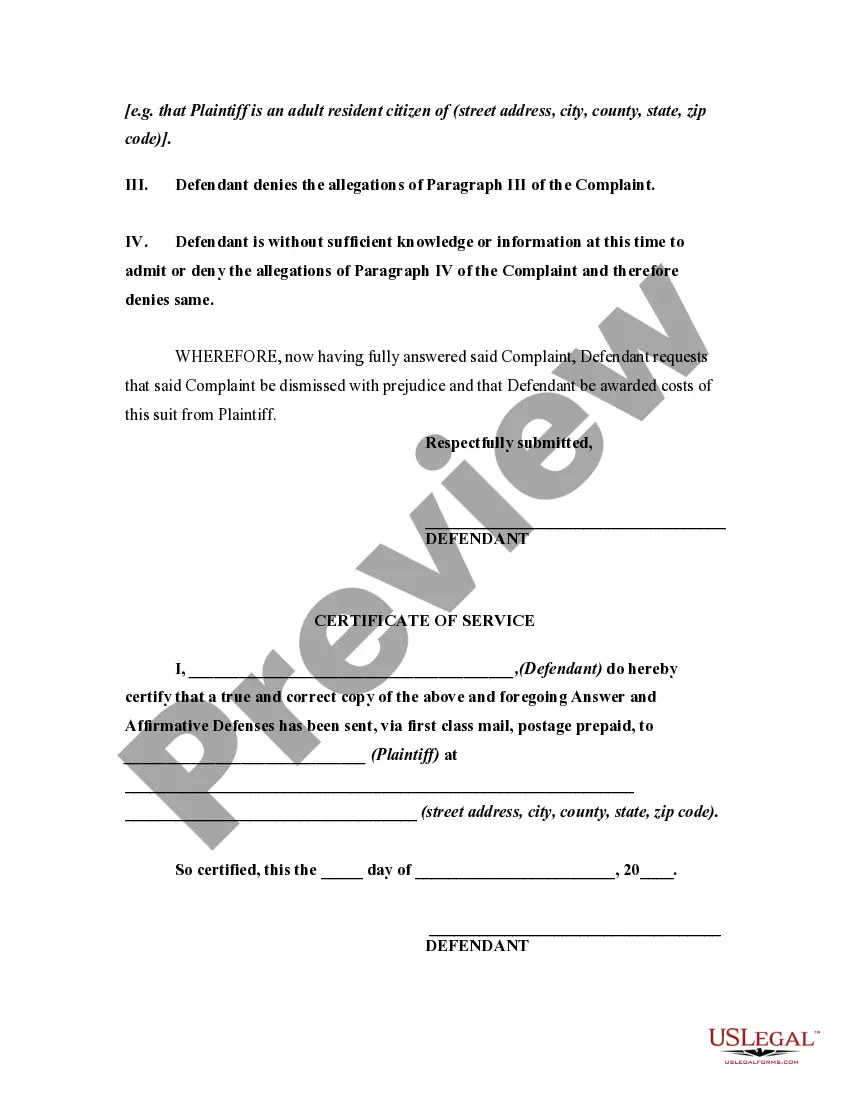
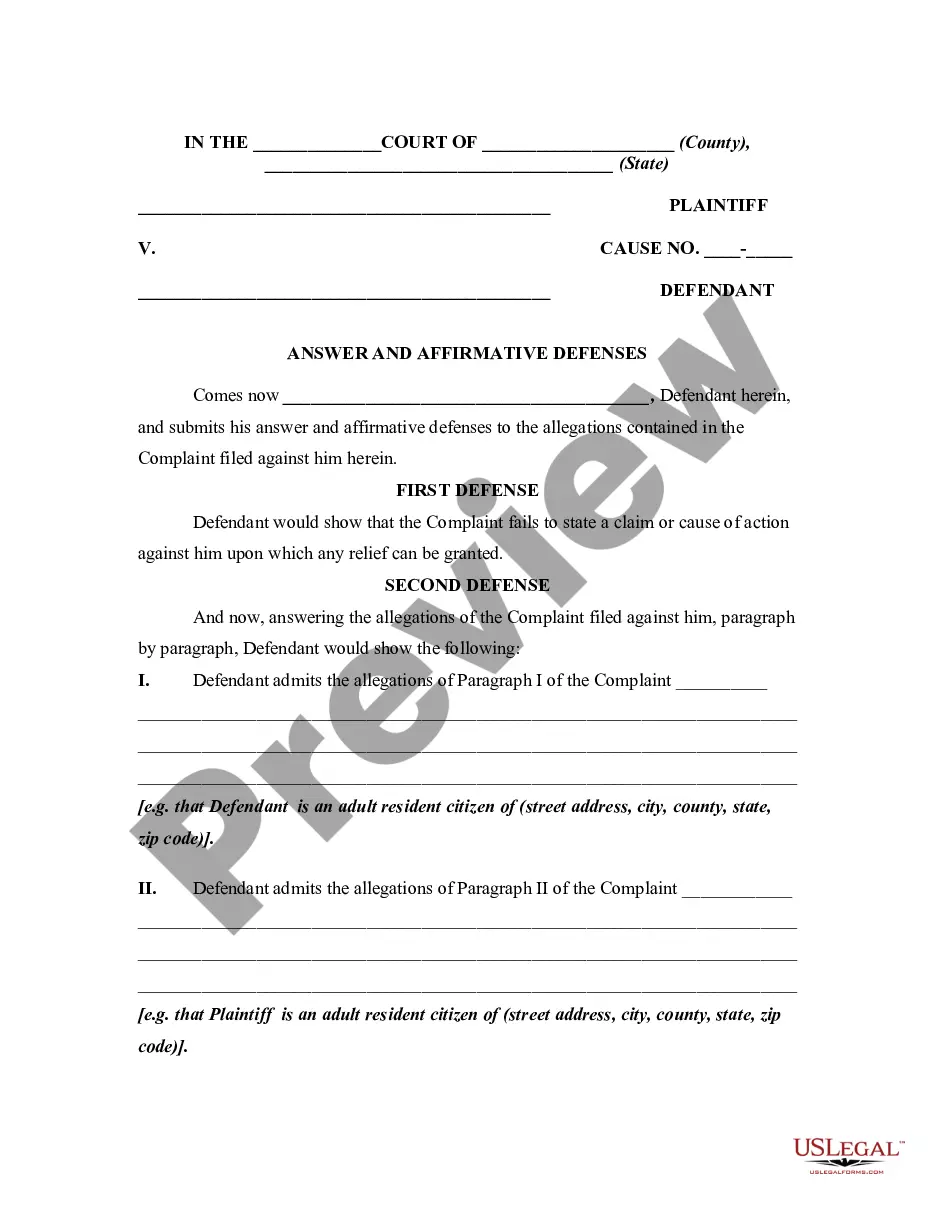
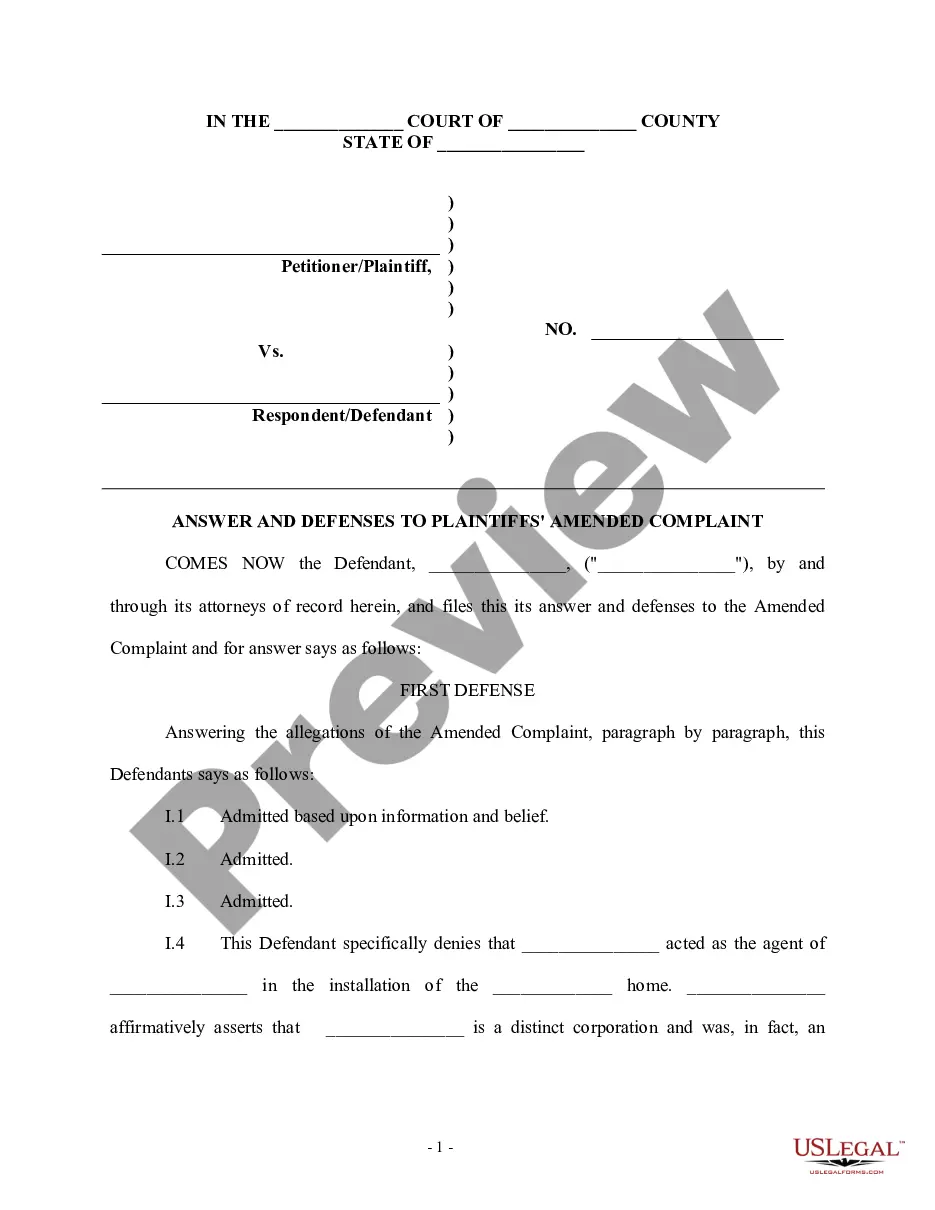
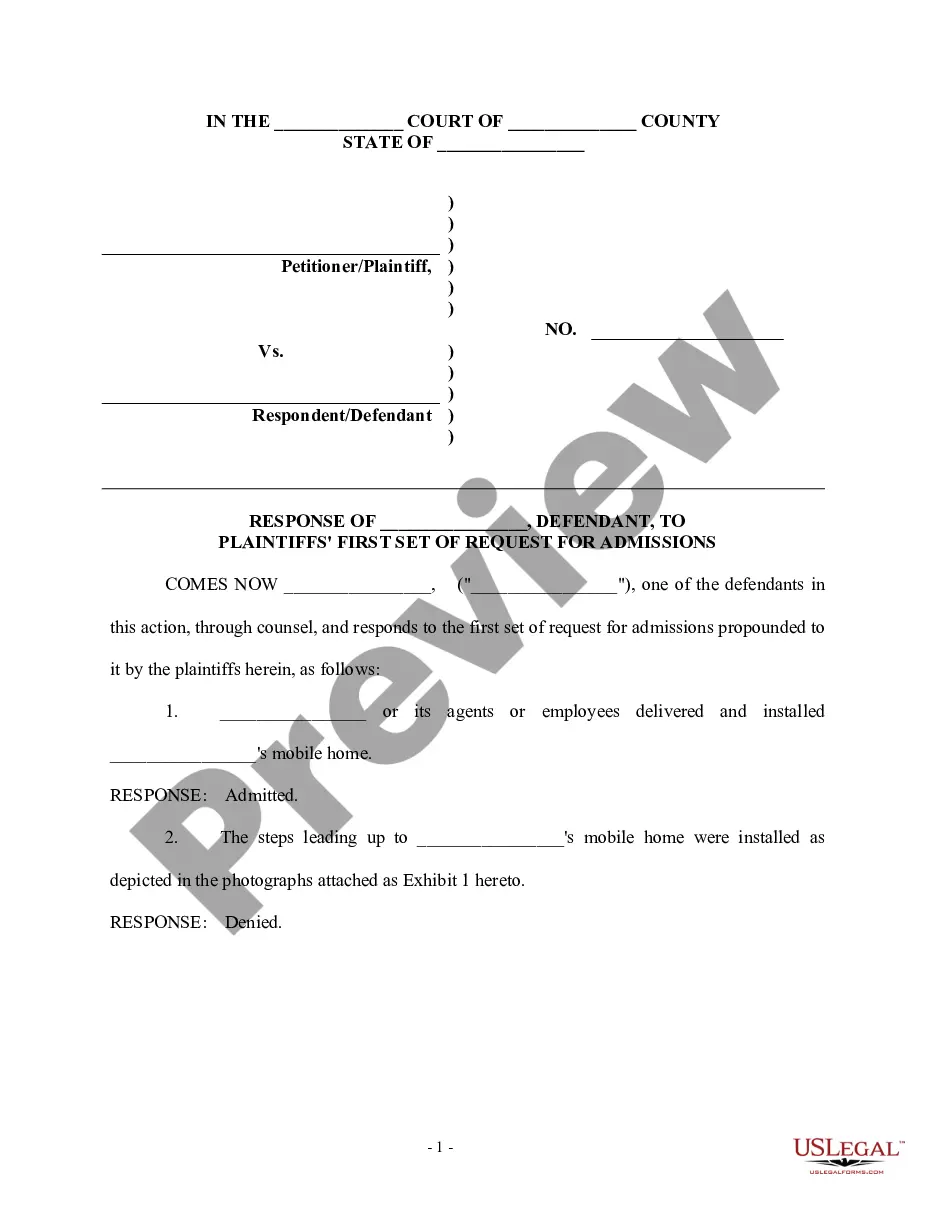
How to fill out Answer With Specific Denials And Admissions Along With Denial Of Sufficient Knowledge Or Information To Form A Belief As To Certain Allegations?
- If you are a returning user, ensure your subscription is active and log in. Click the Download button next to your required form template to save it to your device.
- For first-time users, start by reviewing the preview mode and form description to confirm that you have selected the correct template that meets your jurisdictional needs.
- If necessary, use the Search tab at the top to find any additional templates that may better suit your requirements.
- Once you find the right document, click the Buy Now button and choose the subscription plan that best fits your needs. You will need to create an account to access the extensive library.
- Complete your purchase by entering your payment information, whether by credit card or PayPal, to secure your subscription.
- Finally, download your form and save it on your device. You can access it at any time in the My Forms section of your profile.
With over 85,000 forms available, US Legal Forms stands out for its robust and comprehensive library, enabling quick and efficient access to legal documents. This, combined with the ability to connect with premium experts for assistance, ensures that your documents are accurate and legally sound.
Don’t let legal paperwork overwhelm you. Start utilizing US Legal Forms today for your afirmative defense needs and experience the ease of legal document management!
Form popularity
FAQ
To raise an affirmative defense, a defendant must formally include it in their responsive pleadings or during pre-trial motions. This process involves clearly stating the defense and providing supporting evidence. Properly executing this step is essential, as failing to raise an affirmative defense might result in losing the right to present it later in court.
A common example of an affirmative defense is self-defense in a criminal case. Here, the defendant admits to the act but justifies it based on the belief that they were protecting themselves from harm. This principle recognizes that under certain circumstances, actions that might otherwise be considered criminal can be legally justified.
The affirmative defense of undue burden suggests that a law or regulation imposes an excessive or unjustifiable hardship on an individual. In legal contexts, this defense argues that fulfilling a requirement causes overwhelming difficulty or hardship. This can be particularly relevant in cases involving rights, regulations, or obligations.
Affirmative proof refers to evidence presented to support an affirmative defense or claim. This type of proof aims to substantiate the defendant's position, demonstrating that certain facts or circumstances apply to their case. In many legal scenarios, establishing affirmative proof can significantly impact the case outcome.
The burden of proof for affirmative defenses generally rests on the defendant. They must provide credible evidence supporting their claims to establish the defense effectively. In many jurisdictions, this means showing that the defense is true by a preponderance of the evidence, which is a standard lower than that of the prosecution.
An affirmative defense occurs when a defendant acknowledges the facts of the claim but provides an additional justification or excuse. This means the defendant does not merely dispute the allegations but also argues that, under the law, they should not be held liable. Common affirmative defenses include self-defense, entrapment, or insanity.
In an affirmative claim, the burden of proof lies with the party making the assertion. This party must present sufficient evidence to substantiate their claims, demonstrating that their position is more likely true than not. Understanding this concept is essential, as it is a fundamental aspect of establishing any affirmative defense in court.
Affirmative claims are legal assertions made by a defendant against a plaintiff in response to the plaintiff's claims. They can include demands for damages or other forms of relief. For instance, if a contractor is sued for faulty workmanship, they might file an affirmative claim against the homeowner for non-payment. Understanding the dynamics of affirmative claims is crucial, and resources such as US Legal Forms can help you understand and manage these legal processes effectively.
An affirmative defense is a legal strategy where the defendant acknowledges the facts of the case but introduces additional information that may prevent liability. Common examples include self-defense in a criminal case or comparative negligence in a personal injury suit. Unlike mere denials of the complaint, affirmative defenses provide a clearer pathway for defendants to achieve a favorable outcome. To navigate the intricacies of these defenses, guidance from platforms like US Legal Forms can be invaluable.
An affirmative example typically refers to a situation where a party actively asserts their rights or claims in a legal matter. For example, if a company is accused of patent infringement, it may present affirmative evidence that demonstrates their invention is distinct and original. This kind of proactive approach can strengthen their position in court. Having access to the right legal resources is essential, and US Legal Forms offers tools to help you prepare your case effectively.