State Defense Affirmative For The Past
Description
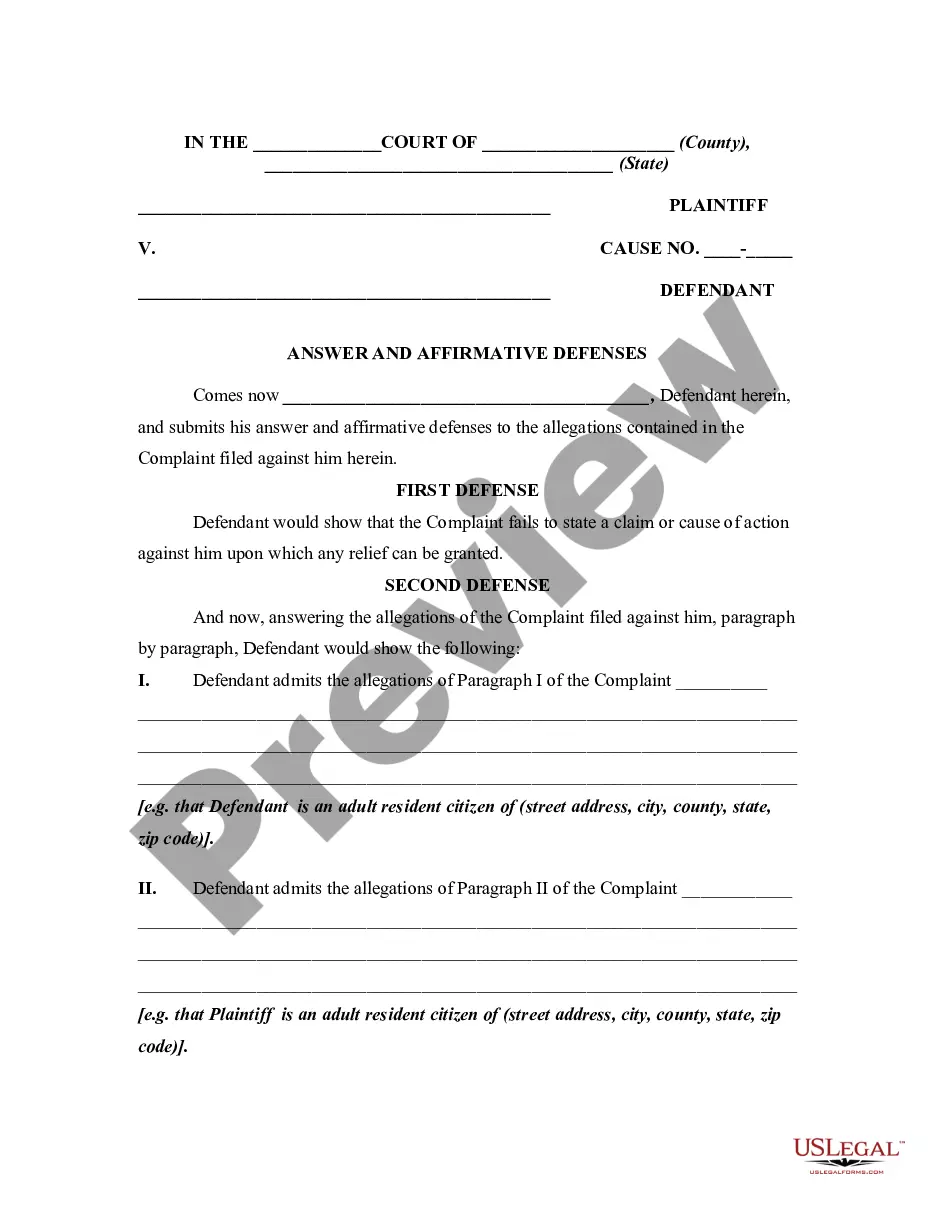
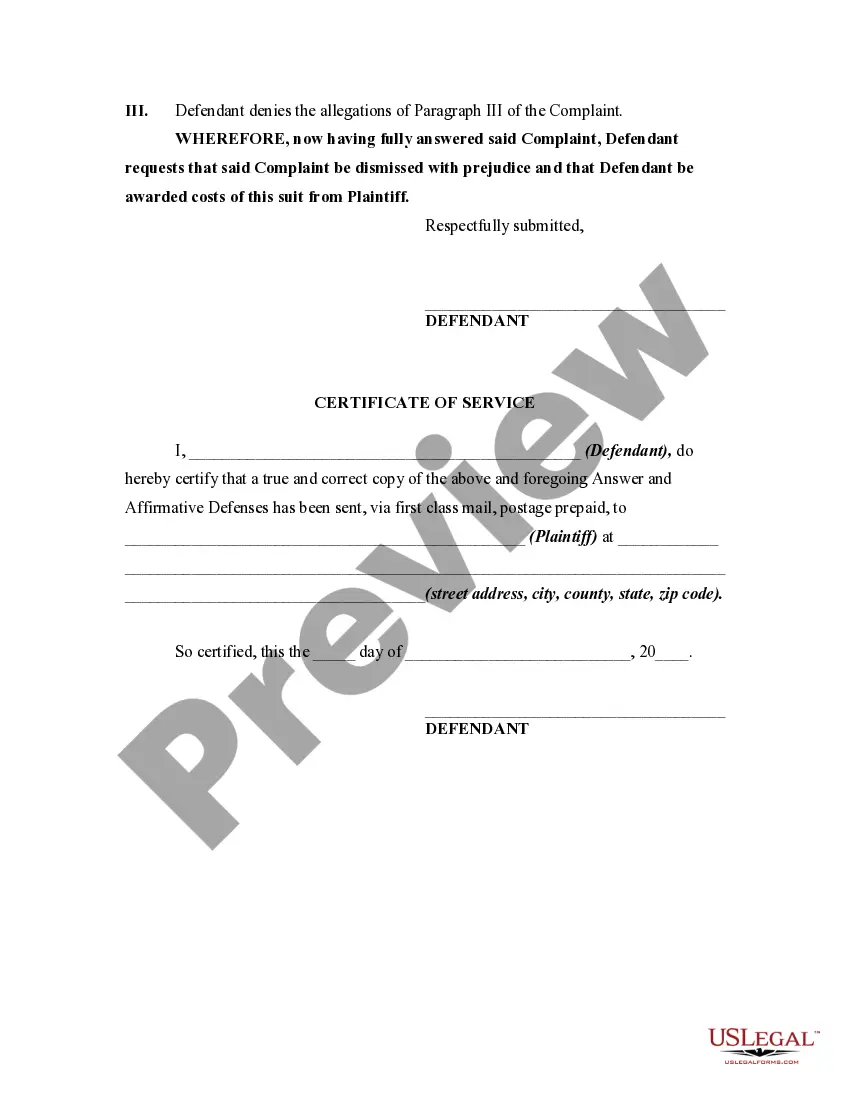
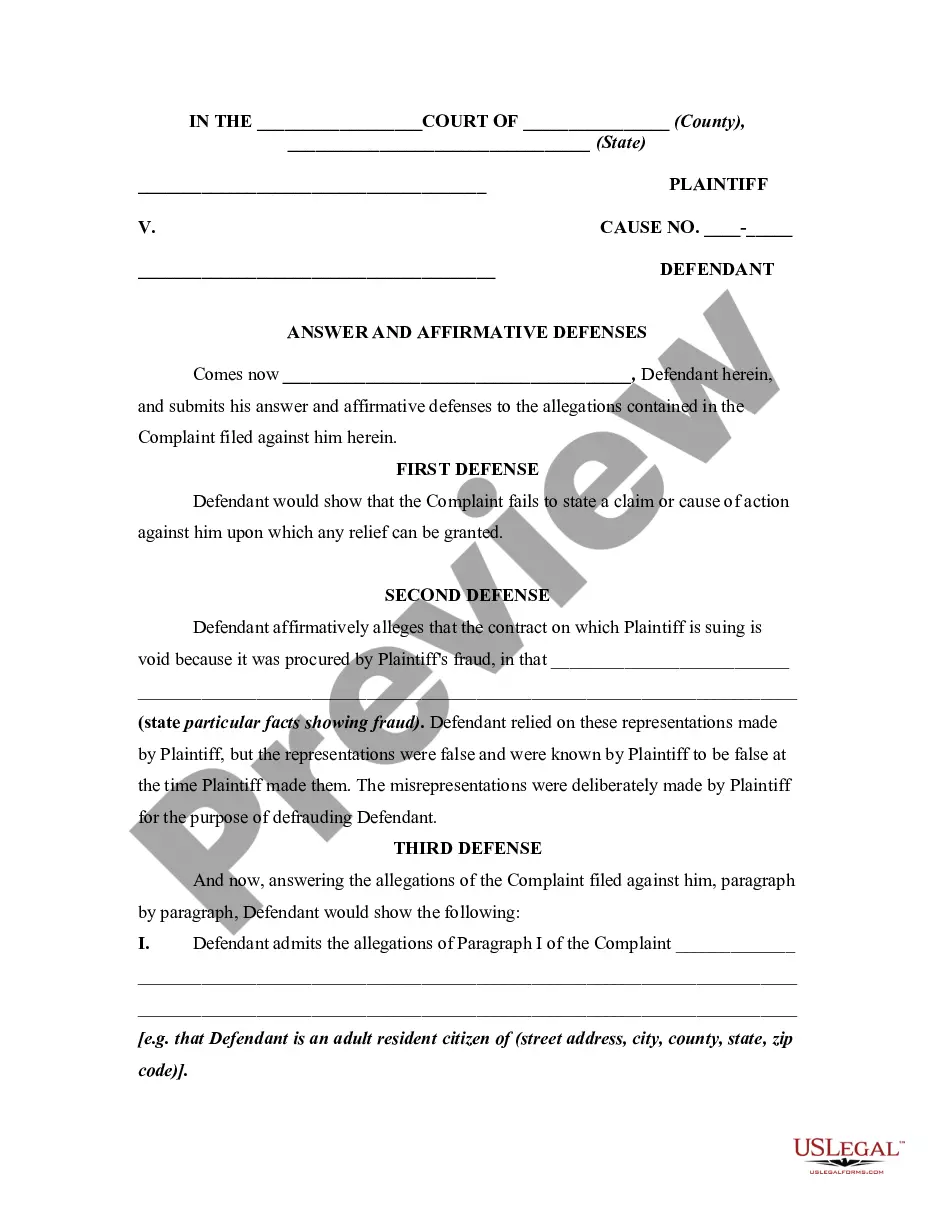
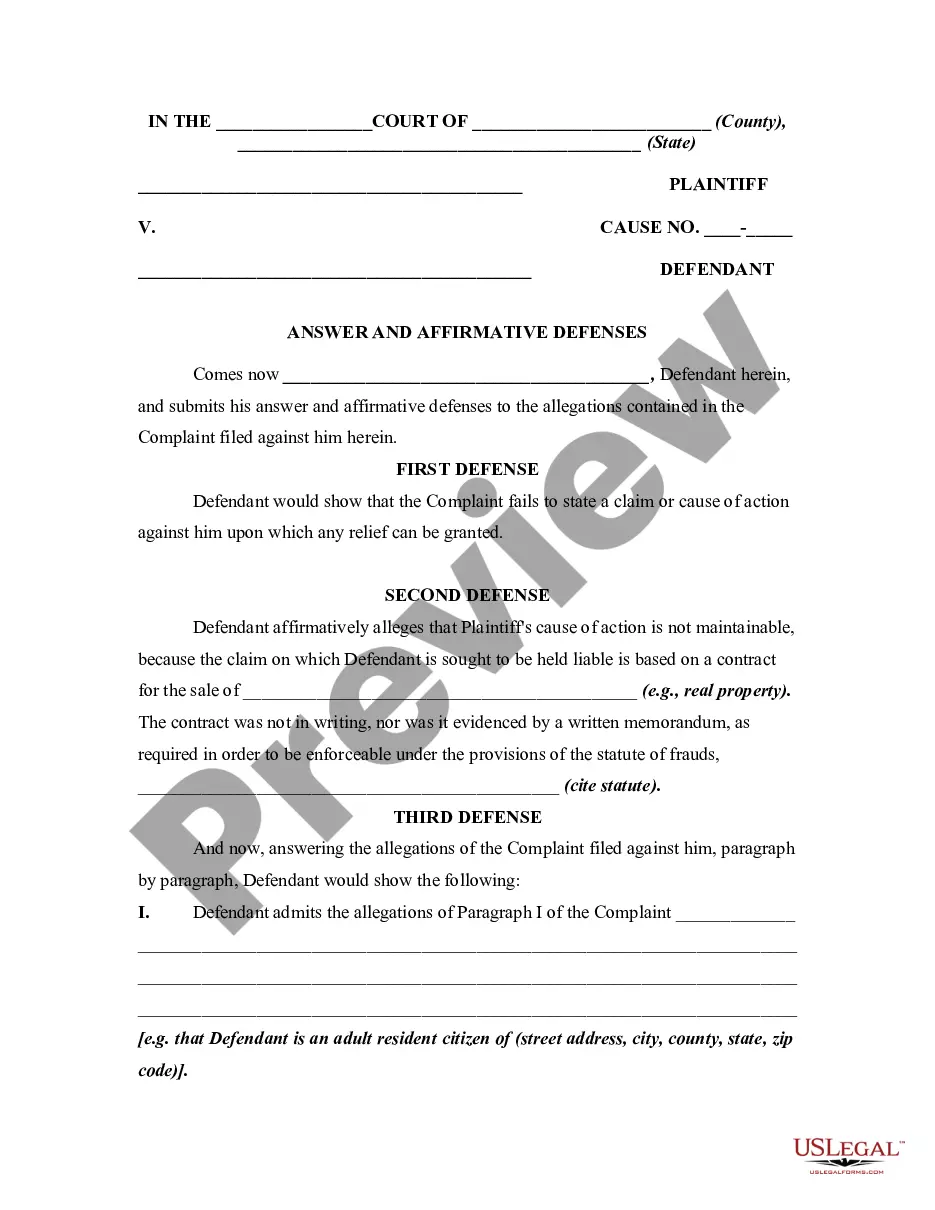
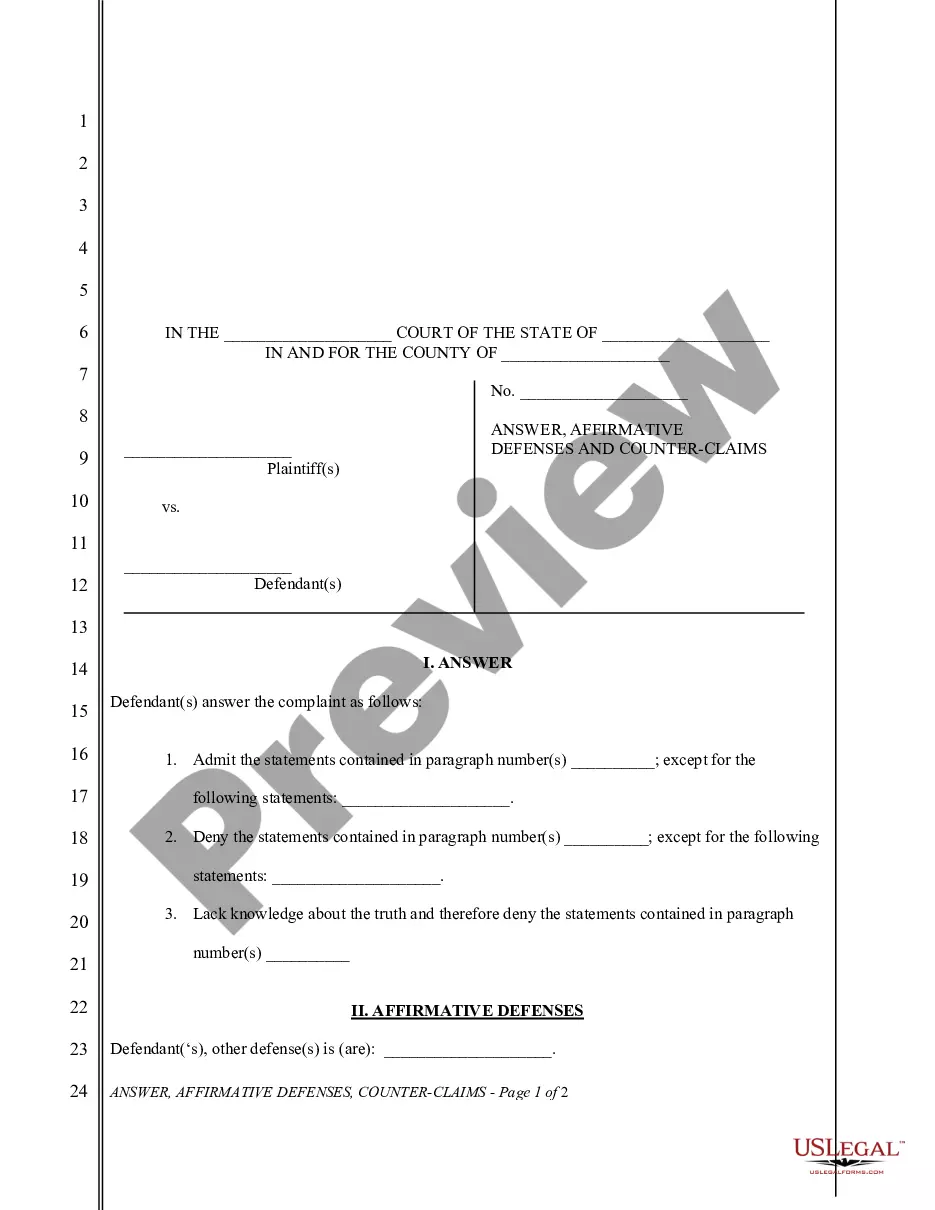
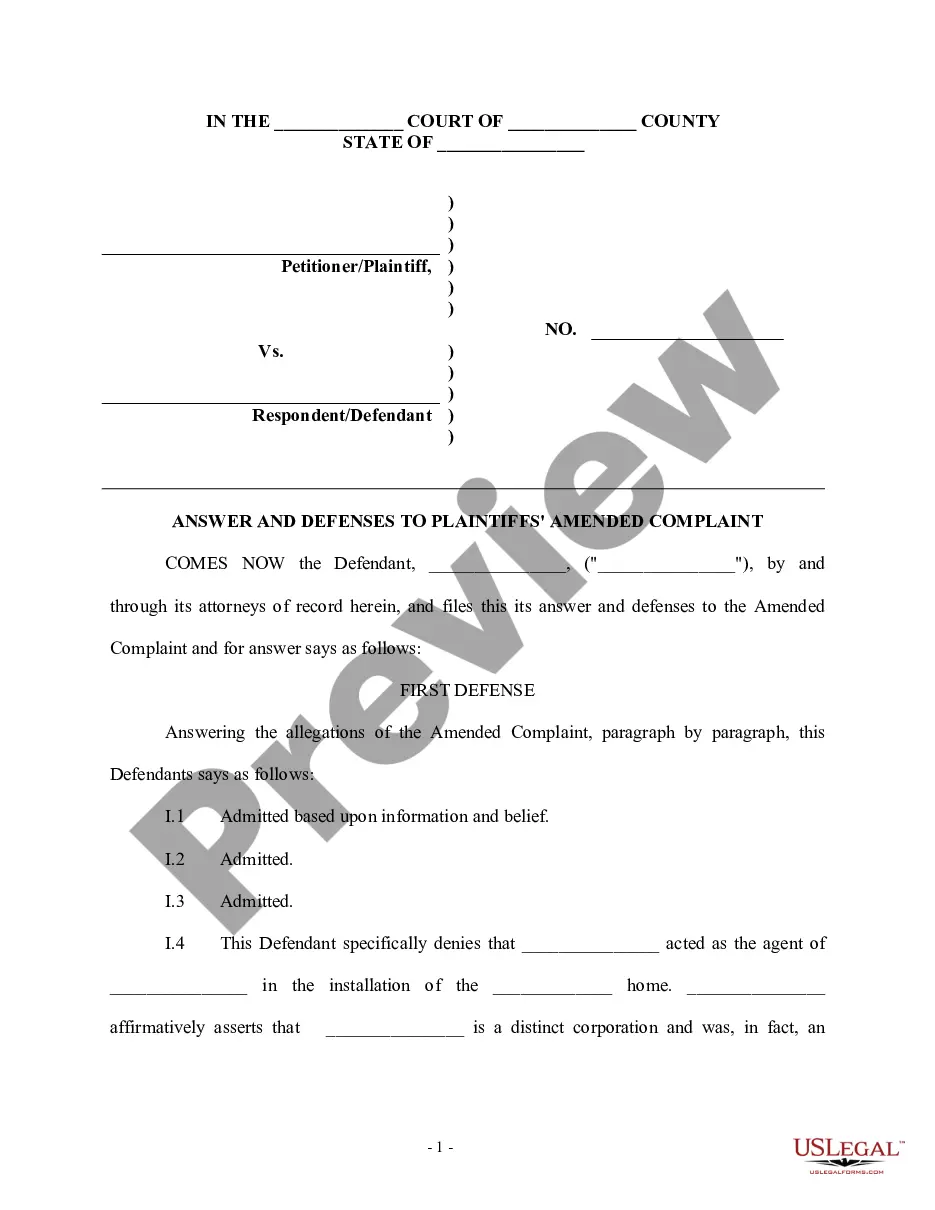
Get your form ready online
Our built-in tools help you complete, sign, share, and store your documents in one place.
Make edits, fill in missing information, and update formatting in US Legal Forms—just like you would in MS Word.
Download a copy, print it, send it by email, or mail it via USPS—whatever works best for your next step.
Sign and collect signatures with our SignNow integration. Send to multiple recipients, set reminders, and more. Go Premium to unlock E-Sign.
If this form requires notarization, complete it online through a secure video call—no need to meet a notary in person or wait for an appointment.
We protect your documents and personal data by following strict security and privacy standards.

Make edits, fill in missing information, and update formatting in US Legal Forms—just like you would in MS Word.

Download a copy, print it, send it by email, or mail it via USPS—whatever works best for your next step.

Sign and collect signatures with our SignNow integration. Send to multiple recipients, set reminders, and more. Go Premium to unlock E-Sign.

If this form requires notarization, complete it online through a secure video call—no need to meet a notary in person or wait for an appointment.

We protect your documents and personal data by following strict security and privacy standards.
Looking for another form?
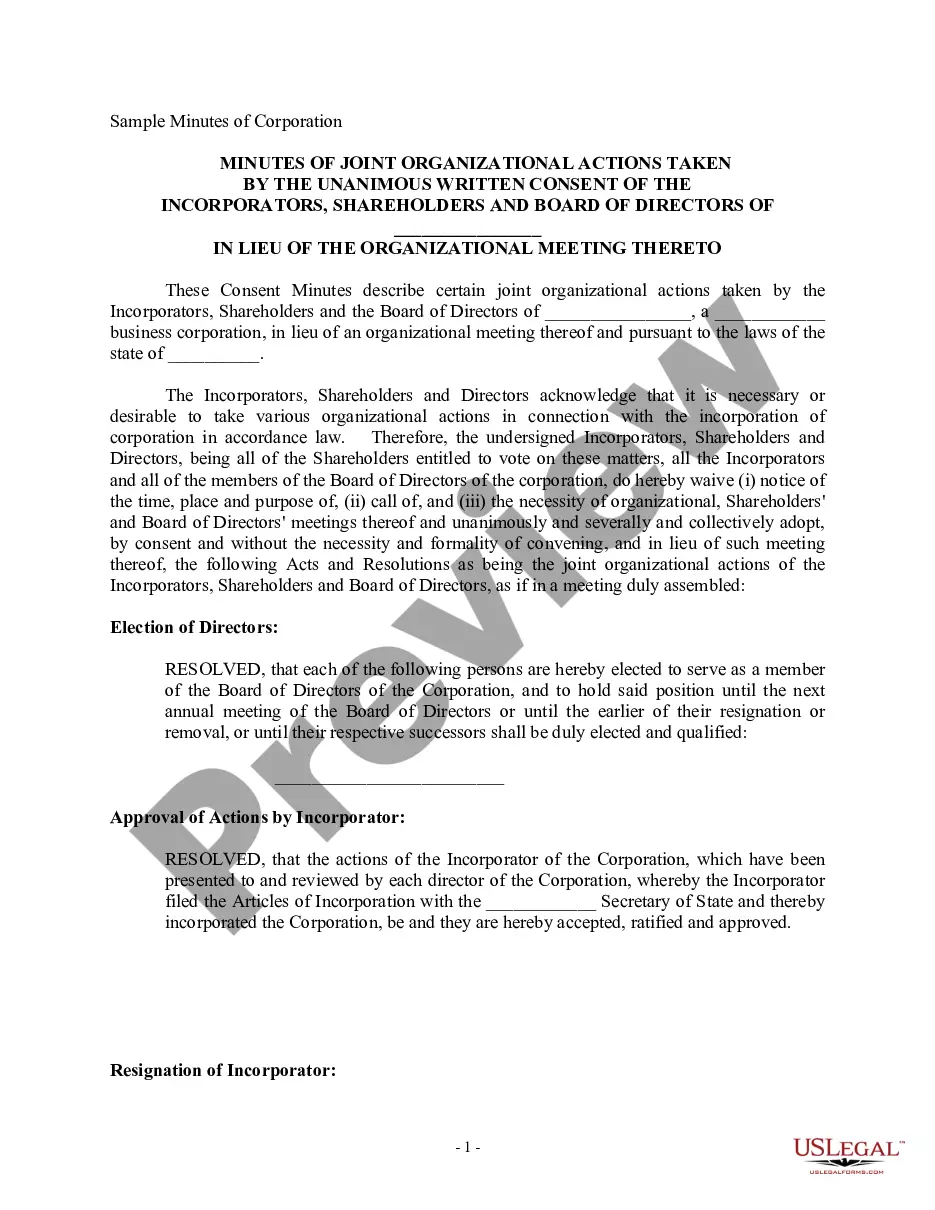

How to fill out General Form Of An Answer By Defendant In A Civil Lawsuit?
- Log in to your existing account at US Legal Forms to access your previous documents. Ensure that your subscription is active; if necessary, renew it based on your plan.
- If you're new to the service, start by reviewing the form descriptions and the Preview mode. Make sure to select a template that fits your legal requirements and is compliant with your local jurisdiction.
- If the form does not meet your needs, utilize the Search tab to find the appropriate template. Once you find the right form, proceed to the next step.
- Purchase the document by clicking the Buy Now button and selecting a suitable subscription plan. Registration is required for access.
- Complete your purchase by entering your payment details via credit card or PayPal.
- Download the document to your device, enabling you to fill it out as needed. You can also access your downloaded forms anytime from the My Forms section of your profile.
In conclusion, US Legal Forms provides a user-friendly experience for obtaining legal documents promptly. With a wealth of resources and support, you can feel confident in your form completion.
Start your journey with US Legal Forms today and streamline your legal documentation process!
Form popularity
FAQ
Rule 11 requires parties to certify that their pleadings and motions are well-grounded in fact and law. For affirmative defenses, this means that you must have a reasonable basis to assert the defense. In cases concerning the state defense affirmative for the past, adhering to Rule 11 helps ensure that your legal arguments are credible and defensible.
The burden of proof in an affirmative claim typically lies with the party making the claim. They must provide sufficient evidence to support their assertion. In relation to state defense affirmative for the past, understanding this burden is vital for successfully advocating your position.
To state an affirmative defense in your answer, begin by clearly identifying the defense you are asserting. Follow this with a concise explanation of the facts underpinning your defense. When addressing the state defense affirmative for the past, precision and clarity in presenting your case can significantly strengthen your legal standing.
The burden of proof for affirmative defenses usually requires the defendant to establish their claims by a preponderance of the evidence. This standard means that the evidence must show that it is more likely than not that the affirmative defense applies. If you are navigating a situation involving state defense affirmative for the past, understanding this burden is crucial for a successful outcome.
An example of an affirmative defense is self-defense in a criminal case. In this instance, the defendant must prove that they acted to protect themselves from imminent harm. This aligns with the state defense affirmative for the past, where the defendant presents evidence that justifies their actions under the law.
The affirmative defense of undue burden applies when a defendant claims that complying with a law or regulation would create significant hardship. Within the state defense affirmative for the past, this argument must be backed by solid evidence showing the extent of the hardship. Courts evaluate whether the burden is indeed unreasonable based on the circumstances presented.
Affirmative proof refers to the evidence that supports an affirmative defense. In legal terms, it involves demonstrating the facts that validate your claim within the framework of the state defense affirmative for the past. This evidence is crucial for persuading the judge or jury about the validity of your defense.
In the context of state defense affirmative for the past, the burden of proof typically falls on the defendant. This means that the defendant must present sufficient evidence to support their affirmative defense. It's essential to establish this evidence clearly to convince the court that the defense applies.
In a debt collection lawsuit, common affirmative defenses include the statute of limitations, lack of standing, and payment or settlement agreements. These defenses assert that the creditor cannot legally reclaim the debt based on specific conditions. By applying the concept of state defense affirmative for the past, you can protect your financial rights effectively. For greater clarity and preparation, consider using US Legal Forms to access templates and guidance tailored to debt collection cases.
Affirmative defenses include consent, self-defense, entrapment, and insanity, among others. These defenses allow defendants to introduce evidence that, if proven, can negate liability despite the factual basis of the claim. When leveraging the state defense affirmative for the past, individuals can strengthen their case by presenting these defenses effectively. Utilizing US Legal Forms can help you prepare the necessary documentation to support your affirmative defenses.