State Defense Affirmative For The Future
Description
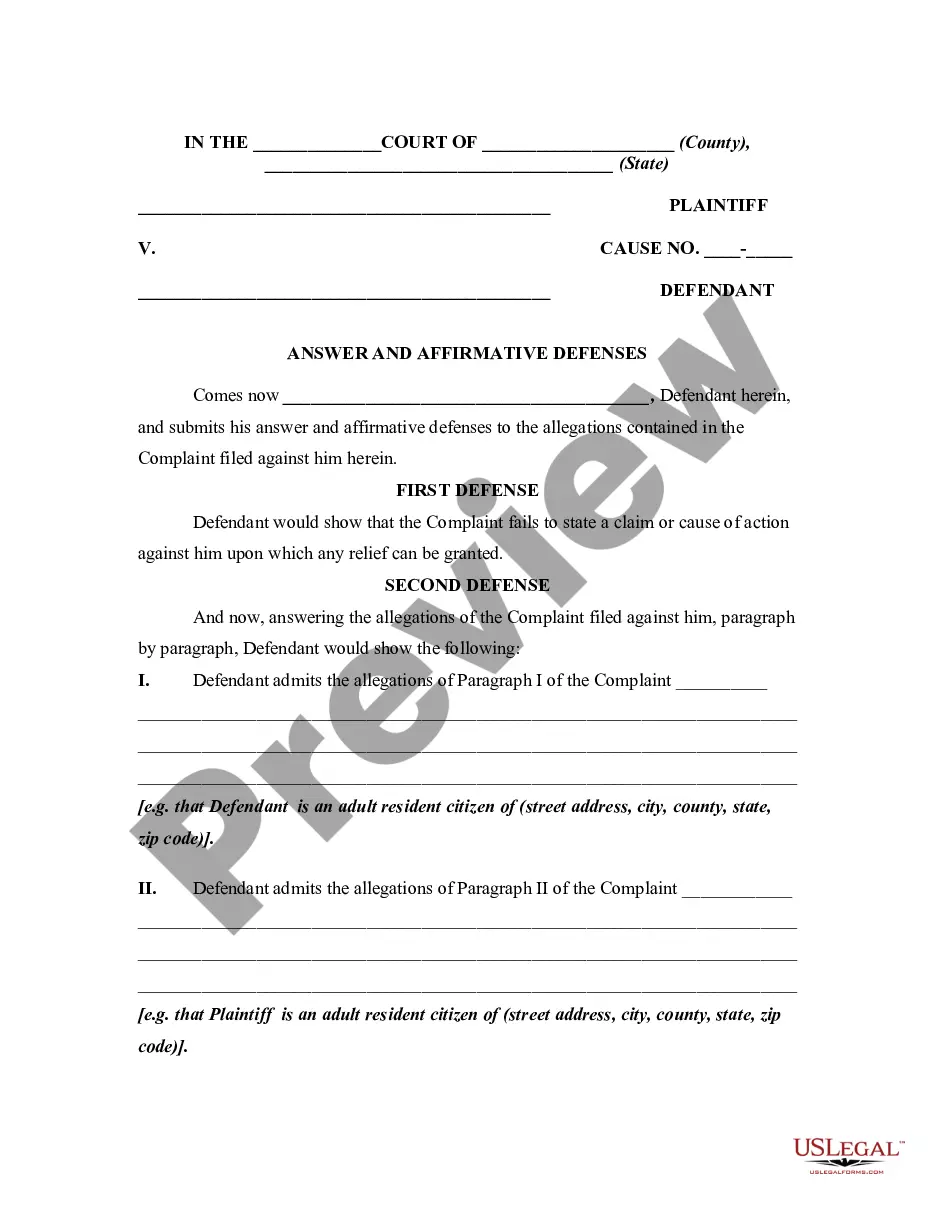
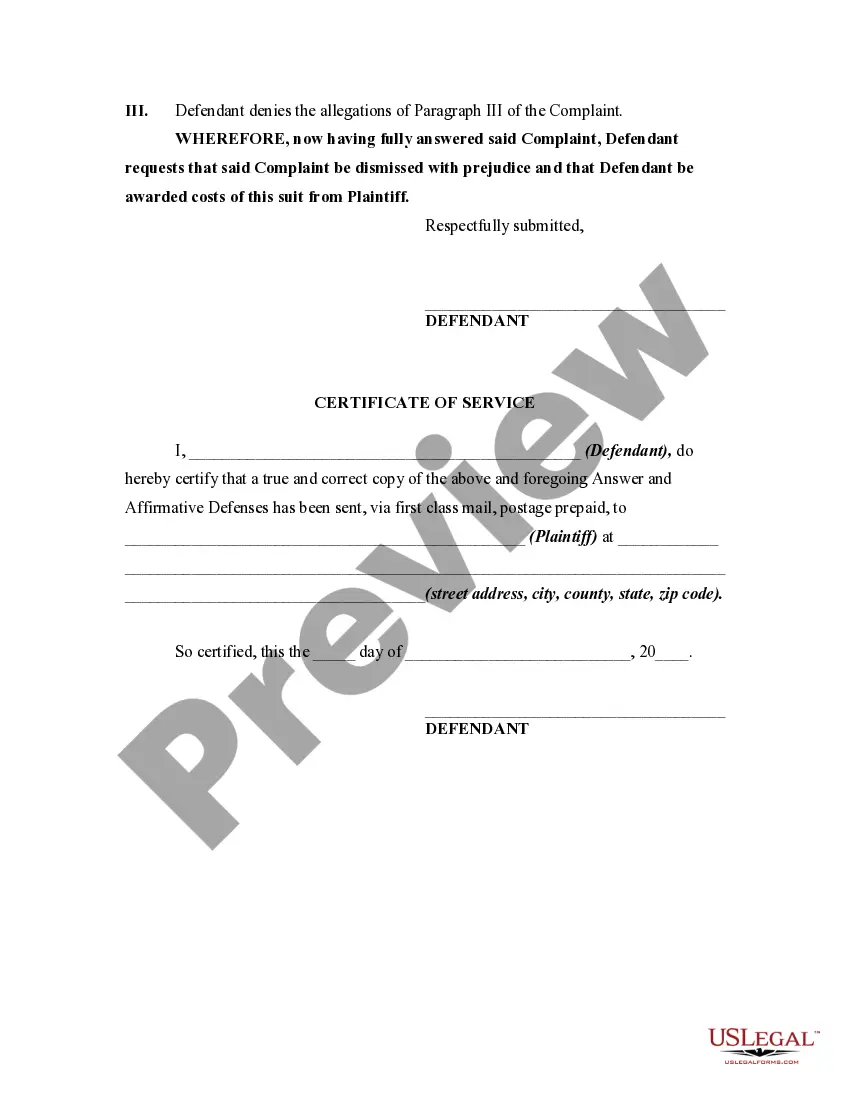
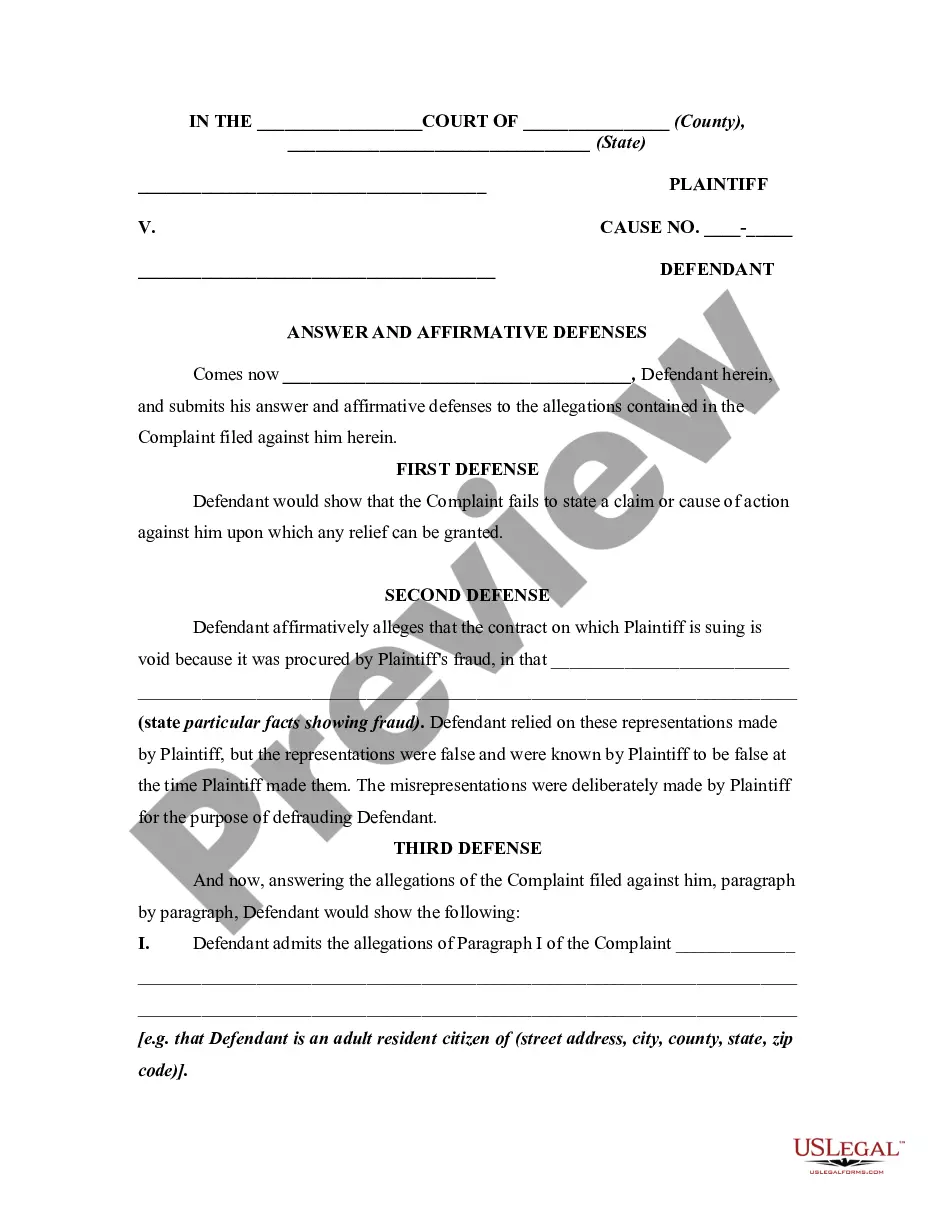
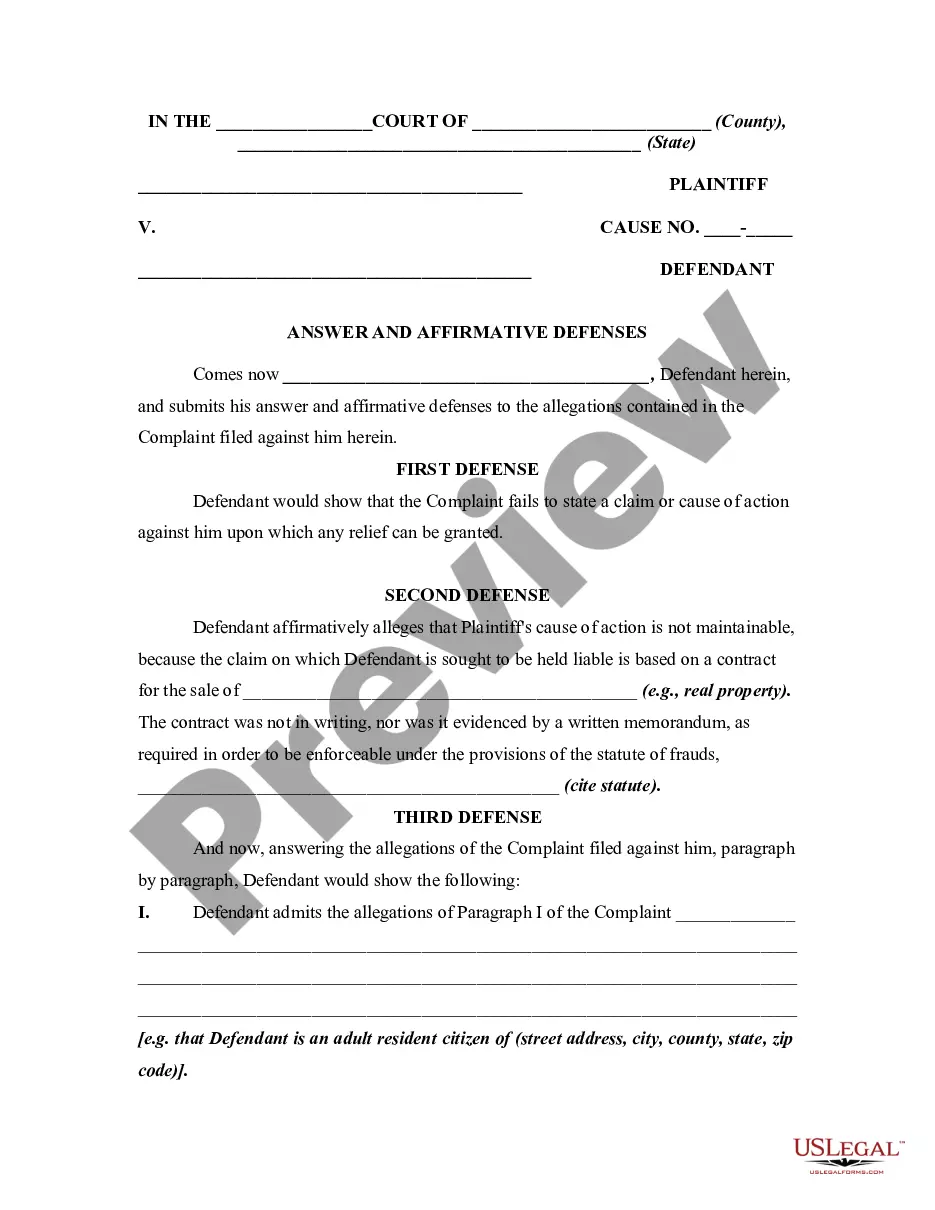
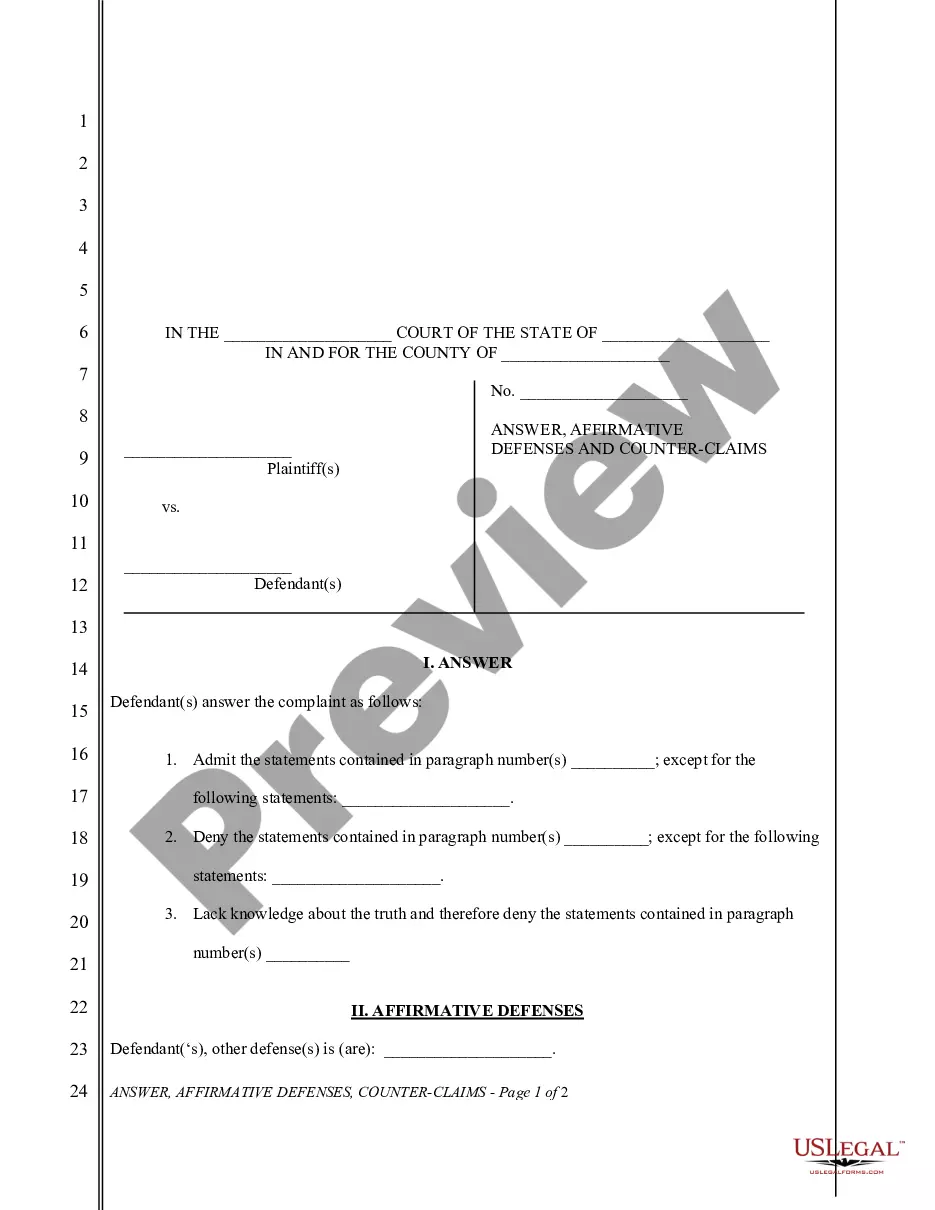
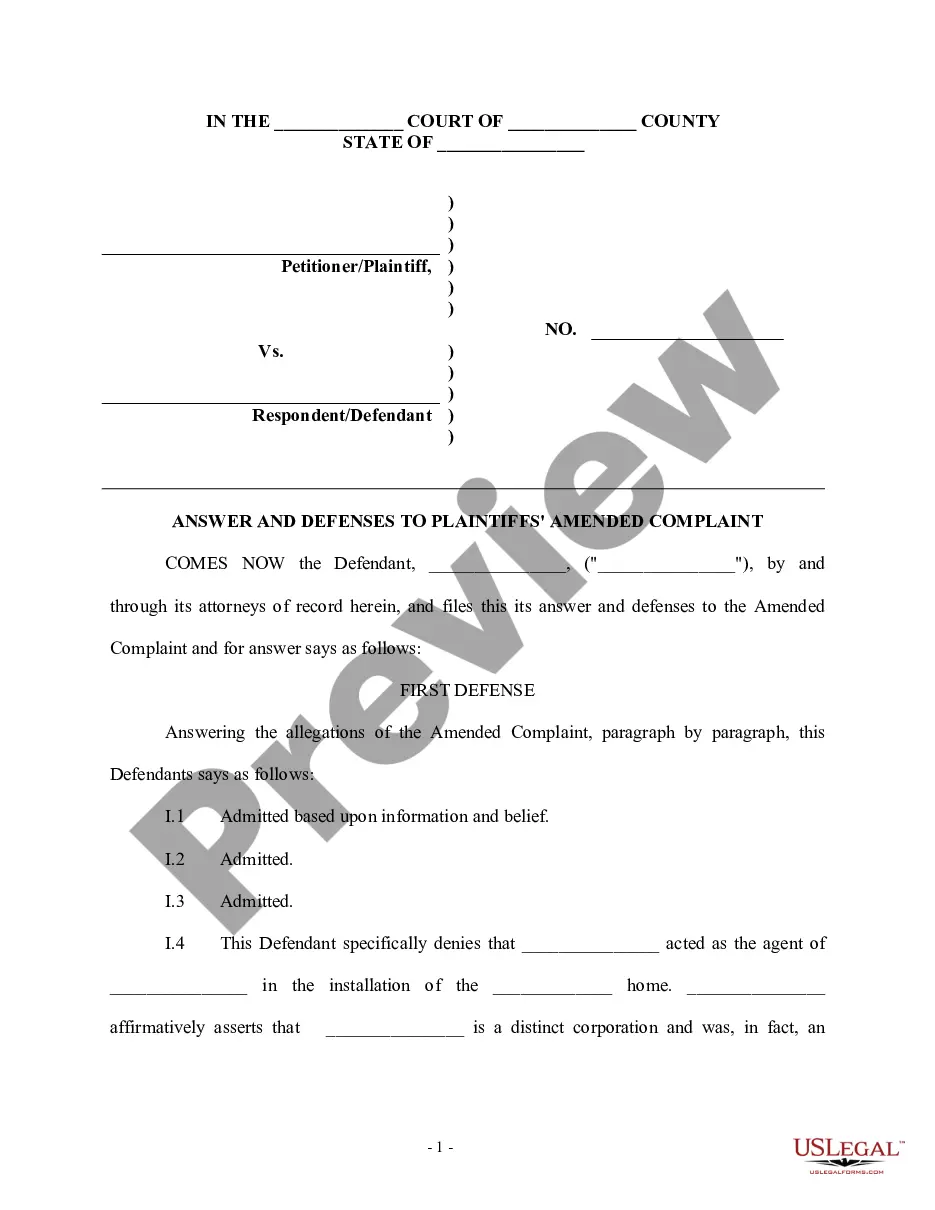
Get your form ready online
Our built-in tools help you complete, sign, share, and store your documents in one place.
Make edits, fill in missing information, and update formatting in US Legal Forms—just like you would in MS Word.
Download a copy, print it, send it by email, or mail it via USPS—whatever works best for your next step.
Sign and collect signatures with our SignNow integration. Send to multiple recipients, set reminders, and more. Go Premium to unlock E-Sign.
If this form requires notarization, complete it online through a secure video call—no need to meet a notary in person or wait for an appointment.
We protect your documents and personal data by following strict security and privacy standards.

Make edits, fill in missing information, and update formatting in US Legal Forms—just like you would in MS Word.

Download a copy, print it, send it by email, or mail it via USPS—whatever works best for your next step.

Sign and collect signatures with our SignNow integration. Send to multiple recipients, set reminders, and more. Go Premium to unlock E-Sign.

If this form requires notarization, complete it online through a secure video call—no need to meet a notary in person or wait for an appointment.

We protect your documents and personal data by following strict security and privacy standards.
Looking for another form?
How to fill out General Form Of An Answer By Defendant In A Civil Lawsuit?
- Log into your existing account at US Legal Forms. Ensure your subscription is active; if not, renew according to your payment plan.
- If you're a new user, begin by browsing the extensive library or using the Search feature to find the form that suits your needs.
- Before finalizing your choice, check the Preview mode and form descriptions to confirm it aligns with your local jurisdiction.
- Once satisfied, click 'Buy Now' and select a suitable subscription plan. You’ll need to create an account to access premium resources.
- Provide your payment information and complete the purchase using a credit card or PayPal.
- After your transaction, download the form to your device and access it later in the 'My Forms' section of your profile.
By following these steps, you can simplify the process of accessing legal documents at your convenience. US Legal Forms not only provides an extensive array of forms but also ensures accuracy with expert support.
Start today to secure the legal documents you need for a confident and compliant future!
Form popularity
FAQ
The standard of proof for raising an affirmative defense typically follows the 'preponderance of the evidence' standard. This means the evidence must show that your defense is more likely true than false. Achieving this standard is vital when laying the groundwork for a successful state defense affirmative for the future.
Proof of an affirmative defense consists of evidence that supports the factual basis of the defense. This could include documents, witness testimonies, or other forms of evidence that substantiate your claim. Establishing solid proof is essential for your success in a state defense affirmative for the future and can significantly influence the court’s decision.
You should consider striking affirmative defenses when they are irrelevant, insufficient, or legally inadequate. If a defense does not meet the necessary legal standards, it may undermine your case. Assessing your defenses carefully is necessary for developing a strong state defense affirmative for the future. Legal platforms like uslegalforms can guide you through this process.
Affirmative defenses must be raised at the outset of legal proceedings, typically in the initial response to the complaint. Ignoring this step can lead to waiving your right to use these defenses later. A proactive approach is essential for a strong state defense affirmative for the future, so don’t overlook this critical timeline.
Rule 11 refers to the legal requirement that any agreement between parties, including the assertion of affirmative defenses, must be in writing and signed. This rule protects all parties involved by ensuring there is clear documentation of the defenses being claimed. Understanding Rule 11 is vital for maintaining a sound state defense affirmative for the future.
Affirmative defenses are typically filed by the defendant in legal proceedings. This allows the defendant to challenge the claims made against them. By asserting these defenses, you can potentially alter the outcome of your case, making it an essential part of a state defense affirmative for the future. Understanding this can greatly impact your legal strategy.
In Texas, you must raise affirmative defenses in your answer to the complaint or petition. Failing to do so may result in waiving your right to present these defenses later in court. Timely asserting your defenses is critical for a robust state defense affirmative for the future. Always consult a legal expert to ensure you meet these requirements.
The burden of proof for an affirmative defense lies with the defendant. In many cases, this means providing evidence that supports your claim. Essentially, you must show that the facts of your defense are more likely true than not. This requirement is crucial for establishing a successful state defense affirmative for the future.
In Illinois, the timeframe to respond to affirmative defenses typically aligns with the standard timelines set by court rules. Generally, you have 30 days to respond after being served with the answer containing these defenses. However, it's wise to consult the specific rules or a legal professional, especially when dealing with a state defense affirmative for the future. Timeliness in these matters can significantly impact the progress of your case.
The burden of proof for affirmative defenses often lies with the party asserting the defense. In cases involving state defense affirmative for the future, you must provide sufficient evidence to establish your claim. This means demonstrating that your affirmative defense is valid under the law, rather than merely contesting the prosecution’s case. Clarity and evidence can play a crucial role in influencing the court's decision.