Response To Civil Claim
Description
Get your form ready online
Our built-in tools help you complete, sign, share, and store your documents in one place.
Make edits, fill in missing information, and update formatting in US Legal Forms—just like you would in MS Word.
Download a copy, print it, send it by email, or mail it via USPS—whatever works best for your next step.
Sign and collect signatures with our SignNow integration. Send to multiple recipients, set reminders, and more. Go Premium to unlock E-Sign.
If this form requires notarization, complete it online through a secure video call—no need to meet a notary in person or wait for an appointment.
We protect your documents and personal data by following strict security and privacy standards.

Make edits, fill in missing information, and update formatting in US Legal Forms—just like you would in MS Word.

Download a copy, print it, send it by email, or mail it via USPS—whatever works best for your next step.

Sign and collect signatures with our SignNow integration. Send to multiple recipients, set reminders, and more. Go Premium to unlock E-Sign.

If this form requires notarization, complete it online through a secure video call—no need to meet a notary in person or wait for an appointment.

We protect your documents and personal data by following strict security and privacy standards.
Looking for another form?









How to fill out General Form Of An Answer By Defendant In A Civil Lawsuit?
- If you've previously used our service, log in to your account and select your desired form template for download. Ensure your subscription remains active; if it's not, simply renew it.
- For first-time users, start by exploring the Preview mode to review form descriptions, confirming you've selected the correct document aligning with your local jurisdiction's requirements.
- If discrepancies are found, utilize the search functionality at the top to locate an alternative template that matches your criteria.
- Once you've identified the right document, click 'Buy Now' and choose your preferred subscription plan. You'll need to create an account to gain full access to our extensive library.
- Complete your purchase by entering your credit card information or using your PayPal account to finalize the subscription.
- Finally, download the form directly to your device. You can access it anytime through the My Forms section of your profile.
US Legal Forms provides a robust collection of forms, ensuring you have access to more templates than competitors at a similar cost. With over 85,000 easily fillable and editable forms, you're empowered to handle legal documents with confidence.
Take control of your legal needs today by visiting US Legal Forms and explore the vast library that can simplify your process. Start your journey now!
Form popularity
FAQ
Civil law responses refer to the legal documents filed by a defendant in reaction to a plaintiff's allegations. These responses must adhere to specific legal standards and timelines, ensuring that the interests of all parties are represented. Creating an appropriate response to civil claim is vital, as it not only addresses the initial allegations but may also introduce new facts or arguments that support the defendant's case. Resources like US Legal Forms can help you understand the process and ensure your response is properly formatted.
The purpose of civil law responses is to provide the court with the defendant’s perspective regarding the plaintiff’s claims. This step is essential in ensuring that the legal process is fair and balanced. By submitting a well-structured response to civil claim, the defendant can clarify their position, assert defenses, or introduce necessary counterarguments. Ultimately, a timely and effective response can influence the resolution of the case.
Civil law is a branch of law that deals with disputes between individuals, organizations, or both, typically involving private rights and remedies. Unlike criminal law, civil law focuses on resolving non-criminal disputes through legal processes. The parties involved may seek compensation, rectification, or other remedies for injuries or damages. Familiarity with civil law procedures, and knowing how to create a response to civil claim, can significantly impact the outcome of your case.
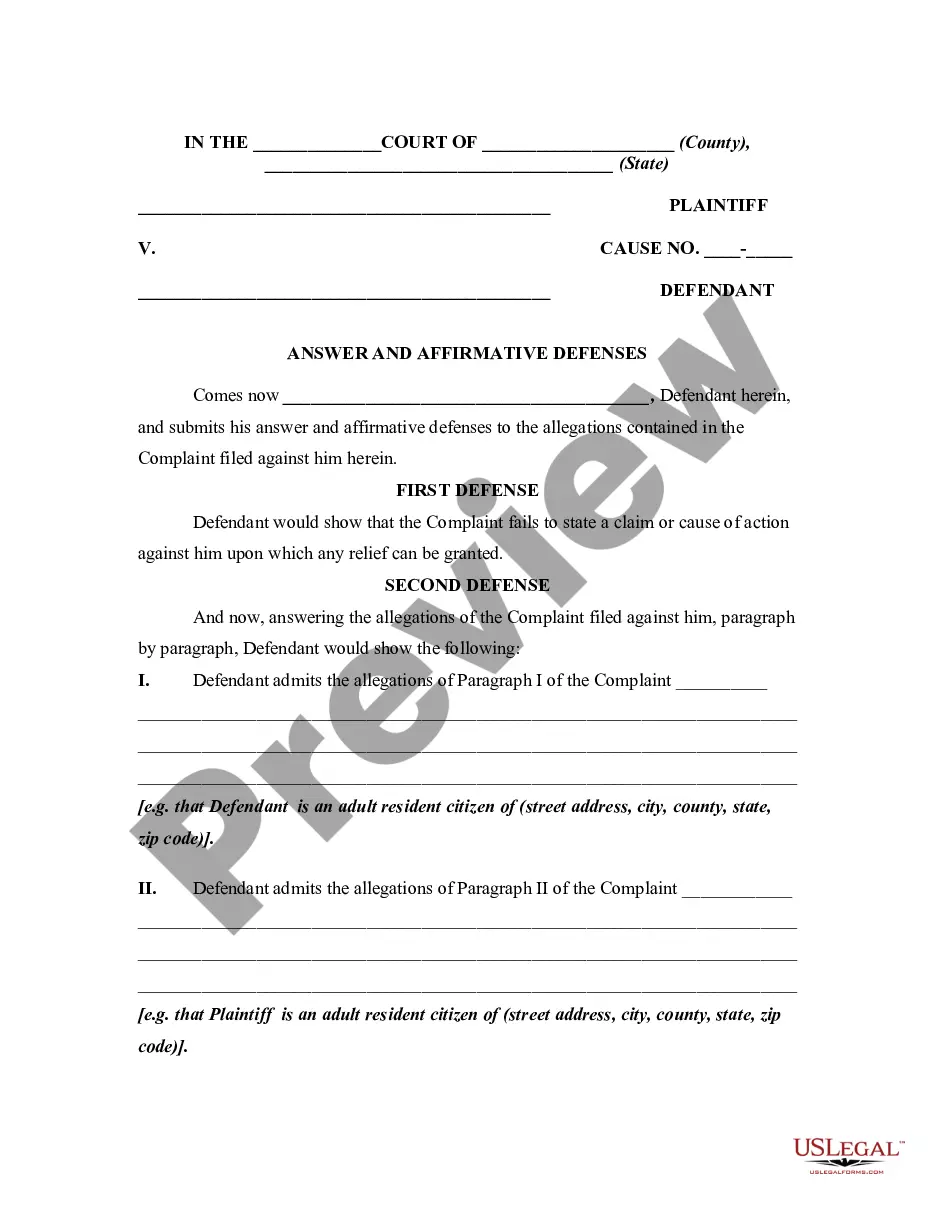
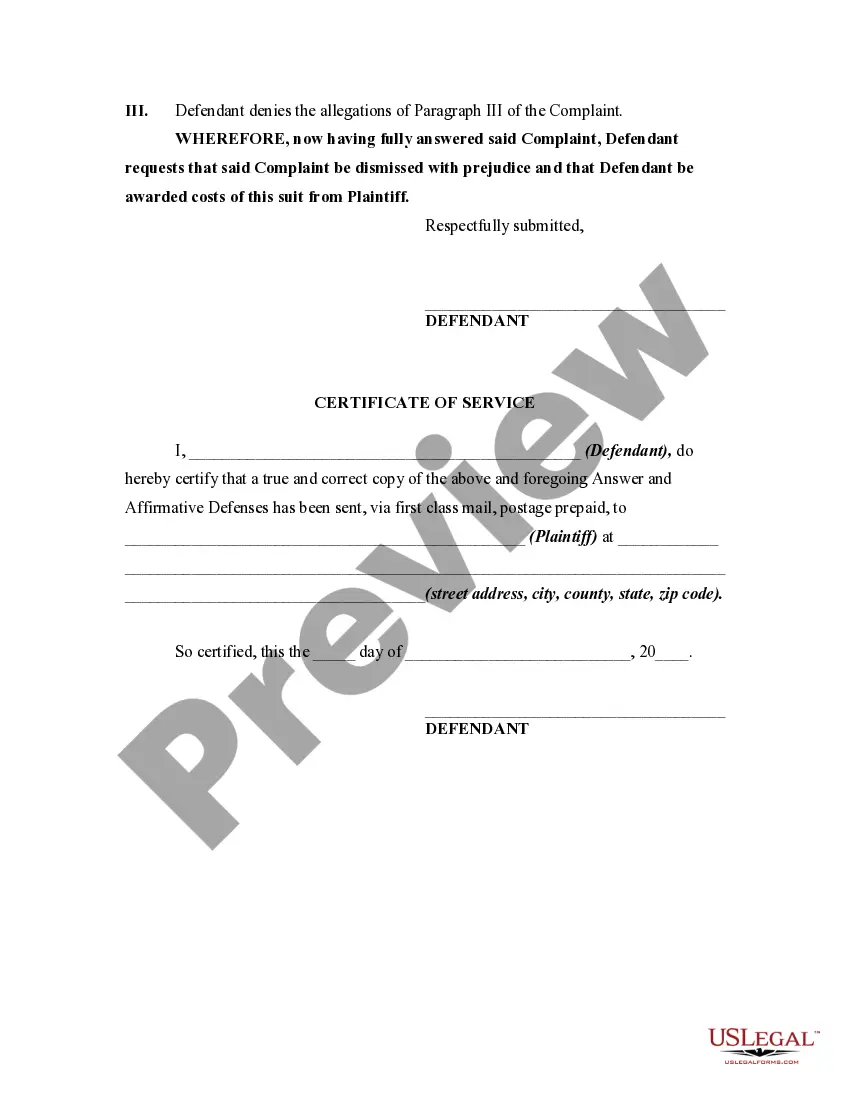
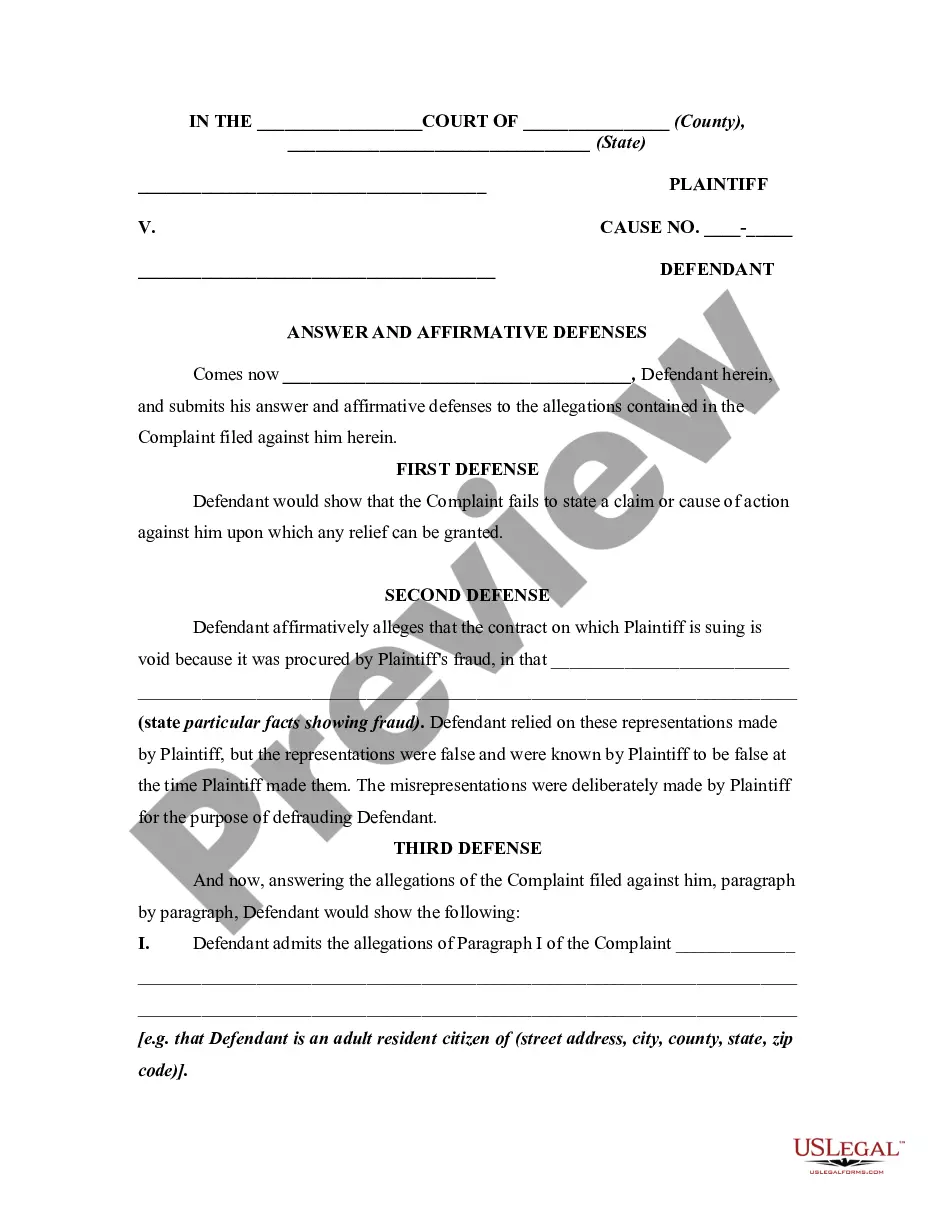
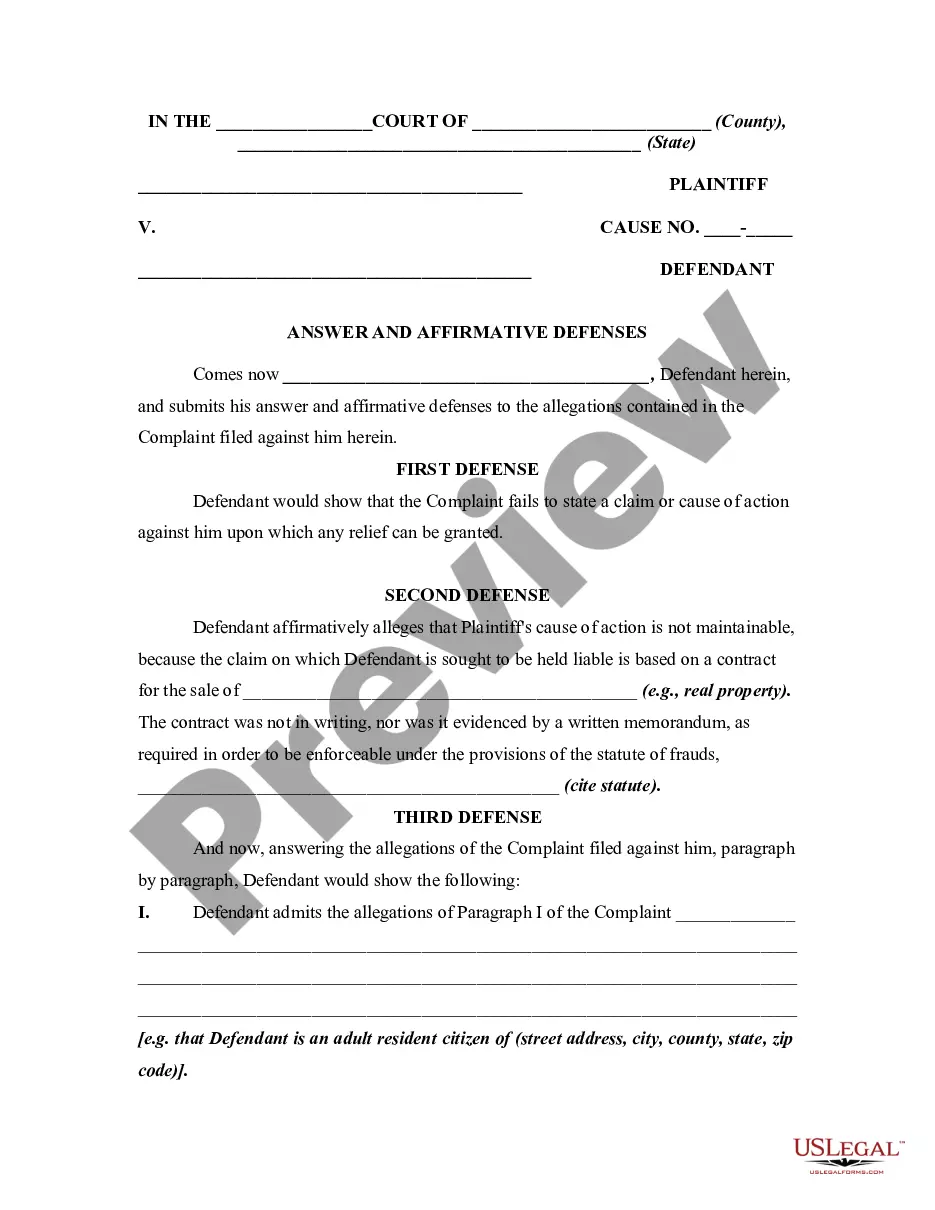
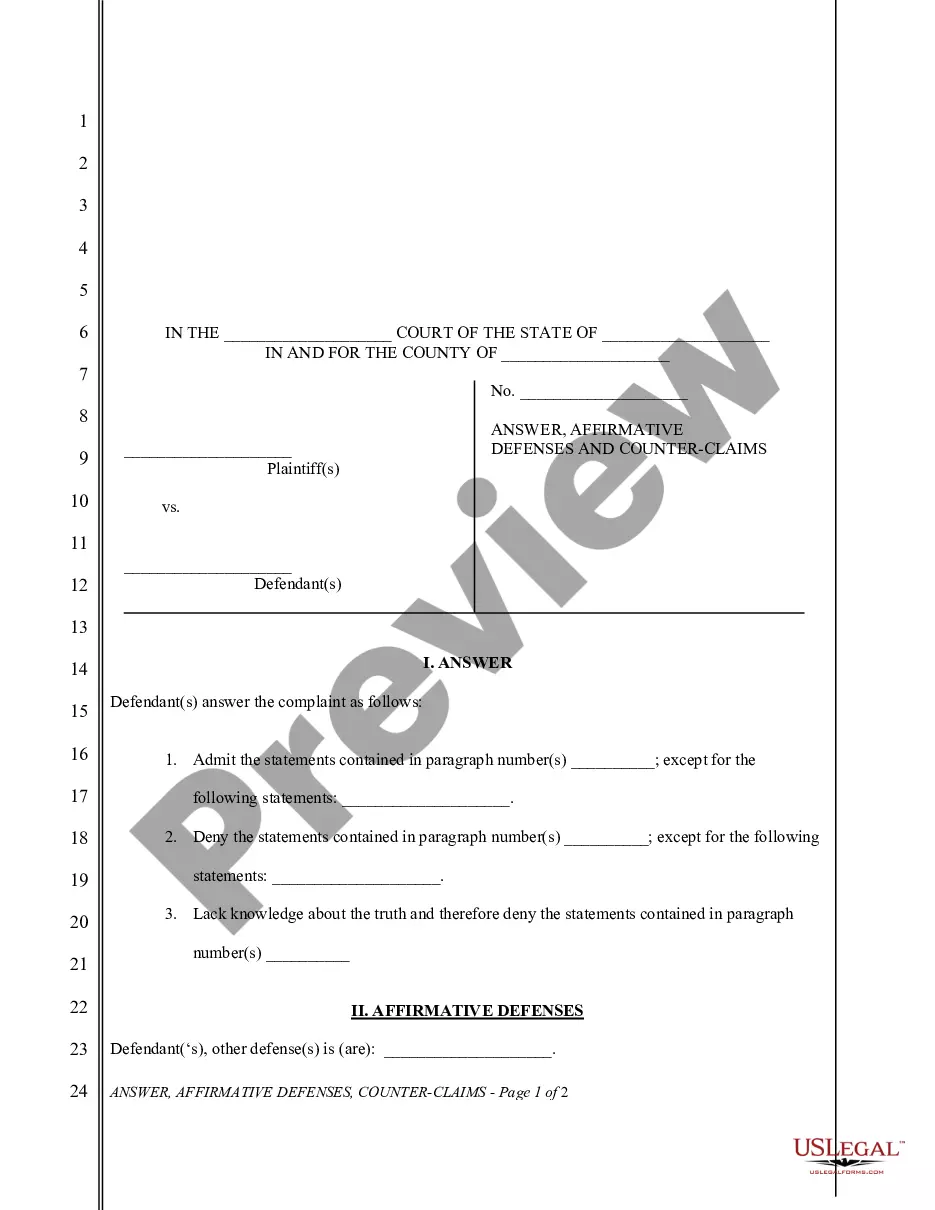
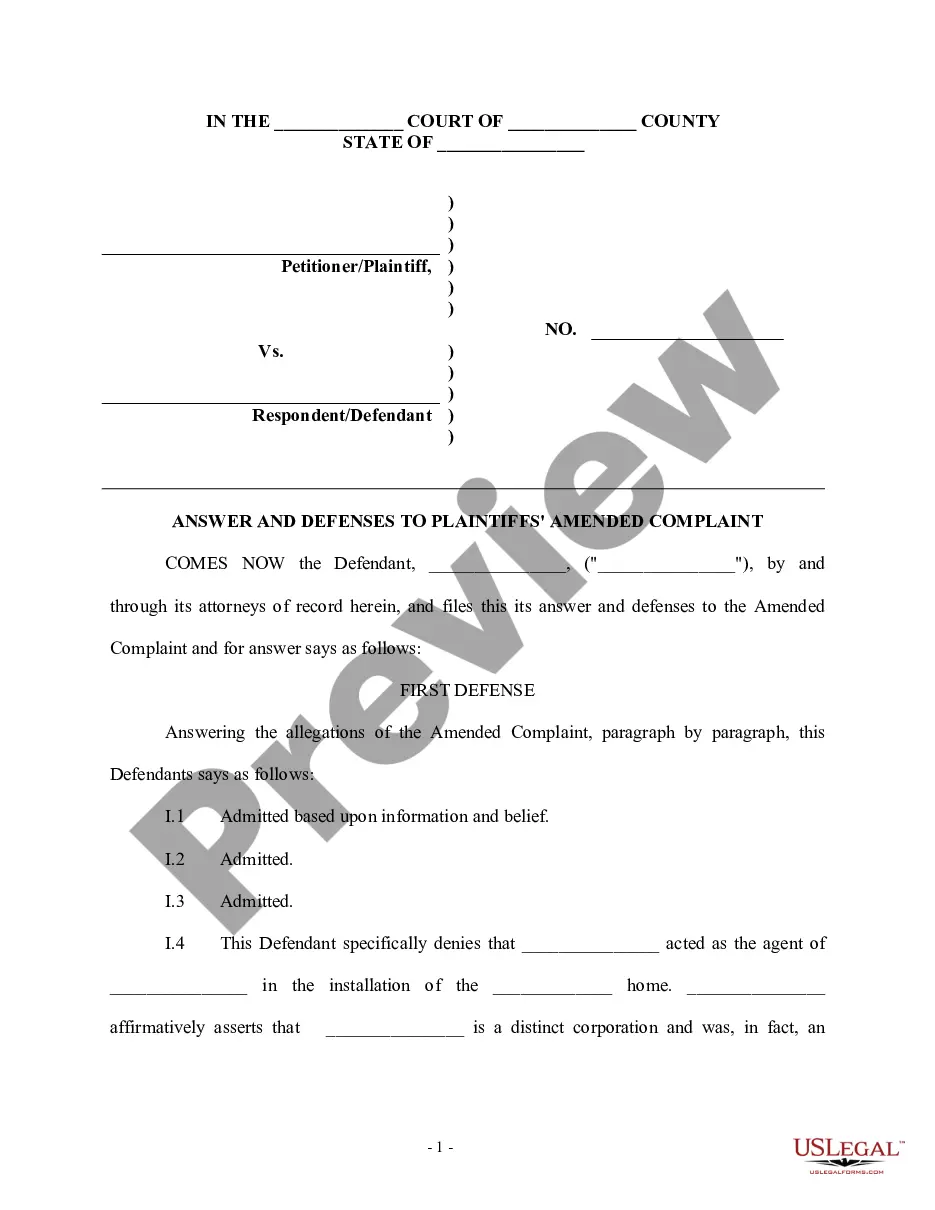
An answer in civil law refers to the formal response made by a defendant to a complaint filed by a plaintiff. This document outlines the defendant's position, addressing the claims made against them. Essentially, the answer serves as an opportunity to present defenses or counterclaims. Understanding how to craft a proper response to civil claim is crucial for maintaining your rights in the legal process.
To write a response letter to the court, start by addressing the court appropriately and stating your case number. Clearly outline your position regarding the matter and include any pertinent details. A well-crafted response is vital for a favorable outcome, especially when addressing a response to civil claim.
Writing a response involves reviewing the document you received closely. Address the key points respectfully and assertively, providing your viewpoint on each issue raised. This approach is essential for crafting a solid response to civil claim.
When writing a response to a civil summons, acknowledge receipt of the summons and provide a detailed answer to the claims. It is important to be timely and to follow the court's guidelines. A complete response helps to uphold your rights and supports your response to civil claim.
A legal response should be clear, concise, and thorough. Address the claims made against you methodically and provide your response to each allegation. This structured approach enables you to create a meaningful response to civil claim.
In writing a response to a petition, ensure that you reference the specific allegations made in the petition. Your response should outline your counterarguments and any evidence or facts that support your case. This clarity helps in formulating an effective response to civil claim.
When writing a response to a claim, start by addressing each point raised in the original claim. Clearly articulate your position and provide any supporting evidence you have. This structured approach not only strengthens your case but also enhances your response to civil claim.