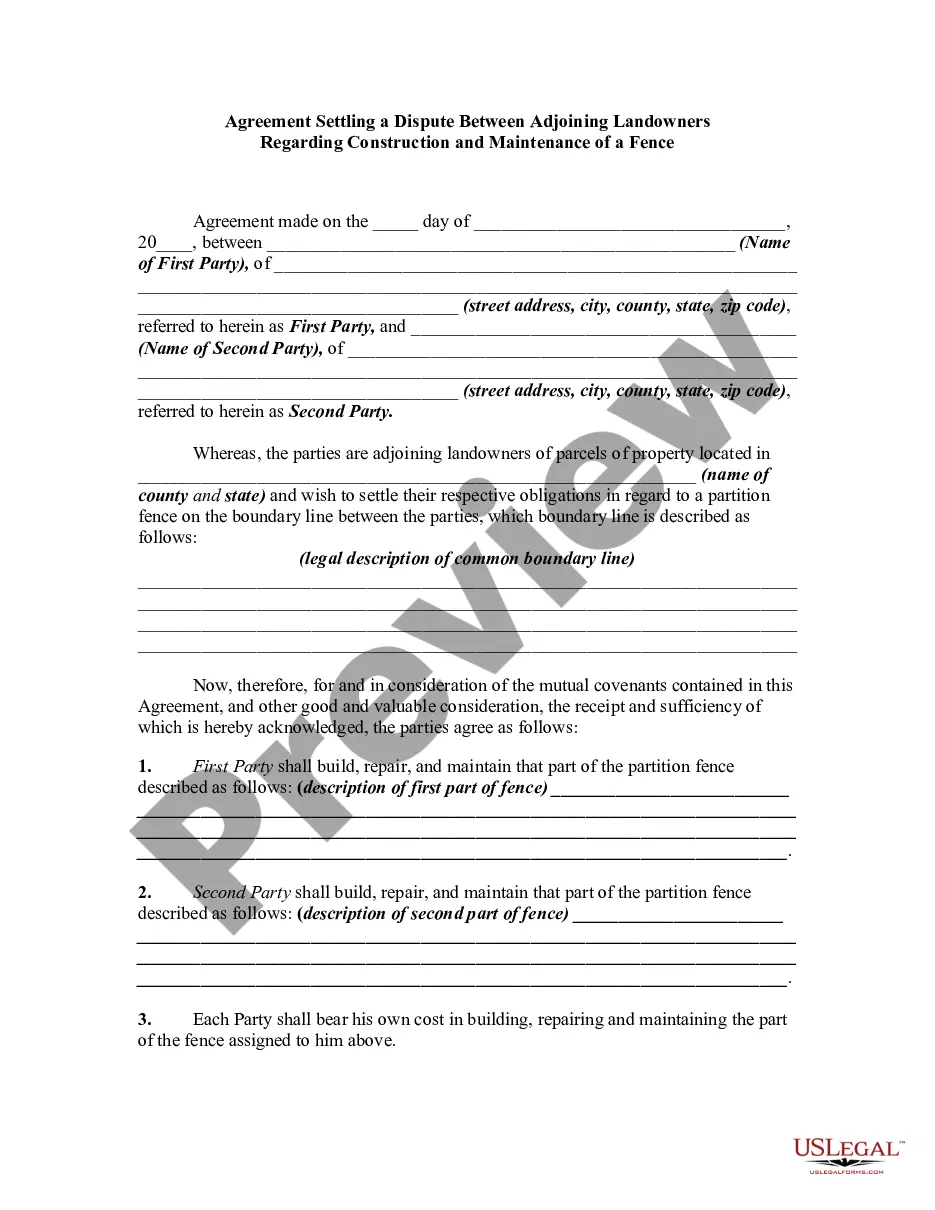
Fence Sharing Agreement With Neighbor
Description
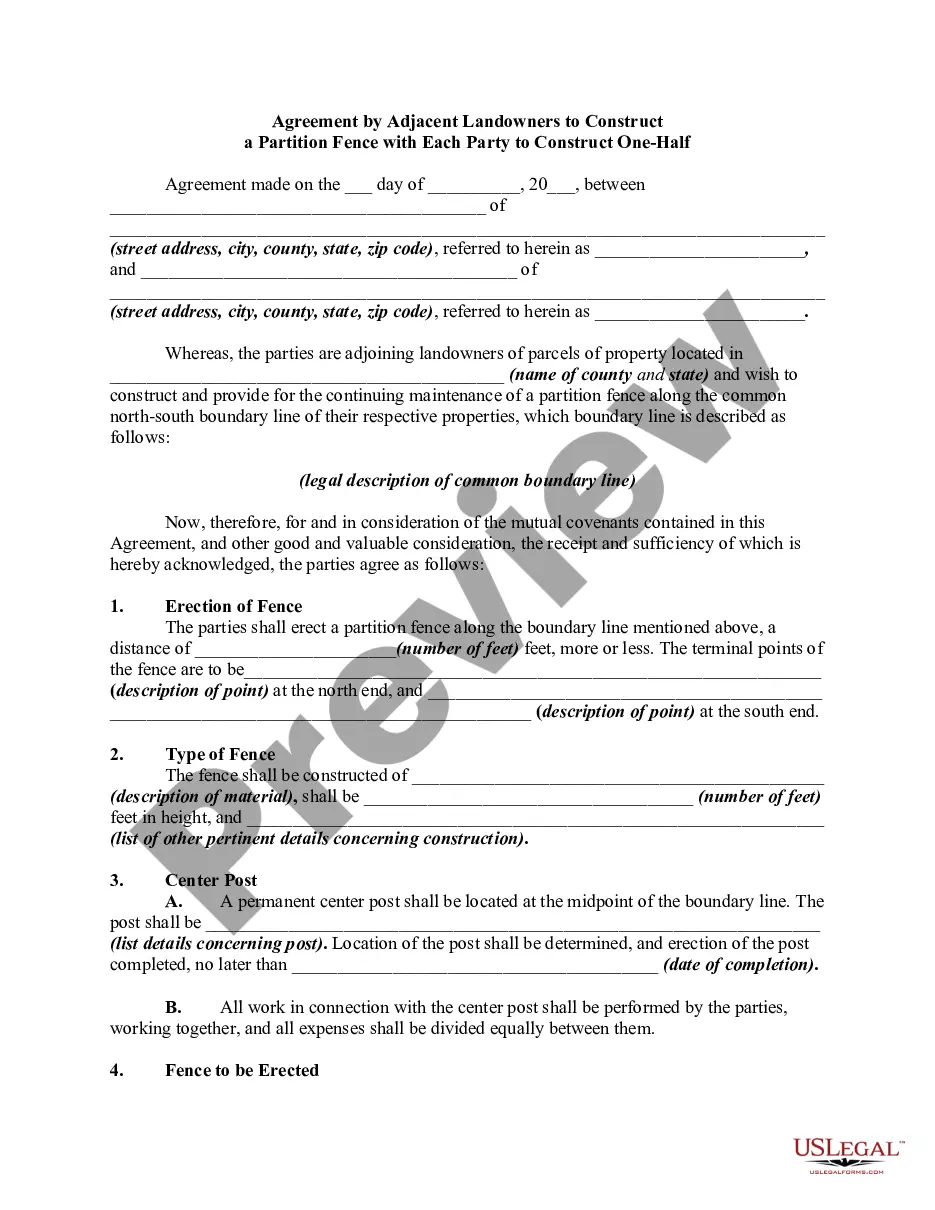
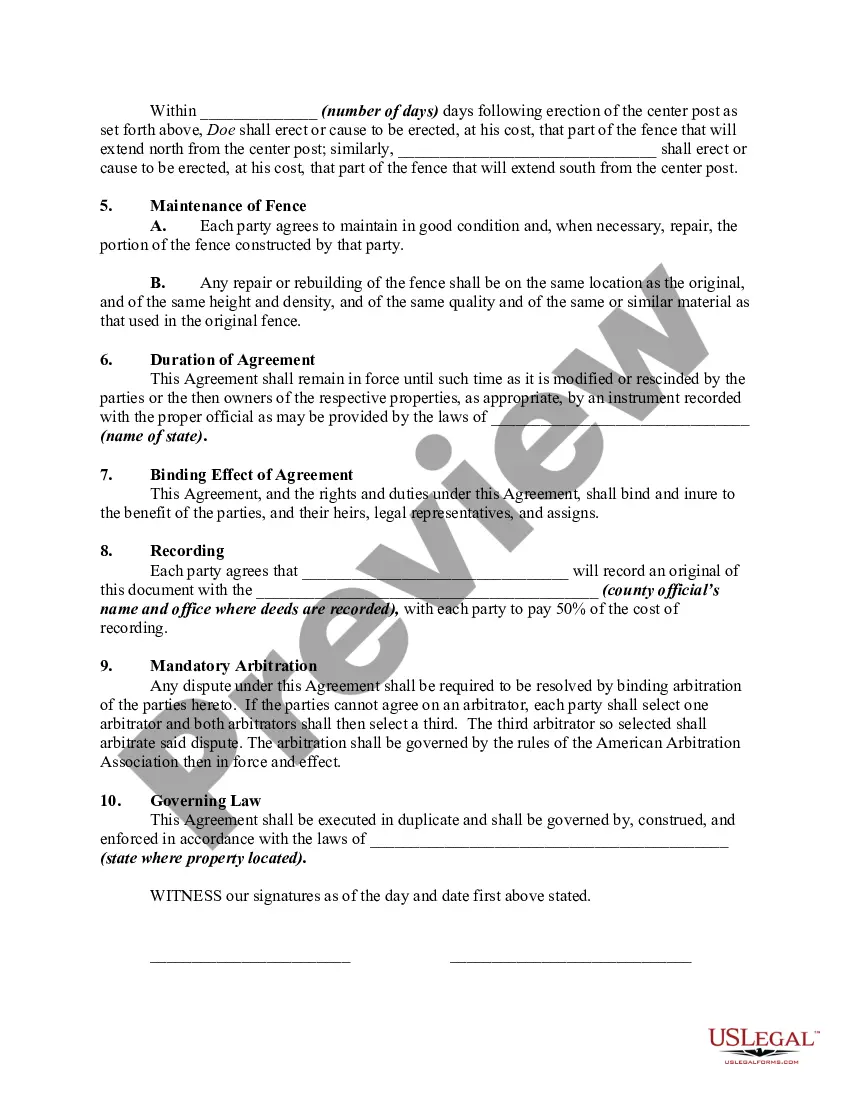
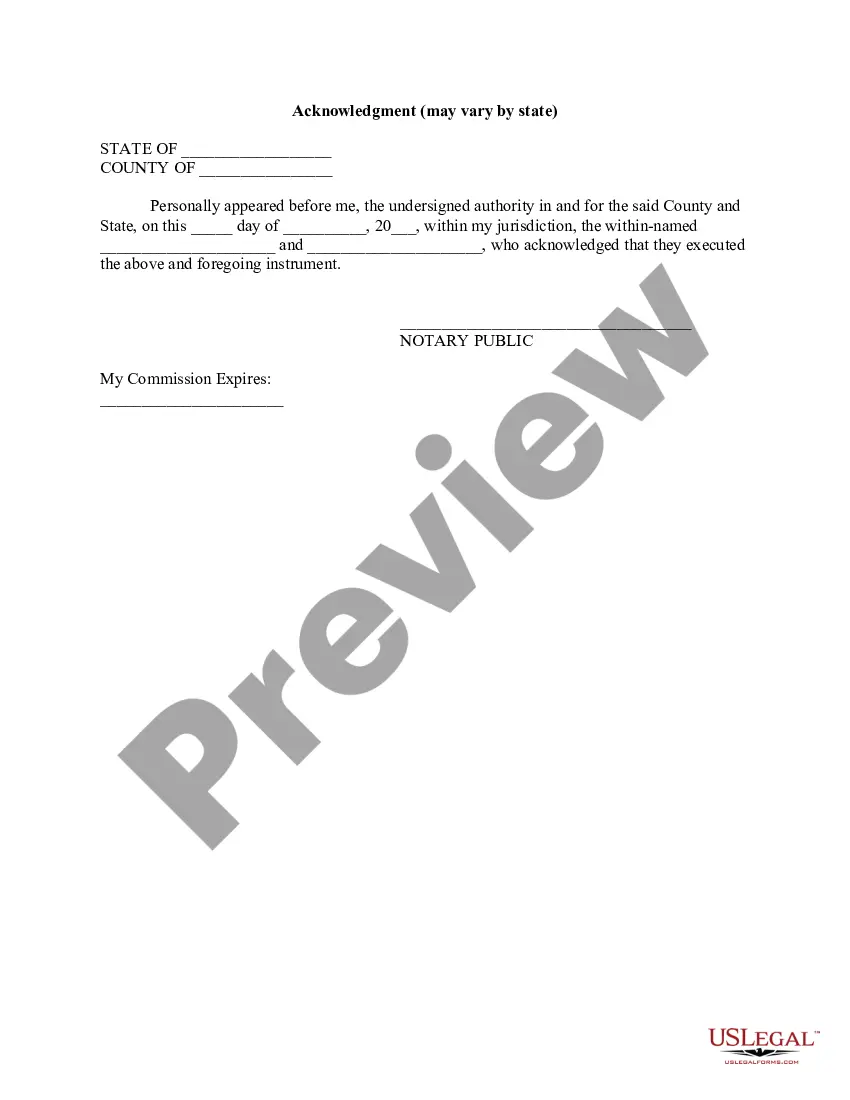
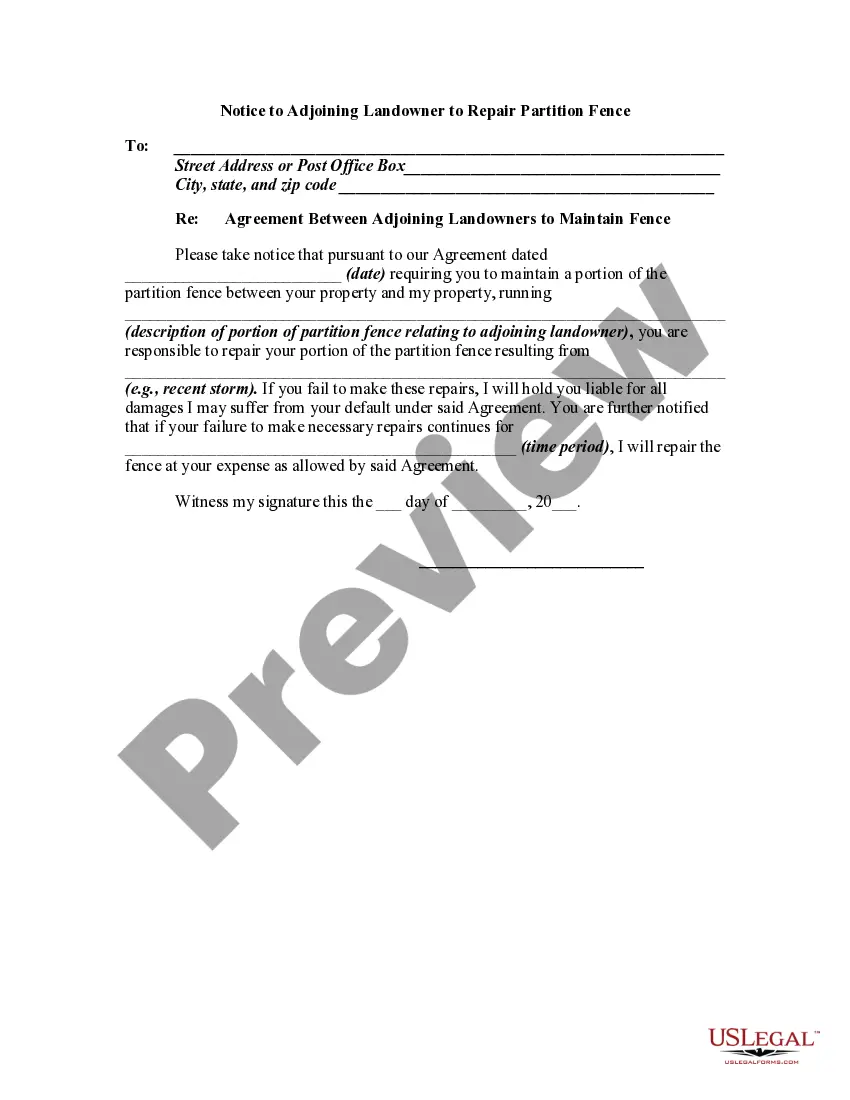
Get your form ready online
Our built-in tools help you complete, sign, share, and store your documents in one place.
Make edits, fill in missing information, and update formatting in US Legal Forms—just like you would in MS Word.
Download a copy, print it, send it by email, or mail it via USPS—whatever works best for your next step.
Sign and collect signatures with our SignNow integration. Send to multiple recipients, set reminders, and more. Go Premium to unlock E-Sign.
If this form requires notarization, complete it online through a secure video call—no need to meet a notary in person or wait for an appointment.
We protect your documents and personal data by following strict security and privacy standards.

Make edits, fill in missing information, and update formatting in US Legal Forms—just like you would in MS Word.

Download a copy, print it, send it by email, or mail it via USPS—whatever works best for your next step.

Sign and collect signatures with our SignNow integration. Send to multiple recipients, set reminders, and more. Go Premium to unlock E-Sign.

If this form requires notarization, complete it online through a secure video call—no need to meet a notary in person or wait for an appointment.

We protect your documents and personal data by following strict security and privacy standards.
Looking for another form?

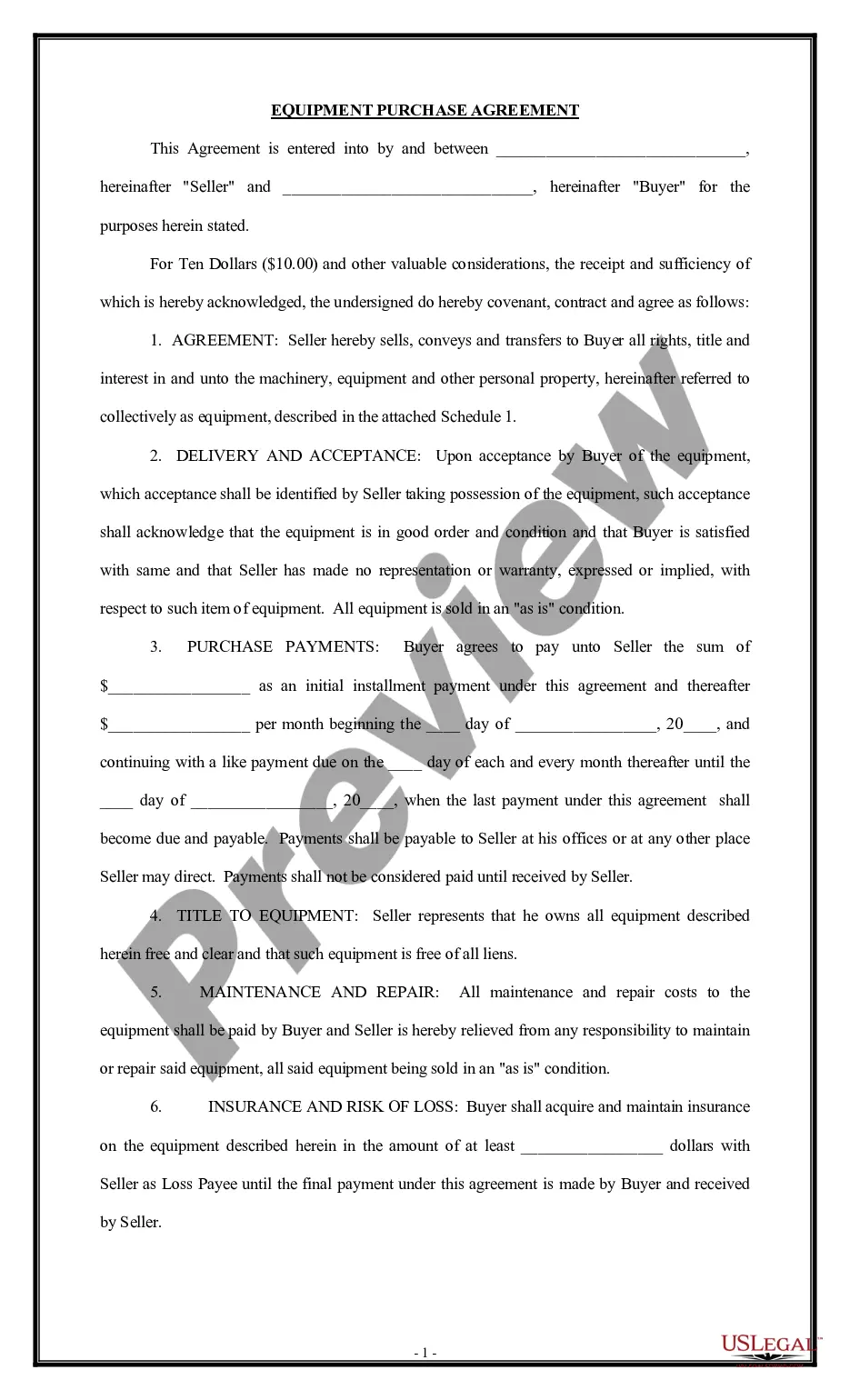

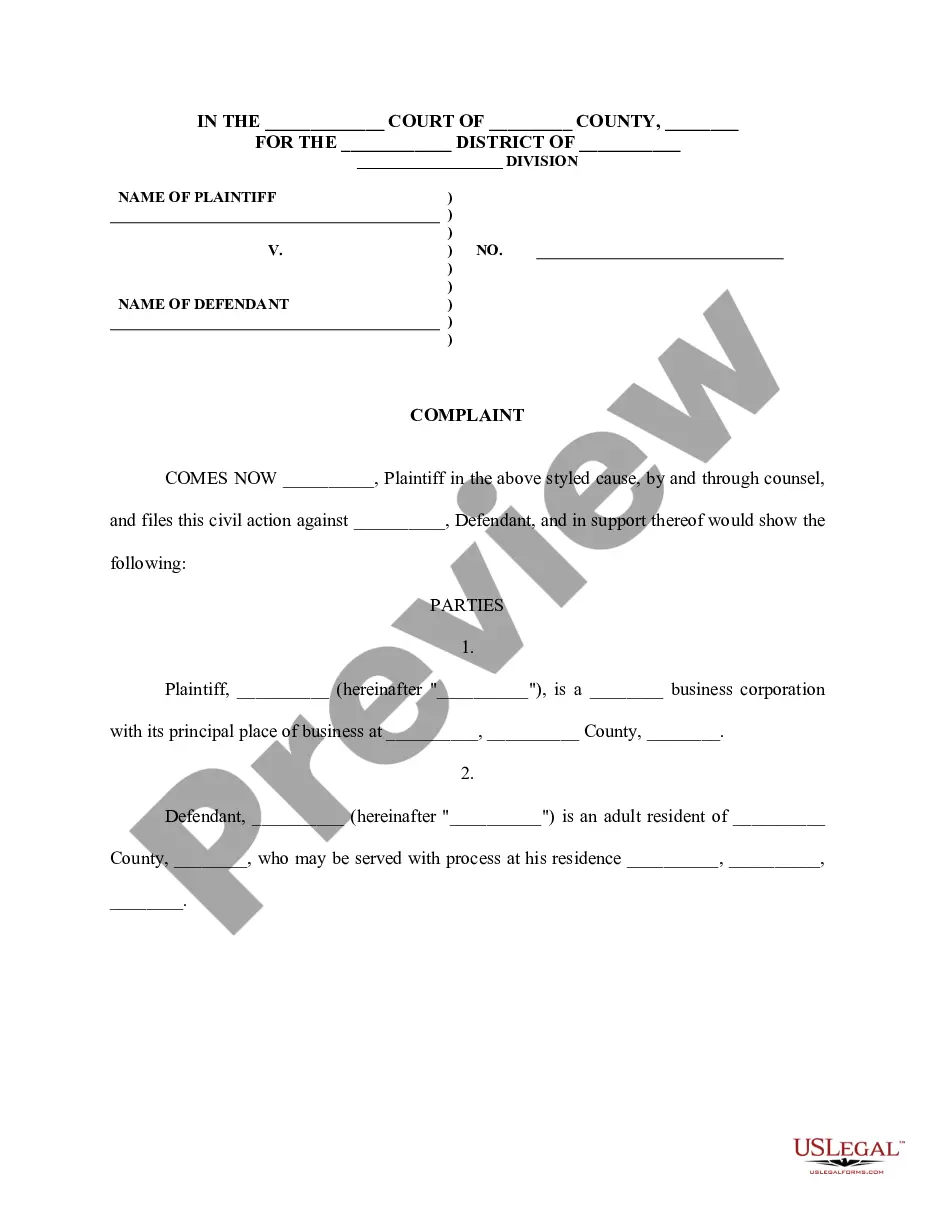
How to fill out Agreement By Adjacent Landowners To Construct A Partition Fence With Each Party To Construct One-Half?
Locating a reliable source for the latest and pertinent legal templates is a significant part of navigating bureaucracy.
Identifying the appropriate legal documents demands precision and meticulousness, which is why it is essential to obtain samples of Fence Sharing Agreement With Neighbor solely from credible sources, such as US Legal Forms. An incorrect template can lead to wasted time and prolong the situation at hand. With US Legal Forms, there is little to fret about. You can access and review all the details related to the document’s applicability and significance for your situation and within your locality.
Once you have the form on your device, you can modify it using the editor or print it out and fill it in manually. Eliminate the complications that come with your legal documentation. Explore the extensive US Legal Forms catalog to find legal templates, verify their applicability to your situation, and download them instantly.
- Utilize the library navigation or search function to locate your sample.
- Examine the form’s description to verify if it meets the criteria of your state and area.
- Access the form preview, if available, to ensure it is indeed the document you need.
- Return to the search and identify the correct document if the Fence Sharing Agreement With Neighbor does not meet your requirements.
- If you are confident about the form’s applicability, proceed to download it.
- If you are a registered user, click Log in to verify and gain access to your chosen forms in My documents.
- If you do not have an account yet, click Buy now to acquire the template.
- Select a pricing plan that aligns with your preferences.
- Continue to the registration process to finalize your purchase.
- Complete your purchase by choosing a payment method (credit card or PayPal).
- Select the file format for downloading Fence Sharing Agreement With Neighbor.
Form popularity
FAQ
To provide an accurate estimate for a fence, start by measuring the area where the fence will be installed. Next, consider materials and labor costs, which may vary based on style and durability. If necessary, involve your neighbor in the fence sharing agreement with neighbor to discuss shared costs or responsibilities. A clear estimate will help establish expectations and foster cooperation between you and your neighbor.
Your neighbor typically cannot attach anything to your fence without your consent. A fence sharing agreement with neighbor clearly outlines responsibilities and permissions regarding modifications. Before any attachment occurs, it’s important to discuss the potential changes and confirm mutual agreement. This will help prevent disputes and clarify ownership aspects.
To write a simple contract agreement, begin by clearly identifying the parties involved in the agreement. Next, detail the terms surrounding your fence sharing agreement with neighbor, including responsibilities and expectations. Ensure you include a description of the shared fence, maintenance duties, and any financial contributions required. Finally, both parties should sign the agreement to create a legally binding document, ensuring protection for everyone involved.
When writing a letter to a neighbor regarding a fence, be clear and polite about your intentions and the specifics of the fence sharing agreement with your neighbor. Start by introducing yourself and then express your desire to discuss the fence, mentioning any relevant local laws that support your request. Offering to meet in person can help clarify any details and ensure that both parties understand the obligations involved. A well-crafted letter can set a positive tone for your discussions.
The 841 fence law refers to regulations in some jurisdictions that outline the requirements for fence construction, maintenance, and shared costs between neighbors. This law aims to foster cooperation in maintaining boundary lines and responsibilities in a fence sharing agreement with a neighbor. Understanding this law can help you and your neighbor create a clear and fair arrangement for any shared fencing projects. Always consult your local laws for specific details relevant to your area.
In most cases, the ownership of a shared fence is determined by your fence sharing agreement with a neighbor, rather than location alone. Generally, the side facing outward is owned by the person who builds the fence, while the other side belongs to the neighbor. However, homeowners should regularly discuss and agree on the positioning and maintenance obligations of the fence. This can help prevent misunderstandings and maintain good neighborly relations.
Several states in the U.S. have established good neighbor fence laws, which can guide your fence sharing agreement with a neighbor. These laws generally promote shared responsibility for maintaining boundary fences. For instance, states like California and Florida have specific regulations that encourage neighbors to work together on fence upkeep. It's important to check the local laws in your state for the most accurate information.