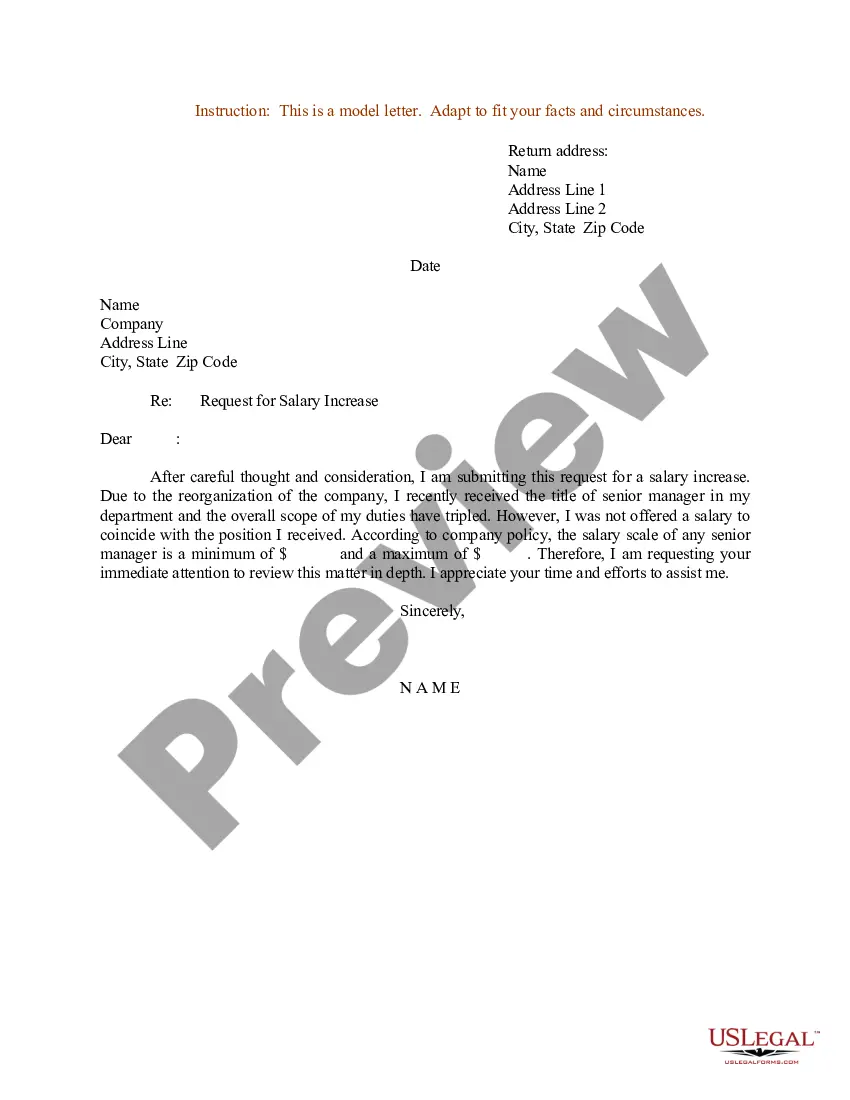
Salary Increase Letter For Market Adjustment
Description


Get your form ready online
Our built-in tools help you complete, sign, share, and store your documents in one place.
Make edits, fill in missing information, and update formatting in US Legal Forms—just like you would in MS Word.
Download a copy, print it, send it by email, or mail it via USPS—whatever works best for your next step.
Sign and collect signatures with our SignNow integration. Send to multiple recipients, set reminders, and more. Go Premium to unlock E-Sign.
If this form requires notarization, complete it online through a secure video call—no need to meet a notary in person or wait for an appointment.
We protect your documents and personal data by following strict security and privacy standards.

Make edits, fill in missing information, and update formatting in US Legal Forms—just like you would in MS Word.

Download a copy, print it, send it by email, or mail it via USPS—whatever works best for your next step.

Sign and collect signatures with our SignNow integration. Send to multiple recipients, set reminders, and more. Go Premium to unlock E-Sign.

If this form requires notarization, complete it online through a secure video call—no need to meet a notary in person or wait for an appointment.

We protect your documents and personal data by following strict security and privacy standards.
Looking for another form?




How to fill out Sample Letter For Request For Salary Increase?
Utilizing legal document examples that comply with federal and state standards is essential, and the internet presents numerous choices.
However, why squander time searching for the ideal Salary Increase Letter For Market Adjustment template online when the US Legal Forms digital library has already curated such documents in one location.
US Legal Forms is the largest online legal repository with more than 85,000 editable templates created by lawyers for all kinds of professional and personal situations.
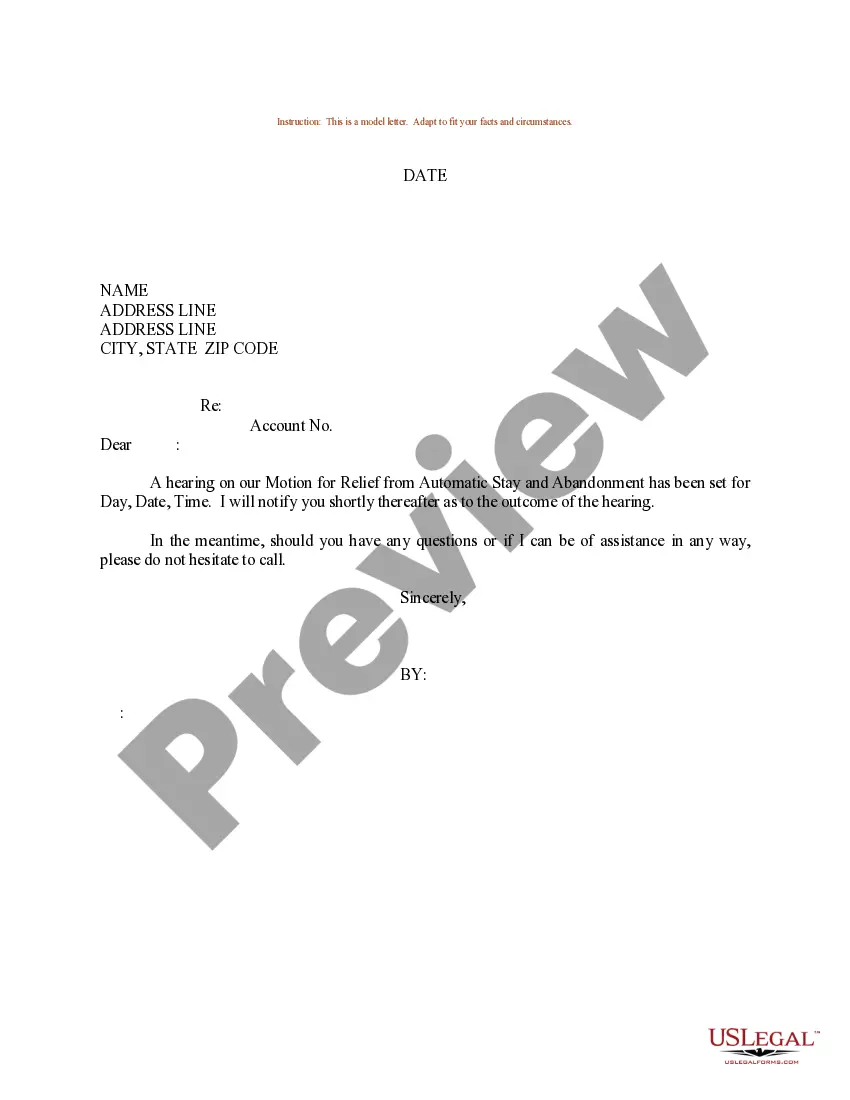
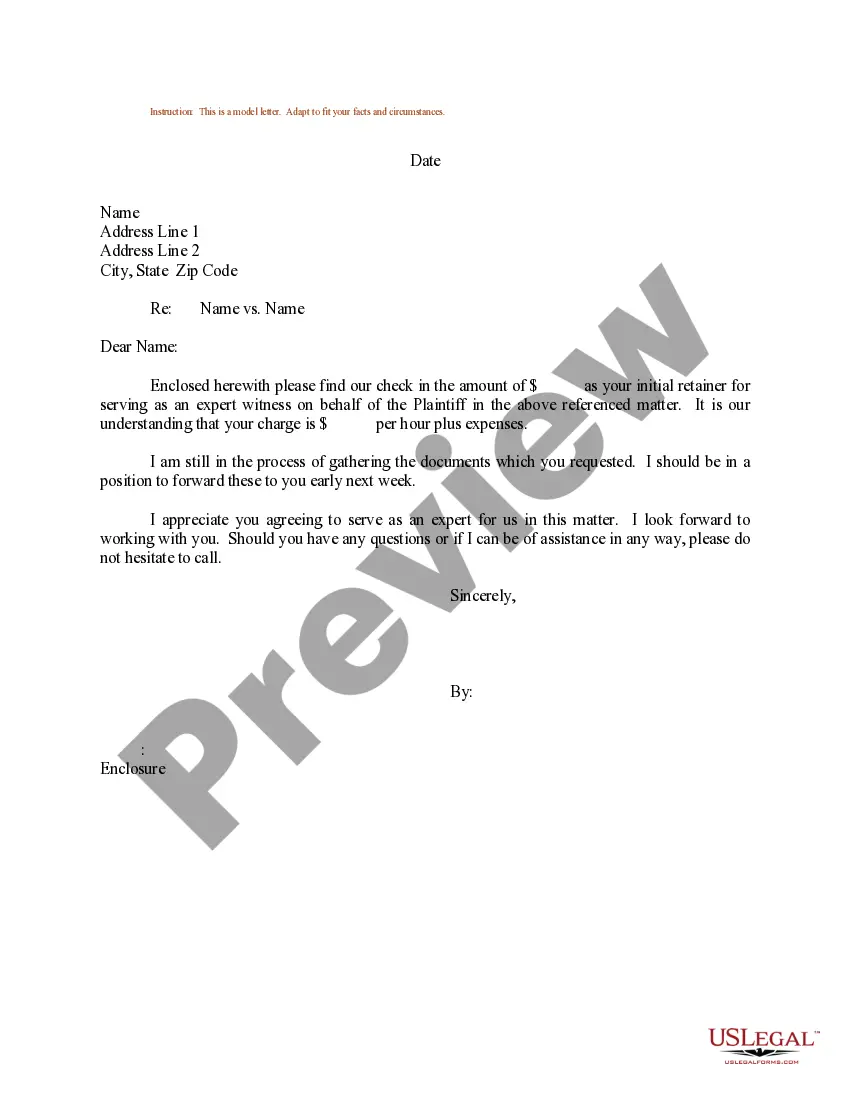
Explore the template using the Preview feature or through the text description to verify it meets your needs.
- They are easy to navigate, with all documents categorized by state and intended use.
- Our experts keep up with regulatory changes, ensuring that your documents are current and compliant when you acquire a Salary Increase Letter For Market Adjustment from our site.
- Obtaining a Salary Increase Letter For Market Adjustment is swift and straightforward for both existing and new users.
- If you already possess an account with an active subscription, Log In and save the document sample you need in the correct format.
- If you’re a newcomer to our site, follow the steps outlined below.
Form popularity
FAQ
To politely ask for a salary adjustment, use respectful language and approach the conversation thoughtfully. Explain your reasons clearly, including any changes in your job responsibilities. Timing is essential; request a meeting ideally after a positive performance review. Mention a salary increase letter for market adjustment to provide a framework for your request.
Recording a Foreign Judgment in New Jersey If you were awarded a judgment in another state, you can request that it be enforced in New Jersey. You need to provide the foreign judgment with an affixed seal from the issuing court. You also need to attach an affidavit attesting to your status as judgment creditor.
If your account is in default, a judgment will be entered in Superior Court. A lien may be placed upon your assets by the Division of Employer Accounts.
The statute of limitations on a judgment is 20 years ? not six. Further, a creditor can renew the judgment. Also, he said, there is an exception to NJ Statute of Limitation law. ?The six-year statute of limitation does not apply to contracts between merchants or a sale of goods under NJ's Commercial Code.
The New Jersey Judiciary website offers a free judgment lien search for judgments docketed in Trenton where the state maintains its central judgment database.
The creditor can often place a lien on your property, such as a house or car. The lien must usually be paid off before you can sell the property. Seize assets. Sometimes, a creditor can get a court order to seize other assets or personal property you own, such as a vehicle or real estate, to satisfy the debt.
The creditor will likely try to collect the amount of the judgment from you. This can happen in several ways. If you are employed, the creditor may obtain a court order to garnish you wages which will mean a certain amount of money will be deducted from your paychecks until the full amount of the judgment is paid.
Under the New Jersey Court Rules, creditors must first obtain a writ of execution from the court before engaging in post-judgment collection practices. The writ of execution gives the creditor the legal authority to take certain actions, such as wage garnishment or property liens, to collect the debt.
The statute of limitations on a judgment is 20 years ? not six. Further, a creditor can renew the judgment. Also, he said, there is an exception to NJ Statute of Limitation law. ?The six-year statute of limitation does not apply to contracts between merchants or a sale of goods under NJ's Commercial Code.