Quiet Title In California
Description
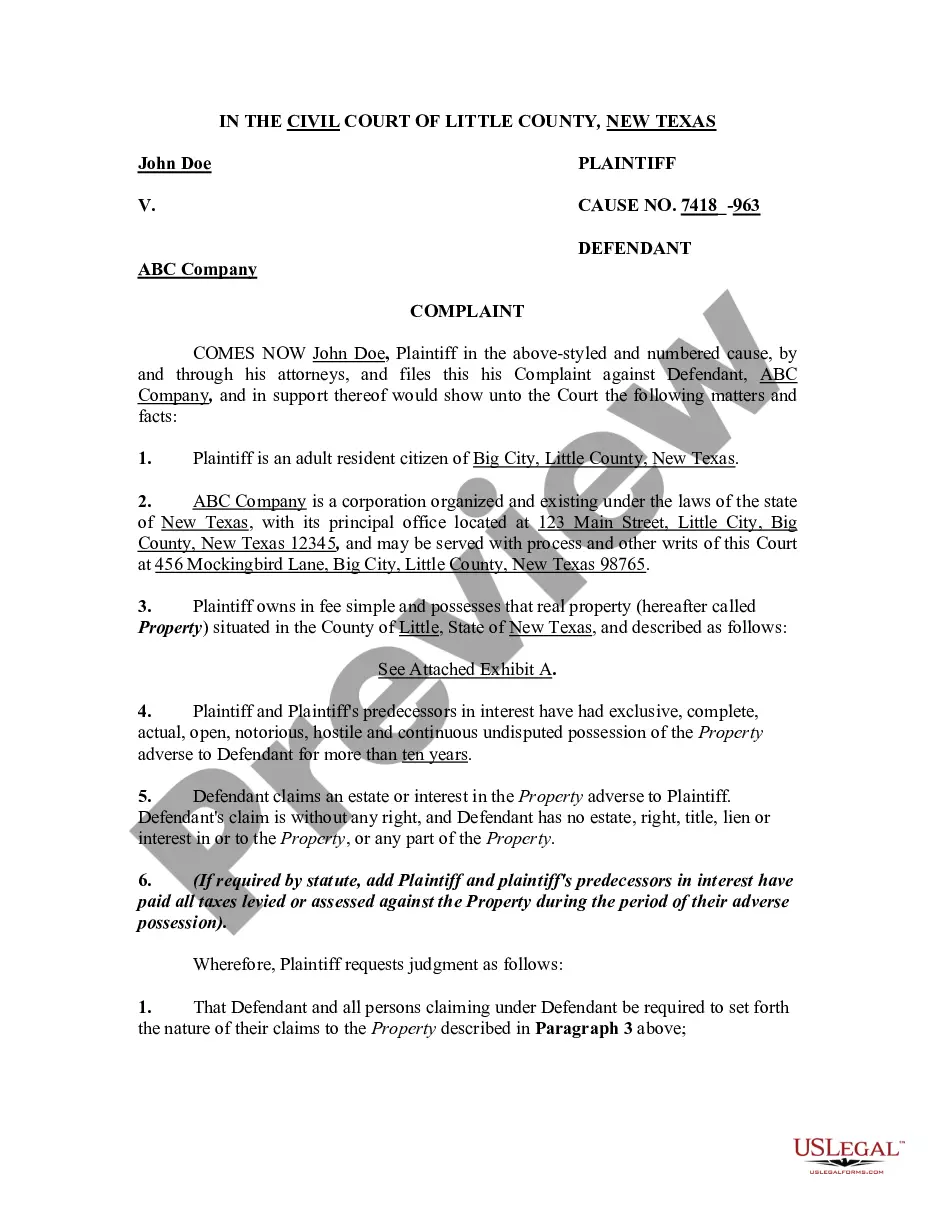
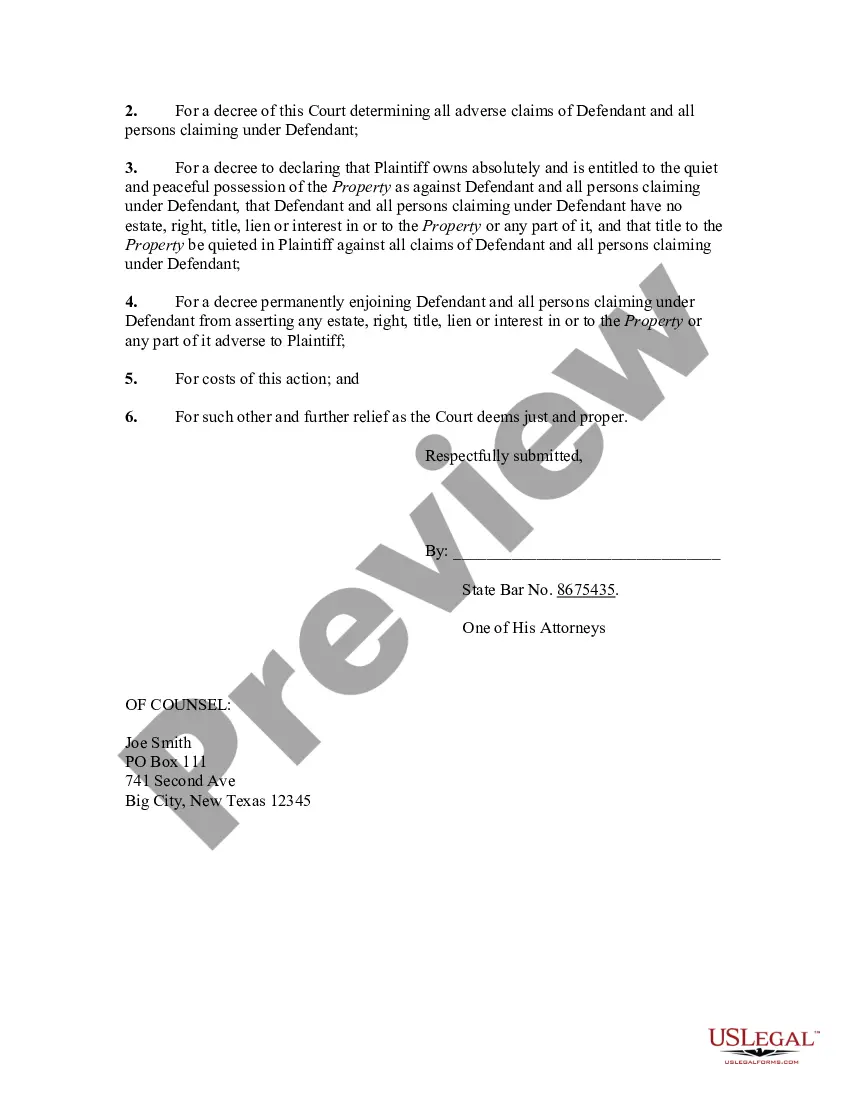
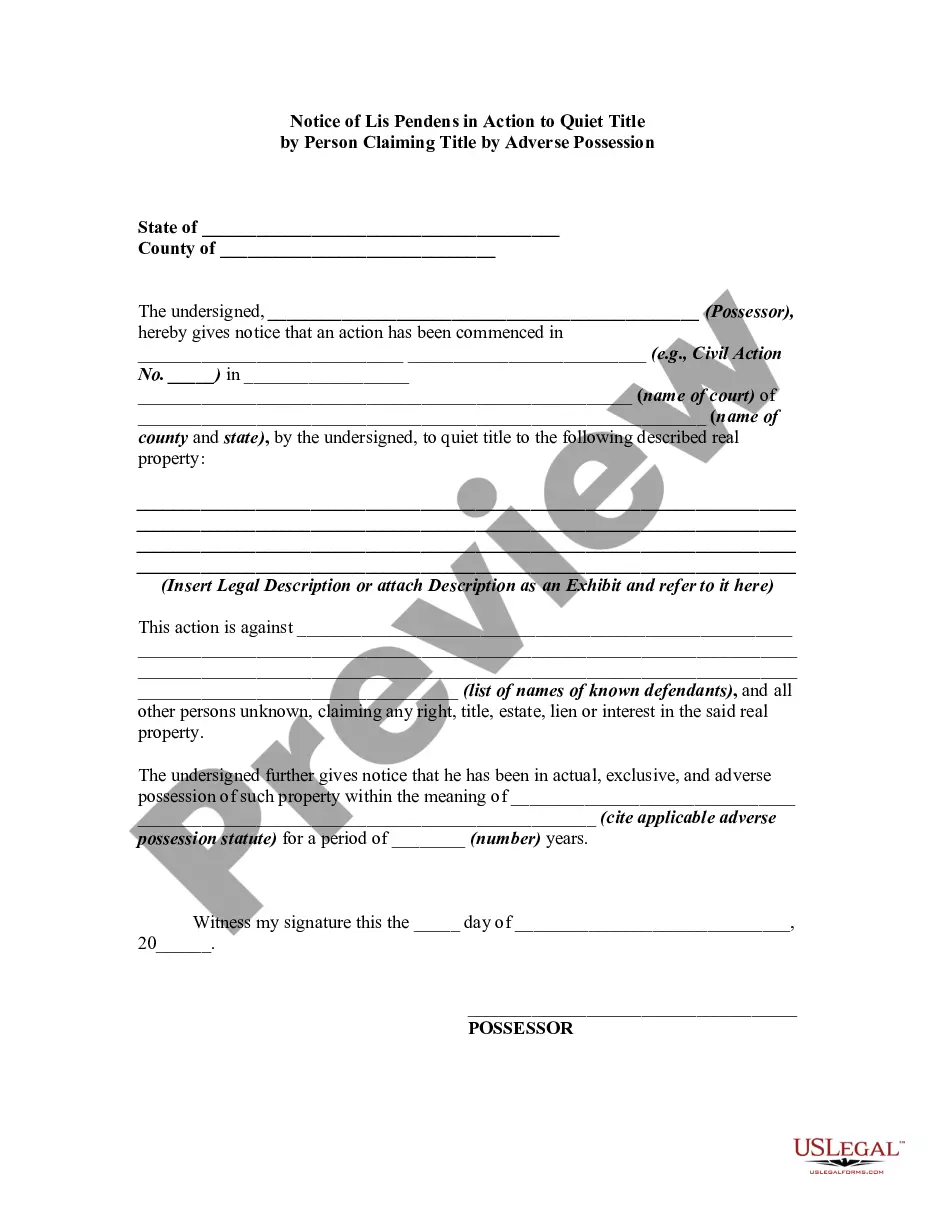
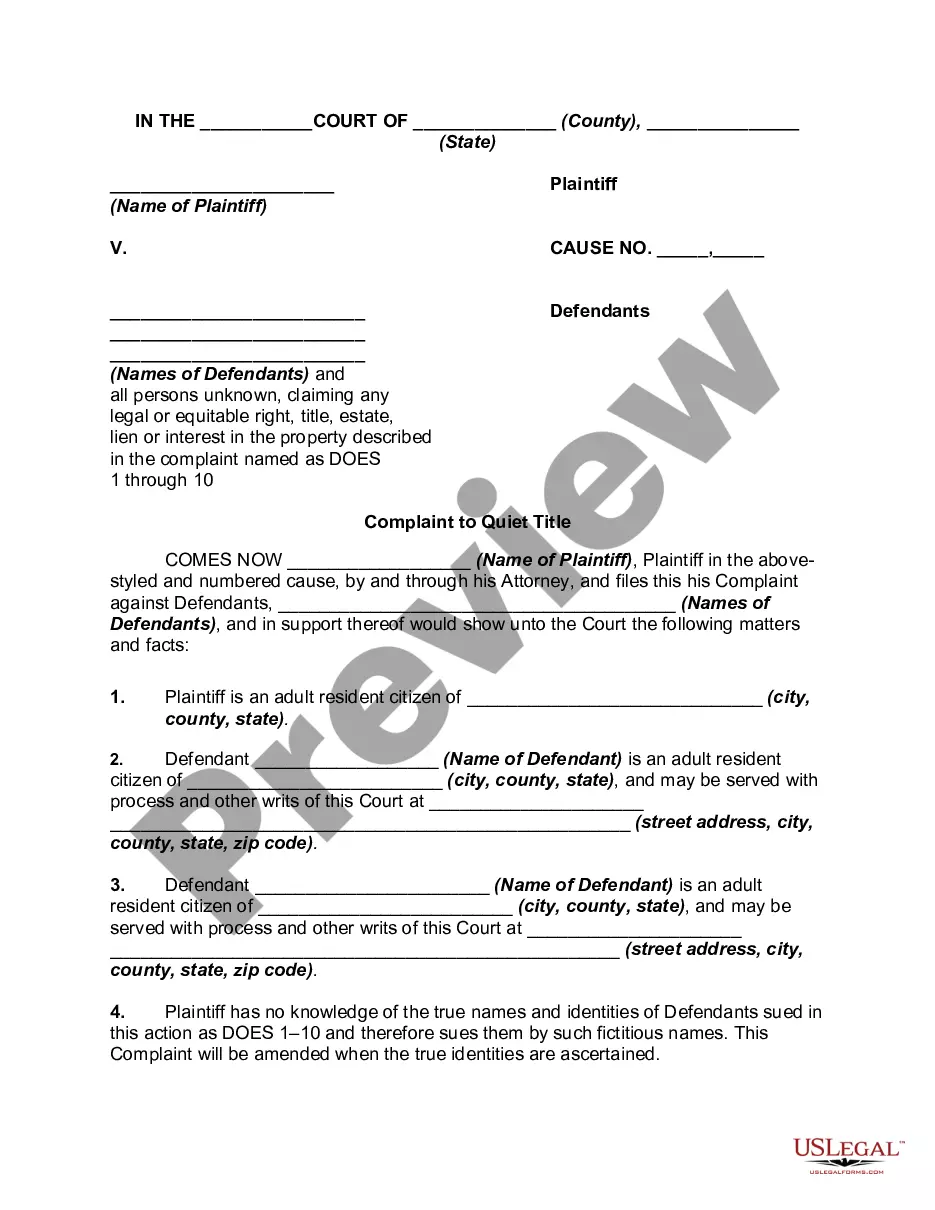
Get your form ready online
Our built-in tools help you complete, sign, share, and store your documents in one place.
Make edits, fill in missing information, and update formatting in US Legal Forms—just like you would in MS Word.
Download a copy, print it, send it by email, or mail it via USPS—whatever works best for your next step.
Sign and collect signatures with our SignNow integration. Send to multiple recipients, set reminders, and more. Go Premium to unlock E-Sign.
If this form requires notarization, complete it online through a secure video call—no need to meet a notary in person or wait for an appointment.
We protect your documents and personal data by following strict security and privacy standards.

Make edits, fill in missing information, and update formatting in US Legal Forms—just like you would in MS Word.

Download a copy, print it, send it by email, or mail it via USPS—whatever works best for your next step.

Sign and collect signatures with our SignNow integration. Send to multiple recipients, set reminders, and more. Go Premium to unlock E-Sign.

If this form requires notarization, complete it online through a secure video call—no need to meet a notary in person or wait for an appointment.

We protect your documents and personal data by following strict security and privacy standards.
Looking for another form?
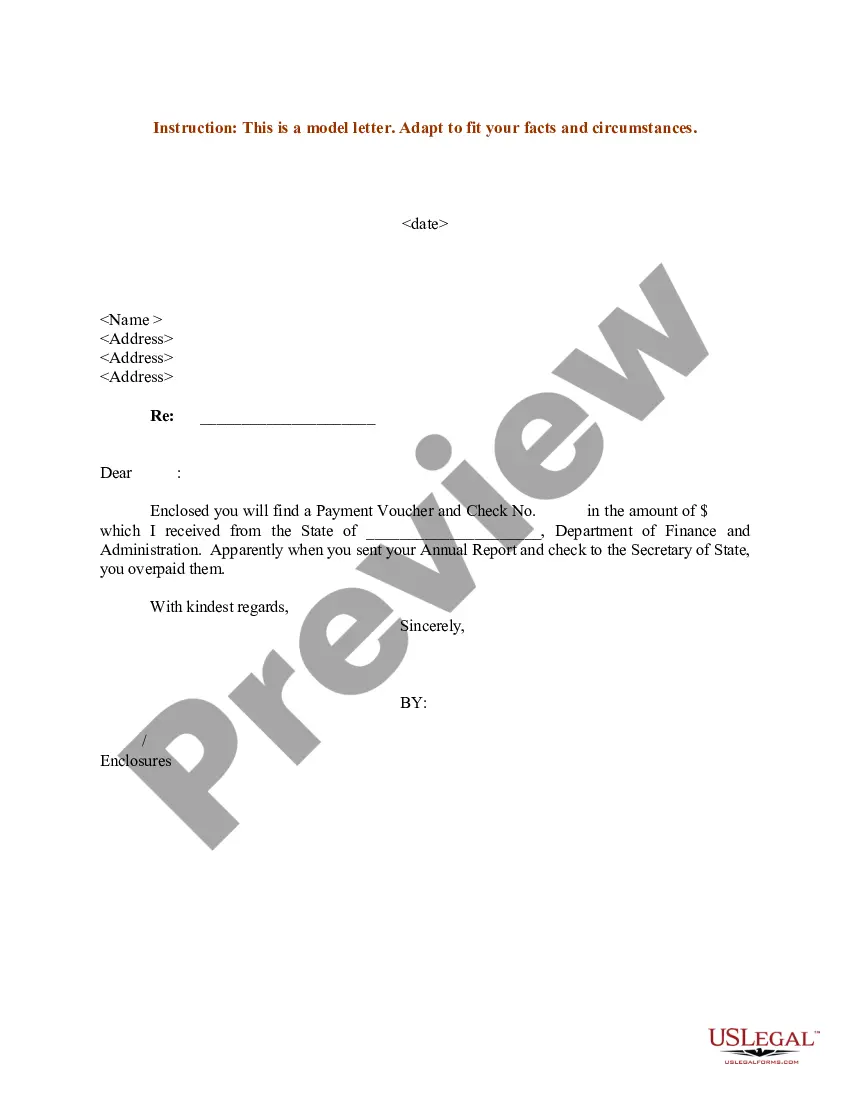
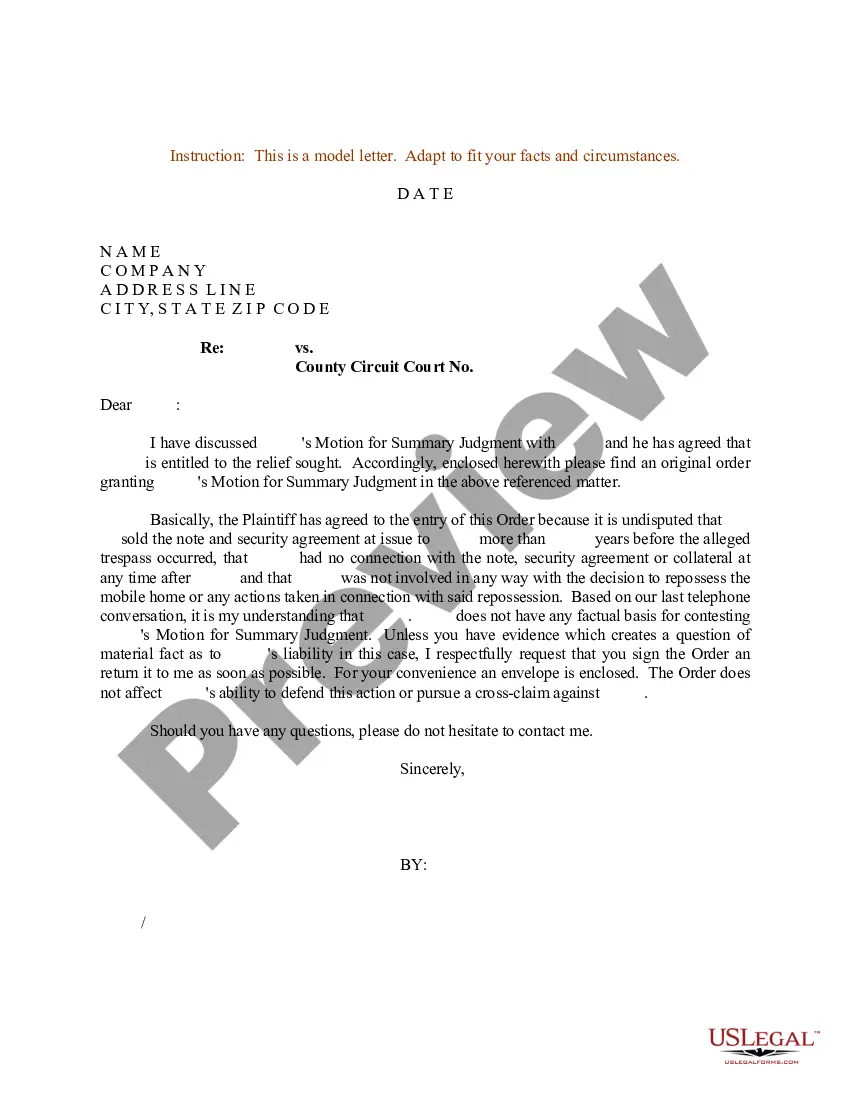
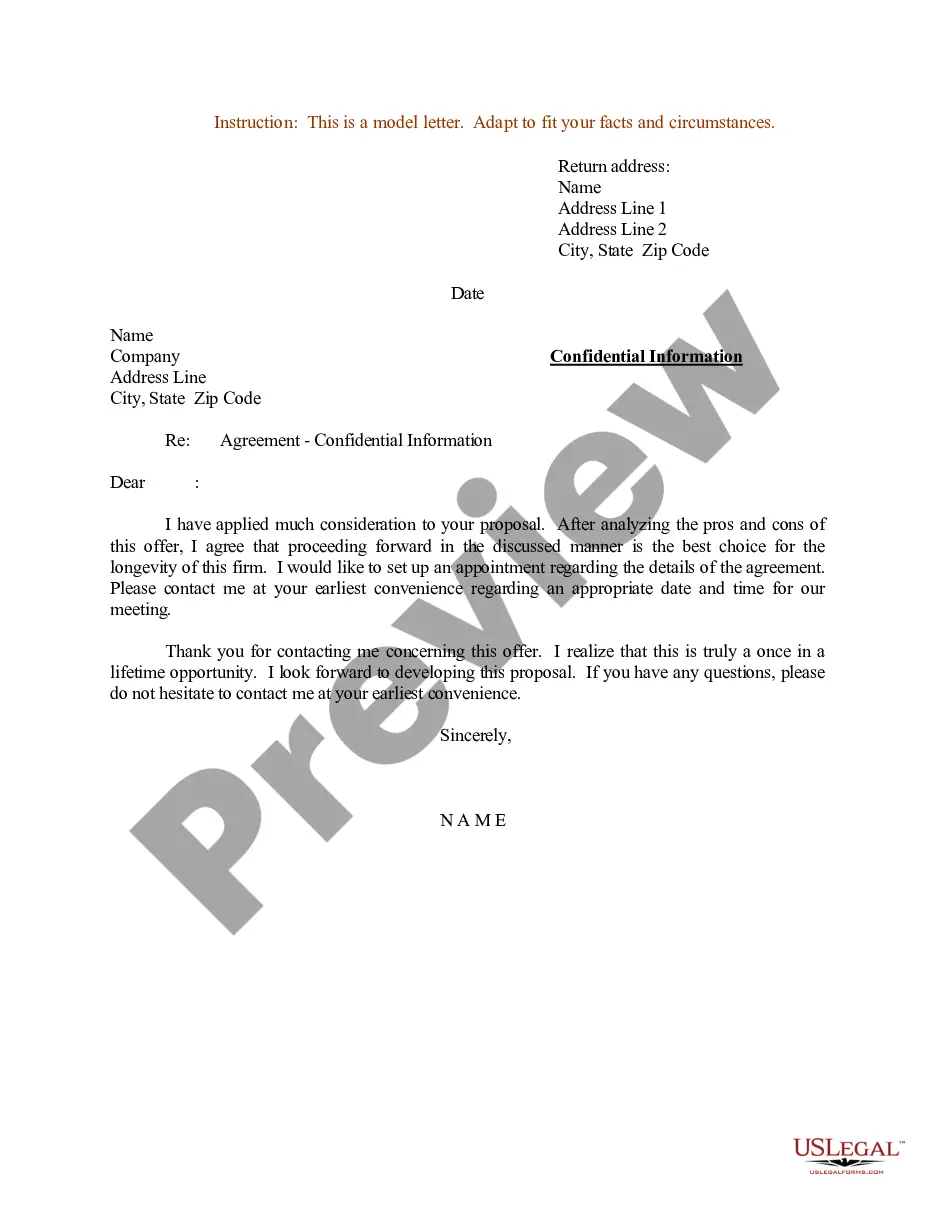
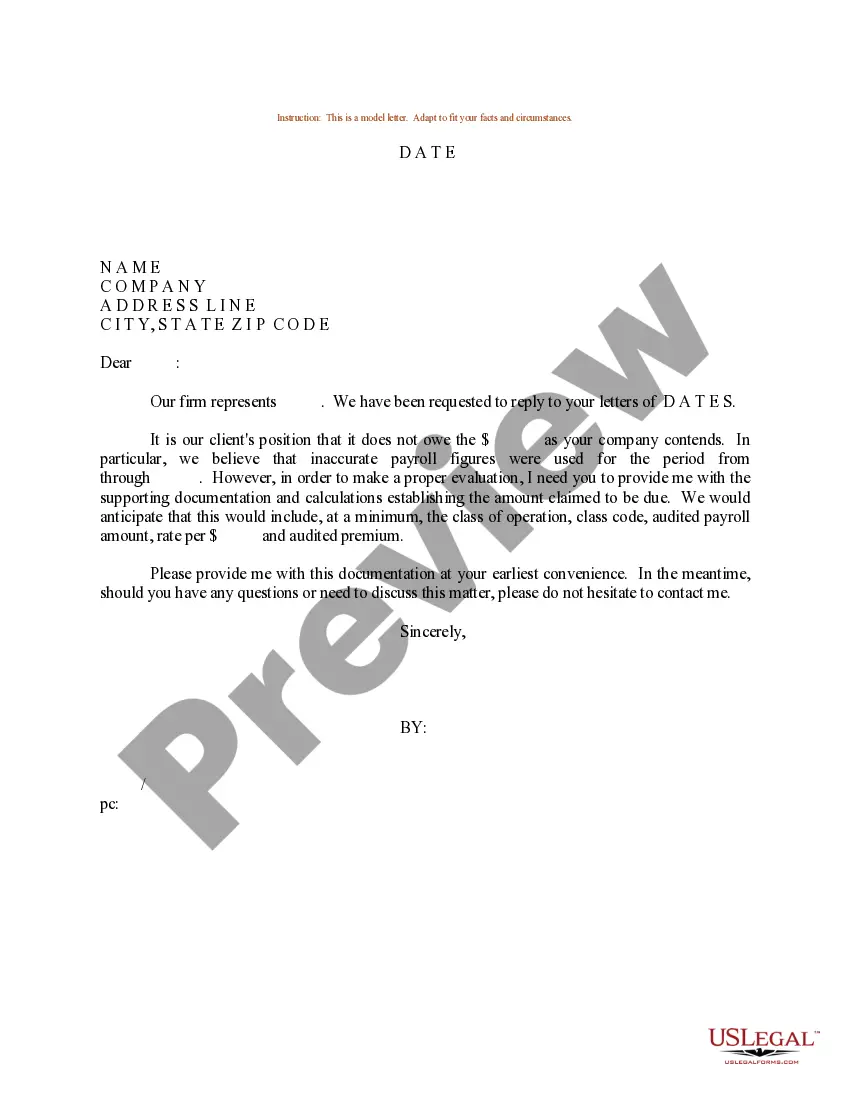
How to fill out Complaint To Quiet Title By Person Claiming Adverse Possession - Squatters Rights?
The Silent Title In California you observe on this page is a versatile legal template formulated by expert lawyers in compliance with federal and local laws.
For over 25 years, US Legal Forms has supplied individuals, enterprises, and legal professionals with more than 85,000 authenticated, state-specific documents for any business and personal circumstance.
Register for US Legal Forms to have validated legal templates for all of life's circumstances at your fingertips.
- Browse for the document you need and verify it.
- Sign up and Log In.
- Obtain the editable template.
- Complete and endorse the documents.
- Download your documents once again.
Form popularity
FAQ
Obtaining a quiet title in California involves a legal process that begins with filing a petition in court. You may also want to gather supporting documents such as deeds and previous title records to back your claim. Partnering with a legal professional who understands the ins and outs of quiet title in California can significantly streamline the process and help you achieve a favorable outcome.
To initiate a quiet title in California, you must meet specific legal requirements. Generally, you need to file a complaint in the appropriate court, clearly describe your property, and establish the reasons you believe you hold the rightful title. Additionally, you must provide notice to all parties that may have an interest in the property, ensuring they have the chance to respond.
The duration of a quiet title action in California can vary significantly based on several factors. Typically, the process may take anywhere from a few months to over a year, depending on court schedules and any complications arising during the proceedings. Factors like the clarity of evidence, potential disputes, and the responsiveness of parties involved will influence the timeline. Staying well-prepared and organized can help expedite your quiet title in California.
Becoming successful in a quiet title action requires a strategic approach. First, compile all documentation that verifies your ownership or rights to the property in question. Second, craft a well-articulated complaint that meets legal requirements. Engaging professionals or platforms like US Legal Forms can provide essential support throughout the process, ensuring you navigate the intricate landscape of quiet title in California effectively.
To succeed in a quiet title action, ensure that you gather substantial evidence proving your ownership or interest in the property. Present clear and truthful documentation to establish your claim effectively. Additionally, being prepared for any possible opposition is crucial, as others may contest your claim. Having an experienced attorney can enhance your chances for success in quiet title in California, as they can help solidify your case.
Responding to a quiet title action involves submitting a written response to the court within the set timeframe. Start by gathering all relevant documentation and evidence that supports your claim or interest in the property. It's essential to address each point raised in the original complaint clearly. If you're unsure about how to proceed, consider using platforms like US Legal Forms, which can provide templates and guidance tailored for quiet title in California.
Yes, you can pursue a quiet title action yourself, but it is essential to understand the legal requirements and procedures involved. While the process can be complex, being informed about the steps, such as filing the correct paperwork and serving notices, can help. Many individuals find it beneficial to consult with legal resources or platforms like USLegalForms for guidance. This ensures that you meet all necessary requirements and increases your chances of success.
In California, the burden of proof for a quiet title action rests with the person claiming the title. You must provide clear and convincing evidence that supports your ownership and contradicts any competing claims. This may involve presenting deeds, tax records, or other documents showcasing your legal interest in the property. Understanding this burden helps you prepare a strong case in a quiet title action.
To file a quiet title action in California, you need to start by gathering relevant documents that establish your claim to ownership. Next, file a complaint in the appropriate court, detailing your claim and addressing any conflicting claims. Additionally, ensure you properly serve all interested parties with the court documents. Finally, consider using platforms like USLegalForms to access templates and guidance for an effective filing process.
In California, the burden of proof for a quiet title case relies on the plaintiff, usually meaning you must show stronger evidence than the opposing side. You need to prove that you have a valid claim to the property, demonstrating ownership and addressing any conflicting claims. By understanding these requirements, you can properly prepare your case, and services like US Legal Forms can help you gather the necessary documentation and information to support your quiet title in California.