Quiet Title Form Kansas
Description
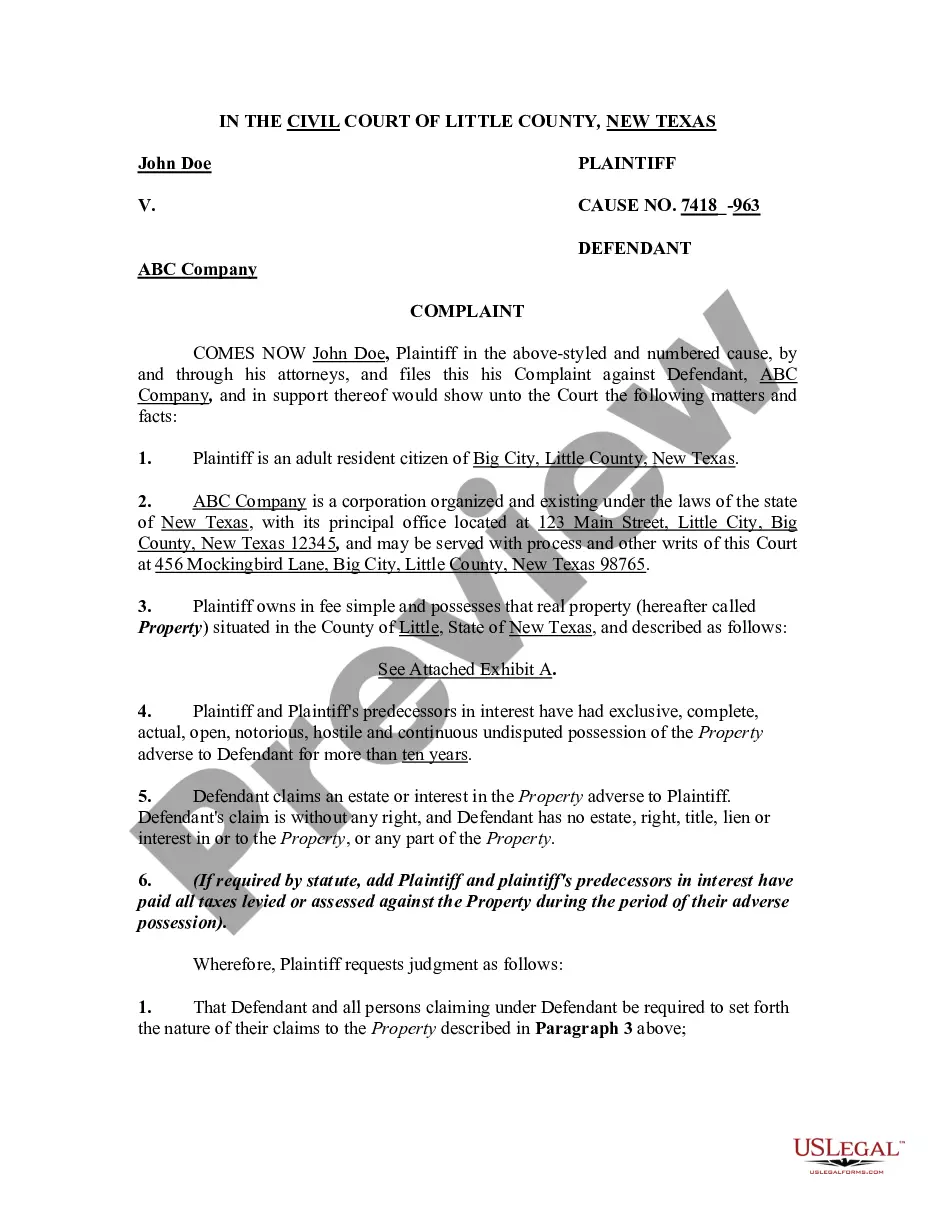
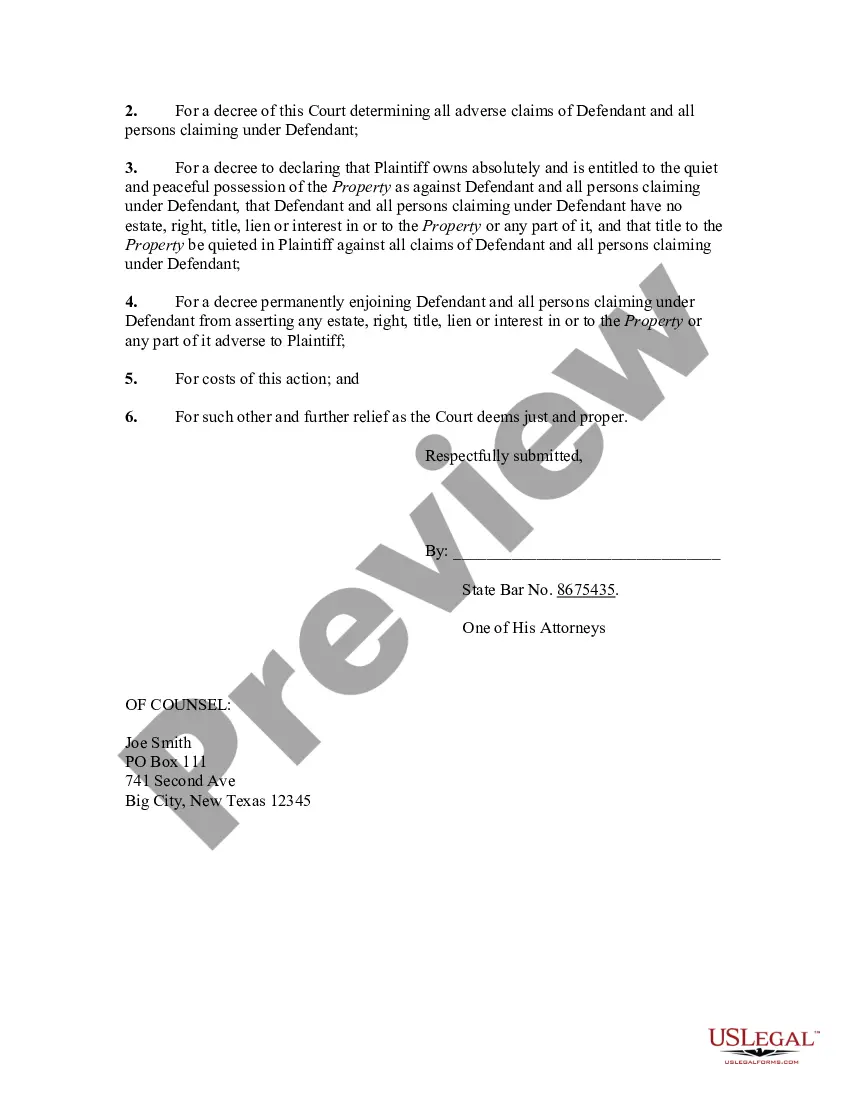
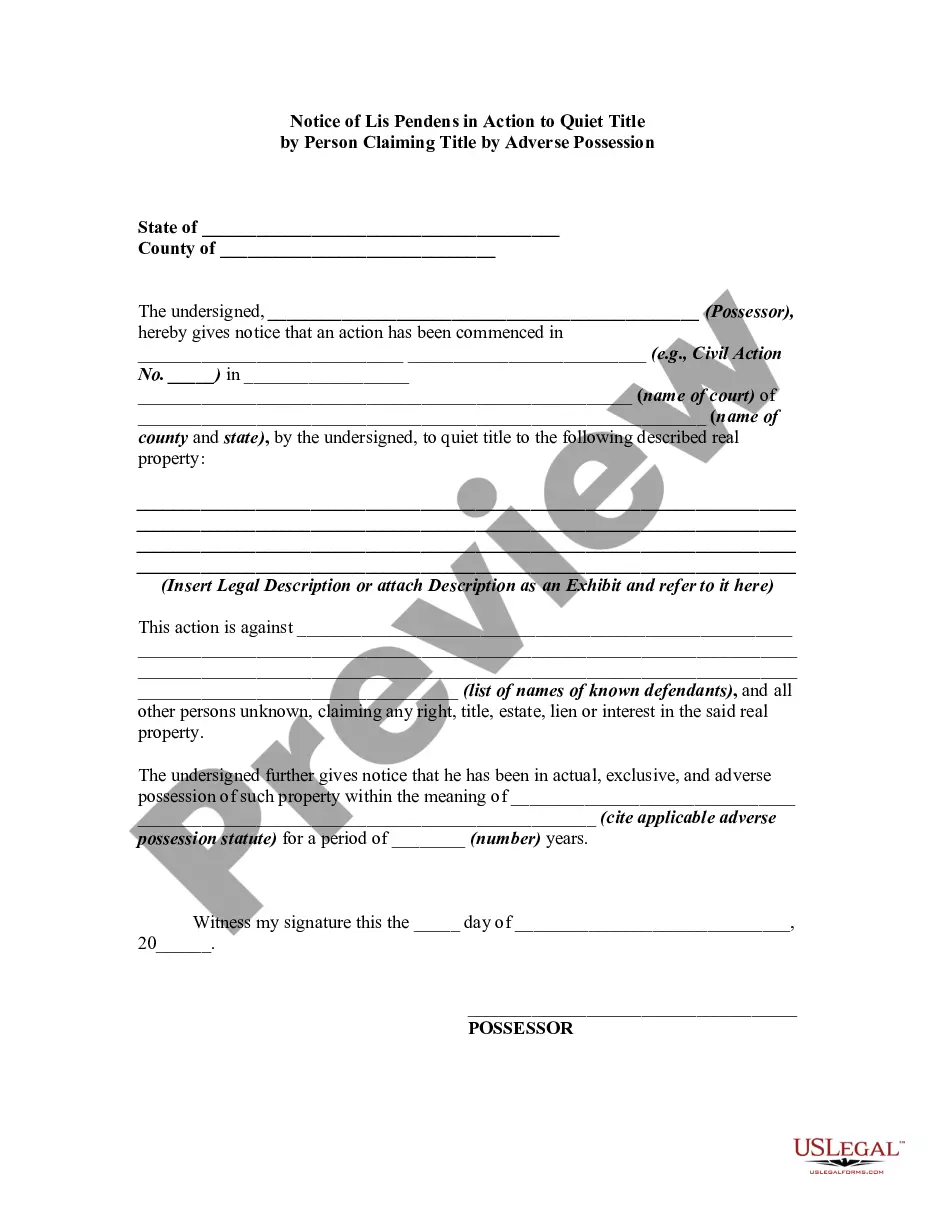
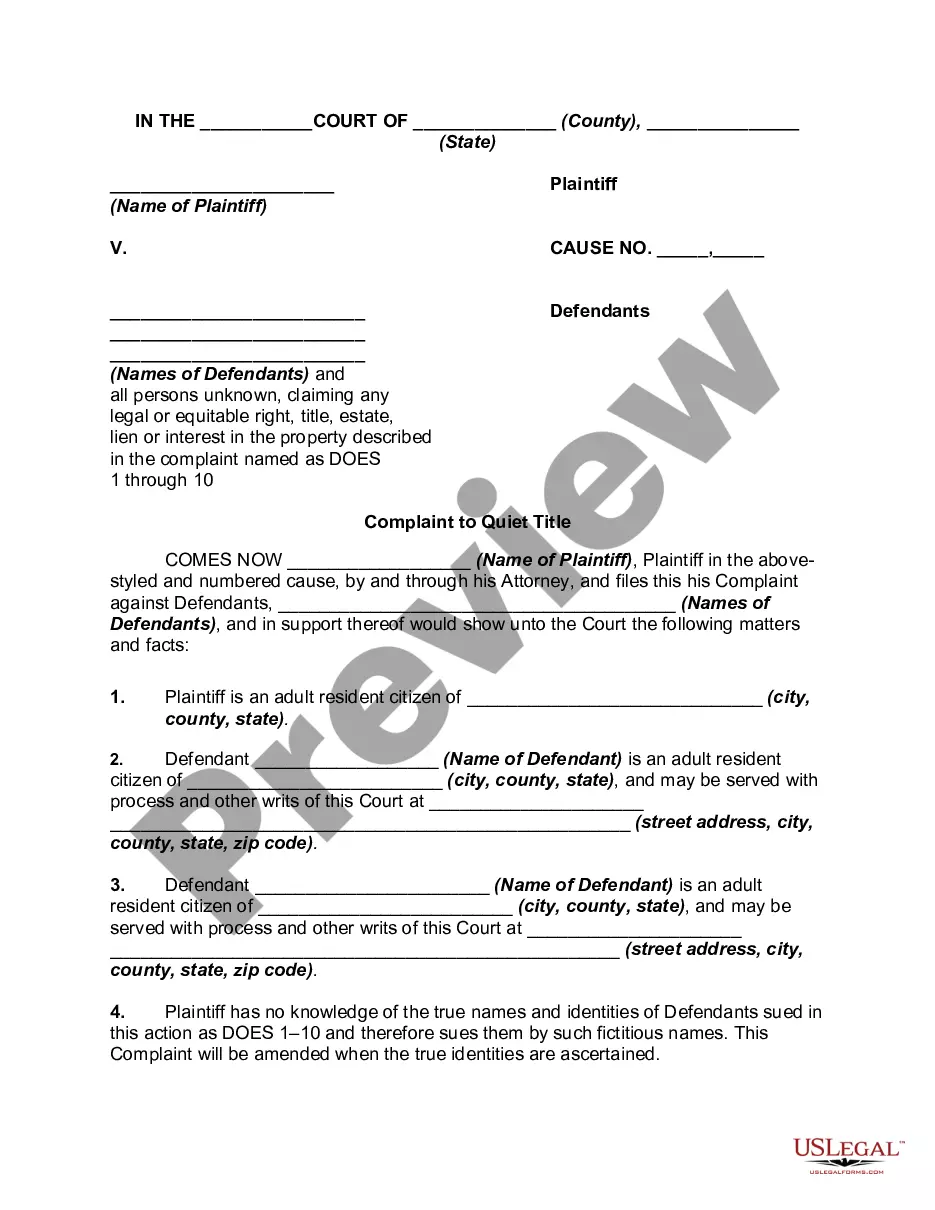
Get your form ready online
Our built-in tools help you complete, sign, share, and store your documents in one place.
Make edits, fill in missing information, and update formatting in US Legal Forms—just like you would in MS Word.
Download a copy, print it, send it by email, or mail it via USPS—whatever works best for your next step.
Sign and collect signatures with our SignNow integration. Send to multiple recipients, set reminders, and more. Go Premium to unlock E-Sign.
If this form requires notarization, complete it online through a secure video call—no need to meet a notary in person or wait for an appointment.
We protect your documents and personal data by following strict security and privacy standards.

Make edits, fill in missing information, and update formatting in US Legal Forms—just like you would in MS Word.

Download a copy, print it, send it by email, or mail it via USPS—whatever works best for your next step.

Sign and collect signatures with our SignNow integration. Send to multiple recipients, set reminders, and more. Go Premium to unlock E-Sign.

If this form requires notarization, complete it online through a secure video call—no need to meet a notary in person or wait for an appointment.

We protect your documents and personal data by following strict security and privacy standards.
Looking for another form?
How to fill out Complaint To Quiet Title By Person Claiming Adverse Possession - Squatters Rights?
Creating legal documentation from the ground up can occasionally feel overwhelming.
Some situations may require extensive research and substantial financial investment.
If you’re seeking a simpler and more economical method of drafting the Quiet Title Form Kansas or any other forms without unnecessary complexity, US Legal Forms is readily available to you.
Our online library of over 85,000 current legal documents encompasses nearly every facet of your financial, legal, and personal matters.
However, before you proceed directly to downloading the Quiet Title Form Kansas, heed these suggestions: Review the document preview and descriptions to ensure you have located the correct form. Ensure the template you choose adheres to the regulations and laws of your state and county. Select the most appropriate subscription option to obtain the Quiet Title Form Kansas. Download the document, then complete it, sign it, and print it. US Legal Forms is known for its strong reputation and over 25 years of experience. Join us today and make document completion effortless and efficient!
- With just a few clicks, you can swiftly obtain state- and county-compliant templates meticulously assembled by our legal experts.
- Utilize our platform whenever you require trustworthy and dependable services to efficiently find and download the Quiet Title Form Kansas.
- If you’re already familiar with our services and have an existing account, simply Log In, find the form, and download it or re-download it anytime in the My documents section.
- Don’t possess an account? No problem. It takes minimal time to sign up and browse the collection.
Form popularity
FAQ
Yes, title jumping is illegal in Kansas. Title jumping occurs when a person sells a vehicle without transferring the title properly, which is essential for legal ownership. If you face challenges with vehicle ownership, consider using a quiet title form in Kansas to clarify your rights and secure the title legally. USLegalForms can assist you in navigating these legal waters effectively.
To get a title for an abandoned vehicle in Kansas, you need to apply through your local Department of Motor Vehicles (DMV) or take the quiet title form route. This process often involves notifying the last registered owner and proving your claim under Kansas law. With resources like USLegalForms, you can access forms and guidance tailored for Kansas laws, ensuring you follow the correct procedure.
In Kansas, a vehicle is generally considered abandoned if it remains unattended in one place for more than 72 hours without a valid license plate. If you suspect a vehicle on your property may be abandoned, taking action sooner rather than later is wise. Understanding how to file a quiet title form can accelerate the process of reclaiming ownership legally and efficiently.
To obtain a title for an abandoned vehicle in Kansas, you typically must file a quiet title form with the appropriate court. This form asks for details about the vehicle and its location, as well as proof of ownership and efforts taken to locate previous owners. Using USLegalForms can make this process smoother by providing clear instructions and the necessary forms to expedite your request.
Yes, you can fight a quiet title action if you believe you have a legitimate claim to the property in question. This involves presenting your defenses and evidence in court to contest the claims made against you. It is advisable to gather all relevant documentation and consider using a quiet title form Kansas to strengthen your case and clarify your ownership.
To answer a petition to quiet title, you must file a written response that addresses the claims made in the petition. Your response should clearly state your position regarding the property, and you may need to provide evidence to support your case. Utilizing a quiet title form Kansas can simplify this process, ensuring you comply with the required legal standards.
An affirmative defense in a quiet title action allows a defendant to argue that the plaintiff does not have a valid claim to the property. This could include proving that the plaintiff's claim is based on an invalid basis or that they lack the necessary standing. Understanding these defenses is crucial, especially when filing a quiet title form Kansas, as they can significantly impact the outcome.
To establish a cause of action for quiet title, you must demonstrate that you have ownership of the property in question and that there are competing claims. Additionally, you need to show that those claims are invalid or lesser than your own. A well-prepared quiet title form Kansas can help you outline these elements clearly and support your case effectively.
In Kansas, the statute of limitations for a quiet title action is generally 15 years. This means you must file your quiet title form Kansas within this time frame to assert your claim effectively. If you wait too long, you risk losing your right to challenge any outstanding interests in your property. It is important to act promptly to secure your ownership.
The duration of a quiet title suit can vary based on factors like court schedules and the complexity of the case. Generally, you might expect the process to take several months to over a year. Preparing your quiet title form Kansas efficiently can help expedite the proceedings. For a more accurate timeline, it's beneficial to consult legal professionals who can assess the specifics of your situation.