Adverse Possession Cases In New Jersey
Description
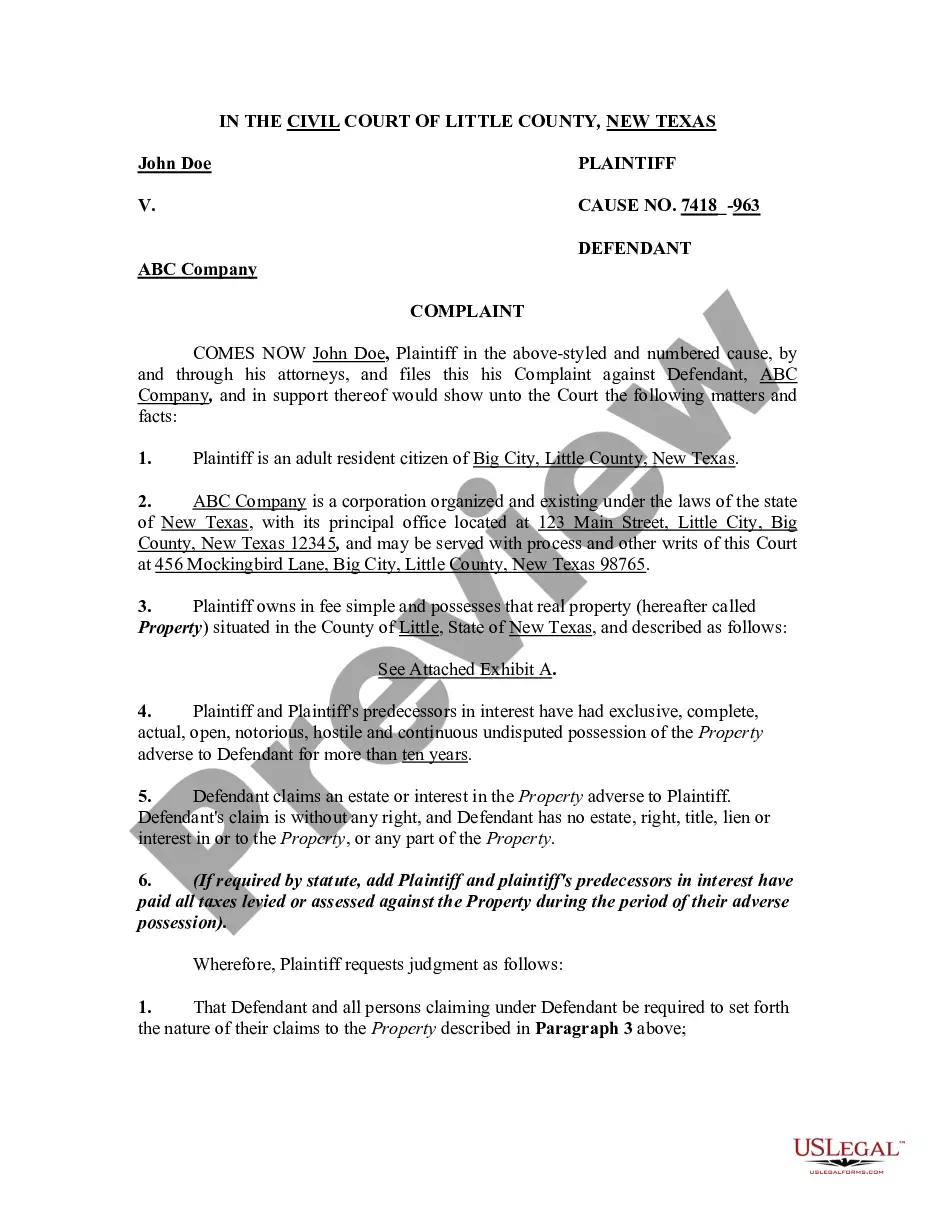
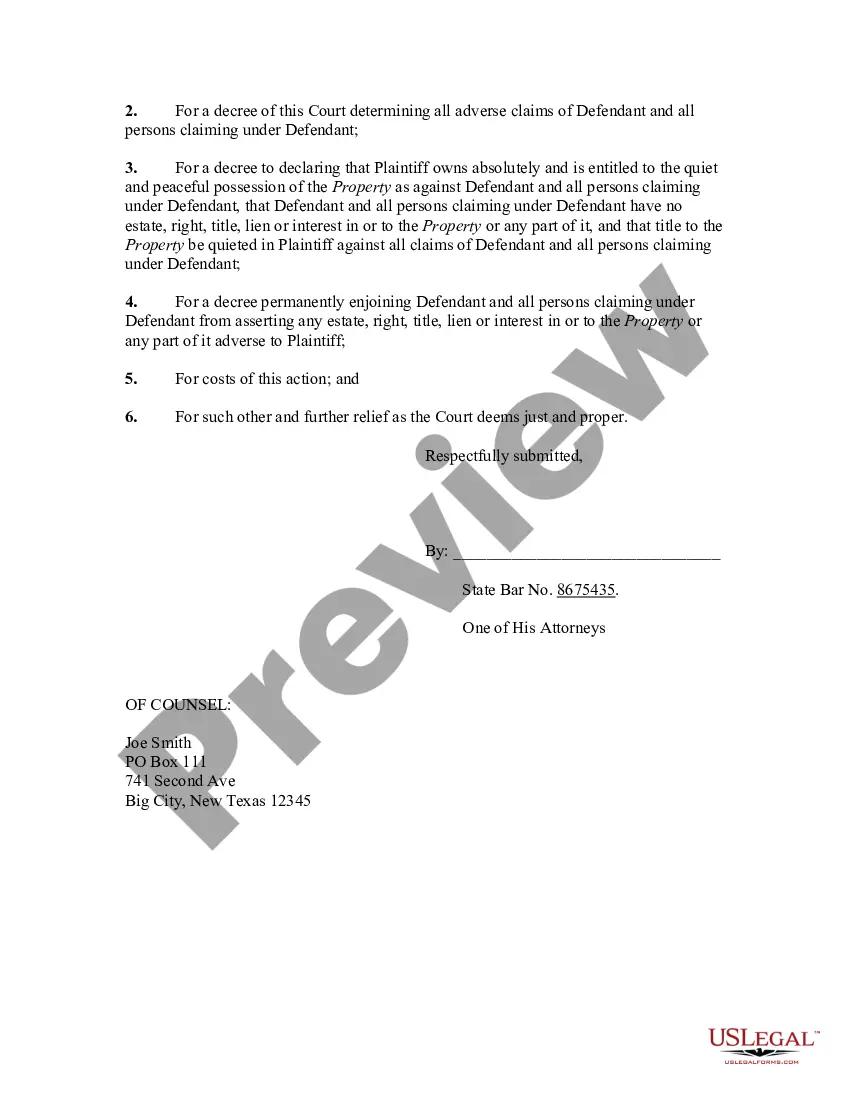
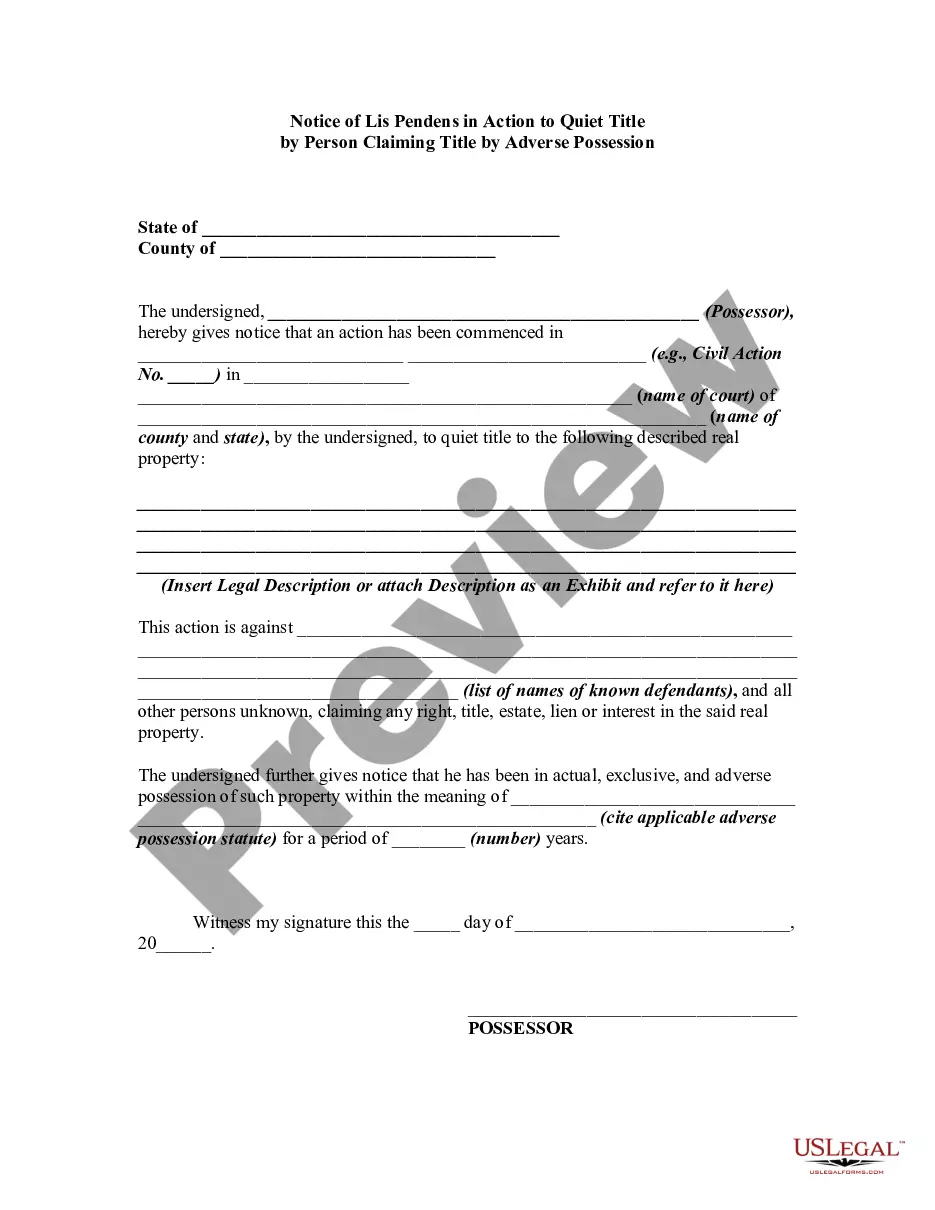
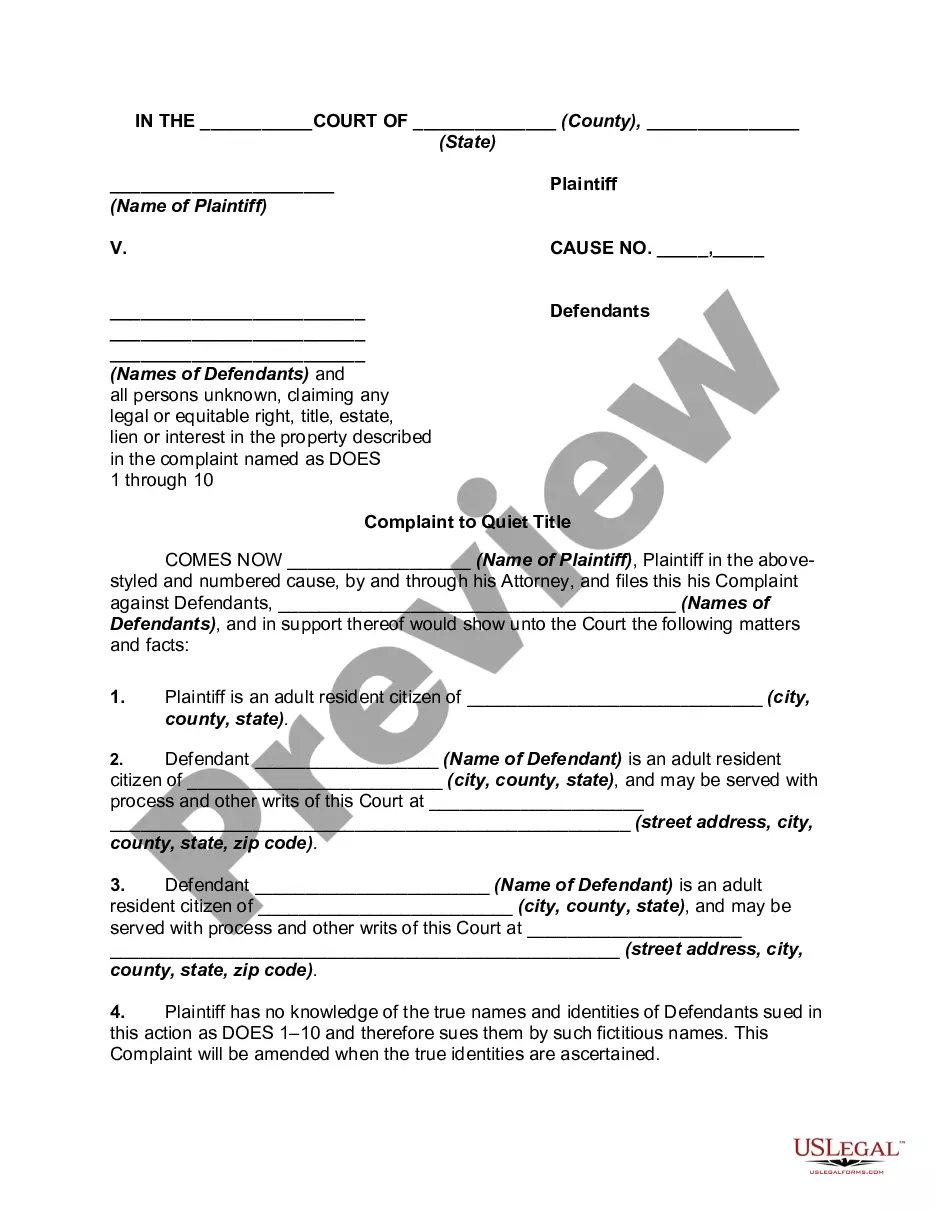
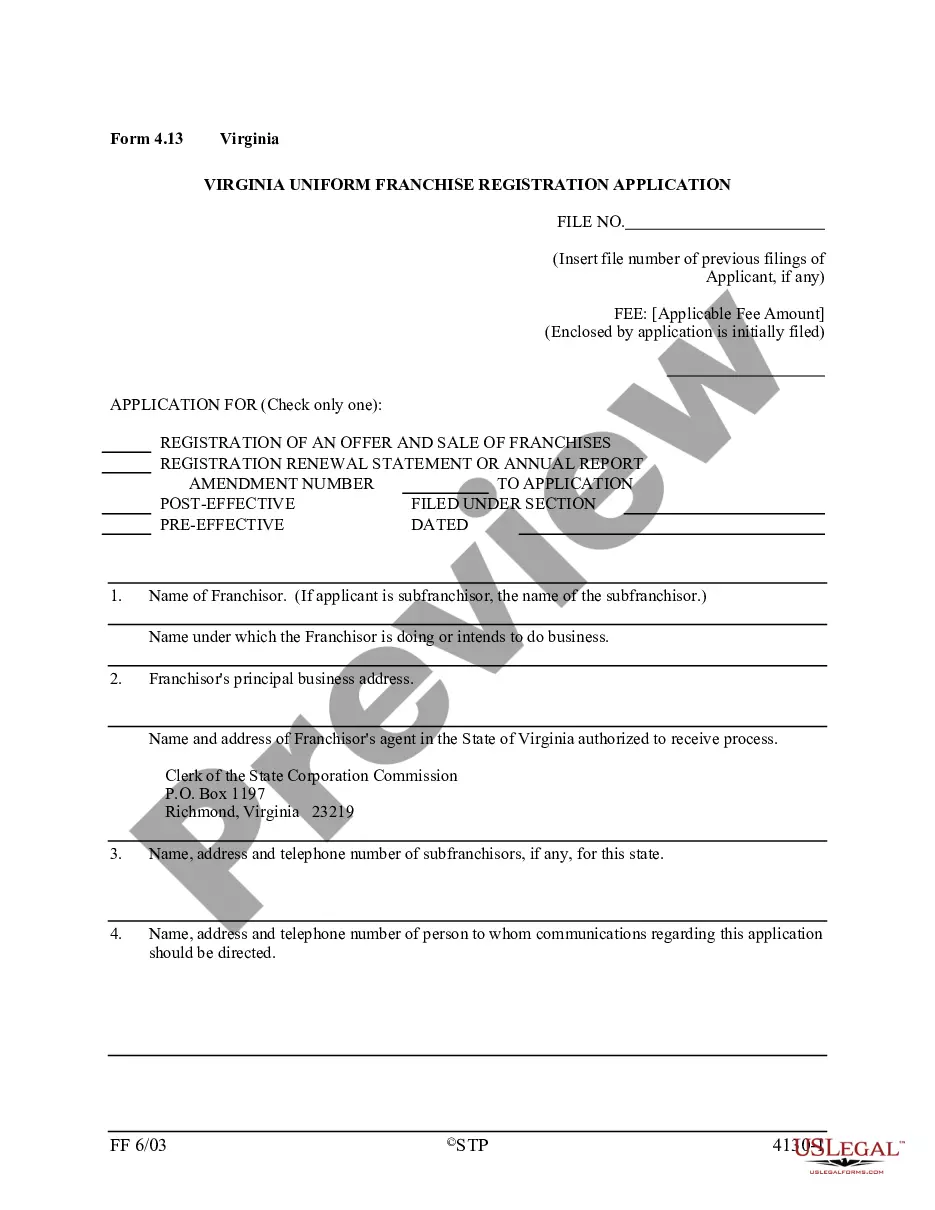
How to fill out Complaint To Quiet Title By Person Claiming Adverse Possession - Squatters Rights?
Creating legal documents from the ground up can at times be quite daunting.
Certain situations may require extensive research and significant expenses.
If you’re looking for a simpler and more cost-effective method of preparing Adverse Possession Cases in New Jersey or any other documents without unnecessary complications, US Legal Forms is always available to assist you.
Our online catalog featuring over 85,000 current legal forms encompasses nearly every aspect of your financial, legal, and personal matters.
However, before diving straight into downloading Adverse Possession Cases in New Jersey, observe these guidelines: Check the document preview and descriptions to confirm that you have located the document you need. Ensure the template you select aligns with the regulations and laws of your state and county. Choose the most appropriate subscription plan to acquire the Adverse Possession Cases in New Jersey. Download the form. Then complete, sign, and print it out. US Legal Forms has an excellent reputation backed by over 25 years of experience. Join us today and make form completion an effortless and efficient process!
- With just a few clicks, you can swiftly access state- and county-compliant templates carefully crafted by our legal experts.
- Utilize our platform any time you need a dependable and trustworthy service through which you can easily find and download the Adverse Possession Cases in New Jersey.
- If you’re familiar with our website and have previously registered an account with us, simply Log In to your account, choose the template, and download it or re-download it at any time later from the My documents section.
- Not signed up yet? No problem. It requires minimal time to set up and browse the collection.
Form popularity
FAQ
To prove adverse possession cases in New Jersey, you will need various documents that demonstrate your continuous and open use of the property. These can include tax payment records, photographs of your activities on the property, and testimonies from neighbors or witnesses. Collecting these documents is crucial, as they serve as evidence to support your claim. Platforms like USLegalForms can assist in organizing and preparing the necessary documentation effectively.
The elements of adverse possession in New Jersey include actual possession, open and notorious use, exclusive claim, continuous use, and an adverse nature of possession. Each element plays a critical role in establishing your claim. Your possession must be visible and not hidden from the original owner. Understanding these elements thoroughly will aid you in preparing a strong case for your adverse possession claim.
In New Jersey, adverse possession cases can take a long time, as you must continuously occupy the property for a minimum of 30 years. However, the legal process to assert your claim can extend this timeline, depending on disputes and court proceedings. It's important to start gathering evidence early and understand that while the occupation period is 30 years, the legal resolution may take additional time. Utilizing USLegalForms can streamline your documentation process.
Claiming adverse possession cases in New Jersey can be complex and requires meeting several legal standards. While the concept may seem straightforward, the process often involves legal challenges and potential disputes with the property owner. Gathering the right evidence and understanding the legal framework is essential to strengthen your claim. Consulting resources like USLegalForms can provide guidance and necessary forms to navigate this process.
To pursue adverse possession cases in New Jersey, you must meet specific legal requirements. You need to show that your possession was actual, open, exclusive, and continuous for a period of 30 years. Furthermore, your possession must be adverse, meaning you do not have permission from the original owner. Familiarizing yourself with these requirements is vital for a successful claim.
In adverse possession cases in New Jersey, proof typically involves demonstrating continuous, open, and notorious use of the property for 30 years. You may need documents such as tax records, photographs, or witness testimonies to support your claim. It's essential to maintain evidence of your use and occupancy during that period, as this will strengthen your case. Using a platform like USLegalForms can help you gather the necessary documents and information effectively.
To establish adverse possession cases in New Jersey, five key elements must exist: actual possession, exclusivity, open and notorious use, adverse claim, and continuous use for a statutory period. You must physically occupy the property and use it openly, without hiding your presence. Additionally, your possession must be exclusive, meaning you do not share it with others, and it must be continuous for at least 30 years. Understanding these elements is crucial for anyone considering an adverse possession claim.
To win an adverse possession claim in New Jersey, you must demonstrate continuous, exclusive, and open use of the property for at least 30 years. You need to show that your possession was hostile, meaning without permission from the original owner. Document your use of the land, including any improvements you made. Utilizing platforms like US Legal Forms can help you gather the necessary legal documents and guides to strengthen your case in adverse possession cases in New Jersey.