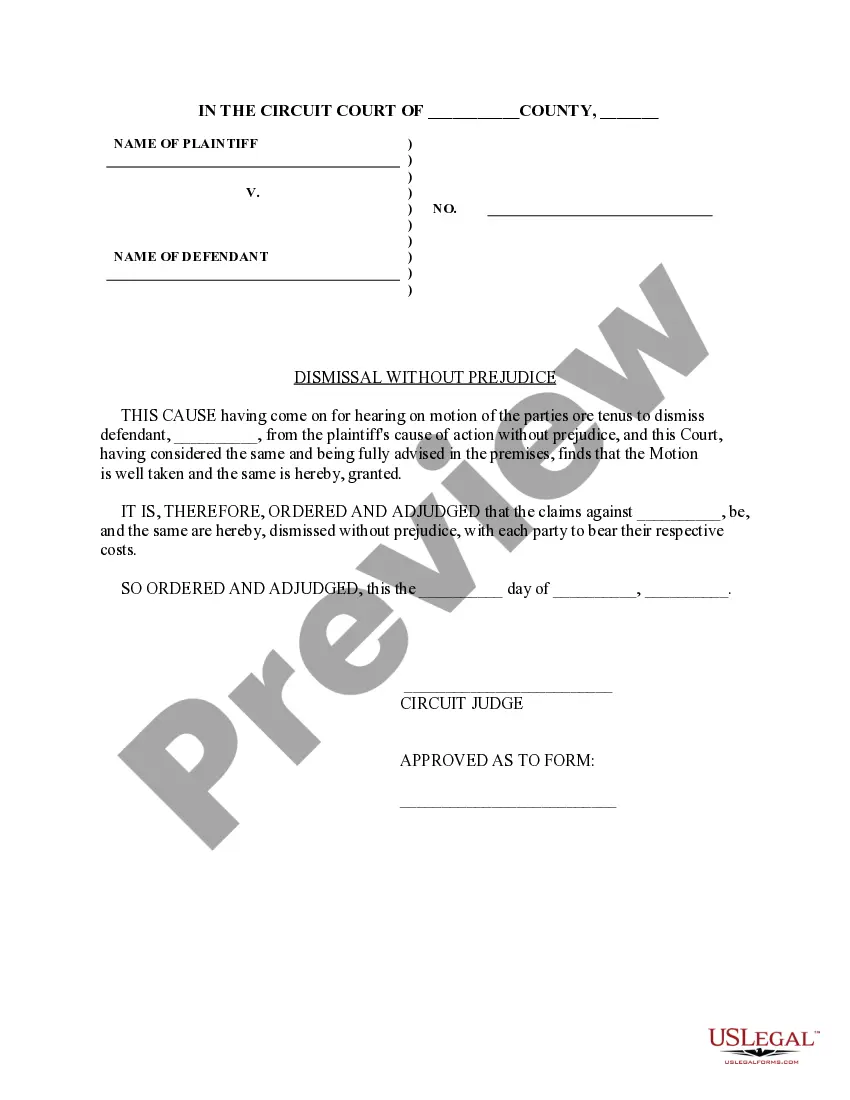
Civil Service Dismissal For Inefficiency
Description
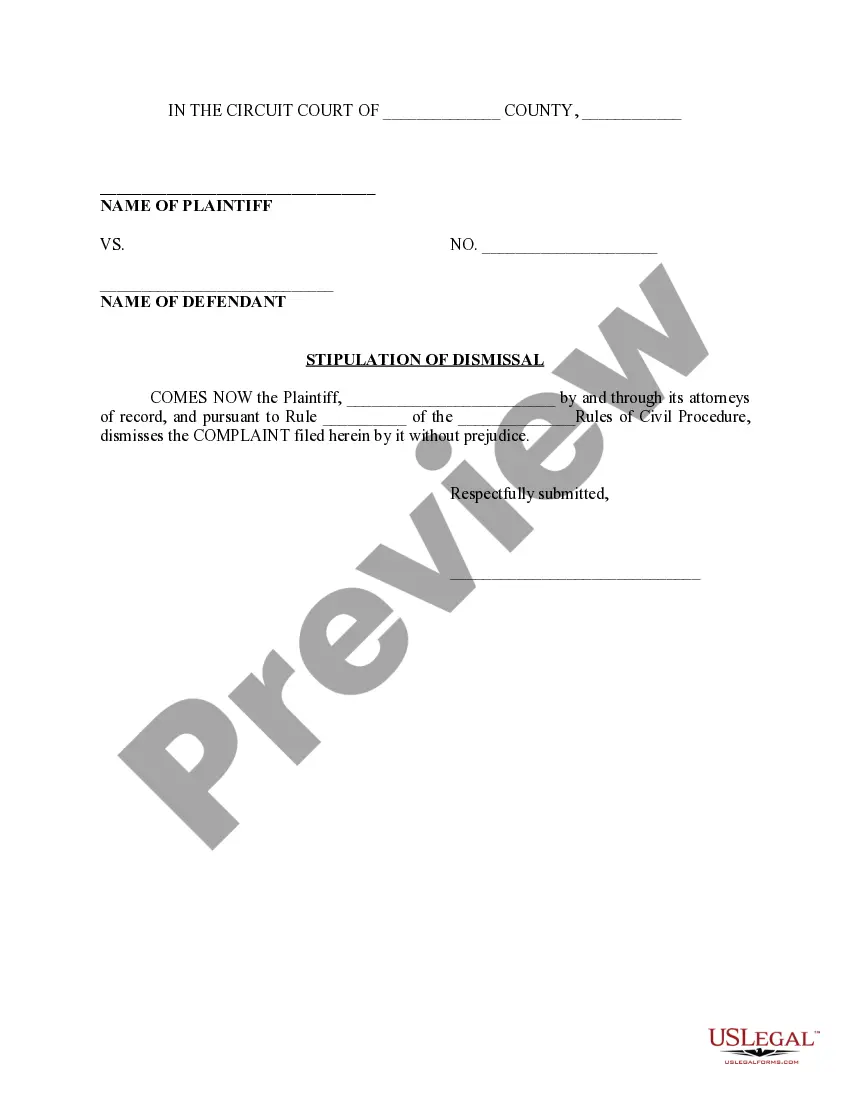
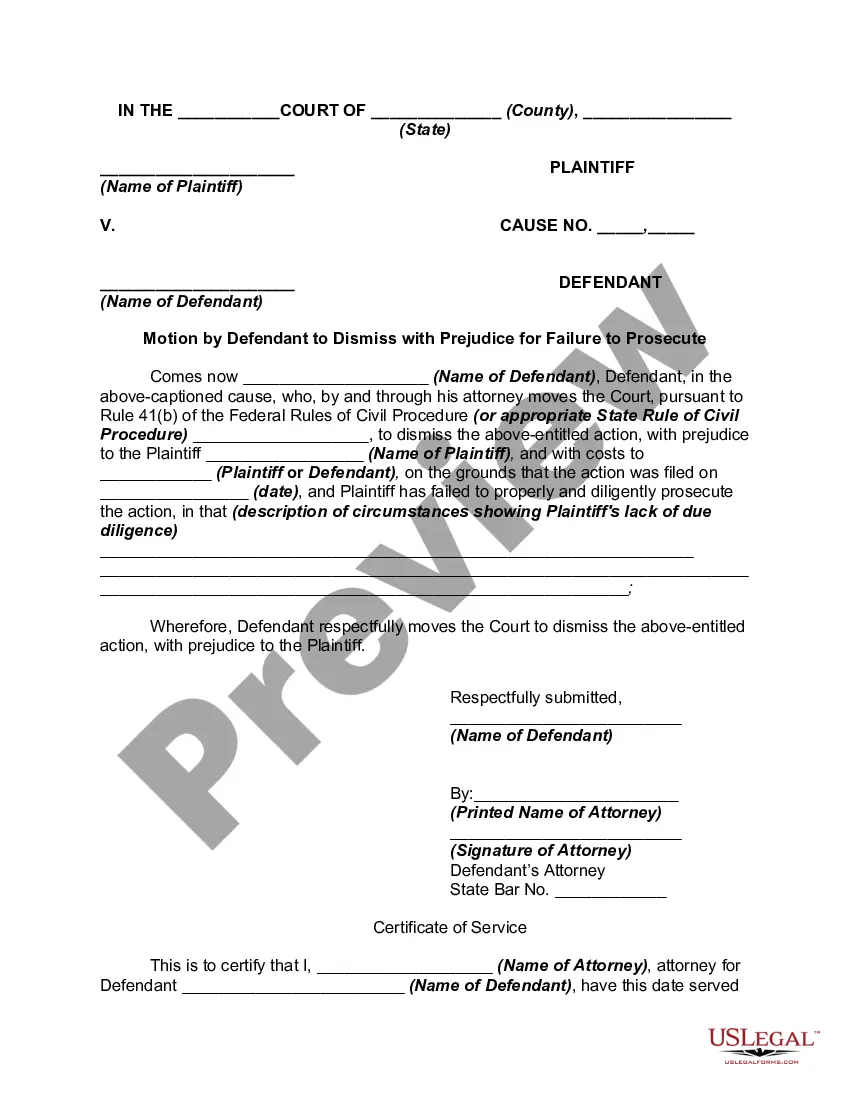
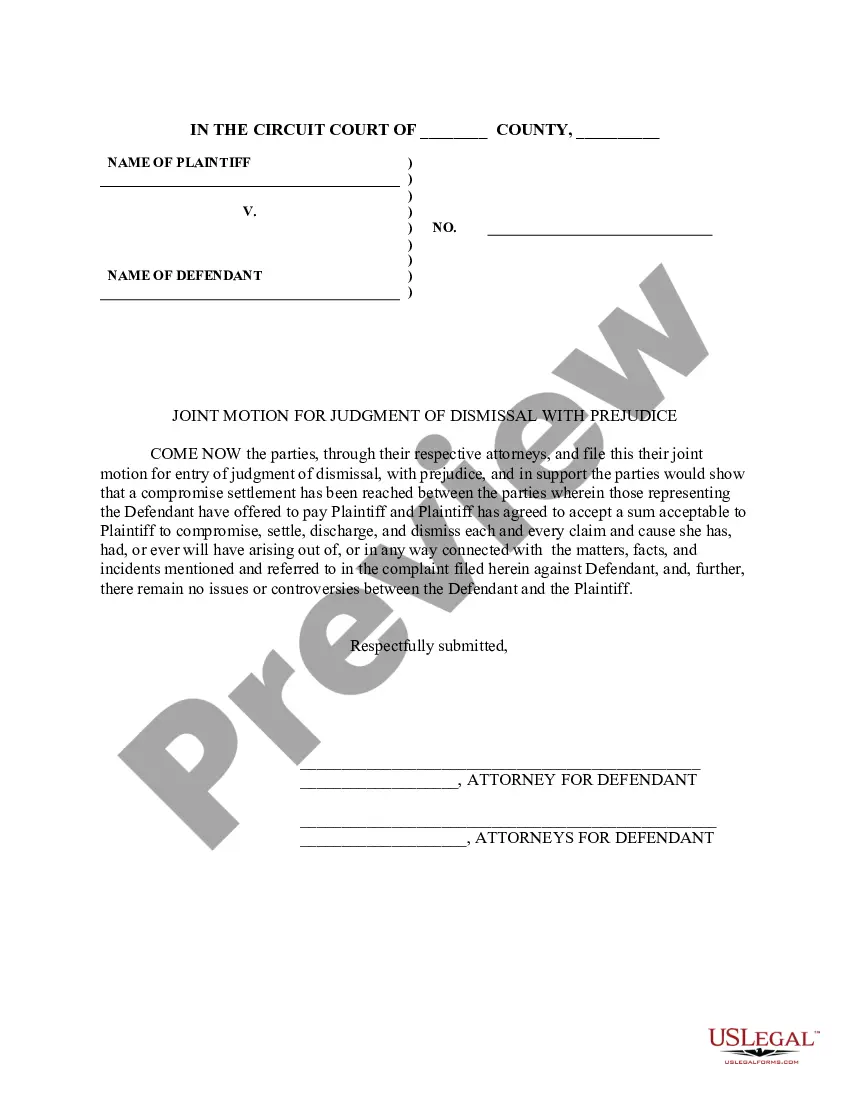
Get your form ready online
Our built-in tools help you complete, sign, share, and store your documents in one place.
Make edits, fill in missing information, and update formatting in US Legal Forms—just like you would in MS Word.
Download a copy, print it, send it by email, or mail it via USPS—whatever works best for your next step.
Sign and collect signatures with our SignNow integration. Send to multiple recipients, set reminders, and more. Go Premium to unlock E-Sign.
If this form requires notarization, complete it online through a secure video call—no need to meet a notary in person or wait for an appointment.
We protect your documents and personal data by following strict security and privacy standards.

Make edits, fill in missing information, and update formatting in US Legal Forms—just like you would in MS Word.

Download a copy, print it, send it by email, or mail it via USPS—whatever works best for your next step.

Sign and collect signatures with our SignNow integration. Send to multiple recipients, set reminders, and more. Go Premium to unlock E-Sign.

If this form requires notarization, complete it online through a secure video call—no need to meet a notary in person or wait for an appointment.

We protect your documents and personal data by following strict security and privacy standards.
Looking for another form?

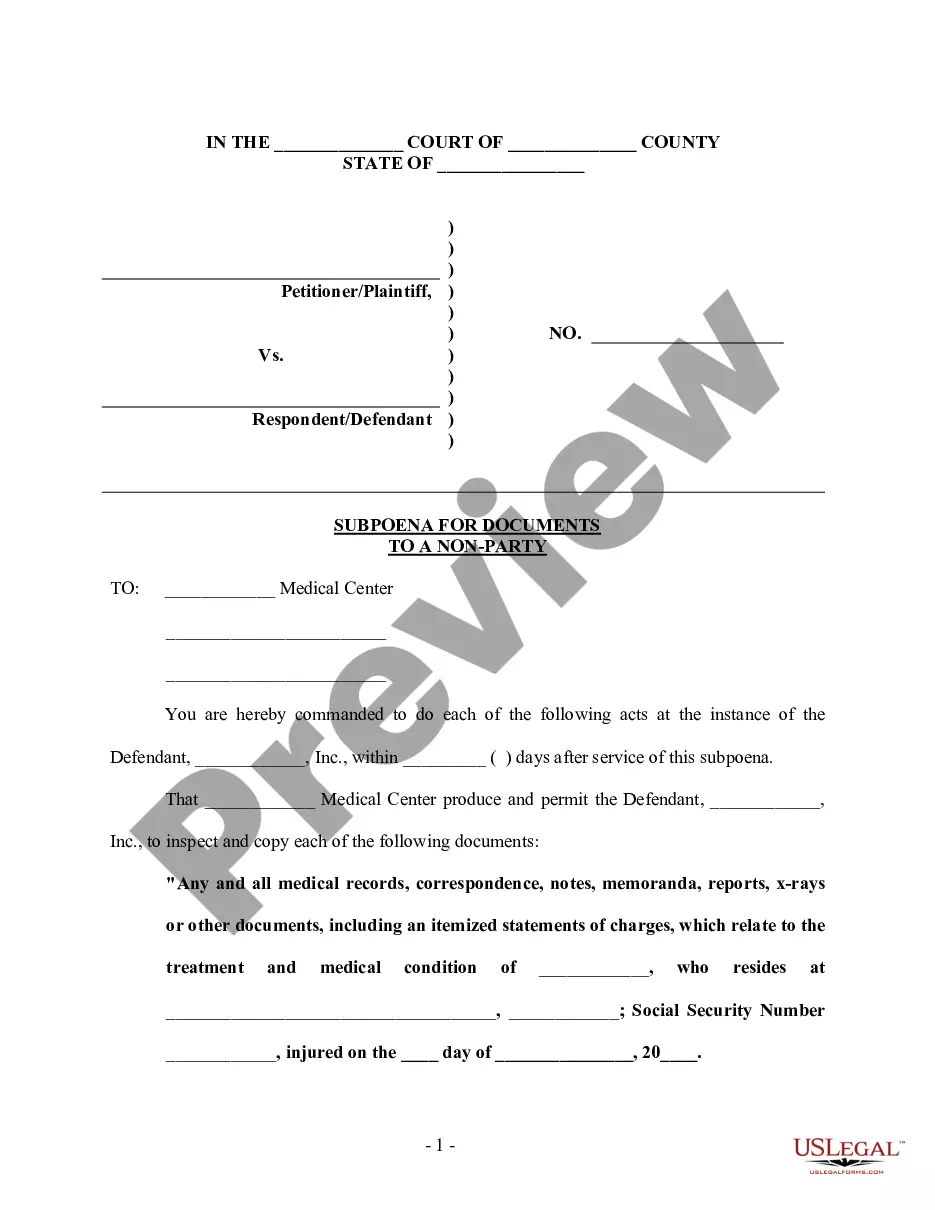








How to fill out Dismissal Without Prejudice?
The Civil Service Termination for Incompetence you find on this page is a versatile legal template created by expert attorneys in accordance with federal and local regulations.
For over 25 years, US Legal Forms has supplied individuals, businesses, and lawyers with more than 85,000 confirmed, state-specific documents for any commercial and personal situation. It’s the fastest, easiest and most dependable way to obtain the forms you require, as the service ensures bank-level data protection and anti-malware safeguards.
Select the format you prefer for your Civil Service Termination for Incompetence (PDF, DOCX, RTF) and download the sample to your device.
- Search for the document you need and evaluate it.
- Browse through the sample you sought and preview it or review the form description to confirm it meets your needs. If it doesn’t, utilize the search bar to find the right one. Click Buy Now once you have found the template you need.
- Register and Log In.
- Choose the pricing plan that works for you and set up an account. Use PayPal or a credit card for a swift payment. If you already have an account, Log In and check your subscription to proceed.
- Acquire the editable template.
Form popularity
FAQ
The number of disciplinary actions before dismissal can vary based on the severity of the misconduct and organizational policies. Generally, a series of warnings should be issued to give the employee a chance to correct their behavior. However, in cases of serious misconduct, you may opt for immediate civil service dismissal for inefficiency. Consulting US Legal Forms can help clarify your organization's specific requirements.
Dismissing an employee for poor performance requires a clear and documented process. Begin by addressing performance issues directly with the employee and allow them a chance to improve. If performance does not meet expectations after this, you may proceed with civil service dismissal for inefficiency, ensuring all protocols are followed. Consider using US Legal Forms to streamline the documentation and procedures.
To terminate someone due to poor performance, first conduct a performance review to identify specific shortcomings. Document all instances of poor performance and any steps taken to assist the employee. After you have gathered sufficient evidence, you may proceed with civil service dismissal for inefficiency, ensuring compliance with relevant regulations. Resources from US Legal Forms can provide essential templates and guidance.
When considering dismissal for misconduct, evaluate the severity and frequency of the behavior. Consider the context and whether the employee has received prior warnings. It's crucial to ensure that you have followed due process to avoid potential repercussions. A thorough understanding of civil service dismissal for inefficiency will guide you through this challenging decision.
To dismiss an underperforming employee, start by documenting their performance issues. Engage in a constructive dialogue, providing feedback and opportunities for improvement. If the situation does not improve, you may consider civil service dismissal for inefficiency, ensuring that you follow proper procedures and policies. Utilizing resources like US Legal Forms can help you navigate the dismissal process effectively.
In the context of civil service, there are three primary types of dismissals: dismissal for cause, layoff, and civil service dismissal for inefficiency. Dismissal for cause occurs when an employee violates rules or policies, while layoffs generally happen due to budget cuts or workforce reductions. Civil service dismissal for inefficiency specifically addresses performance issues, where the employee fails to meet the required standards. Understanding these distinctions can help you navigate the complexities of employment law and your rights.
You can be dismissed on various grounds, including misconduct, performance issues, redundancy, or a breach of contract. In the context of civil service dismissal for inefficiency, performance-related grounds must be clearly documented. Understanding these grounds helps both employees and employers navigate potential dismissal scenarios effectively.
It can be challenging to get fired from the civil service due to the protections in place for employees. Dismissals often require a thorough investigation and just cause, particularly in cases of civil service dismissal for inefficiency. Employers must adhere to strict guidelines to ensure fairness and avoid legal repercussions.
Just causes for terminating an employee include serious misconduct, repeated misconduct, lack of capability or qualifications, redundancy, and other substantial reasons. These causes ensure that the dismissal is fair and justified. In cases of civil service dismissal for inefficiency, documenting performance issues helps establish a just cause.
Yes, an employee can be dismissed for poor performance, but there are specific procedures that must be followed. Employers should provide clear expectations and allow for improvement before considering civil service dismissal for inefficiency. Proper documentation and performance reviews are essential to substantiate the dismissal.