Child Support Modification Form Texas
Description
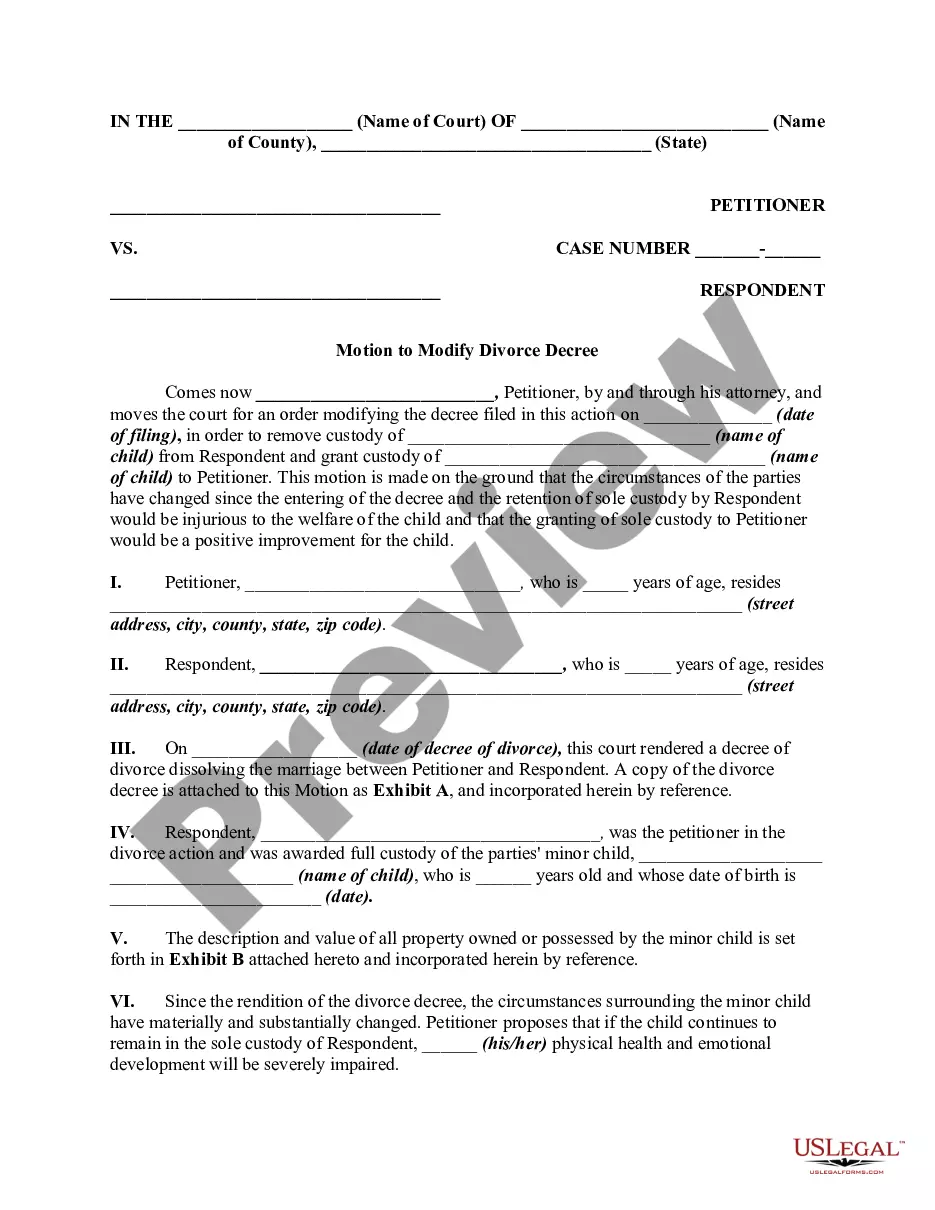
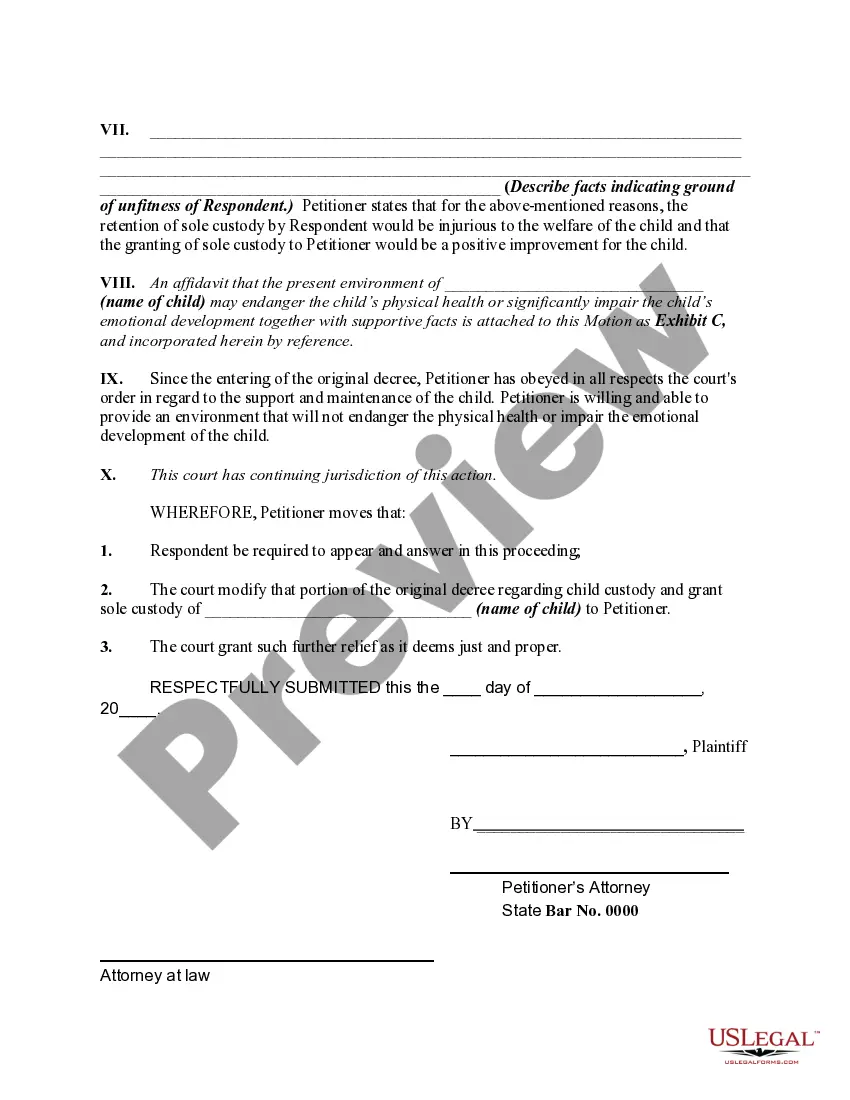
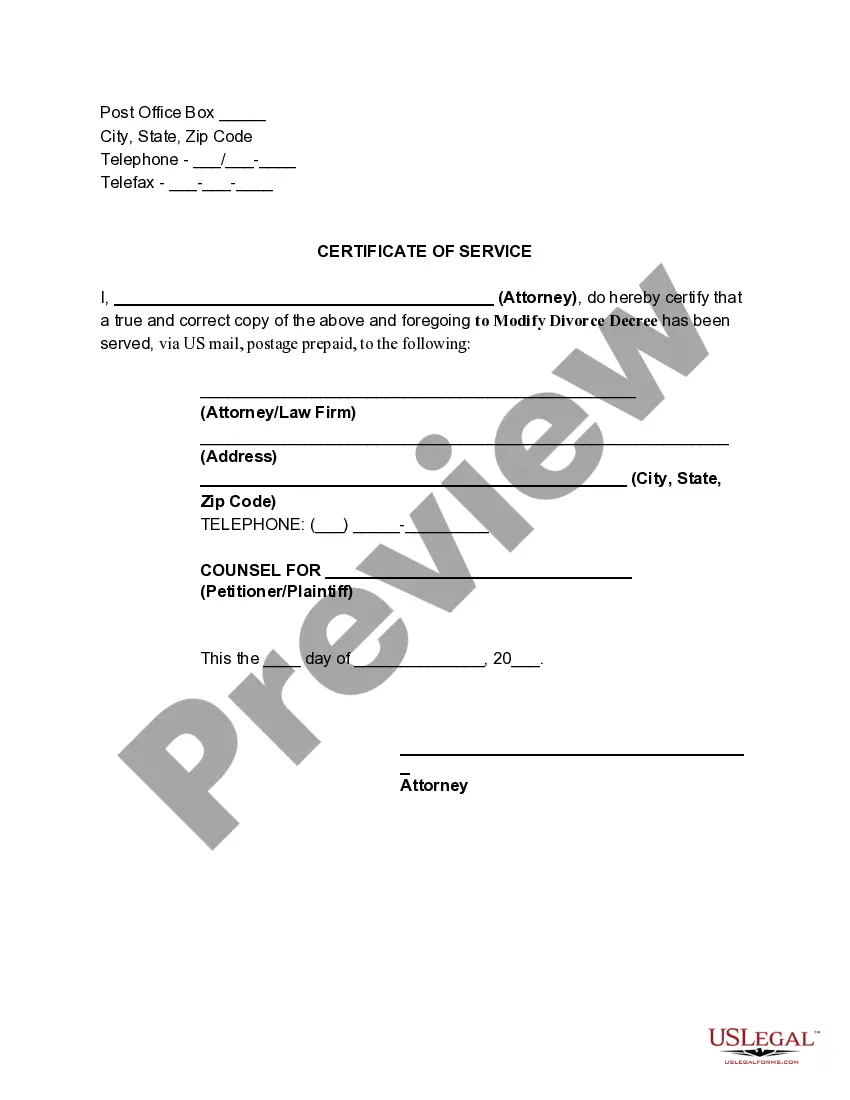
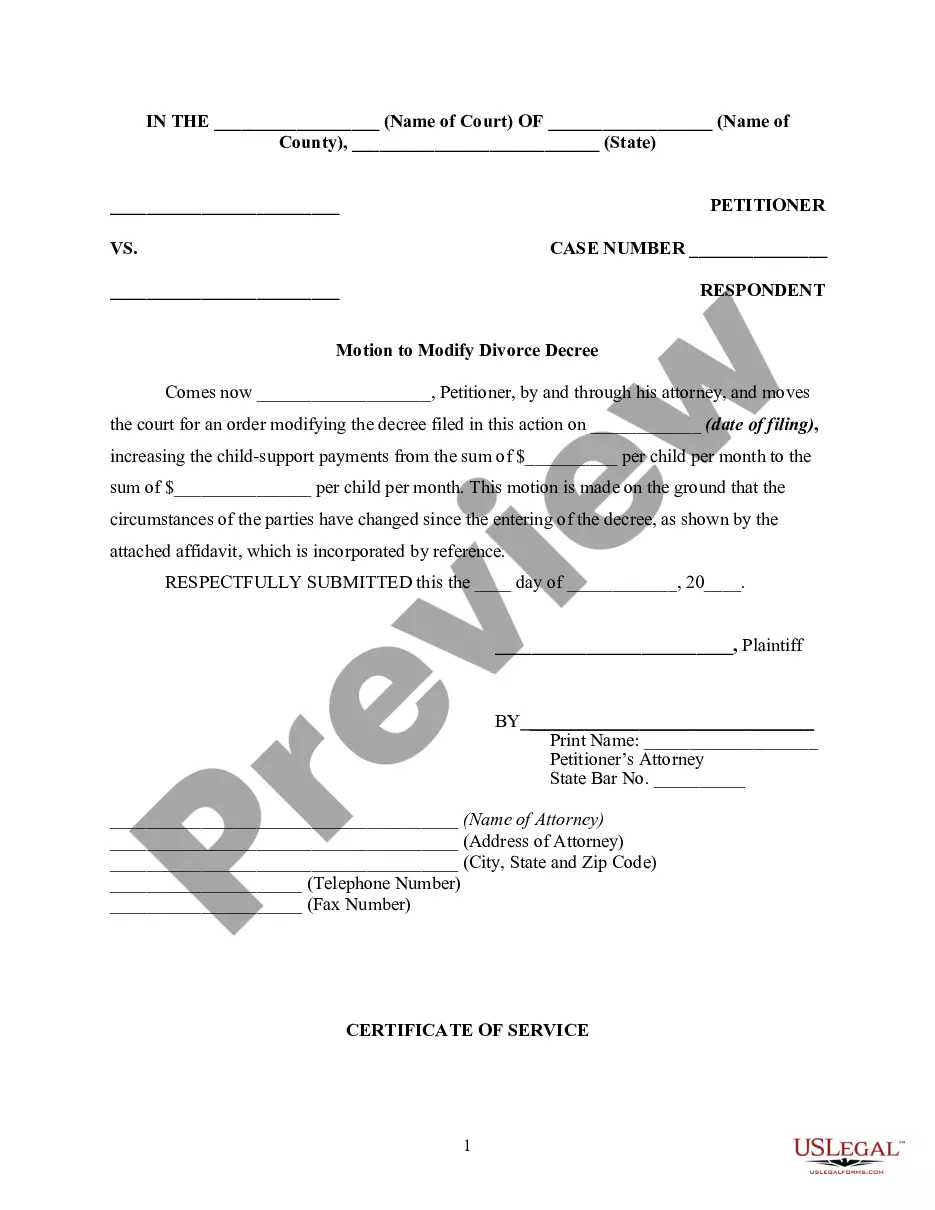
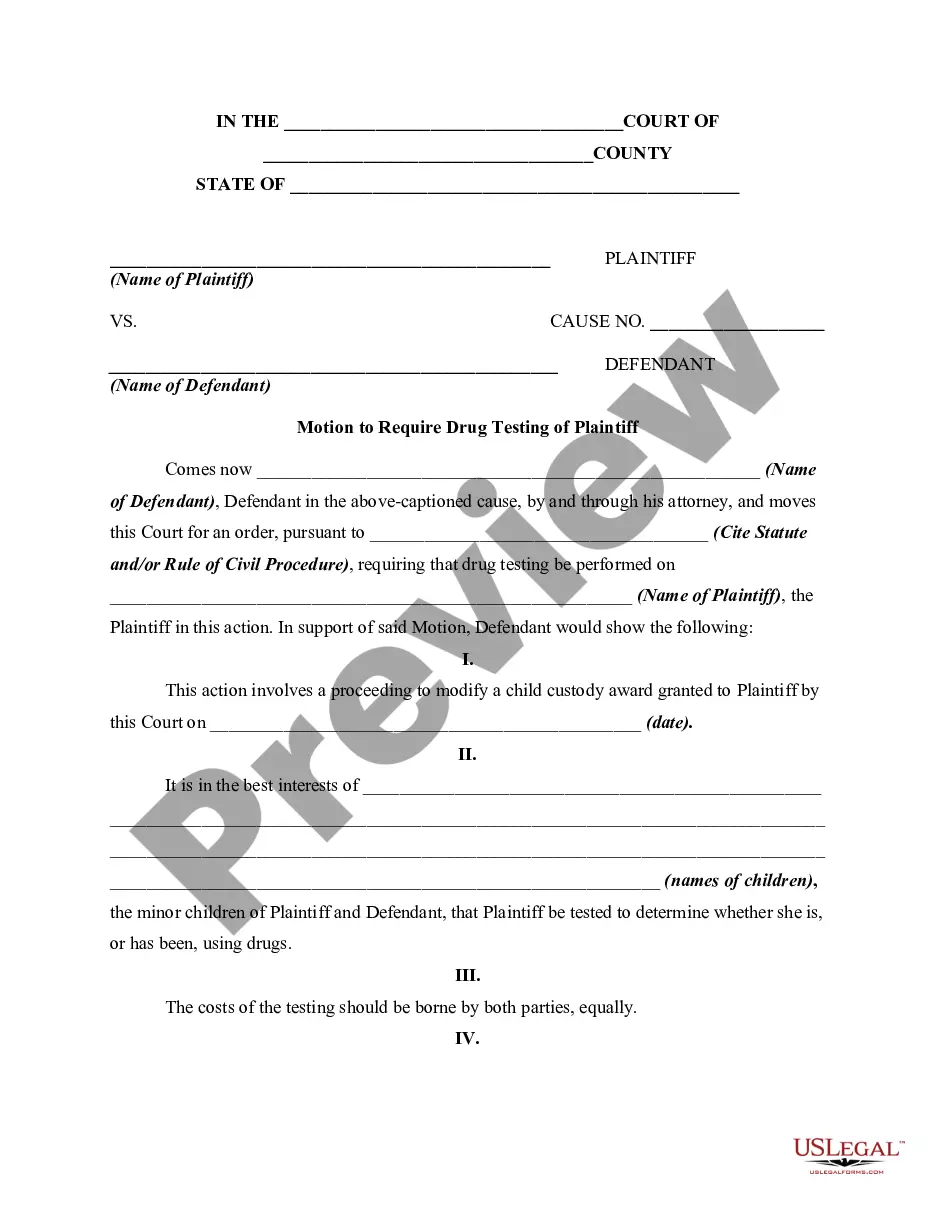


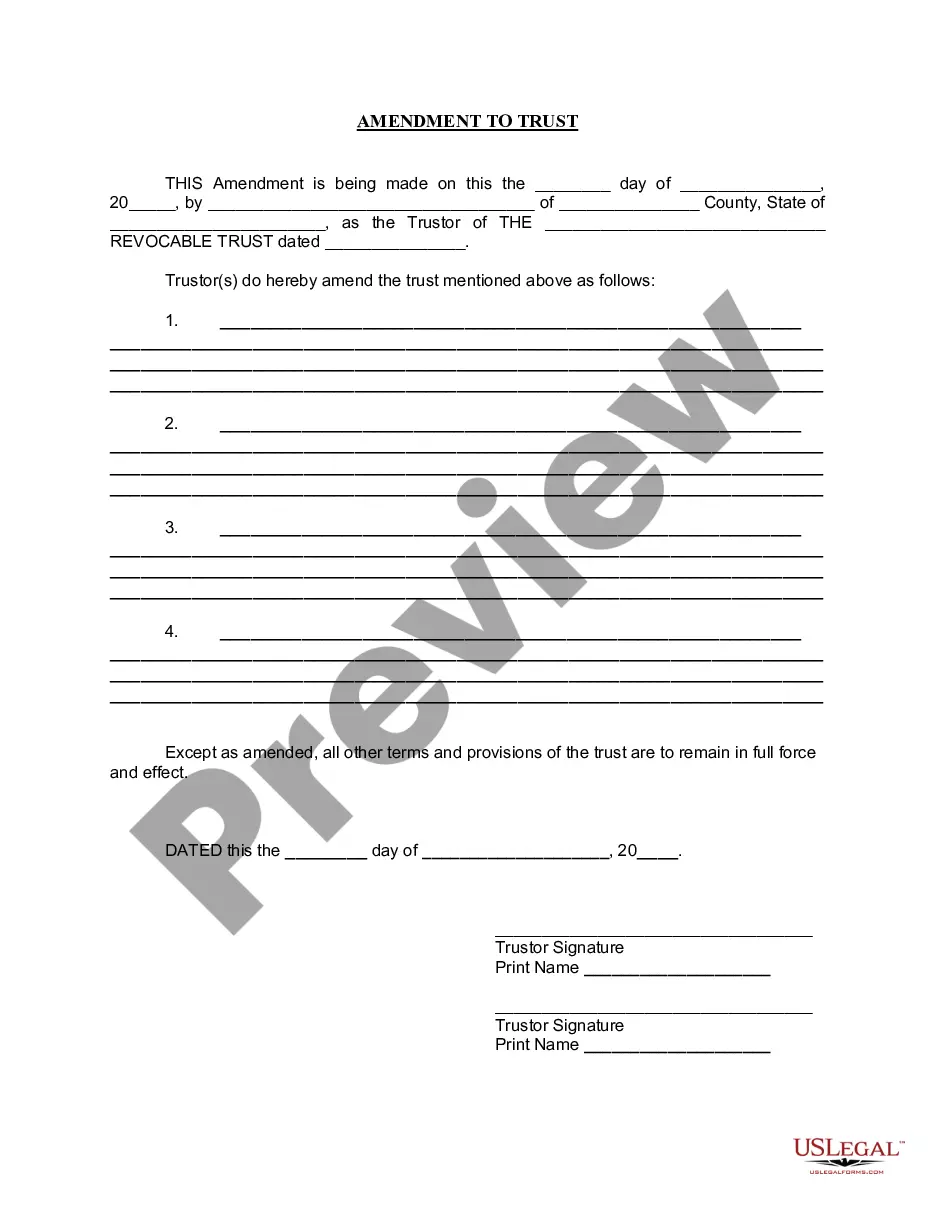
How to fill out Motion For Modification Or Amendment Of Prior Custody Order In Divorce Decree To Obtain Sole Custody Of Minor Child Due To Unfitness Of Custodial Parent?
Regardless of whether it is for corporate reasons or personal issues, everyone eventually has to handle legal circumstances at some point in their lives. Filling out legal documents requires meticulous attention, starting with selecting the appropriate form template. For example, if you choose an incorrect version of the Child Support Modification Form Texas, it will be declined once you submit it. Thus, it is crucial to have a trustworthy source for legal documents like US Legal Forms.
If you wish to acquire a sample of the Child Support Modification Form Texas, follow these uncomplicated steps.
With a vast US Legal Forms catalog available, you do not have to waste time searching for the correct sample online. Utilize the library’s user-friendly navigation to locate the right form for any situation.
- Obtain the sample you require using the search bar or catalog browsing.
- Review the form’s description to confirm it corresponds with your situation, state, and locality.
- Click on the form’s preview to inspect it.
- If it is the incorrect form, return to the search feature to find the Child Support Modification Form Texas sample you need.
- Download the document if it fits your criteria.
- If you possess a US Legal Forms account, click Log in to access previously saved files in My documents.
- If you do not have an account yet, you can download the form by clicking Buy now.
- Select the appropriate pricing option.
- Complete the account registration form.
- Choose your payment method: you can utilize a credit card or PayPal account.
- Select the file format you desire and download the Child Support Modification Form Texas.
- Once it is saved, you can fill out the form using editing software or print it and complete it by hand.
Form popularity
FAQ
As discussed above, a court can modify child support every three years if the amount of guideline support is significantly different from the guideline amount. The court cannot do this, though, if the parents did not base the child support amount on the guidelines.
The modification hearing determines whether child support should increase, decrease, or stay the same. Both parties need to provide official documentation to prove their current financial status. If you're the parent saying a child support change is appropriate, you will need to prepare a statement to present.
For most parents obtaining a new order that modifies your support may take at least 6 months. Please review the modification steps below and quickly respond to any requested information from our office to help speed up the process.
Child support orders can be modified through a court hearing or through the CSRP (child support review process). The CSRP is typically faster than scheduling a court hearing and it works best when both parents can agree on the order.
WHAT IS A "MATERIAL AND SUBSTANTIAL CHANGE IN CIRCUMSTANCES"? In relation to receiving a payment modification, this phrase applies to one of these situations: The noncustodial parent's income has increased or decreased. The noncustodial parent is legally responsible for additional children.