Request To Enter Default Form Without Permission
Description
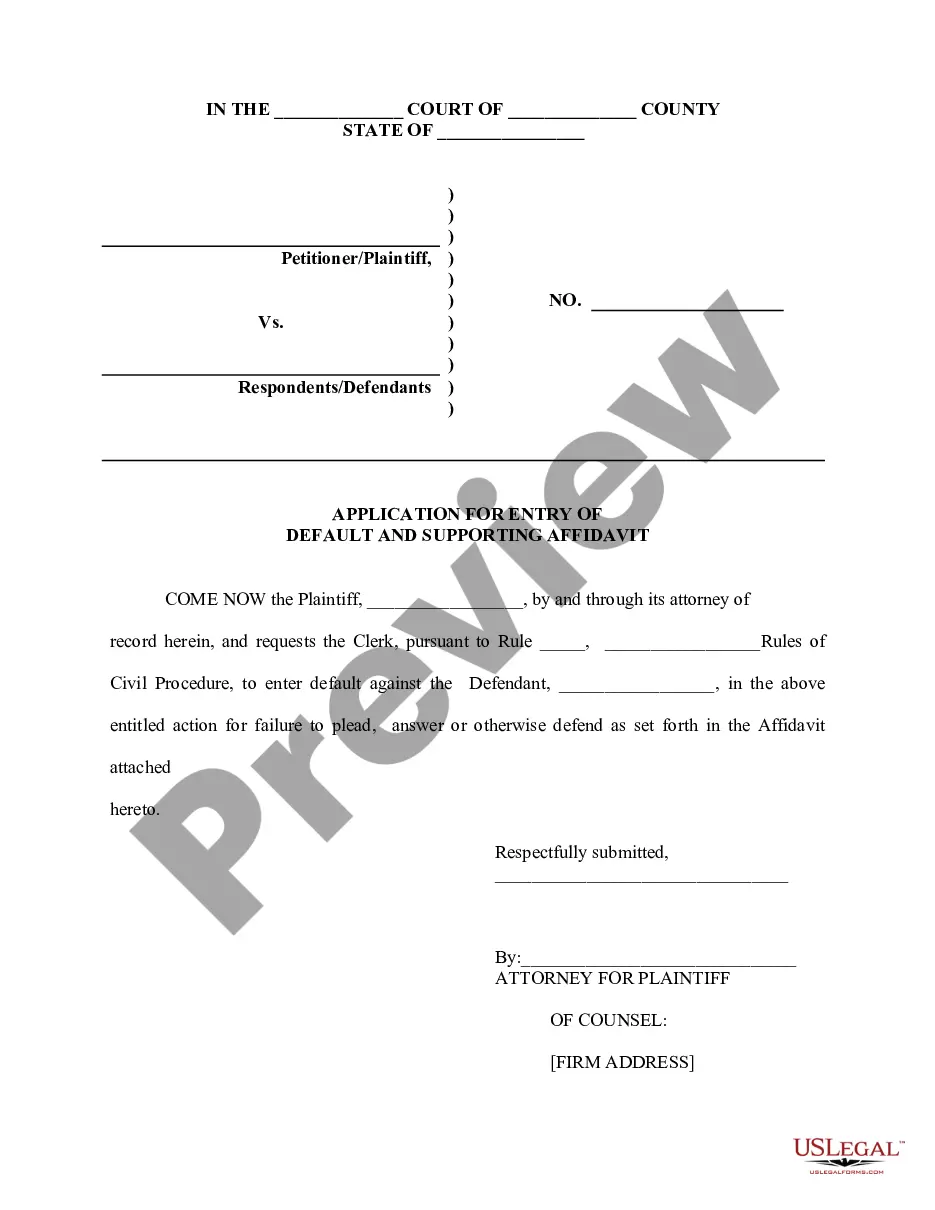
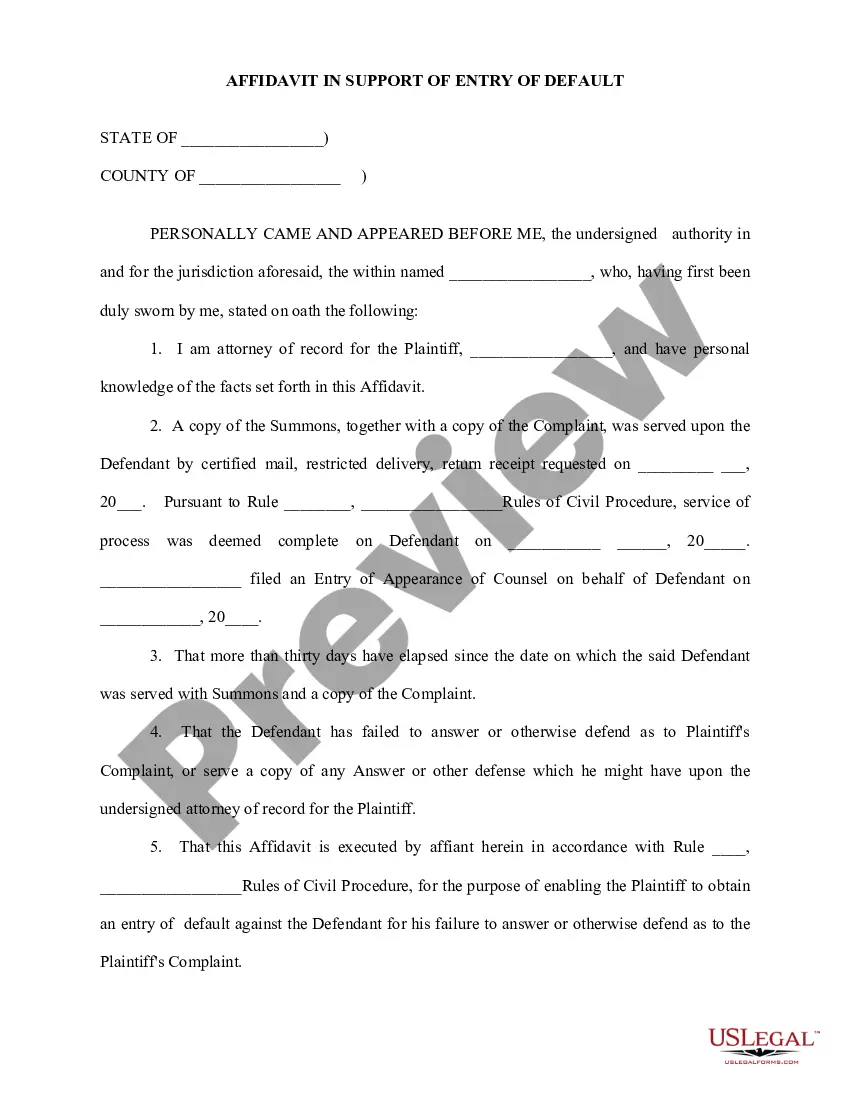
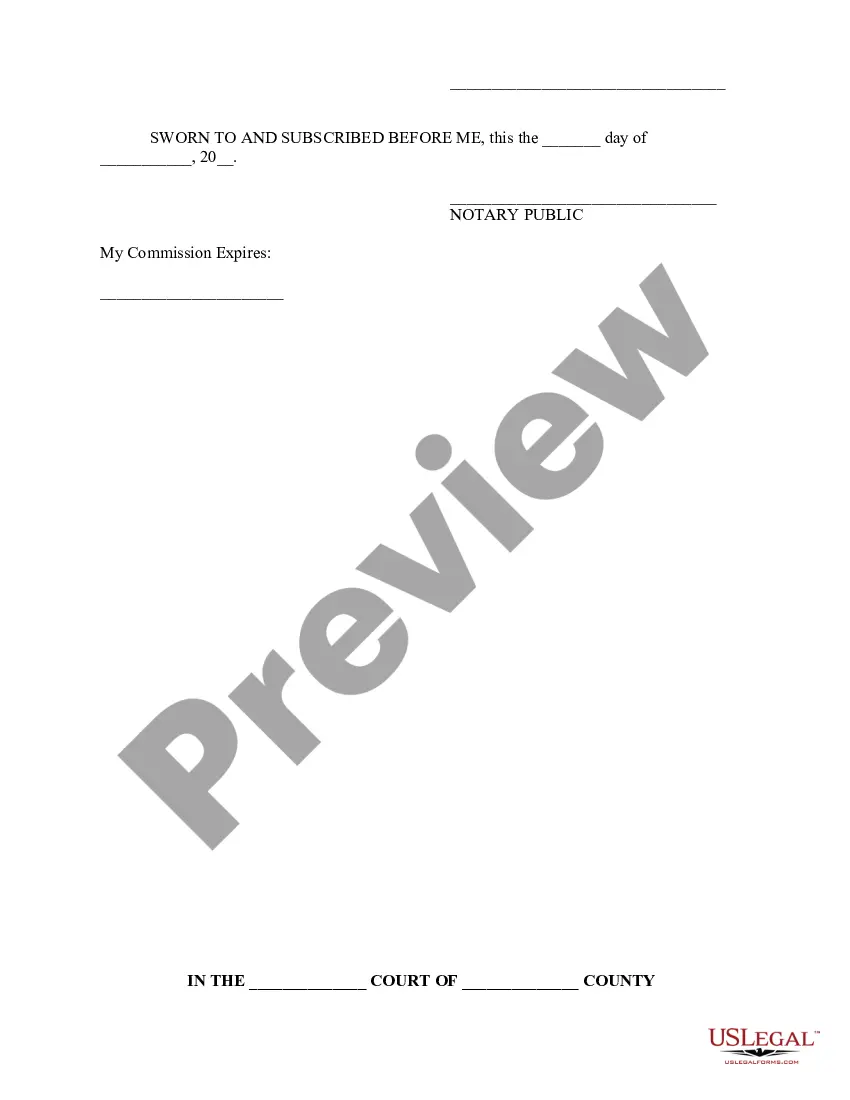
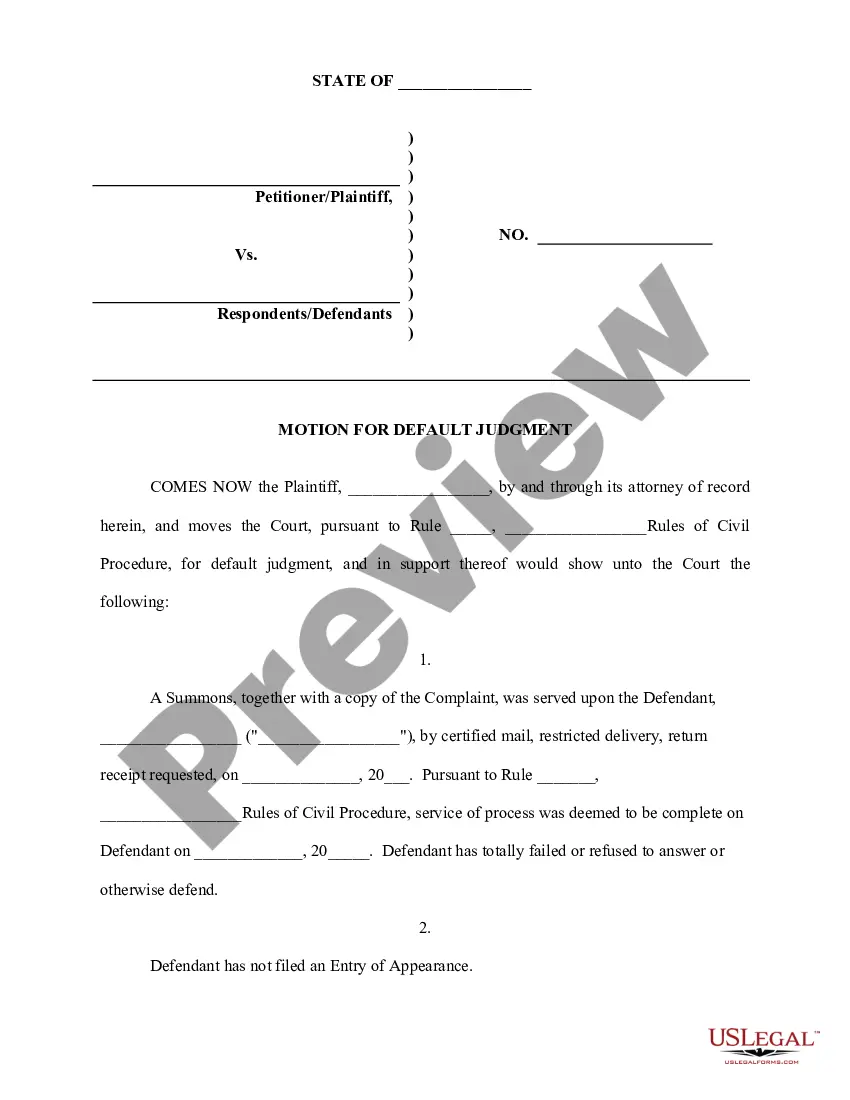
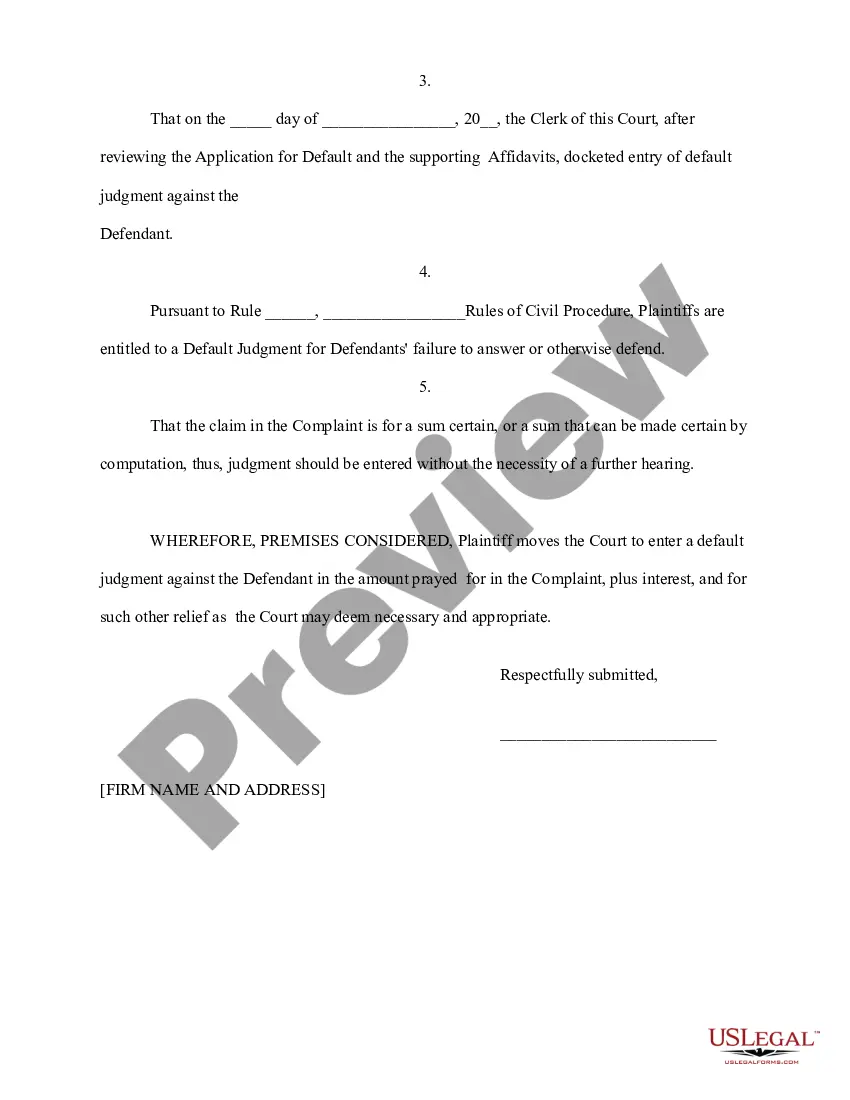
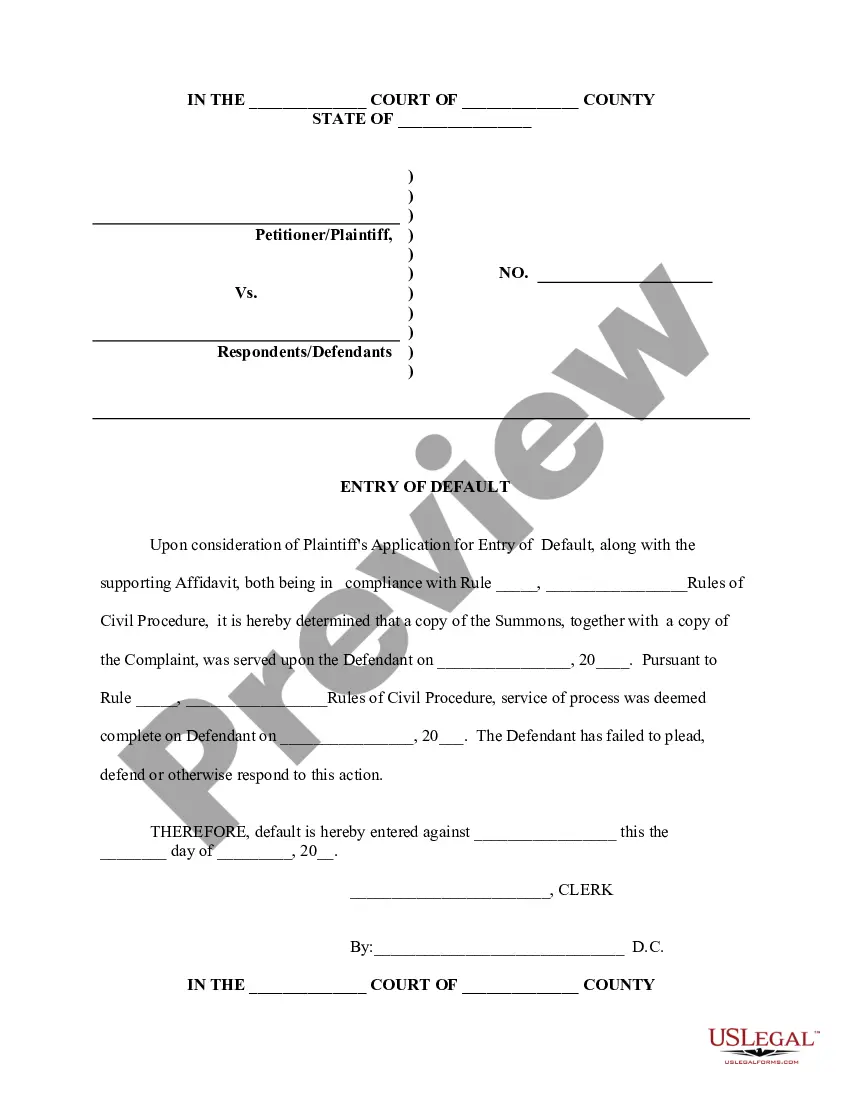
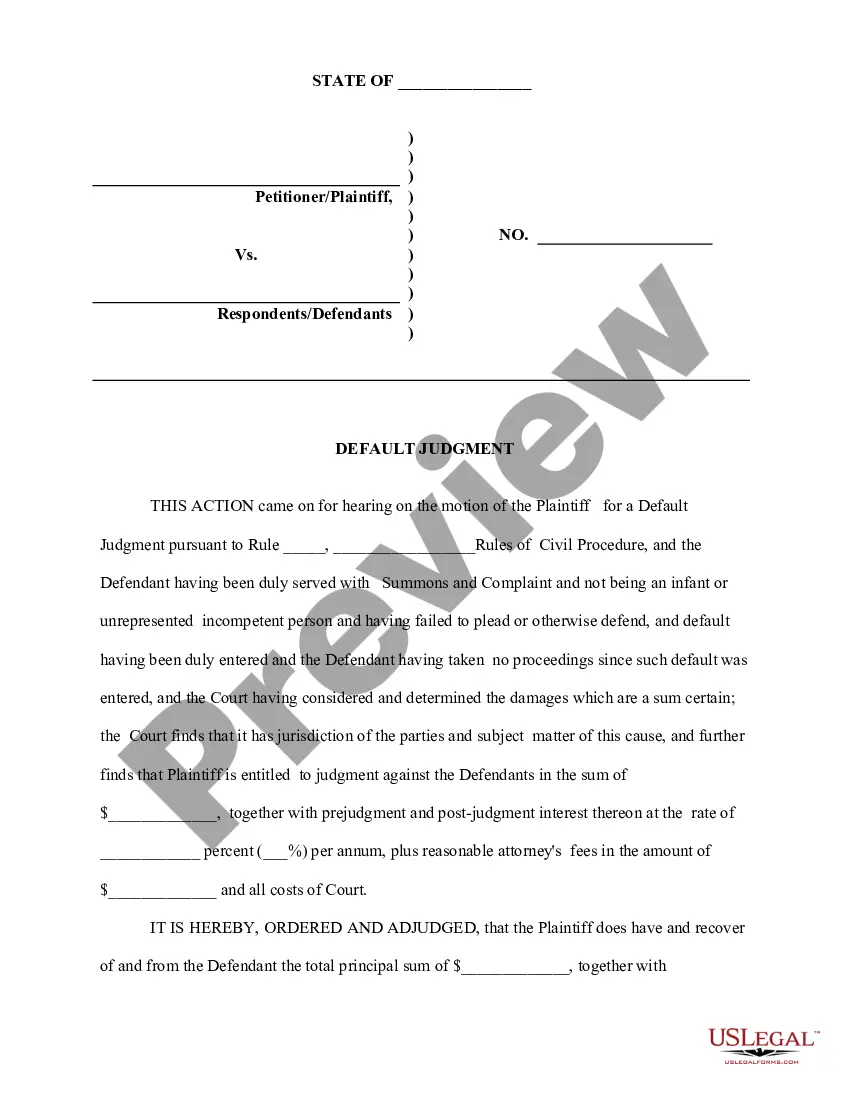
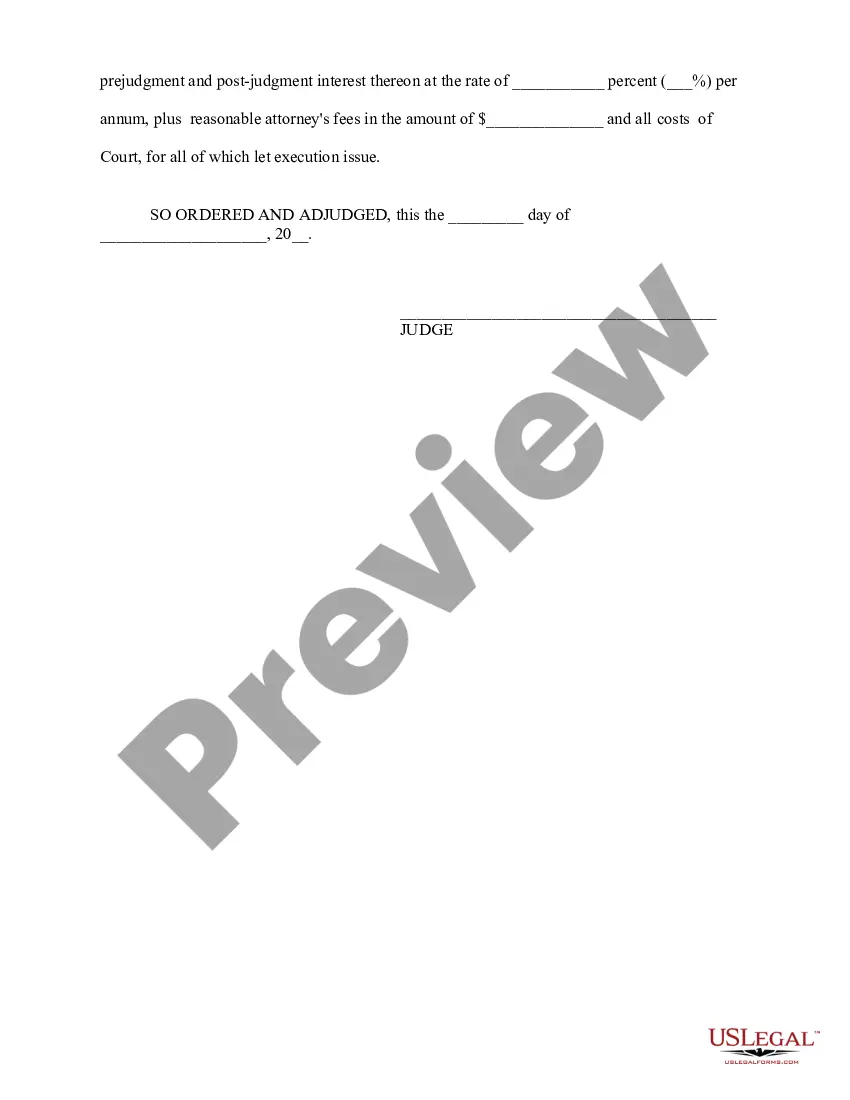
Get your form ready online
Our built-in tools help you complete, sign, share, and store your documents in one place.
Make edits, fill in missing information, and update formatting in US Legal Forms—just like you would in MS Word.
Download a copy, print it, send it by email, or mail it via USPS—whatever works best for your next step.
Sign and collect signatures with our SignNow integration. Send to multiple recipients, set reminders, and more. Go Premium to unlock E-Sign.
If this form requires notarization, complete it online through a secure video call—no need to meet a notary in person or wait for an appointment.
We protect your documents and personal data by following strict security and privacy standards.

Make edits, fill in missing information, and update formatting in US Legal Forms—just like you would in MS Word.

Download a copy, print it, send it by email, or mail it via USPS—whatever works best for your next step.

Sign and collect signatures with our SignNow integration. Send to multiple recipients, set reminders, and more. Go Premium to unlock E-Sign.

If this form requires notarization, complete it online through a secure video call—no need to meet a notary in person or wait for an appointment.

We protect your documents and personal data by following strict security and privacy standards.
Looking for another form?
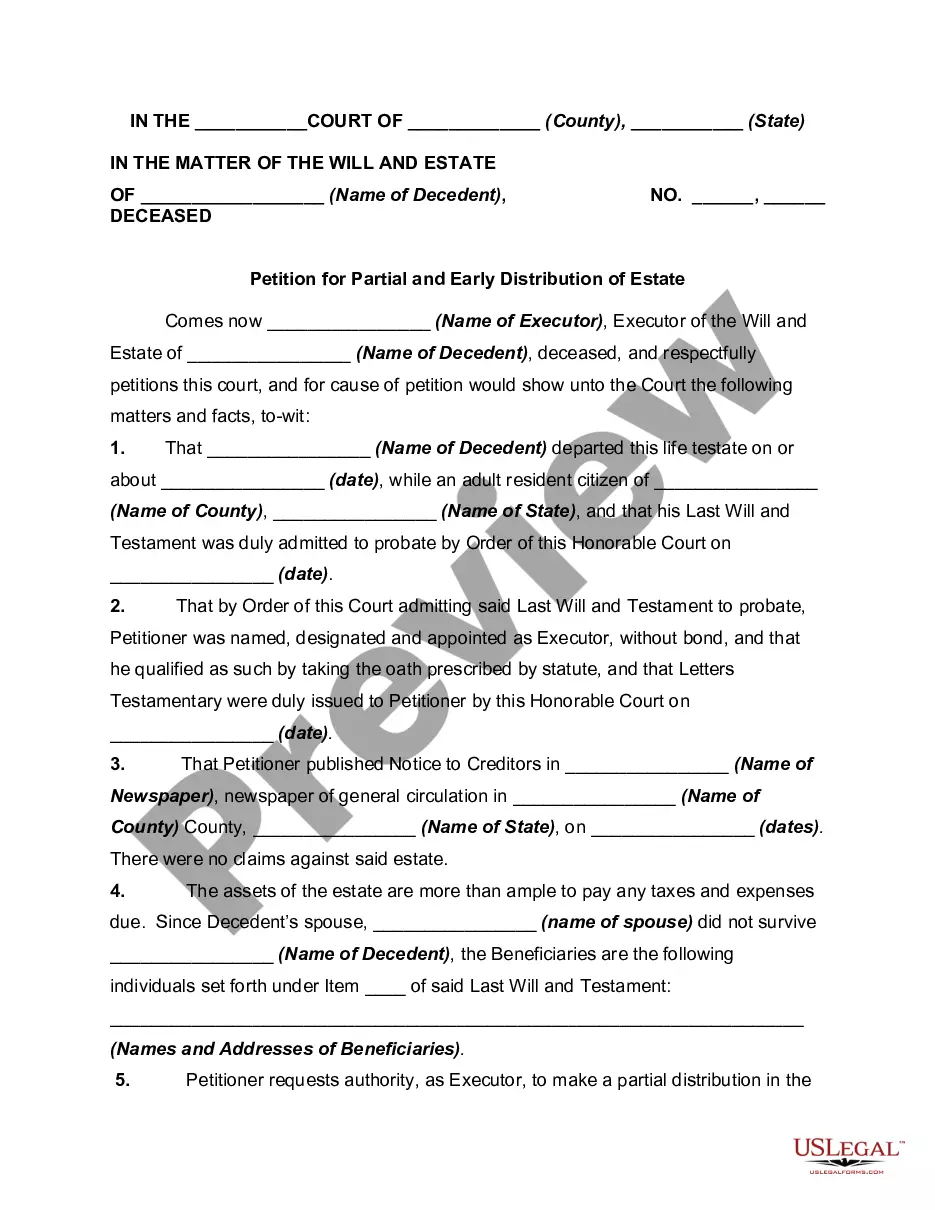
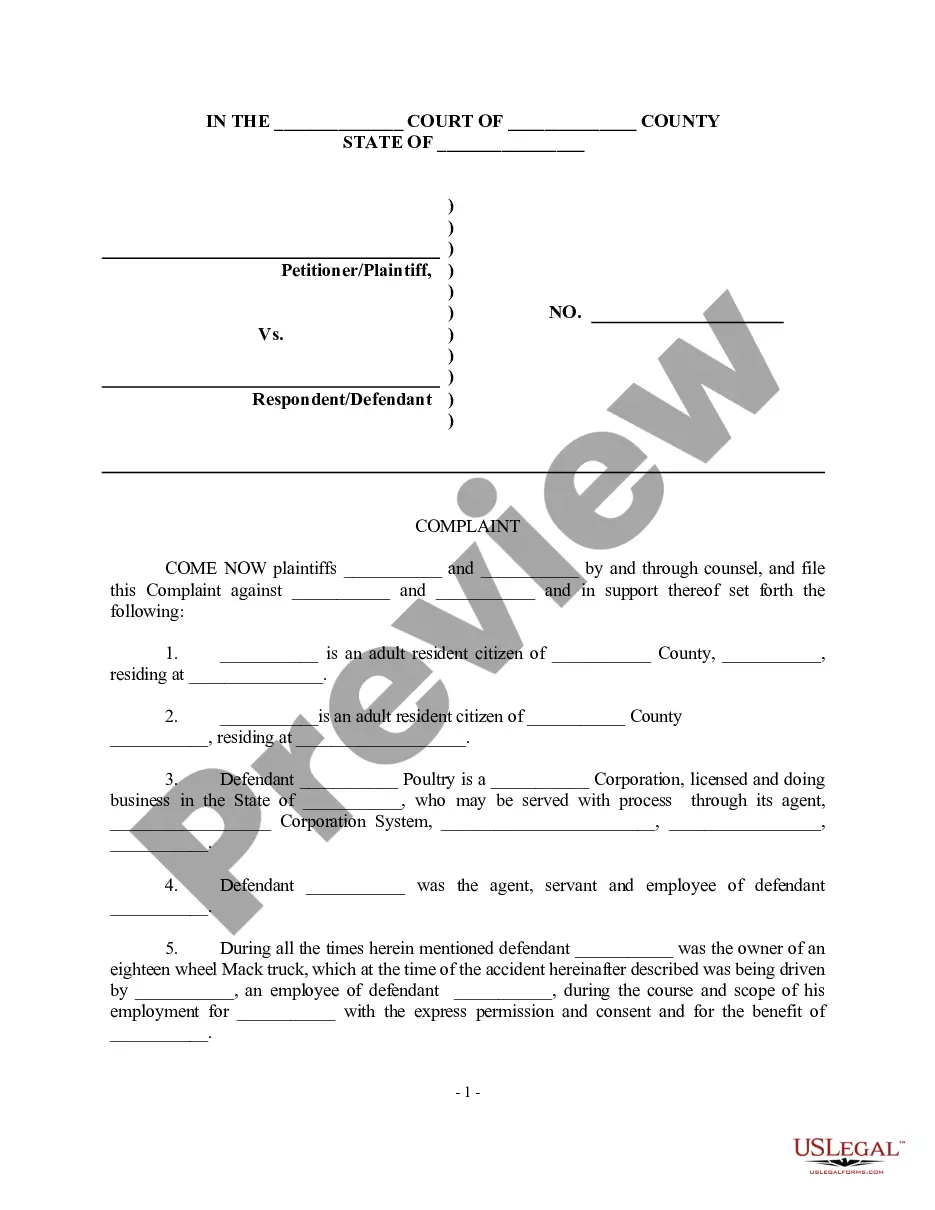




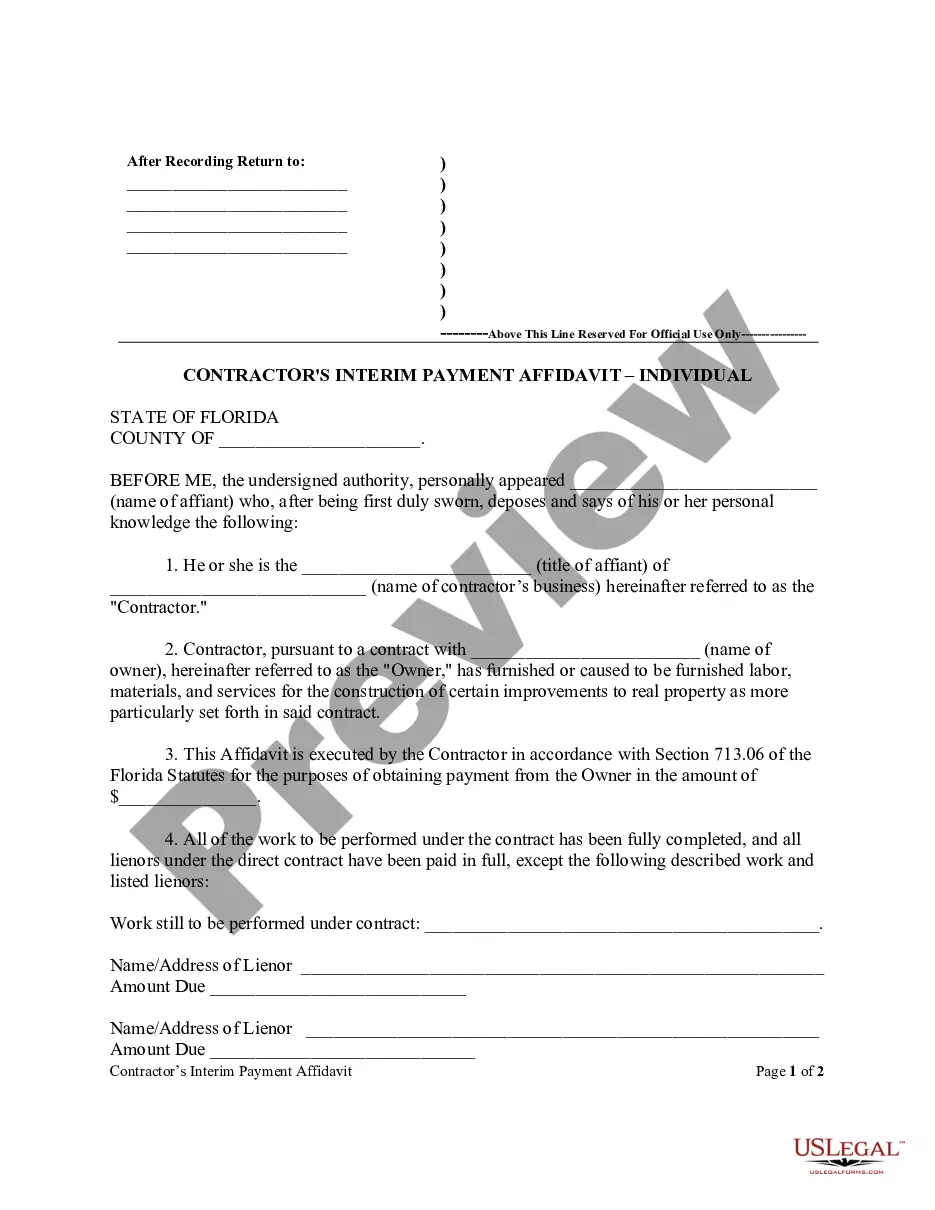

How to fill out Application For Entry Of Default - Affidavit - Motion - Entry Of Default - Default Judgment?
The petition to access the default document without authorization presented on this site is a versatile legal draft prepared by qualified attorneys according to federal and state laws.
For over 25 years, US Legal Forms has supplied individuals, institutions, and lawyers with over 85,000 validated, state-specific documents for any business or personal needs.
Subscribe to US Legal Forms to have authenticated legal templates for every situation in life at your fingertips.
- Search for the form you require and review it.
- Scan through the document you looked for and view it or examine the form description to verify it meets your needs. If it doesn't, use the search feature to discover the correct one. Hit 'Purchase Now' once you have found the template you require.
- Register and Log In.
- Choose the pricing option that best suits you and set up an account. Use PayPal or a credit card to complete your payment swiftly. If you already possess an account, Log In and review your subscription to proceed.
- Obtain the editable template.
- Select the format you prefer for your Request To Enter Default Form Without Permission (PDF, Word, RTF) and store the sample on your device.
- Complete and sign the document.
- Print the template to fill it out manually. Alternatively, utilize an online multifunctional PDF editor to efficiently and accurately complete and sign your form with an electronic signature.
- Re-download your documents.
- Access the same document again whenever necessary. Visit the 'My documents' section in your profile to retrieve any previously acquired forms.
Form popularity
FAQ
In legal terms, 'default' refers to a situation where a party fails to fulfill a legal obligation, such as not responding to a lawsuit. This can lead to a court granting a judgment against the non-responsive party. Understanding how default works is crucial, especially when it comes to filing a request to enter default form without permission. By learning about default, you can better navigate legal processes and protect your interests.
A letter of intent is generally not binding since it's basically a description of the deal process. It is, in effect, an agreement to agree. Thus, either party can cancel the letter at any time.
A letter of intent is a document outlining the intentions of two or more parties to do business together; it is often non-binding unless the language in the document specifies that the companies are legally bound to the terms.
Components of a LOI Opening Paragraph: Your summary statement. ... Statement of Need: The "why" of the project. ( ... Project Activity: The "what" and "how" of the project. ( ... Outcomes (1?2 paragraphs; before or after the Project Activity) ... Credentials (1?2 paragraphs) ... Budget (1?2 paragraphs) ... Closing (1 paragraph) ... Signature.
Letters of intent are not legally binding, and don't extend full legal protection to contractual parties. However, if not stated clearly, they can become legally binding, might not always be desirable?especially if the agreement is still pending approval by both parties.
Typically, a buyer would state its Letter of Intent is open for acceptance for 72 to 96 hours, or in some cases a one-to-two weeks.
As mentioned previously, an LOI generally won't be binding on major terms. However, some employers will still see the agreement as a promise, and therefore it can be hard to go back and change or negotiate certain provisions later.
Much like a cover letter, a letter of intent is a general overview of your industry-specific skills, experience and the reasons you're interested in working for a specific employer. This type of letter, also known as an intent letter or letter of interest, focuses on the company more than your skills.
A letter of intent is generally not binding since it's basically a description of the deal process. It is, in effect, an agreement to agree. Thus, either party can cancel the letter at any time.