Request For Order Of Default Denied
Description
Get your form ready online
Our built-in tools help you complete, sign, share, and store your documents in one place.
Make edits, fill in missing information, and update formatting in US Legal Forms—just like you would in MS Word.
Download a copy, print it, send it by email, or mail it via USPS—whatever works best for your next step.
Sign and collect signatures with our SignNow integration. Send to multiple recipients, set reminders, and more. Go Premium to unlock E-Sign.
If this form requires notarization, complete it online through a secure video call—no need to meet a notary in person or wait for an appointment.
We protect your documents and personal data by following strict security and privacy standards.

Make edits, fill in missing information, and update formatting in US Legal Forms—just like you would in MS Word.

Download a copy, print it, send it by email, or mail it via USPS—whatever works best for your next step.

Sign and collect signatures with our SignNow integration. Send to multiple recipients, set reminders, and more. Go Premium to unlock E-Sign.

If this form requires notarization, complete it online through a secure video call—no need to meet a notary in person or wait for an appointment.

We protect your documents and personal data by following strict security and privacy standards.
Looking for another form?








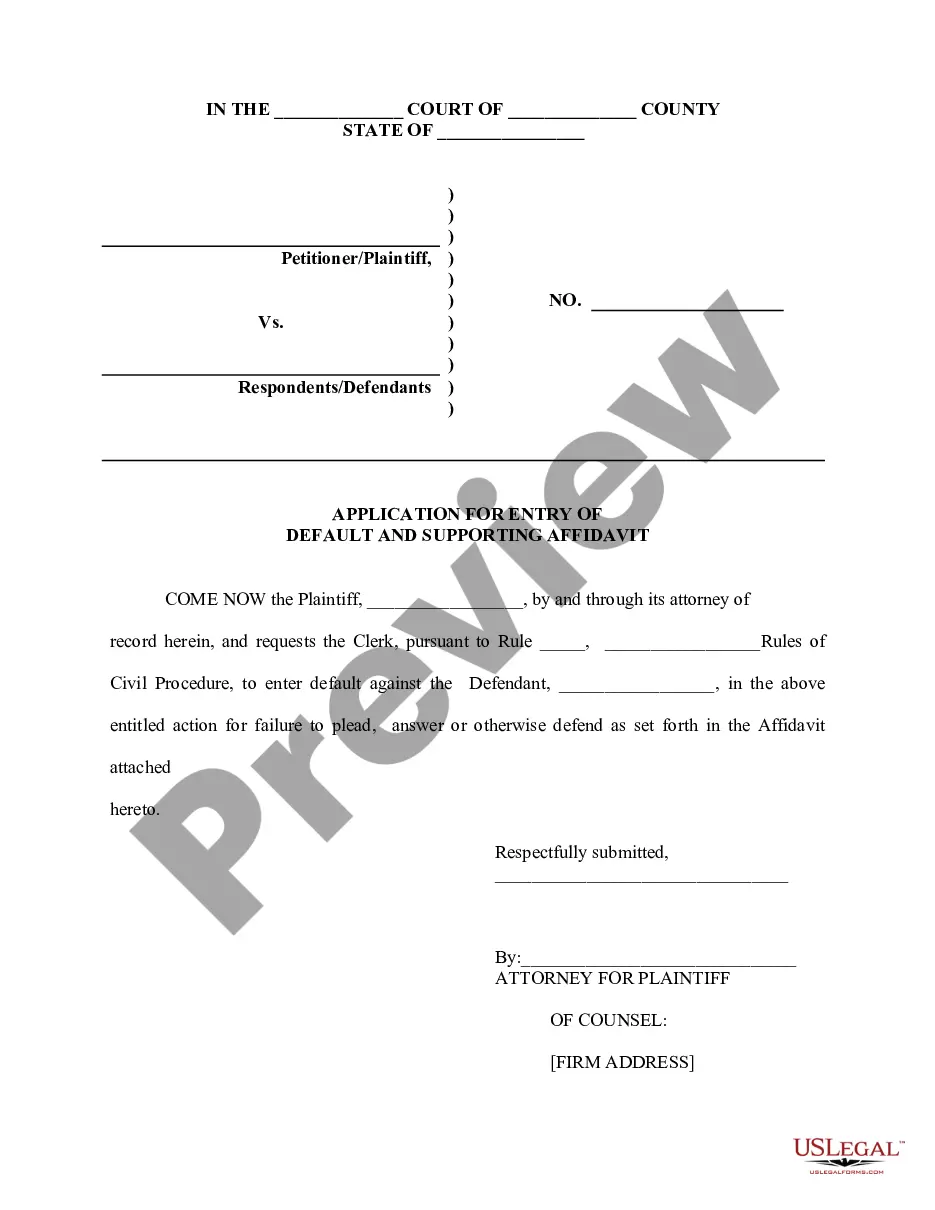
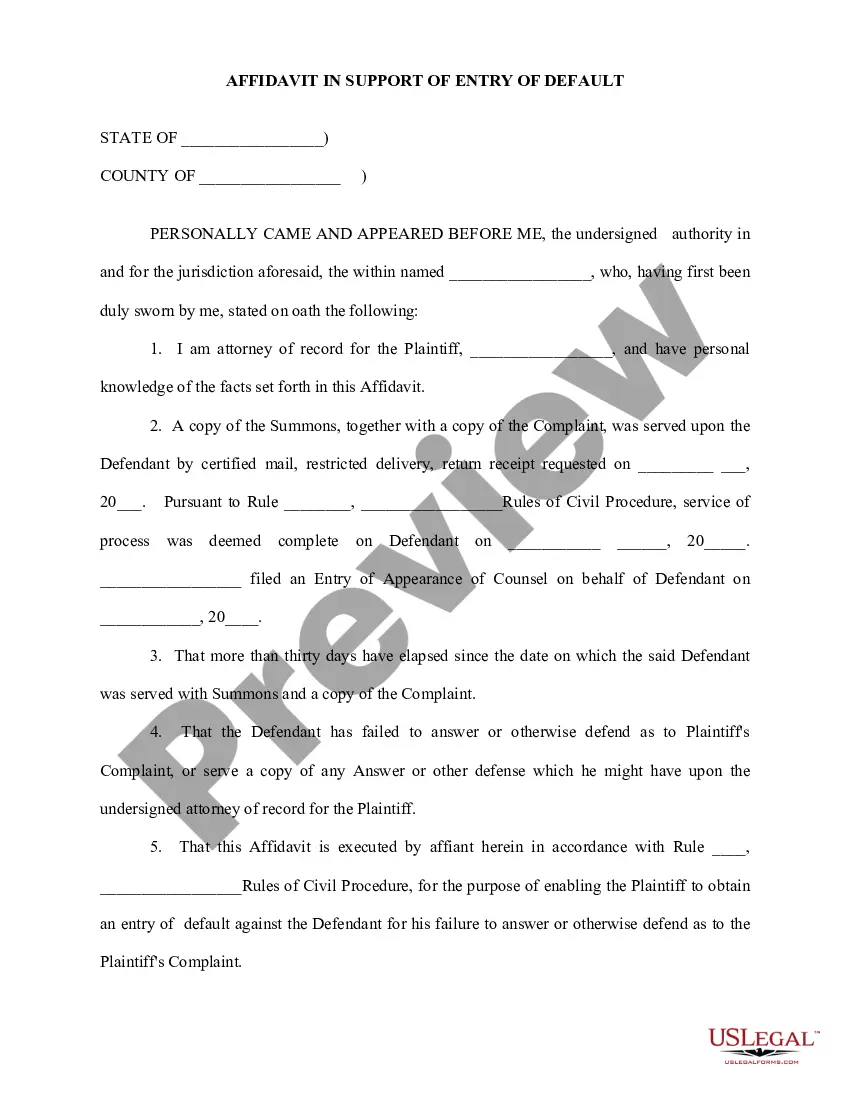
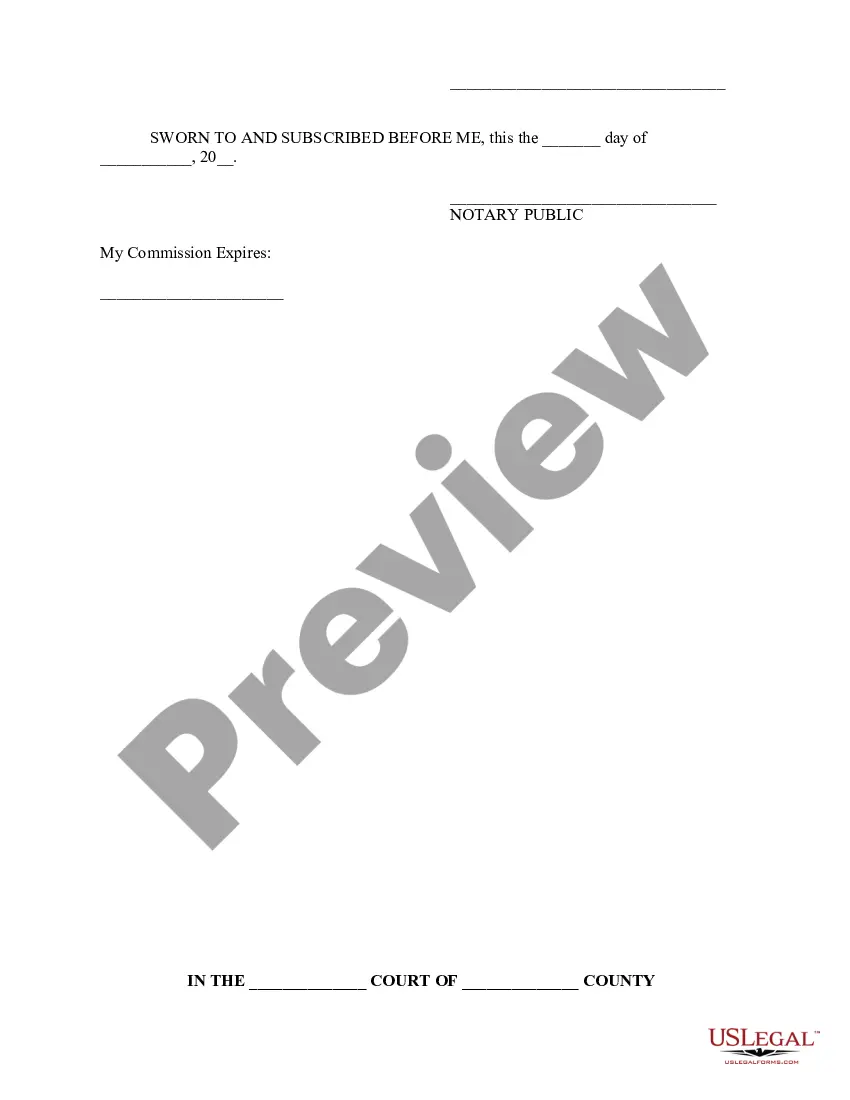
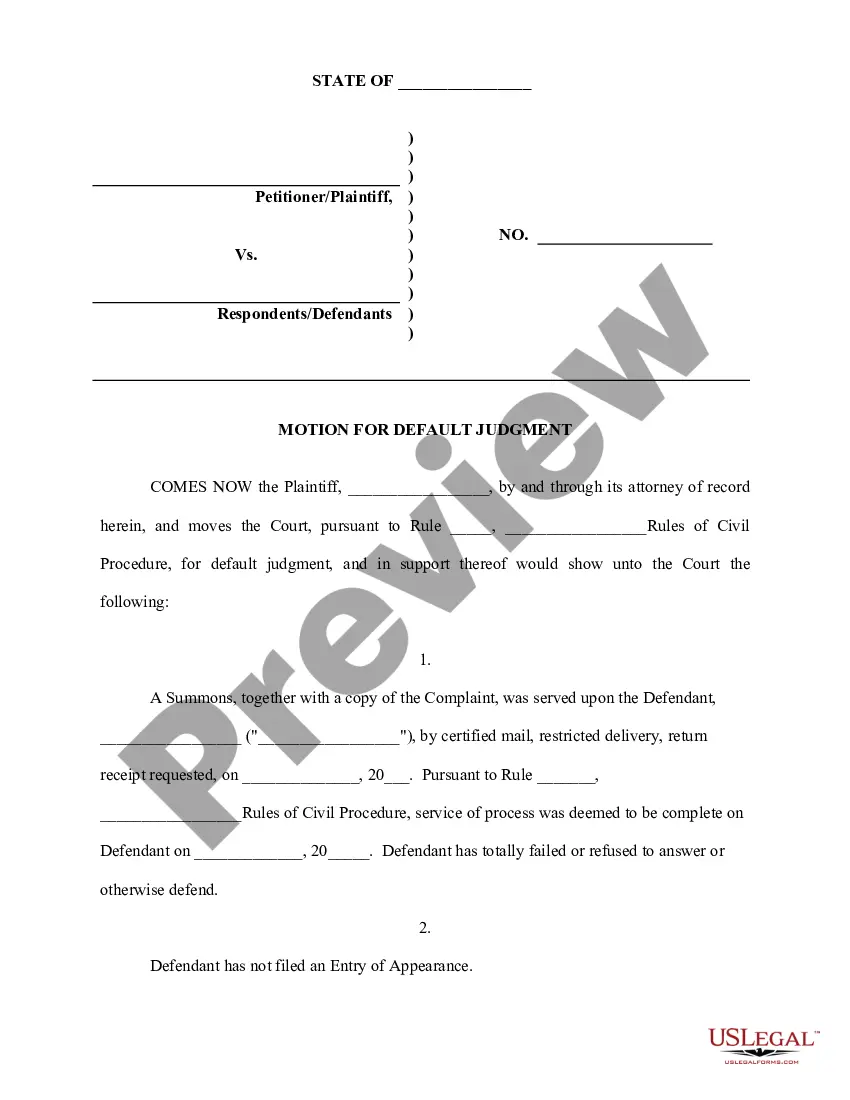
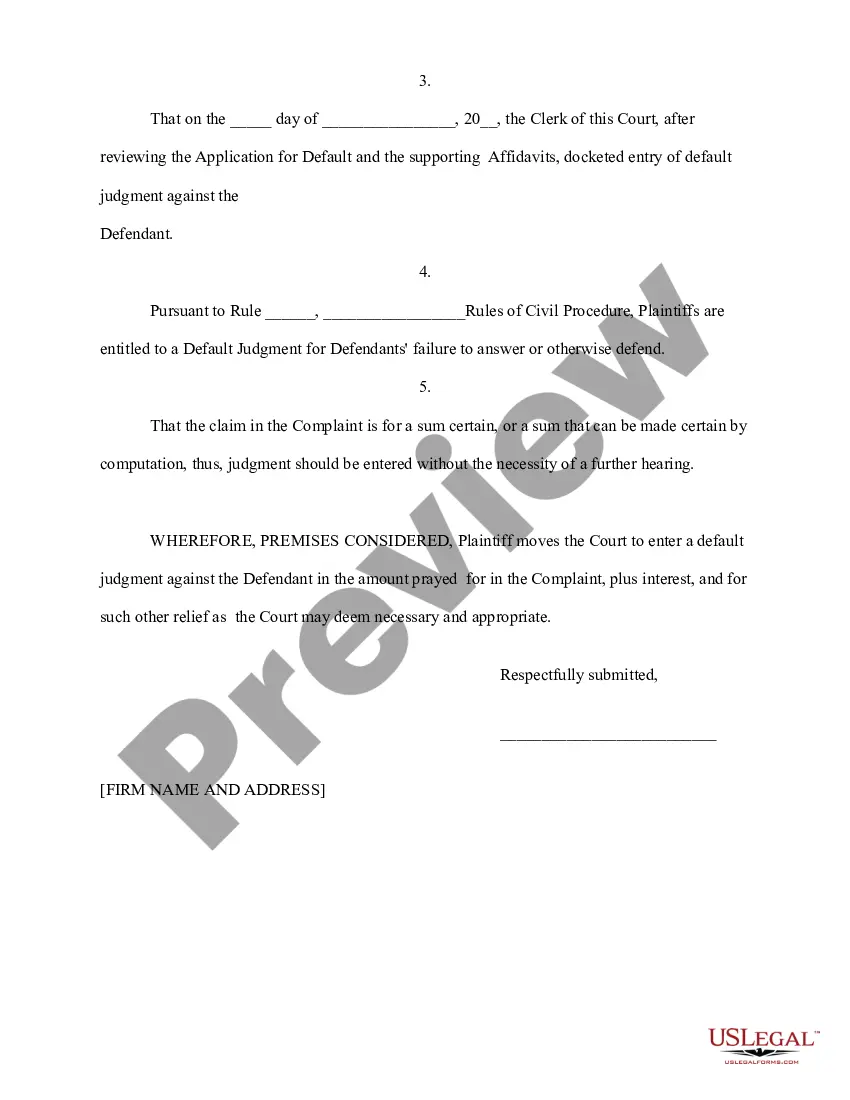
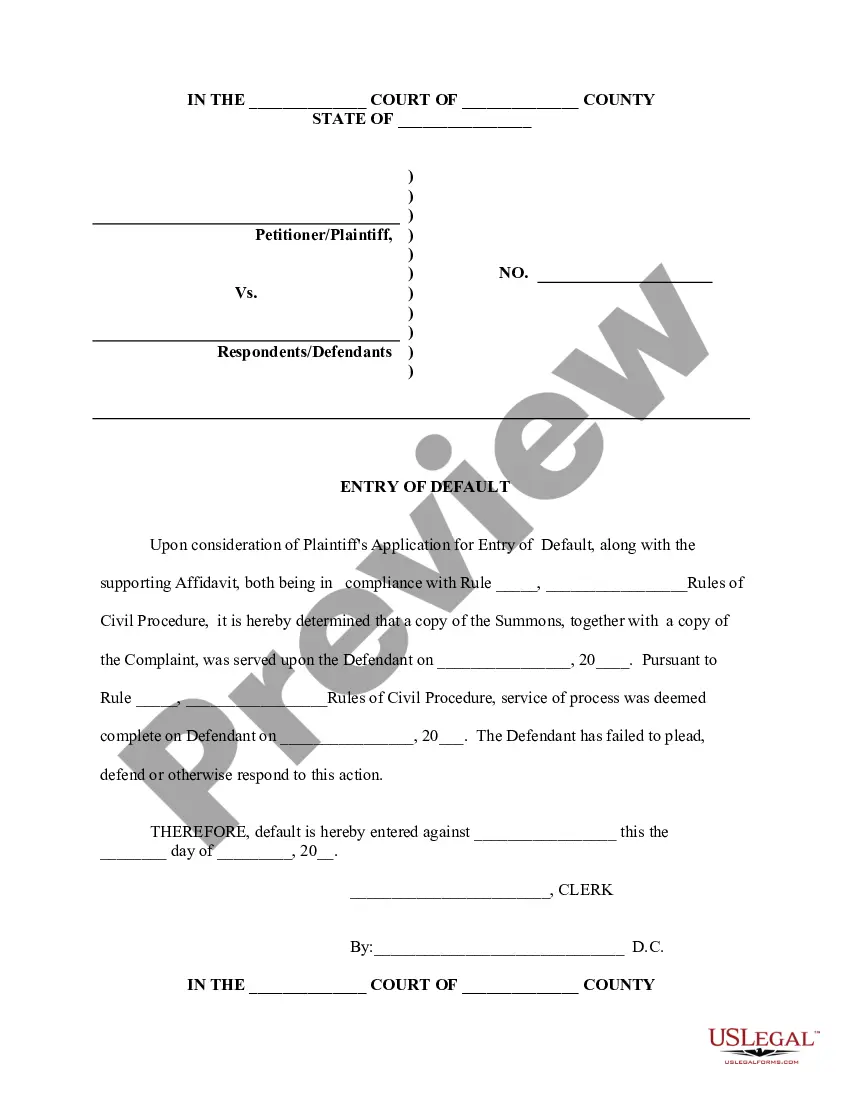
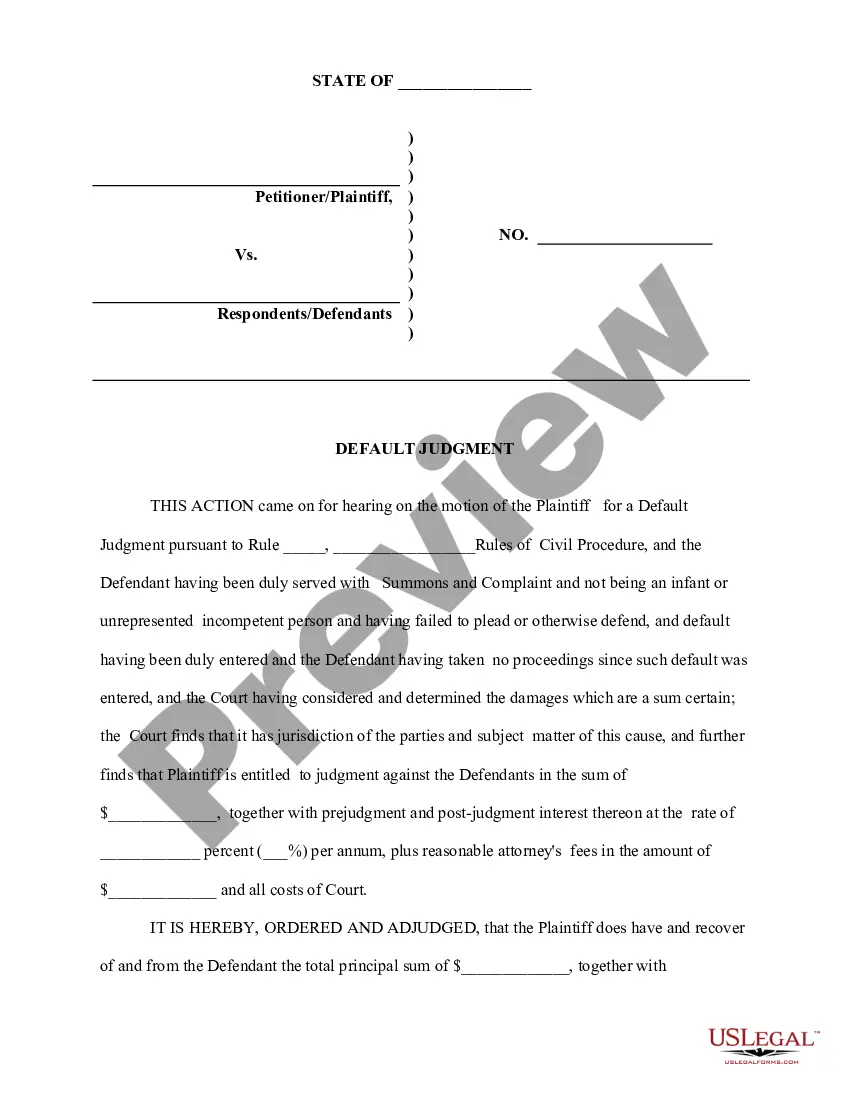
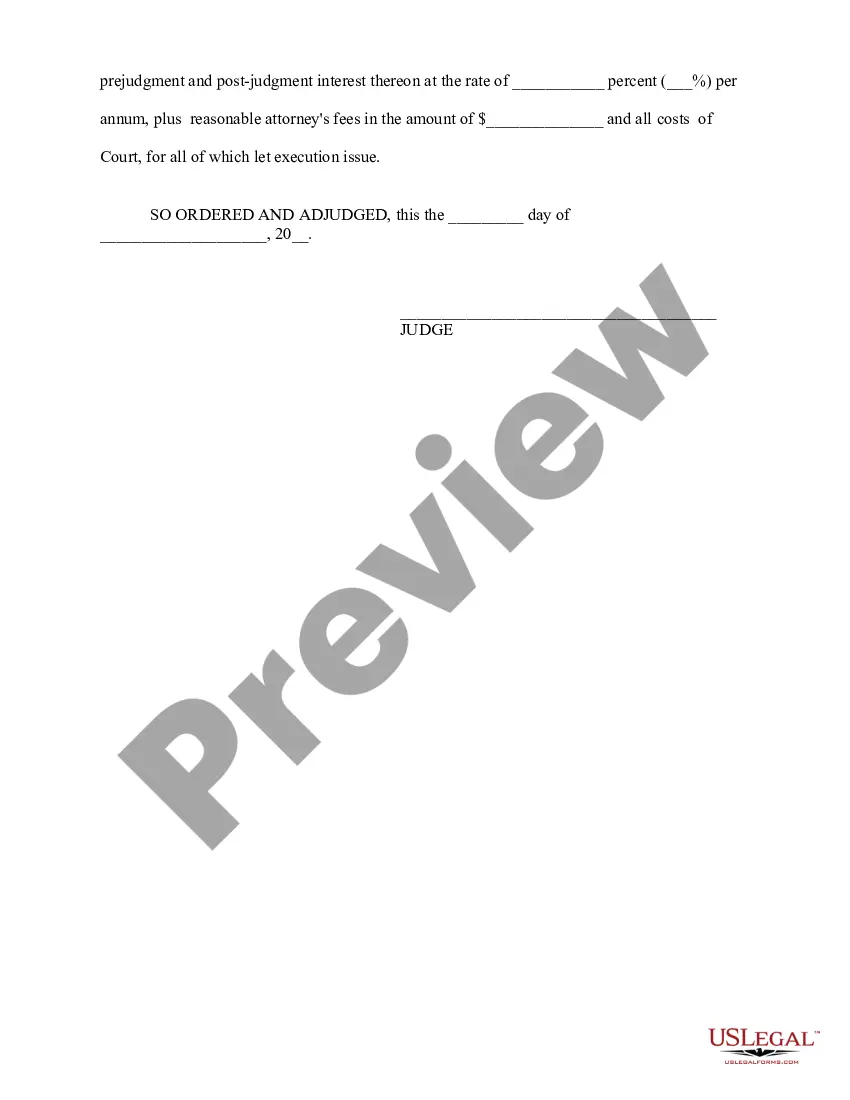
How to fill out Application For Entry Of Default - Affidavit - Motion - Entry Of Default - Default Judgment?
The Application for Judgment of Default Rejected you see on this page is a reusable official template created by experienced attorneys in compliance with federal and local laws.
For over 25 years, US Legal Forms has supplied individuals, entities, and legal experts with more than 85,000 validated, state-specific documents for any business and personal situation. It is the fastest, easiest, and most trustworthy way to obtain the required forms, with the assurance of bank-grade data security and anti-malware safeguards.
Register for US Legal Forms to have verified legal templates ready for all of life's circumstances.
- Search for the document you need and review it.
- Browse through the file you searched and preview it or check the form description to confirm it meets your requirements. If it doesn't, utilize the search feature to locate the correct one. Click Buy Now once you have found the template you require.
- Subscribe and sign in.
- Select the pricing plan that fits you and create an account. Use PayPal or a credit card for quick payment. If you already have an account, Log In and verify your subscription to proceed.
- Obtain the editable template.
- Select the format you prefer for your Request For Order Of Default Denied (PDF, Word, RTF) and download the template onto your device.
- Complete and sign the document.
- Print the template to fill it out by hand. Alternatively, utilize an online multifunctional PDF editor to swiftly and accurately complete and sign your form with an eSignature.
- Download your documents once again.
- Utilize the same document again whenever necessary. Open the My documents tab in your profile to redownload any previously purchased forms.
Form popularity
FAQ
Rule 12 of the Federal Rules of Civil Procedure outlines the procedures regarding motions to dismiss and defenses, including those related to default judgments. It allows for a defendant to respond to allegations or address a default entry. Understanding these rules can be complex, but having accurate information is essential. In cases where your request for order of default denied, refer to examples in uslegalforms.
The purpose of a default judgment is to provide a resolution to a case when one party does not participate in the legal process. It serves to streamline court proceedings, allowing the responding party to seek relief without unnecessary delays. If your request for order of default is denied, it’s critical to explore your options and understand the implications of such judgments on your case. Engaging with a legal service like US Legal Forms can offer clarity and assistance through these challenging situations.
When you receive a default judgment in a Maryland divorce case, it means the court has ruled in favor of the requesting party due to your absence or failure to respond. You have the option to challenge this judgment by filing a 'Request for Order of Default Denied.' If successful, this might allow you to present your case before the court. It is crucial to act quickly, as strict deadlines apply.
To support a request for order of default, evidence must clearly show the defendant's failure to respond. This might include proof of service and any relevant communication. Additionally, if you are appealing or challenging that judgment, any evidence that supports your claim or highlights procedural issues will be essential.
To file an appeal on a default judgment, first, review the rules specific to your jurisdiction. After your request for order of default is denied, gather required documents, including the judgment and your grounds for appeal. Then, file your notice of appeal within the allotted timeframe to formally challenge the judgment.
Yes, there are steps you can take after a default judgment has been entered. If you find your request for order of default denied, you might consider filing a motion to vacate the judgment or an appeal. Understanding your options can empower you to regain control of your legal matters.
Absolutely, you can file an appeal against a judgment, including cases where a request for order of default was denied. The appeal allows you to contest the outcome by presenting your arguments to a higher court. Be sure that your grounds for appeal are solid, as they will be scrutinized during the review process.