Default Judgement In Texas Divorce
Description
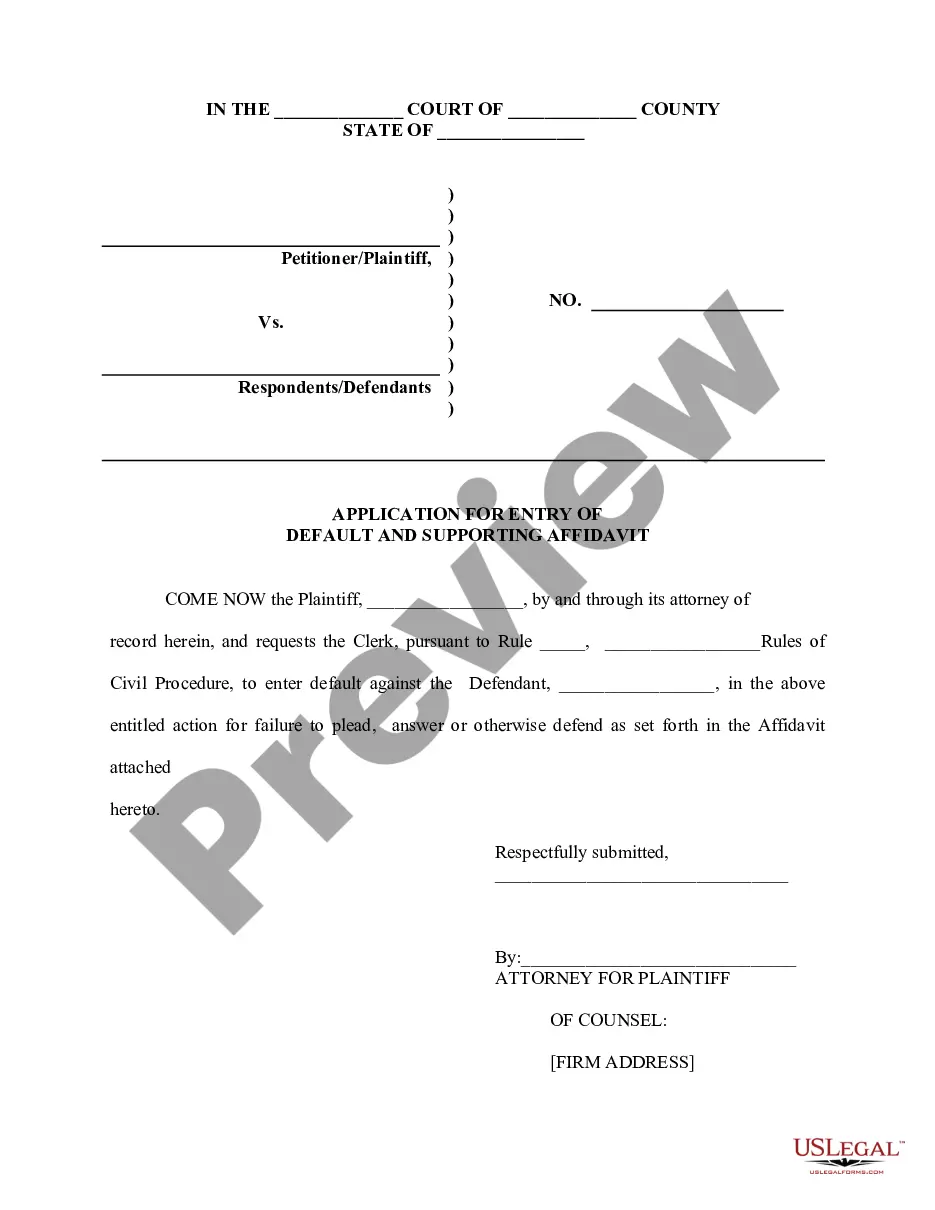
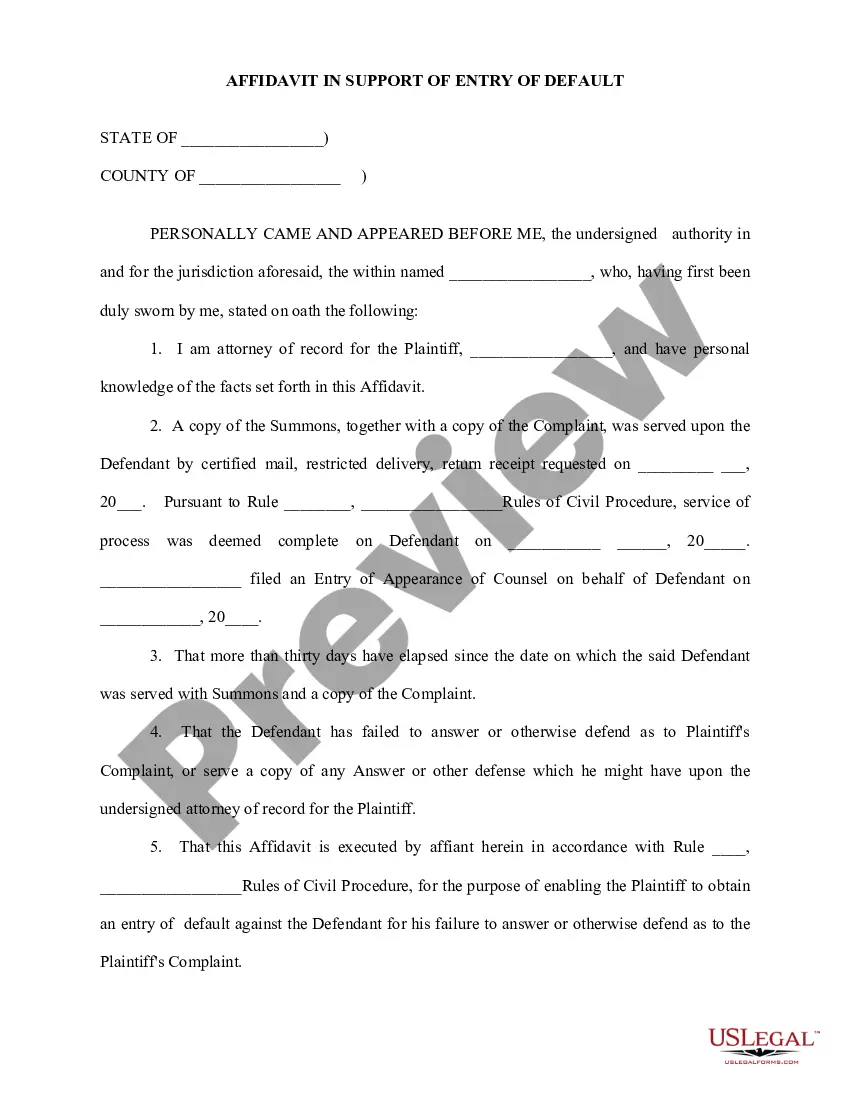
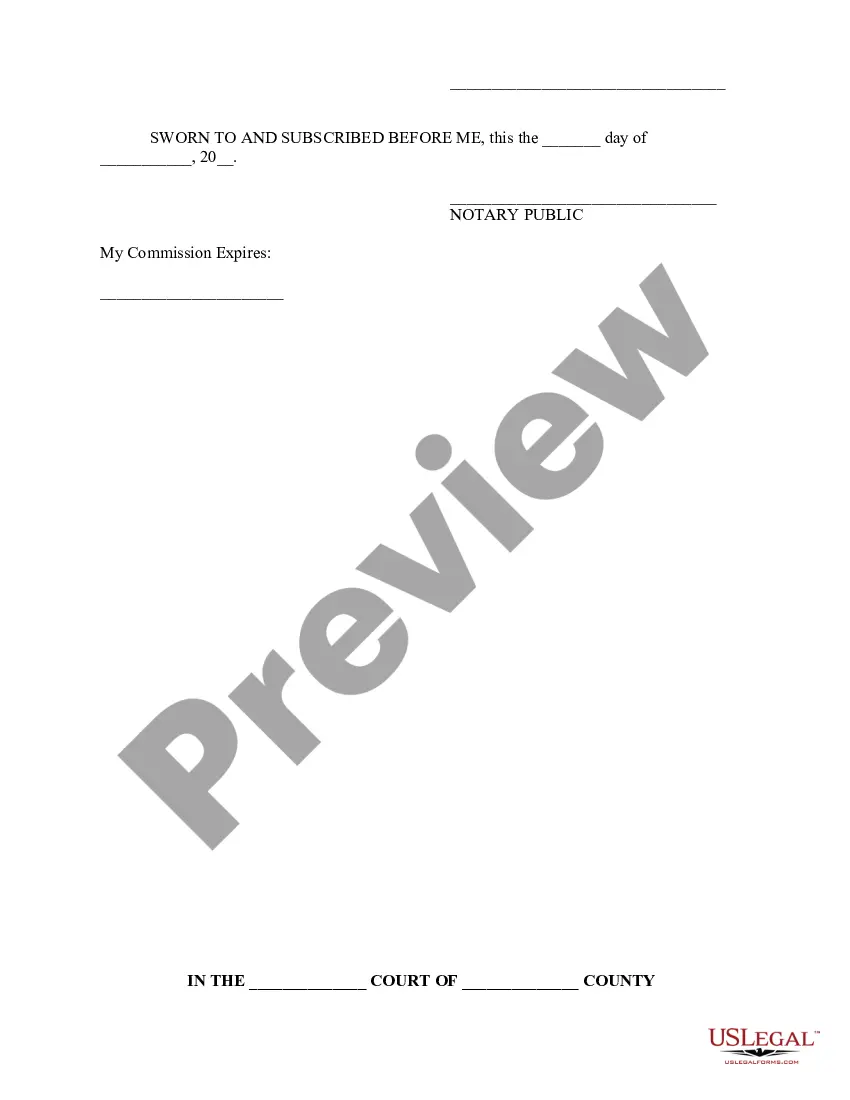
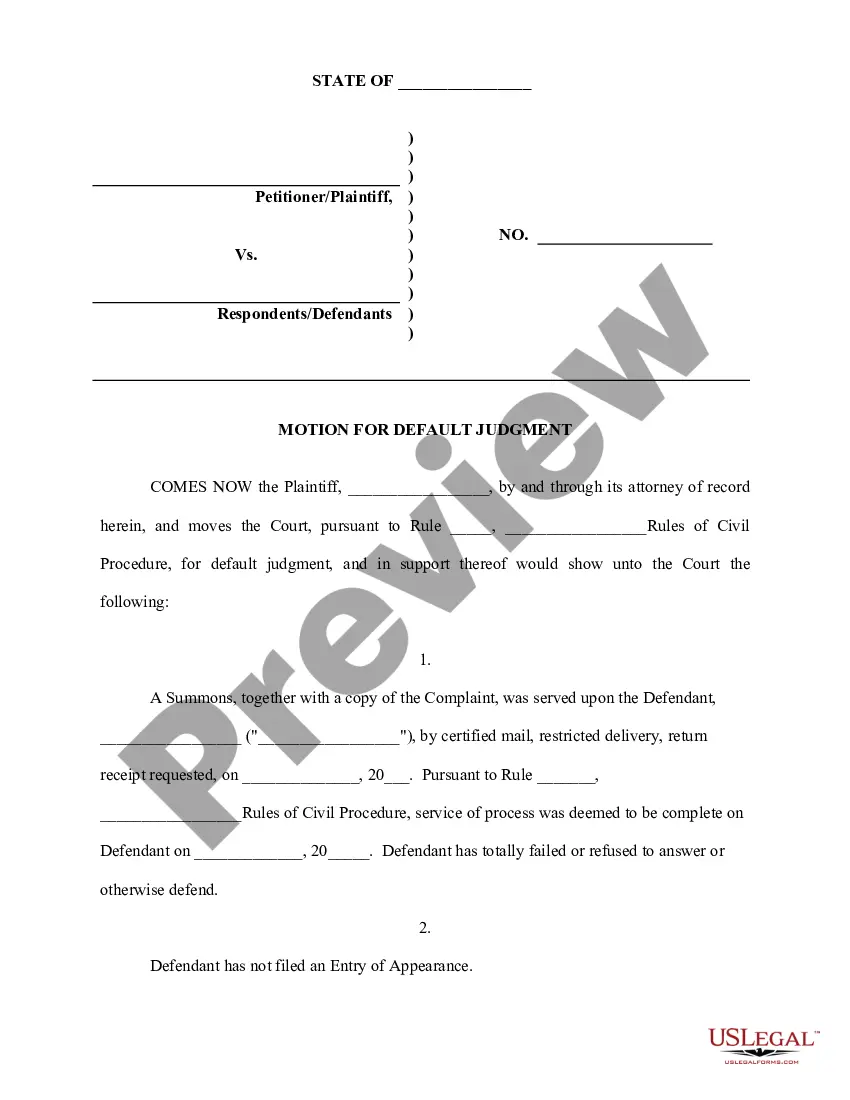
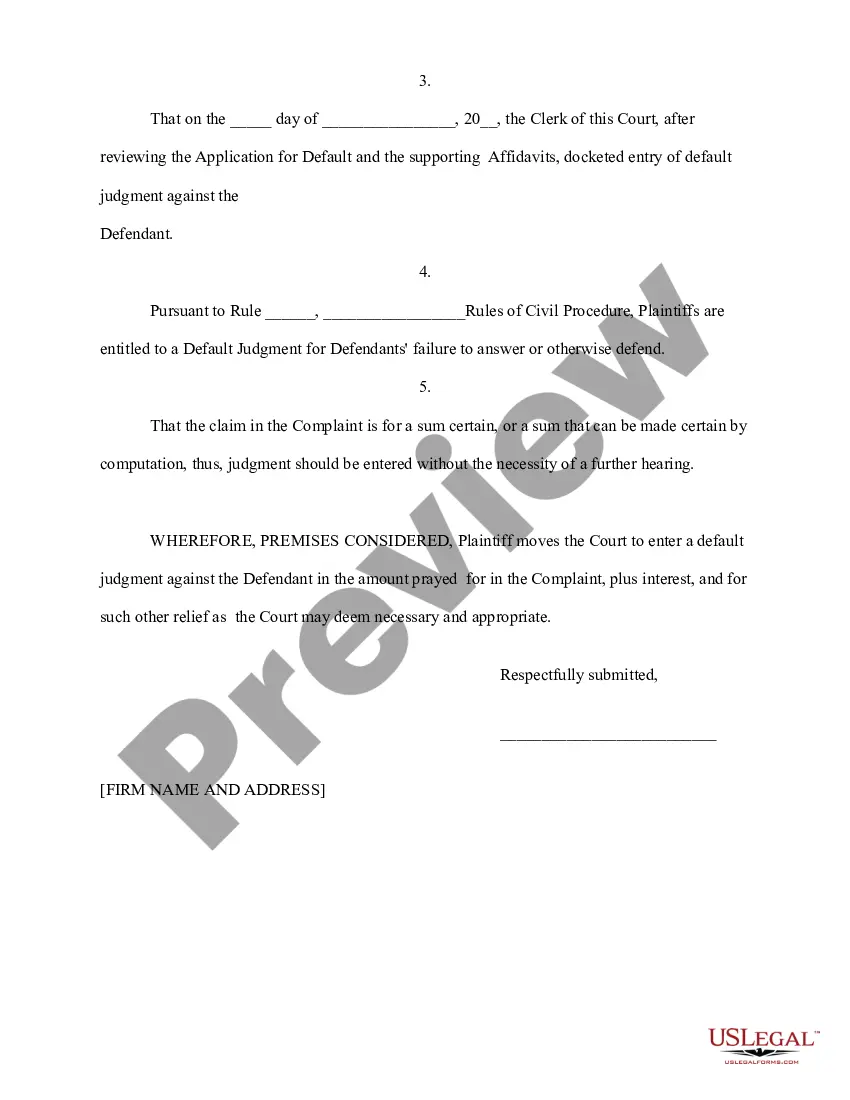
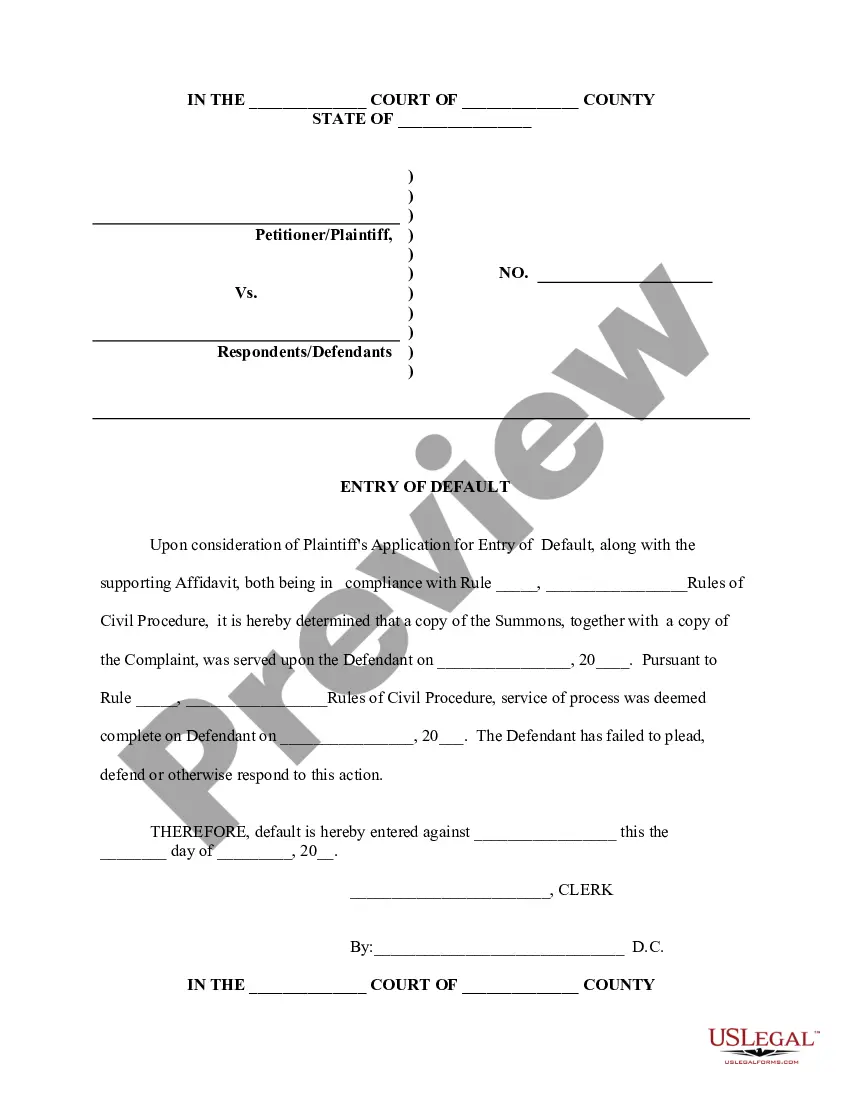
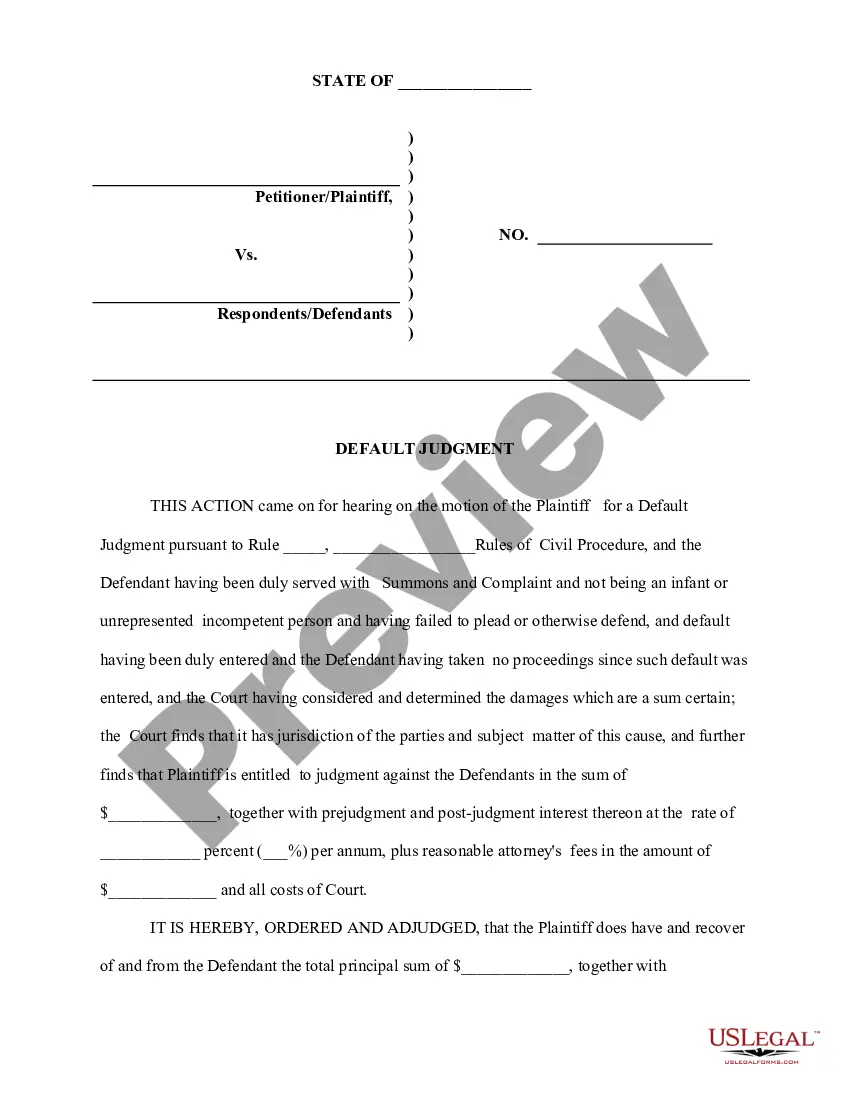
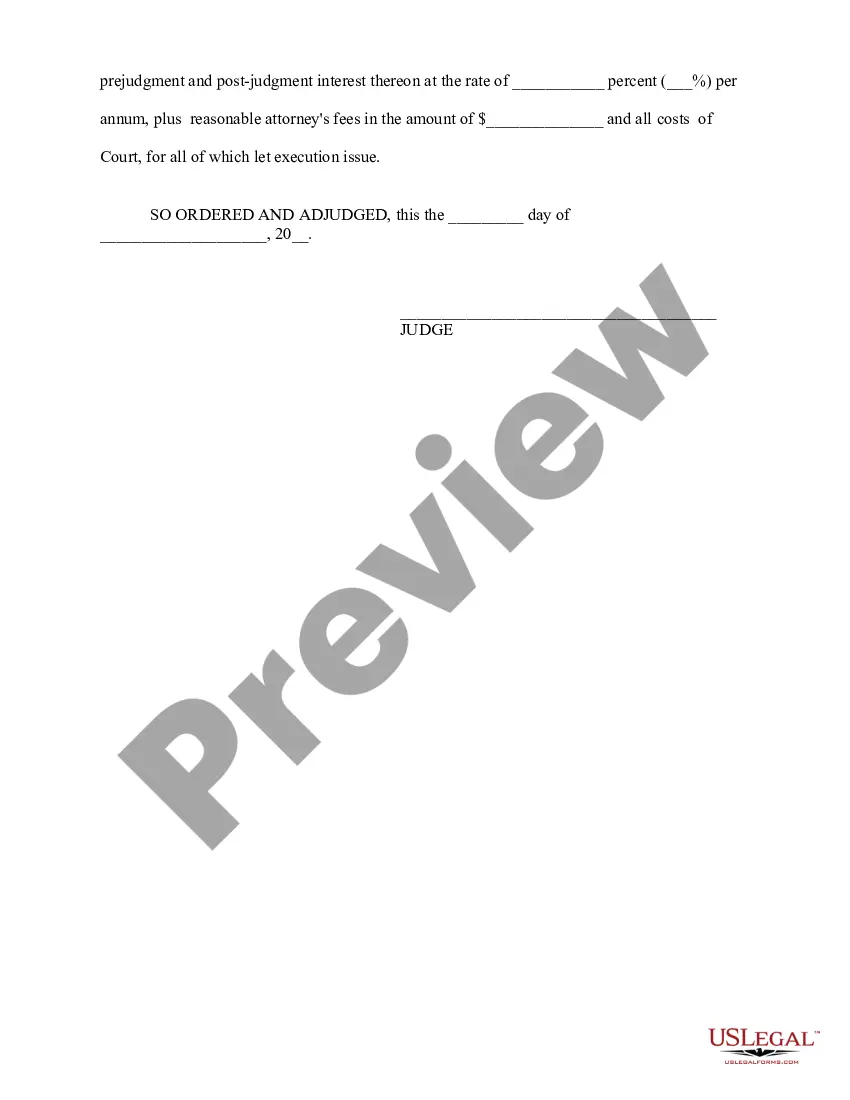
Get your form ready online
Our built-in tools help you complete, sign, share, and store your documents in one place.
Make edits, fill in missing information, and update formatting in US Legal Forms—just like you would in MS Word.
Download a copy, print it, send it by email, or mail it via USPS—whatever works best for your next step.
Sign and collect signatures with our SignNow integration. Send to multiple recipients, set reminders, and more. Go Premium to unlock E-Sign.
If this form requires notarization, complete it online through a secure video call—no need to meet a notary in person or wait for an appointment.
We protect your documents and personal data by following strict security and privacy standards.

Make edits, fill in missing information, and update formatting in US Legal Forms—just like you would in MS Word.

Download a copy, print it, send it by email, or mail it via USPS—whatever works best for your next step.

Sign and collect signatures with our SignNow integration. Send to multiple recipients, set reminders, and more. Go Premium to unlock E-Sign.

If this form requires notarization, complete it online through a secure video call—no need to meet a notary in person or wait for an appointment.

We protect your documents and personal data by following strict security and privacy standards.
Looking for another form?
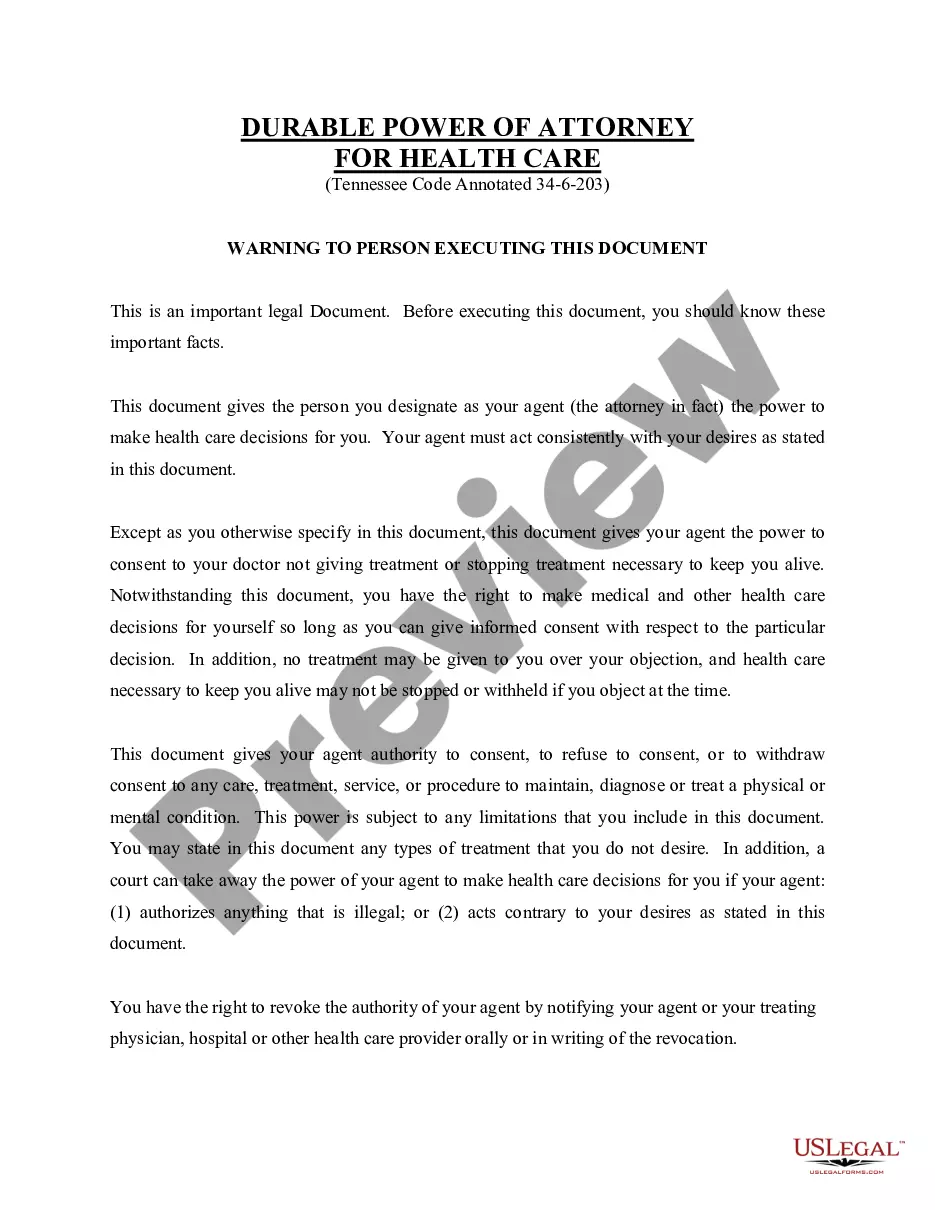
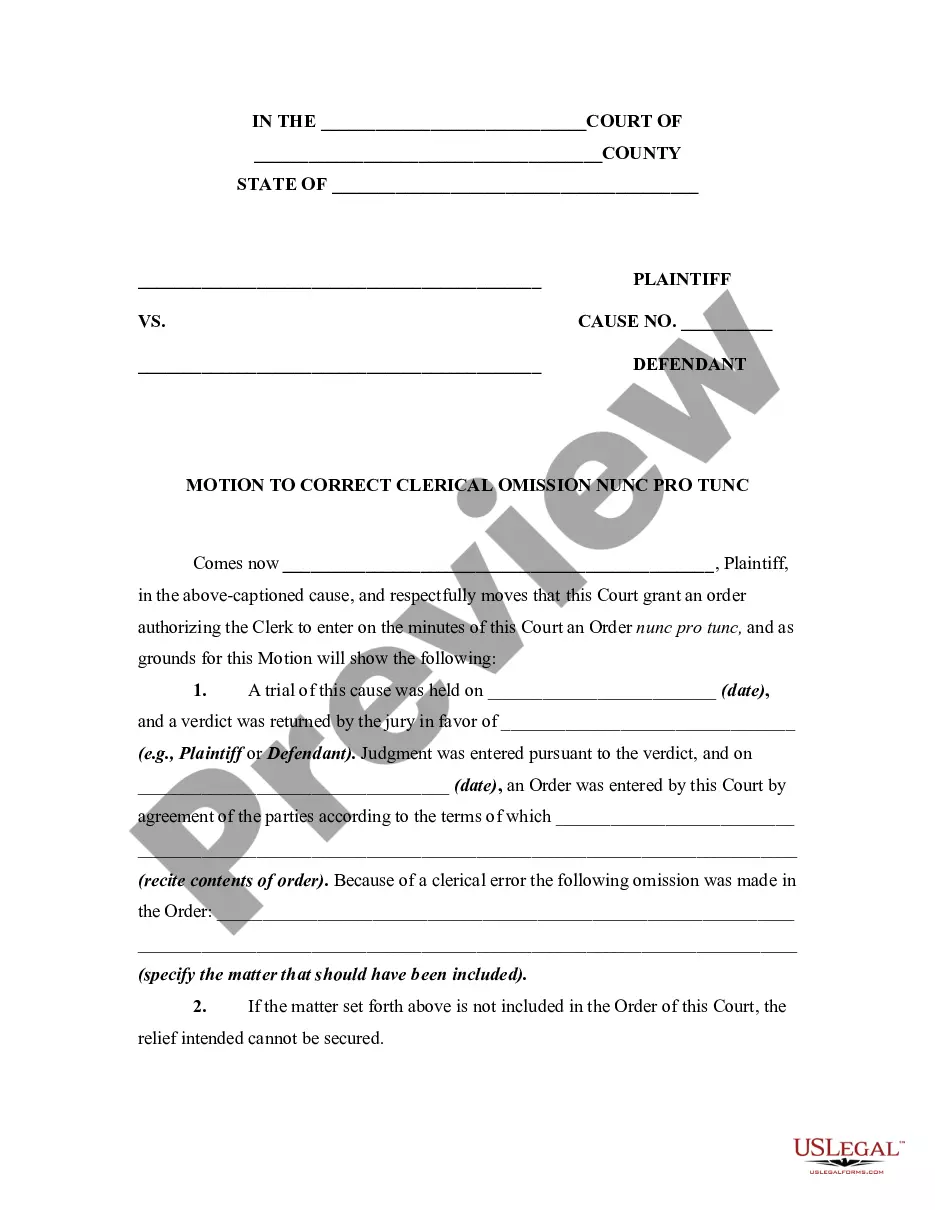


How to fill out Application For Entry Of Default - Affidavit - Motion - Entry Of Default - Default Judgment?
The Standard Ruling In Texas Divorce displayed on this page is a versatile official template crafted by experienced attorneys in accordance with federal and state regulations.
For over 25 years, US Legal Forms has supplied individuals, companies, and legal experts with more than 85,000 authenticated, state-specific documents for any personal or business situation. It’s the fastest, simplest, and most dependable method to acquire the documents you require, as the service ensures bank-level data protection and malware prevention.
Subscribe to US Legal Forms to have verified legal documents for all of life's situations readily available.
- Search for the document you require and review it.
- Choose the subscription plan that fits you and create an account. Make a quick payment using PayPal or a credit card. If you already possess an account, Log In and verify your subscription to proceed.
- Select the format you prefer for your Standard Ruling In Texas Divorce (PDF, DOCX, RTF) and download the document to your device.
- Print the document to fill it out manually. Alternatively, use an online versatile PDF editor to swiftly and accurately complete and sign your form with authenticity.
- Reuse the same document whenever necessary. Access the My documents section in your profile to redownload any previously saved documents.
Form popularity
FAQ
Unless there was family violence, the judge can't finalize a divorce at the hearing until 60 days after the petition for divorce was filed. Keep that in mind when "setting," or scheduling, your hearing.
You should remember that there is a 60 day waiting period before a divorce is finalized in Texas. This means that the soonest a divorce can be finalized is on the day after 60th day. So before the sixty days are up you may have some protection if you failed to answer within the time period specified in the petition.
To file your forms online, go to E-File Texas and follow the instructions. To file your divorce forms in person, take your Petition and additional starting forms (and copies) to the district clerk's office in the county you have determined is the correct county to file your divorce.
A default judgment in a Texas divorce occurs when the person served with the divorce petition declines to file a written answer as directed within the required time, per Texas Rules of Civil Procedure 99.
A default judgment is a judgment entered in the trial court when a defendant hasn't filed a response in a timely manner. For a response to be timely, it must be made by 10 a.m. on the Monday following the expiration of 20 days after the date the defendant was served with the citation and petition.