Copyright Laws For Art And Design
Description
Get your form ready online
Our built-in tools help you complete, sign, share, and store your documents in one place.
Make edits, fill in missing information, and update formatting in US Legal Forms—just like you would in MS Word.
Download a copy, print it, send it by email, or mail it via USPS—whatever works best for your next step.
Sign and collect signatures with our SignNow integration. Send to multiple recipients, set reminders, and more. Go Premium to unlock E-Sign.
If this form requires notarization, complete it online through a secure video call—no need to meet a notary in person or wait for an appointment.
We protect your documents and personal data by following strict security and privacy standards.

Make edits, fill in missing information, and update formatting in US Legal Forms—just like you would in MS Word.

Download a copy, print it, send it by email, or mail it via USPS—whatever works best for your next step.

Sign and collect signatures with our SignNow integration. Send to multiple recipients, set reminders, and more. Go Premium to unlock E-Sign.

If this form requires notarization, complete it online through a secure video call—no need to meet a notary in person or wait for an appointment.

We protect your documents and personal data by following strict security and privacy standards.
Looking for another form?



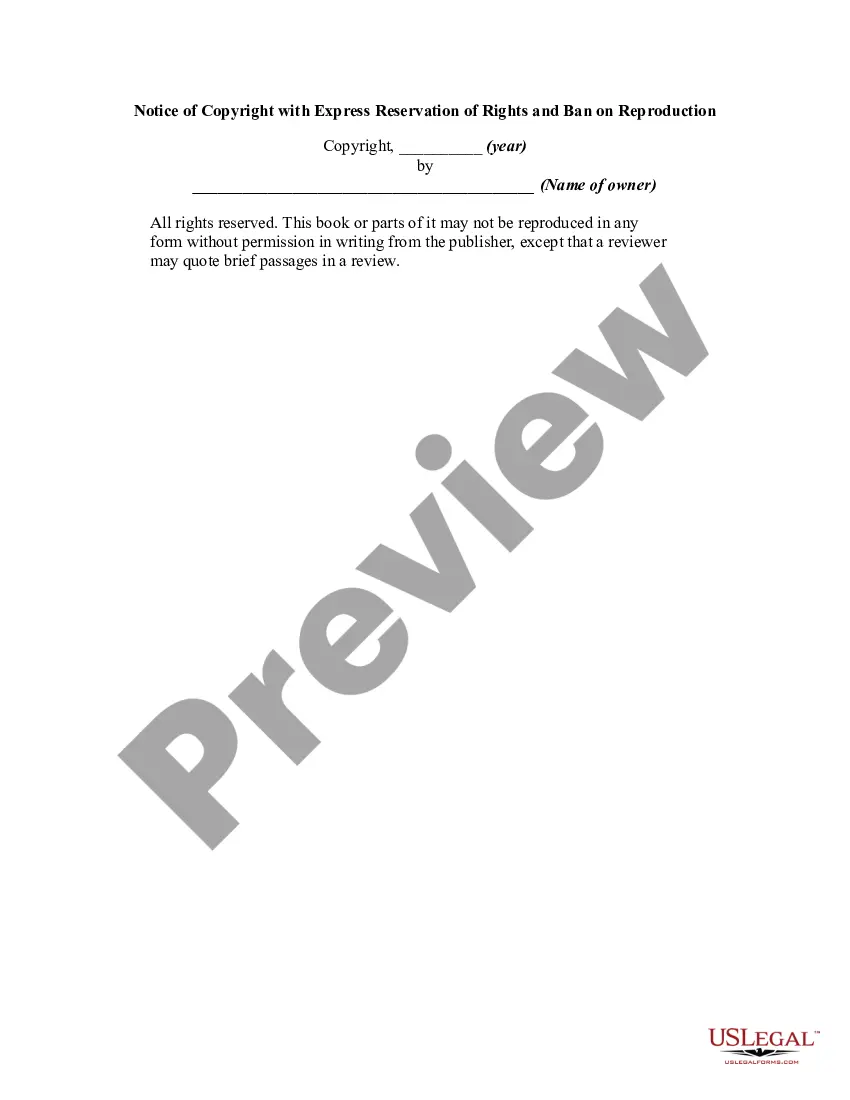
How to fill out Notice Of Copyright With Express Reservation Of Rights And Ban On Reproduction?
Whether for commercial purposes or personal matters, everyone must confront legal circumstances at some juncture in their life.
Filling out legal documents requires meticulous attention, starting with selecting the appropriate form example.
With a large US Legal Forms catalog available, you never have to waste time searching for the right template across the internet. Take advantage of the library’s simple navigation to find the suitable design for any circumstance.
- Acquire the example you need utilizing the search field or catalog navigation.
- Review the form’s details to ensure it meets your situation, state, and area.
- Select the form’s preview to examine it.
- If it is the incorrect document, return to the search option to locate the Copyright Laws For Art And Design example you require.
- Obtain the file if it corresponds to your needs.
- If you possess a US Legal Forms profile, simply click Log in to access previously saved documents in My documents.
- If you do not have an account yet, you can get the form by clicking Buy now.
- Select the appropriate pricing choice.
- Fill out the profile registration form.
- Choose your payment method: you can use a credit card or PayPal account.
- Pick the document format you desire and download the Copyright Laws For Art And Design.
- Once it is saved, you can complete the form using editing tools or print it and finish it manually.
Form popularity
FAQ
An example of a Copyright Disclaimer statement is: 'This artwork is protected by copyright laws for art and design. Unauthorized use, reproduction, or distribution is prohibited. For permissions, please contact Your Email or Website.' This statement establishes legal protection while providing avenues for engagement. It's crucial to display such disclaimers to reinforce your rights as an artist.
An effective copyright warning could be: 'Unauthorized reproduction of this artwork is prohibited. Please contact the artist for permission.' This communicates the consequences of infringement and emphasizes the need for adherence to copyright laws for art and design. You may include this warning on your website, social media, or any physical copies of your art to deter unauthorized usage.
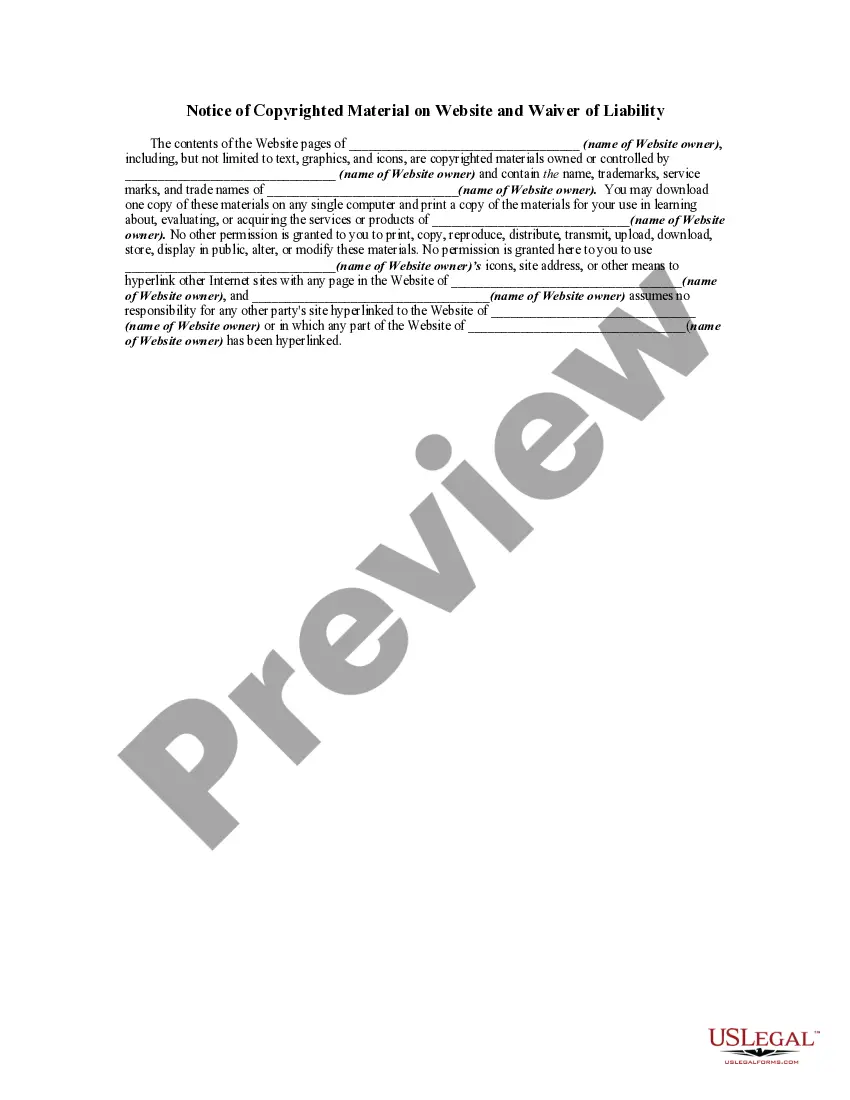
A disclaimer of art might read: 'This artwork is a product of creative expression and does not represent the views of any organization.' This type of disclaimer clarifies that any opinions or messages conveyed through the art are solely yours. When navigating copyright laws for art and design, it's useful to include such disclaimers to prevent misinterpretations of your work.
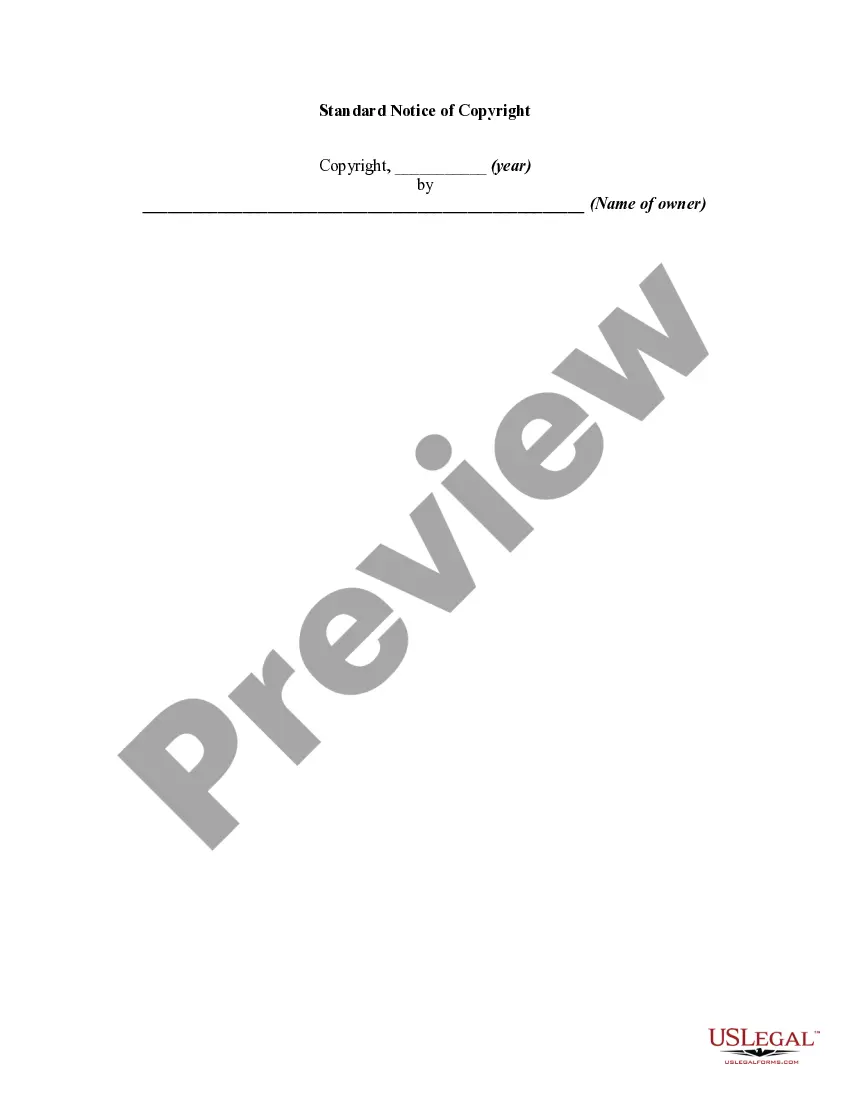
An example of a copyright statement could be: '© Your Name Year. All rights reserved.' This succinctly communicates that you are the copyright owner and that others need permission to reproduce or use your work. Copyright laws for art and design require that you assert your ownership clearly. Consider placing this statement prominently on your artwork or its accompanying documentation.
To write a copyright disclaimer for your art, start by clearly stating that you hold the copyright to the work. Include your name and the date of creation, as this establishes ownership. Additionally, consider using phrases like 'All rights reserved' to protect your rights under copyright laws for art and design. Be specific to ensure that others understand that permission is needed to use your art.
To legally copyright your artwork, you need to create and fix your work in a tangible form. According to copyright laws for art and design, your original expression is automatically protected once it is created. However, to gain additional legal benefits, you can register your work with the U.S. Copyright Office. Using a platform like US Legal Forms can simplify this process, helping you navigate the necessary steps and ensuring your art is properly protected.
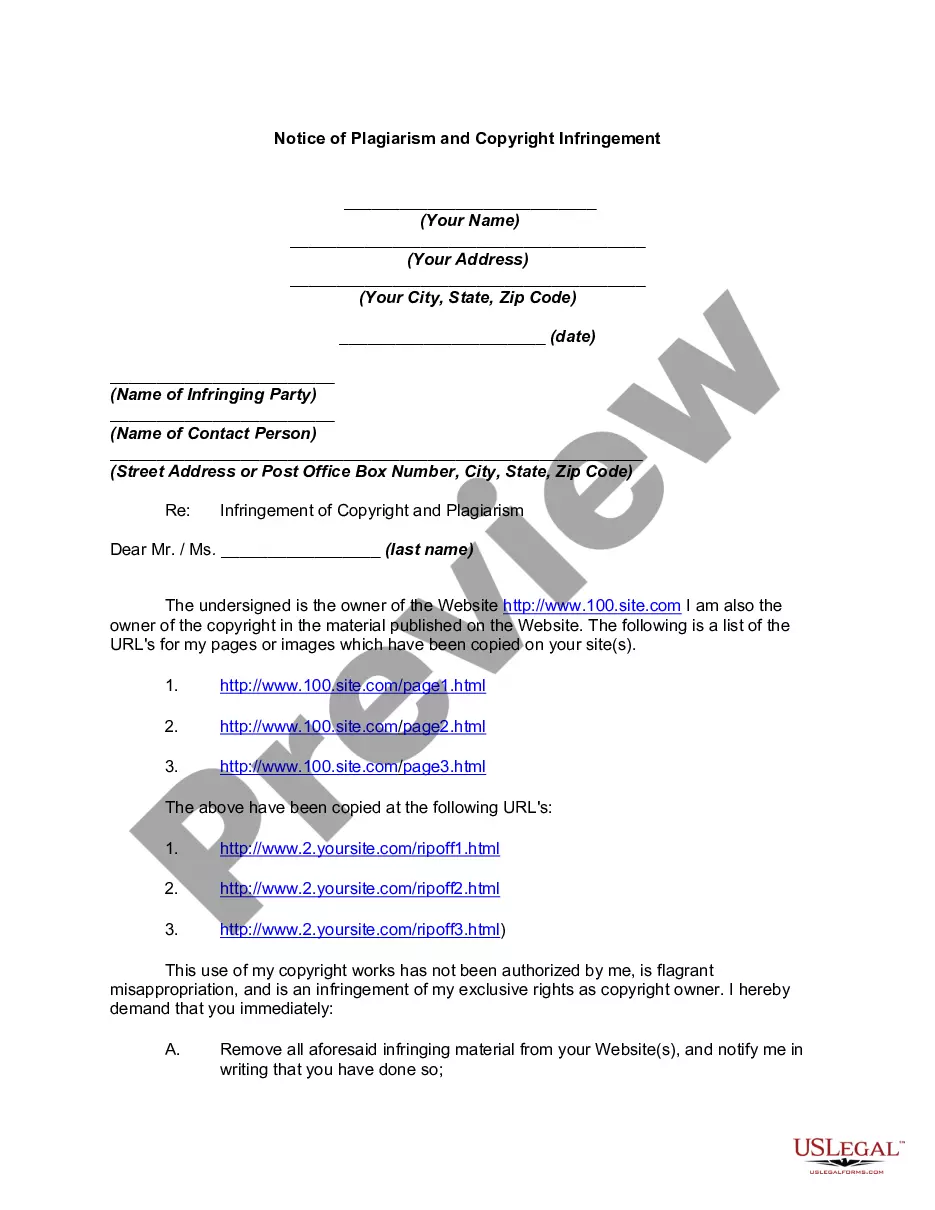
To protect your artwork from being copied, you should consider registering it with the U.S. Copyright Office. This registration not only formalizes your claim but also provides you with the ability to pursue legal action if someone infringes upon your copyright. Additionally, clearly displaying copyright notices on your work and using watermarks can deter unauthorized copying under copyright laws for art and design.
To qualify for copyright protection, your work must meet three key requirements: it must be original, it must be fixed in a tangible medium, and it must show at least some minimal degree of creativity. Copyright laws for art and design focus on these aspects to ensure that your unique expressions receive legal recognition. By fulfilling these conditions, your creative works obtain the legal safeguard they deserve.
Yes, your designs are automatically copyrighted as soon as they are created and fixed in a tangible form. This means that when you draw, paint, or digitally create your artwork, it is protected by copyright laws for art and design. However, while automatic copyright exists, registering your work offers additional legal benefits and protections.
No, individuals cannot use your artwork without your permission, as it is protected under copyright laws for art and design. Unauthorized use can lead to legal consequences, highlighting the importance of knowing your rights as a creator. Protecting your artwork ensures that your intellectual property remains secure and respected.