Release Probation Criminal Force
Description
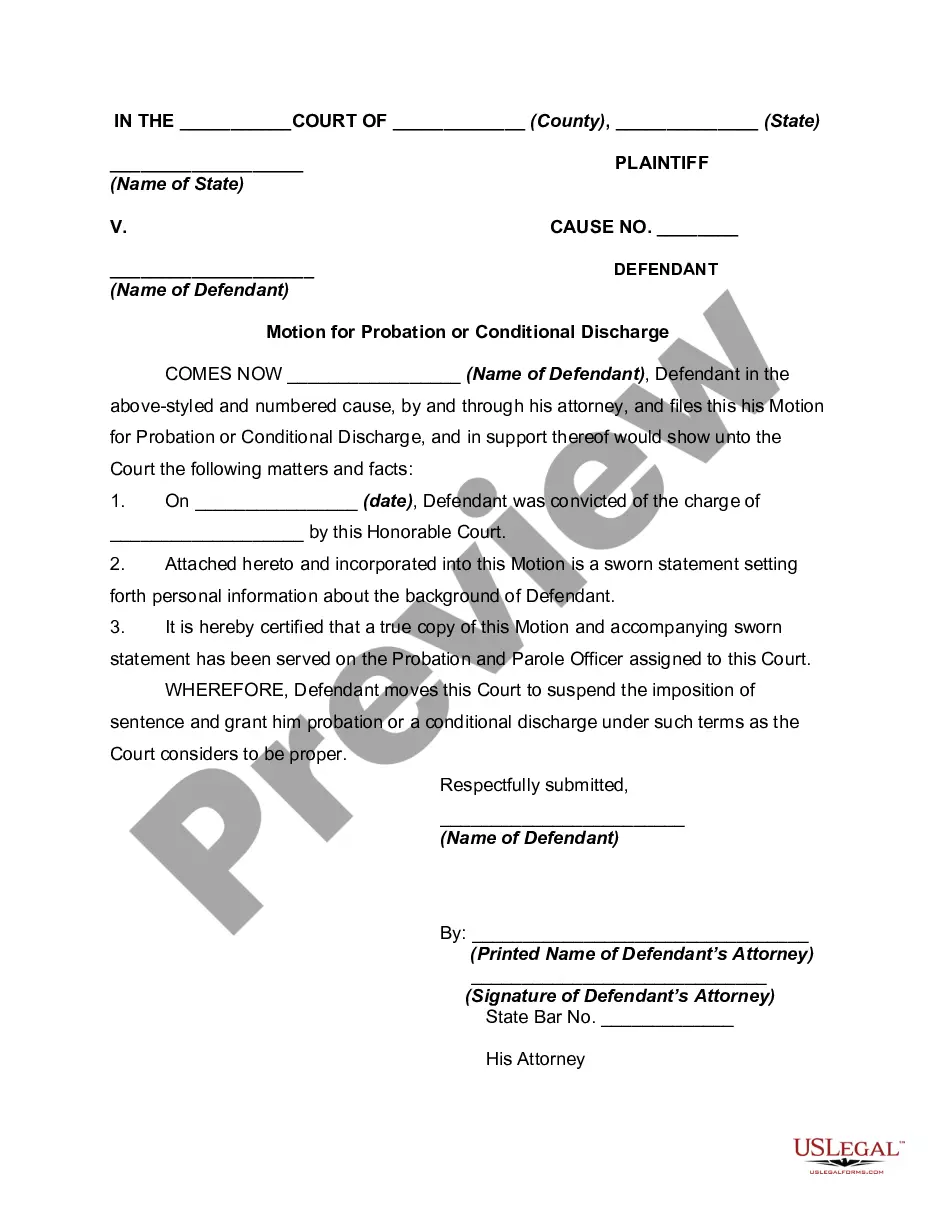
Get your form ready online
Our built-in tools help you complete, sign, share, and store your documents in one place.
Make edits, fill in missing information, and update formatting in US Legal Forms—just like you would in MS Word.
Download a copy, print it, send it by email, or mail it via USPS—whatever works best for your next step.
Sign and collect signatures with our SignNow integration. Send to multiple recipients, set reminders, and more. Go Premium to unlock E-Sign.
If this form requires notarization, complete it online through a secure video call—no need to meet a notary in person or wait for an appointment.
We protect your documents and personal data by following strict security and privacy standards.

Make edits, fill in missing information, and update formatting in US Legal Forms—just like you would in MS Word.

Download a copy, print it, send it by email, or mail it via USPS—whatever works best for your next step.

Sign and collect signatures with our SignNow integration. Send to multiple recipients, set reminders, and more. Go Premium to unlock E-Sign.

If this form requires notarization, complete it online through a secure video call—no need to meet a notary in person or wait for an appointment.

We protect your documents and personal data by following strict security and privacy standards.
Looking for another form?
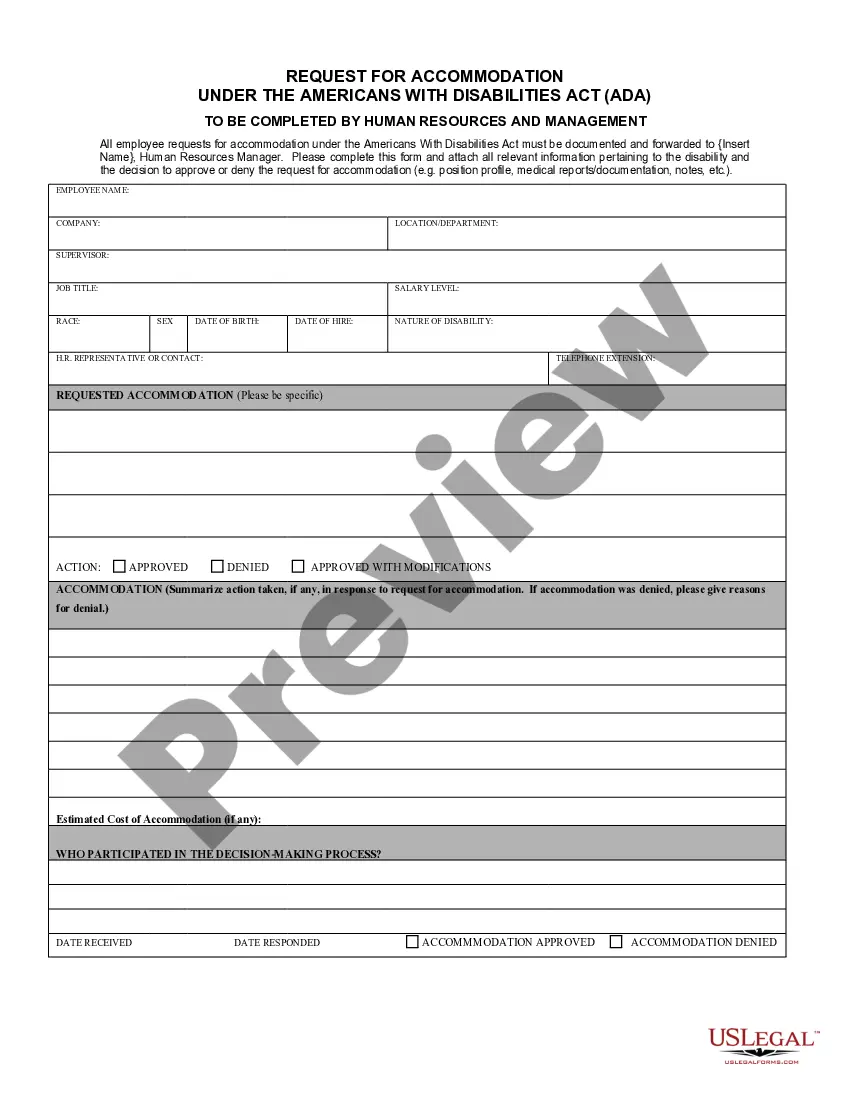


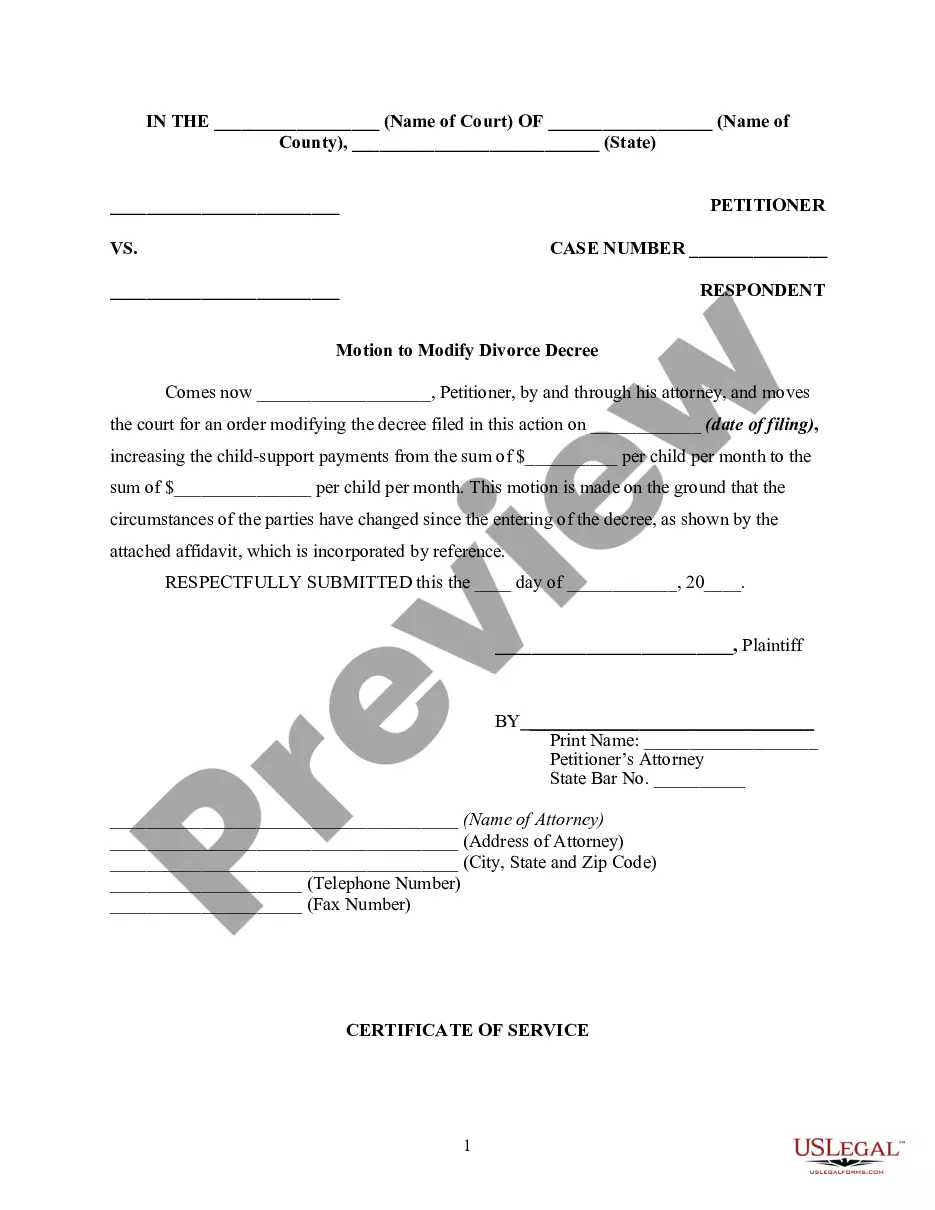
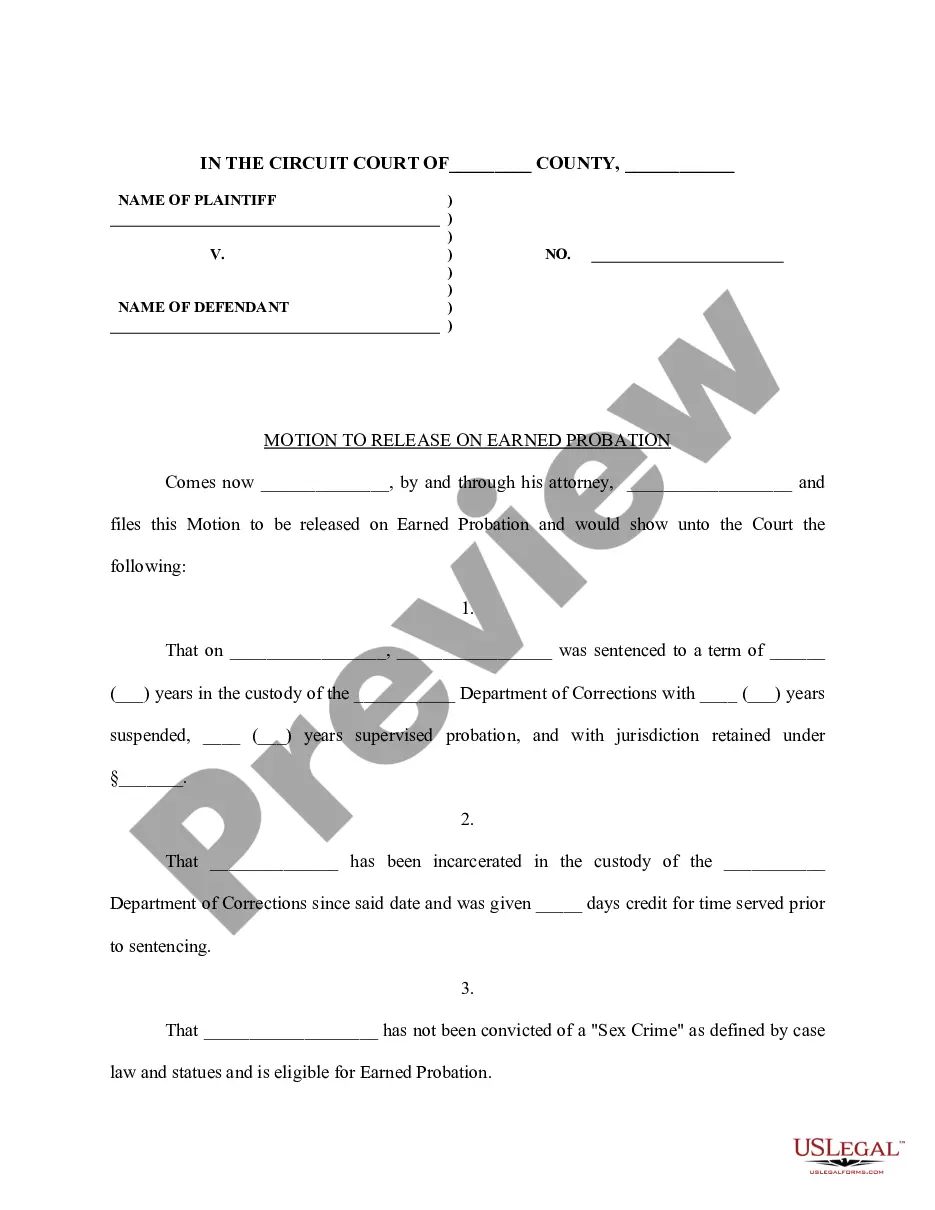
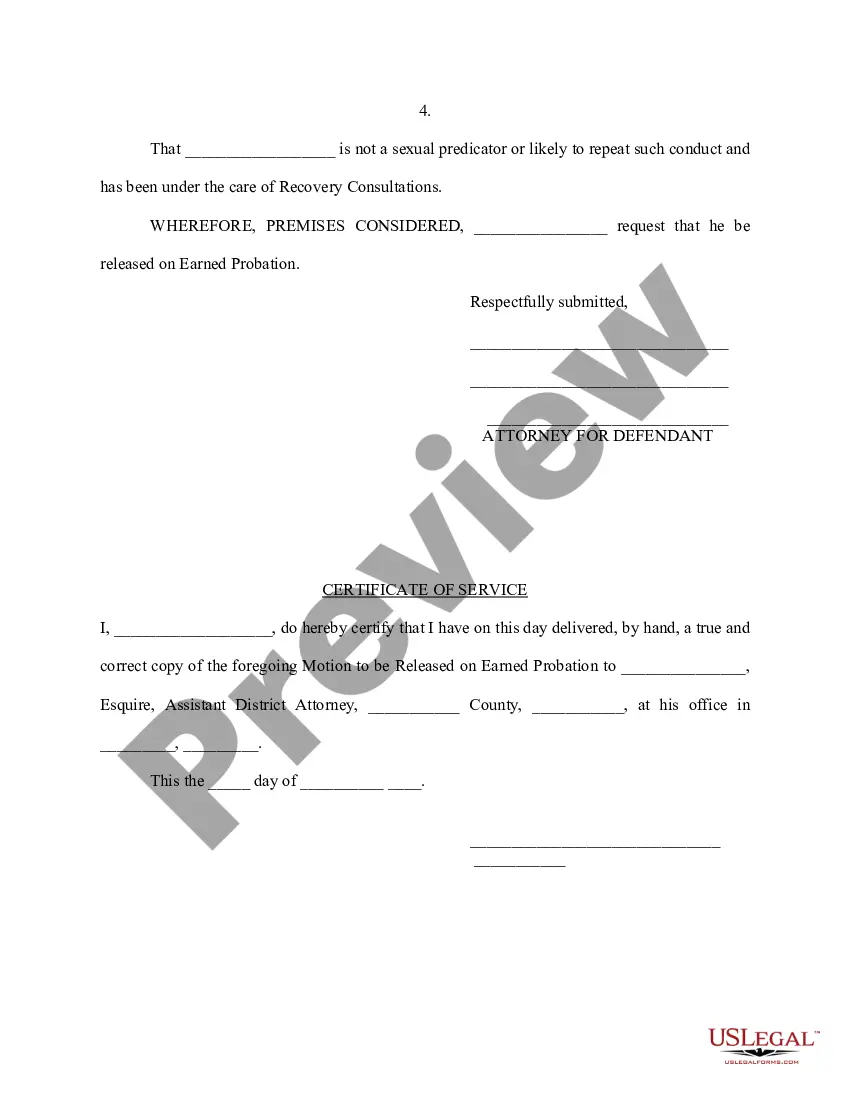
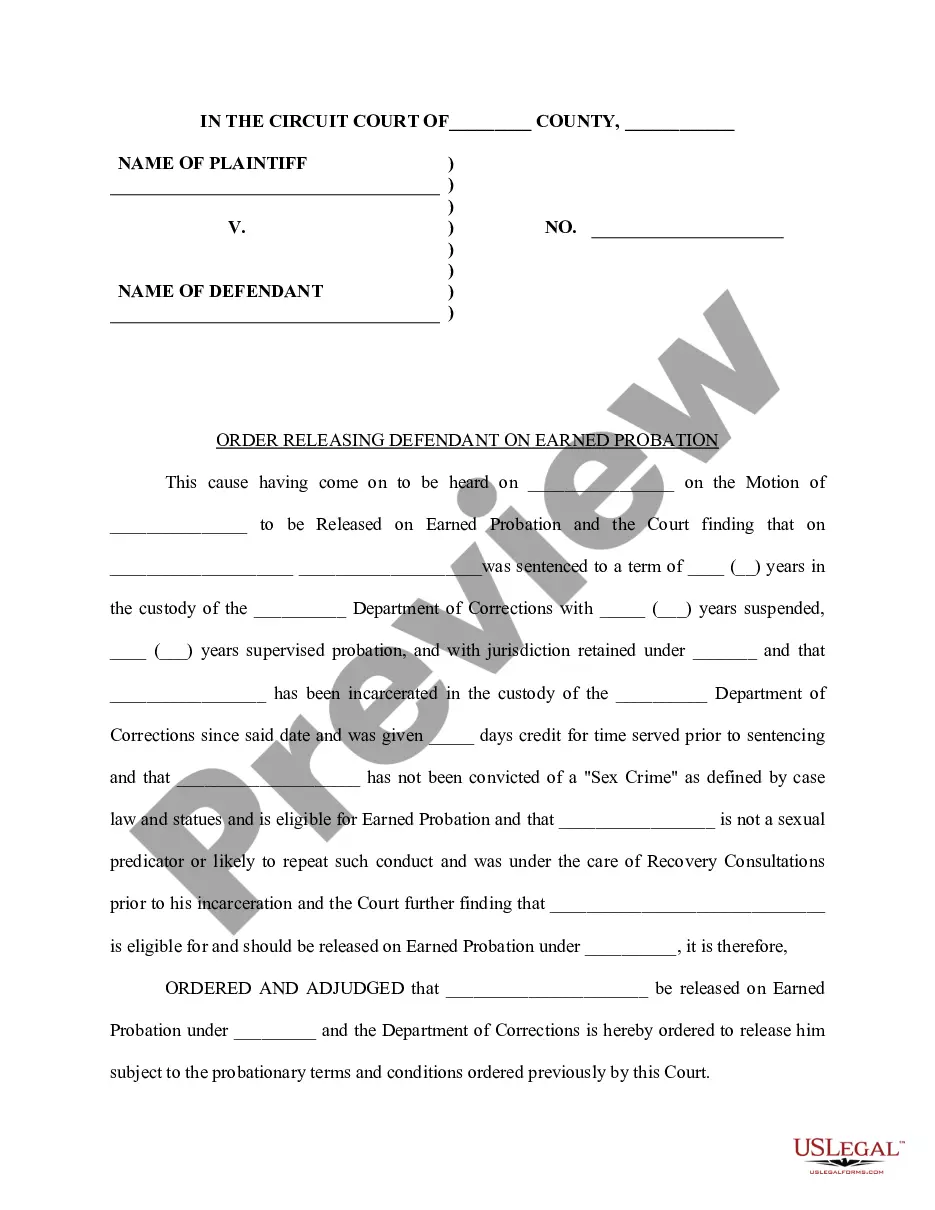
How to fill out Motion To Release On Earned Probation?
Whether for business purposes or for personal matters, everybody has to handle legal situations sooner or later in their life. Filling out legal papers needs careful attention, starting with picking the proper form sample. For example, if you choose a wrong edition of a Release Probation Criminal Force, it will be turned down when you send it. It is therefore essential to get a trustworthy source of legal documents like US Legal Forms.
If you need to get a Release Probation Criminal Force sample, follow these easy steps:
- Find the template you need by using the search field or catalog navigation.
- Check out the form’s information to make sure it matches your situation, state, and region.
- Click on the form’s preview to see it.
- If it is the incorrect document, return to the search function to find the Release Probation Criminal Force sample you require.
- Download the template when it meets your needs.
- If you have a US Legal Forms account, click Log in to access previously saved files in My Forms.
- If you do not have an account yet, you may download the form by clicking Buy now.
- Select the appropriate pricing option.
- Finish the account registration form.
- Choose your transaction method: you can use a credit card or PayPal account.
- Select the file format you want and download the Release Probation Criminal Force.
- Once it is saved, you can fill out the form with the help of editing software or print it and complete it manually.
With a large US Legal Forms catalog at hand, you do not need to spend time looking for the right template across the web. Take advantage of the library’s straightforward navigation to find the correct form for any situation.
Form popularity
FAQ
The Federal Corrections and Conditional Release Act, states that an inmate be released at 2/3 of their completed sentence. This type of presumed early release is known as ?statutory release?.
Section 4 confers on the court power to release an offender on probation of good conduct, if such person is found guilty of an offence "not punishable with death or imprisonment for life", and if the convicting court is of opinion that, having regard to the circumstances of the case, including the nature of the offence ...
Probation in criminal law is a period of supervision over an offender, ordered by the court often in lieu of incarceration. In some jurisdictions, the term probation applies only to community sentences (alternatives to incarceration), such as suspended sentences.
?(1) When any person is found guilty of having committed an offence not punishable with death or imprisonment for life and the court by which the person is found guilty is of opinion that, having regard to the circumstances of the case including the nature of the offence and the character of the offender, it is ...
A period of time when a criminal must behave well and not commit any more crimes in order to avoid being sent to prison: He was fined and given two years' probation. The judge put him on probation for two years. He served a year in prison and was then let out on probation.