Motion To Dismiss Texas Sample Without Cause
Description
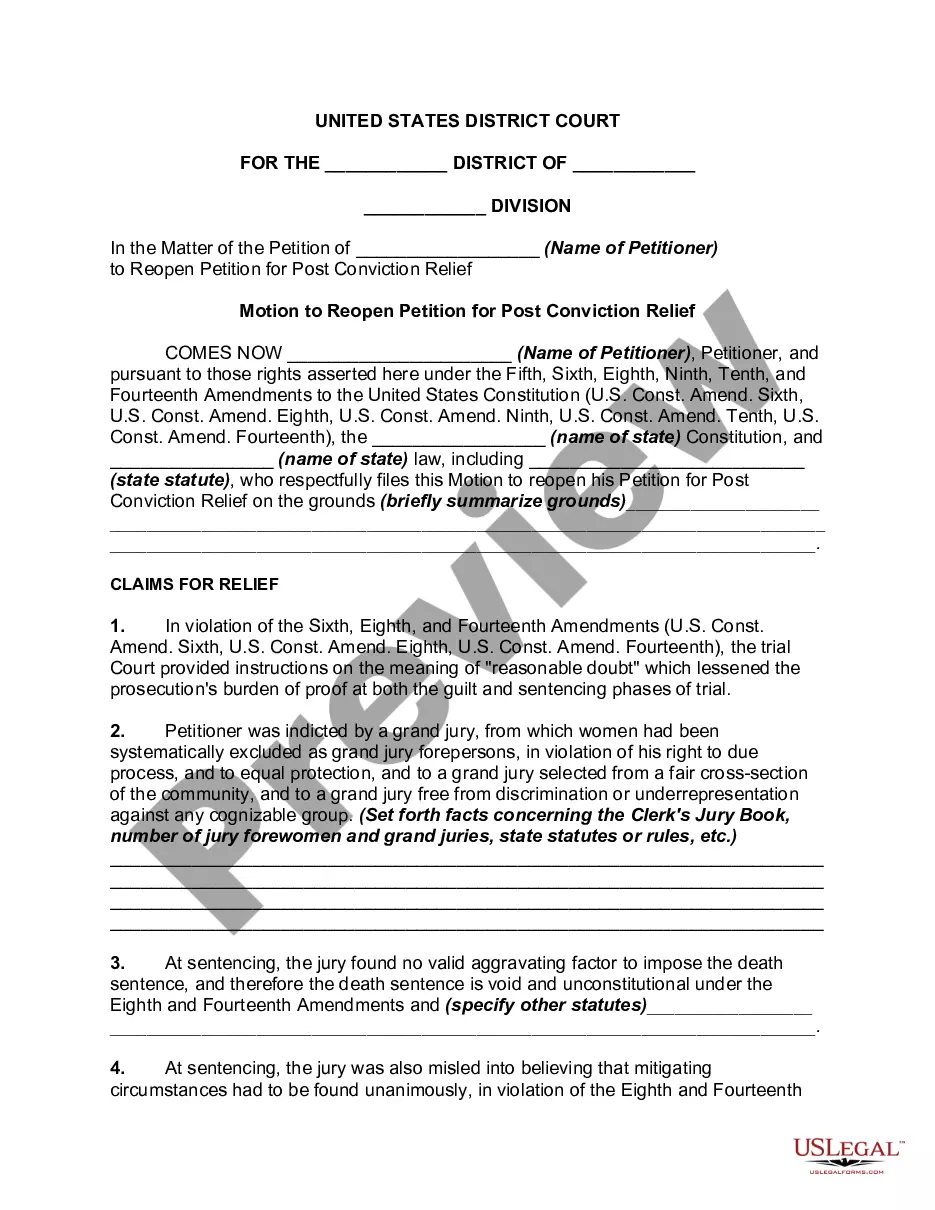
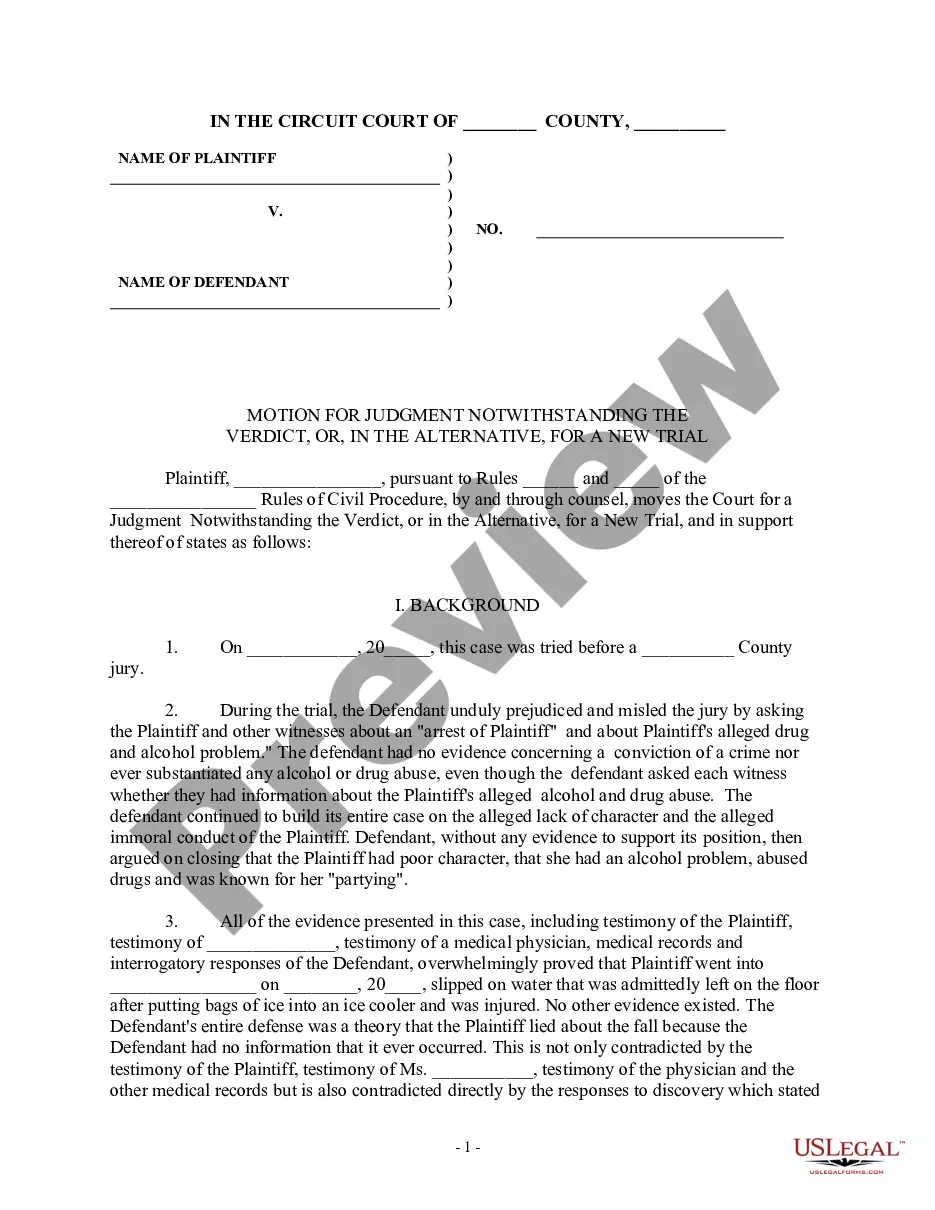
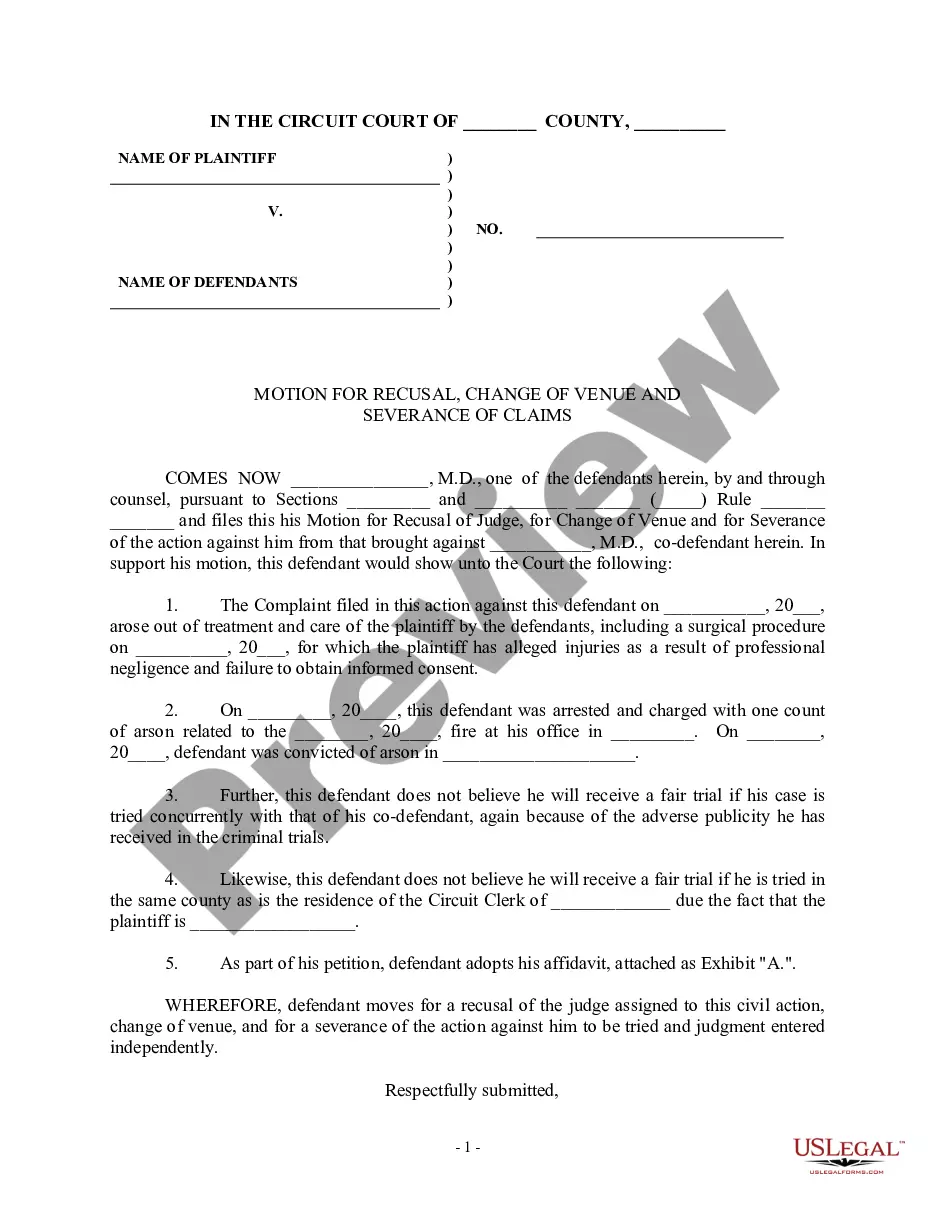
Get your form ready online
Our built-in tools help you complete, sign, share, and store your documents in one place.
Make edits, fill in missing information, and update formatting in US Legal Forms—just like you would in MS Word.
Download a copy, print it, send it by email, or mail it via USPS—whatever works best for your next step.
Sign and collect signatures with our SignNow integration. Send to multiple recipients, set reminders, and more. Go Premium to unlock E-Sign.
If this form requires notarization, complete it online through a secure video call—no need to meet a notary in person or wait for an appointment.
We protect your documents and personal data by following strict security and privacy standards.

Make edits, fill in missing information, and update formatting in US Legal Forms—just like you would in MS Word.

Download a copy, print it, send it by email, or mail it via USPS—whatever works best for your next step.

Sign and collect signatures with our SignNow integration. Send to multiple recipients, set reminders, and more. Go Premium to unlock E-Sign.

If this form requires notarization, complete it online through a secure video call—no need to meet a notary in person or wait for an appointment.

We protect your documents and personal data by following strict security and privacy standards.
Looking for another form?






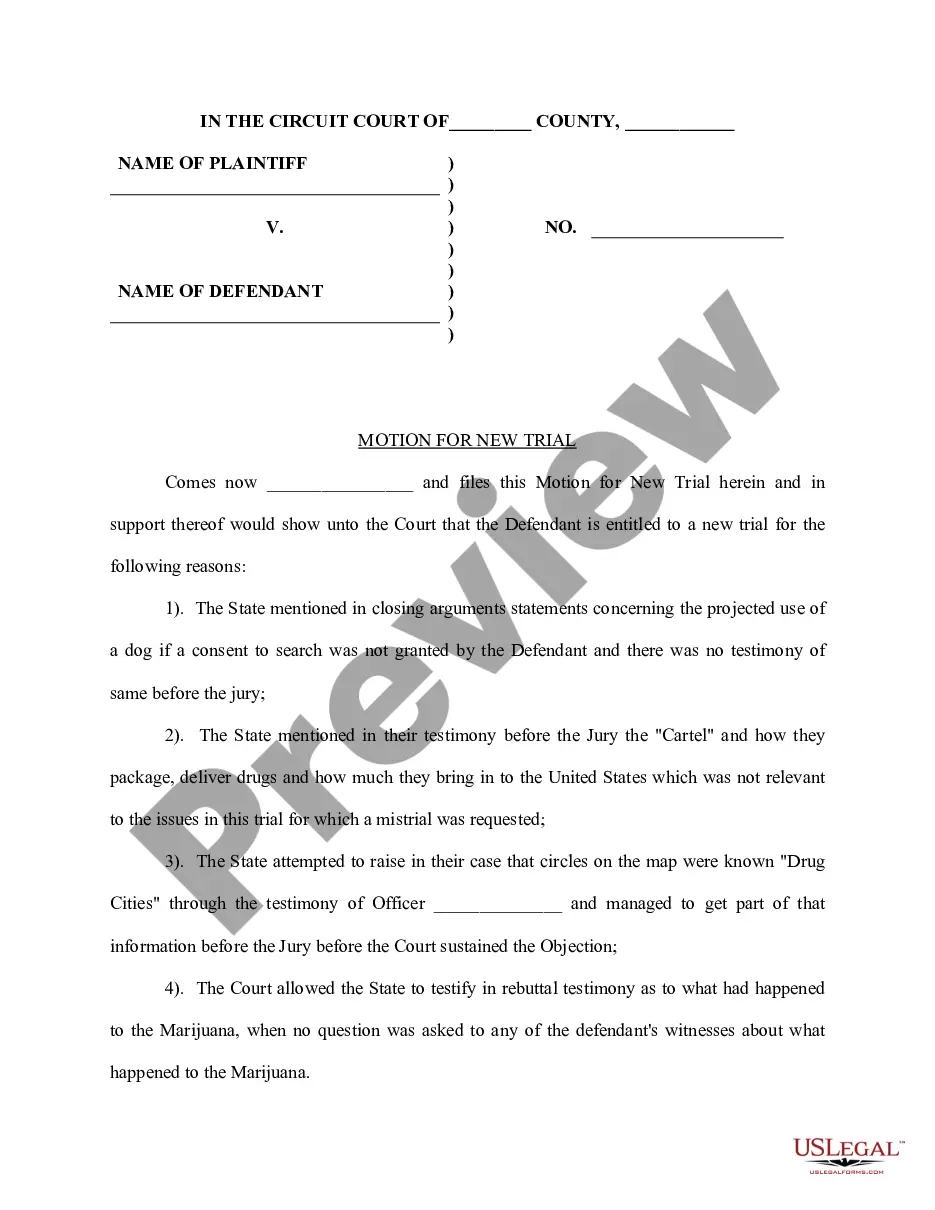
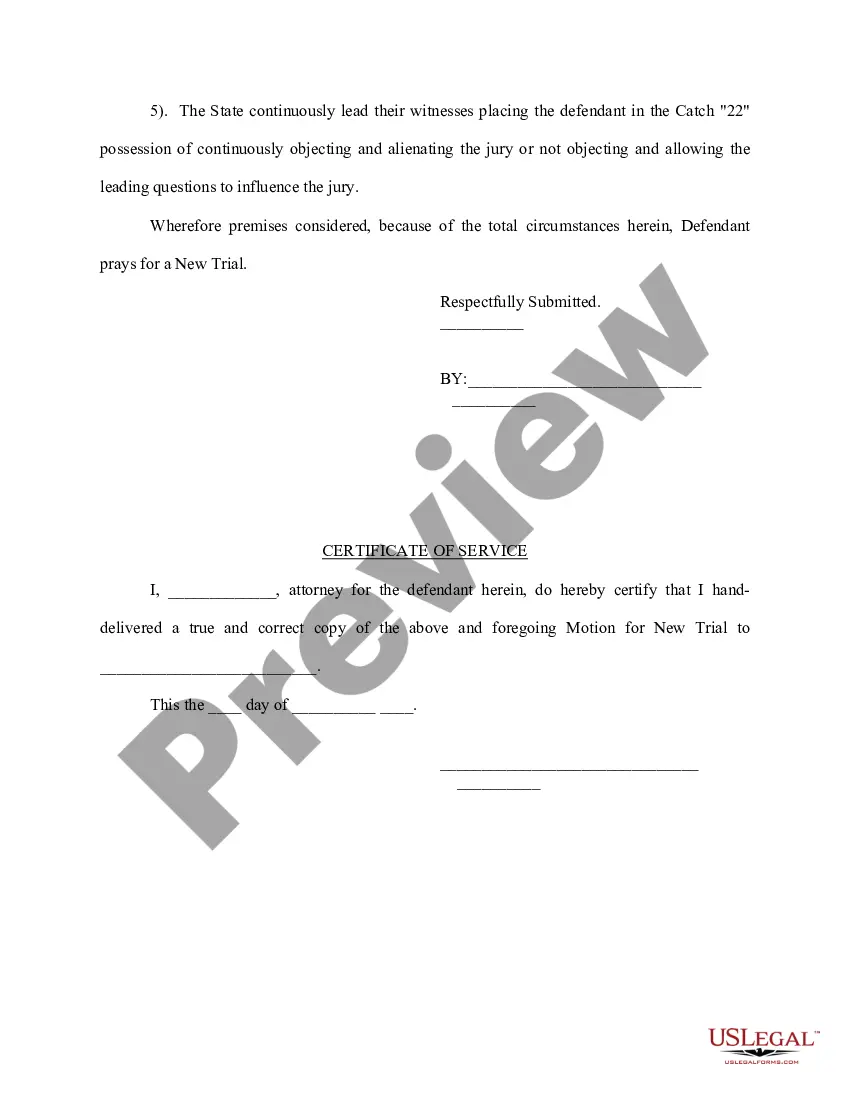
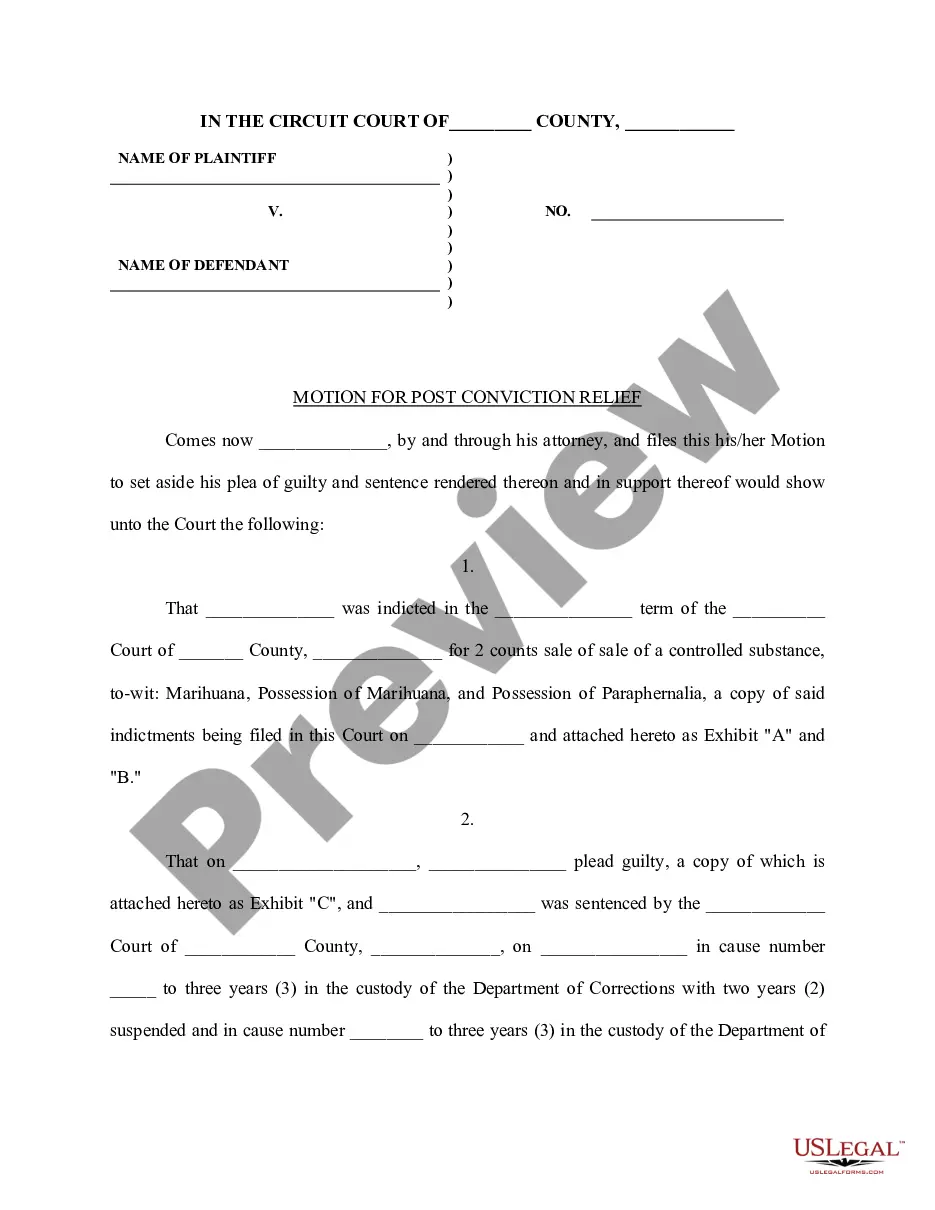
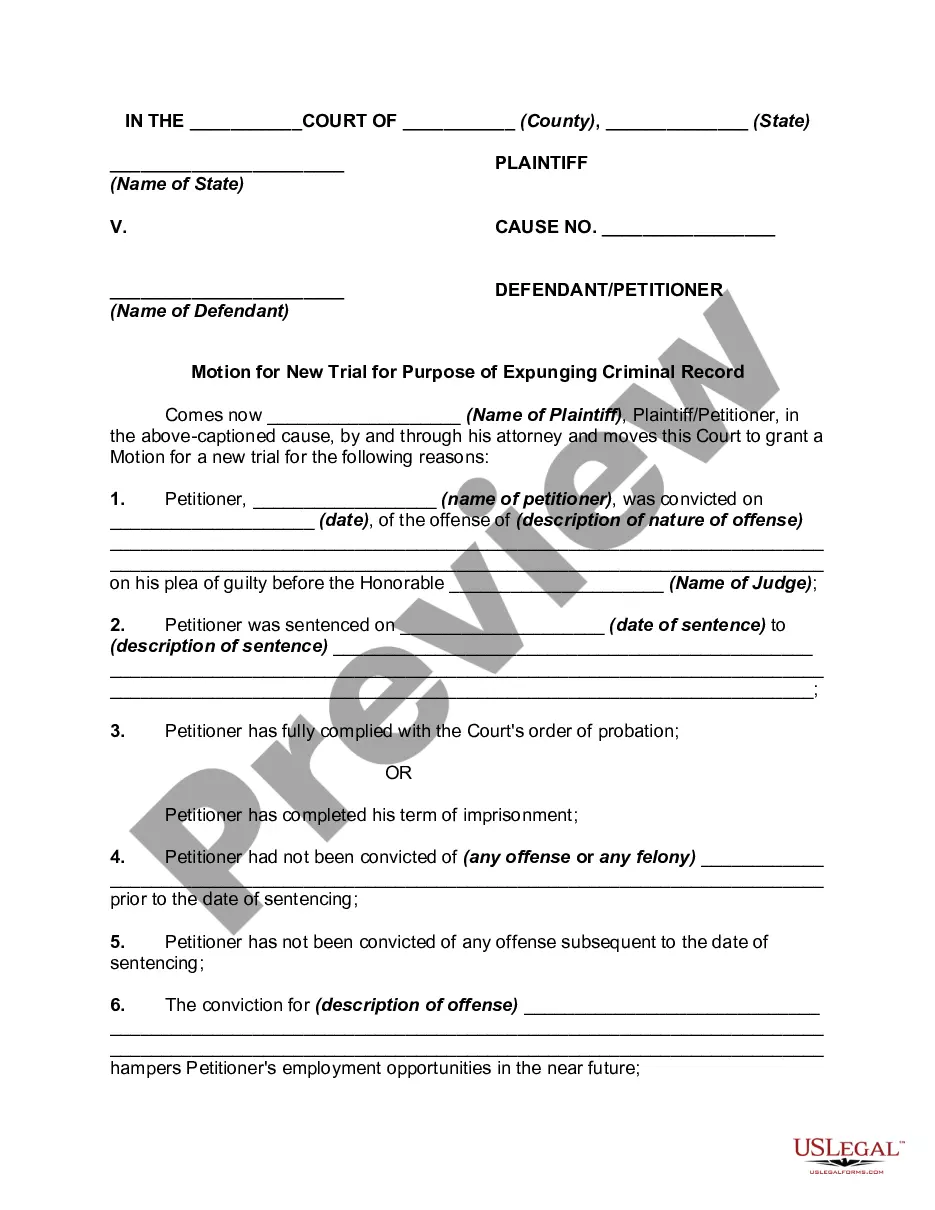
How to fill out Motion For New Trial?
The Motion To Dismiss Texas Sample Without Cause presented on this page is a reusable legal document penned by expert attorneys in alignment with national and local statutes.
For over 25 years, US Legal Forms has supplied individuals, entities, and legal practitioners with more than 85,000 validated, state-specific templates for various business and personal needs.
Subscribe to US Legal Forms to access verified legal templates for all of life’s circumstances whenever you need.
- Search for the document you require and examine it.
- Browse through the sample you looked for and preview it or assess the form description to confirm it meets your requirements. If it doesn’t, use the search feature to find the right one. Click Buy Now once you locate the template you’re looking for.
- Choose a subscription and Log In.
- Select the pricing option that fits you and create an account. Make a quick payment using PayPal or a credit card. If you already have an account, Log In and check your subscription to continue.
- Obtain the editable template.
- Pick the format you desire for your Motion To Dismiss Texas Sample Without Cause (PDF, DOCX, RTF) and download the document to your device.
- Fill out and sign the papers.
- Print the template to fill it out manually. Alternatively, use an online multifunctional PDF editor to quickly and accurately complete and sign your form with a legally-binding electronic signature.
- Download your documents again.
- Use the same document again whenever necessary. Open the My documents tab in your profile to redownload any previously saved templates.
Form popularity
FAQ
Dismissal Without Prejudice For example, if a person beats another person very severely, the prosecutor may file assault charges against the aggressor. If the victim later dies, the prosecutor may want to drop the assault charges in favor of a murder charge.
Only a judge or a prosecutor can decide if a case gets dismissed. Prosecutors can drop charges against someone, or a judge can rule that a case be thrown out after the defendant makes a motion to dismiss.
Likewise, a judge can dismiss the case if they find no legal basis for the charge, if the defendant's rights have been violated, or if the state has failed to prove its case. Judges can dismiss a case either on their own motion or on the motion of the defendant.
These include dismissals for: (b)(1) a lack of subject-matter jurisdiction. (b)(2) a lack of personal jurisdiction. (b)(3) improper venue.
3 Time for Motion and Ruling. A motion to dismiss must be: (a) filed within 60 days after the first pleading containing the challenged cause of action is served on the movant; (b) filed at least 21 days before the motion is heard; and (c) granted or denied within 45 days after the motion is filed.