Motion Form Criminal Forfeiture
Description
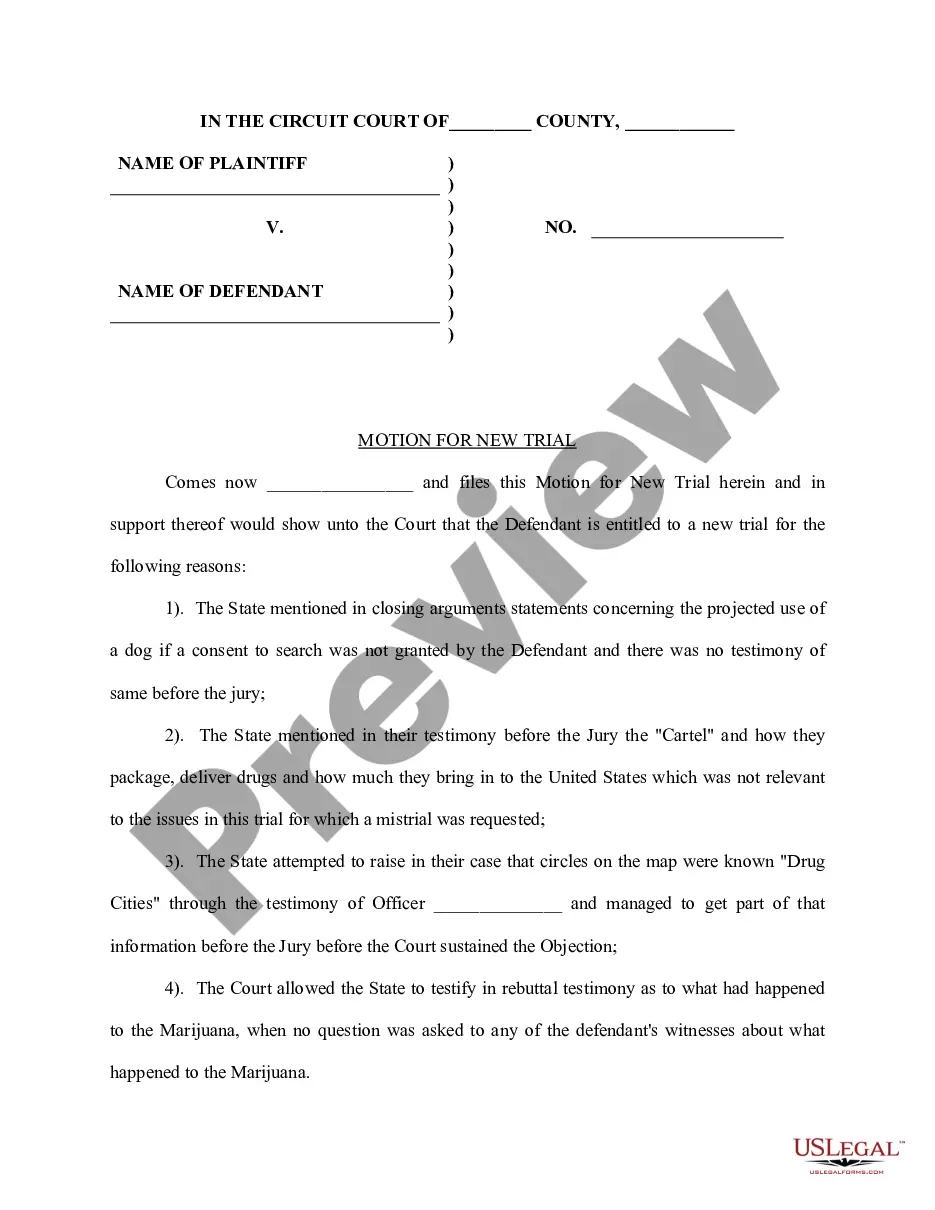
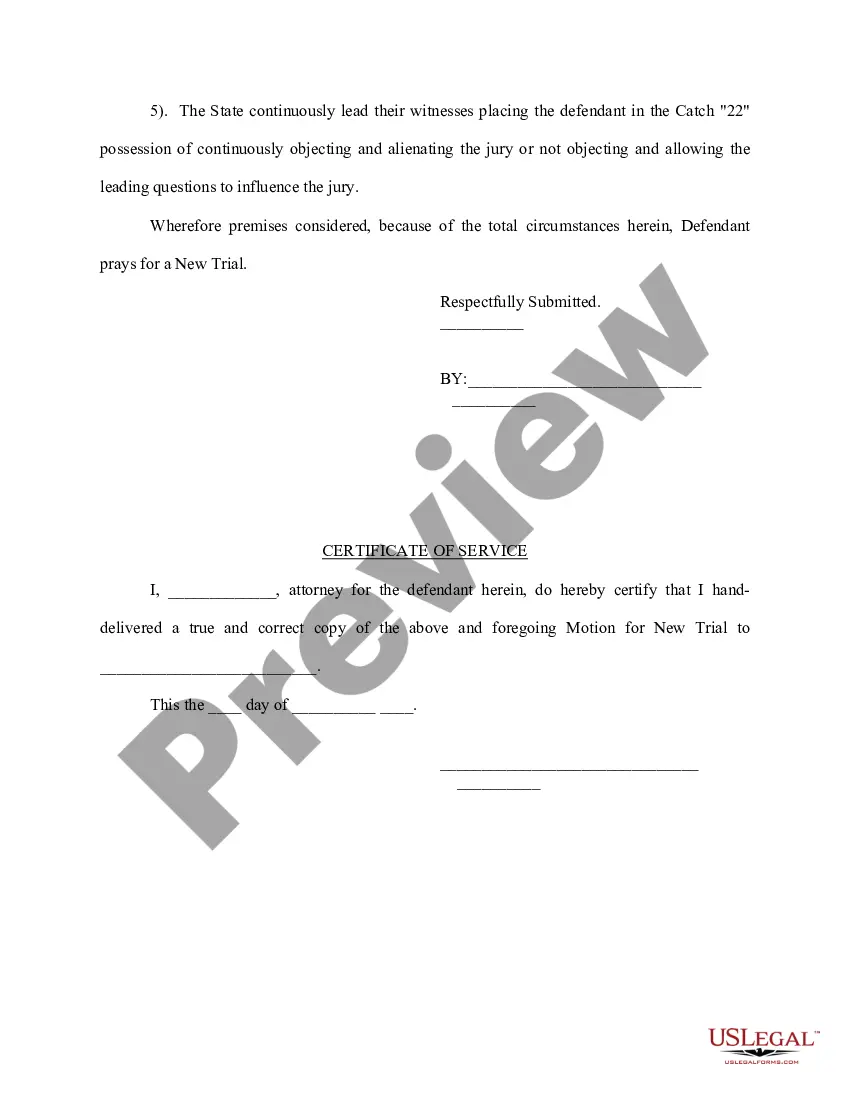
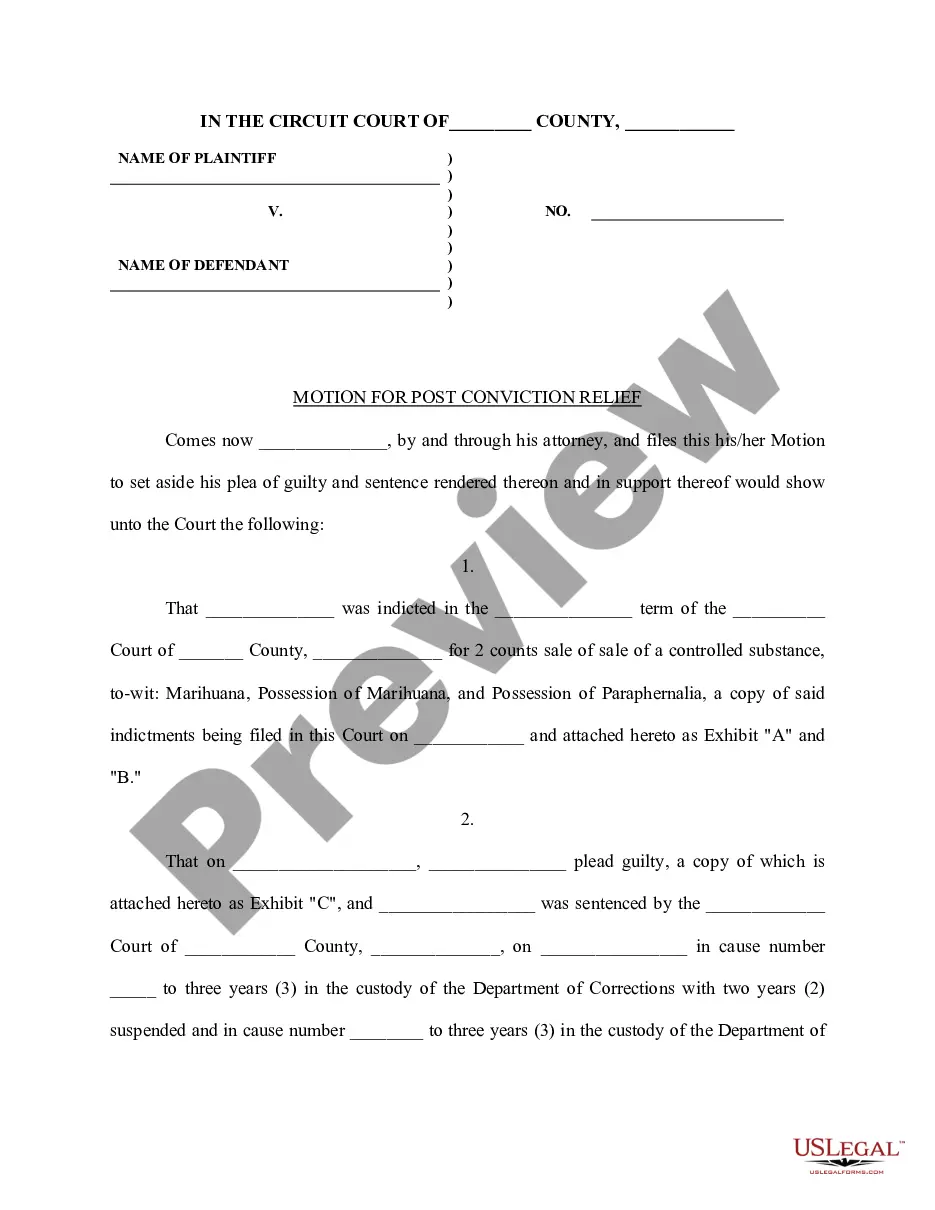
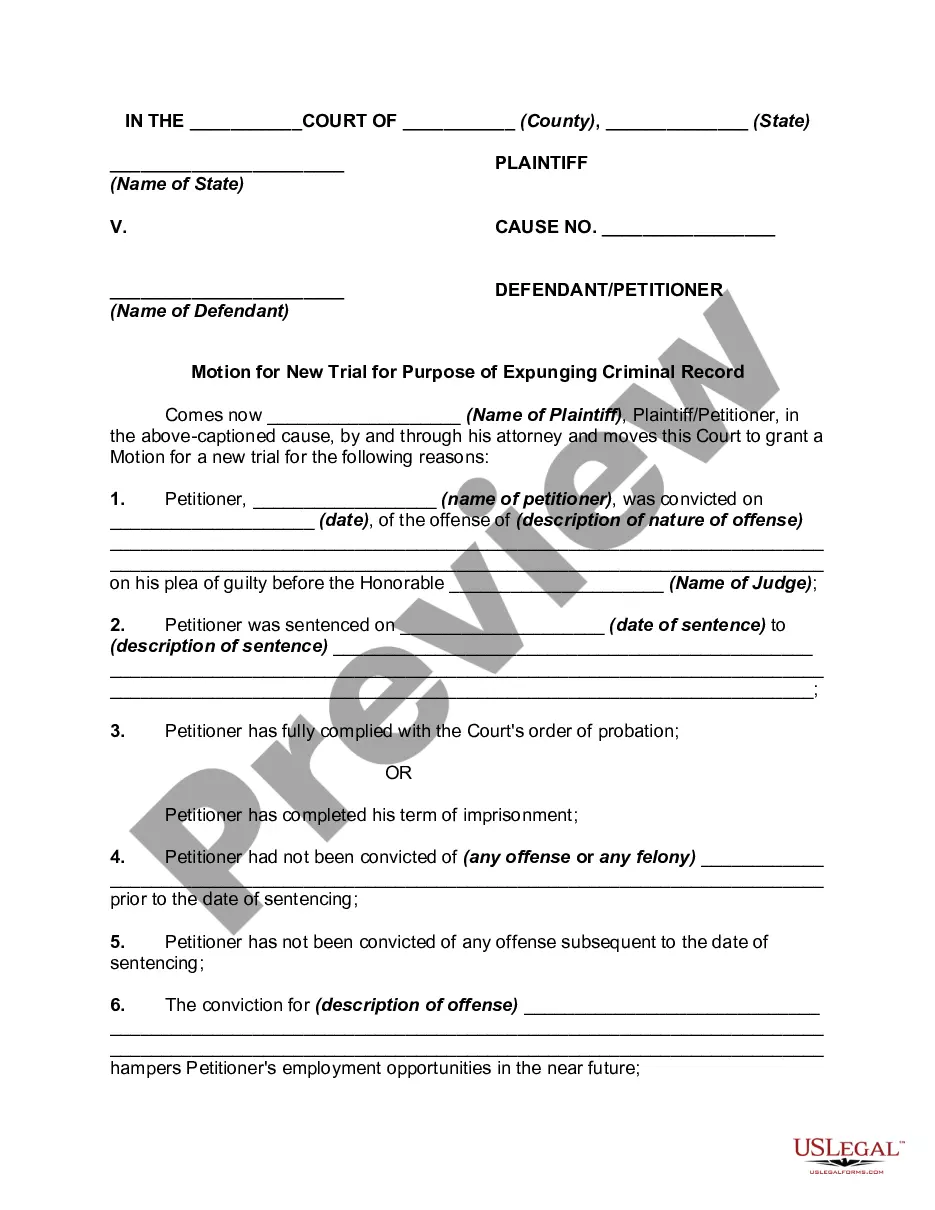
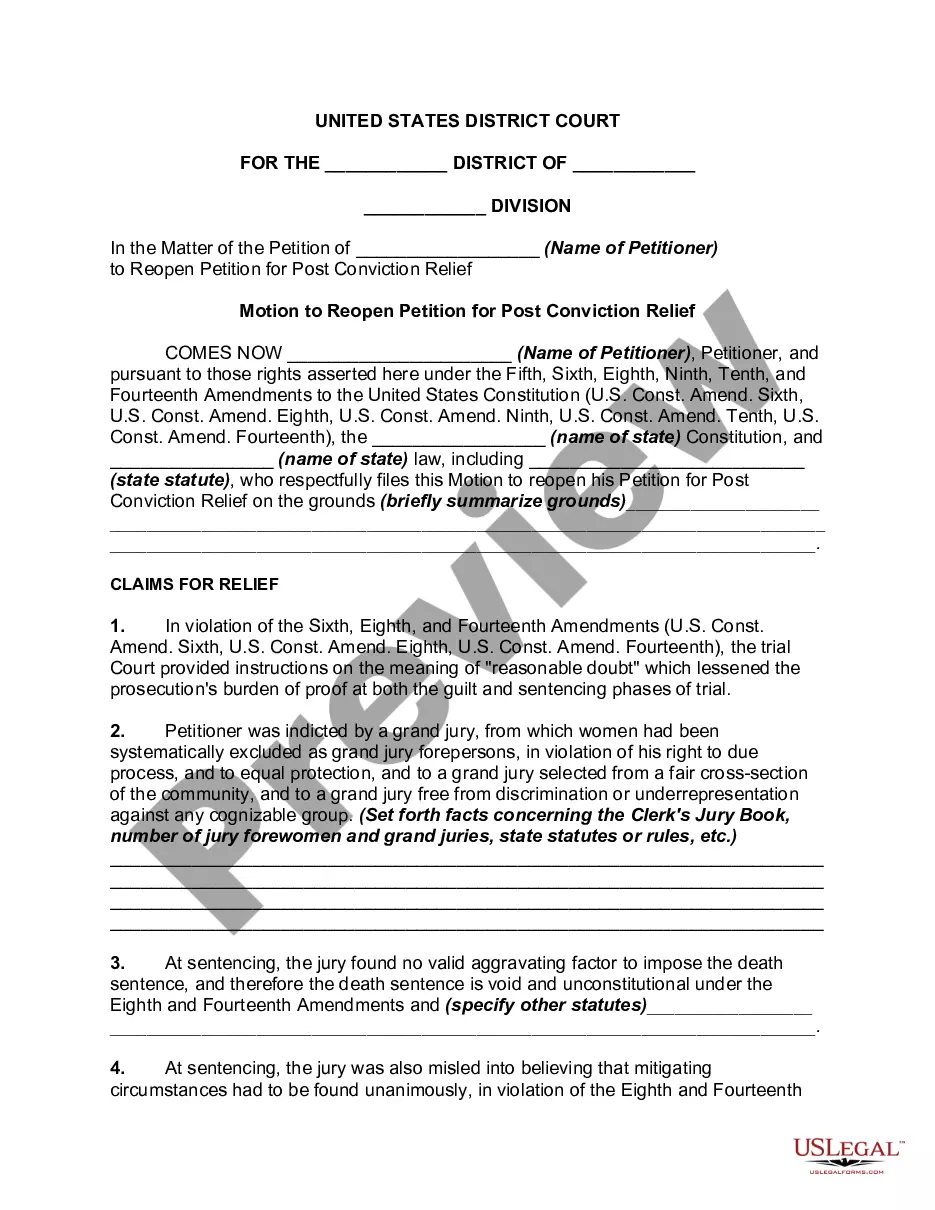
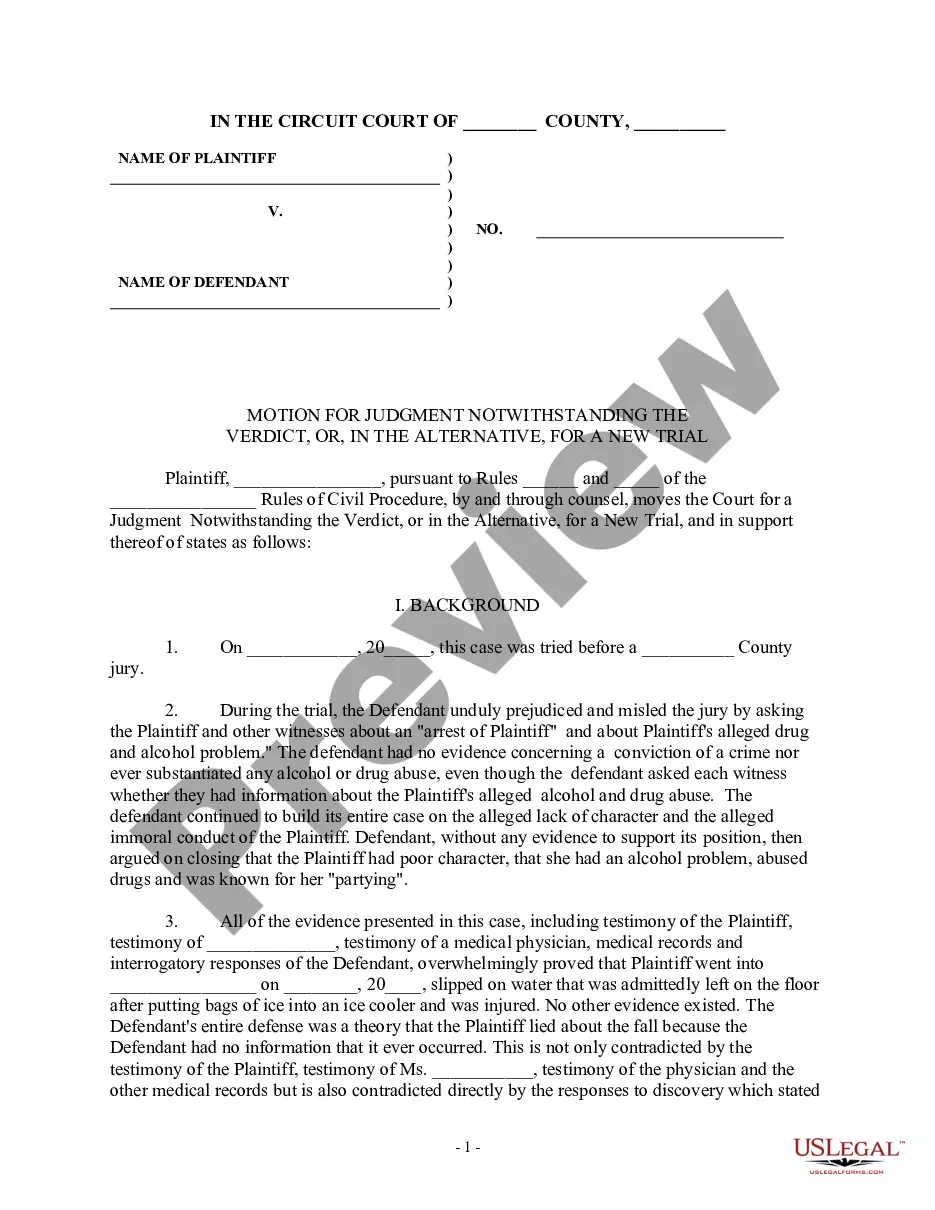
Get your form ready online
Our built-in tools help you complete, sign, share, and store your documents in one place.
Make edits, fill in missing information, and update formatting in US Legal Forms—just like you would in MS Word.
Download a copy, print it, send it by email, or mail it via USPS—whatever works best for your next step.
Sign and collect signatures with our SignNow integration. Send to multiple recipients, set reminders, and more. Go Premium to unlock E-Sign.
If this form requires notarization, complete it online through a secure video call—no need to meet a notary in person or wait for an appointment.
We protect your documents and personal data by following strict security and privacy standards.

Make edits, fill in missing information, and update formatting in US Legal Forms—just like you would in MS Word.

Download a copy, print it, send it by email, or mail it via USPS—whatever works best for your next step.

Sign and collect signatures with our SignNow integration. Send to multiple recipients, set reminders, and more. Go Premium to unlock E-Sign.

If this form requires notarization, complete it online through a secure video call—no need to meet a notary in person or wait for an appointment.

We protect your documents and personal data by following strict security and privacy standards.
Looking for another form?
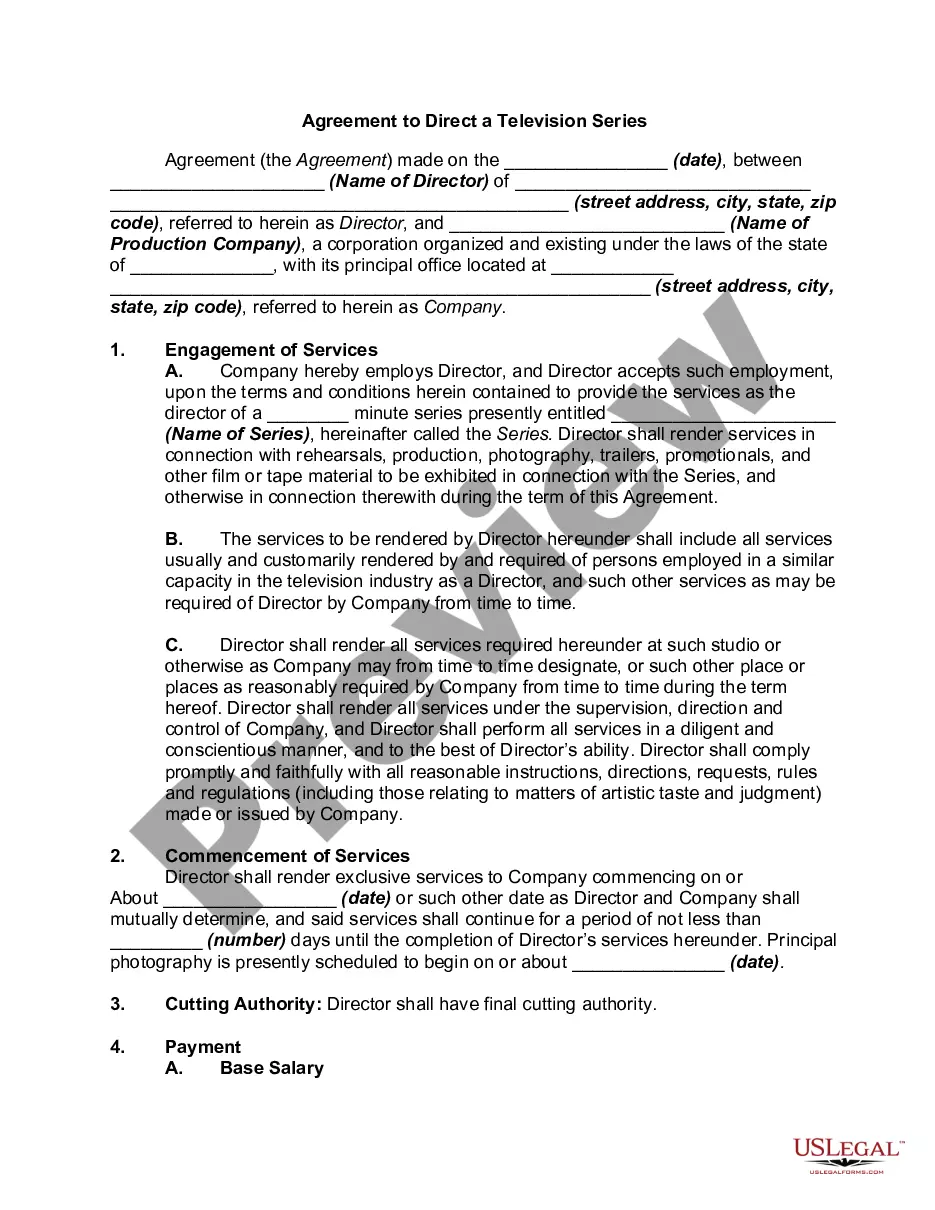


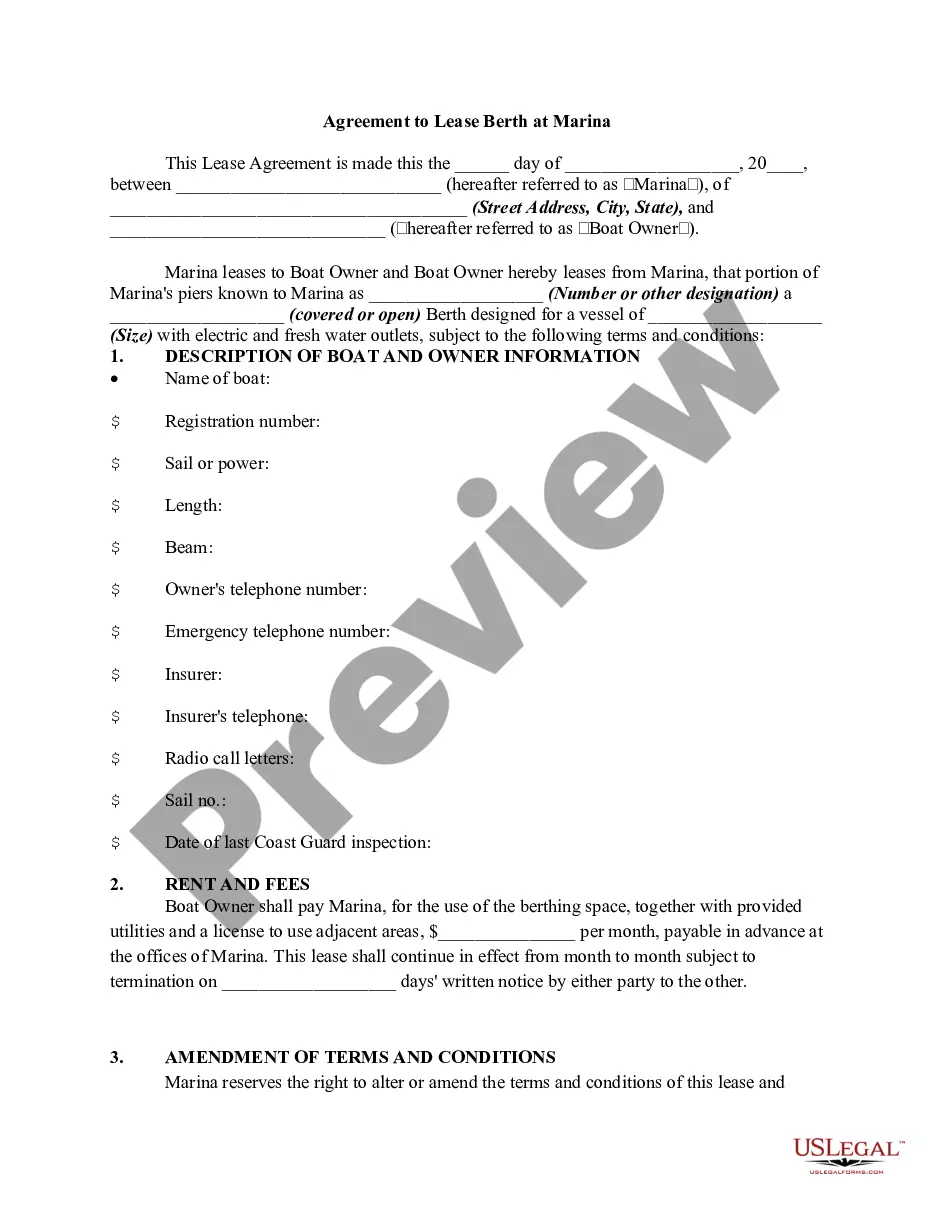





How to fill out Motion For New Trial?
Using legal document samples that meet the federal and local regulations is essential, and the internet offers numerous options to pick from. But what’s the point in wasting time searching for the correctly drafted Motion Form Criminal Forfeiture sample on the web if the US Legal Forms online library already has such templates accumulated in one place?
US Legal Forms is the largest online legal catalog with over 85,000 fillable templates drafted by lawyers for any business and life case. They are easy to browse with all documents collected by state and purpose of use. Our specialists keep up with legislative updates, so you can always be confident your form is up to date and compliant when obtaining a Motion Form Criminal Forfeiture from our website.
Getting a Motion Form Criminal Forfeiture is fast and simple for both current and new users. If you already have an account with a valid subscription, log in and save the document sample you need in the preferred format. If you are new to our website, follow the guidelines below:
- Take a look at the template utilizing the Preview option or via the text outline to ensure it fits your needs.
- Locate another sample utilizing the search tool at the top of the page if needed.
- Click Buy Now when you’ve located the right form and select a subscription plan.
- Create an account or log in and make a payment with PayPal or a credit card.
- Pick the format for your Motion Form Criminal Forfeiture and download it.
All templates you locate through US Legal Forms are reusable. To re-download and fill out previously purchased forms, open the My Forms tab in your profile. Enjoy the most extensive and simple-to-use legal paperwork service!
Form popularity
FAQ
Illinois state law authorizes the ?civil forfeiture of property which is used or intended to be used in? illegal drug activity. Unlike a traditional fine or criminal penalty assessed following a trial, civil asset forfeiture allows the police to immediately take a suspect's property.
Remission, referring to the return of forfeited assets, and mitigation, referring to acceptance of a smaller financial penalty in lieu of forfeiture, are discretionary forms of relief granted by the agencies that are involved in seizing property or by the Criminal Division of the Department of Justice in Washington, ...
The term ?non-CAFRA? refers to forfeiture cases not governed by the Civil Asset Forfeiture Reform Act of 2000 (?CAFRA?), which is codified, in part, in 18 U.S.C. § 983. When CAFRA was enacted, however, Congress expressly excluded the Customs laws codified in Title 19 of the United States Code.
Currently, four states have abolished the practice entirely: Maine, Nebraska, North Carolina and New Mexico. Many other states continue to allow it but place the burden of proof on the government instead of the property owner.
Canada has conviction-based forfeiture provisions in its criminal law. In 2009, Canada's highest court ruled that the Canadian NCB laws were constitutional, finding their dominant purpose a civil one: making crime unprofitable by capturing the fruits of crime and making resources unavailable to fund future crime.