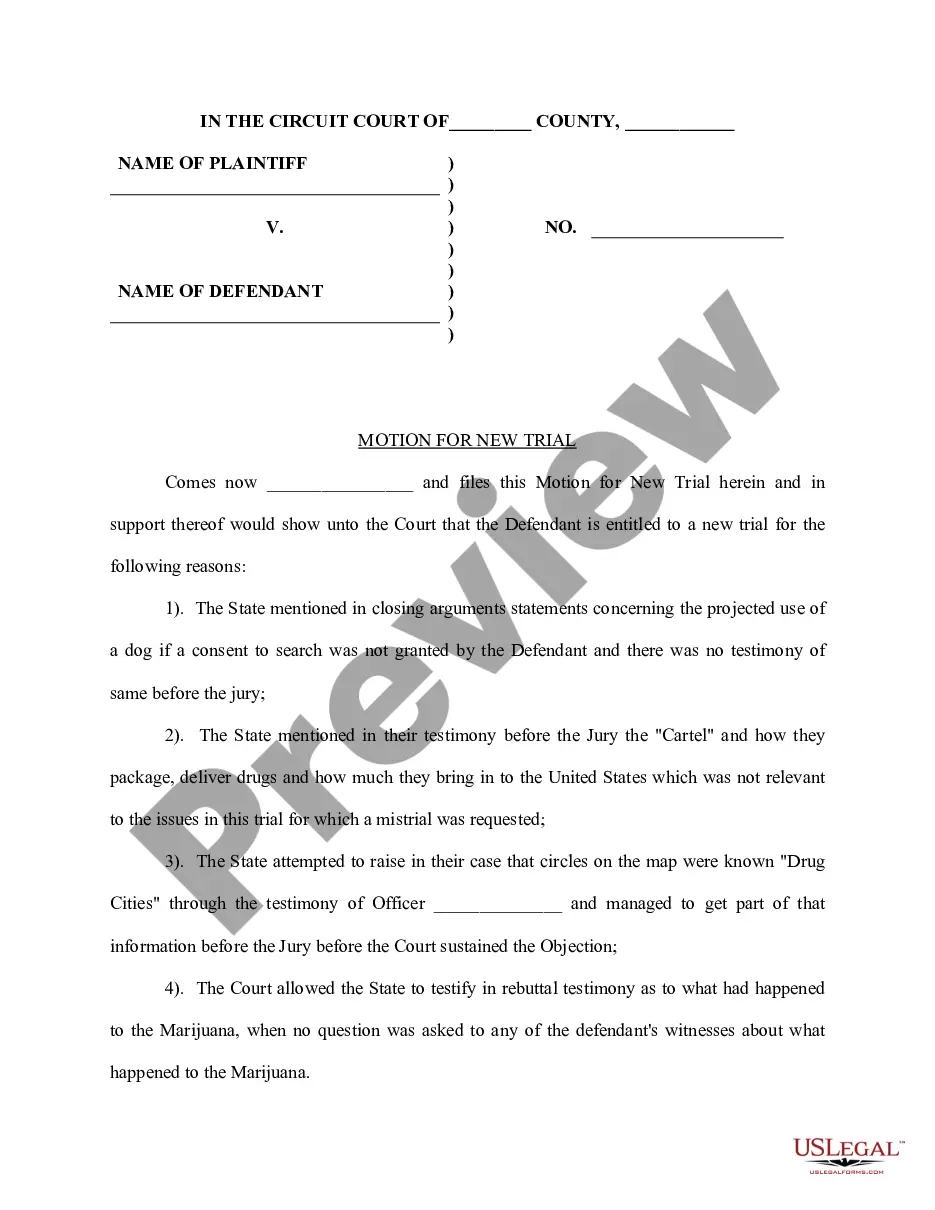
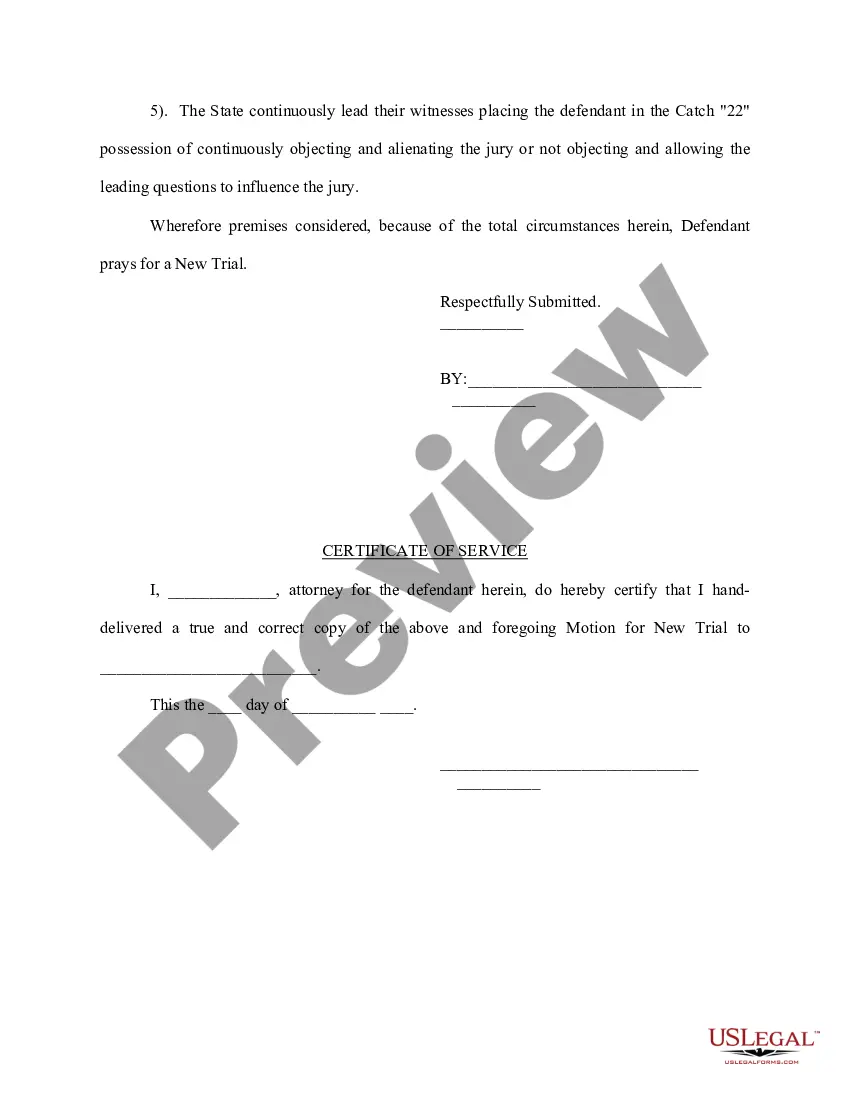
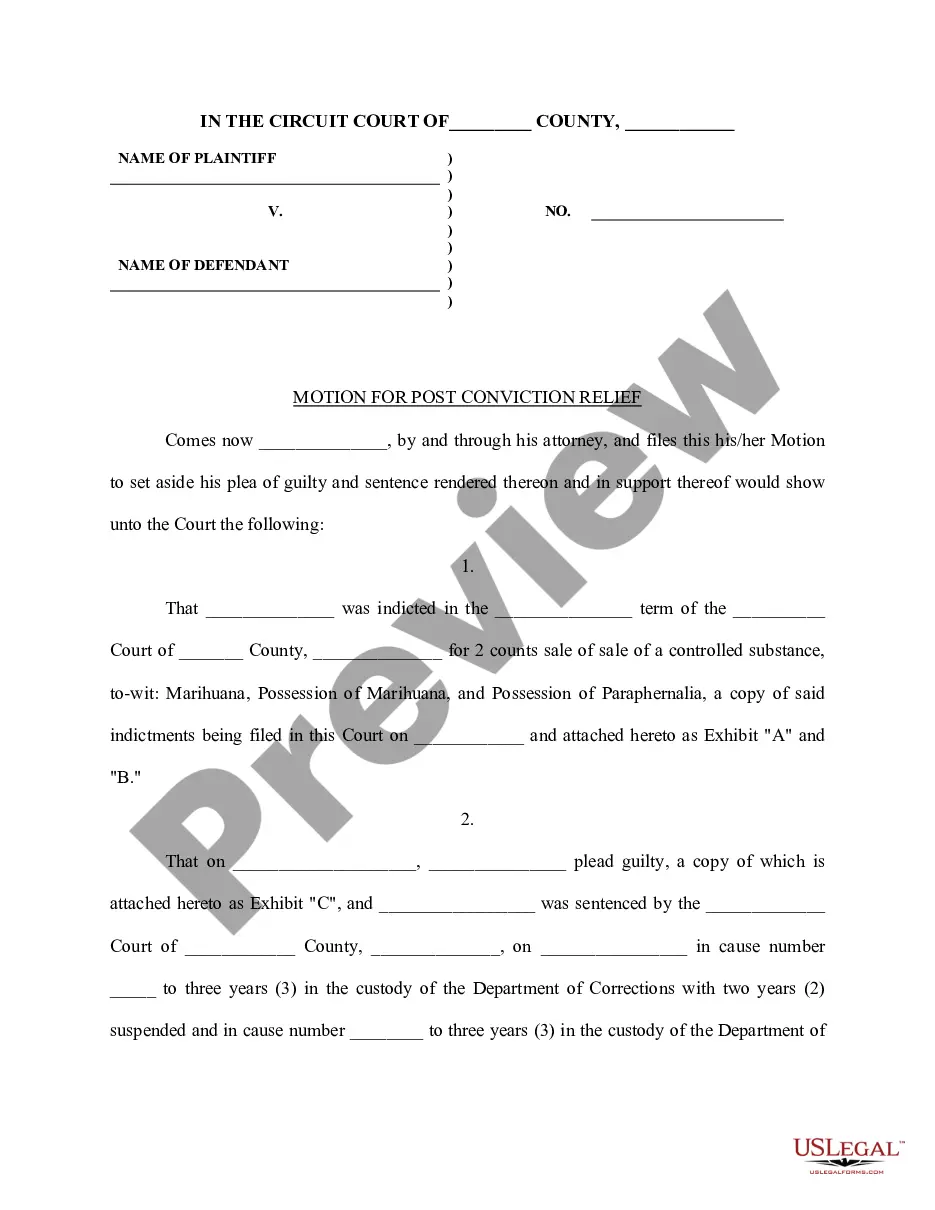
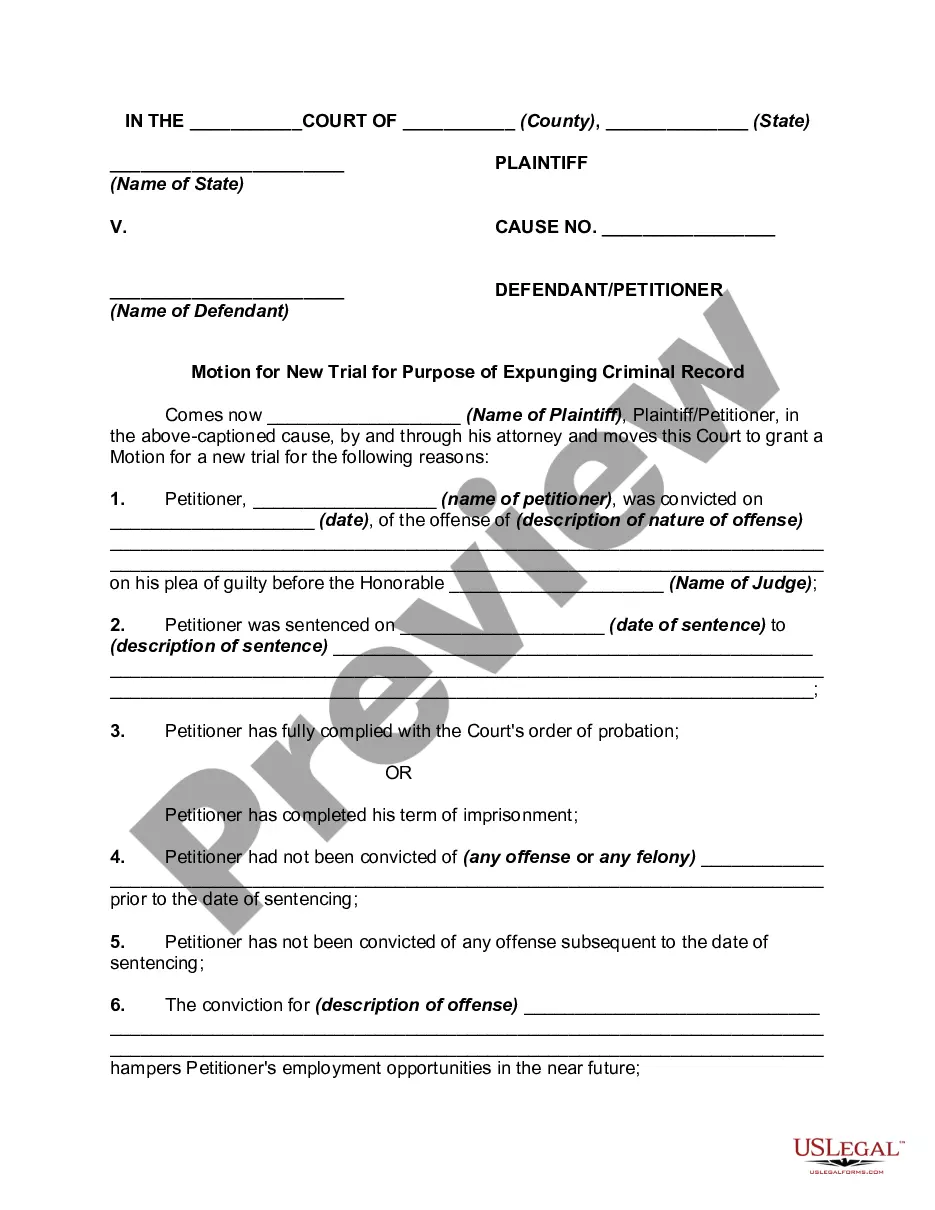
Motion For Trial Request For Judicial Notice
Description
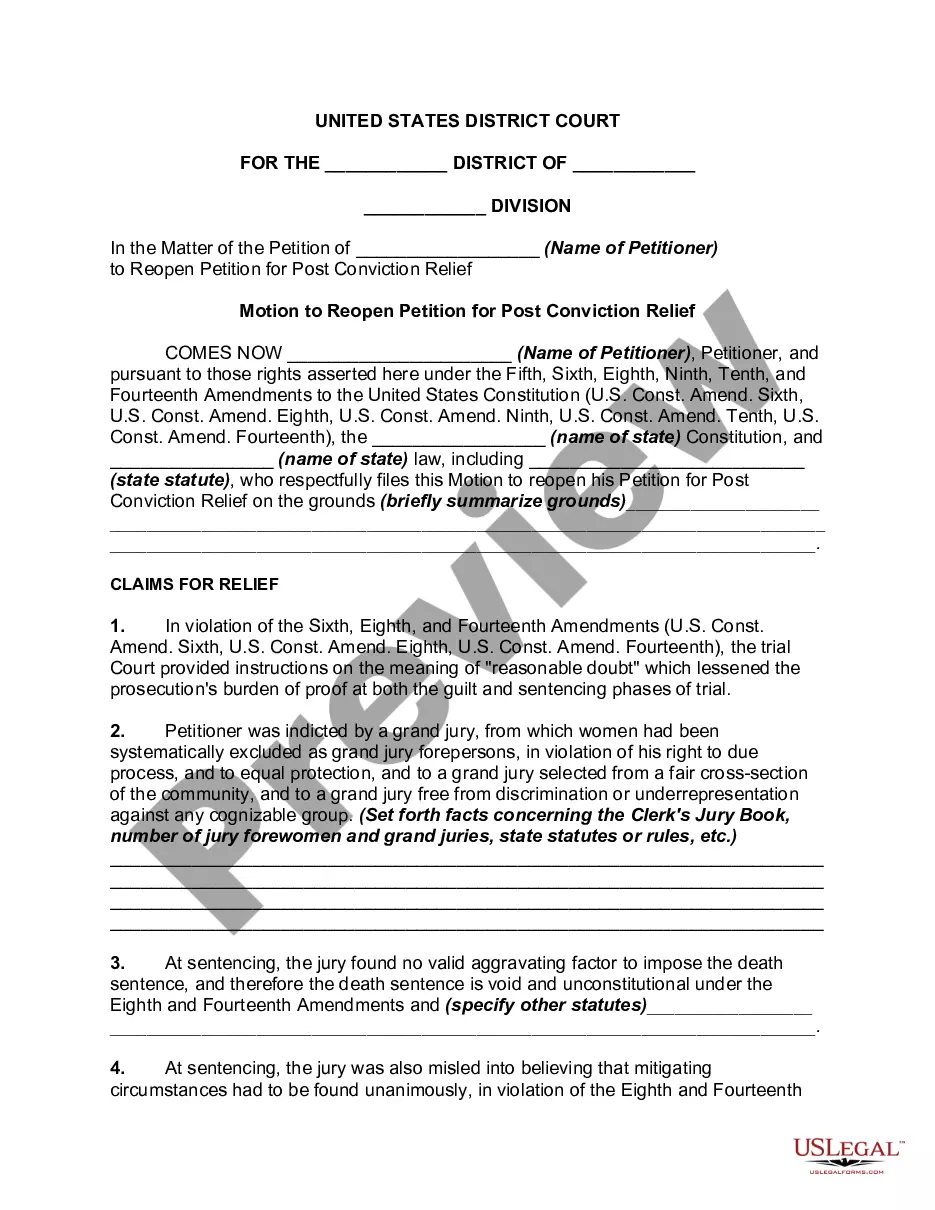
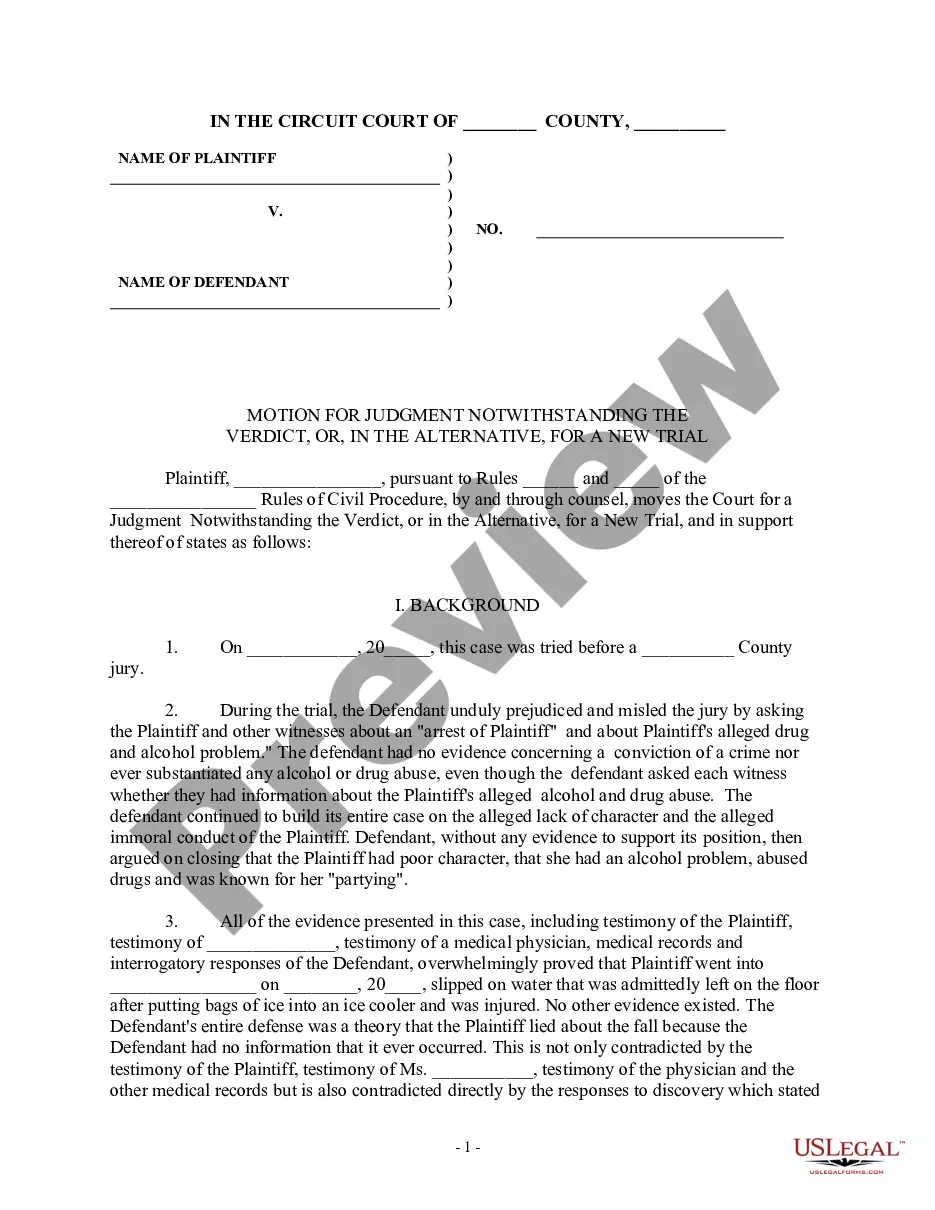
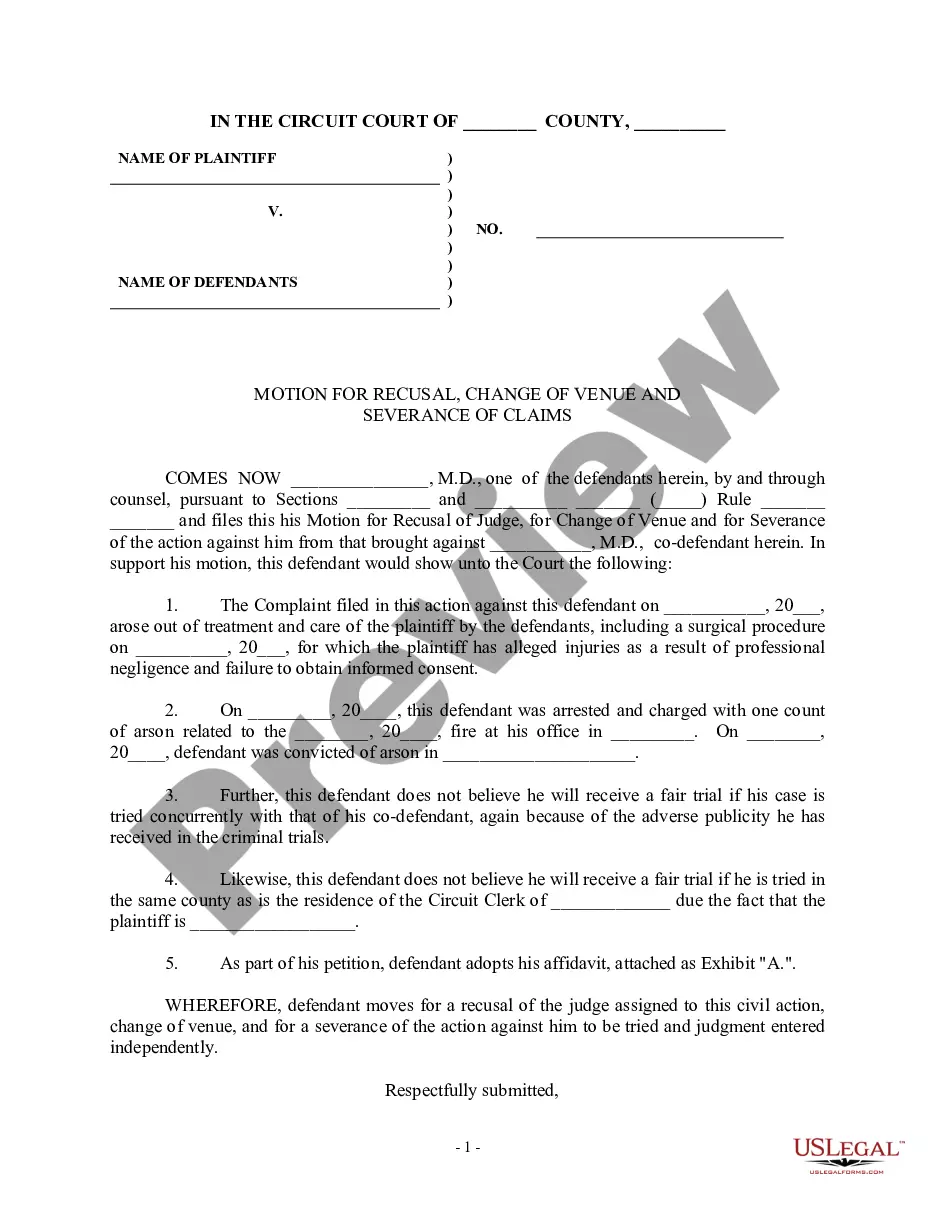
Get your form ready online
Our built-in tools help you complete, sign, share, and store your documents in one place.
Make edits, fill in missing information, and update formatting in US Legal Forms—just like you would in MS Word.
Download a copy, print it, send it by email, or mail it via USPS—whatever works best for your next step.
Sign and collect signatures with our SignNow integration. Send to multiple recipients, set reminders, and more. Go Premium to unlock E-Sign.
If this form requires notarization, complete it online through a secure video call—no need to meet a notary in person or wait for an appointment.
We protect your documents and personal data by following strict security and privacy standards.

Make edits, fill in missing information, and update formatting in US Legal Forms—just like you would in MS Word.

Download a copy, print it, send it by email, or mail it via USPS—whatever works best for your next step.

Sign and collect signatures with our SignNow integration. Send to multiple recipients, set reminders, and more. Go Premium to unlock E-Sign.

If this form requires notarization, complete it online through a secure video call—no need to meet a notary in person or wait for an appointment.

We protect your documents and personal data by following strict security and privacy standards.
Looking for another form?



How to fill out Motion For New Trial?
It’s widely recognized that you cannot instantly become a legal expert, nor can you readily learn how to swiftly prepare a Motion For Trial Request For Judicial Notice without having a specific background.
Compiling legal documents is a lengthy endeavor that demands certain education and expertise. So why not entrust the drafting of the Motion For Trial Request For Judicial Notice to the experts.
With US Legal Forms, which boasts one of the most extensive legal document libraries, you can discover anything from court documents to templates for internal correspondence.
You can revisit your documents from the My documents section at any time. If you are already a client, you can simply Log In and find and download the template from the same section.
Regardless of the nature of your documents—be it financial, legal, or personal—our platform has you covered. Experience US Legal Forms today!
- Recognize the document you require by utilizing the search bar at the top of the site.
- View it (if this feature is available) and examine the accompanying description to determine if the Motion For Trial Request For Judicial Notice aligns with your needs.
- Initiate your search once more if you require a different template.
- Create a complimentary account and choose a subscription option to purchase the form.
- Click Buy now. Once the payment is processed, you can acquire the Motion For Trial Request For Judicial Notice, complete it, print it, and send or mail it to the appropriate parties or organizations.
Form popularity
FAQ
A request to take judicial notice means asking the court to recognize certain facts as true without additional proof. This can streamline legal proceedings by eliminating the need to establish universally accepted facts. In your preparation for a Motion for trial request for judicial notice, you can leverage this mechanism to strengthen your case. Using a reliable platform like uslegalforms can help ensure your request is properly crafted and effective.
An example of judicial process is the steps a court takes to hear a case. This process may involve filing motions, gathering evidence, and presenting arguments before a judge. In the context of a Motion for trial request for judicial notice, this process ensures that all relevant information is considered, enabling fair judgments. Familiarizing yourself with this process can be beneficial as you prepare your legal documents.
Judicial notice allows a court to recognize certain facts without requiring proof. Common examples include acknowledging the existence of public records, laws, or regulations. For instance, a court may take notice of weather conditions on a specific date as they are part of public knowledge. When you handle filings related to your Motion for trial request for judicial notice, understanding these examples can enhance your chances of success.
Requesting a motion means you are formally asking the court to make a decision on a specific legal issue. In the context of a motion for trial request for judicial notice, you are asking the court to acknowledge facts without the need for extensive evidence. This process helps streamline legal discussions and can lead to more favorable outcomes. It's crucial to present your request thoughtfully and clearly.
To systematically ask for a motion, start by drafting a written request that clearly outlines what you seek from the court. You should navigate the rules of your jurisdiction carefully, as they will guide you on how to format and submit your motion. When seeking a motion for trial request for judicial notice, ensure you articulate the importance of the notice for the case. This clarity enhances your chances for approval.
A motion for judicial notice is a request to the court to accept certain facts as established without requiring further proof. This can expedite your case by eliminating the need for additional evidence regarding known facts. Incorporating a motion for trial request for judicial notice can simplify proceedings and strengthen your argument. It’s an effective tool for any legal professional.
To ask for a motion in court, you should typically submit a written motion, including your request for judicial notice, along with any supporting documents. Present the motion to the court clerk and serve copies to opposing parties. This process ensures that everyone involved is informed and can respond accordingly. Being clear and precise in your request is key to success.
To write a motion letter to the court, start by clearly stating the purpose of your motion, including your request for judicial notice. Include relevant details such as your case number, the court's name, and the names of the parties involved. This structure helps make your motion for trial request for judicial notice clear and comprehensible. Don't forget to sign the letter and include any necessary attachments.
Judicial notice allows the court to recognize certain facts as true without formal evidence. Common documents that can be judicially noticed include statutes, public records, and previous court rulings. These documents can beef up your motion for trial request for judicial notice. By understanding these documents, you can strengthen your case effectively.
Creating a motion for the court involves several steps, starting with determining the type of motion needed, such as a motion for trial request for judicial notice. Draft the motion with a clear title, a statement of relevant facts, and justification based on legal standards. Utilize platforms like US Legal Forms for templates to help ensure your motion is correctly structured and legally sound.