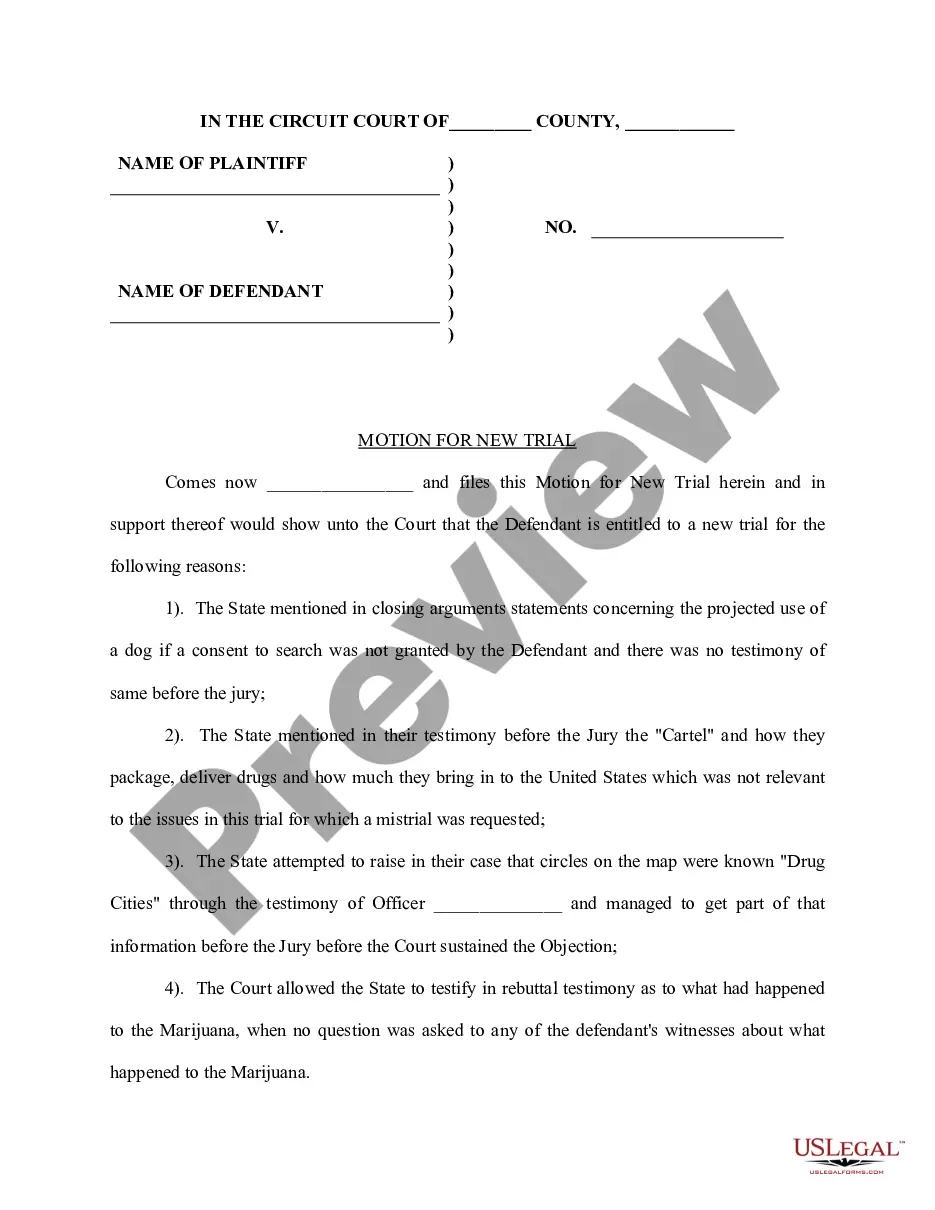
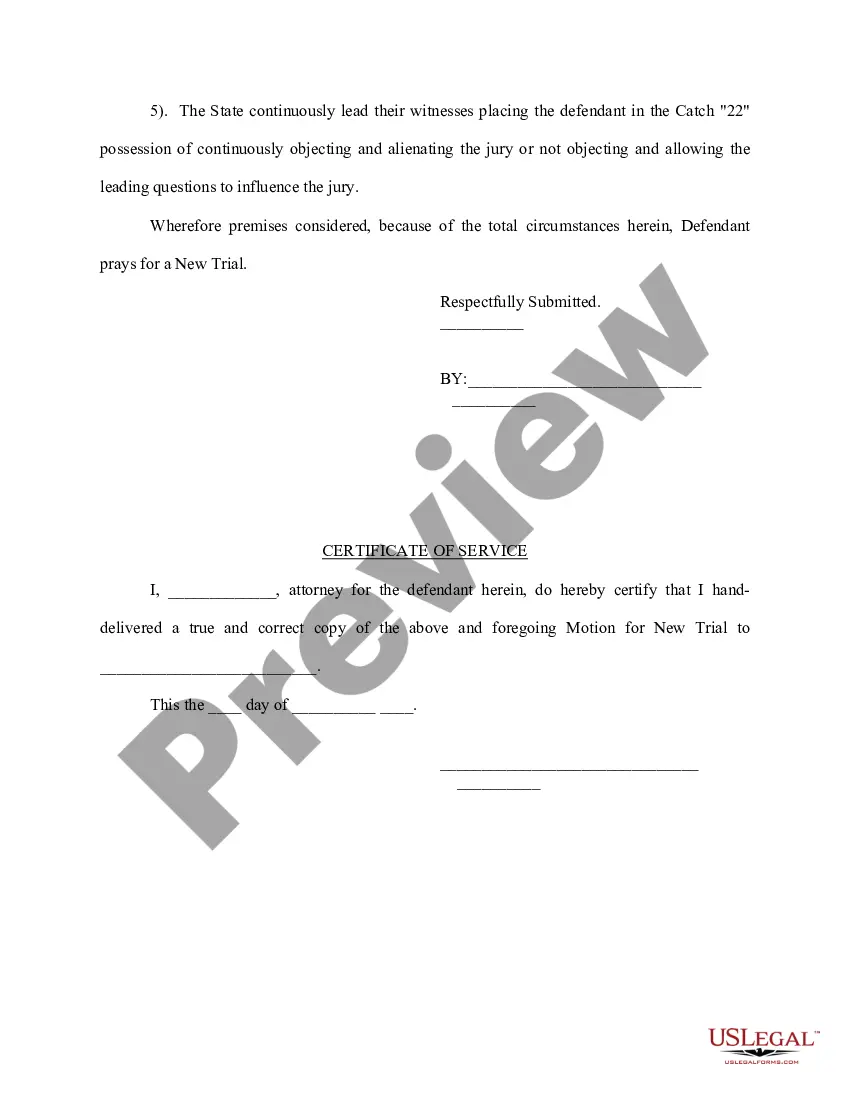
Motion For New Trial Texas Family Code
Description
Get your form ready online
Our built-in tools help you complete, sign, share, and store your documents in one place.
Make edits, fill in missing information, and update formatting in US Legal Forms—just like you would in MS Word.
Download a copy, print it, send it by email, or mail it via USPS—whatever works best for your next step.
Sign and collect signatures with our SignNow integration. Send to multiple recipients, set reminders, and more. Go Premium to unlock E-Sign.
If this form requires notarization, complete it online through a secure video call—no need to meet a notary in person or wait for an appointment.
We protect your documents and personal data by following strict security and privacy standards.

Make edits, fill in missing information, and update formatting in US Legal Forms—just like you would in MS Word.

Download a copy, print it, send it by email, or mail it via USPS—whatever works best for your next step.

Sign and collect signatures with our SignNow integration. Send to multiple recipients, set reminders, and more. Go Premium to unlock E-Sign.

If this form requires notarization, complete it online through a secure video call—no need to meet a notary in person or wait for an appointment.

We protect your documents and personal data by following strict security and privacy standards.
Looking for another form?


How to fill out Motion For New Trial?
Legal administration can be perplexing, even for seasoned experts.
When you are looking for a Motion For New Trial Texas Family Code and lack the time to dedicate to finding the correct and current version, the processes can be overwhelming.
With US Legal Forms, you can.
Access a repository of articles, guides, and materials related to your situation and requirements.
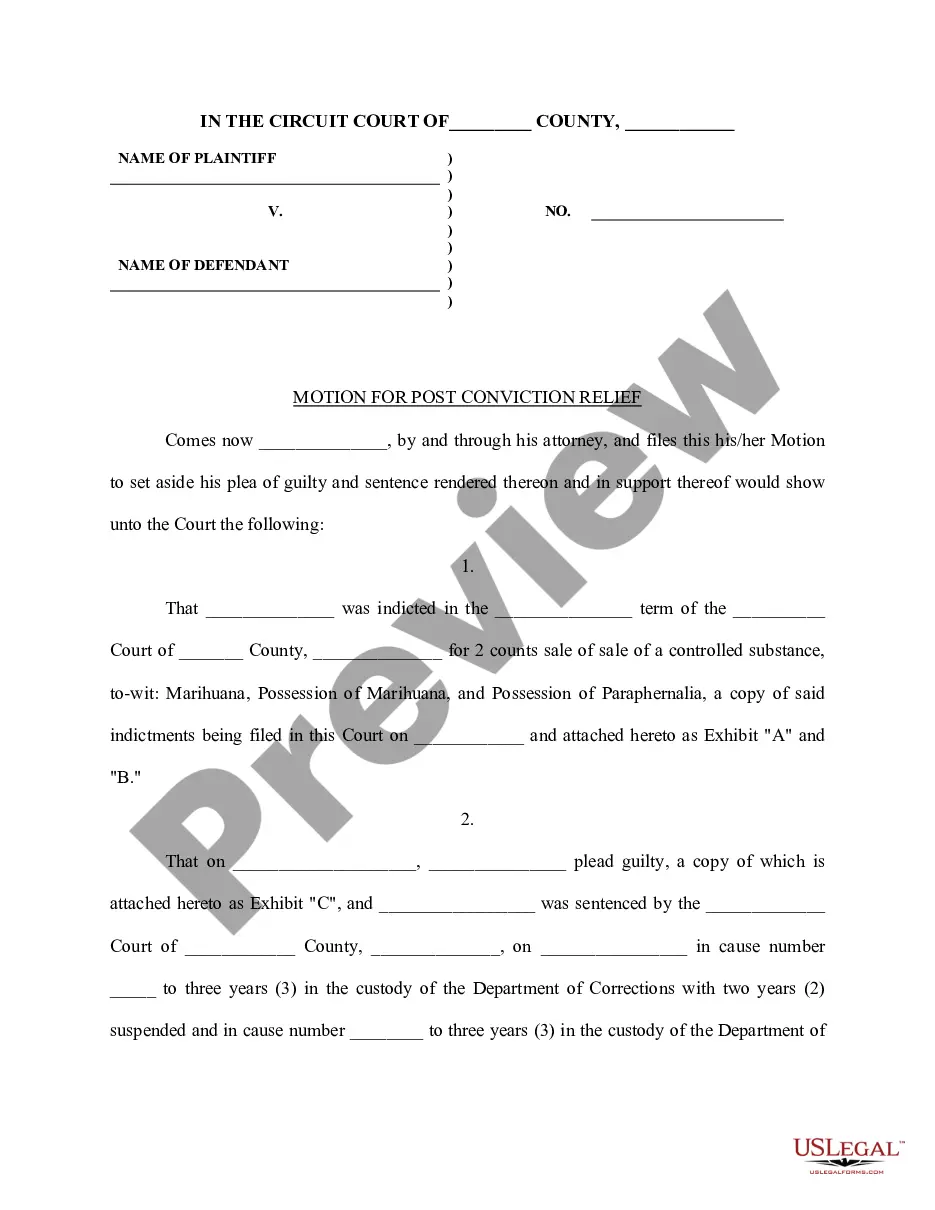
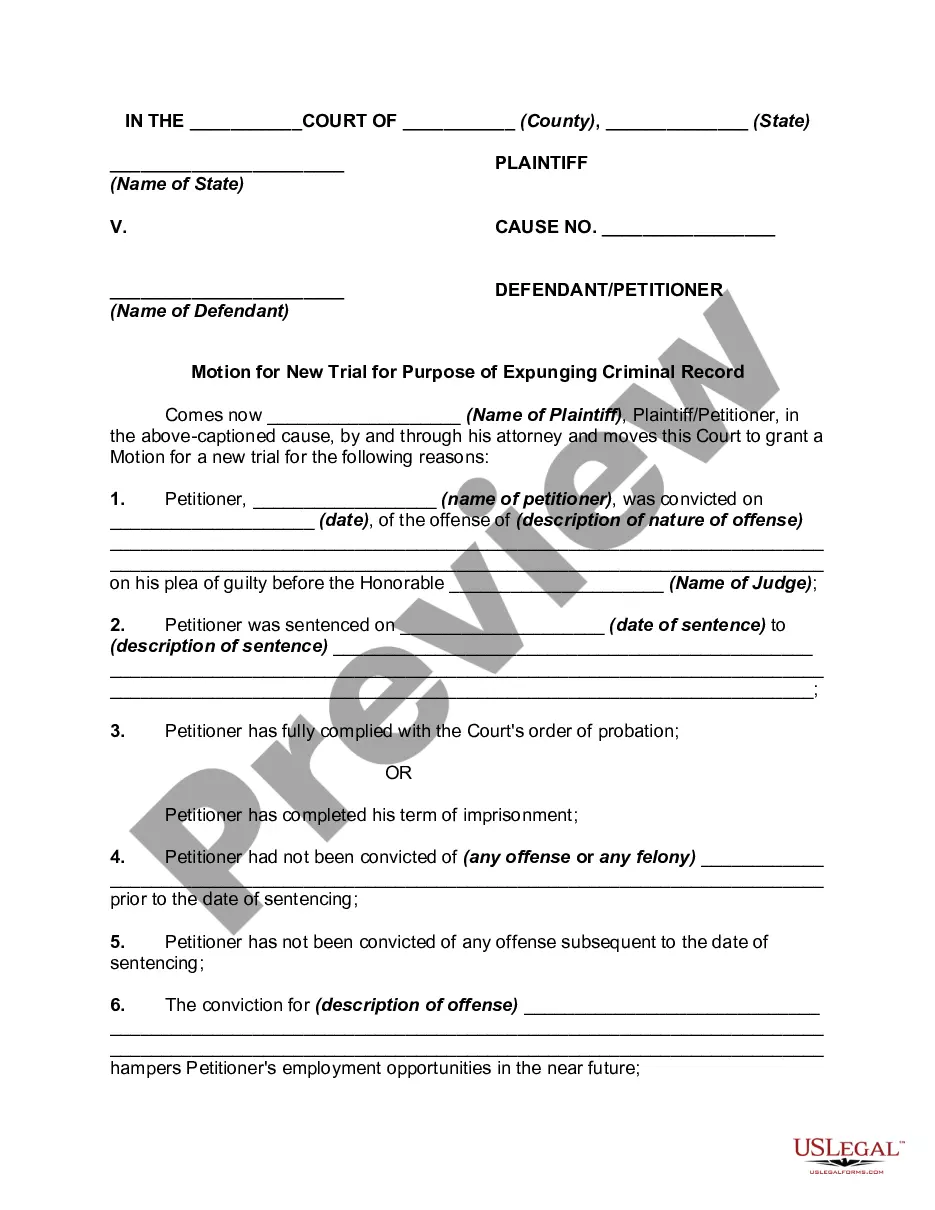
Review to confirm it is the correct form by previewing it and examining its description.
- Save time and effort searching for the forms you require, and leverage US Legal Forms’ advanced search and Preview feature to find the Motion For New Trial Texas Family Code and obtain it.
- If you hold a subscription, Log In to your US Legal Forms account, search for the form, and download it.
- Visit the My documents section to view the documents you have previously downloaded and manage your folders as you wish.
- If this is your initial experience with US Legal Forms, create an account and gain unlimited access to all platform advantages.
- Once you have retrieved the form you need, follow these steps.
- A comprehensive web form library could transform the experience for anyone wishing to navigate these matters efficiently.
- US Legal Forms stands as a frontrunner in online legal documents, offering over 85,000 state-specific legal forms accessible to you at any moment.
- Utilize cutting-edge tools to complete and oversee your Motion For New Trial Texas Family Code.
Form popularity
FAQ
In Texas family law, a motion to reconsider is filed to challenge a prior court decision that either did not include all relevant evidence or misinterpreted the law. This procedural tool allows individuals to ensure their cases are evaluated fairly based on all available information. Familiarizing yourself with this motion can strengthen your case, particularly when linked to a Motion for new trial texas family code.
The three grounds for a Motion for Reconsideration typically include the discovery of new evidence, an error in the court's reasoning, or a change in the law. These grounds help establish a valid basis for the motion, urging the court to reconsider its earlier decision. Knowing these grounds is vital when preparing a Motion for new trial texas family code.
A Motion for Reconsideration in family court serves as a request for the judge to review and potentially alter a prior ruling. It is important to cite the specific reasons for seeking reconsideration, as this will guide the judge in their decision-making process. Utilizing resources like USLegalForms can help clarify the procedure for submitting a Motion for new trial texas family code.
A motion to reconsider in Texas Family Code allows a party to ask the court to reevaluate its previous decision. This type of motion is usually filed when new evidence emerges or if the court overlooked critical facts. Understanding how to navigate these motions can be crucial, especially in the context of a Motion for new trial texas family code.
To write a motion for family court, first, clearly state the purpose of the motion, focusing on the request you want the court to consider. Include relevant details, such as case numbers, and provide factual support from Texas Family Code. You can find templates or guidance on platforms like USLegalForms, which can streamline the process of drafting a Motion for new trial texas family code.
An example of a motion for a new trial could include a request based on the discovery of new evidence that significantly changes the case's outcome. In your motion, you would outline the evidence, explain its relevance, and clarify how it impacts the initial ruling. Including this type of detail is crucial for the court to consider your request seriously under the Texas Family Code.
Filing a motion for a new trial in Texas involves preparing the necessary documentation and submitting it to the court within a specified timeframe. Ensure you articulate clear reasons for your request and any supporting evidence. USLegalForms can help streamline this process with user-friendly resources tailored for families navigating the Texas Family Code.
Common reasons for a retrial include procedural errors, newly discovered evidence, juror misconduct, or issues with the initial trial process. Each situation must clearly demonstrate that the original trial's outcome was significantly affected by these factors. Understanding these reasons can assist you when drafting a motion for a new trial under Texas Family Code.
Motions for a new trial are granted infrequently, as courts require strong justification for revisiting a case. The success rate often depends on the evidence presented and the legal grounds cited. Therefore, preparing a convincing argument and adhering to the Texas Family Code is essential in maximizing your chances.
To file a motion in family court, you must prepare the appropriate documents and submit them to the court clerk. Include a clear statement of what you are asking for and the reasons behind your request. Using platforms like USLegalForms can simplify this process by providing templates and guidance for filing motions under the Texas Family Code.