Motion For Criminal Forensics
Description
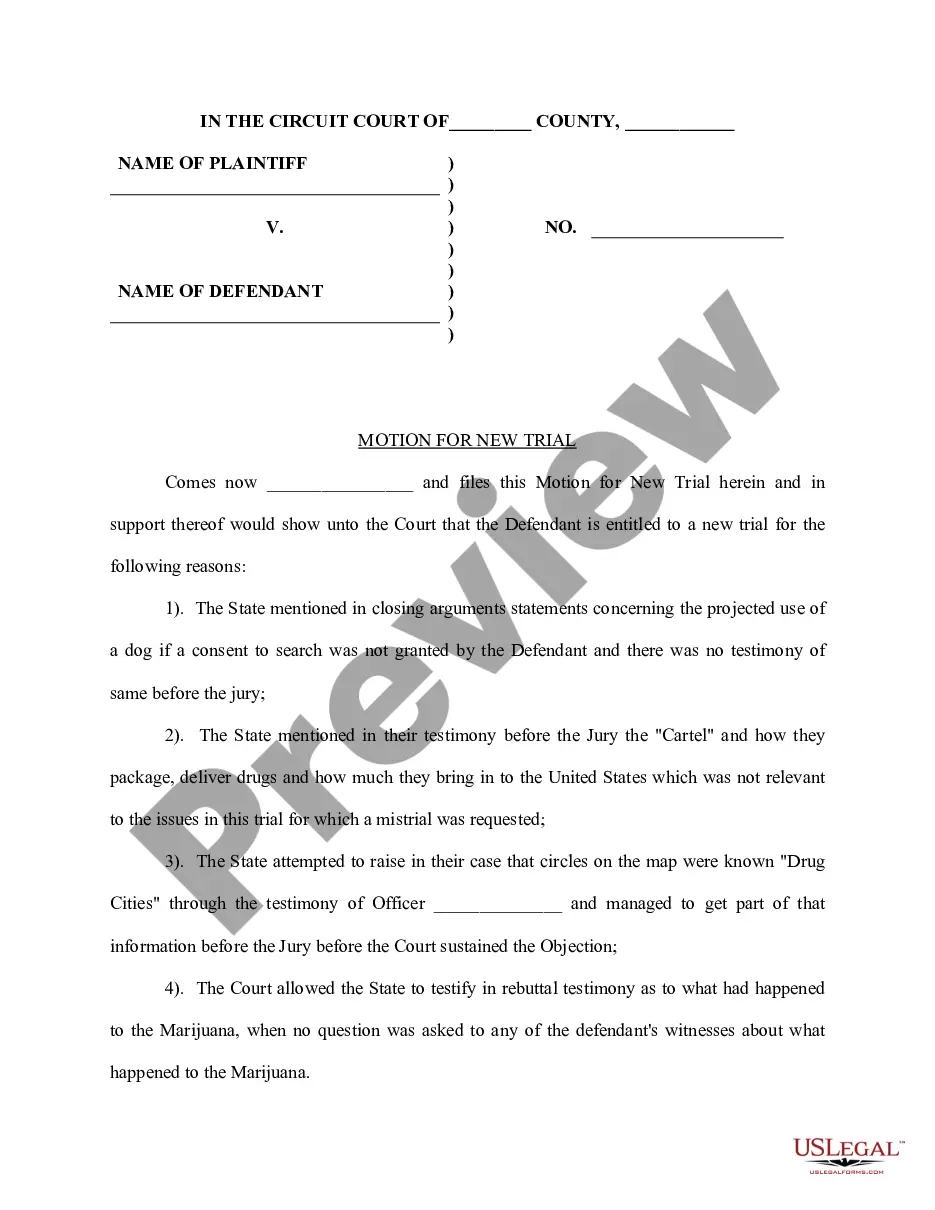
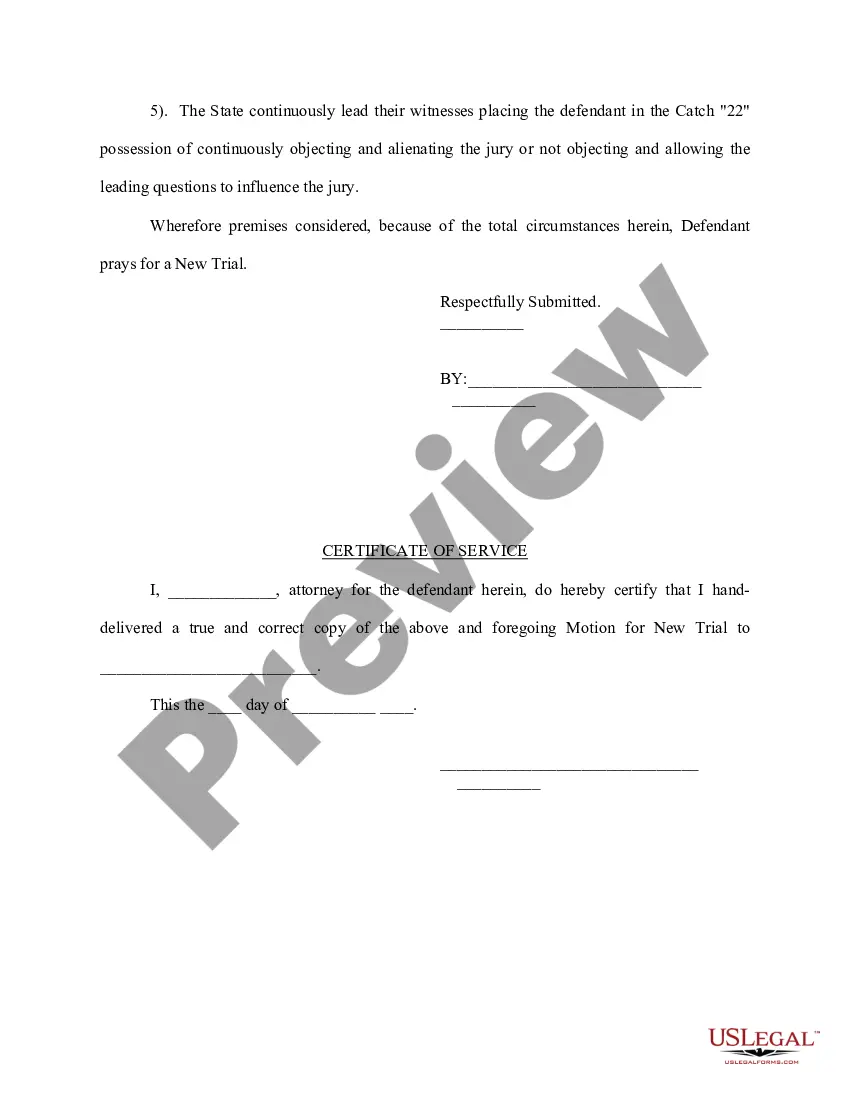
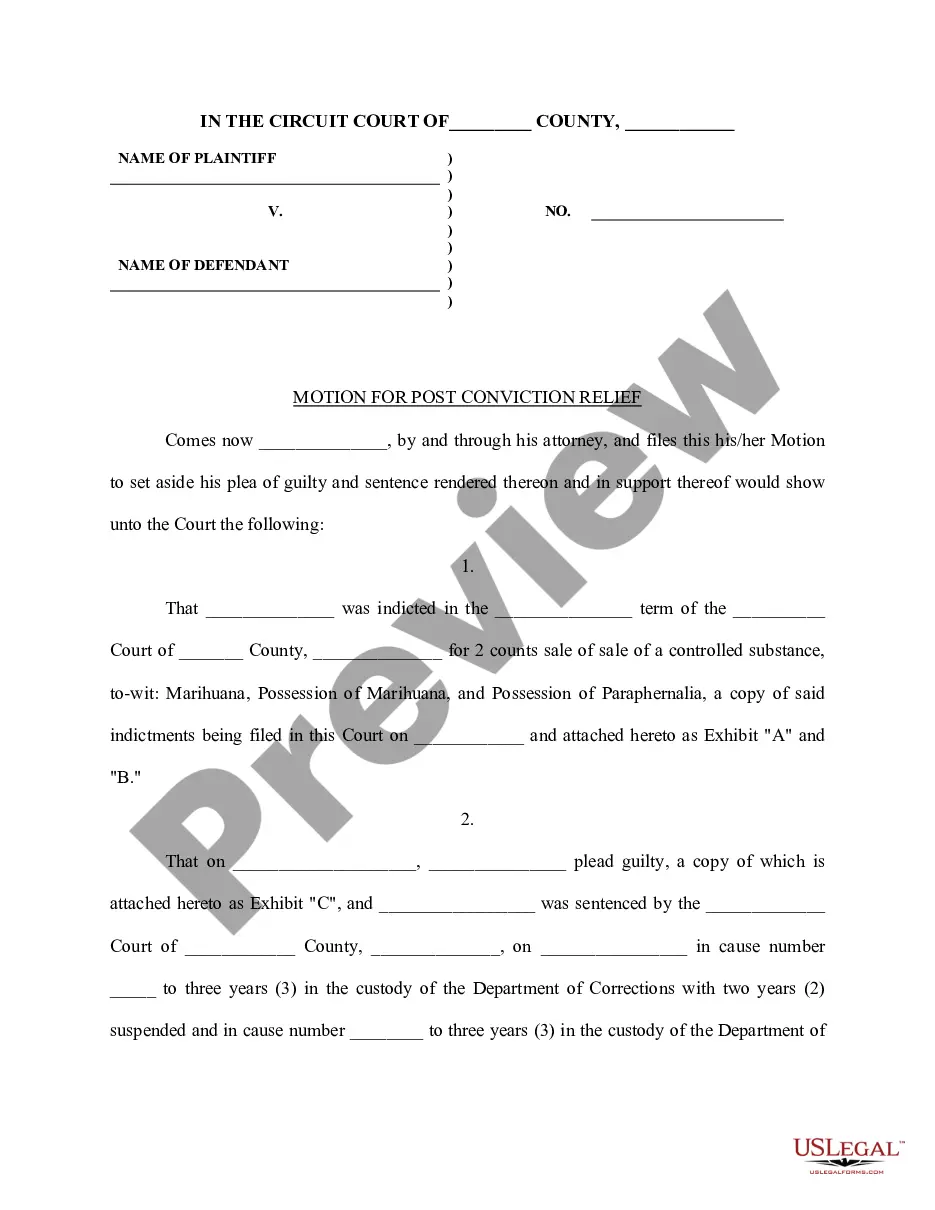
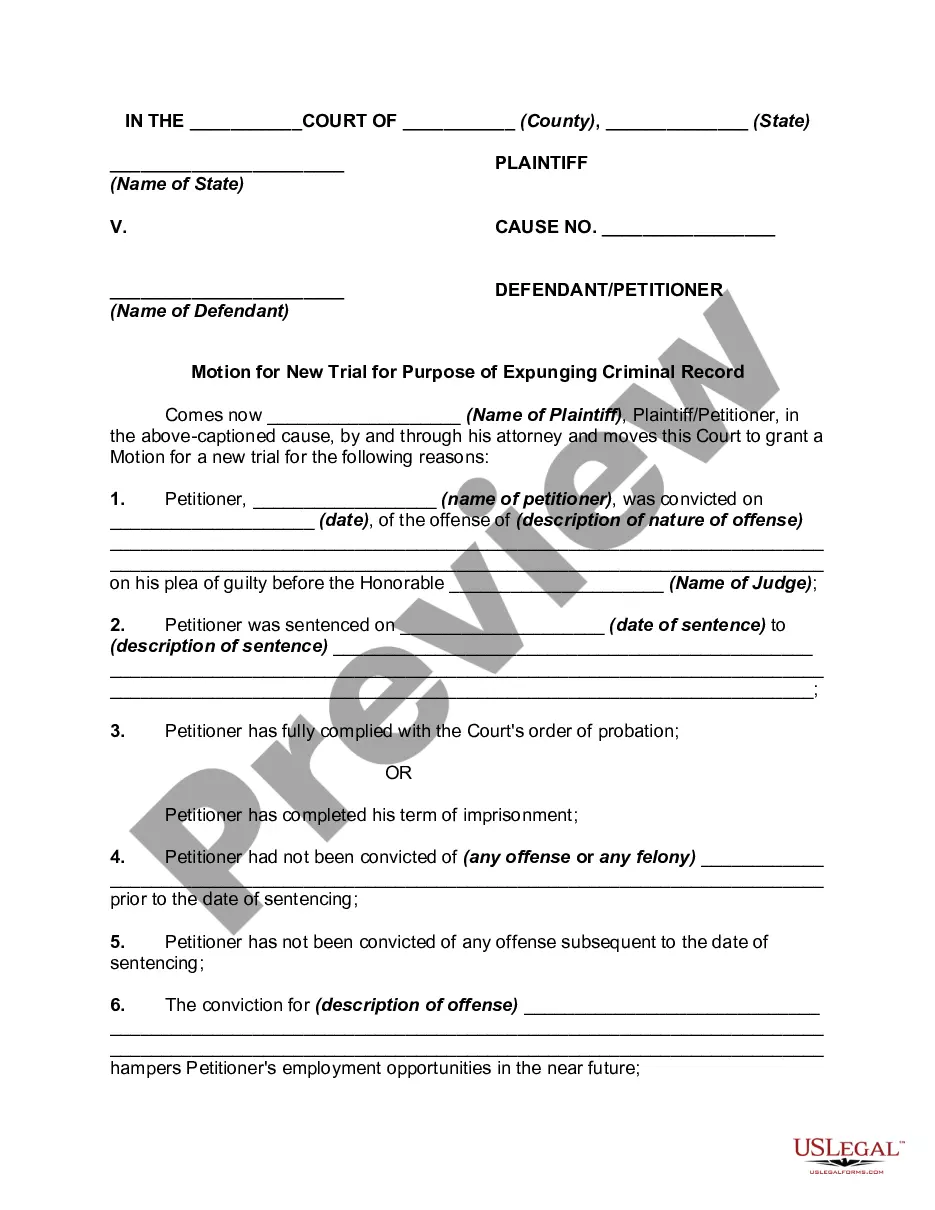
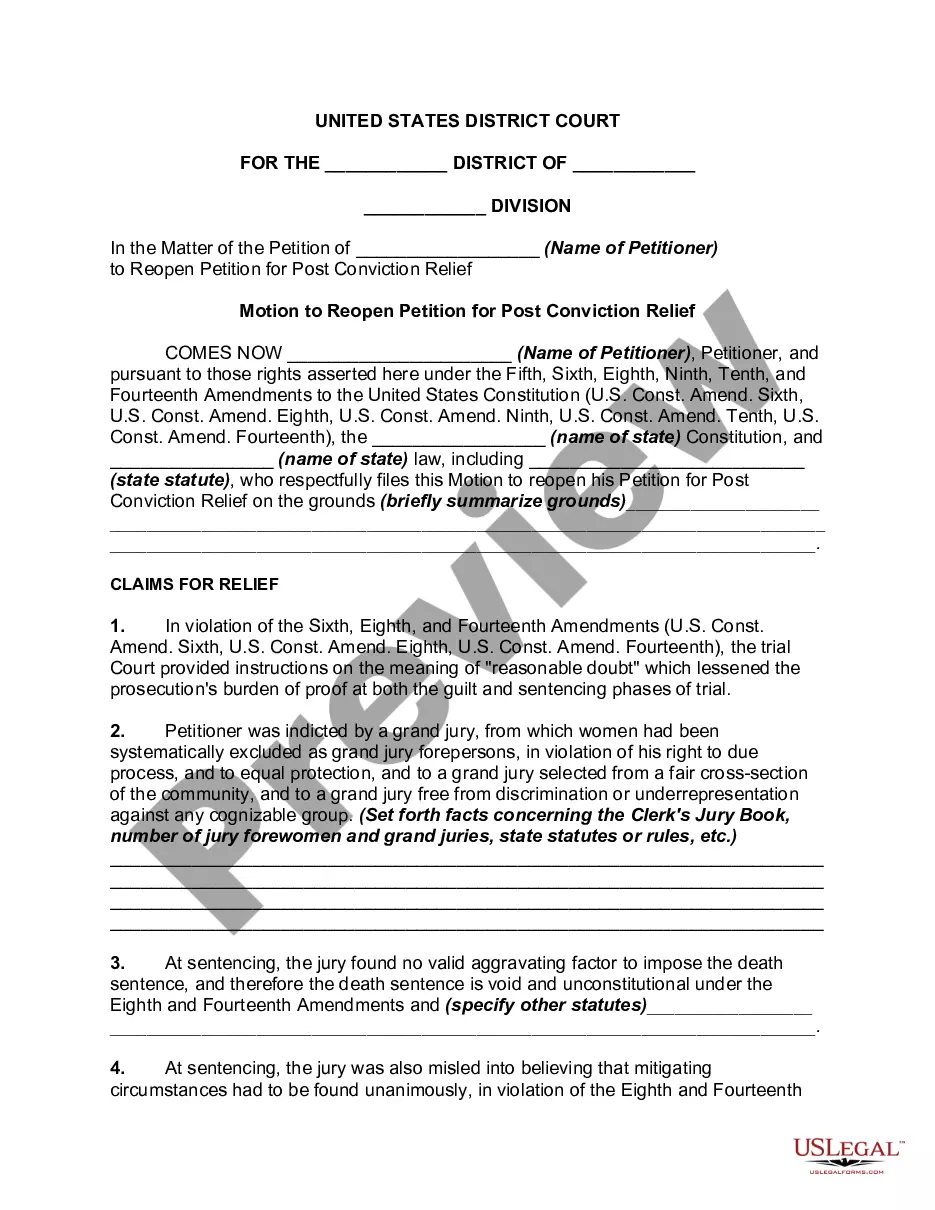
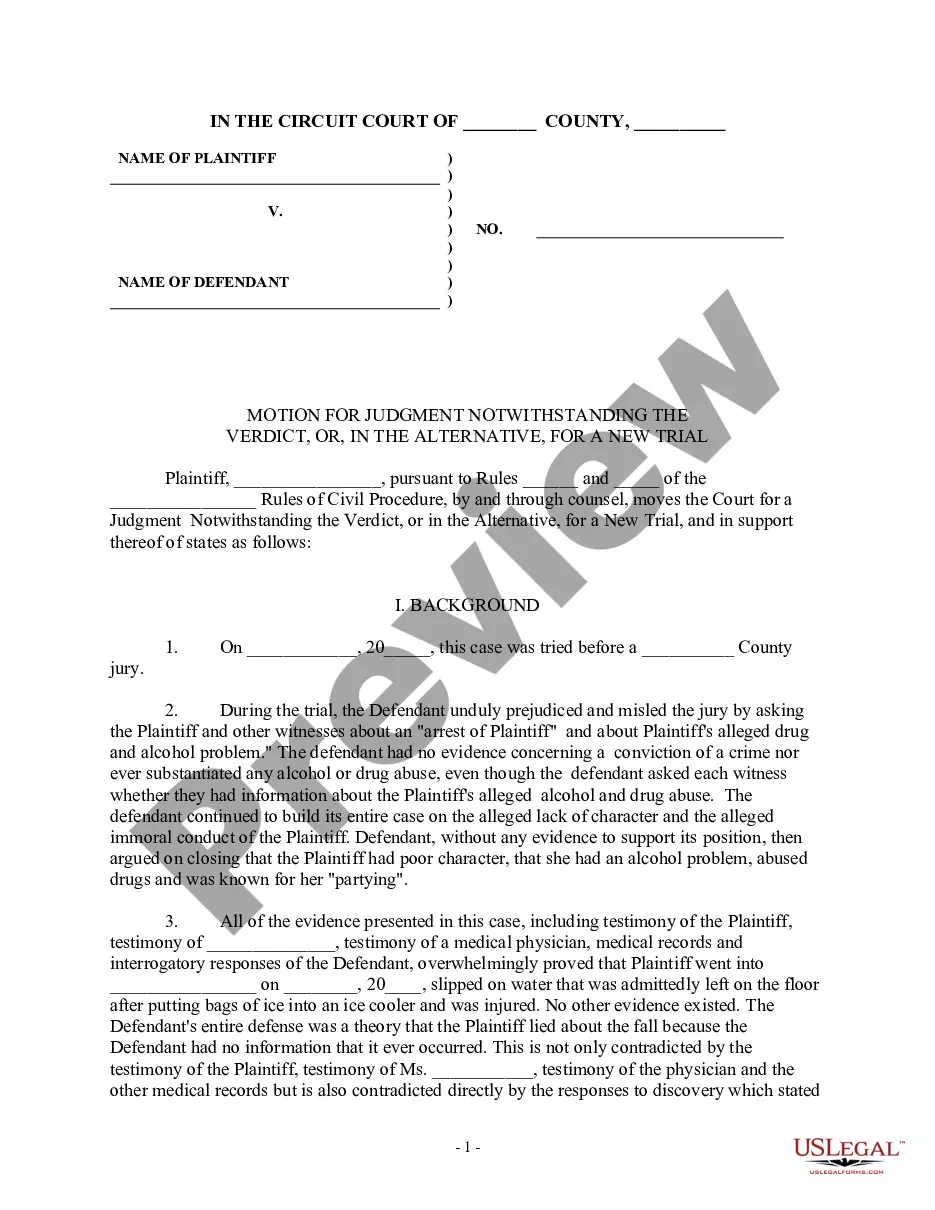
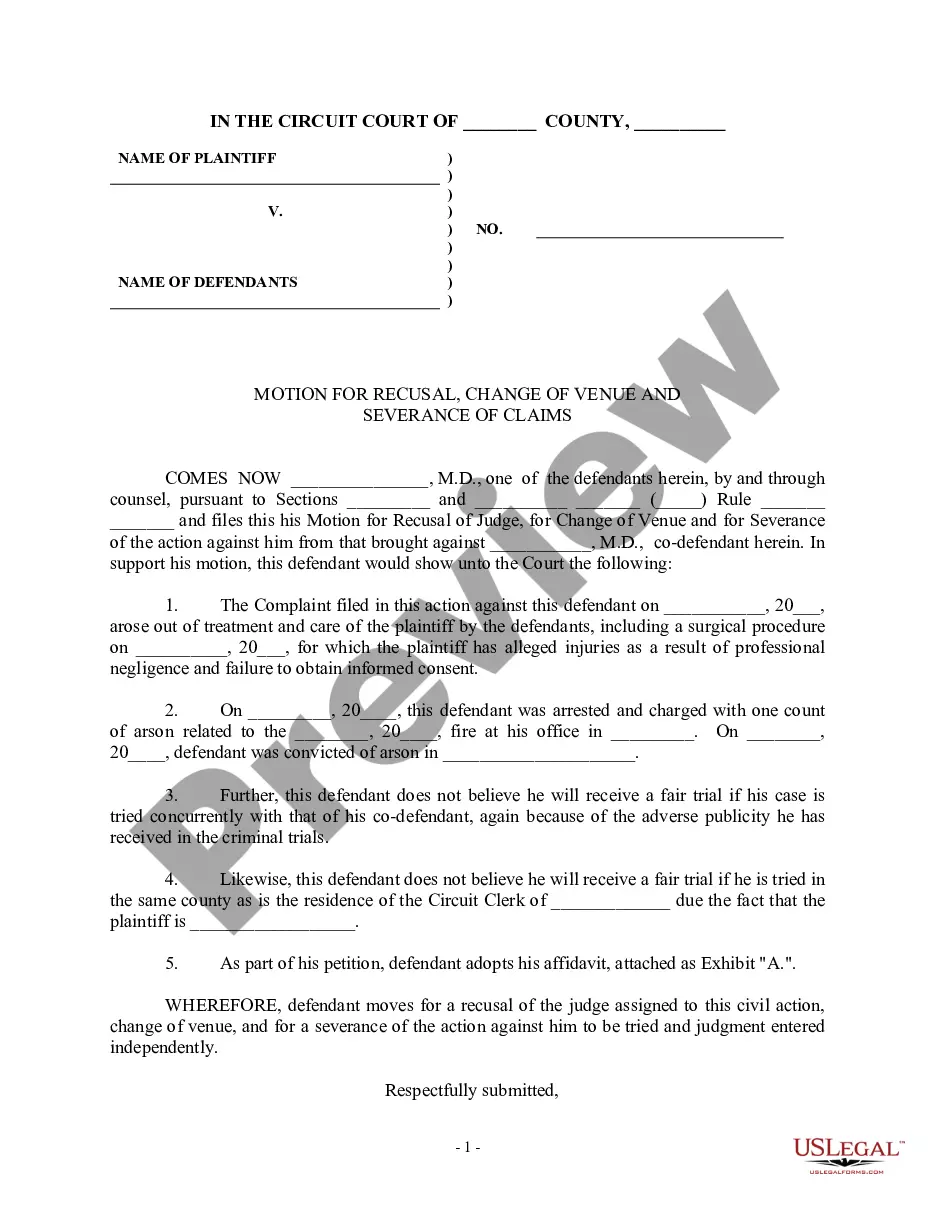
Get your form ready online
Our built-in tools help you complete, sign, share, and store your documents in one place.
Make edits, fill in missing information, and update formatting in US Legal Forms—just like you would in MS Word.
Download a copy, print it, send it by email, or mail it via USPS—whatever works best for your next step.
Sign and collect signatures with our SignNow integration. Send to multiple recipients, set reminders, and more. Go Premium to unlock E-Sign.
If this form requires notarization, complete it online through a secure video call—no need to meet a notary in person or wait for an appointment.
We protect your documents and personal data by following strict security and privacy standards.

Make edits, fill in missing information, and update formatting in US Legal Forms—just like you would in MS Word.

Download a copy, print it, send it by email, or mail it via USPS—whatever works best for your next step.

Sign and collect signatures with our SignNow integration. Send to multiple recipients, set reminders, and more. Go Premium to unlock E-Sign.

If this form requires notarization, complete it online through a secure video call—no need to meet a notary in person or wait for an appointment.

We protect your documents and personal data by following strict security and privacy standards.
Looking for another form?









How to fill out Motion For New Trial?
Finding a go-to place to take the most recent and relevant legal templates is half the struggle of handling bureaucracy. Finding the right legal papers requirements precision and attention to detail, which is why it is vital to take samples of Motion For Criminal Forensics only from reputable sources, like US Legal Forms. A wrong template will waste your time and delay the situation you are in. With US Legal Forms, you have little to worry about. You may access and view all the details regarding the document’s use and relevance for your situation and in your state or county.
Consider the following steps to complete your Motion For Criminal Forensics:
- Make use of the library navigation or search field to locate your sample.
- Open the form’s information to see if it fits the requirements of your state and region.
- Open the form preview, if available, to make sure the form is definitely the one you are searching for.
- Resume the search and look for the correct document if the Motion For Criminal Forensics does not match your needs.
- If you are positive regarding the form’s relevance, download it.
- If you are a registered user, click Log in to authenticate and access your picked templates in My Forms.
- If you do not have an account yet, click Buy now to obtain the template.
- Select the pricing plan that suits your preferences.
- Proceed to the registration to complete your purchase.
- Complete your purchase by picking a payment method (credit card or PayPal).
- Select the file format for downloading Motion For Criminal Forensics.
- Once you have the form on your device, you may alter it using the editor or print it and finish it manually.
Eliminate the inconvenience that comes with your legal documentation. Explore the extensive US Legal Forms collection to find legal templates, check their relevance to your situation, and download them immediately.
Form popularity
FAQ
The most common use of the in limine motion is to exclude irrelevant and/or prejudicial evidence.
The most common search patterns include the spiral search method, grid search method, strip-or-line-search method, and quadrant ?or zone-search method. Some methods of search are best suited for indoor scenes, and others are more applicable to outdoor crime scenes.
Your motion in limine should be broken into two sections: (1) Factual Background and (2) Argument. The ?Factual Background? section of your Memorandum should include all of the facts necessary for the judge to resolve every issue raised in your motion. appropriate, include procedural posture, as well.
Defense Motions in Limine Preclude doctor testifying against a nurse. Preclude expert testifying about future surgeries. Preclude evidence defendant driver was underinsured or even mentioning the uninsured motorist carrier. Motion to exclude videos depicting a below-knee amputation.
By presenting the arguments prior to the trial, the prosecution and defense ask the judge to resolve the foreseeable issues, effectively streamlining the trial. Either side may use pretrial motions to attempt to limit the evidence brought up at trial, prevent certain witnesses from testifying, or even dismiss the case.