Defendant Court Motion Without An Angle
Description
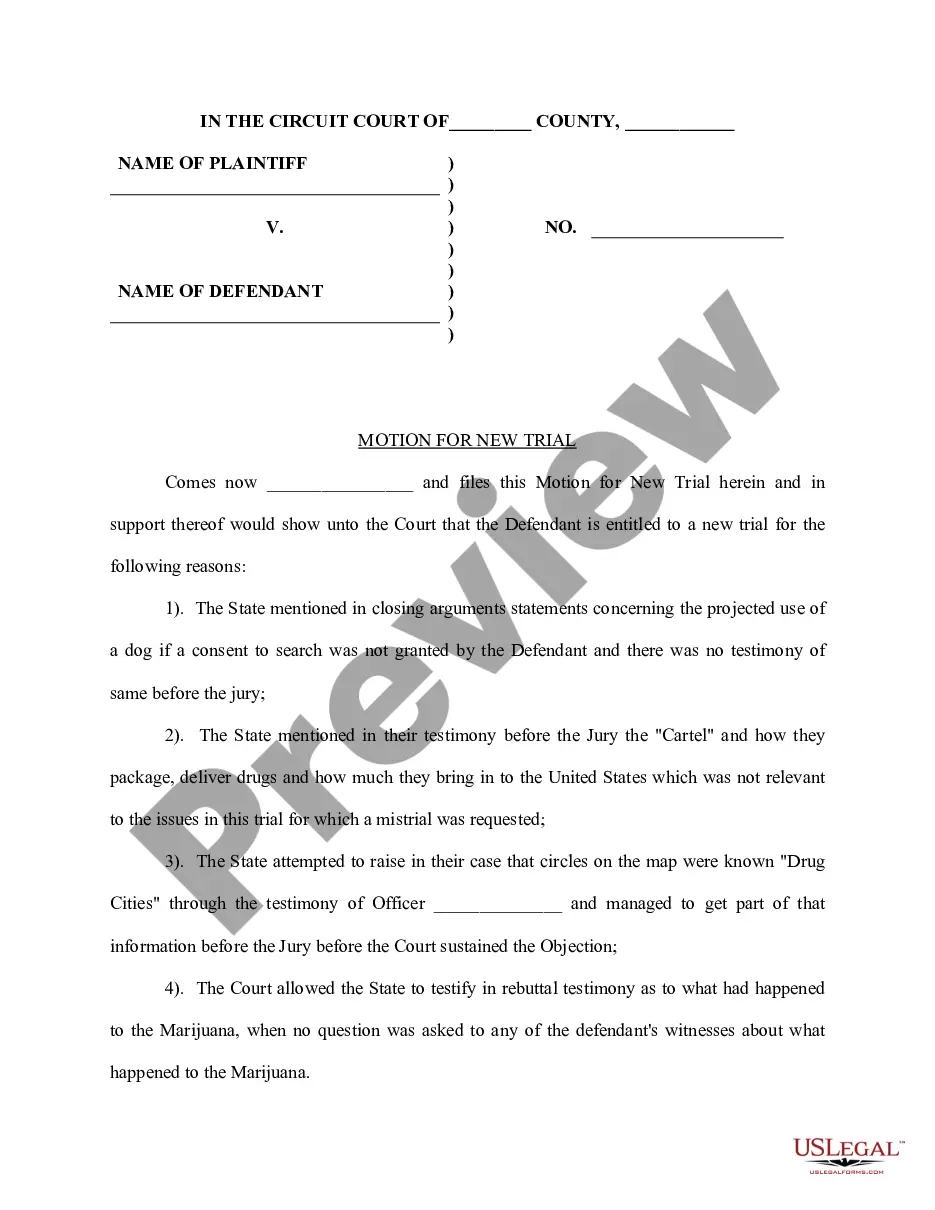
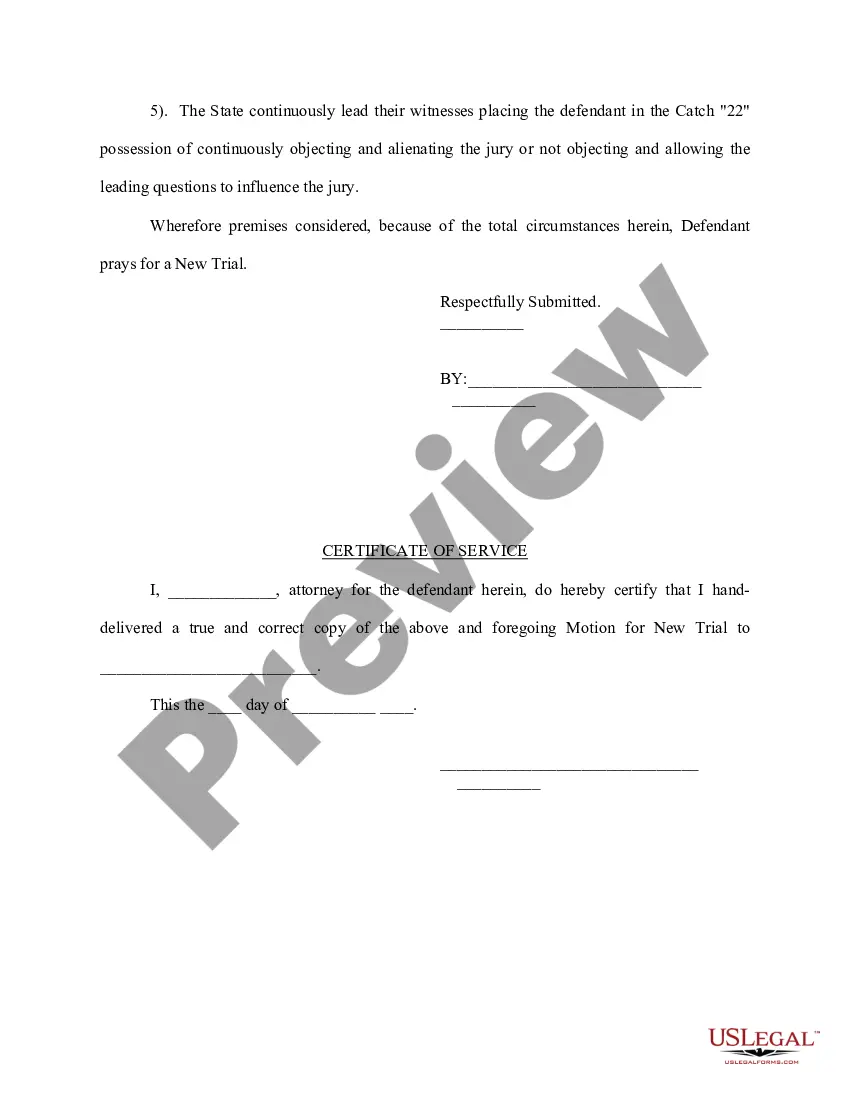
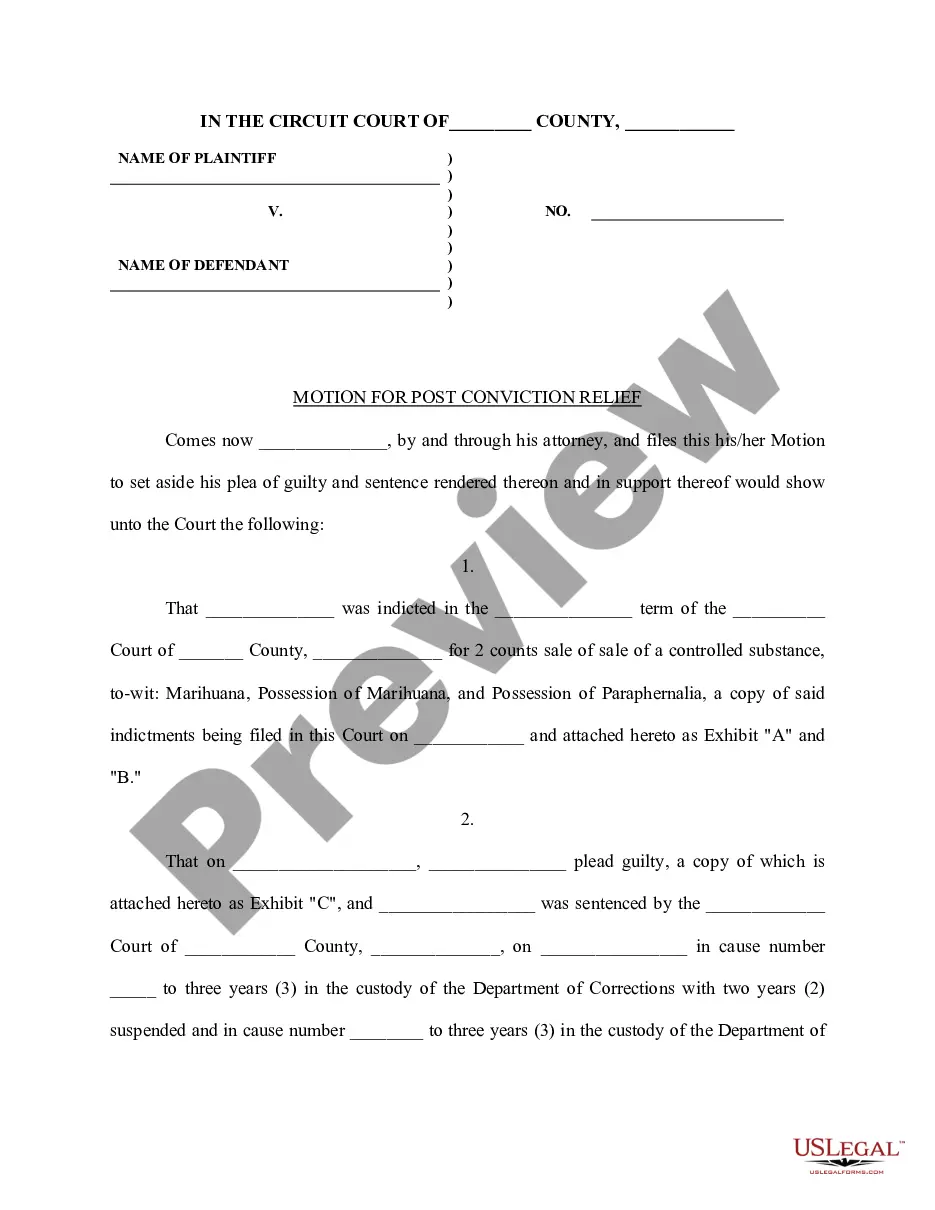
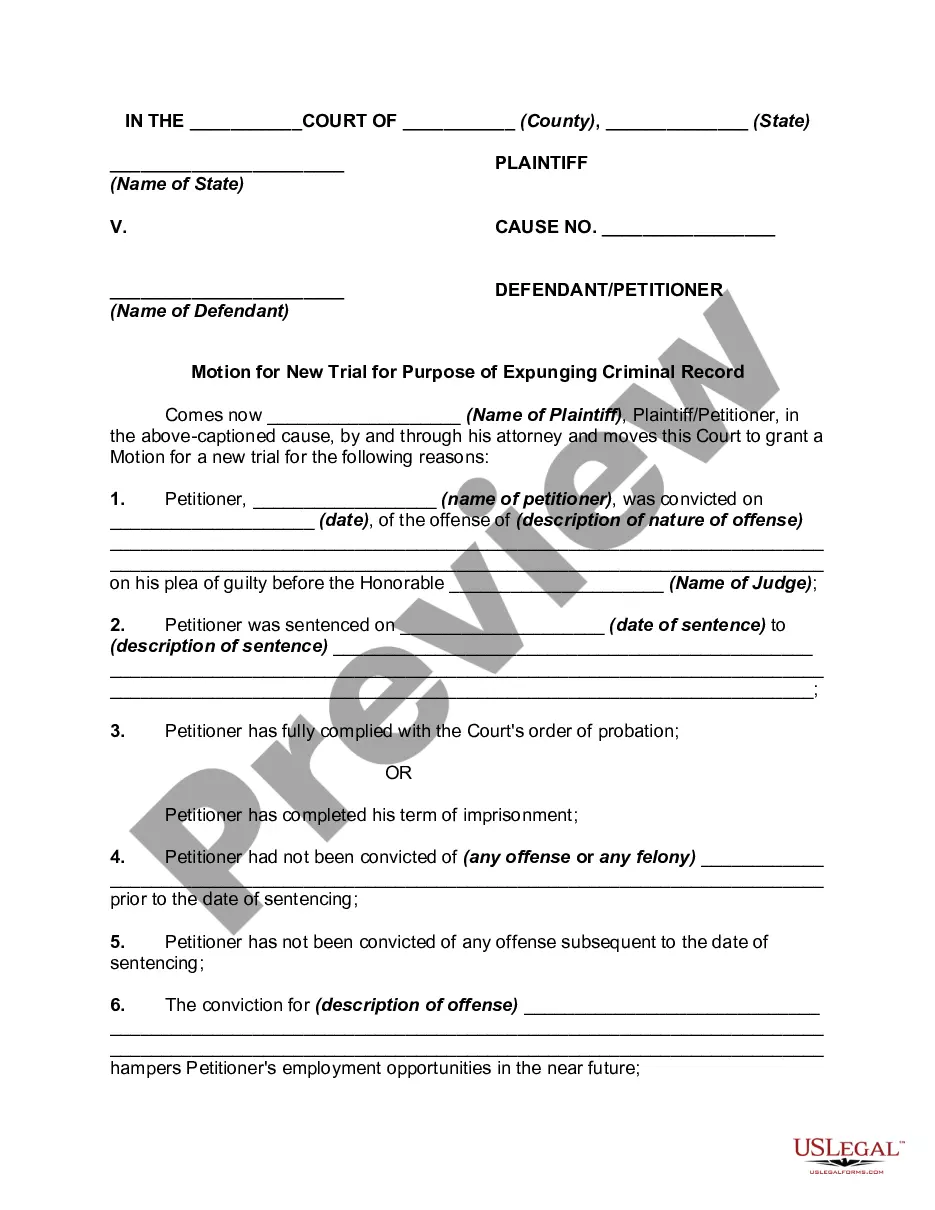
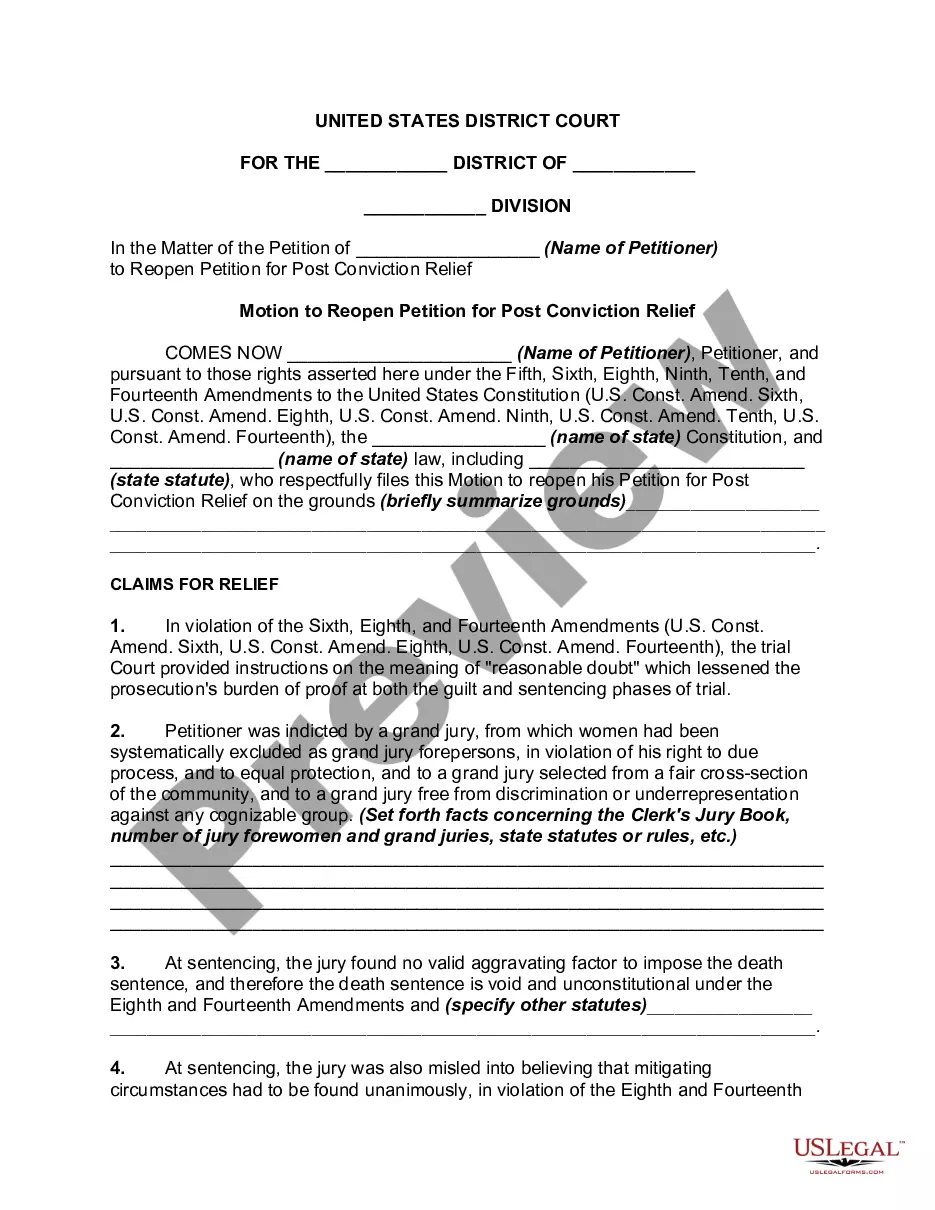
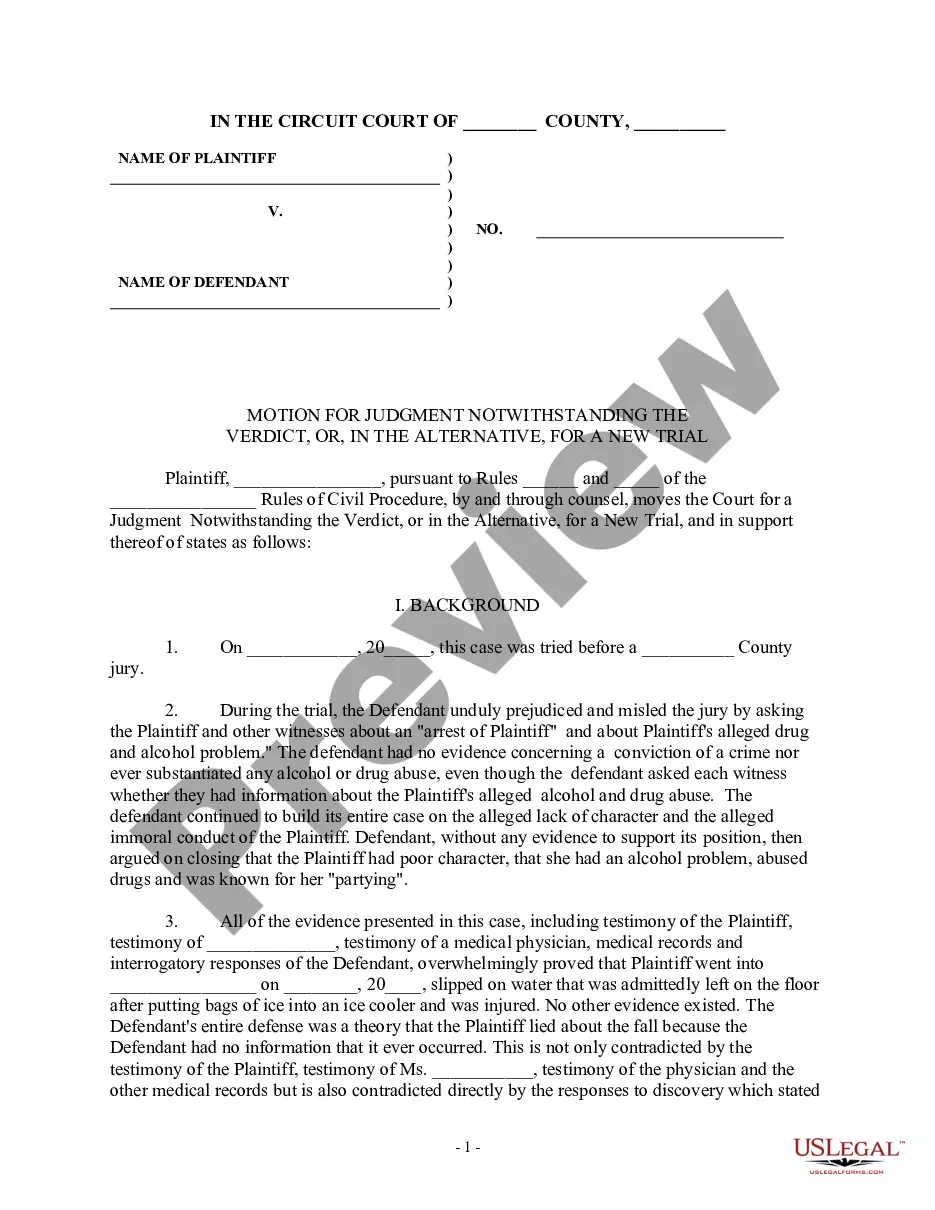
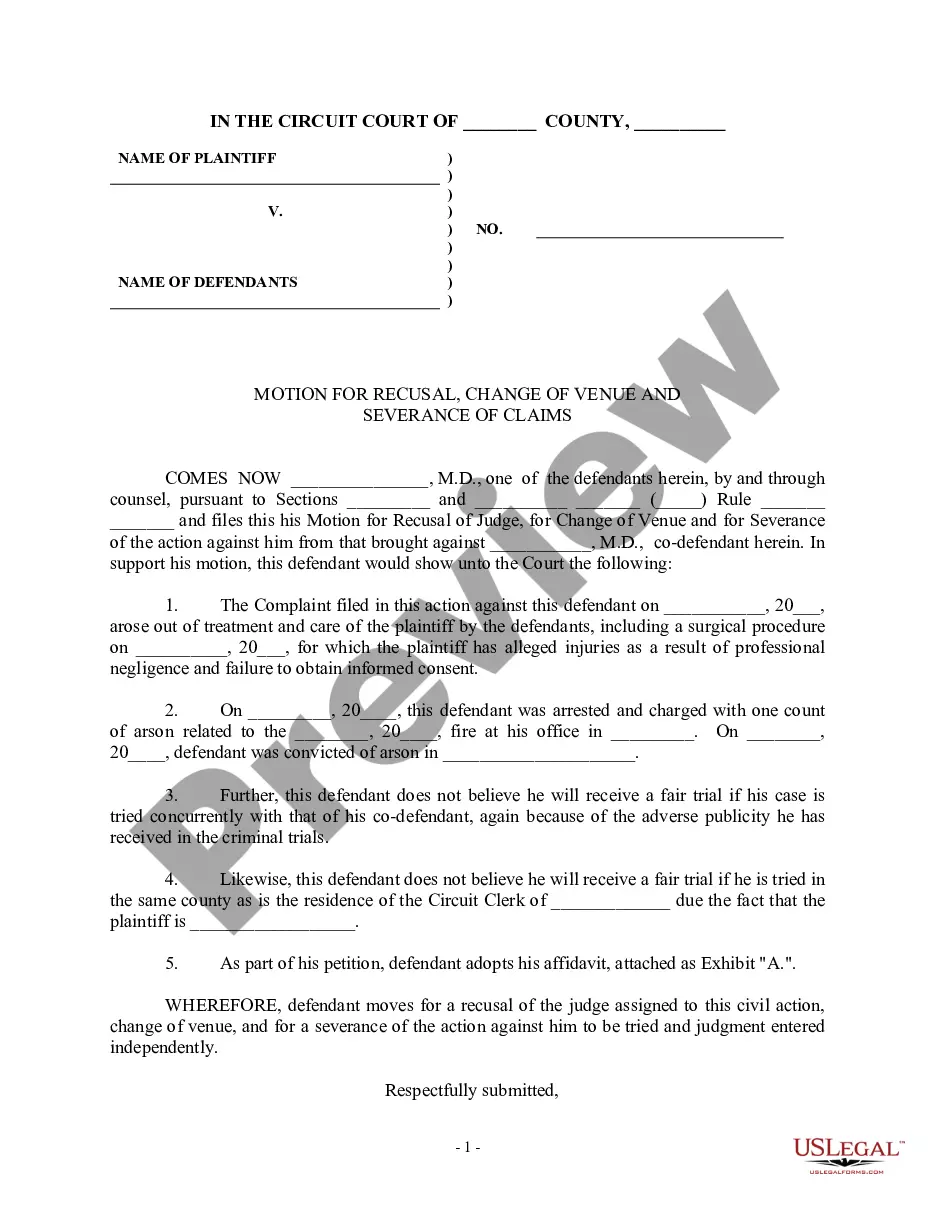
Get your form ready online
Our built-in tools help you complete, sign, share, and store your documents in one place.
Make edits, fill in missing information, and update formatting in US Legal Forms—just like you would in MS Word.
Download a copy, print it, send it by email, or mail it via USPS—whatever works best for your next step.
Sign and collect signatures with our SignNow integration. Send to multiple recipients, set reminders, and more. Go Premium to unlock E-Sign.
If this form requires notarization, complete it online through a secure video call—no need to meet a notary in person or wait for an appointment.
We protect your documents and personal data by following strict security and privacy standards.

Make edits, fill in missing information, and update formatting in US Legal Forms—just like you would in MS Word.

Download a copy, print it, send it by email, or mail it via USPS—whatever works best for your next step.

Sign and collect signatures with our SignNow integration. Send to multiple recipients, set reminders, and more. Go Premium to unlock E-Sign.

If this form requires notarization, complete it online through a secure video call—no need to meet a notary in person or wait for an appointment.

We protect your documents and personal data by following strict security and privacy standards.
Looking for another form?




How to fill out Motion For New Trial?
Regardless of whether it's for professional reasons or personal matters, everyone will undoubtedly face legal circumstances at some point in life.
Completing legal paperwork requires meticulous care, starting with selecting the correct form template.
Choose the file format you desire and download the Defendant Court Motion Without An Angle. Once saved, you can fill out the form using editing software or print it to complete it manually. With an extensive US Legal Forms catalog readily available, you won't need to waste time searching for the right template online. Take advantage of the library’s intuitive navigation to find the appropriate form for any circumstance.
- For example, if you choose an incorrect version of a Defendant Court Motion Without An Angle, it will be rejected upon submission.
- Thus, it's crucial to obtain a trustworthy source of legal forms such as US Legal Forms.
- To acquire a Defendant Court Motion Without An Angle template, follow these simple instructions.
- Retrieve the sample you need by utilizing the search field or navigating the catalog.
- Review the form’s description to ensure it corresponds with your requirements, state, and county.
- Click on the form’s preview to examine it.
- If it’s the incorrect form, return to the search feature to find the Defendant Court Motion Without An Angle template you require.
- Download the template if it meets your specifications.
- If you already possess a US Legal Forms account, click Log in to access previously saved documents in My documents.
- If you don’t yet have an account, you can acquire the form by clicking Buy now.
- Select the appropriate pricing option.
- Fill out the profile registration form.
- Choose your payment method: use a credit card or PayPal.
Form popularity
FAQ
A defense motion is a request made by the defense attorney on behalf of the defendant. This motion can aim to protect the defendant's rights and challenge the prosecution's case. Such motions can significantly impact the strategy used in court. Understanding defense motions provides the defendant with essential tools for navigating their legal journey.
There are several different types of post-judgment motions, but the most common are motions for new trial, motions to vacate, and motions to set-aside. Motions for new trial, motions to vacate, and motions to set-aside are the three most common post-judgment motions.
Declaration Opposing the Motion It must either be typed on pleading paper or written or typed on Judicial Council Form MC-030, present facts within your (or some other declarant's) personal knowledge and be signed by you (or the other declarant) under penalty of perjury.
You must include a summary of the legal basis for your opposition, explain the reason you are opposing the motion, and state what you would like the judge to order.
Motion to dismiss. ... Discovery motions. ... Motion to compel. ... Motion to strike. ... Motion for summary judgment. ... Motion for a directed verdict. ... Motion for nolle prosequi. ... Motion in Limine.
Be as persuasive as possible as you write your motion in a sequential, logical format. Express your ideas clearly, and make sure you outline what steps are necessary and how they will help your case. Use facts of the case whenever you can to avoid baseless emotional appeals.