Criminal Trial Process For Theft
Description
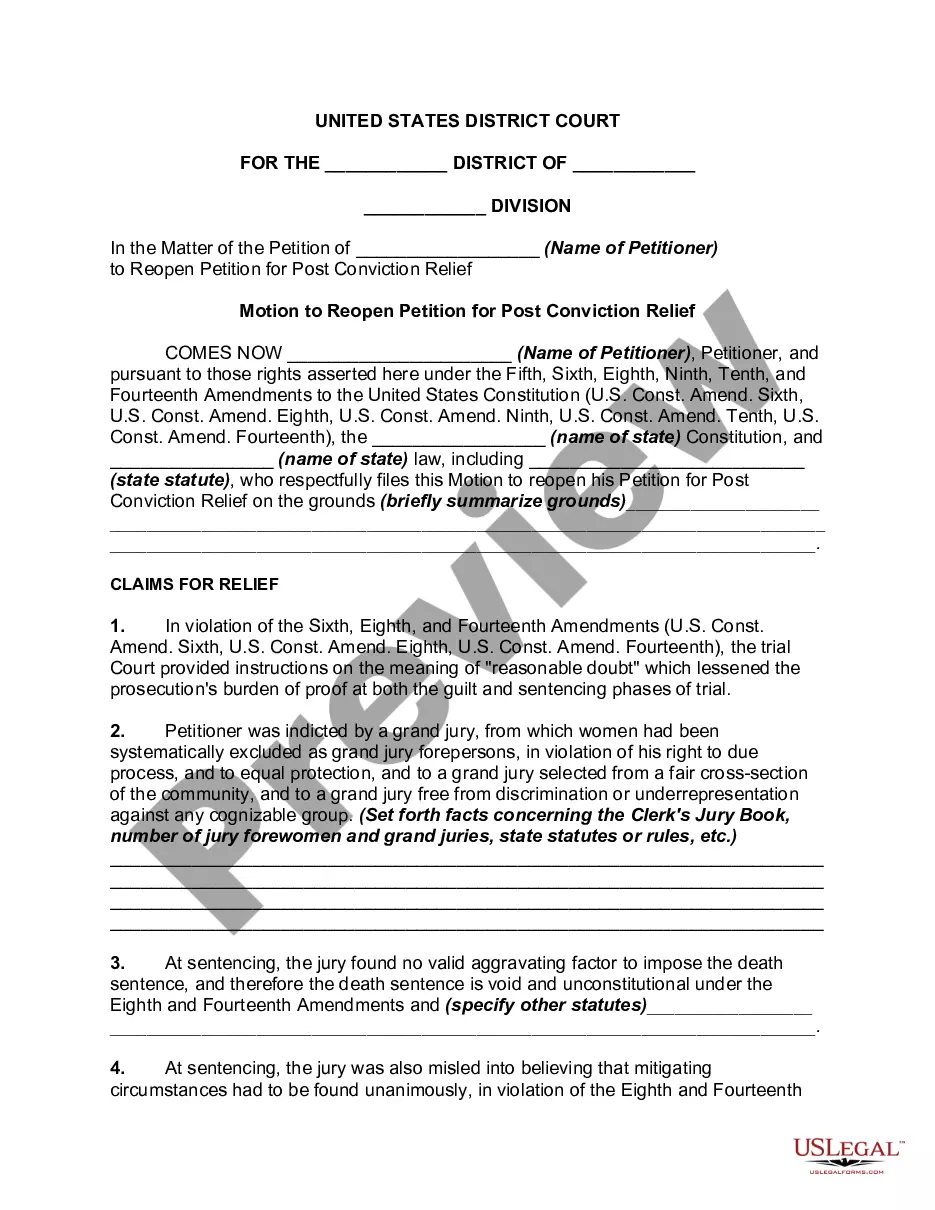
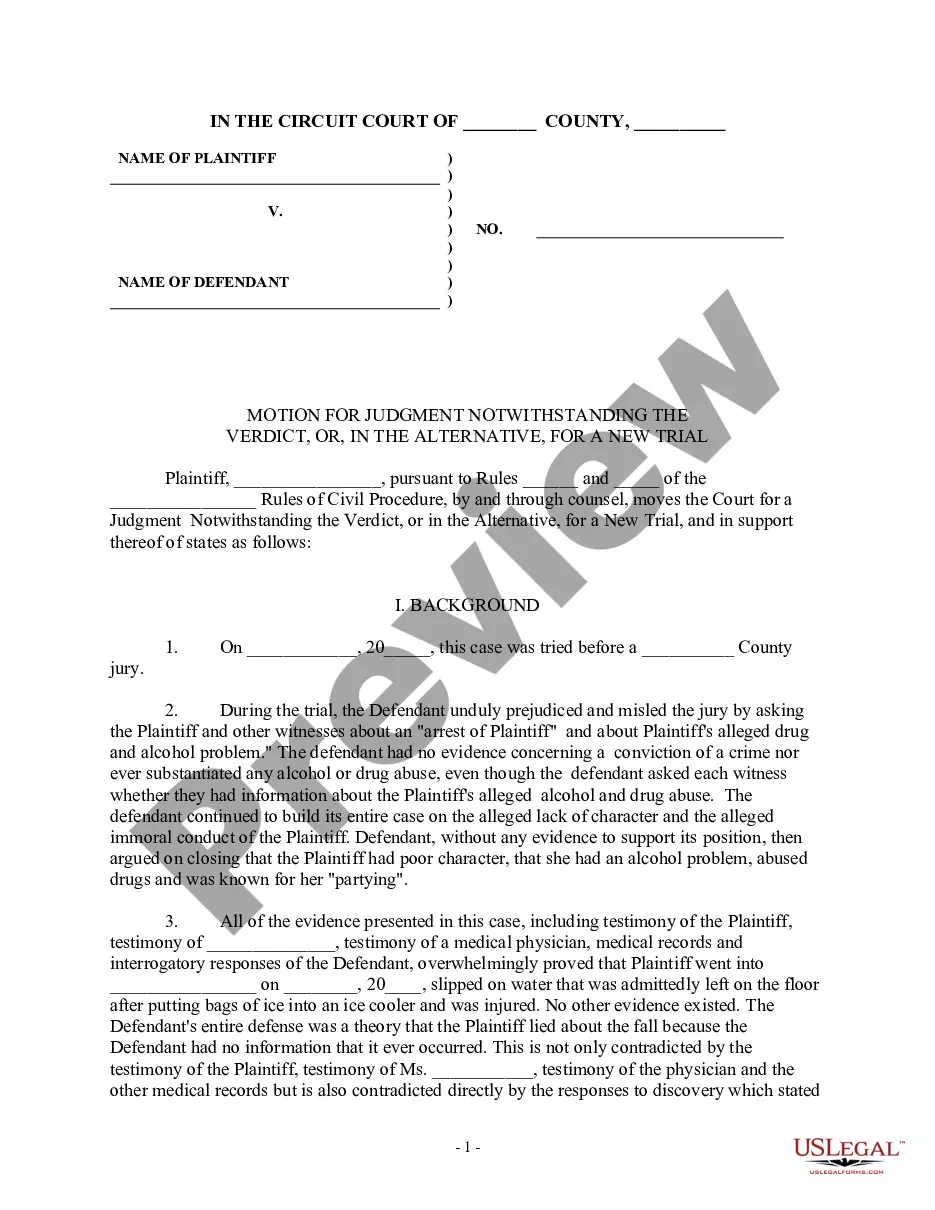
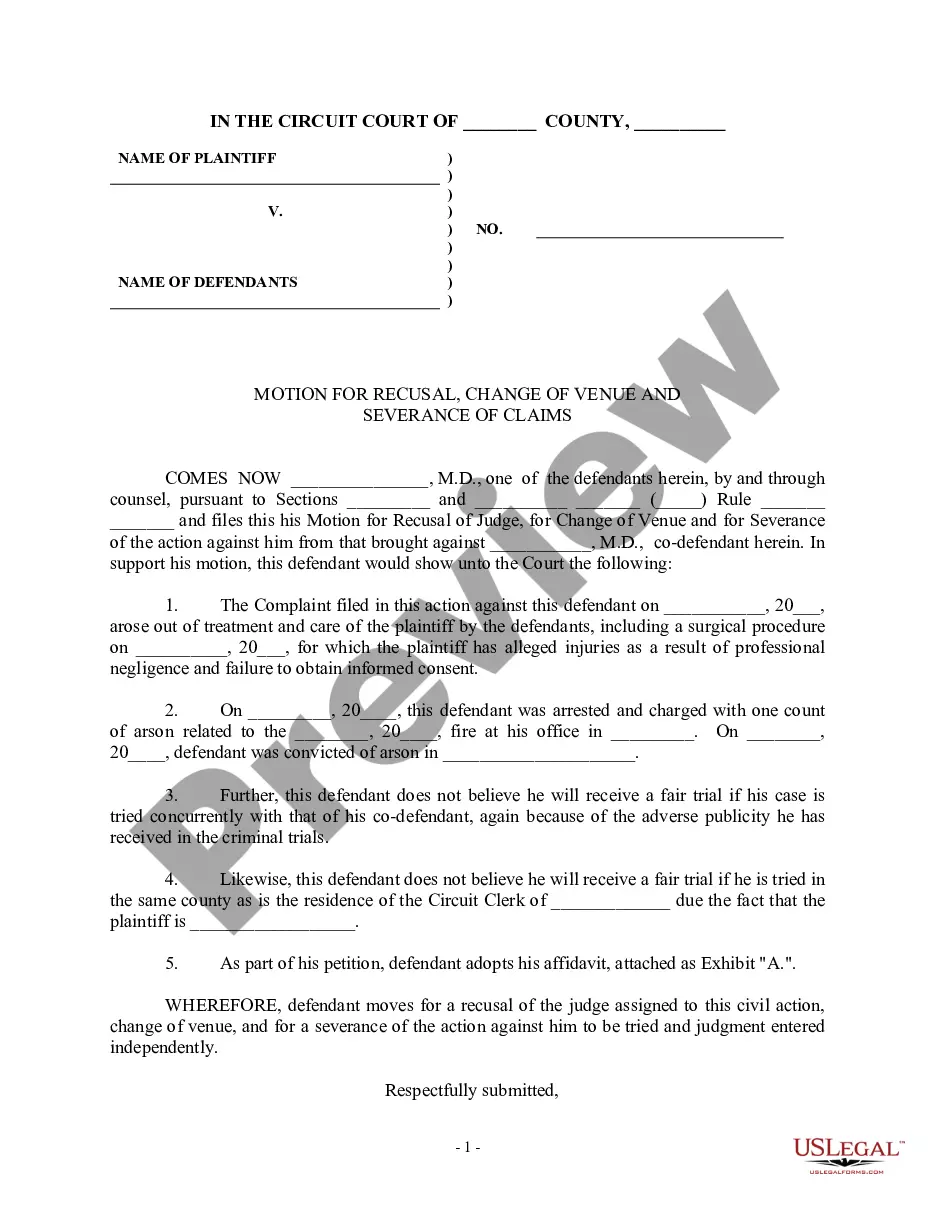
Get your form ready online
Our built-in tools help you complete, sign, share, and store your documents in one place.
Make edits, fill in missing information, and update formatting in US Legal Forms—just like you would in MS Word.
Download a copy, print it, send it by email, or mail it via USPS—whatever works best for your next step.
Sign and collect signatures with our SignNow integration. Send to multiple recipients, set reminders, and more. Go Premium to unlock E-Sign.
If this form requires notarization, complete it online through a secure video call—no need to meet a notary in person or wait for an appointment.
We protect your documents and personal data by following strict security and privacy standards.

Make edits, fill in missing information, and update formatting in US Legal Forms—just like you would in MS Word.

Download a copy, print it, send it by email, or mail it via USPS—whatever works best for your next step.

Sign and collect signatures with our SignNow integration. Send to multiple recipients, set reminders, and more. Go Premium to unlock E-Sign.

If this form requires notarization, complete it online through a secure video call—no need to meet a notary in person or wait for an appointment.

We protect your documents and personal data by following strict security and privacy standards.
Looking for another form?
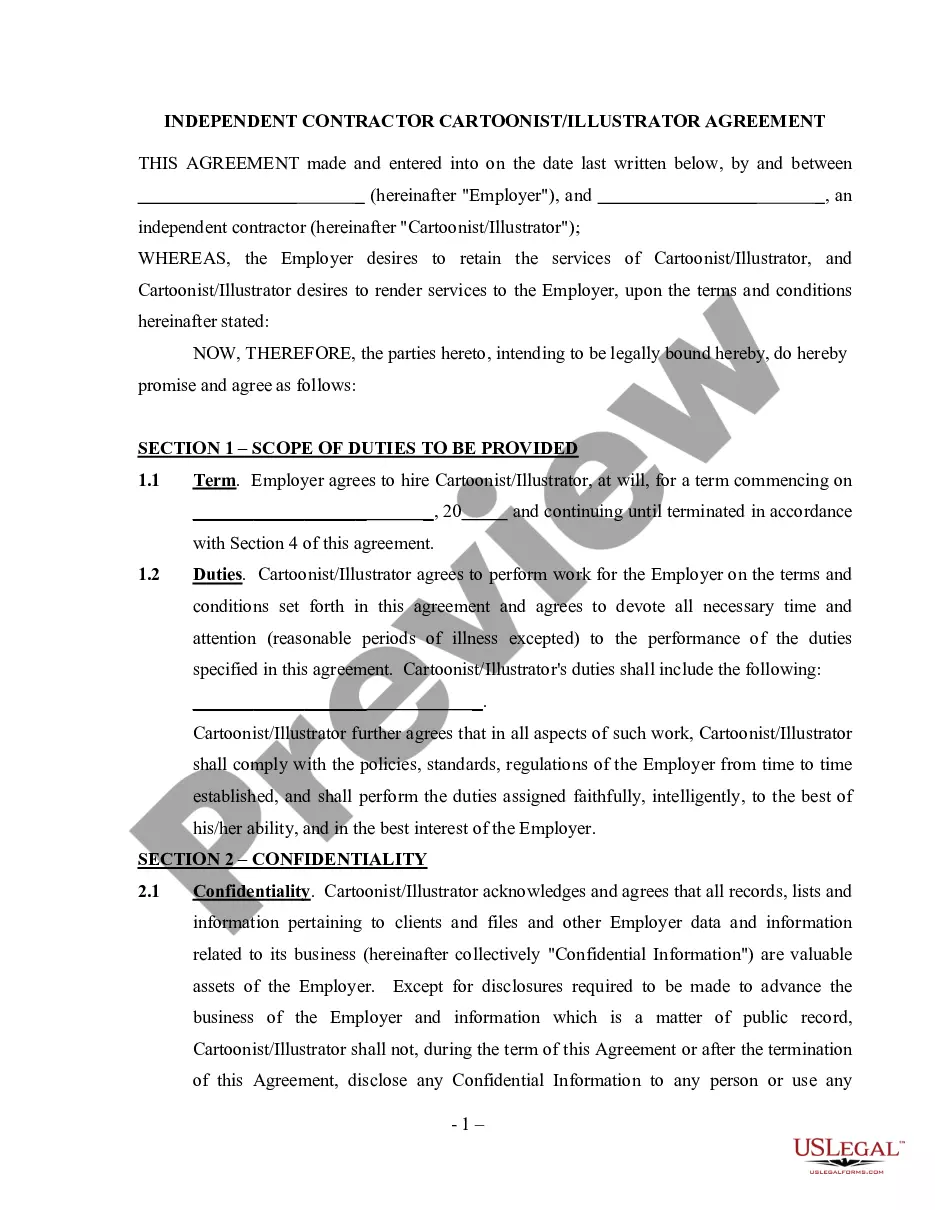

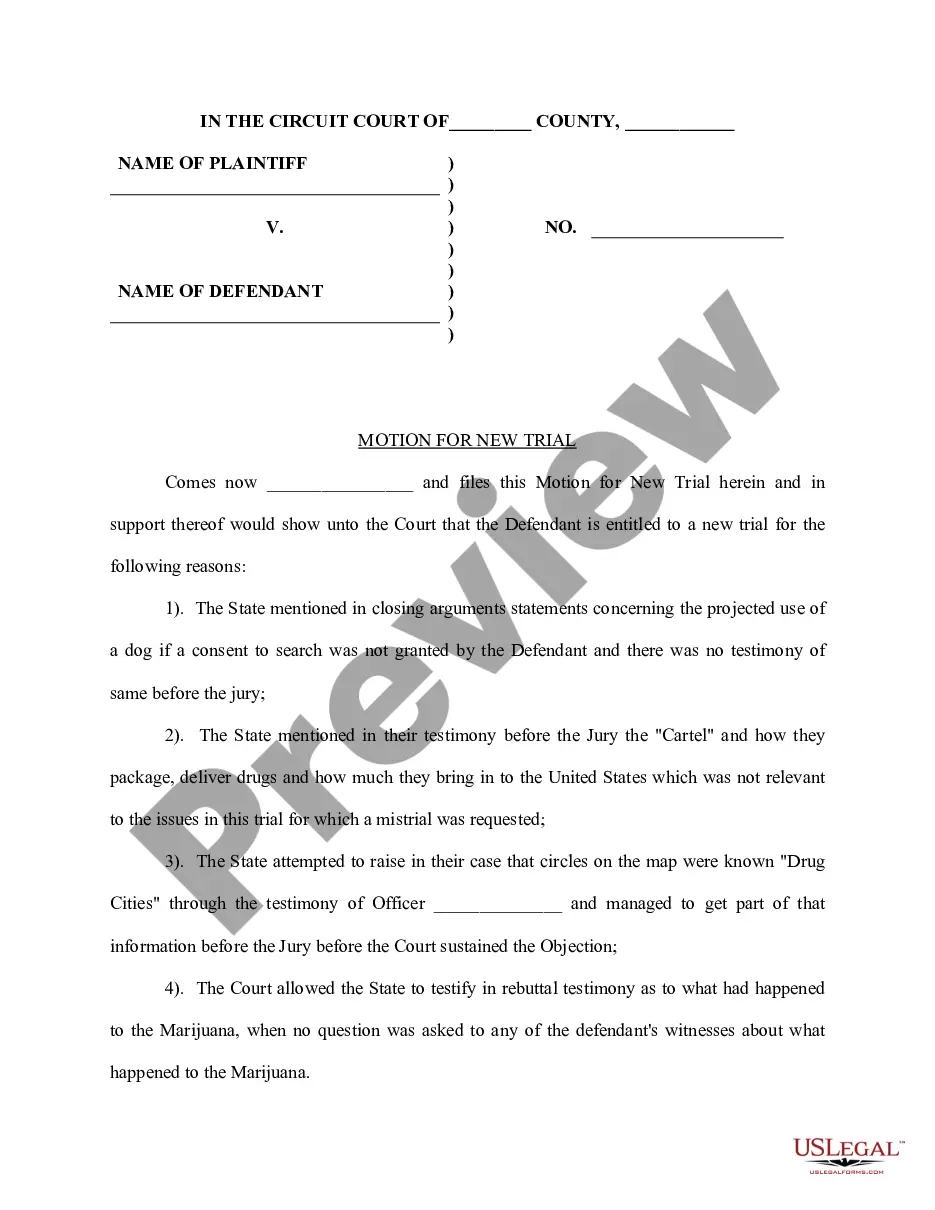
How to fill out Motion For New Trial?
- Log in to your US Legal Forms account if you're a returning user. Ensure your subscription is active for an uninterrupted experience.
- Preview available form templates to confirm they meet your specific legal needs and comply with local jurisdiction standards.
- If the forms are insufficient, utilize the search feature to locate additional templates that meet your requirements.
- Select the desired document by clicking the Buy Now button and choose your subscription plan to gain access to the library.
- Complete your purchase by entering your payment information, either through credit card or PayPal.
- Download the necessary forms directly to your device, ensuring they are readily available in the My Forms section of your account for easy future access.
By utilizing US Legal Forms, you gain access to a diverse collection of legal templates along with expert assistance, ensuring your documents are accurate and compliant.
Don’t hesitate to empower yourself with the right legal tools. Start today by signing up for US Legal Forms and make the criminal trial process for theft easier!
Form popularity
FAQ
Winning a theft case requires a solid understanding of the criminal trial process for theft and strategic planning. You must present strong evidence to counter the prosecution's claims and illustrate your innocence. Consulting with experienced legal professionals can help develop your defense strategy. Additionally, using platforms like USLegalForms can offer valuable resources to strengthen your case.
To pursue a dismissal of a theft case in the criminal trial process, you may argue for a lack of evidence or constitutional violations during the arrest. Filing a motion to dismiss can be effective if it highlights these issues. Seeking the support of a legal expert can enhance your chances of success. Utilizing resources from USLegalForms can provide you with essential templates and guidance.
The criminal trial process for theft generally follows five key steps: jury selection, opening statements, presentation of evidence, closing arguments, and jury deliberation. During jury selection, both sides choose impartial jurors. Following this, attorneys present their cases, allowing witnesses to testify and evidence to be examined. Each side then concludes with closing arguments before the jury decides the verdict.
To effectively navigate the criminal trial process for theft, you need compelling evidence. This usually includes witness testimonies, security footage, and any documents linking the accused to the crime. Additionally, possession of stolen property can serve as vital evidence. Gathering this evidence early can strengthen your case.
The criminal trial process for theft involves five main steps: investigation, charging, arraignment, trial, and appeal. Initially, investigators gather evidence to establish a case. After the charges are filed, the defendant appears at arraignment to enter a plea. If the case advances to trial, both the prosecution and defense present their arguments. Lastly, if either party disputes the outcome, they can pursue an appeal, which may lead to further examination of the case.
To get a theft case dismissed, your attorney can file a motion, arguing that the evidence collected does not support the charges. It’s crucial to examine if any legal defenses apply, such as lack of intent or insufficient evidence. If you're unsure how to navigate this, the US Legal Forms platform provides valuable resources and forms to guide you through the criminal trial process for theft, ensuring your defense is well-prepared.
The criminal trial process for theft consists of five key stages: investigation, arrest, arraignment, trial, and sentencing. First, law enforcement investigates to gather evidence. Next, an arrest occurs based on probable cause. After that, the defendant is formally charged and appears at an arraignment to enter a plea. Finally, if the case goes to trial, a judge or jury will determine guilt or innocence, leading to sentencing if found guilty.
Before a criminal trial begins, essential steps include the investigation of charges, legal representation hiring, and the gathering of witness statements. Additionally, pre-trial motions can clarify legal issues before entering the courtroom. Understanding these preliminary actions is fundamental in navigating the criminal trial process for theft confidently.
At trial, the process entails jury selection, opening statements, presenting evidence, closing arguments, and the verdict announcement. Following these steps is crucial for both sides to effectively communicate their case. Knowing these elements of the criminal trial process for theft can offer reassurance when facing legal proceedings.
Before a criminal trial begins, steps include the filing of charges, arraignment, pre-trial motions, and discovery. Each stage prepares the case for trial, allowing both parties to understand the evidence and arguments. Using resources from US Legal Forms can help clarify these processes for anyone unfamiliar with the criminal trial process for theft.