Court On Its Own Motion Vs State
Description
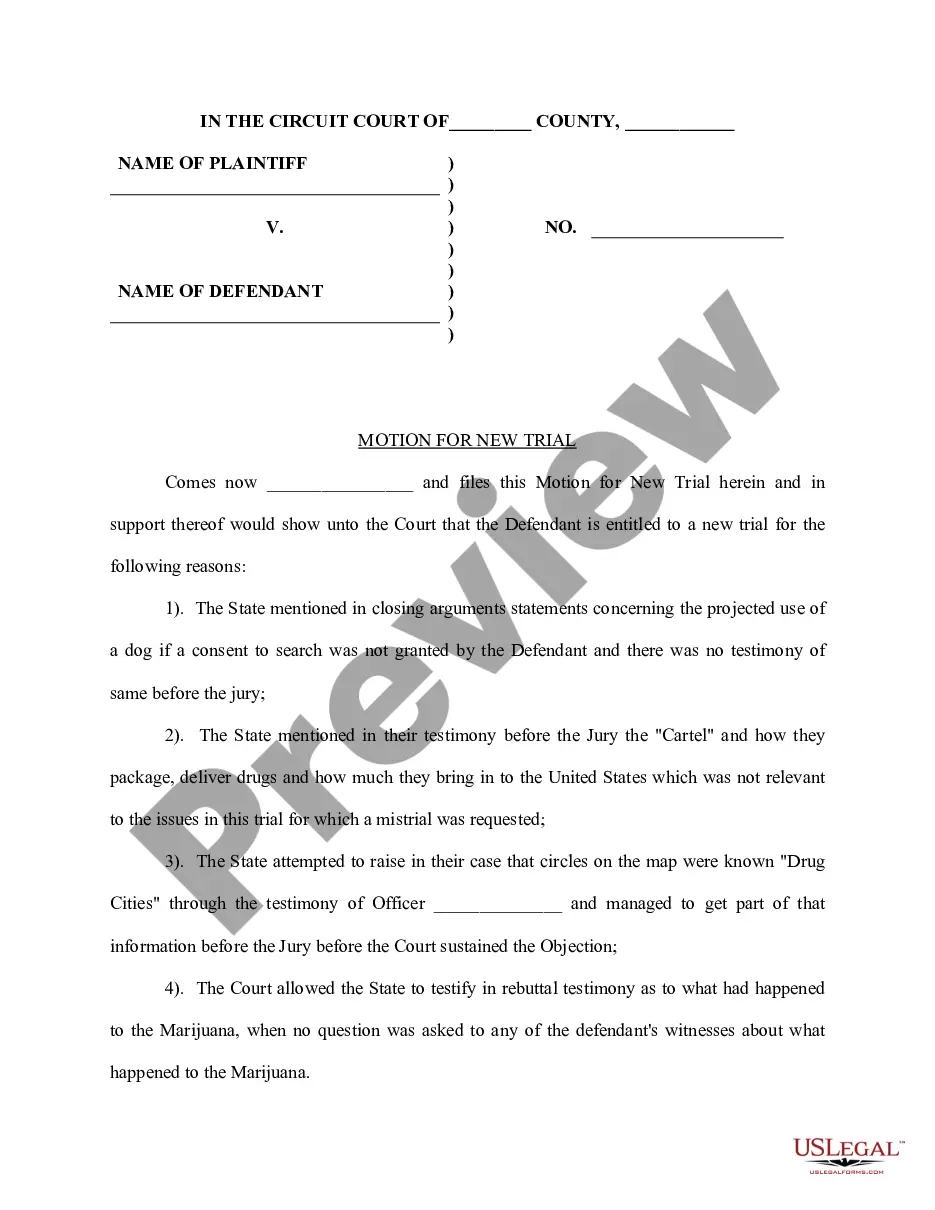
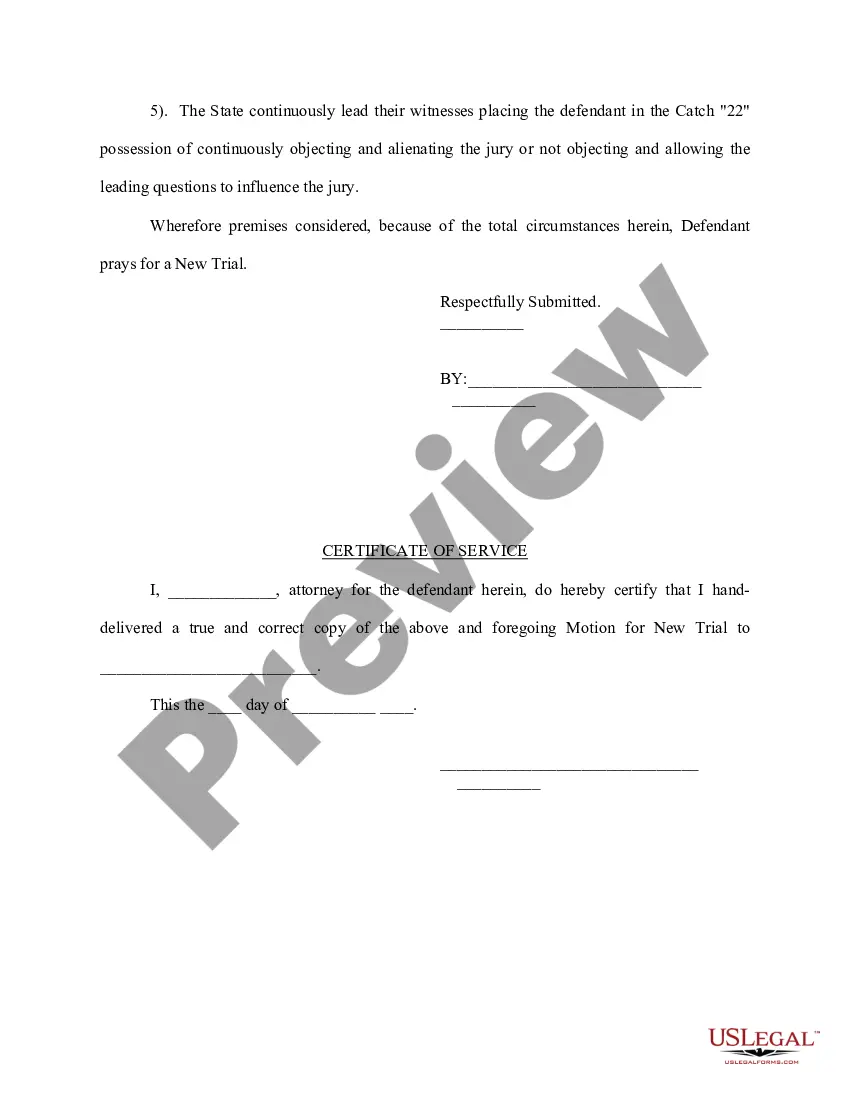
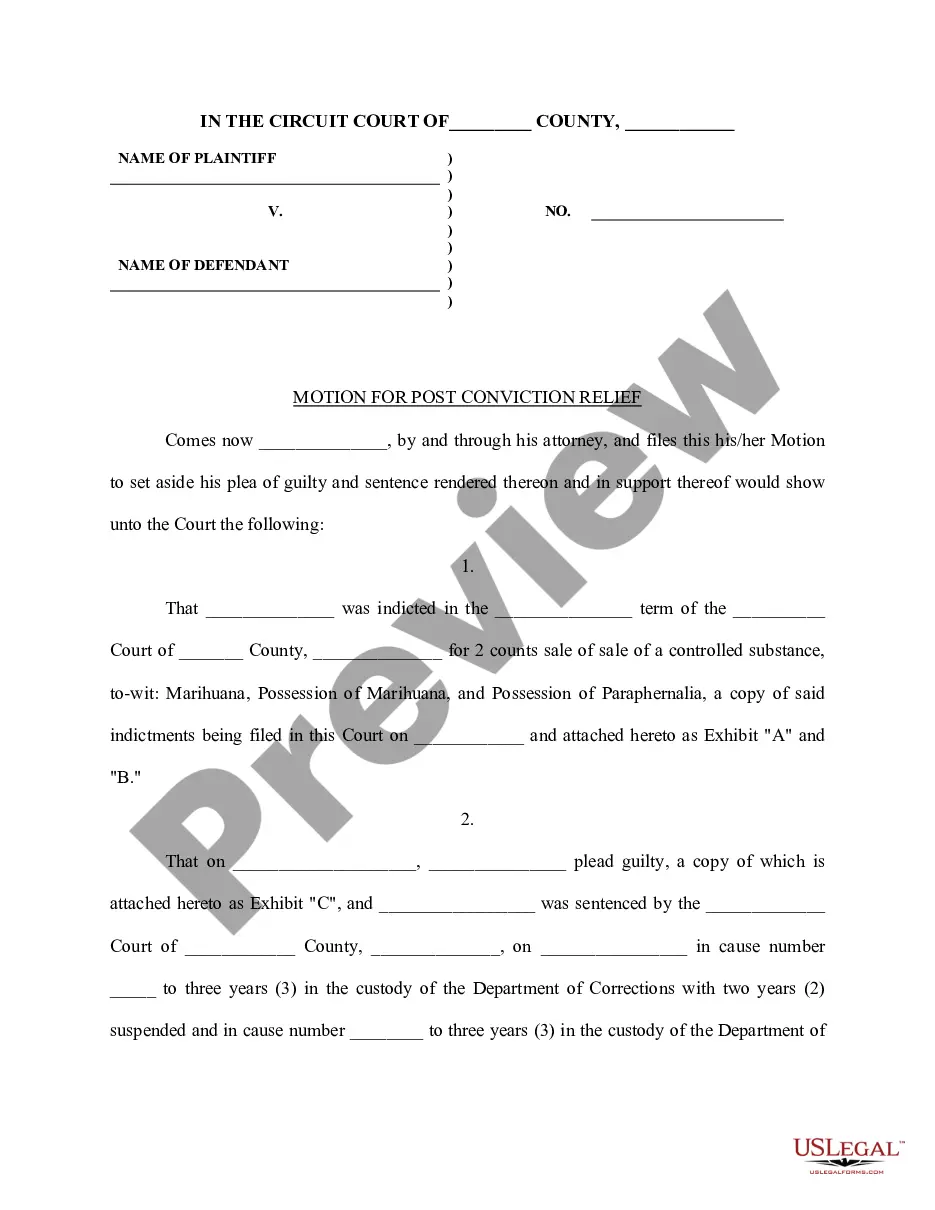
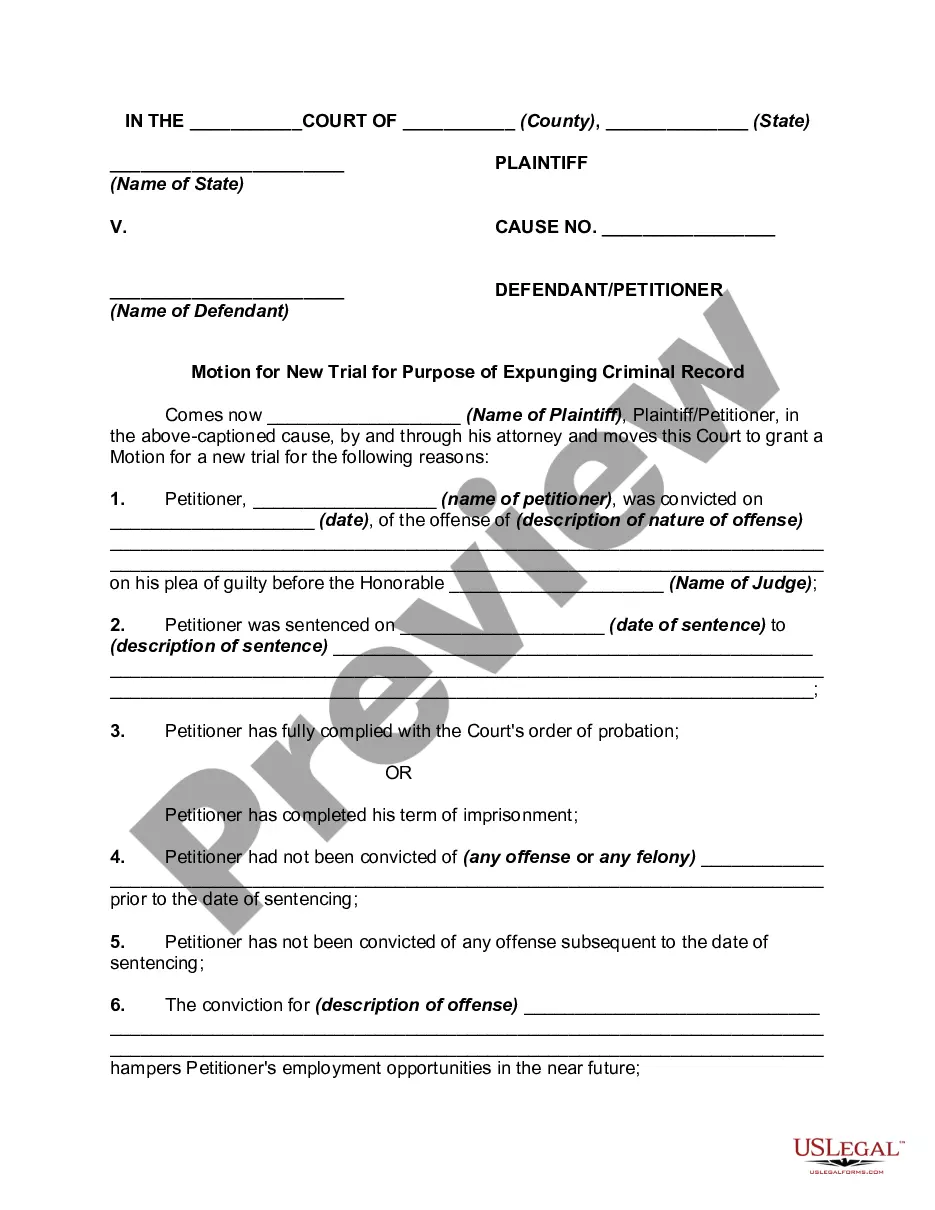
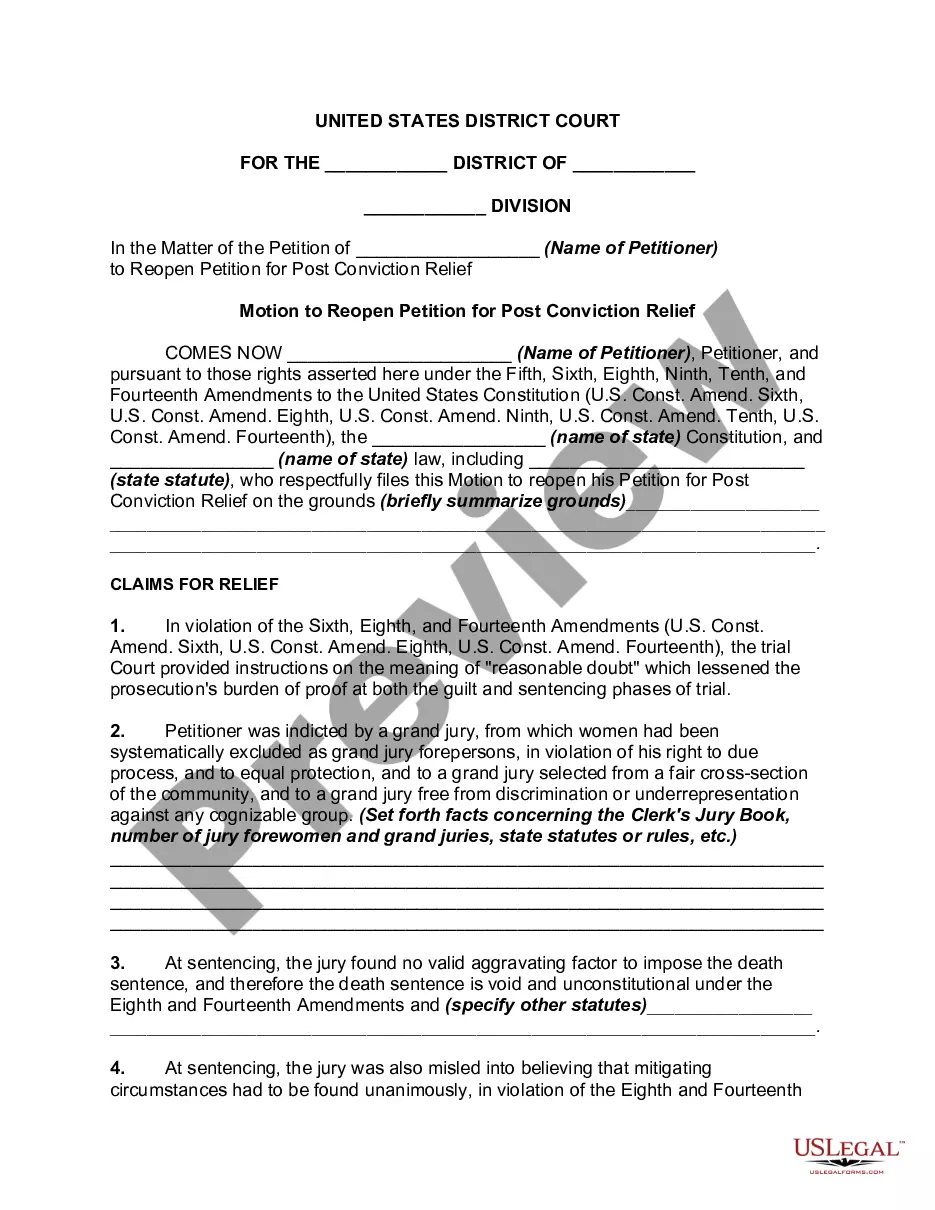
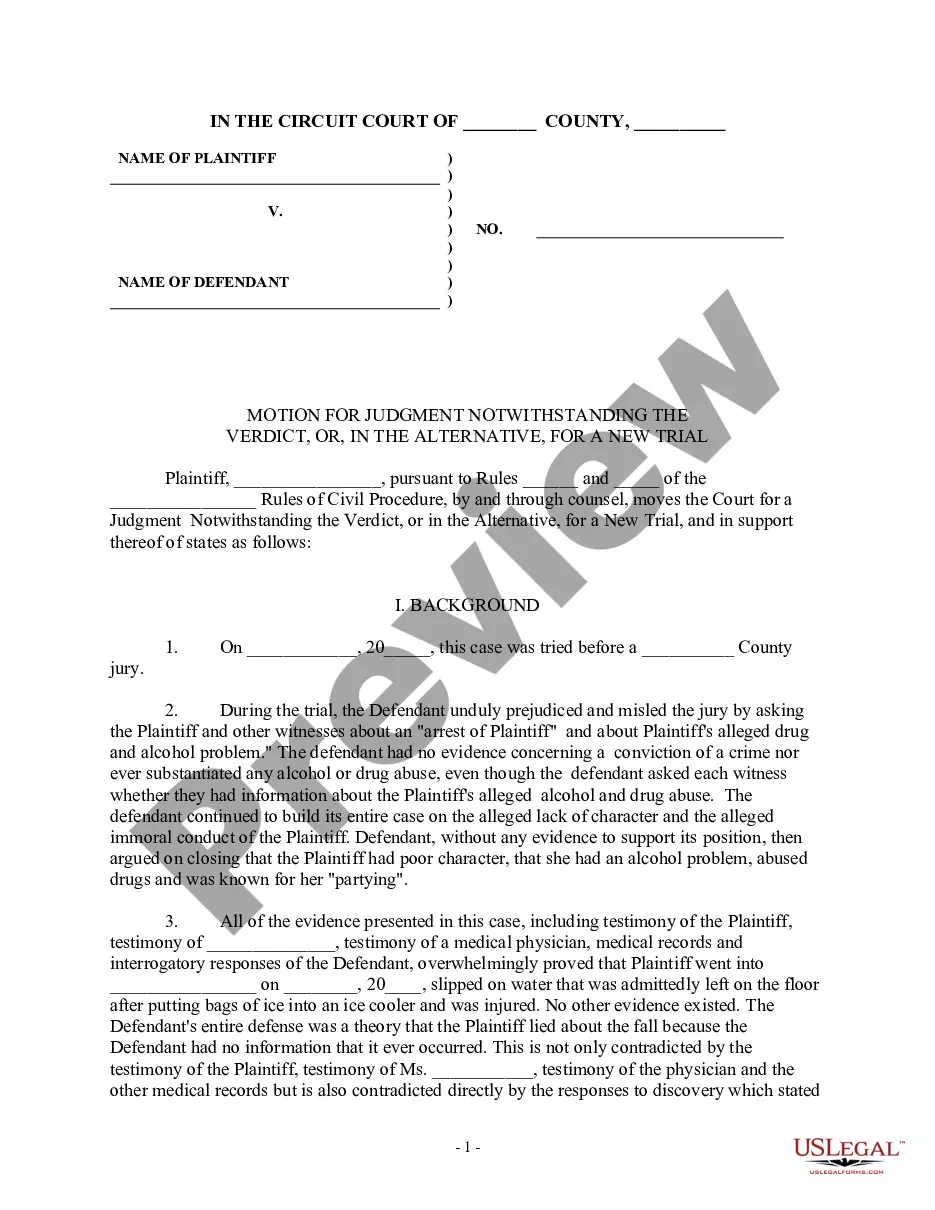
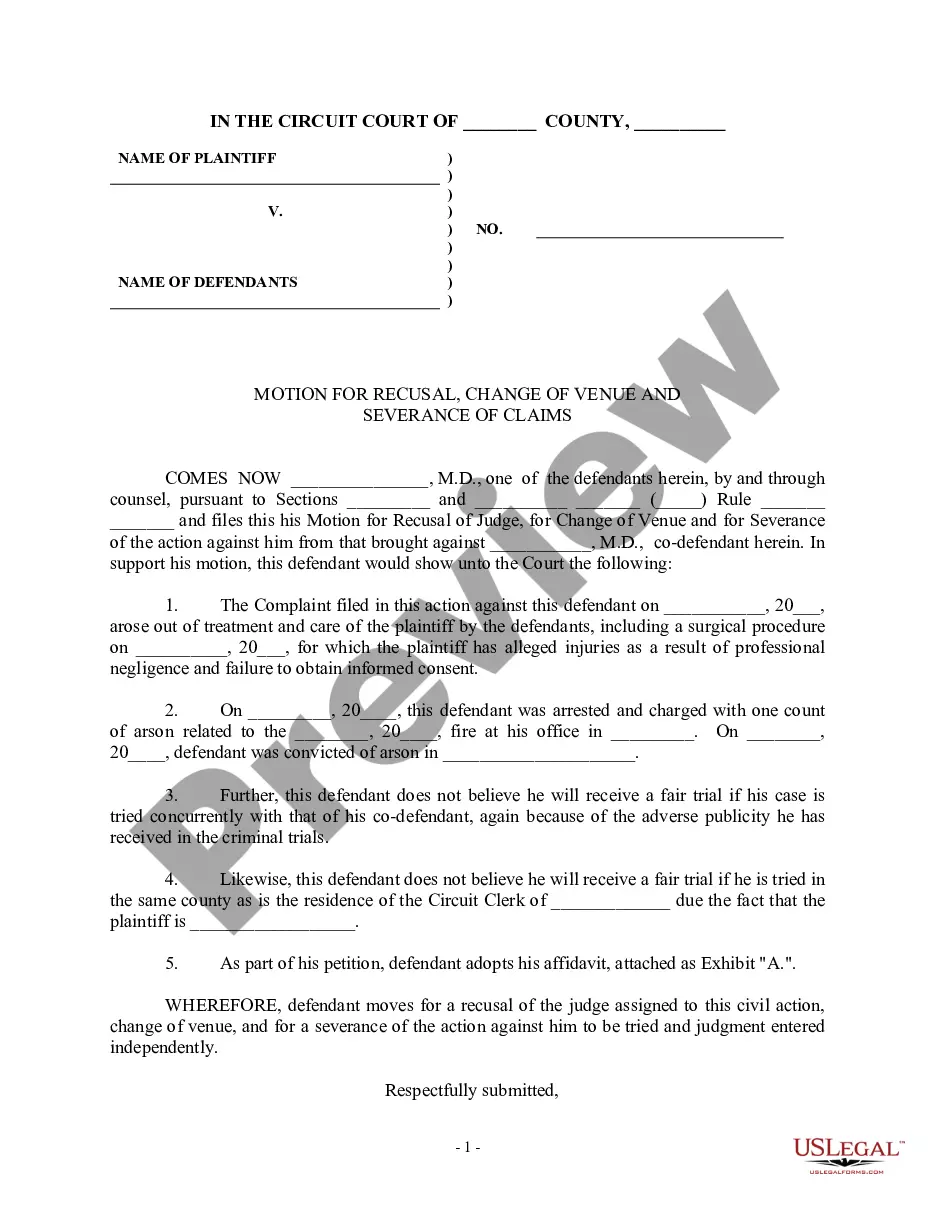
Get your form ready online
Our built-in tools help you complete, sign, share, and store your documents in one place.
Make edits, fill in missing information, and update formatting in US Legal Forms—just like you would in MS Word.
Download a copy, print it, send it by email, or mail it via USPS—whatever works best for your next step.
Sign and collect signatures with our SignNow integration. Send to multiple recipients, set reminders, and more. Go Premium to unlock E-Sign.
If this form requires notarization, complete it online through a secure video call—no need to meet a notary in person or wait for an appointment.
We protect your documents and personal data by following strict security and privacy standards.

Make edits, fill in missing information, and update formatting in US Legal Forms—just like you would in MS Word.

Download a copy, print it, send it by email, or mail it via USPS—whatever works best for your next step.

Sign and collect signatures with our SignNow integration. Send to multiple recipients, set reminders, and more. Go Premium to unlock E-Sign.

If this form requires notarization, complete it online through a secure video call—no need to meet a notary in person or wait for an appointment.

We protect your documents and personal data by following strict security and privacy standards.
Looking for another form?

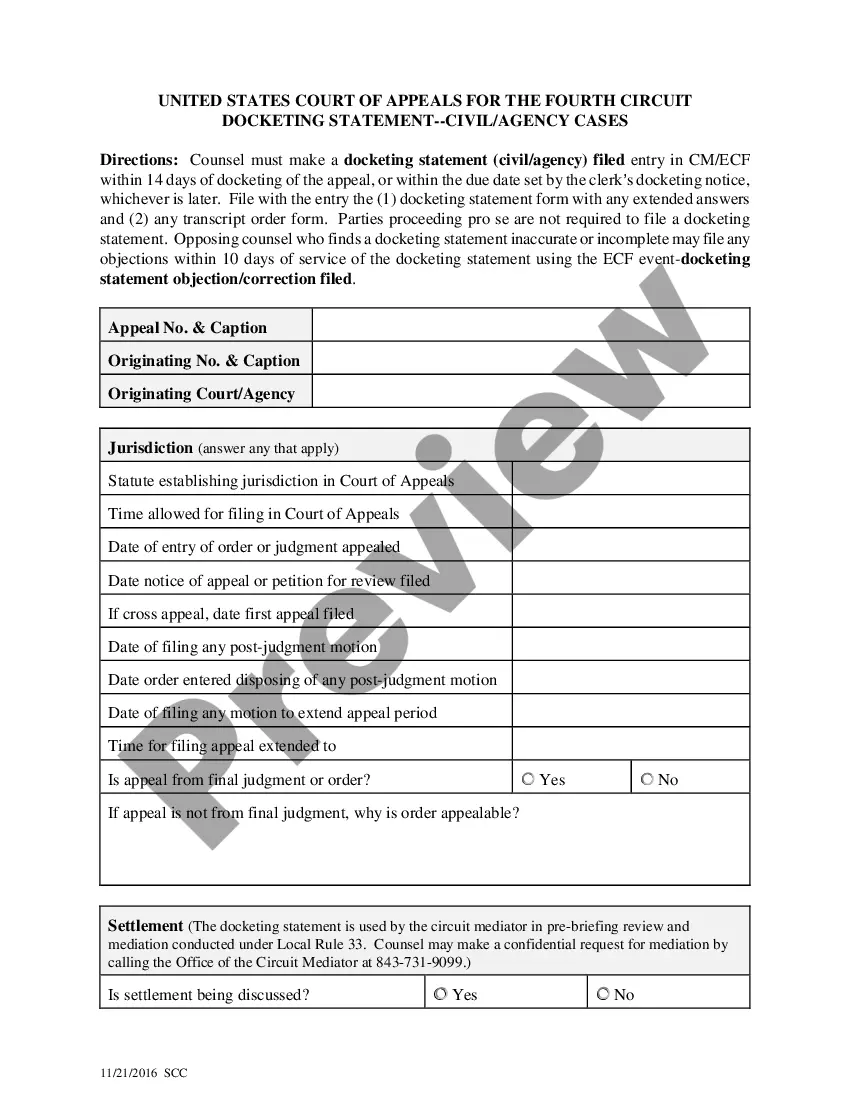




How to fill out Motion For New Trial?
Whether for corporate needs or for personal affairs, everyone must confront legal circumstances at some point in their lives.
Filling out legal paperwork demands meticulous attention, commencing with picking the appropriate form example.
After downloading, you can fill in the form using editing software or print it out and complete it by hand. With an extensive US Legal Forms catalog available, you won’t need to waste time looking for the suitable example online. Utilize the library’s user-friendly navigation to find the ideal template for any condition.
- Locate the example you require by utilizing the search bar or catalog browsing.
- Examine the description of the form to confirm it suits your circumstances, state, and county.
- Click on the form’s preview to review it.
- If it is the incorrect form, return to the search option to find the Court On Its Own Motion Vs State sample you need.
- Download the document when it aligns with your specifications.
- If you already possess a US Legal Forms account, simply click Log in to access previously stored templates in My documents.
- If you don't have an account yet, you can download the form by pressing Buy now.
- Choose the correct pricing option.
- Fill out the profile registration form.
- Select your payment method: you may use a credit card or PayPal account.
- Choose the file format you desire and download the Court On Its Own Motion Vs State.
Form popularity
FAQ
Writing a proper motion requires clarity and focus. Begin with a concise statement of what you are asking the court to do. Provide factual support and legal arguments that justify your request, ensuring that your motion aligns with the principles of court on its own motion vs state. If you're unsure about the process, consider using USLegalForms, which can guide you in drafting effective motions and ensure compliance with court requirements.
When formatting a court motion, start with a clear title that identifies the document as a 'Motion.' Include the case name and number, as well as the names of the parties involved. Next, create sections for your introduction, statement of facts, and argument. Finally, ensure you sign and date the motion before submitting it, which is a key part of understanding court on its own motion vs state.
A court order on its own motion refers to a decision made by the court independently, without a request from either party involved in a case. This typically arises when the court identifies a need to address an issue that affects the proceedings. The concept of 'court on its own motion vs state' emphasizes the court's authority to act proactively in certain situations. To navigate these complexities, USLegalForms offers comprehensive resources that help you understand your legal rights.
Representing yourself in court can be challenging, and statistics indicate that self-representation often results in lower success rates. Individuals who navigate complex legal matters without professional help may struggle, especially when considering the legal nuances involved. Understanding the differences highlighted in 'court on its own motion vs state' can be crucial. Using reliable resources, like USLegalForms, can provide valuable guidance as you prepare your case.
A court's own motion refers to a situation where the court takes action on its own initiative, without a request from either party. This often occurs to address issues or matters that the court believes require attention. Understanding this concept can be essential when dealing with cases involving court on its own motion vs state.
To file your own motions in court, first prepare your motion document according to legal guidelines. After that, visit your local court’s clerk office to file the motion. Keep in mind the different procedures and requirements that may pertain to court on its own motion vs state.
Yes, you can file a motion in court without the assistance of an attorney. However, ensure that you understand what forms to fill out and the procedures to follow, as these can vary by court. Utilizing platforms such as US Legal Forms can streamline this process and guide you through court on its own motion vs state.
The proper way to start a motion includes addressing the court correctly and stating your request clearly. Begin with the title of the motion followed by a brief introduction that outlines the purpose. Remember, when discussing procedural aspects like court on its own motion vs state, clarity and precision are vital.
Representing yourself in court can work, but outcomes often depend on the complexity of your case. Many individuals have successfully handled simple matters on their own. However, when facing serious legal issues, understanding the nuances of court on its own motion vs state can be critical, so arm yourself with proper resources or consult professionals when needed.
To file a motion on your own, start by gathering relevant information about your case. Next, write your motion clearly, stating the purpose and any supporting facts. You will need to follow specific filing procedures in your jurisdiction, so ensure you are informed about local rules regarding court on its own motion vs state.