Lease Assignment To New Landlord
Description

How to fill out Assignment Of Lease And Assumption Of Lessee's Obligations With Consent Of Lessor?
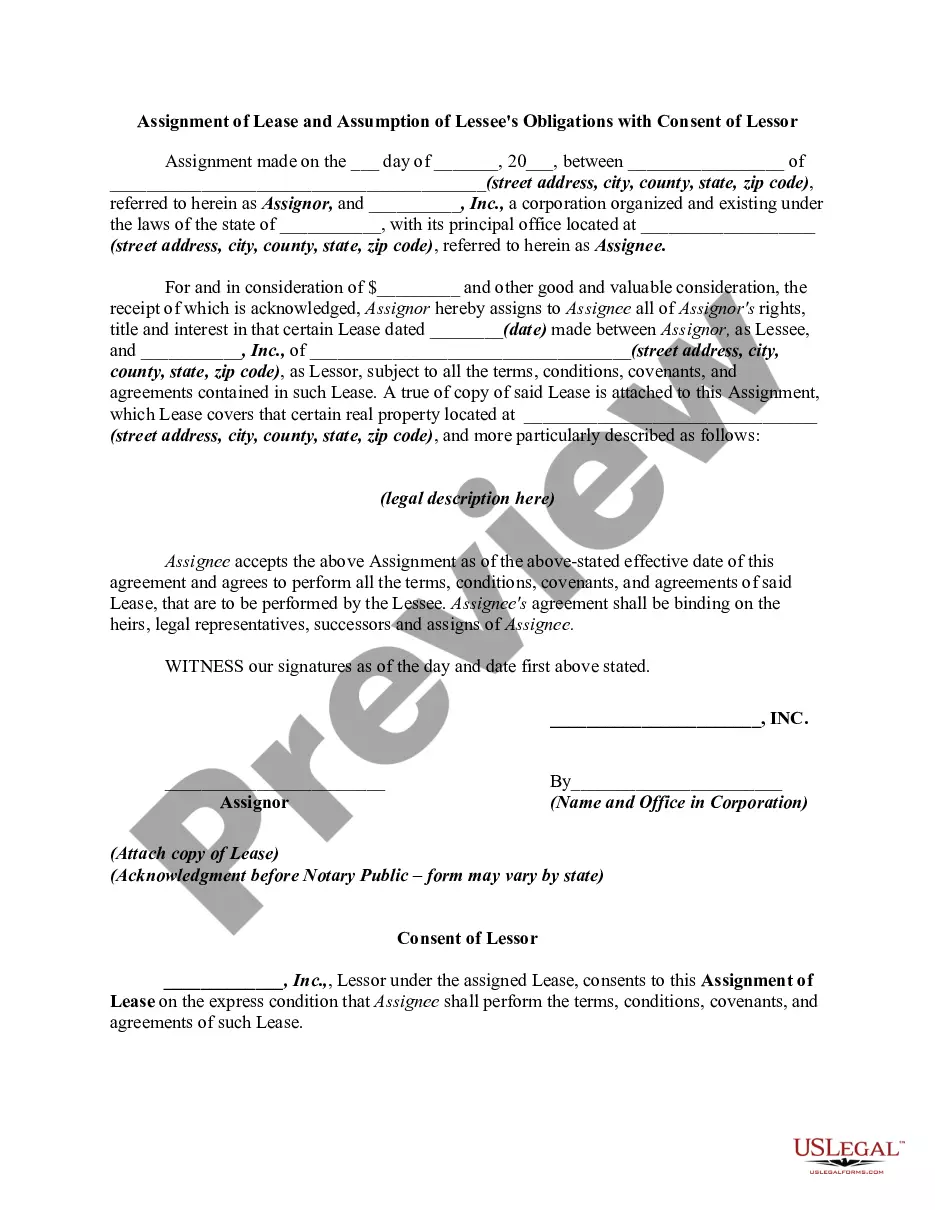
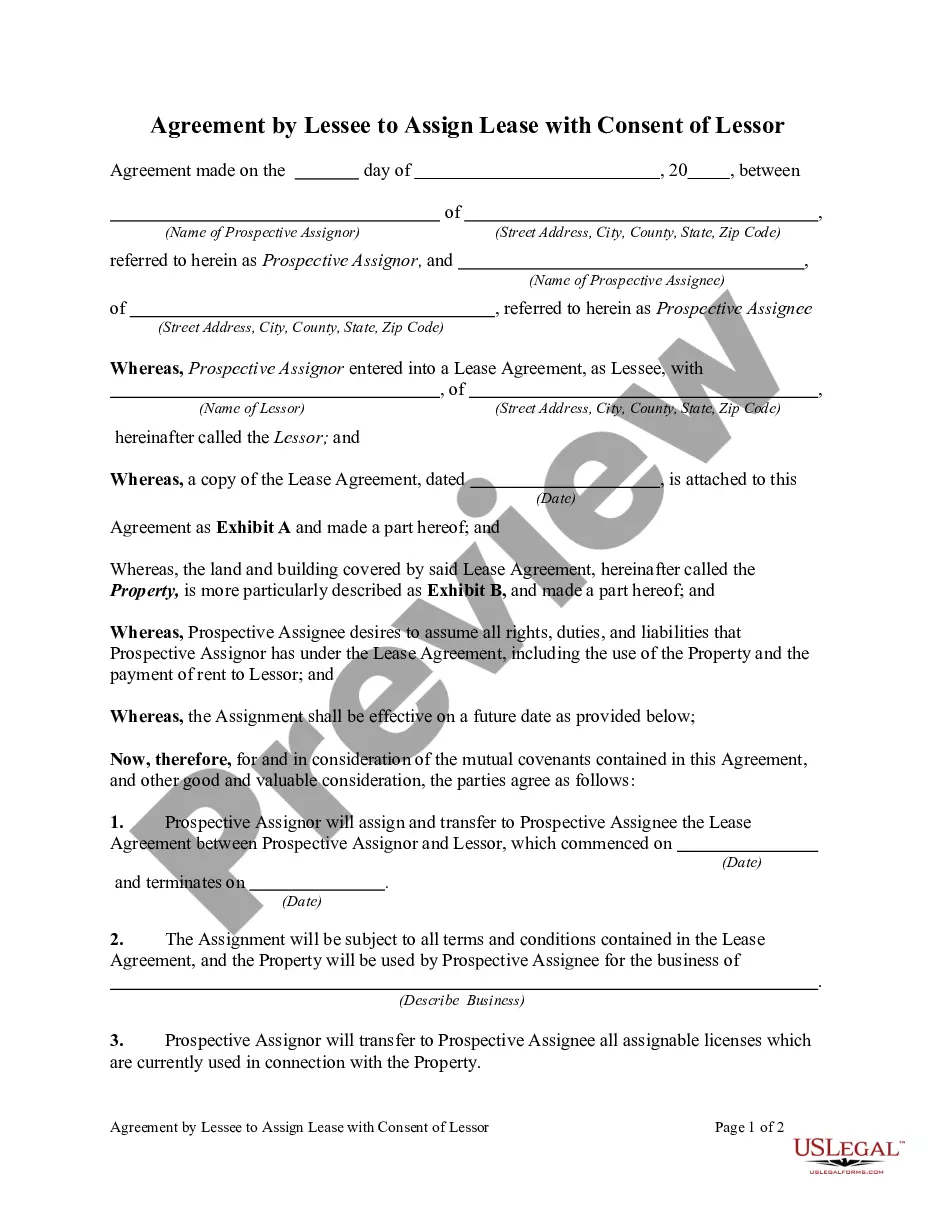
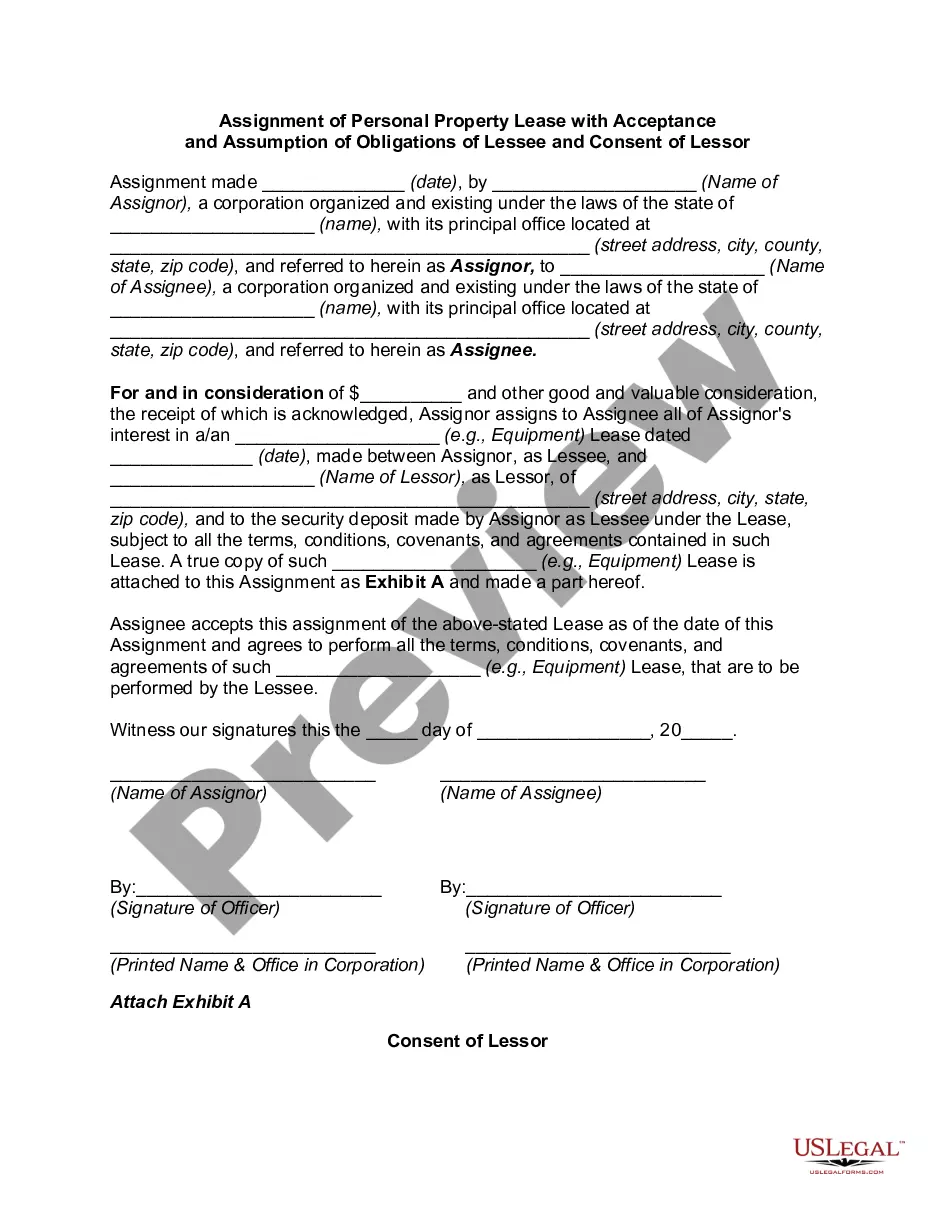
The Lease Transfer To New Landlord you observe on this page is a reusable official layout designed by experienced attorneys in accordance with federal and local laws.
For over 25 years, US Legal Forms has supplied individuals, businesses, and lawyers with more than 85,000 authenticated, state-specific documents for any commercial and personal situation. It’s the quickest, simplest, and most dependable way to secure the forms you require, as the service ensures the utmost level of data protection and anti-malware safety.
Subscribe to US Legal Forms to have verified legal templates for every aspect of life readily available.
- Search for the document you require and verify it.
- Browse through the example you look for and preview it or review the form description to confirm it meets your requirements. If it doesn't, use the search feature to locate the correct one. Click Buy Now once you have identified the template you need.
- Register and Log In.
- Choose the pricing option that fits you and establish an account. Use PayPal or a credit card to make an immediate payment. If you possess an account, Log In and check your subscription to proceed.
- Obtain the fillable template.
- Select the format you desire for your Lease Transfer To New Landlord (PDF, Word, RTF) and download the template to your device.
- Fill out and sign the documents.
- Print the template to fill it out by hand. Alternatively, use an online multifunctional PDF editor to quickly and accurately complete and sign your form with an eSignature.
- Redownload your documents.
- Utilize the same document again whenever needed. Access the My documents tab in your account to redownload any previously downloaded forms.
Form popularity
FAQ
A tenant can make a written request at any time to assign their tenancy to someone else. The request should include the contact details of the person being proposed to take over the tenancy. Alternatively, the landlord can find a replacement tenant, although they don't have to do this if they don't want to.
On assignment, the assignor's legal interest in a property is passed to the assignee who takes over that interest and becomes the tenant. All the terms of the original tenancy agreement apply to both the new tenant and the landlord, including the amount of rent payable.
A Deed of Assignment transfers to you ALL OF THE SELLER'S RIGHTS TO THE LAND OR HOUSE. The buyer acquires FULL OWNERSHIP, subject solely to the provisions of the Land Use Act. A Deed of Lease [Sub-Lease], on the other hand, is a type of LONG RENT OR LEASE because the title finally reverts to the Seller [the Lessor].
'Assigning' a lease simply means transferring your lease to another person so that they become the new tenant. Once the assignment has taken place the lease continues to exist and the new tenant becomes liable for all of the tenant's obligations in the lease.