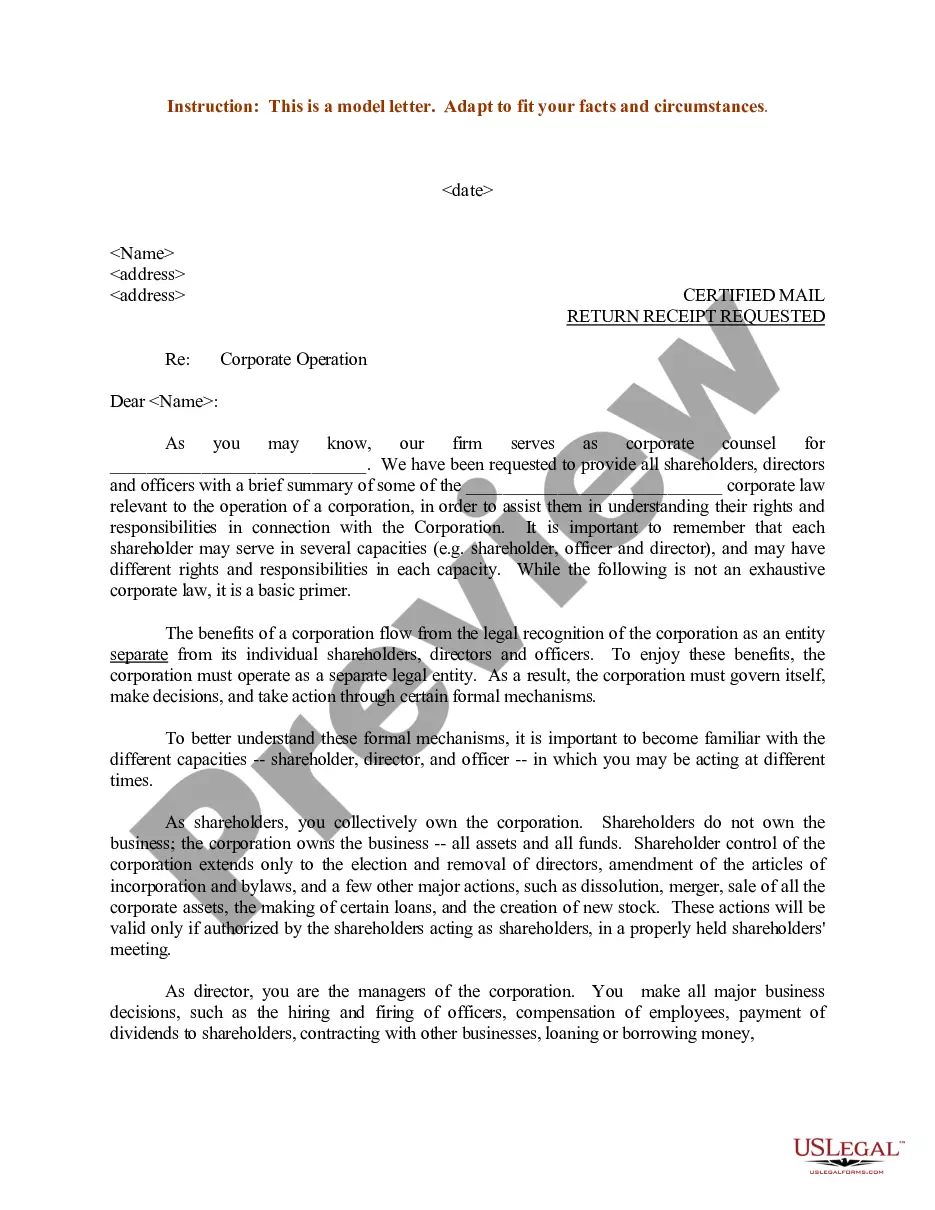
Letter Of Request Sample Format
Description
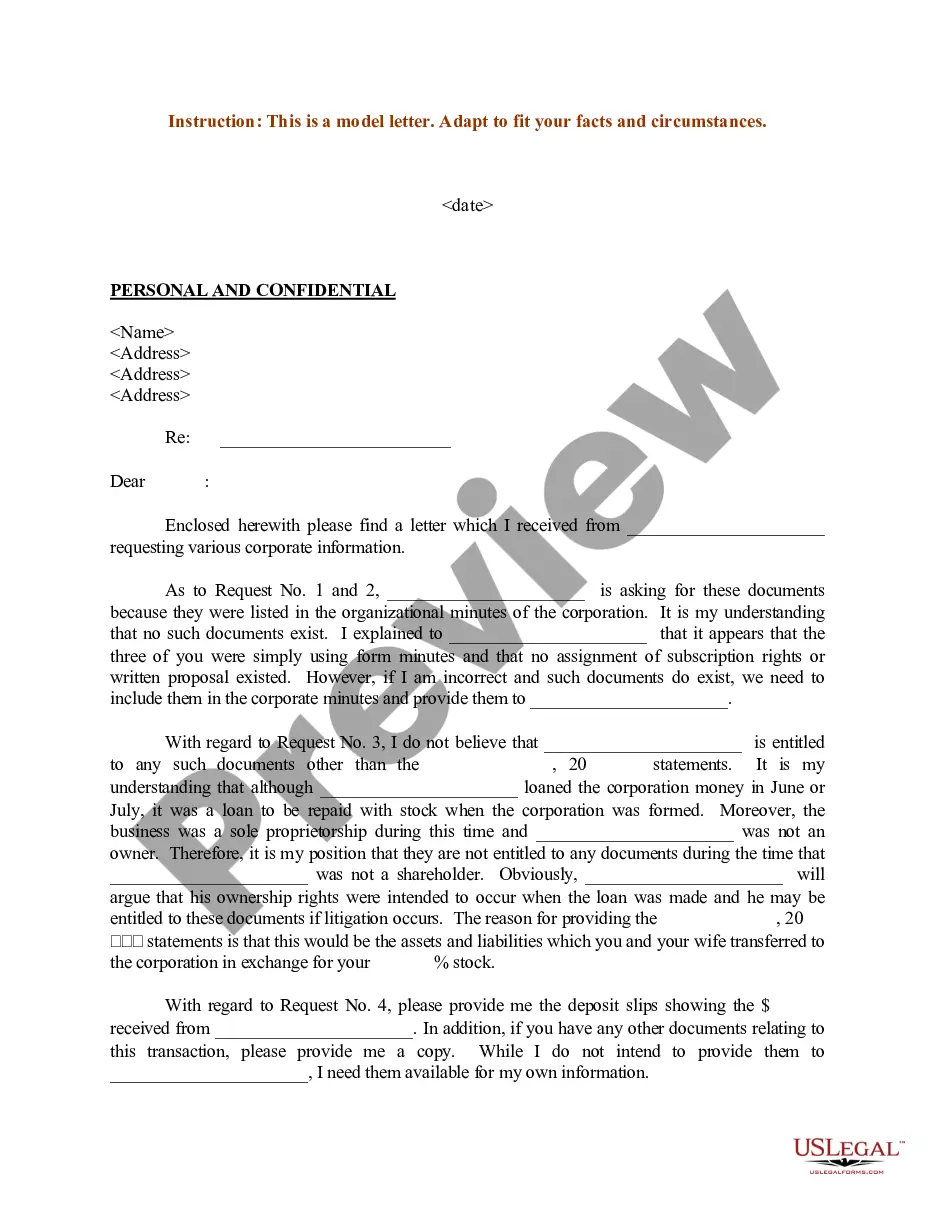
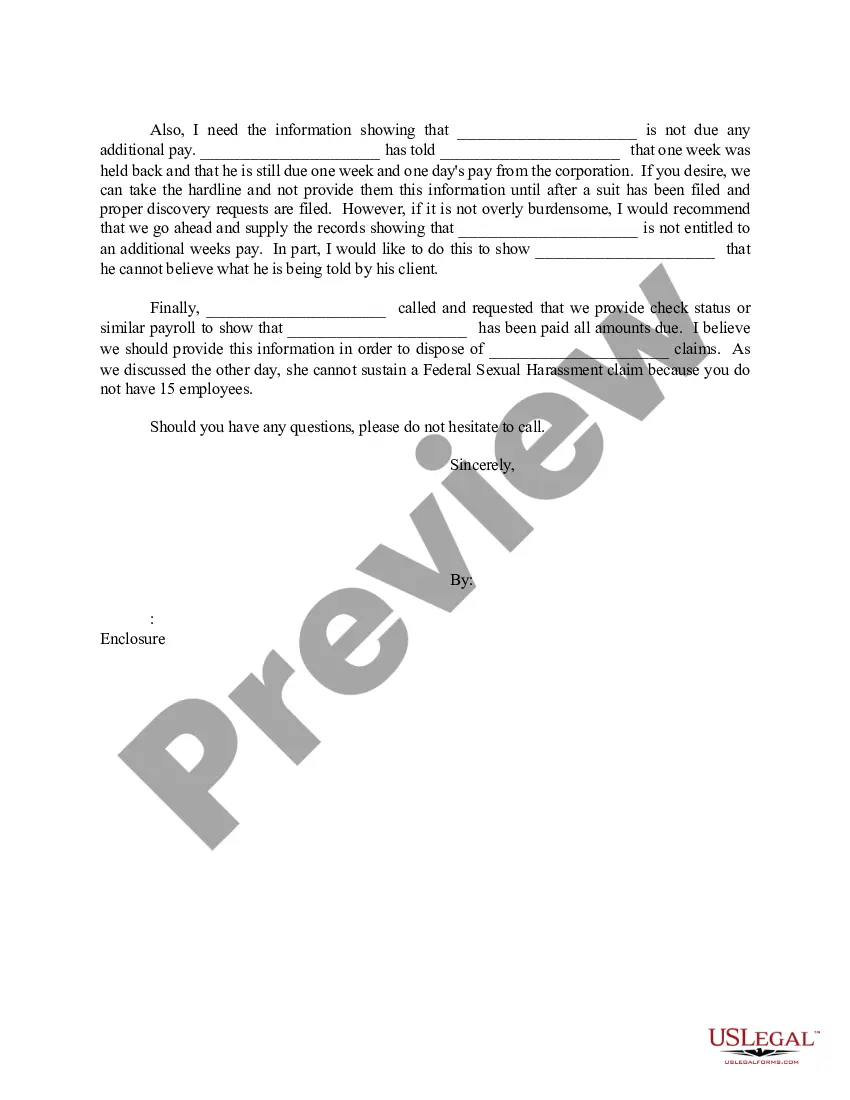
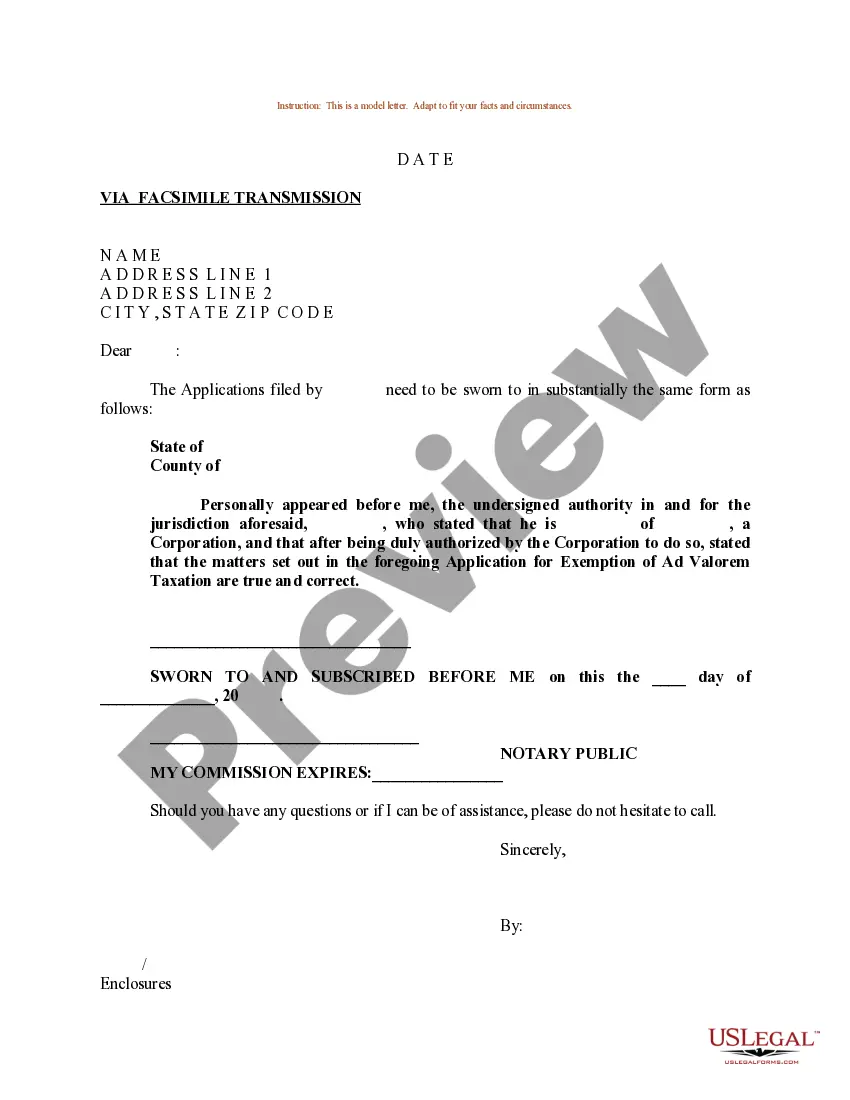
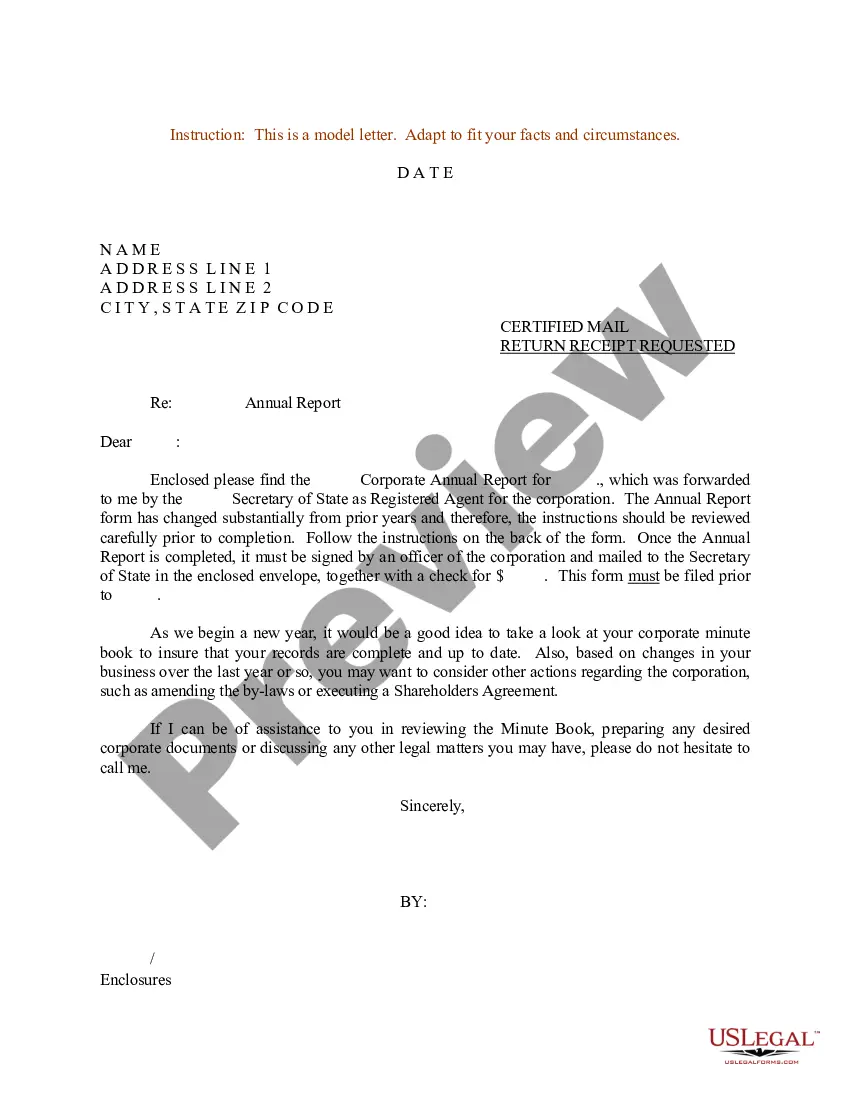
Get your form ready online
Our built-in tools help you complete, sign, share, and store your documents in one place.
Make edits, fill in missing information, and update formatting in US Legal Forms—just like you would in MS Word.
Download a copy, print it, send it by email, or mail it via USPS—whatever works best for your next step.
Sign and collect signatures with our SignNow integration. Send to multiple recipients, set reminders, and more. Go Premium to unlock E-Sign.
If this form requires notarization, complete it online through a secure video call—no need to meet a notary in person or wait for an appointment.
We protect your documents and personal data by following strict security and privacy standards.

Make edits, fill in missing information, and update formatting in US Legal Forms—just like you would in MS Word.

Download a copy, print it, send it by email, or mail it via USPS—whatever works best for your next step.

Sign and collect signatures with our SignNow integration. Send to multiple recipients, set reminders, and more. Go Premium to unlock E-Sign.

If this form requires notarization, complete it online through a secure video call—no need to meet a notary in person or wait for an appointment.

We protect your documents and personal data by following strict security and privacy standards.
Looking for another form?
How to fill out Sample Letter For Request For Corporate Information?
Regardless of whether it's for corporate reasons or personal issues, everyone has to confront legal circumstances at some point in their life.
Completing legal paperwork requires meticulous care, beginning with selecting the correct template form.
With an extensive collection at US Legal Forms available, you no longer need to spend time searching for the right template online. Leverage the library’s simple navigation to locate the appropriate form for any situation.
- Find the template you require by utilizing the search bar or browsing the catalog.
- Review the form’s details to confirm it suits your circumstances, state, and county.
- Click on the form’s preview to view it.
- If it is the incorrect document, return to the search feature to find the Letter Of Request Sample Format template you need.
- Download the template if it fulfills your criteria.
- If you already possess a US Legal Forms account, click Log in to access previously stored documents in My documents.
- If you don’t yet have an account, you can download the form by selecting Buy now.
- Choose the suitable pricing option.
- Fill out the profile registration form.
- Choose your payment method: either a credit card or PayPal account.
- Select the document format you desire and download the Letter Of Request Sample Format.
- Once saved, you can complete the form using editing software or print it and finish it manually.
Form popularity
FAQ
(f???m?l ) adjective [ADJECTIVE noun] A formal action, statement, or request is an official one.
Open with a professional greeting Writing a professional greeting, followed by a comma, is a friendly way to start your request letter. The word 'Dear', followed by your recipient's title and surname suits most letters of request. If your recipient is someone you know well, you may address them by their first name.
"I would like to request something." Example, "I would like to request your attendance at the meeting." This is a formal sentence which means, "Please come to the meeting." I would like to request. You can imagine this as meaning, "I want" or "I need" or "Please do this." "I would like to request something.
I hope this email finds you well. My name is [Your Name], and I am a member of the XYZ project team. I am writing to request more information about [specific aspect of the project/task/idea]. I would greatly appreciate it if you could provide me with [specific information needed] by [deadline, if applicable].
You might begin by asking the recipient about their well being. Or you may say that you hope the letter finds them in good health and great spirits. The opening of informal letters should be casual and comforting. It must not be formal and direct as in business letters.