Agreement Assignment Form For 501
Description
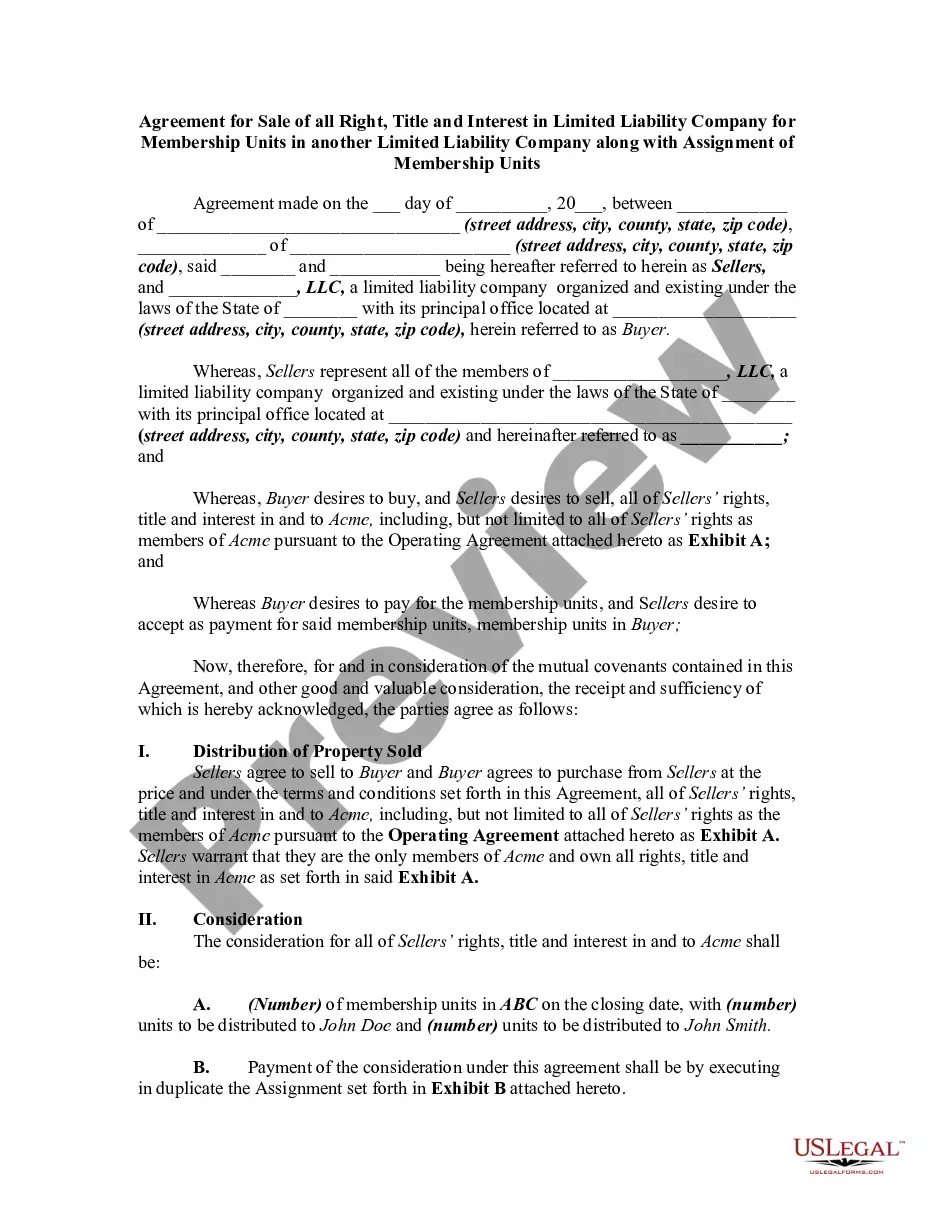
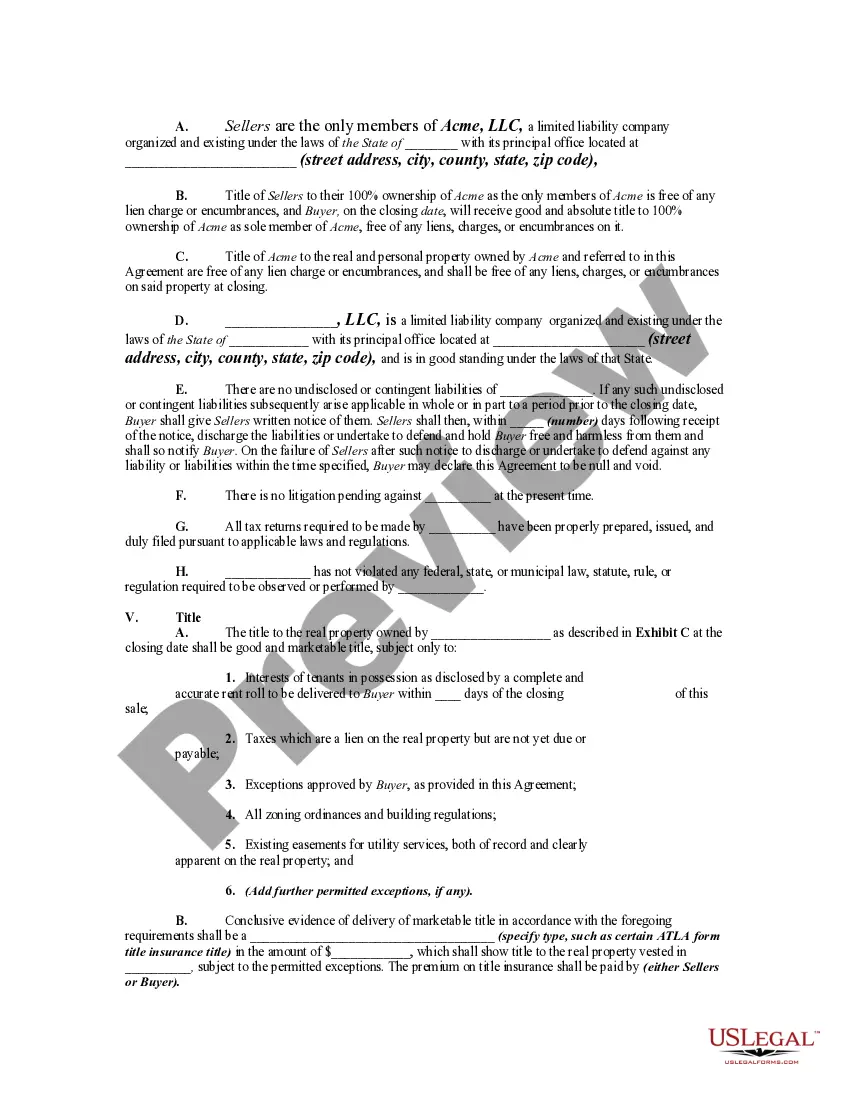
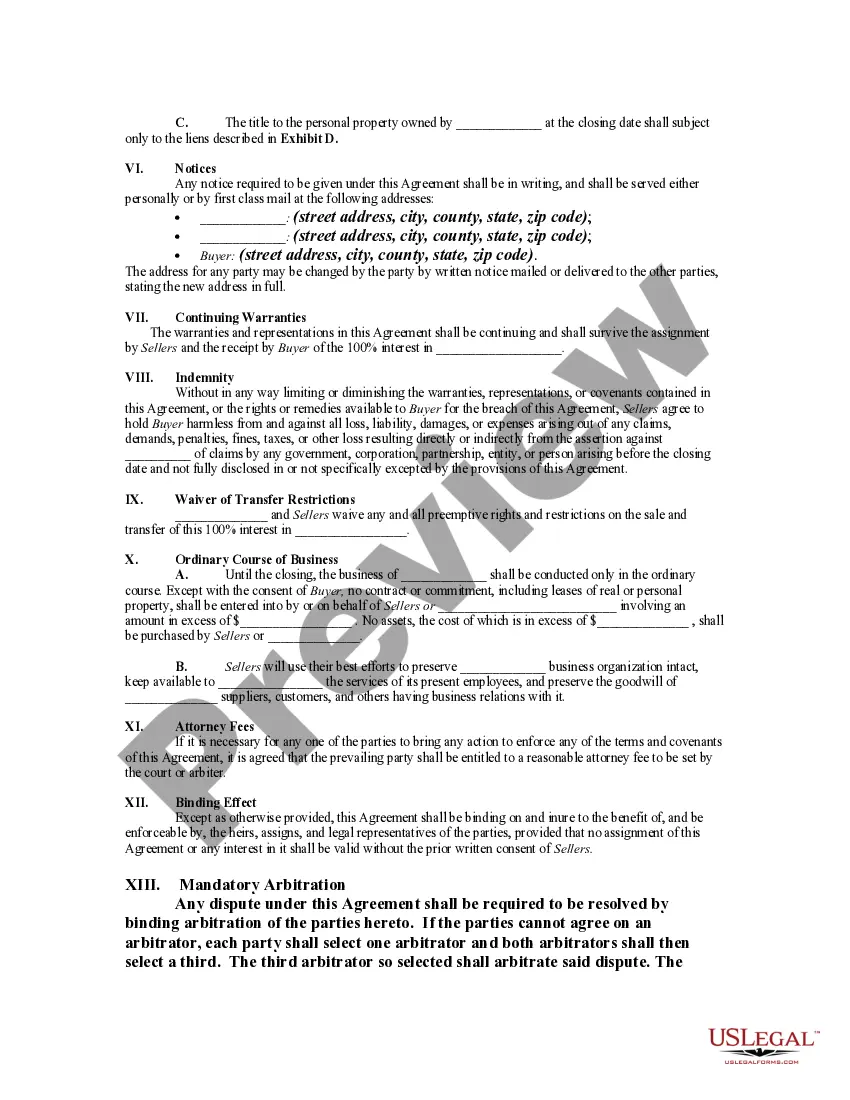
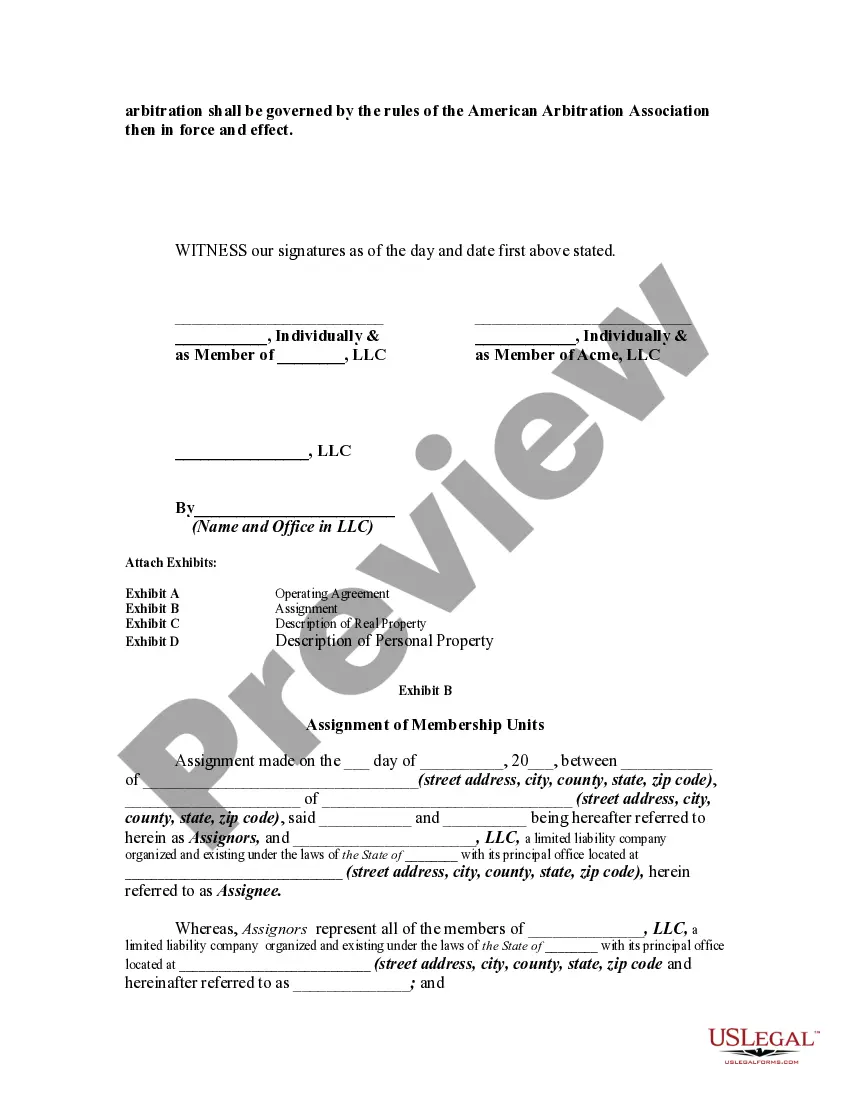
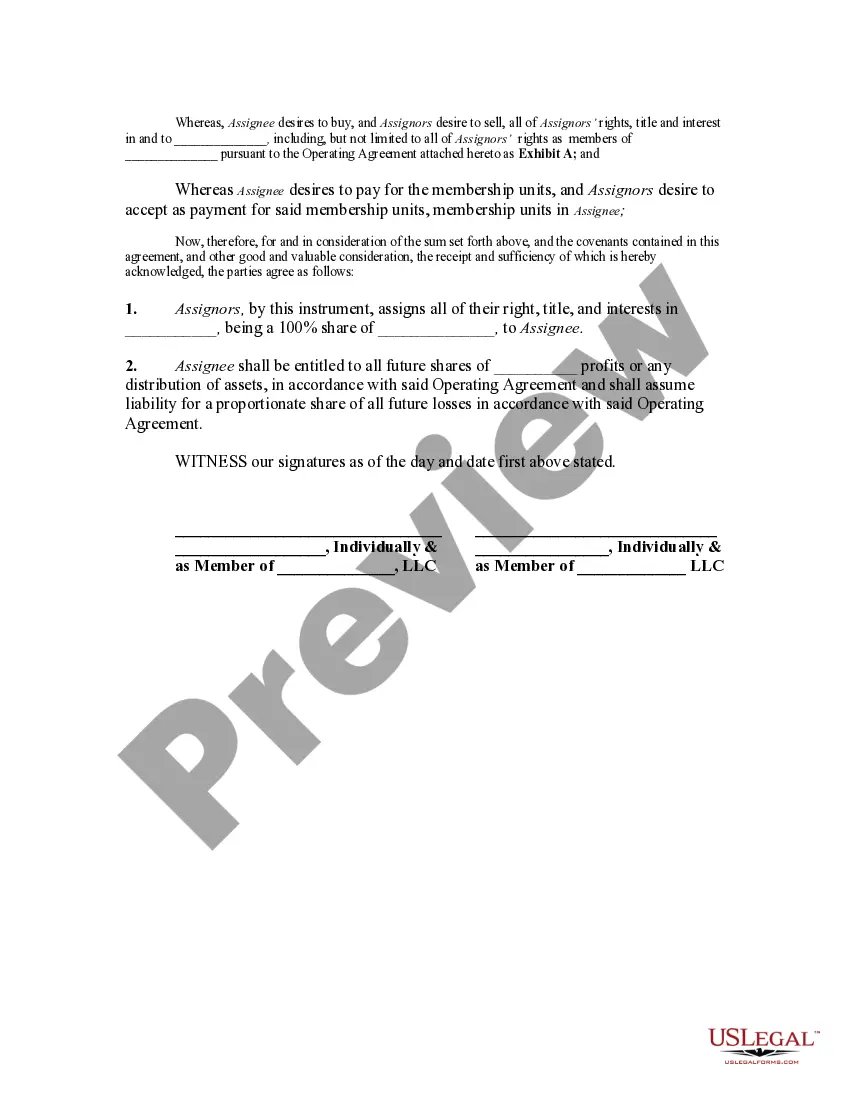
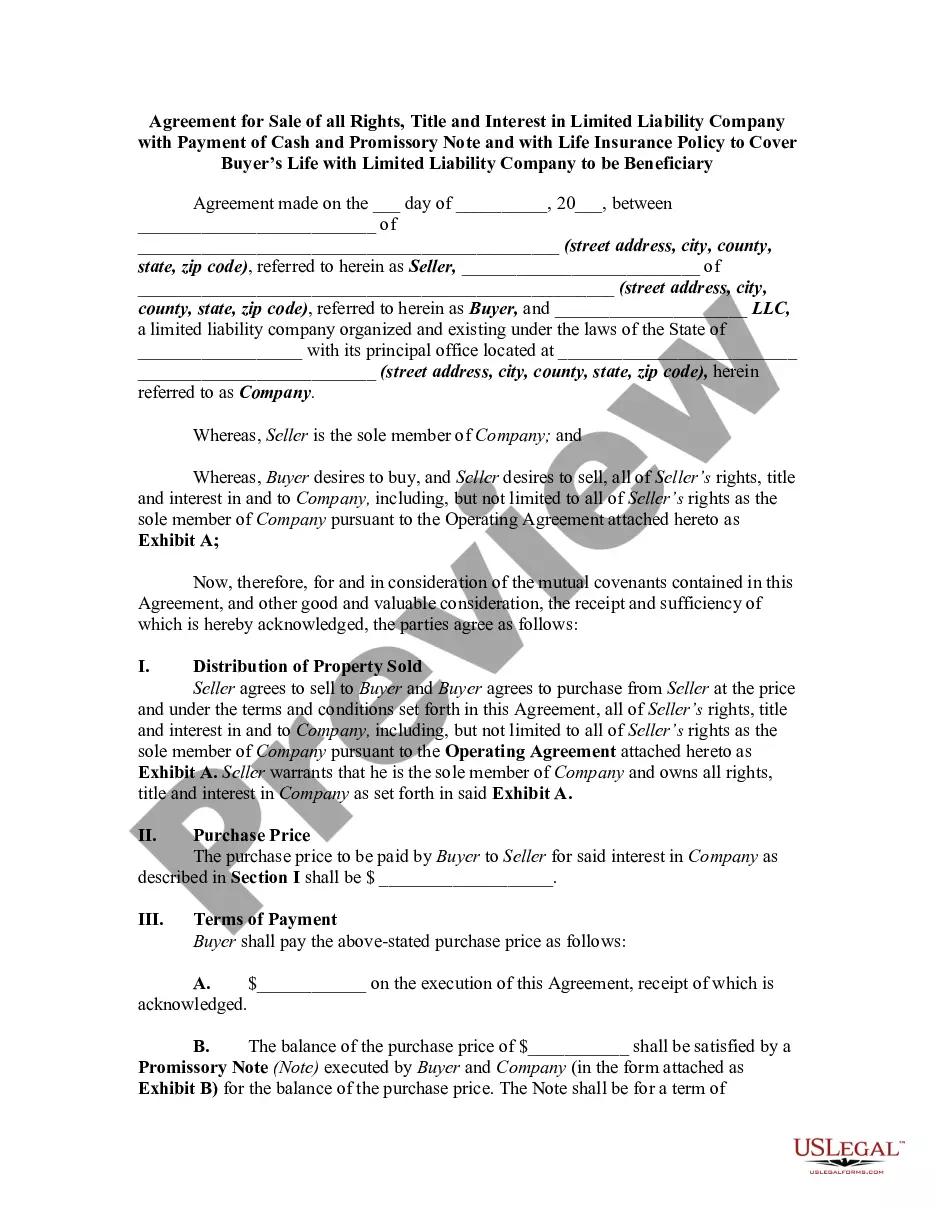
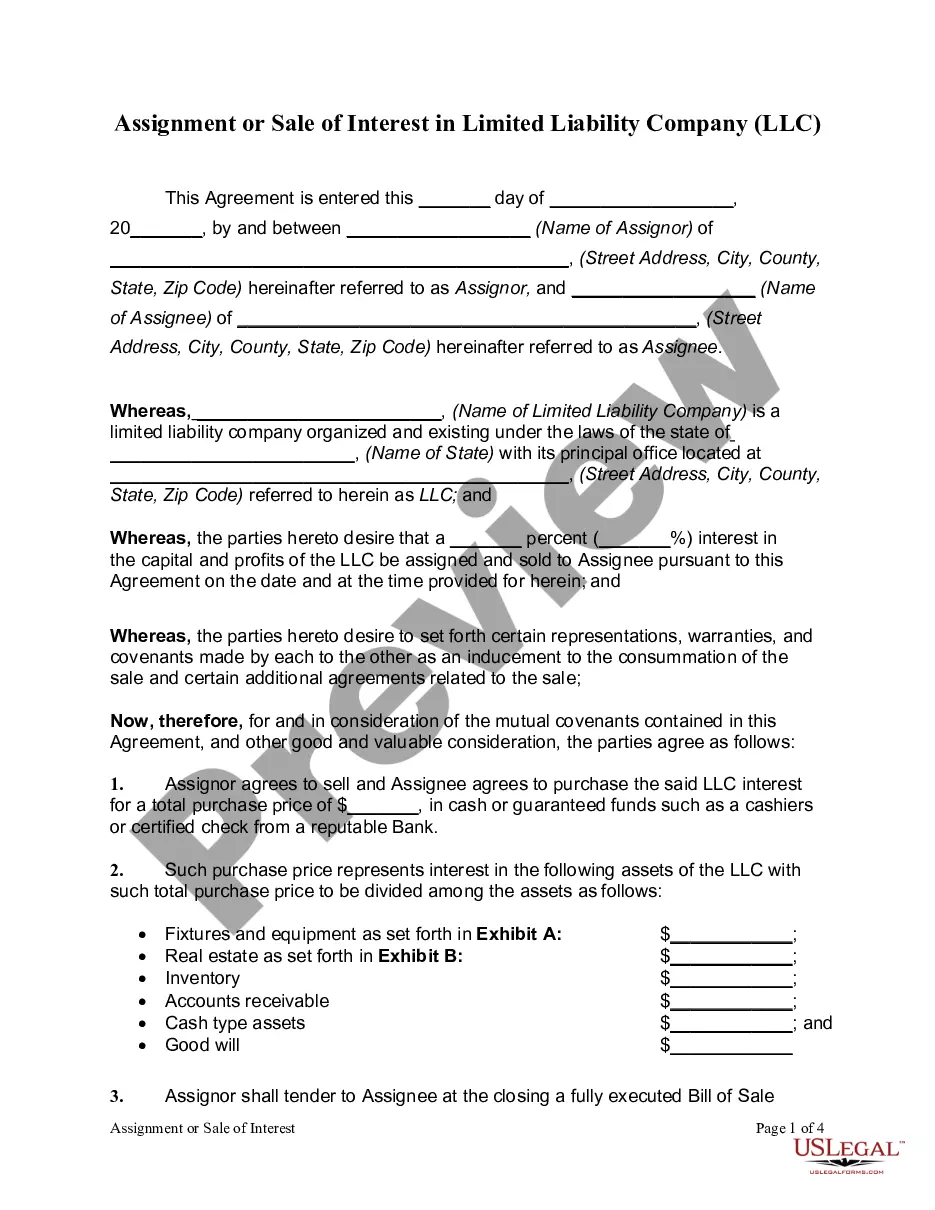
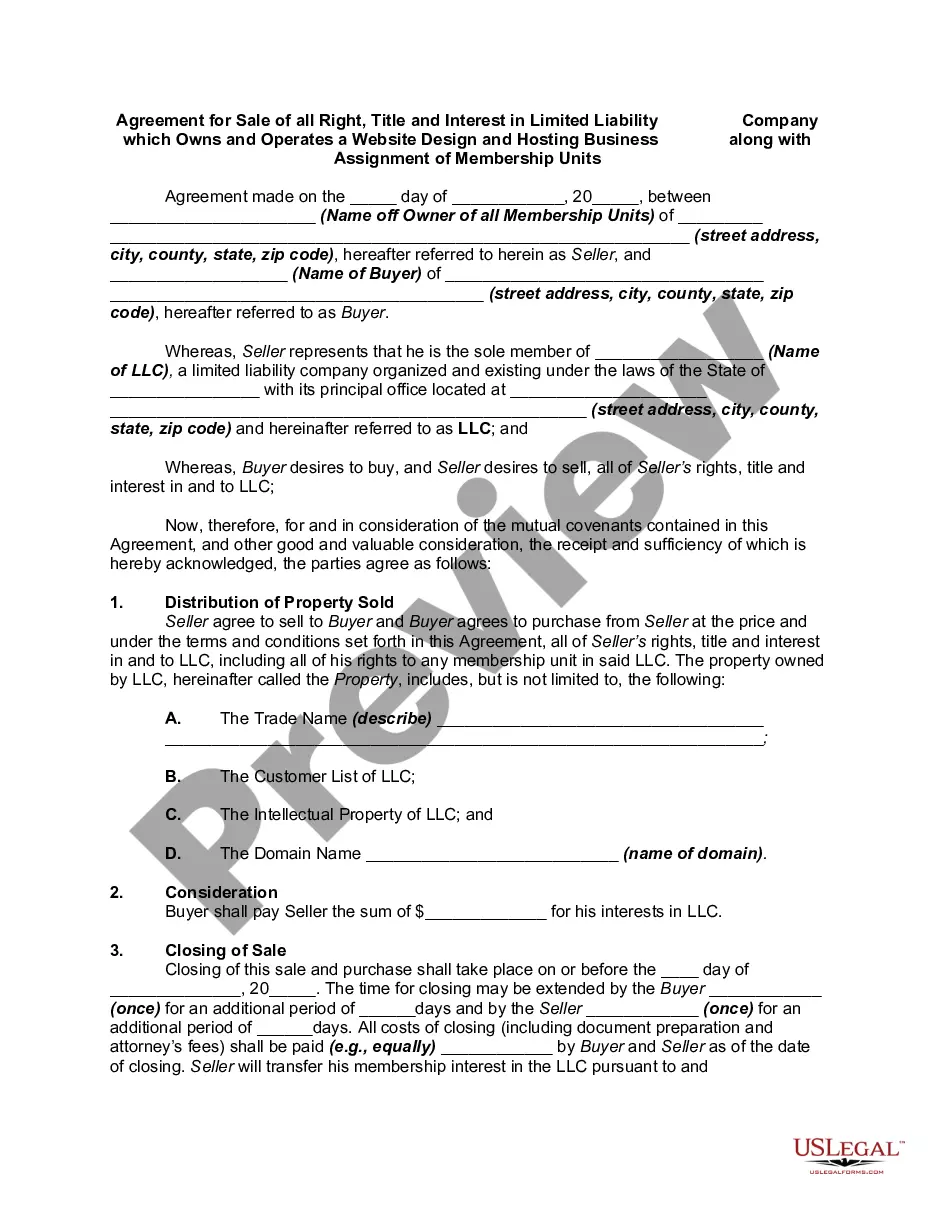
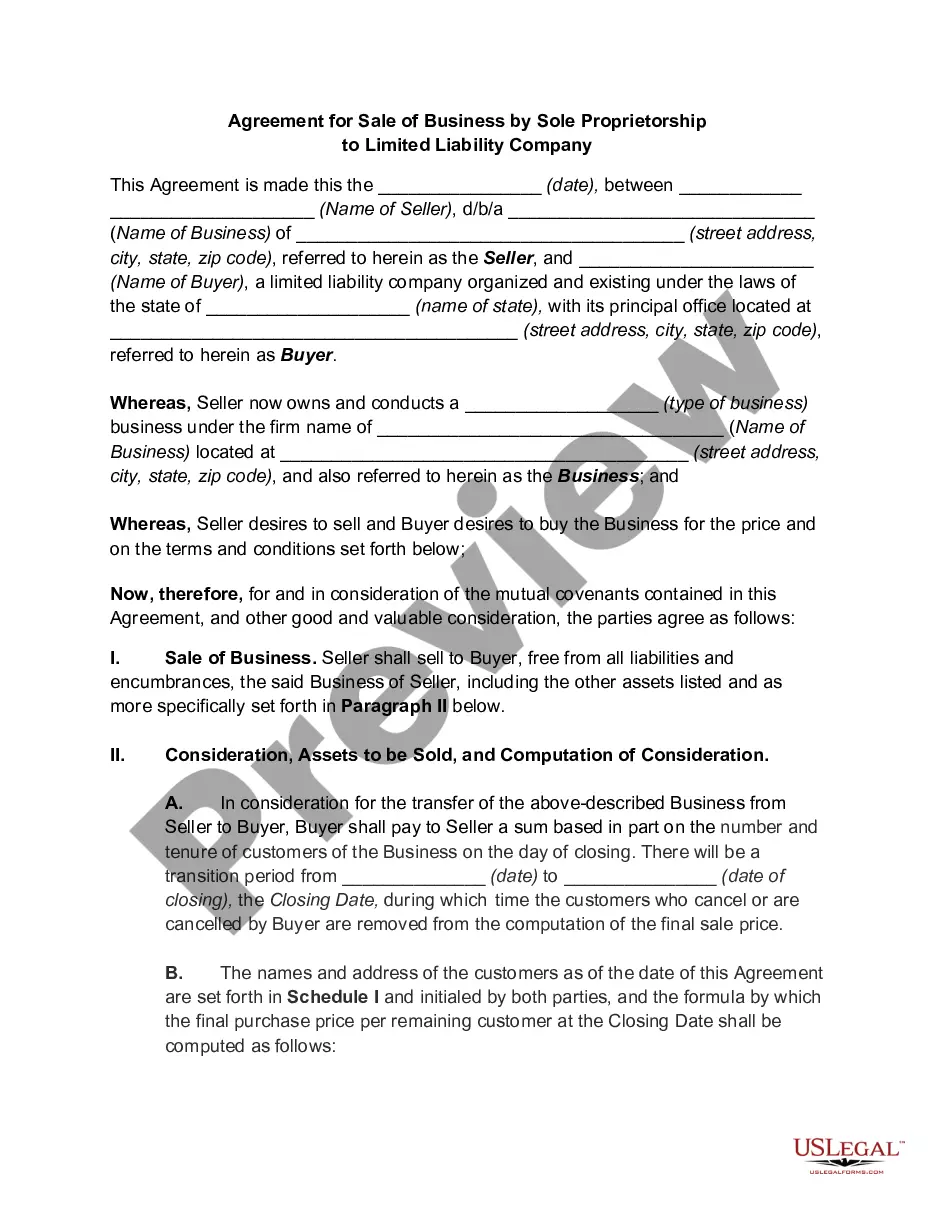
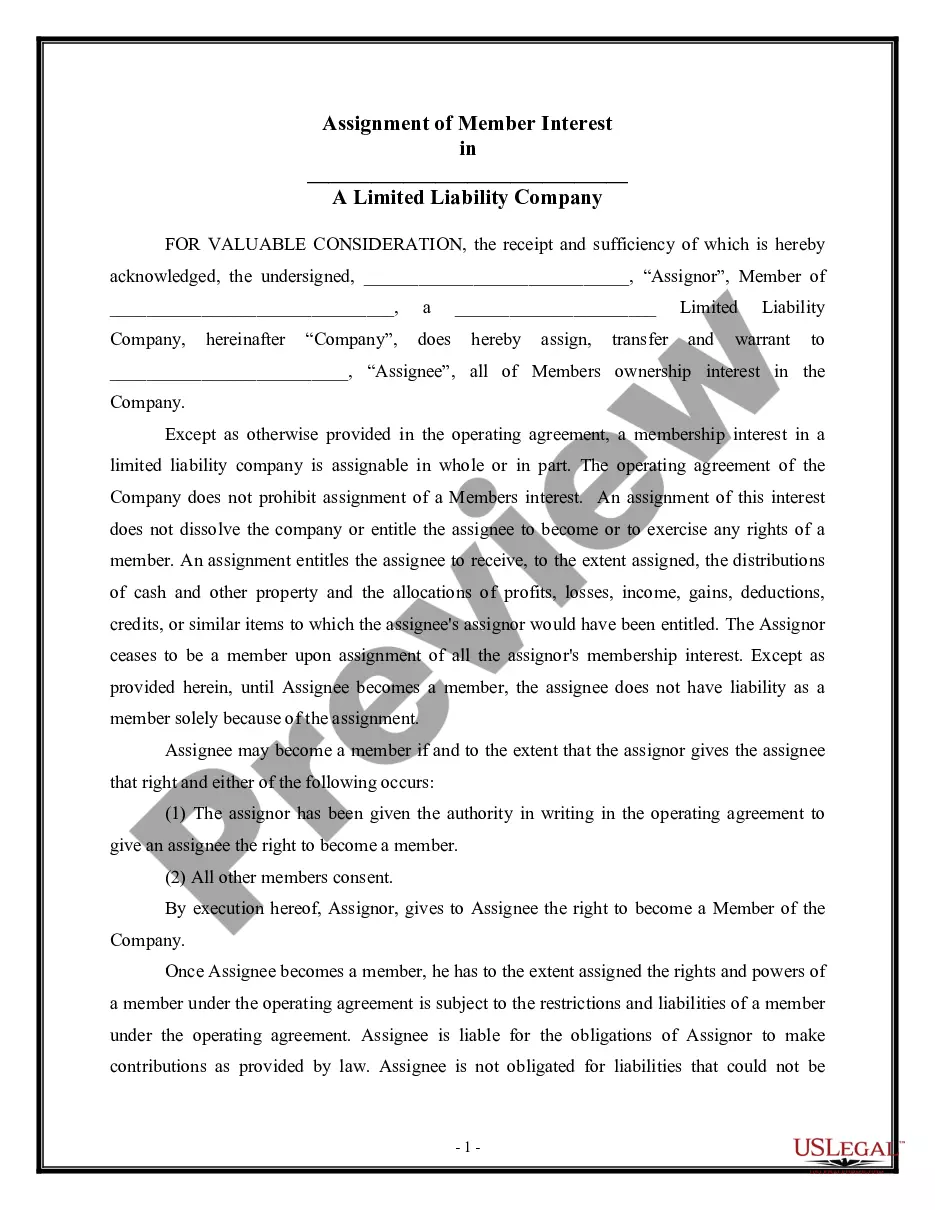
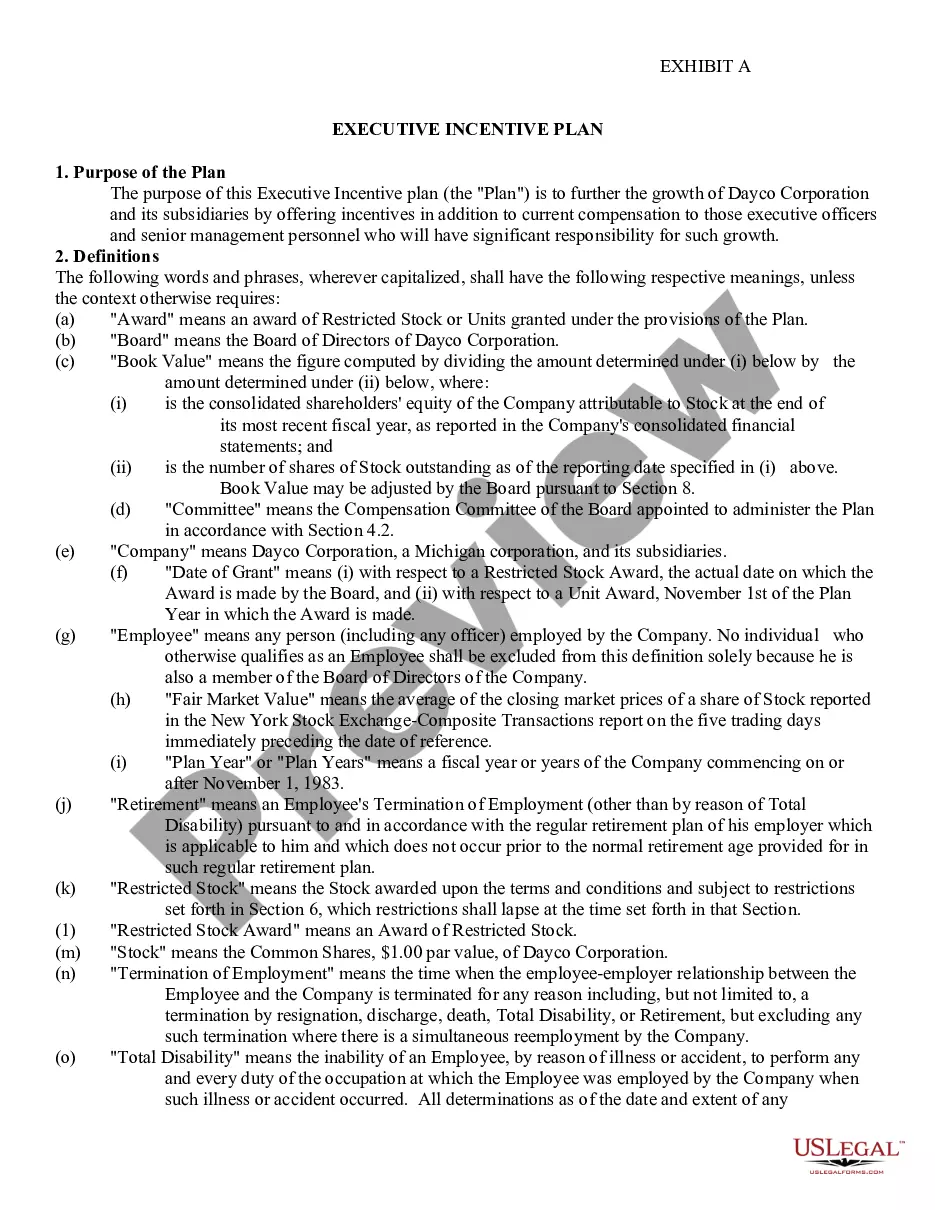

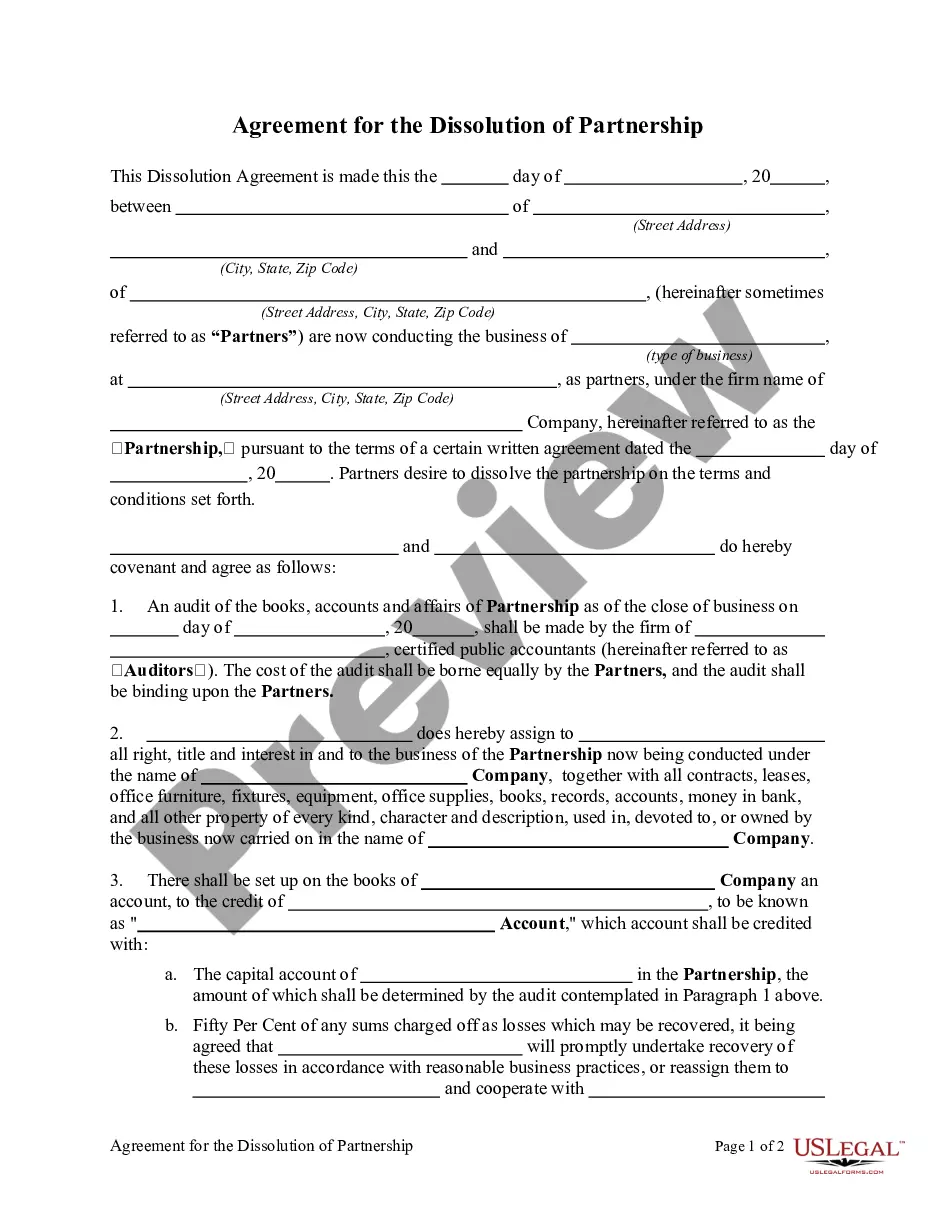
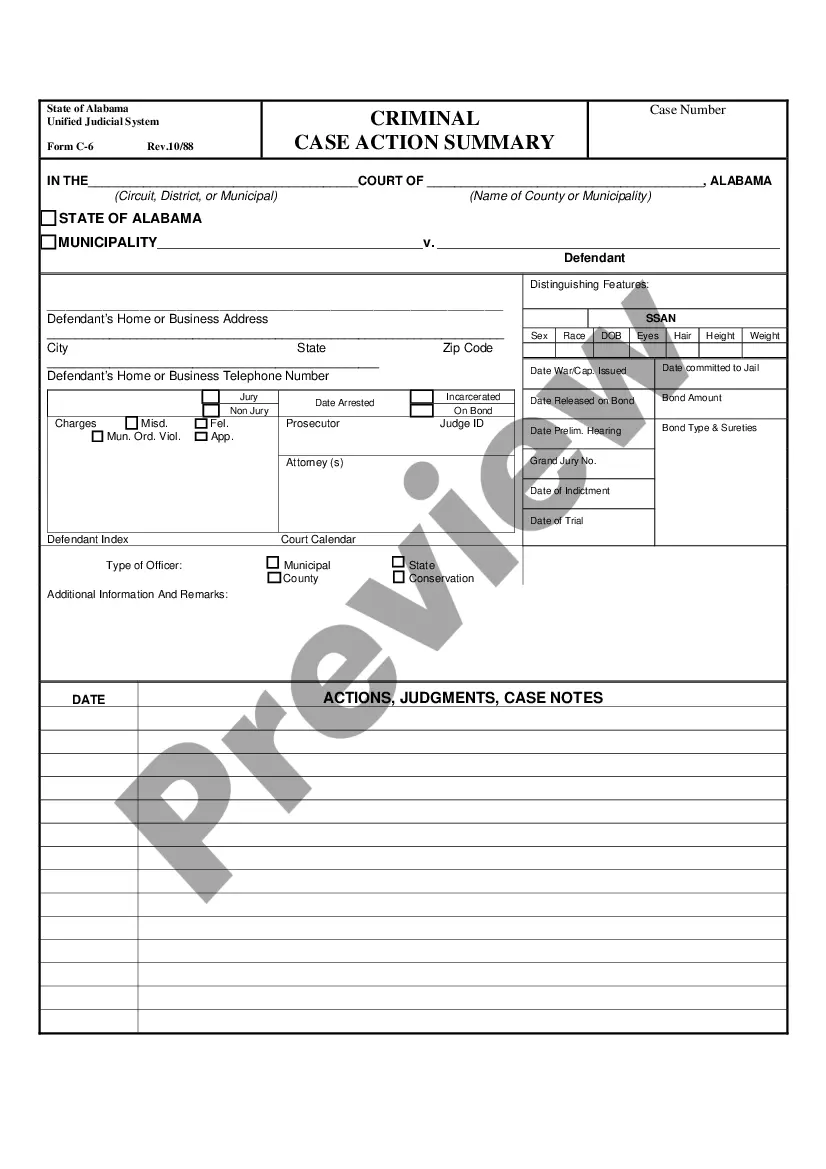



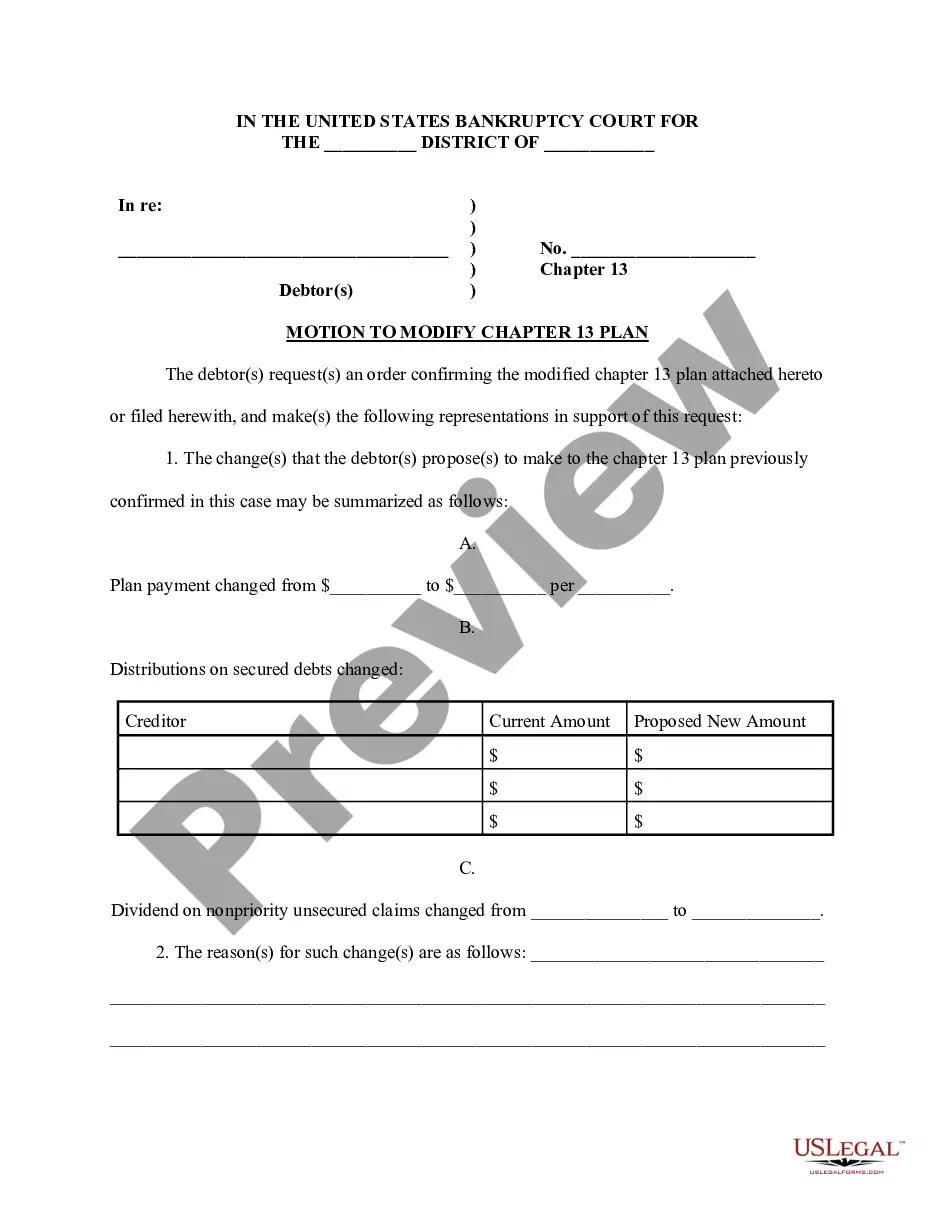
How to fill out Agreement For Sale Of All Rights, Title And Interest In Limited Liability Company For Membership Units In Another Limited Liability Company Along With Assignment Of Membership Units?
Accessing legal document samples that comply with federal and local regulations is a matter of necessity, and the internet offers a lot of options to choose from. But what’s the point in wasting time searching for the correctly drafted Agreement Assignment Form For 501 sample on the web if the US Legal Forms online library already has such templates collected in one place?
US Legal Forms is the biggest online legal catalog with over 85,000 fillable templates drafted by attorneys for any business and life scenario. They are easy to browse with all documents arranged by state and purpose of use. Our experts stay up with legislative changes, so you can always be sure your paperwork is up to date and compliant when getting a Agreement Assignment Form For 501 from our website.
Obtaining a Agreement Assignment Form For 501 is easy and quick for both current and new users. If you already have an account with a valid subscription, log in and download the document sample you require in the preferred format. If you are new to our website, follow the steps below:
- Take a look at the template utilizing the Preview feature or through the text description to ensure it fits your needs.
- Look for another sample utilizing the search function at the top of the page if needed.
- Click Buy Now when you’ve located the correct form and opt for a subscription plan.
- Create an account or sign in and make a payment with PayPal or a credit card.
- Pick the format for your Agreement Assignment Form For 501 and download it.
All documents you find through US Legal Forms are reusable. To re-download and fill out earlier obtained forms, open the My Forms tab in your profile. Benefit from the most extensive and straightforward-to-use legal paperwork service!
Form popularity
FAQ
National Taxonomy of Exempt Entities The National Taxonomy of Exempt Entities (NTEE) system is used by the IRS and NCCS to classify nonprofit organizations. National Taxonomy of Exempt Entities (NTEE) Codes National Center for Charitable Statistics ? project ? national-taxonomy-e... National Center for Charitable Statistics ? project ? national-taxonomy-e...
A 501(c) organization and a 501(c)3 organization are similar in designation, however they differ slightly in their tax benefits. Both types of organization are exempt from federal income tax, however a 501(c)3 may allow its donors to write off donations whereas a 501(c) does not.
A 501(c)(3) organization is a nonprofit organization established exclusively for one of the following purposes: charitable, religious, educational, scientific, literary, testing for public safety, fostering national or international amateur sports competition, or preventing cruelty to children or animals.
Examples include excessive compensation paid to employees, certain payments to outsiders for goods or services, or steering business to a for-profit company. Even activities that appear to further an exempt purpose may serve private interests.
The NTEE code is a three-digit code that specifies an exempt organization's purpose. The National Center for Charitable Statistics (NCSS) developed the National Taxonomy of Exempt Entities (NTEE) coding system as a way to categorize nonprofit organizations.