Accusations
Description
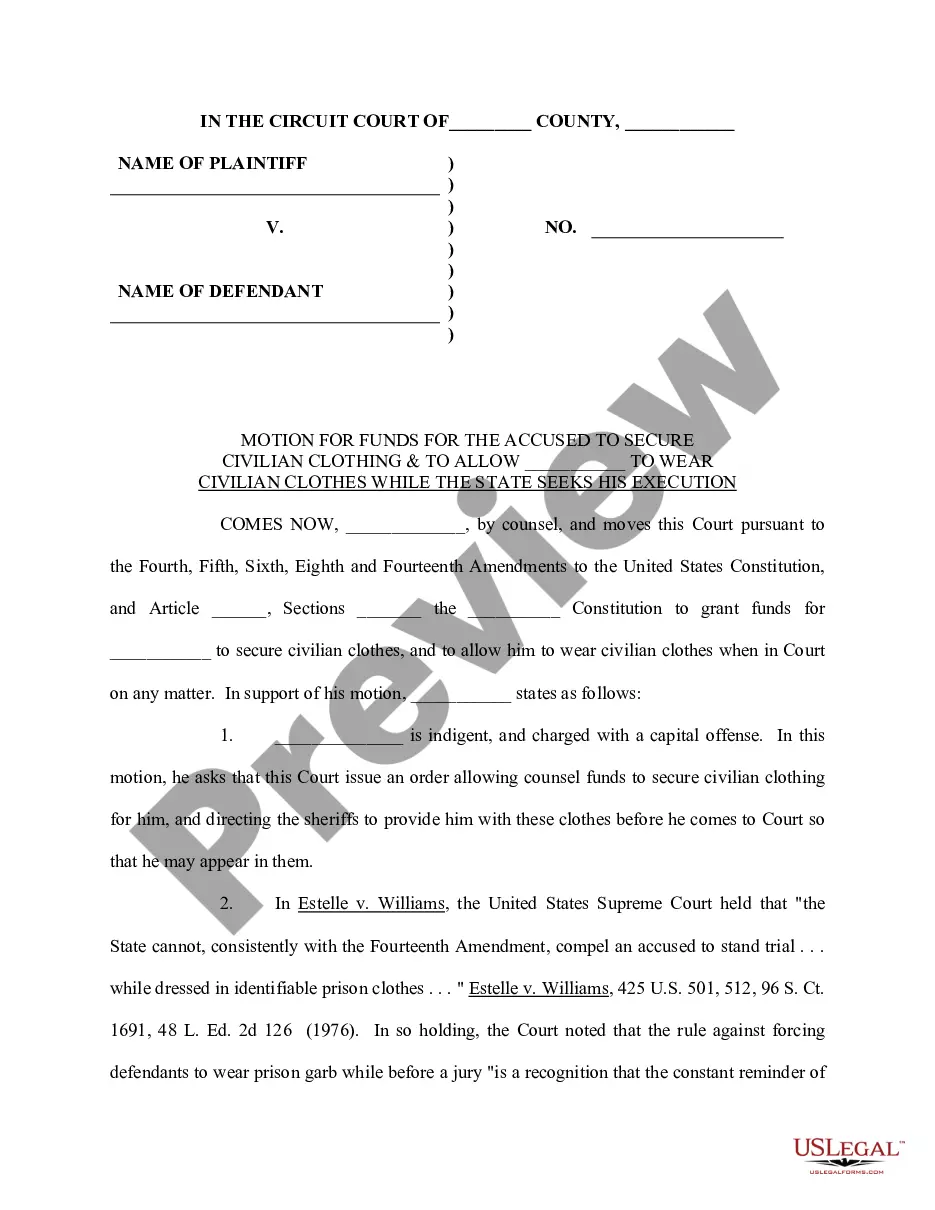
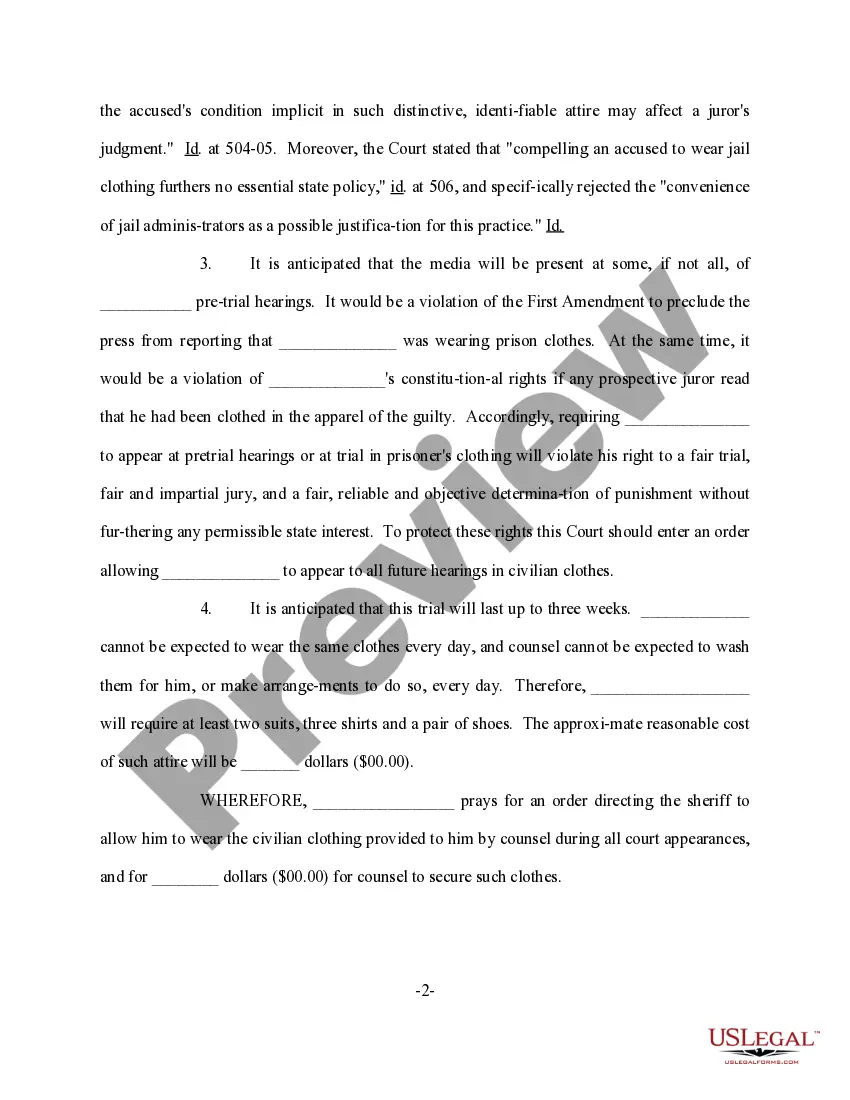
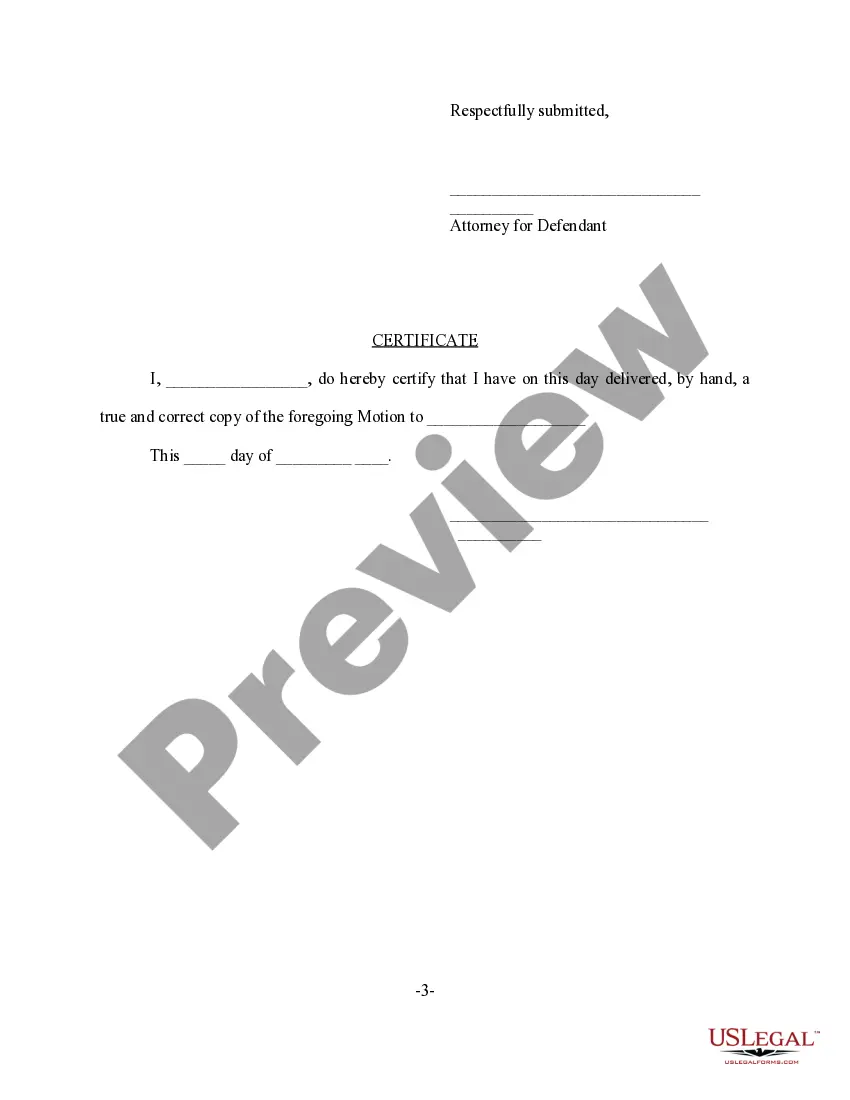
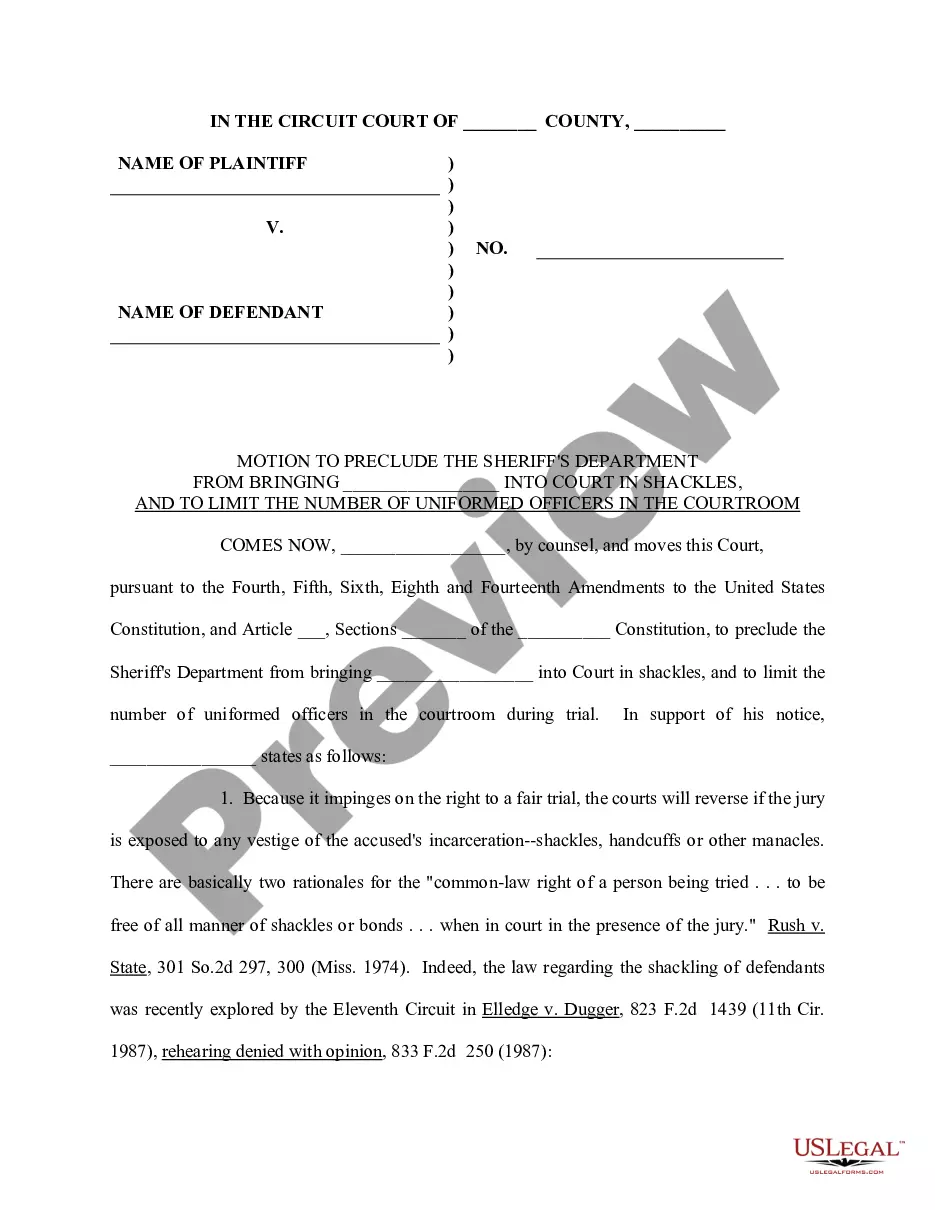
Get your form ready online
Our built-in tools help you complete, sign, share, and store your documents in one place.
Make edits, fill in missing information, and update formatting in US Legal Forms—just like you would in MS Word.
Download a copy, print it, send it by email, or mail it via USPS—whatever works best for your next step.
Sign and collect signatures with our SignNow integration. Send to multiple recipients, set reminders, and more. Go Premium to unlock E-Sign.
If this form requires notarization, complete it online through a secure video call—no need to meet a notary in person or wait for an appointment.
We protect your documents and personal data by following strict security and privacy standards.

Make edits, fill in missing information, and update formatting in US Legal Forms—just like you would in MS Word.

Download a copy, print it, send it by email, or mail it via USPS—whatever works best for your next step.

Sign and collect signatures with our SignNow integration. Send to multiple recipients, set reminders, and more. Go Premium to unlock E-Sign.

If this form requires notarization, complete it online through a secure video call—no need to meet a notary in person or wait for an appointment.

We protect your documents and personal data by following strict security and privacy standards.
Looking for another form?
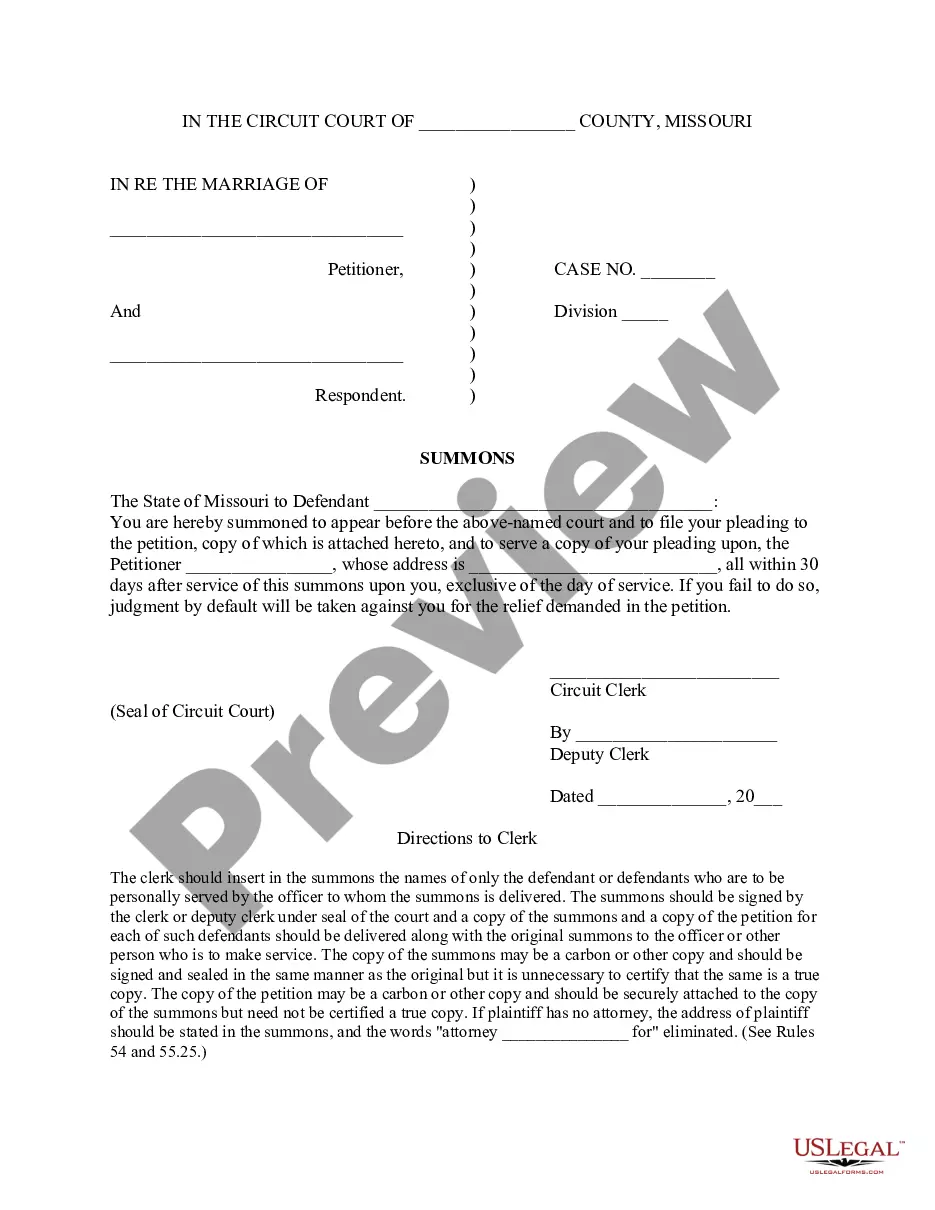


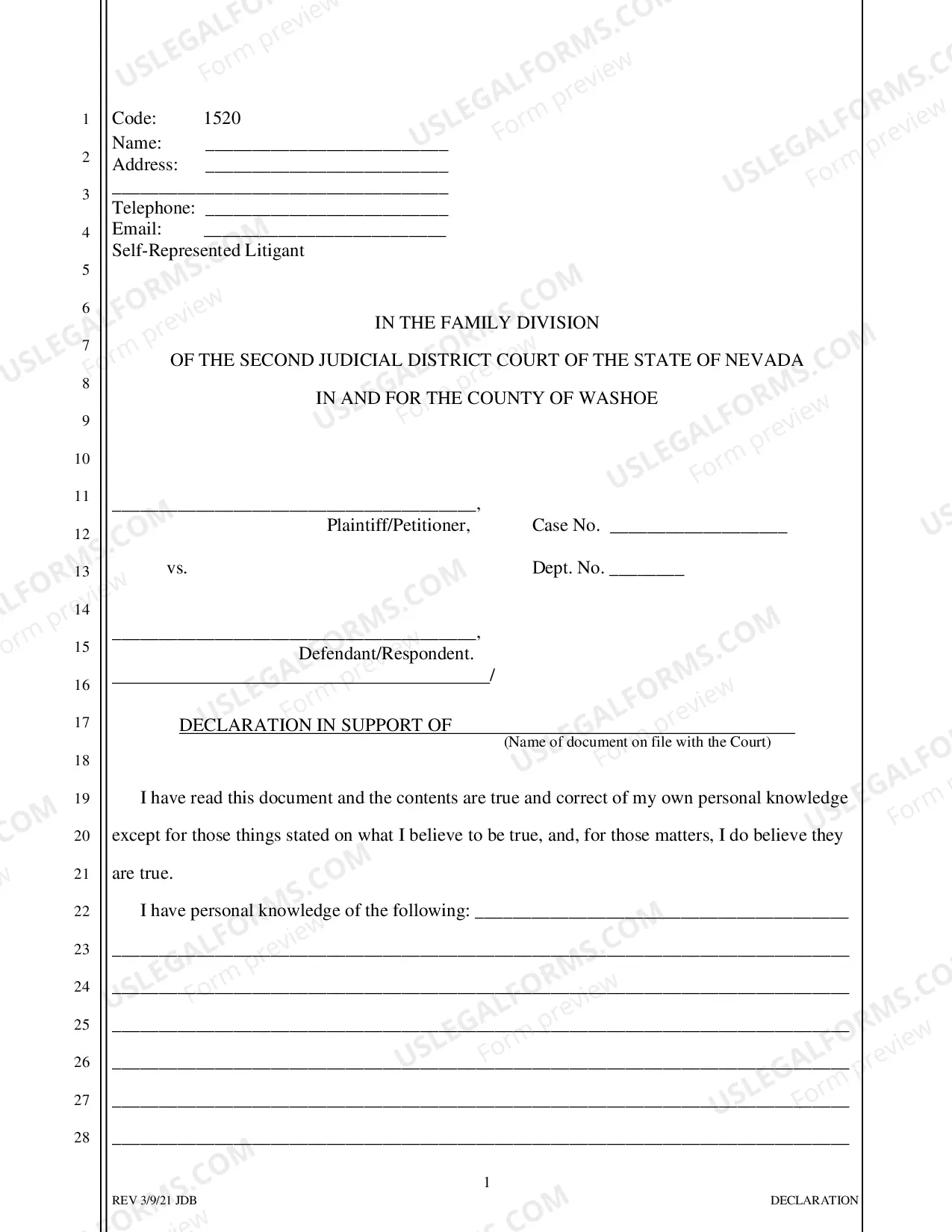
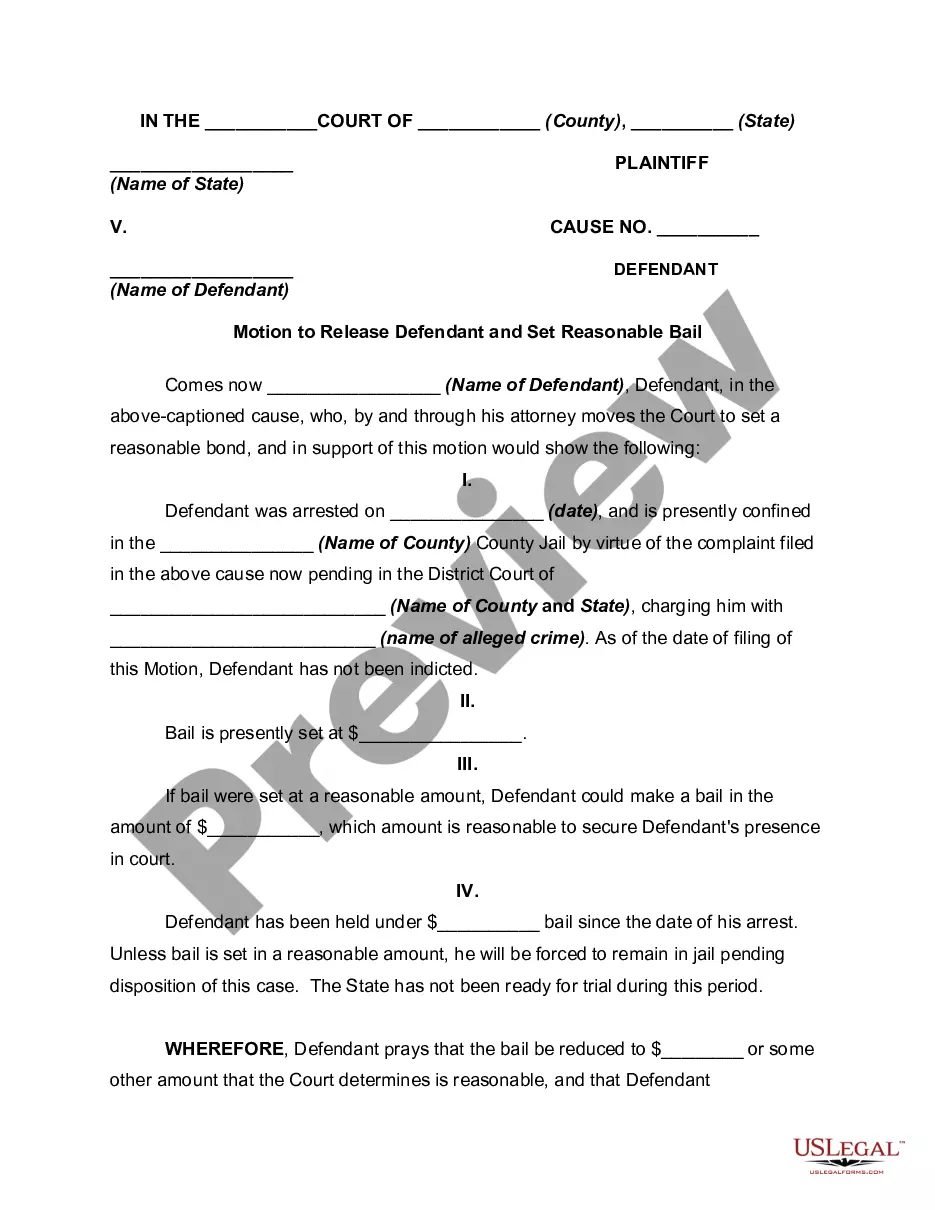
How to fill out Motion For Funds For The Accused To Secure Civilian Clothing And To Allow Defendant To Wear Civilian Clothes While The State Seeks His Execution?
- Log in to your US Legal Forms account if you're a returning user. Make sure your subscription is active, or renew it as needed.
- Explore the available forms and check the descriptions in Preview mode to ensure you select the right template for your case.
- If you don’t find the necessary form, use the Search tab to explore our extensive library. Choose a suitable document that aligns with your jurisdiction.
- Proceed to purchase the document by clicking the Buy Now button. Select your preferred subscription plan.
- Complete your payment using credit card details or PayPal. Ensure that your transaction is confirmed to access your form.
- Download your chosen template and save it on your device. You can also access it later in the My Forms section of your profile.
In conclusion, US Legal Forms simplifies the process of obtaining legal documents needed for accusations. With a vast collection of over 85,000 forms, you can ensure that your documents are correct and meet your jurisdiction's requirements.
Don’t hesitate—get started today and secure the legal documentation you need!
Form popularity
FAQ
Legally, you can accuse someone without evidence, but doing so may lead to significant ramifications. Such accusations could harm an individual's reputation and, in some instances, result in counter-allegations like defamation. Engaging with experts through platforms like uslegalforms can help you understand the implications of making an accusation without solid proof.
Yes, individuals can certainly be accused of wrongdoing without any proof. However, these unfounded accusations can create significant misunderstandings and potentially unjust legal actions. It’s important to remember that accusations must be taken seriously, and responding to them effectively is vital for your reputation.
While you can make accusations without evidence, doing so may result in negative consequences for both you and the accused. Stronger accusations often come with supporting evidence, which makes the claim more credible and defensible. Before making an accusation, consider gathering information to substantiate your claim.
While simply making accusations is generally not a criminal act, there are situations where false accusations can lead to legal consequences, including potential jail time. For instance, falsely accusing someone of a serious crime may result in charges against the accuser. Understanding the legal landscape of accusations can help you navigate this complex issue.
To address false allegations, it's essential to gather evidence that disproves the accusations. One option is to file a defamation claim if the accusations harm your reputation or lead to other damages. Engaging a legal expert, such as those available through uLegalForms, can provide guidance on the best steps to take in such situations.
When someone accuses another person without proof, it is often referred to as a baseless or unfounded accusation. Such accusations can lead to misunderstandings and may even result in legal ramifications if they harm the accused's reputation. It is crucial to consider the impact of your words before making such claims.
Accusations often rely on evidence to support their validity. While it's possible to make an accusation without evidence, having proof strengthens the claim and provides a stronger case. It's always best to gather facts before making serious allegations to avoid potential legal issues.
Accusations refer to claims that someone has engaged in wrongful behavior, often leading to disputes or legal action. The term encompasses a wide range of contexts, from personal conflicts to legal claims. Understanding the meaning of accusations can help you respond effectively and protect your rights. For those facing accusations, US Legal Forms can provide valuable support and guidance.
To make allegations is to claim that someone has committed an offense or wrongdoing without necessarily having proof at the outset. Allegations can lead to investigations and can impact personal and professional relationships. It’s vital to handle allegations with care, understanding their implications. Utilizing resources from US Legal Forms may help you understand how to properly address allegations in a legal context.
Making accusations means to publicly or privately assert that someone has done something wrong. This action can arise in various contexts, including legal disputes or personal conflicts. It's essential to ensure that any accusations made are substantiated with reliable evidence. Utilizing tools from platforms like US Legal Forms can aid in managing the repercussions of making accusations.