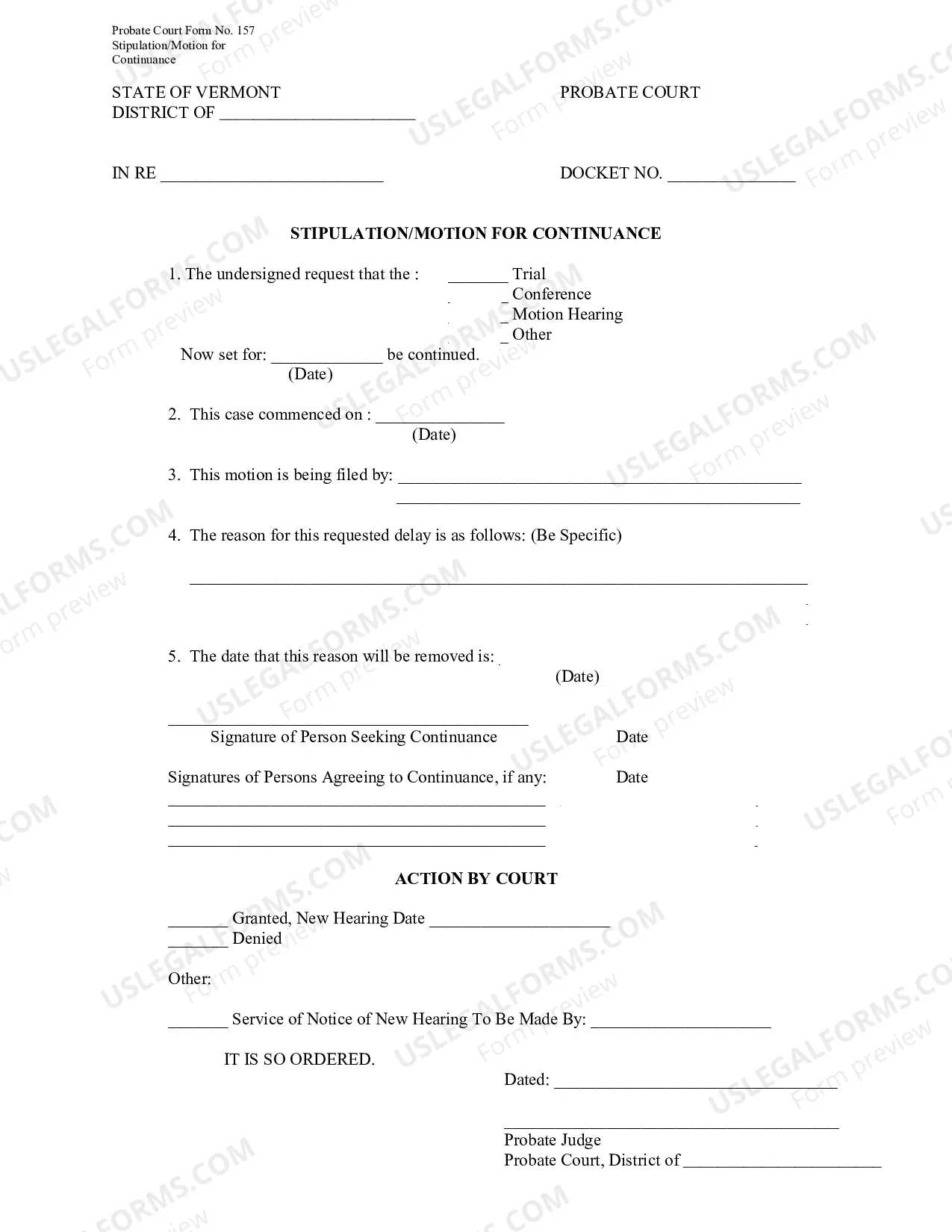
Missouri Summons
Overview of this form
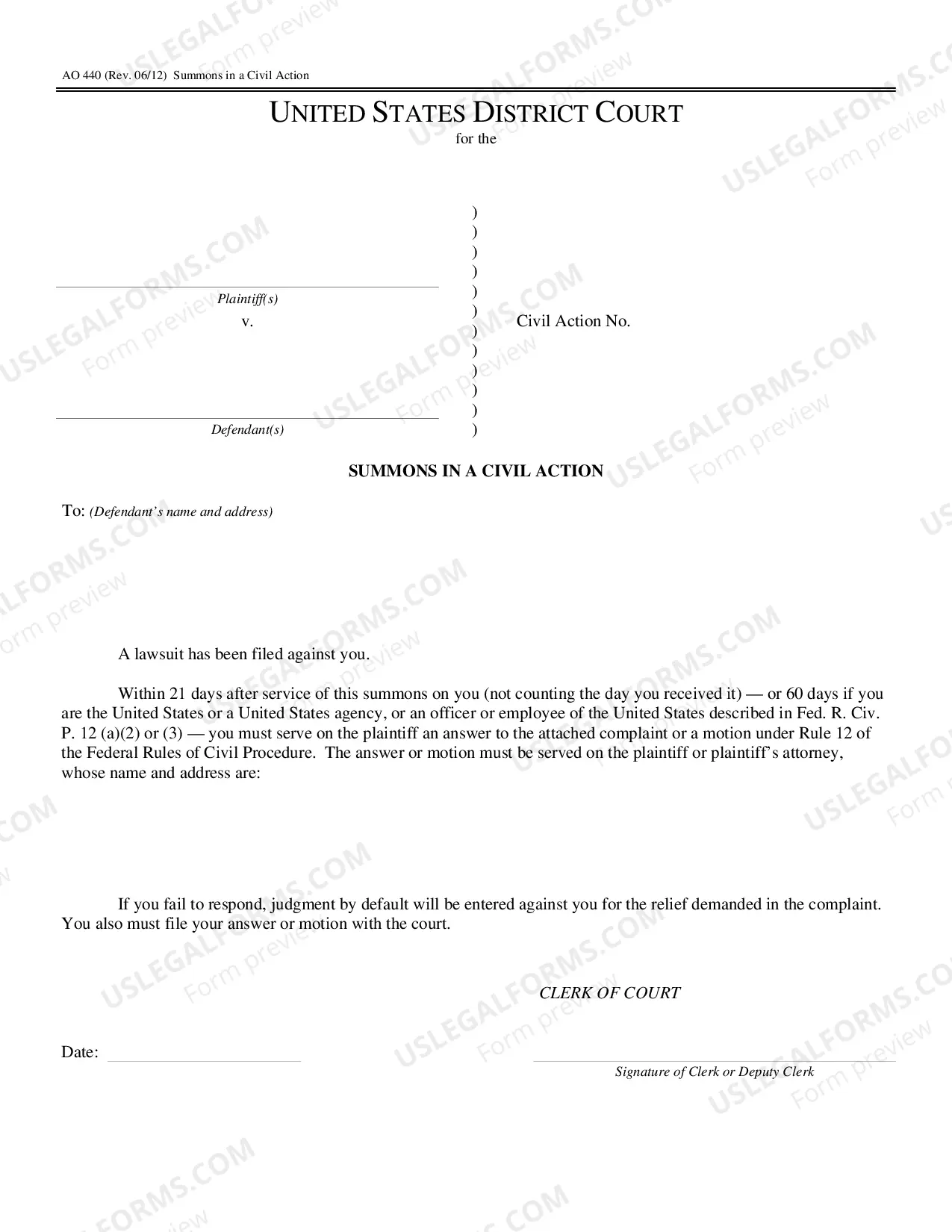
The Summons is a legal document that notifies the Respondent that a lawsuit has been initiated against them. This form orders the Respondent to appear in court and respond to the allegations within thirty days of receiving the summons. It is distinct from other legal forms, as it specifically serves to commence the legal process and inform the involved parties of their obligations in a timely manner.
Key parts of this document
- Case details: Includes names of the Petitioner and Respondent, and case number.
- Service instructions: Provides guidance on how the summons should be served.
- Response timeframe: States that the Respondent must respond within thirty days.
- Consequences of non-compliance: Details the implications of failing to respond, including potential default judgment.
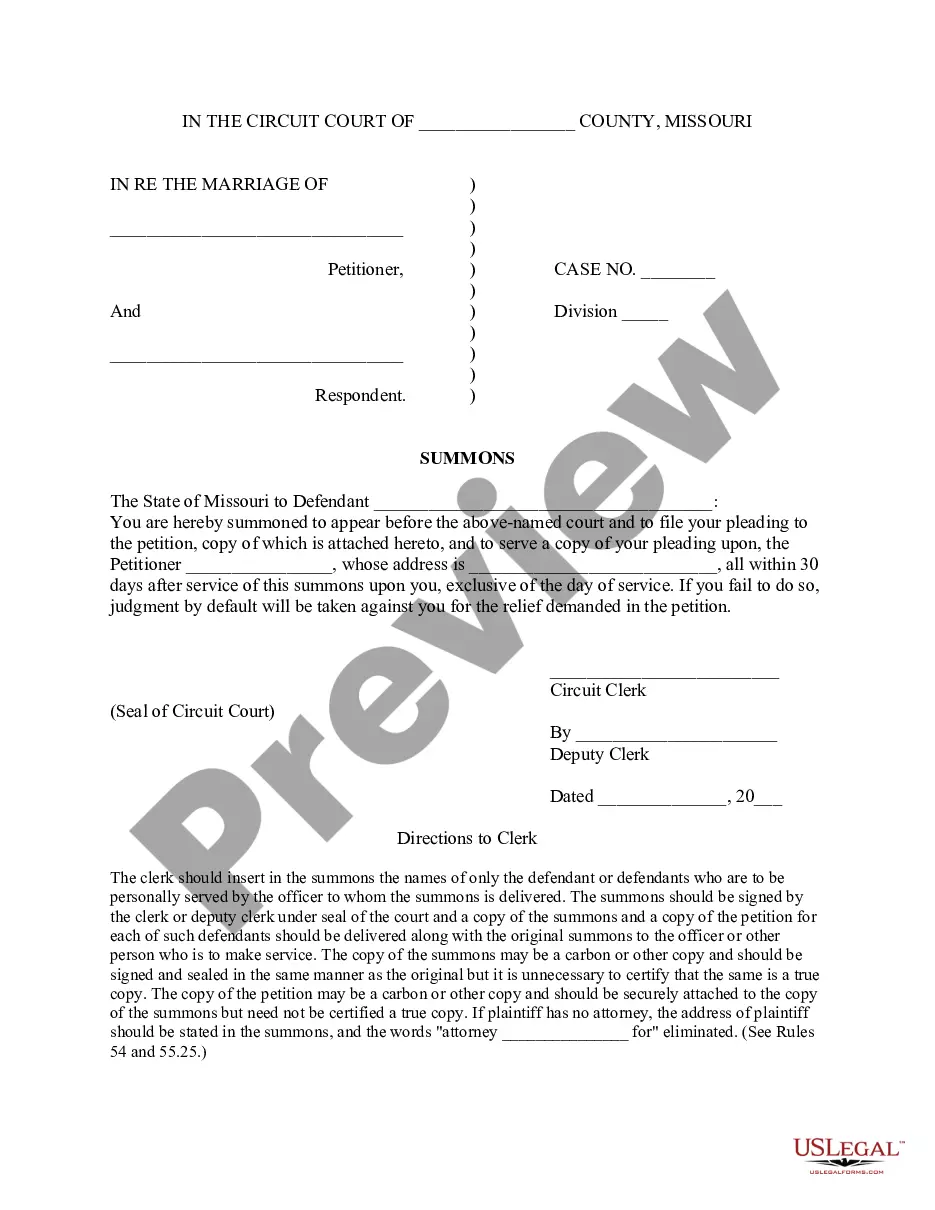
- Certification of service: Contains sections for the serving officer to confirm that the summons was delivered properly.
When this form is needed
This form should be used when starting legal proceedings, particularly in family law cases, such as divorce. It is necessary to formally notify the other party of the lawsuit so they have the opportunity to respond and present their case in court.
Who should use this form
- Individuals filing a lawsuit in a civil court.
- Petitioners in family law cases like divorce or child custody disputes.
- Those seeking to obtain a legal remedy through the court system.
Steps to complete this form
- Enter the names of the Petitioner and Respondent, along with their addresses.
- Fill in the case number and division information.
- Specify the date when the summons is issued.
- Provide details for the serving officer to follow when delivering the summons.
- Ensure the form is signed by the Circuit Clerk or Deputy Clerk.
Does this form need to be notarized?
In most cases, this form does not require notarization. However, some jurisdictions or signing circumstances might. US Legal Forms offers online notarization powered by Notarize, accessible 24/7 for a quick, remote process.
Get your form ready online
Our built-in tools help you complete, sign, share, and store your documents in one place.
Make edits, fill in missing information, and update formatting in US Legal Forms—just like you would in MS Word.
Download a copy, print it, send it by email, or mail it via USPS—whatever works best for your next step.
Sign and collect signatures with our SignNow integration. Send to multiple recipients, set reminders, and more. Go Premium to unlock E-Sign.
If this form requires notarization, complete it online through a secure video call—no need to meet a notary in person or wait for an appointment.
We protect your documents and personal data by following strict security and privacy standards.

Make edits, fill in missing information, and update formatting in US Legal Forms—just like you would in MS Word.

Download a copy, print it, send it by email, or mail it via USPS—whatever works best for your next step.

Sign and collect signatures with our SignNow integration. Send to multiple recipients, set reminders, and more. Go Premium to unlock E-Sign.

If this form requires notarization, complete it online through a secure video call—no need to meet a notary in person or wait for an appointment.

We protect your documents and personal data by following strict security and privacy standards.
Common mistakes to avoid
- Failing to include accurate names and addresses of the parties involved.
- Not serving the summons within the time limits outlined by law.
- Overlooking the need for proper signatures from the Clerk.
- Neglecting to provide a copy of the petition along with the summons.
Benefits of using this form online
- Convenience of immediate access and download.
- Editability to tailor the document to specific needs.
- Reliability as the form is crafted by licensed attorneys.
What to keep in mind
- The Summons serves as an official notice to the Respondent regarding a lawsuit.
- Timely action is crucial; the Respondent has 30 days to respond.
- This form must be signed and sealed by the court's clerk to be valid.
Looking for another form?
Form popularity
FAQ
For a summons to be issued in Missouri, you need to file a petition with the appropriate court. This petition must include the necessary details about your case and the parties involved. Once filed, the court will prepare the Missouri Summons, which outlines the legal action and provides instructions for the recipient. Ensuring that all information is accurate and complete will help facilitate the process.
To get someone served in Missouri, you must deliver the Missouri Summons to the individual named in the legal documents. Typically, this can be done by a sheriff or a professional process server. You may also choose to have someone over 18 years old, who is not involved in the case, deliver the summons. After serving the documents, the server will provide proof of service, which is essential for your case.
You typically must attend court when you receive a Missouri summons. This is your opportunity to present your case or respond to the allegations against you. Ignoring the summons can lead to adverse outcomes, such as a default judgment. Therefore, being proactive and informed is crucial in these situations.
Yes, generally, you must go to court if you receive a Missouri summons. Failing to appear can result in a default judgment against you, which may have serious legal implications. It is important to understand your rights and obligations, and seeking assistance from platforms like USLegalForms can help you navigate the process more effectively.
A summons in Missouri can be served by a sheriff, a deputy, or a private process server. These individuals are authorized to deliver legal documents to ensure that defendants are aware of their court obligations. Utilizing a reliable service provider can help streamline this process, making it easier for you to comply with legal requirements associated with a Missouri summons.
The 12-hour rule in Missouri refers to the timeframe for serving a summons within 12 hours of its issuance. This rule helps ensure that defendants are notified promptly, allowing them to prepare their response or appearance in court. Adhering to this rule is important for maintaining fairness in legal proceedings, particularly concerning a Missouri summons.
The procedure for a Missouri summons begins when the plaintiff files a petition with the court, followed by the issuance of the summons. The summons must detail the nature of the case and inform the defendant about their required actions. Once served, the defendant has a specific time frame to respond or appear in court. Following these steps is vital to uphold the integrity of the legal process.
In Missouri, a summons can be served in several ways, including personal delivery to the defendant or through certified mail. If personal service is not possible, the court may allow service by publication in a local newspaper. This flexibility ensures that defendants receive notification of their legal obligations, which is critical in the context of a Missouri summons.
In Missouri, the two types of summons are civil summons and criminal summons. A civil summons is typically issued for civil matters, such as lawsuits between individuals or entities. On the other hand, a criminal summons is issued in criminal cases, requiring a defendant to appear in court regarding criminal charges. Understanding these distinctions is essential for navigating the legal system effectively.