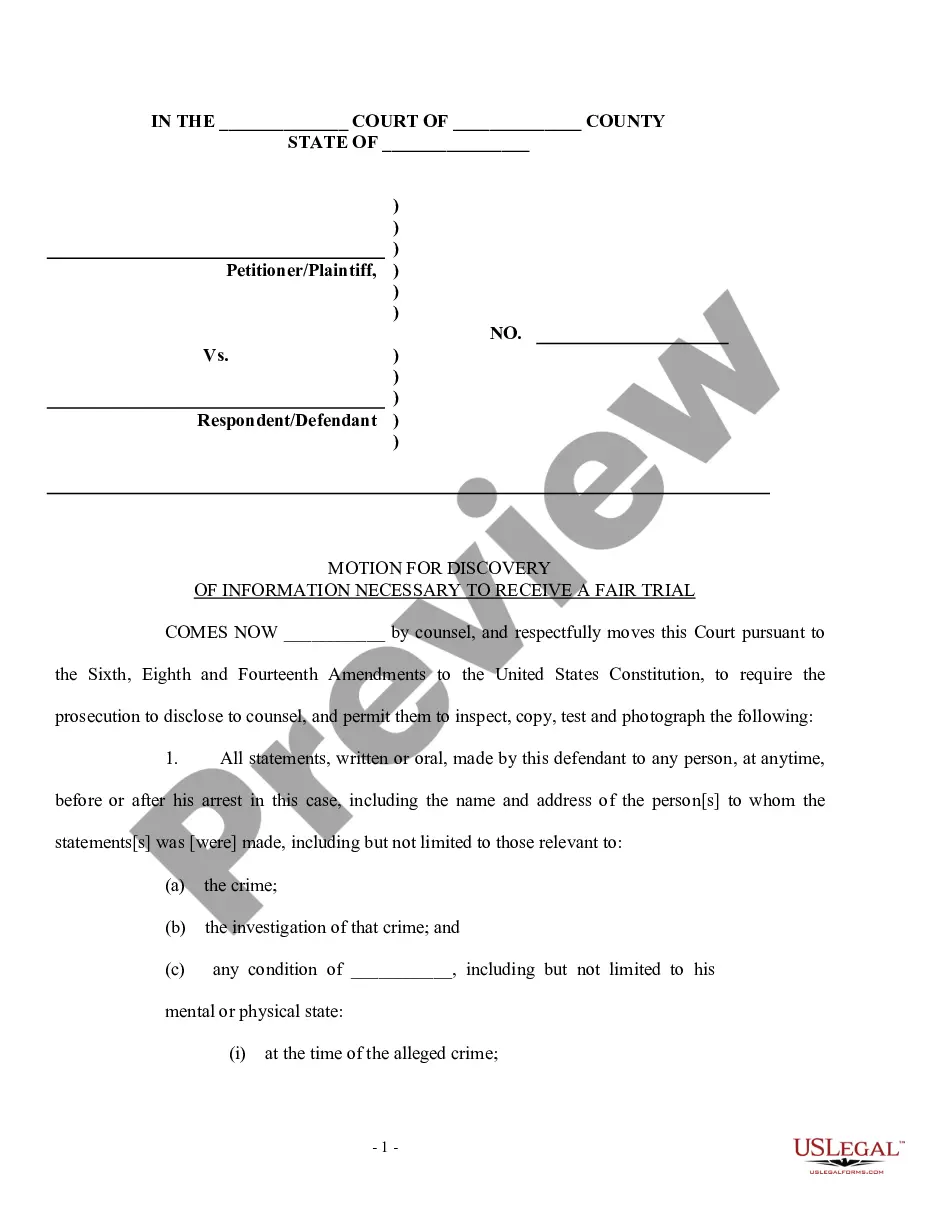
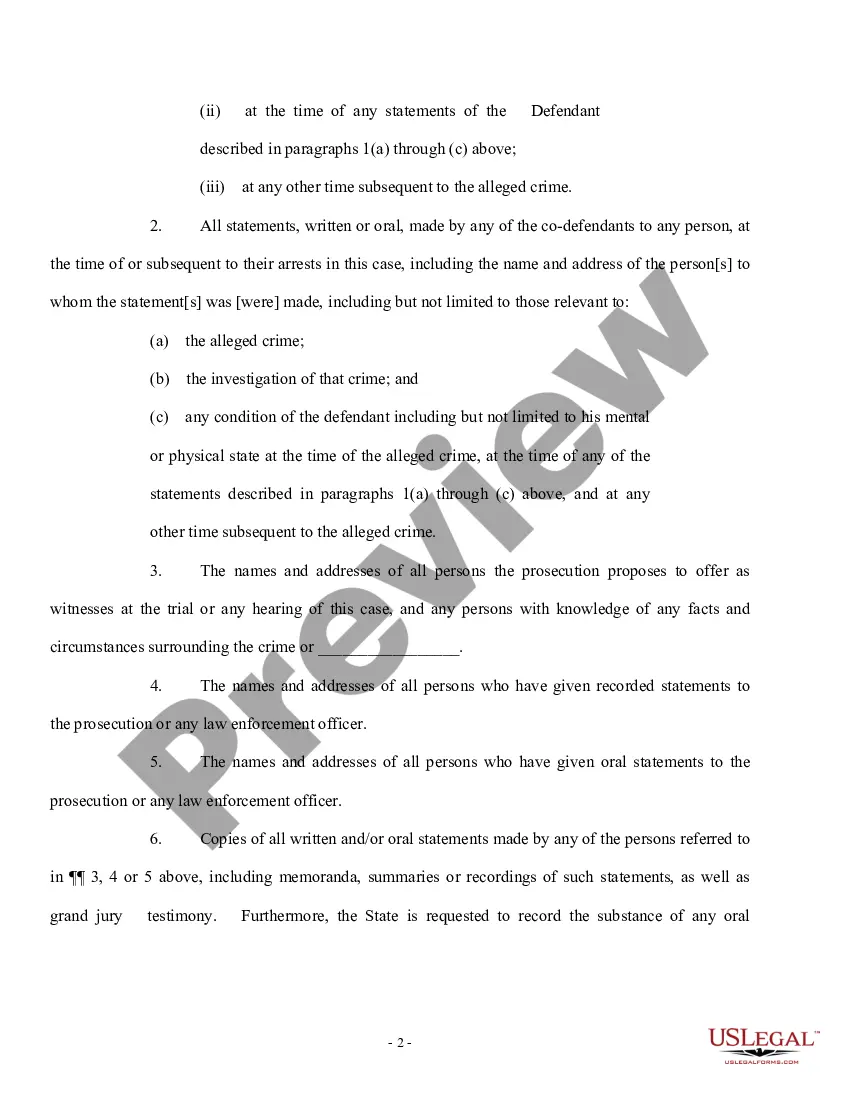
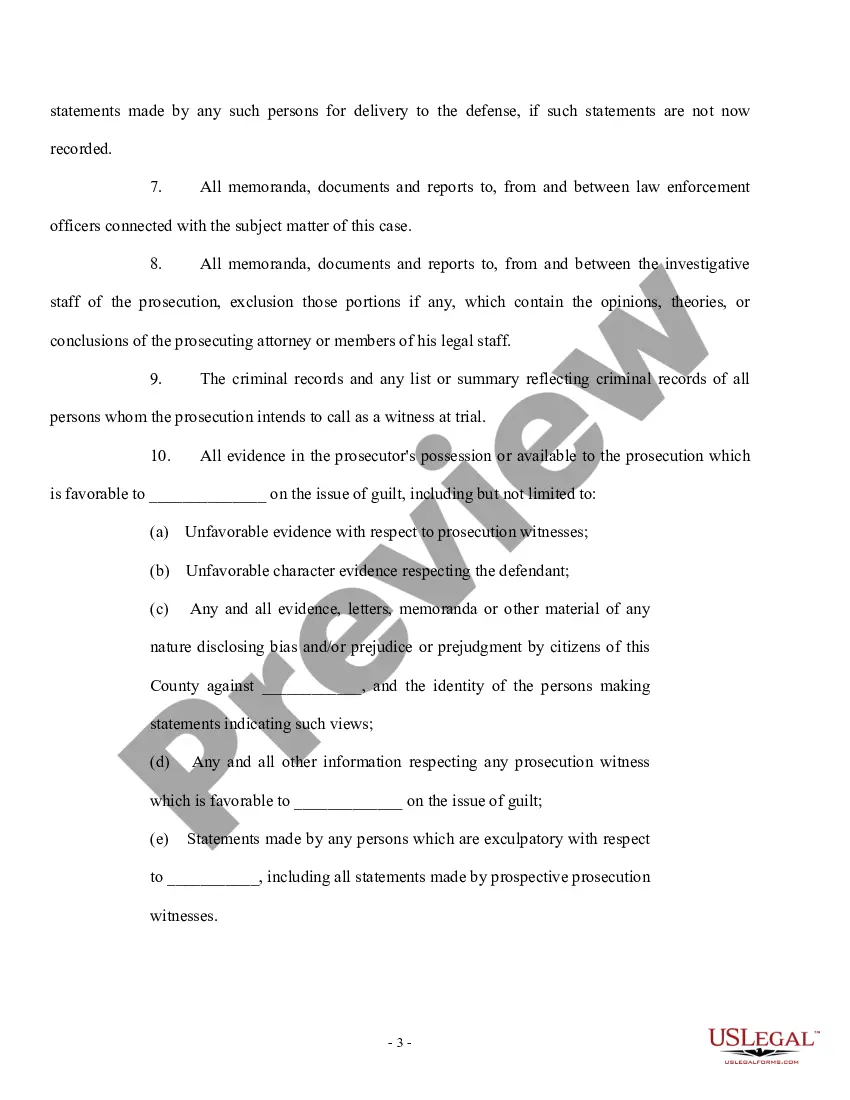
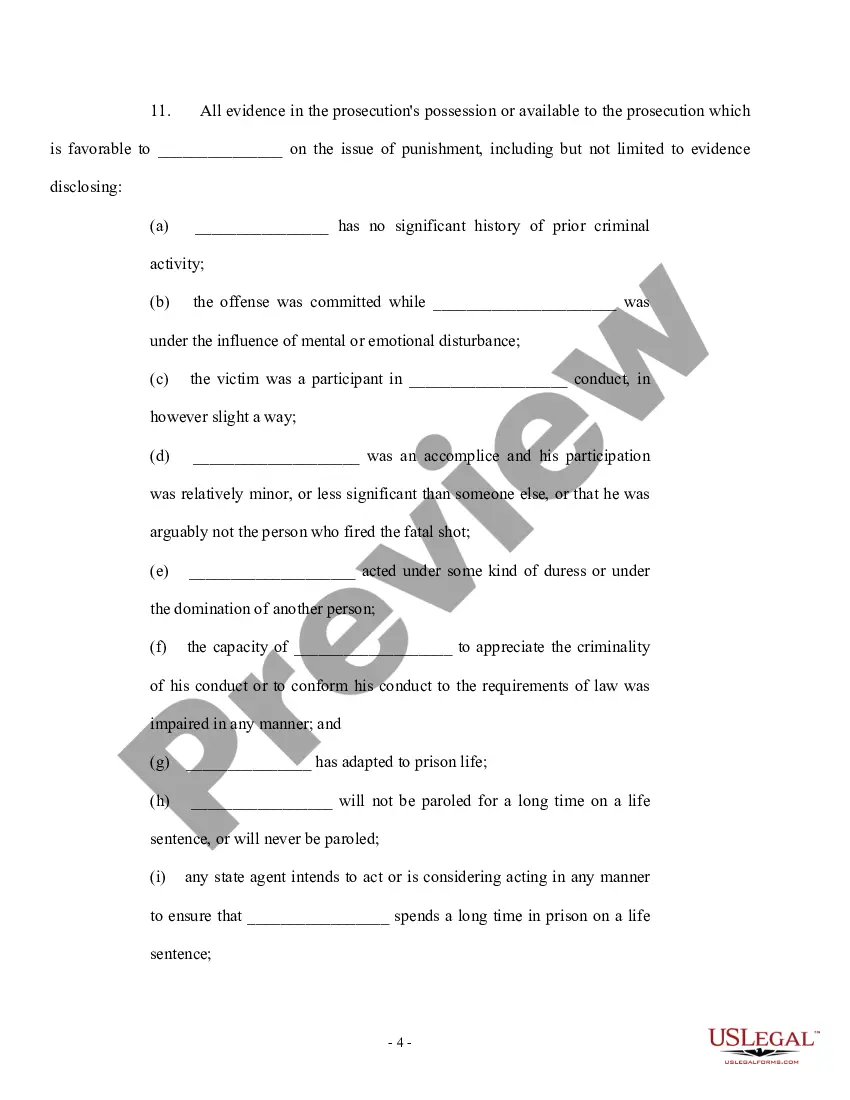
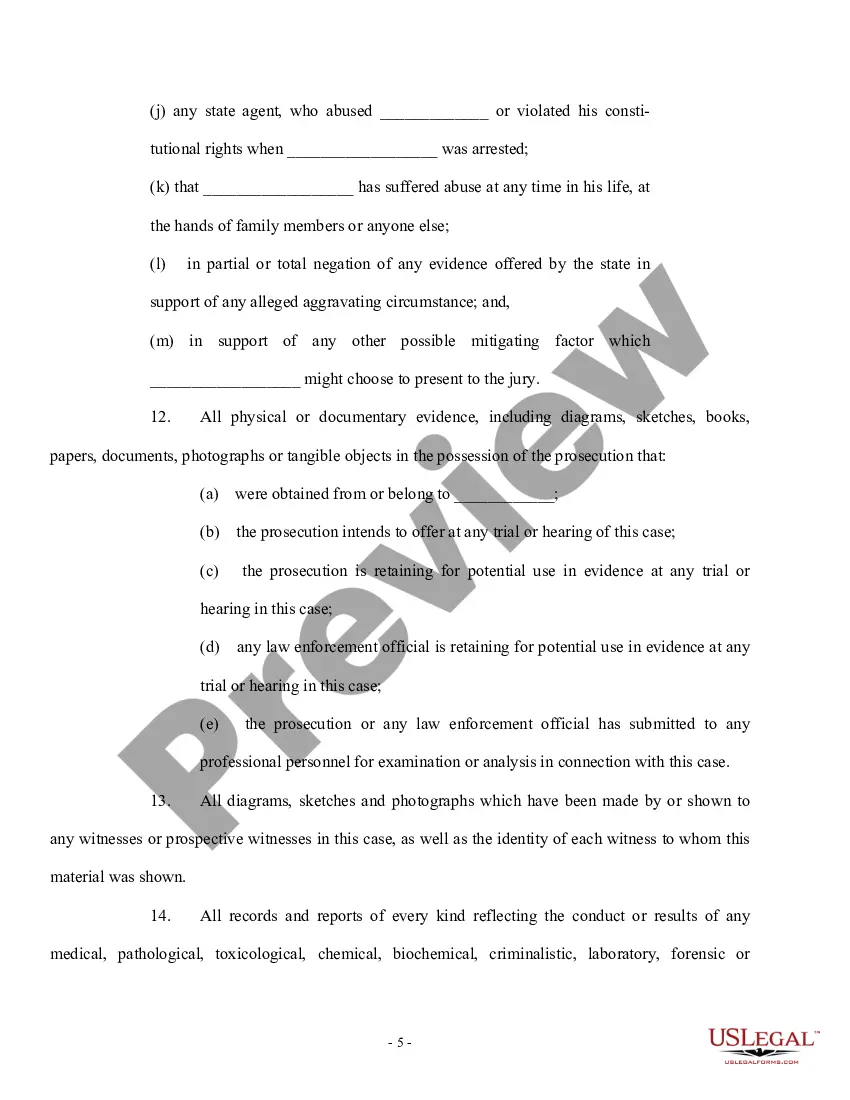
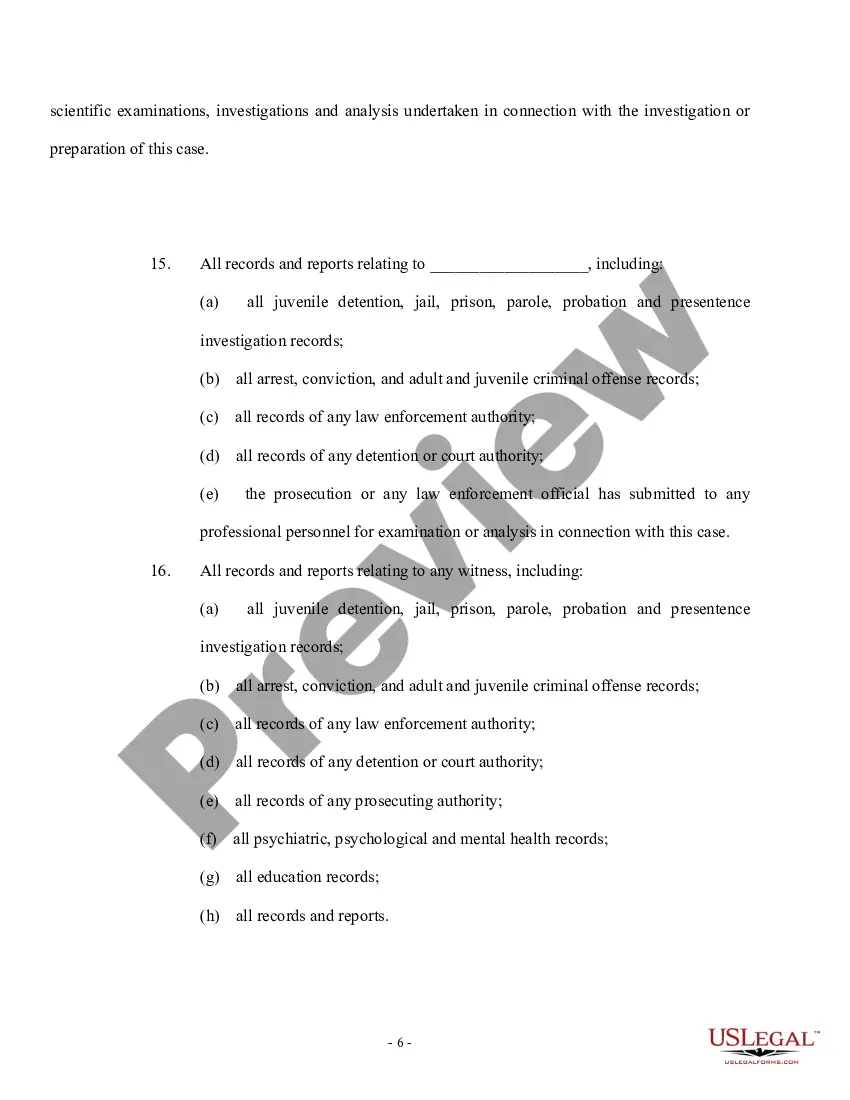
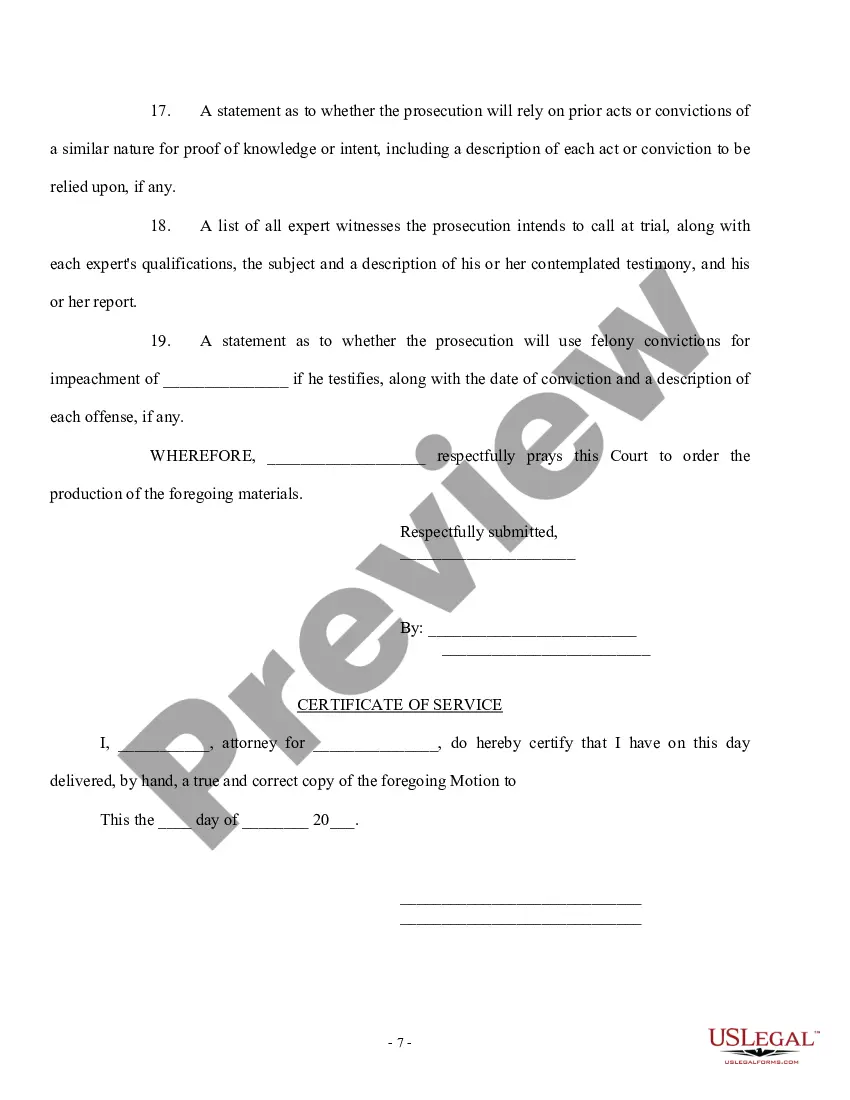
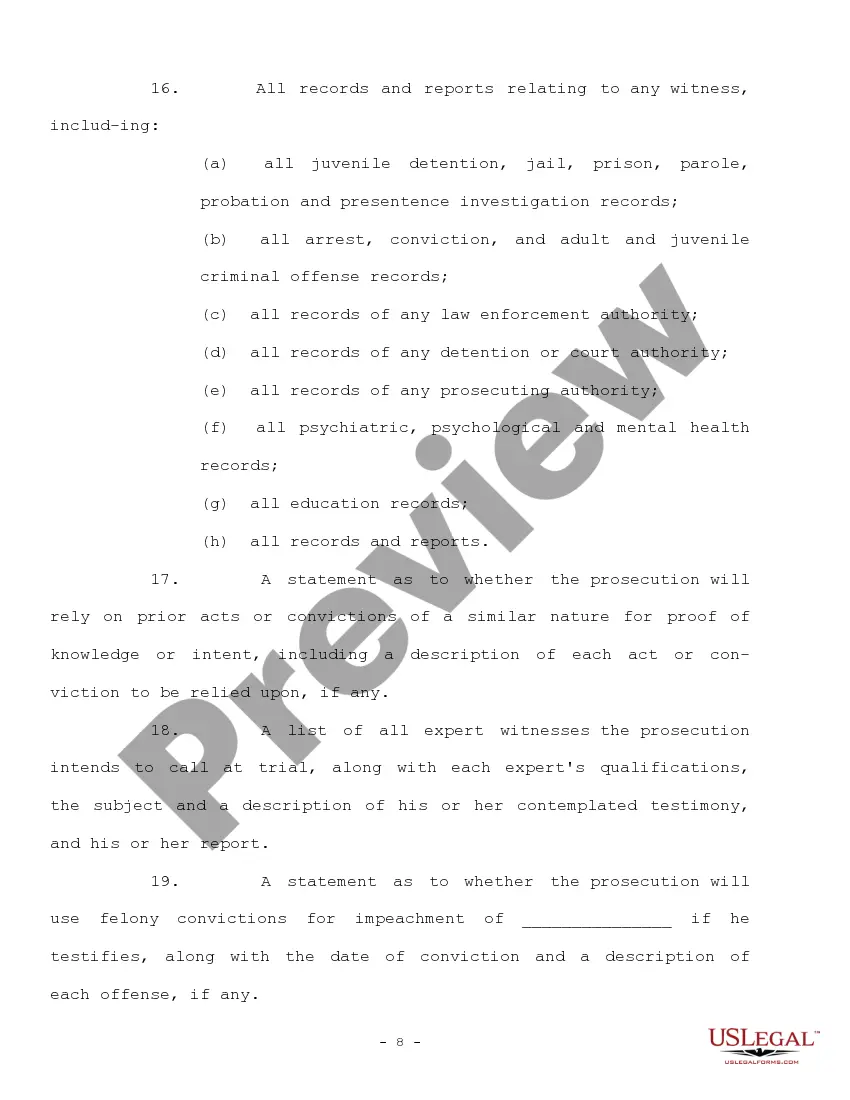
Motion Discovery Information With One Another
Description
Get your form ready online
Our built-in tools help you complete, sign, share, and store your documents in one place.
Make edits, fill in missing information, and update formatting in US Legal Forms—just like you would in MS Word.
Download a copy, print it, send it by email, or mail it via USPS—whatever works best for your next step.
Sign and collect signatures with our SignNow integration. Send to multiple recipients, set reminders, and more. Go Premium to unlock E-Sign.
If this form requires notarization, complete it online through a secure video call—no need to meet a notary in person or wait for an appointment.
We protect your documents and personal data by following strict security and privacy standards.

Make edits, fill in missing information, and update formatting in US Legal Forms—just like you would in MS Word.

Download a copy, print it, send it by email, or mail it via USPS—whatever works best for your next step.

Sign and collect signatures with our SignNow integration. Send to multiple recipients, set reminders, and more. Go Premium to unlock E-Sign.

If this form requires notarization, complete it online through a secure video call—no need to meet a notary in person or wait for an appointment.

We protect your documents and personal data by following strict security and privacy standards.
Looking for another form?







How to fill out Motion For Discovery Of Information Necessary To Receive A Fair Trial?
It’s well-known that you cannot transform into a legal expert instantly, nor can you ascertain how to swiftly compile Motion Discovery Information With One Another without possessing a specialized education.
Assembling legal documents is an extensive undertaking that necessitates certain knowledge and abilities.
So why not entrust the development of the Motion Discovery Information With One Another to the experts.
Examine it (if this option is available) and review the accompanying description to confirm whether Motion Discovery Information With One Another is what you're seeking.
Start your search again if you require any other template.
- With US Legal Forms, one of the largest legal template collections, you can find everything from court documents to in-office communication formats.
- We recognize how vital compliance and adherence to federal and local regulations are.
- That’s why, on our site, all templates are specific to locations and current.
- Here’s how to begin with our website and acquire the form you need in just minutes.
- Locate the document you require using the search bar located at the top of the page.
Form popularity
FAQ
Some examples that your lawyer may request as part of their motion for discovery are: Photos or videos of the crime scene. Witness statements. Police reports or notes.
Discovery may be carried out by directly asking a person questions (oral depositions), by sending a person written questions (interrogatories and depositions on written questions), and by requesting that the person provide documents (motions for production, subpoenas duces tecum).
Write out each fact you wish the other party to admit is true. When writing these facts, be as clear and concise as possible. Each request must be for a single fact; do not include multiple facts, compound questions, or subparts.
One of the most common methods of discovery is to take depositions. A deposition is an out-of-court statement given under oath by any person involved in the case. It is to be used at trial or in preparation for trial. It may be in the form of a written transcript, a videotape, or both.
Supreme Court has recognized that there is no right to use pretrial discovery from one case for another purpose. ences a defendant can show between two actions, the less likely a court is to permit cloned discovery.