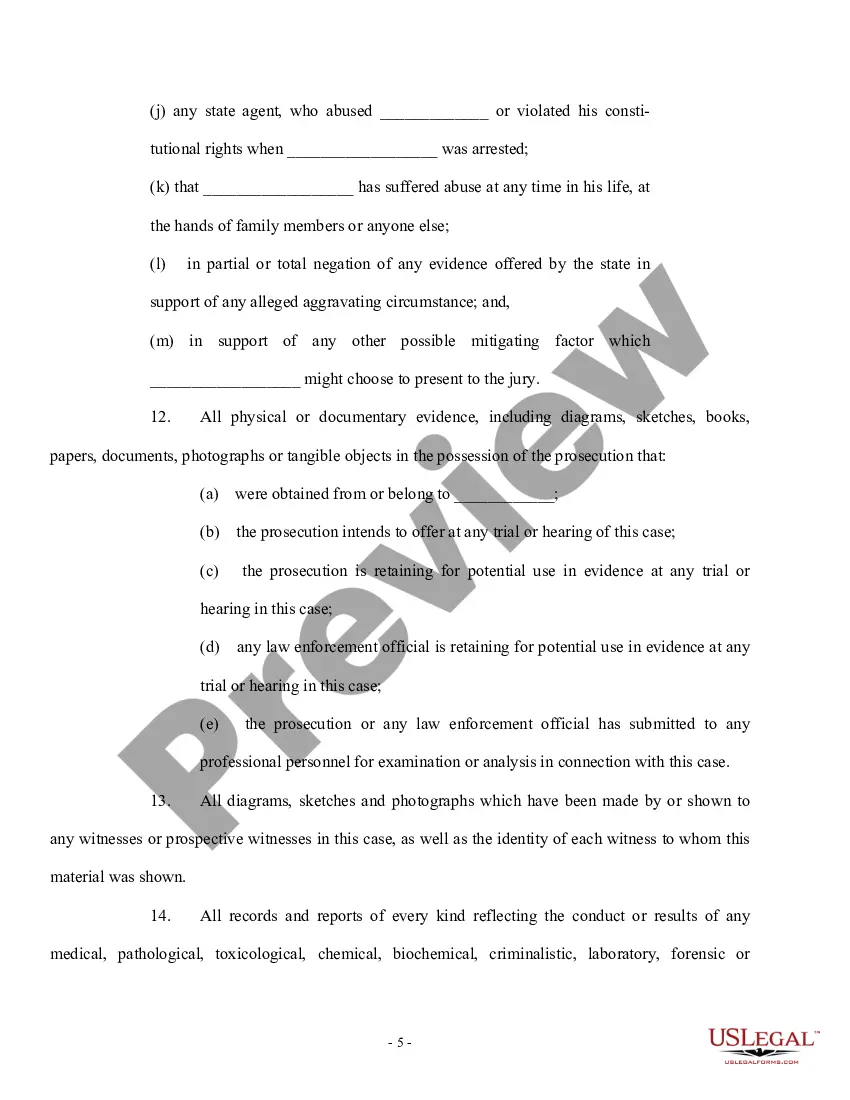
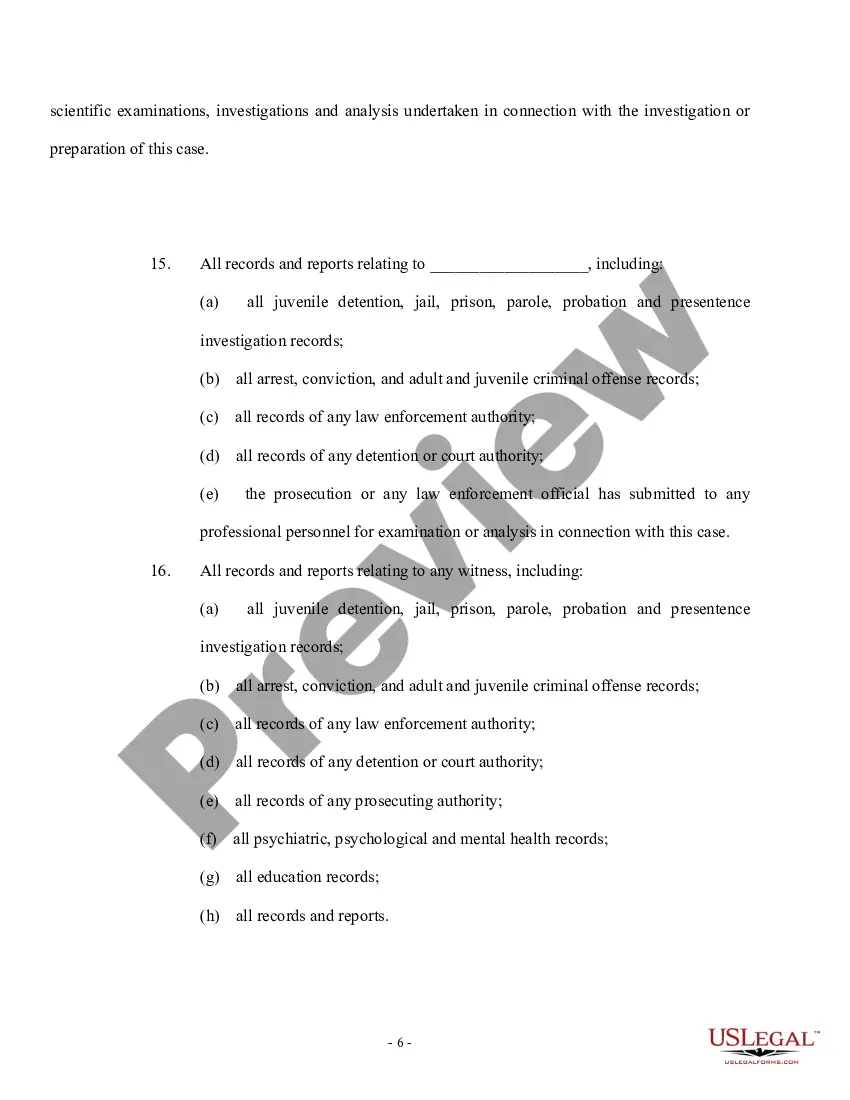
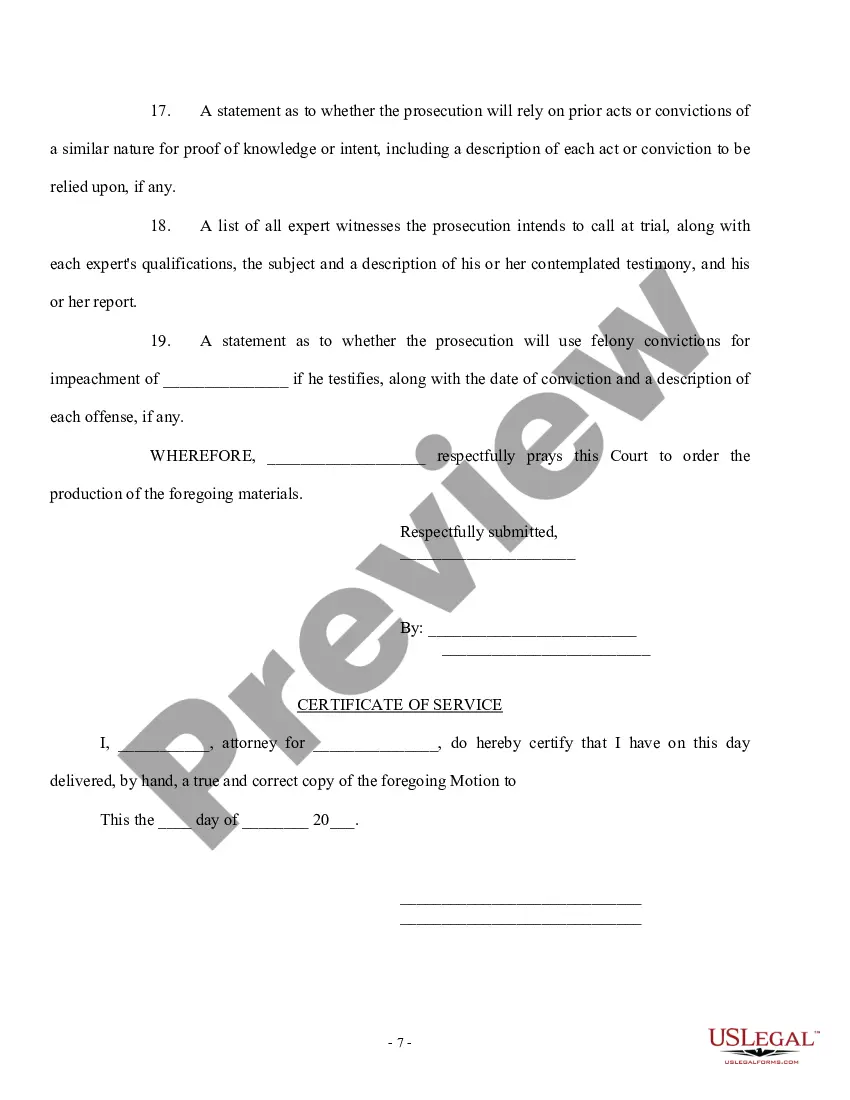
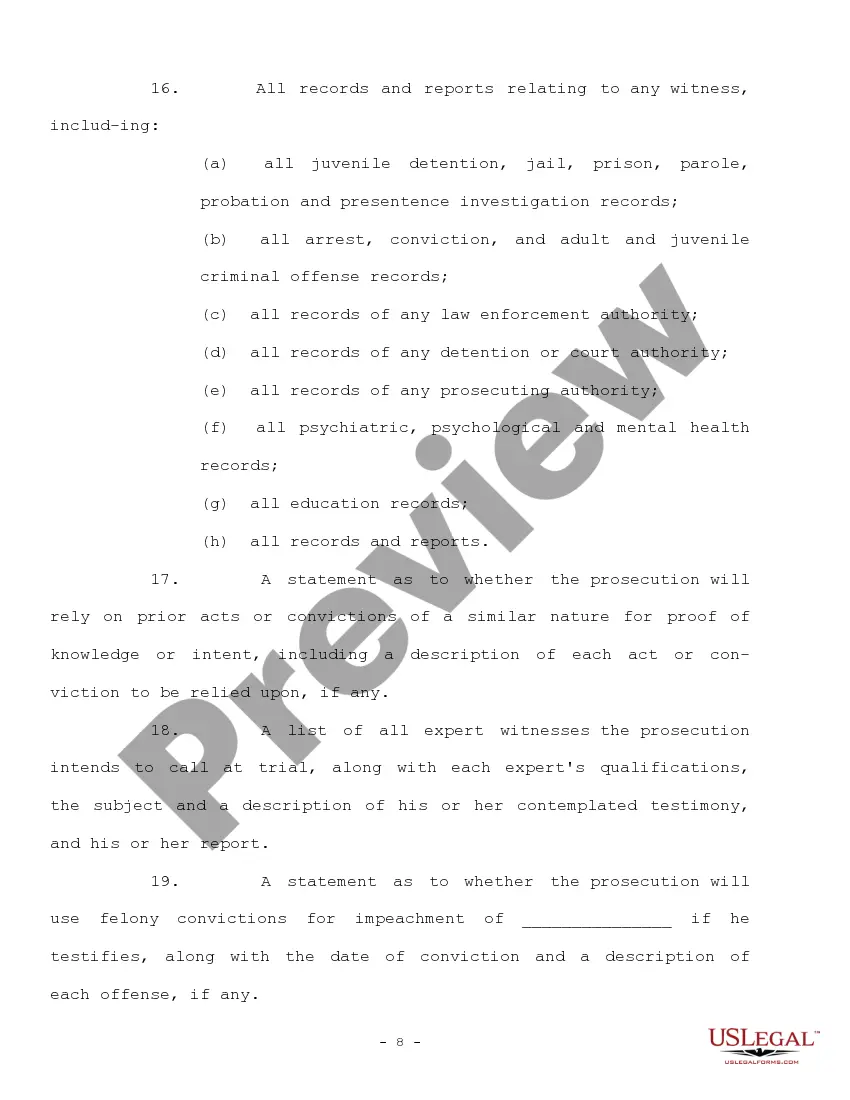
Motion Discovery Information For Authors
Description
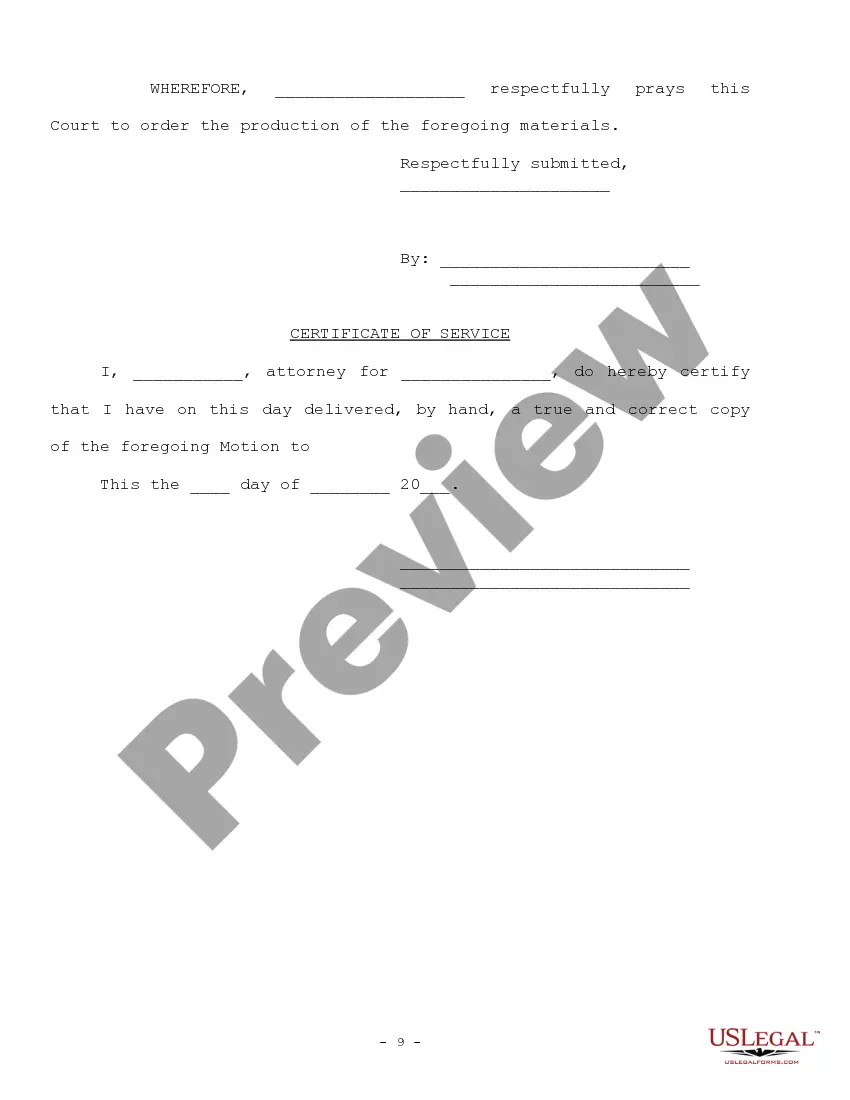
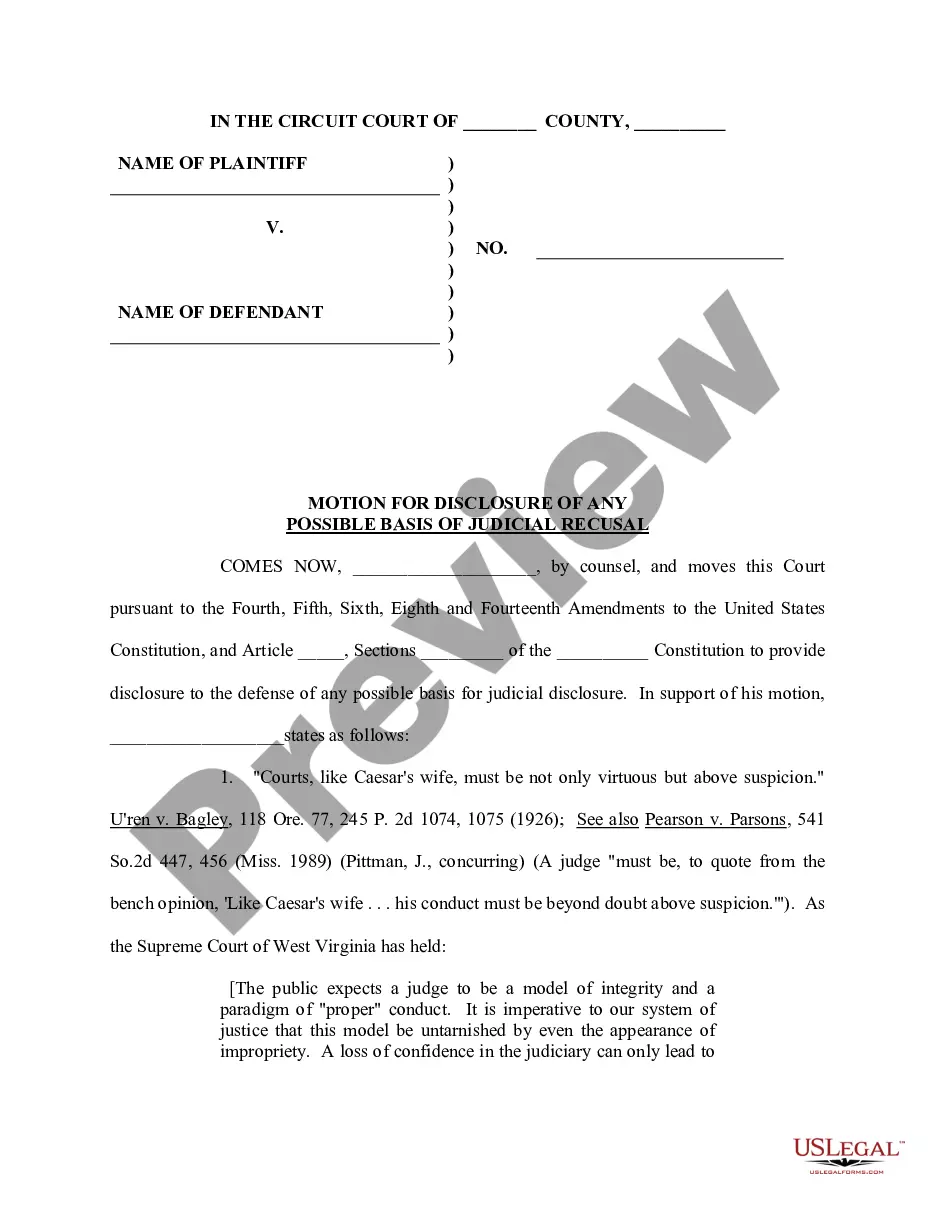
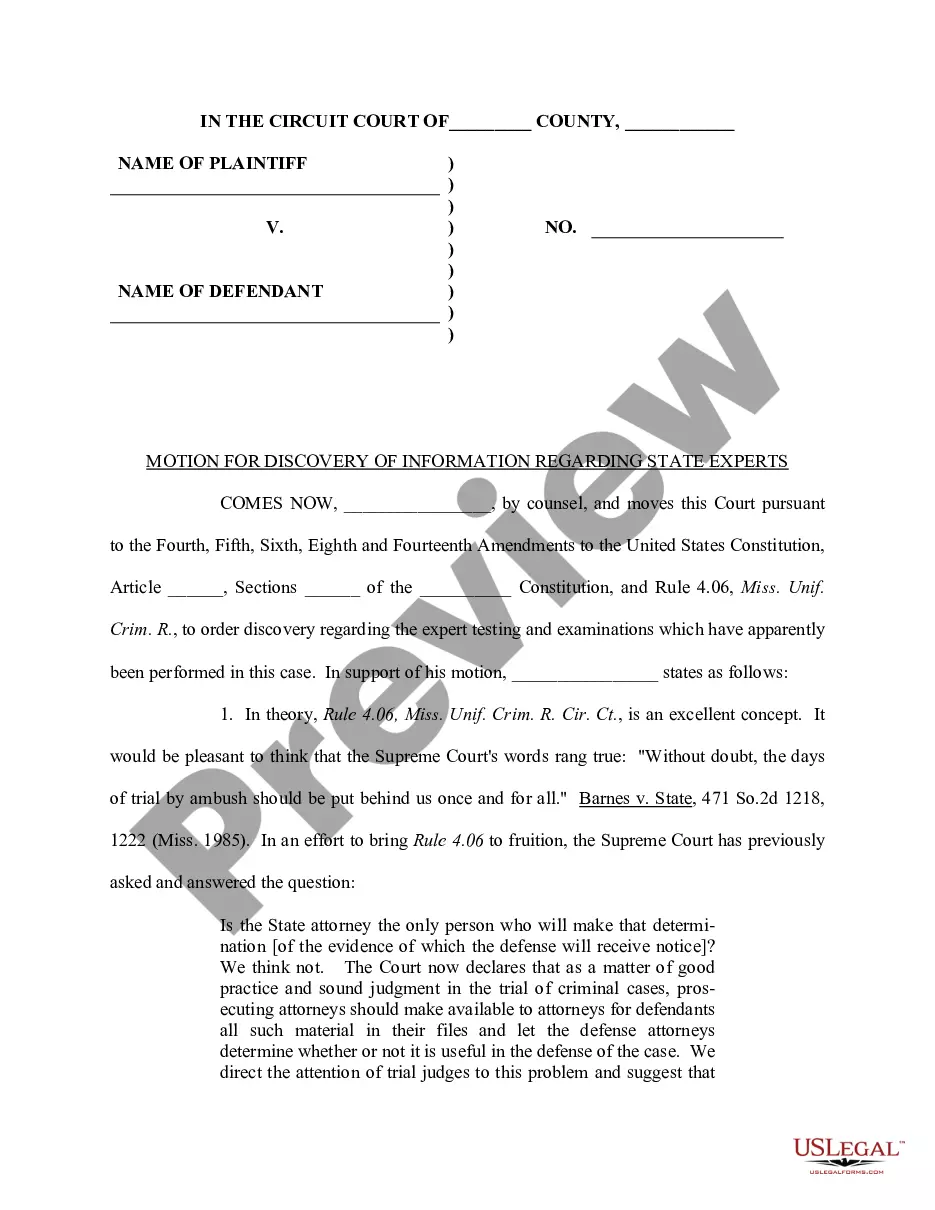
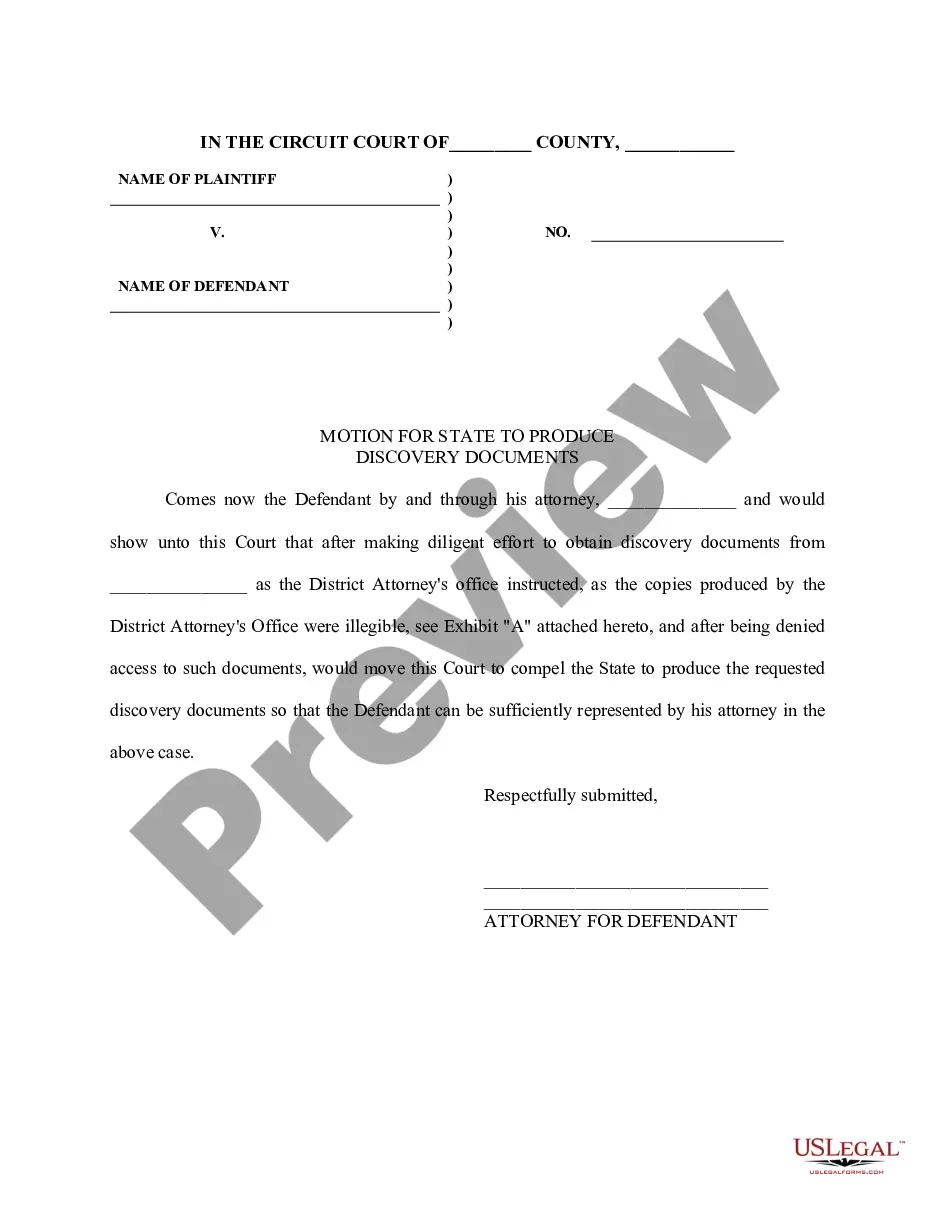
Get your form ready online
Our built-in tools help you complete, sign, share, and store your documents in one place.
Make edits, fill in missing information, and update formatting in US Legal Forms—just like you would in MS Word.
Download a copy, print it, send it by email, or mail it via USPS—whatever works best for your next step.
Sign and collect signatures with our SignNow integration. Send to multiple recipients, set reminders, and more. Go Premium to unlock E-Sign.
If this form requires notarization, complete it online through a secure video call—no need to meet a notary in person or wait for an appointment.
We protect your documents and personal data by following strict security and privacy standards.

Make edits, fill in missing information, and update formatting in US Legal Forms—just like you would in MS Word.

Download a copy, print it, send it by email, or mail it via USPS—whatever works best for your next step.

Sign and collect signatures with our SignNow integration. Send to multiple recipients, set reminders, and more. Go Premium to unlock E-Sign.

If this form requires notarization, complete it online through a secure video call—no need to meet a notary in person or wait for an appointment.

We protect your documents and personal data by following strict security and privacy standards.
Looking for another form?







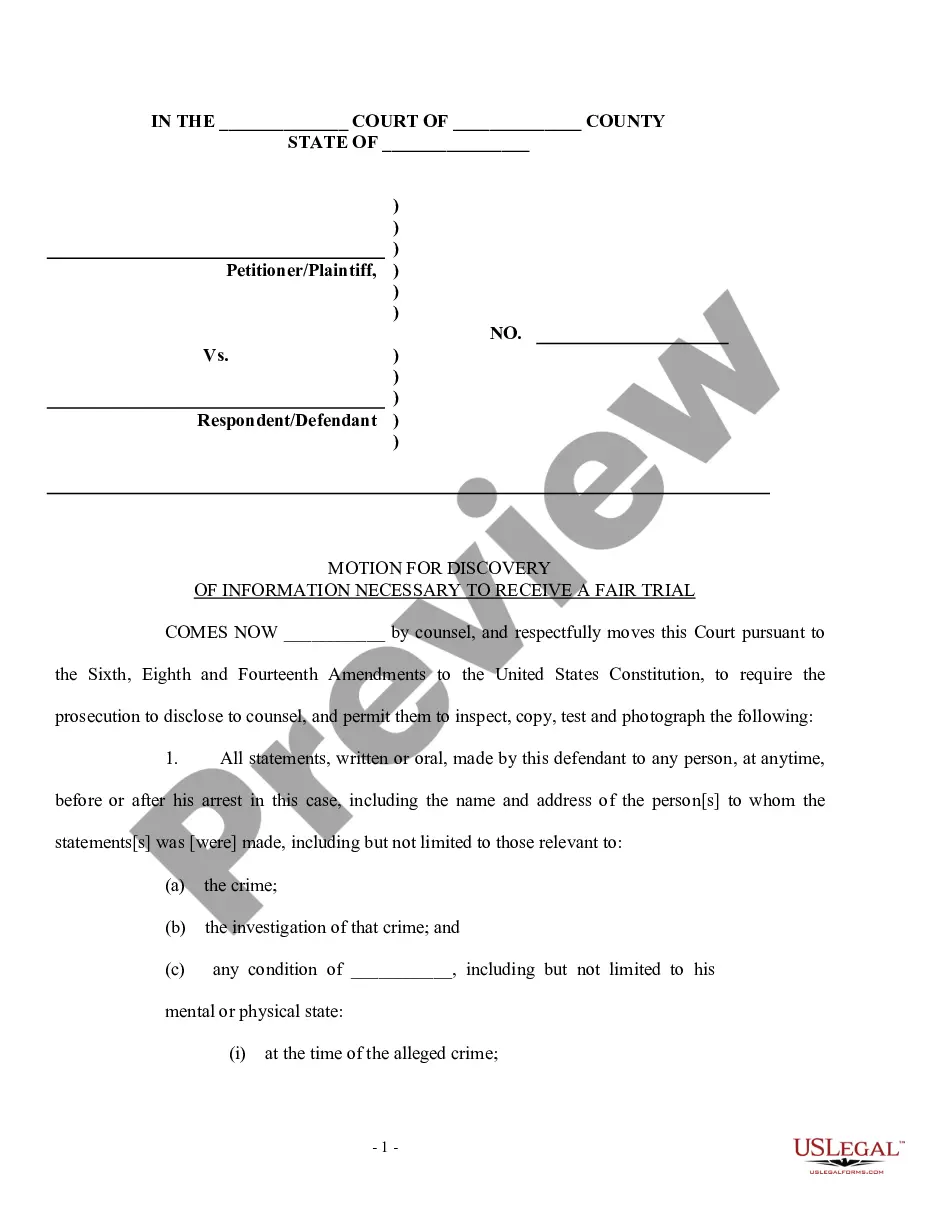
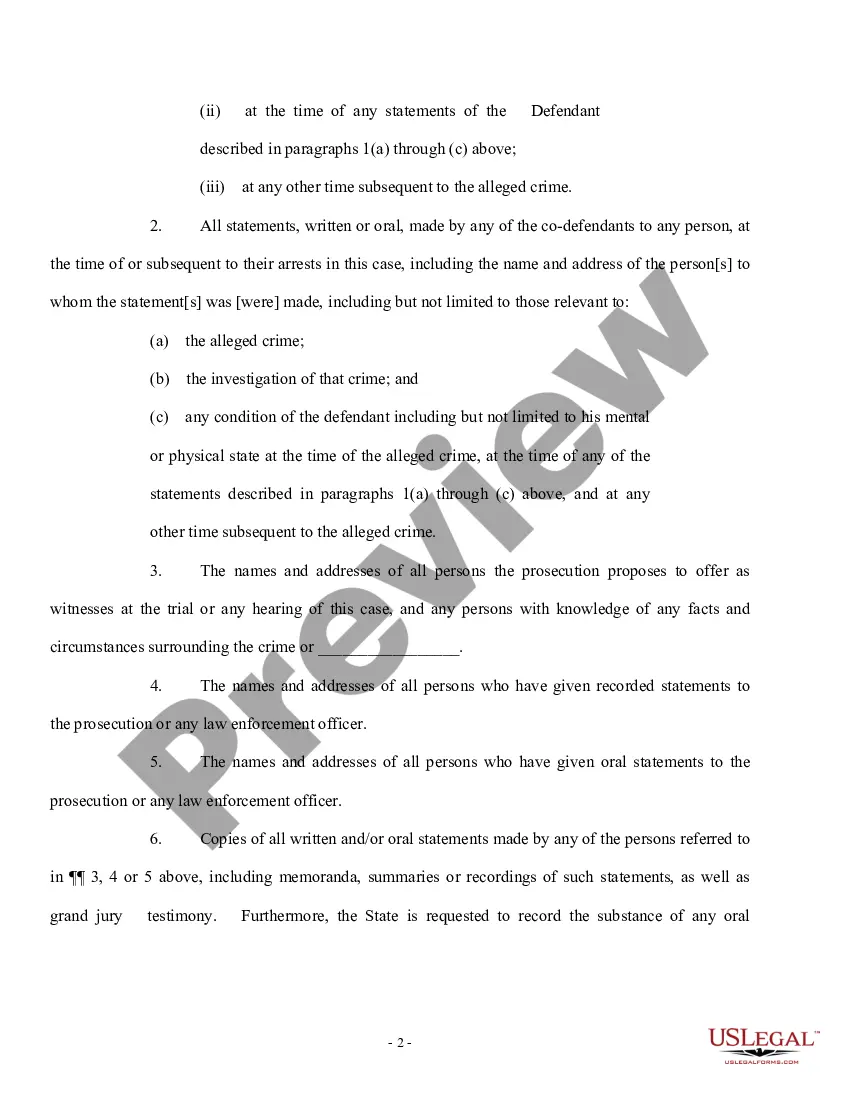
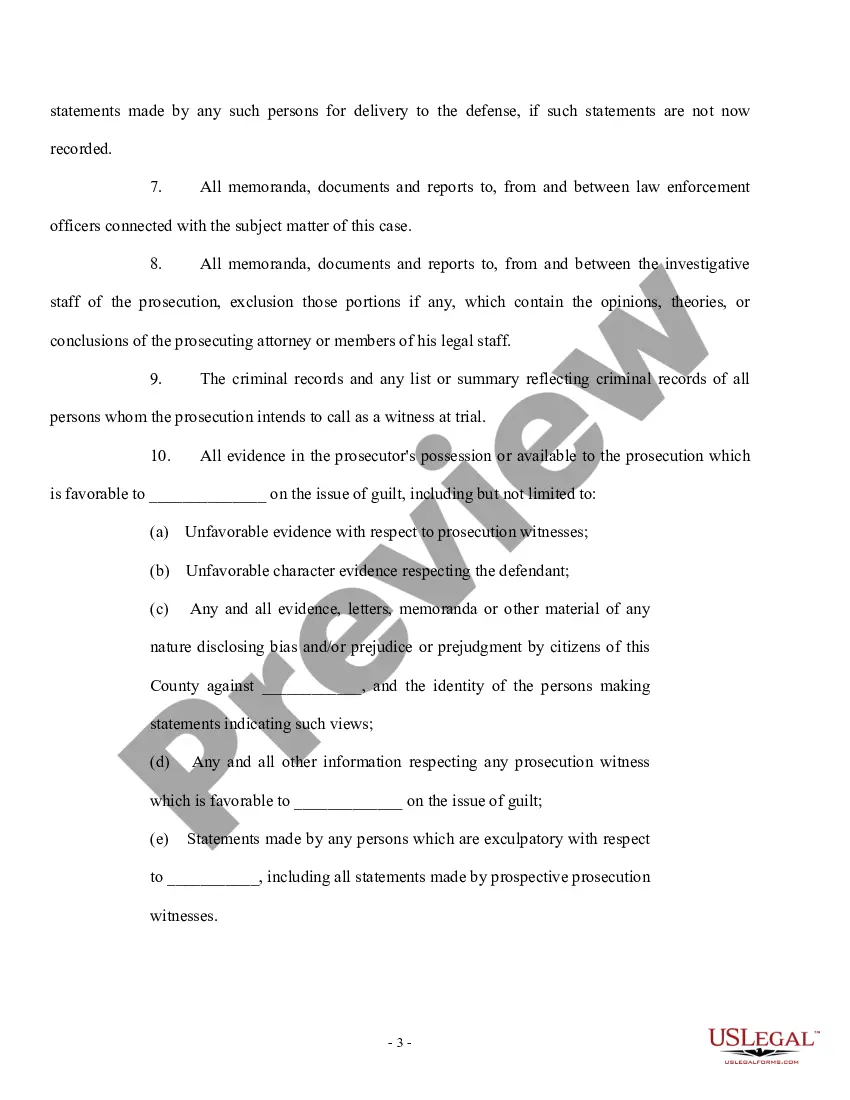
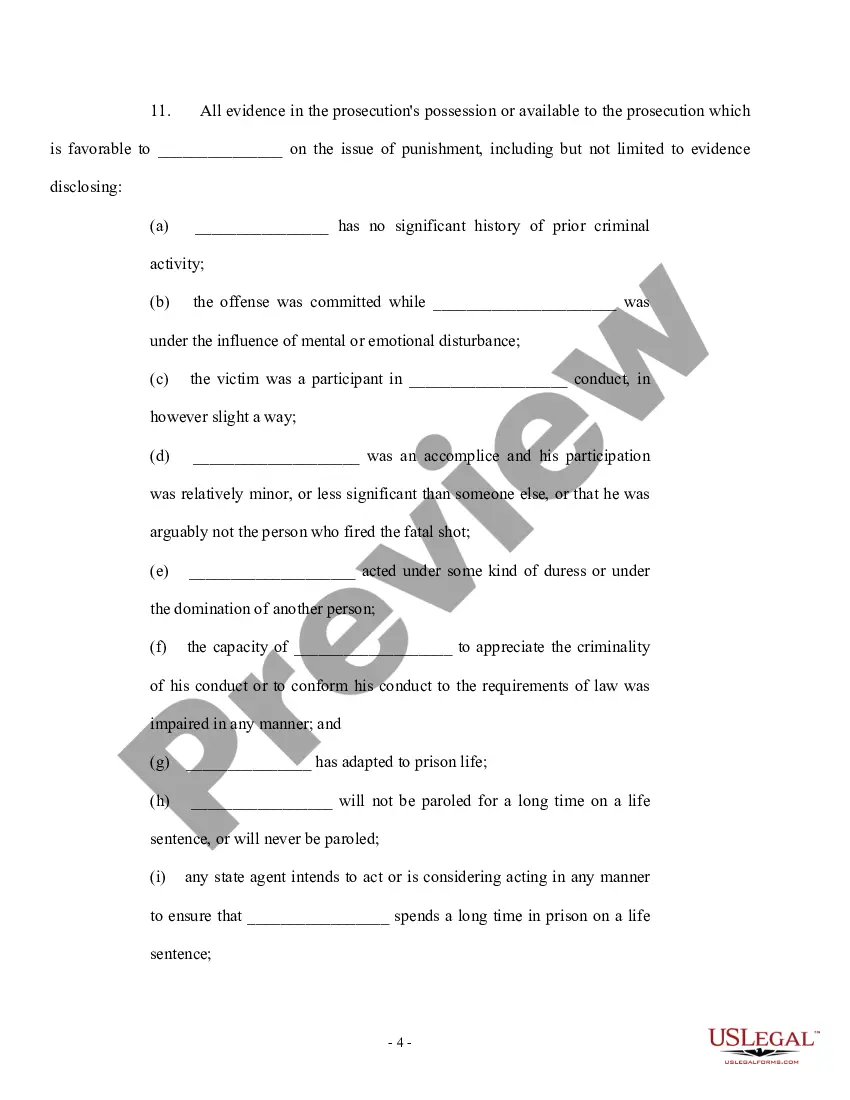
How to fill out Motion For Discovery Of Information Necessary To Receive A Fair Trial?
Regardless of whether it is for corporate needs or personal matters, everyone must confront legal issues at some point in their lives.
Completing legal paperwork requires meticulous care, starting with selecting the correct form template.
With a comprehensive US Legal Forms catalog available, you don’t need to waste time searching for the right template online. Utilize the library's user-friendly navigation to find the appropriate form for any situation.
- For example, if you select an incorrect version of a Motion Discovery Information For Authors, it will be rejected once submitted.
- Thus, it is crucial to have a reliable provider of legal documents like US Legal Forms.
- If you wish to acquire a Motion Discovery Information For Authors template, adhere to these straightforward steps.
- 1. Locate the template you need by using the search bar or catalog browsing.
- 2. Review the form's specifications to confirm it aligns with your case, jurisdiction, and locale.
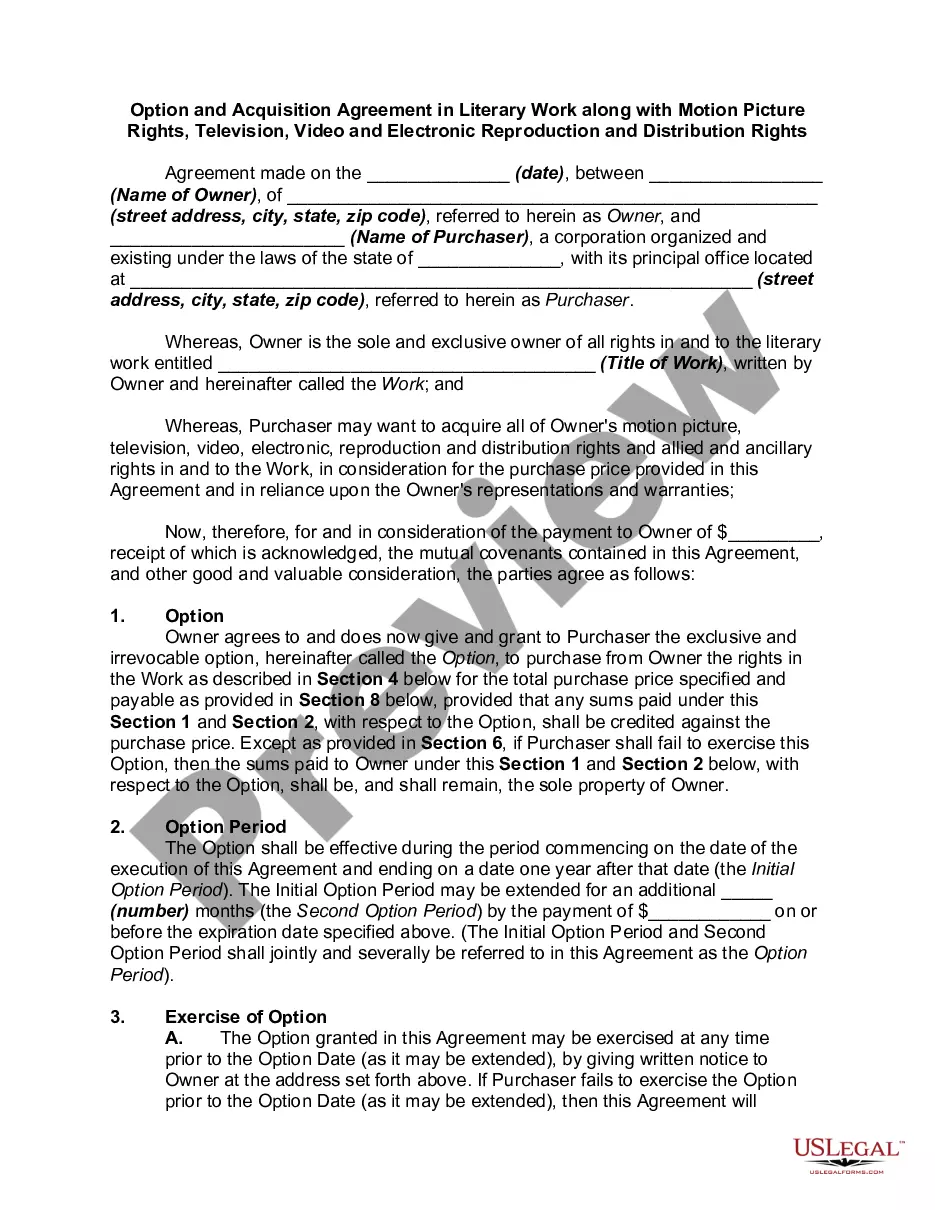
- 3. Click on the form’s preview to review it.
- 4. If it is not the correct document, return to the search tool to find the Motion Discovery Information For Authors example you require.
- 5. Obtain the template if it satisfies your requirements.
- 6. If you possess a US Legal Forms account, simply click Log in to access previously saved templates in My documents.
- 7. In case you haven't created an account yet, you may download the form by clicking Buy now.
- 8. Select the appropriate pricing option.
- 9. Fill out the account registration form.
- 10. Choose your payment method: either a credit card or a PayPal account.
- 11. Pick the desired file format and download the Motion Discovery Information For Authors.
- 12. Once saved, you can either fill out the form using editing software or print it to complete manually.
Form popularity
FAQ
Some examples that your lawyer may request as part of their motion for discovery are: Photos or videos of the crime scene. Witness statements. Police reports or notes. Lab tests and reports. Alibi witness statements.
Discovery requests typically follow a common format that you can mirror. First, list instructions detailing the request for production. Be sure to mention Rule 34 and Rule 26(b), which outline the scope of the discovery request. It's also necessary to include a section with definitions.
The main types of written discovery are Interrogatories, Request for Production of Documents, and Requests for Admissions. Form Interrogatories allow a party to ask common questions from a list of questions provided by the California courts.
Write out each fact you wish the other party to admit is true. When writing these facts, be as clear and concise as possible. Each request must be for a single fact; do not include multiple facts, compound questions, or subparts.
Discovery may be carried out by directly asking a person questions (oral depositions), by sending a person written questions (interrogatories and depositions on written questions), and by requesting that the person provide documents (motions for production, subpoenas duces tecum).